Still Here: Blogging Against Disabilism

 Today is Blogging Against Disabilism Day. Disabilism is a Gimp term for the ideology and practice of discriminating against people with disabilities. Discriminatory practices of all forms appear to be on the rise in North America. In the U.S., where all programs that protect minorities are under attack, there has been a growing chorus of calls for the dismantling of the Americans With Disabilities Act.
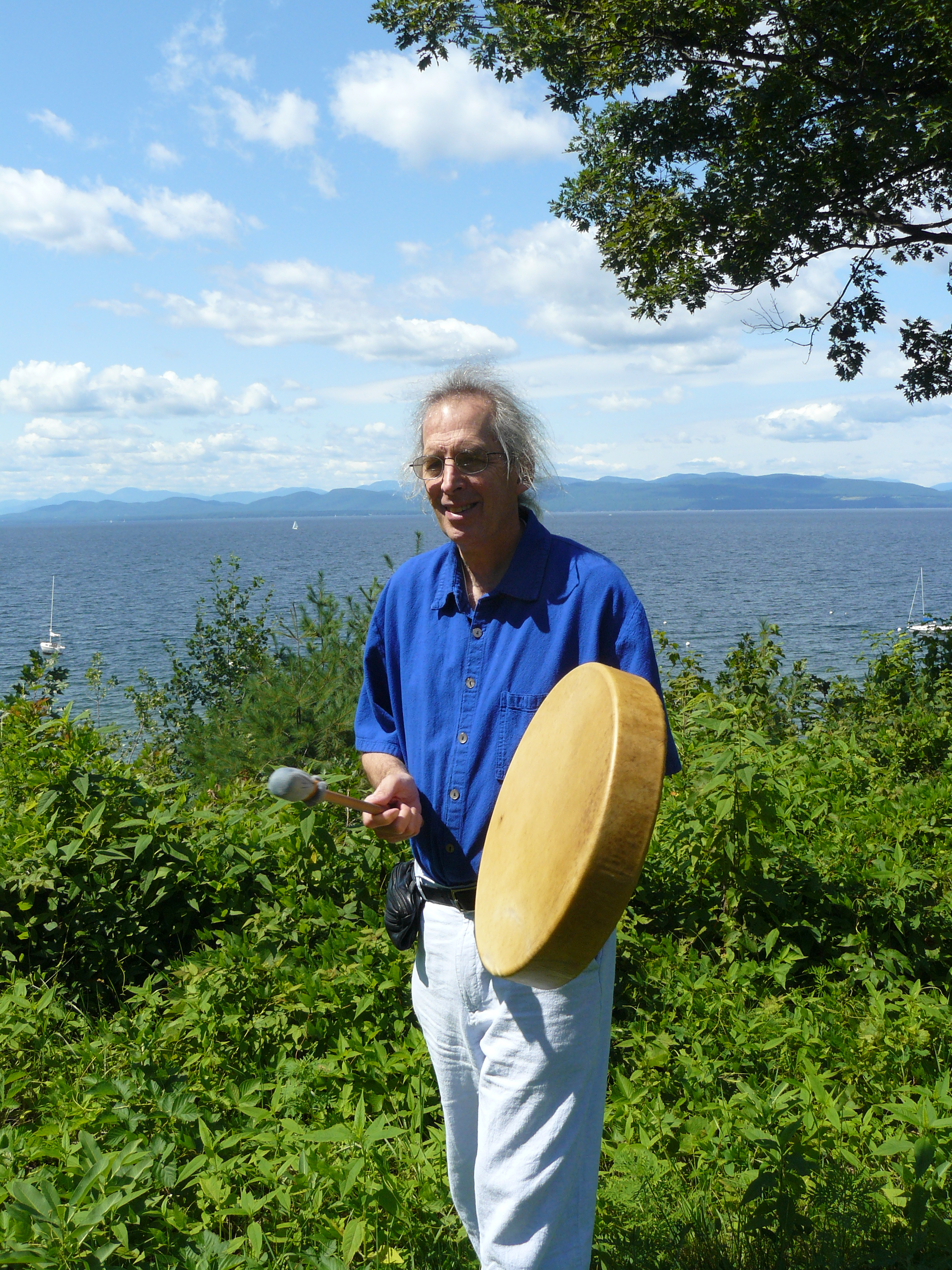 MICHAEL WATSON, M.A., Ph.D., LCMHC (Dreaming the World) ~ is a contributing editor to Into the Bardo, an essayist and a practitioner of the Shamanic arts, psychotherapist, educator and artist of Native American and European descent. He lives and works in Burlington, Vermont, where he teaches in undergraduate and graduate programs at Burlington College,. He was once Dean of Students there. Recently Michael has been teaching in India and Hong Kong. His experiences are documented on his blog. In childhood he had polio, an event that taught him much about challenge, struggle, isolation, and healing.
  The BeZine
I once heard an HR manager saying he prefers to hire disabled and people with chronic diseases, because, he said with admiration, ‘…they are never ill’. He spoke with respect on how tough disabled and the chronic ill people are compared to those ‘who stay at home because of a snotty nose’.
LikeLike
Paula, Thank you. The HR manager’s words are a perfect example of the problem! That level of stereotyping is not unusual and it is breathtaking.
LikeLike
Michael, I hope you believe me that this manager spoke with respect and kindness. It didn’t sound at all like stereotyping, more as a big compliment.
LikeLike
Hi Paula, The problem is that often folks with chronic illnesses or disabilities are afraid to miss a day of work. One simply can’t afford to lose one’s job and risk not locating another. As a result, workers place job retention over self care, with serious long term repercussions. The goal is to have disabled folks held to the same expectations as able-bodied folks. We need to stay home when we are ill, or when we simply need a day off.
LikeLike
I understand you, but in my European home country this is a bit different. Both disabled and not-disabled people who take sickness leave get paid benefit money for the same amount of time. The HR manager was really referring to them being able to endure more, knowing better how to deal with set backs and hardship. Maybe you are right about stereotyping, but this was a positive intended remark.
LikeLike
Ahhh, I imagine we are talking about cultural difference. Thank you, Paula, for staying with the conversation until I got it!
LikeLike
Michael, I didn’t know about “Disabilism” as a term and appreciate your sharing and your experience and insights.
Many years ago as a recruiter, my company sent me for Windmills Training, which I think is no longer available. It was a time before ADA and disability rights. It was an eye opener, a three-day experiencial and informational class taught by disabled personal. We learned how disabled adapt, how functional they are, and that many of us have disabilities we don’t even acknowledge but have adapted to. Poor vision is, for example, a common disability to which so many of us are fortunate to adapt by wearing glasses. If it weren’t for that, we might be perceived as unemplyable and we wouldn’t be able to do some things we take for granted, like driving cars or running other heavy equipment. This is a very minor disability, but when we think in those terms, it begins to help change thinking. For many the circumstances of our upbringing can turn into disabilities that are not visible.
Among the things we learned at Windmills was that the disabiled actually have fewer work-place accidents because they have learned to be aware in their movements and careful. We learned not to assume a job couldn’t be done by a disabled person and not to make assumptions about the kind of accommodations people need. Ask the applicant, we were advised. Sometimes the accommodation is as minor as a simple reconfiguration of the work area, which may involve moving some desks around to create one wide isle for passage.
All my life in employment and training, I encountered people who had promise and still I often faced insurmountable difficulties in getting my own employers or others to hire them. Frustrating to say the least, sometimes truly infuriating.
Now, of course, I know first-hand what it is like to have an apparent disability and if it weren’t for my inclination to accept and move on, I’d probably be in bad shape. As it is, I just roll with the punches, which often involve – not the constraints of illness – but the assumptions of others.
People are forever tisk-tisking because they think the fact of needing supplemental oxygen means I must have been a heavy smoker. More than one parent has pointed me out as an example of what will happen if their child smokes. The irony is two-fold. I have never smoked in my life. I don’t drink alcohol and have never used illicit drugs. (I’m pretty boring!) I worked-out all the time and I eat a healthy diet. What is more important then being misjudged is that part of the cause of my disability is environmental, making everyone vulnerable and something we need to join forces and fight. There are some 360 different causes of Intersitial Lung Disease and they do not all evolve from autoimmune or other systemic or organ-specific dysfunctions.
Of the many works of disabled people with truly able talent that I appreciate is the stand-up comedy of Palestinian-American Maysoon Zayid: “I got 99 problems … and palsy is just one of them …”
LikeLike
Thank you, Jamie,
Yes, there are many reason one might need oxygen, and increasingly, smoking is just one of them. I believe that one of the lasting ideas of the Disability Rights movement is that Disability is a social issue, and disability is socially constructed. people tell all sorts of stories about the disabled people they see, and most of them have no truth value. The most interesting stories are lived ones, about the challenges people with disabilities face, and the ways those stories speak to the central issues and perils of our time. Perhaps that is part of the reason many politicians don’t like people with disabilities very much.
LikeLike
Dear Michael,
By telling your story, you are creating an awareness and educating the public by opening their hearts. Speaking out is so important! I love the way you use stories, both personal and traditional, to illustrate your message. I try to do the same. For our Bardo readers, I am (I hope) creating a link to the article I posted on your blog about Storytelling As a Healing Art, with an emphasis on coping with disabilities. http://www.naomibaltuck.com/Npages/AGift-ARTICLE.html
LikeLike
Thank you for opening up this discussion. I wonder how to break out of the taboo that keeps me from inquiring and listening for stories from the disabled with whom I work. Is it terrible to say, “I see that you’re in a wheelchair. Tell me about yourself.” ?
LikeLike
Hi, Michael. I have both family and friends with disabilities, and I guess I never thought about how difficult it would be for them to become gainfully employed. Disabilism is definitely something that I think most people are ignorant of – we assume that there are so many special programs out there to help those with disabilities that surely one of them will make sure they have a job if they need it. Thanks for writing about this. One of the stories I have read not too long ago was about a boy with a rare muscle disability and his (3-legged!) best dog friend. 🙂 I think it’s important for people to learn more about service animals, as well, and how integral they can be to helping those with disabilities. Here is the link to the article. There is also a short video with it.
http://www.huffingtonpost.com/2014/02/18/owen-howkins-boy-and-his-dog_n_4809963.html?ncid=edlinkusaolp00000009
LikeLike