Running away—a spoon
dishes carbon clouds,
the moon turns red
with embarrassment,
mad cows’ disease
spinning the earth.
Heat waves a non-political hand
parading toward melting ice
while crowds ignore climate
changing its clothes on the float.
Ring around the rosy—
burnt skin of us all,
atmosphere spun-
cotton strings
evaporating into
space, the final
funerary fear.
—Michael Dickel
A full-disk multiwavelength extreme ultraviolet image of the sun taken by SDO on March 30, 2010. False colors trace different gas temperatures. Source: NASA
I’ve never been to the fjords, the tall cliffs looming.
Nor have I seen the glacial cliffs spawning icebergs
into the sea. Except in film. Yet I know these places.
How do we get from the water to the forests?
We all know the deep meaning of icebergs and
the difficulty of scaling cliffs without proper equipment.
A life dodging icebergs and crashing into cliffs is not
how we want to dream our children into being.
A person who grew up between the gavel and the sound block
seeks to soften the blows of life for her child. But it is just as possible
to drown in heart’s blood as to smother under the crushing blow,
to chase a daughter into steep rock as to siren-sing a son to hidden ice.
When we try to counter judgment, too much love may swallow us.
Love and judgment birth compassion from their wild affair.
Compassion pours joy into the world at the source of creation.
How do we cut our children out of our own skin and survive?
My daughter asked me to walk across campus with her
to her voice lessons. Such a gift of time together, how do I
let go and watch her walk away? When do I say goodbye?
How do you birth a child from your most sacred body
and set that being free? You wrote to me asking if I wanted
you and your son to join me because “we speak Hebrew.”
Such a gift of language, you and he grammatically joined.
Let our children scale cliffs and dodge icebergs.
Let us teach them to navigate between pounding of hammer
and heart. Let them find the forests of compassion in the night,
joy in the day. Let us learn to set our sons and daughters free.
—Michael Dickel
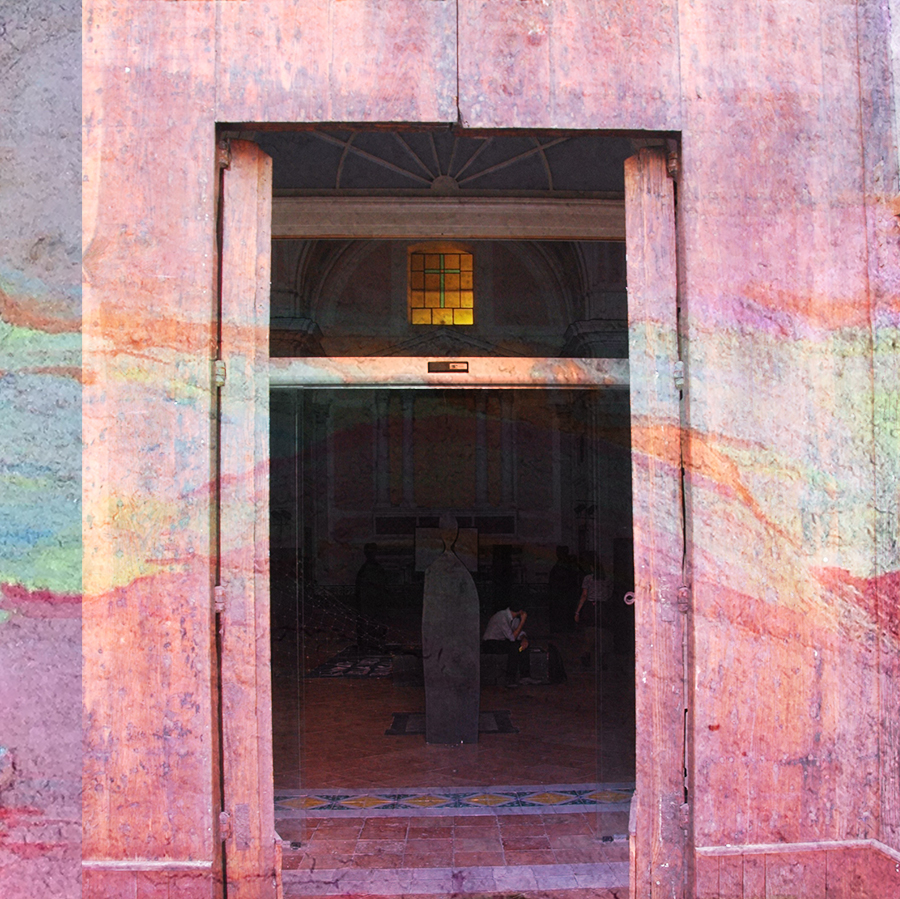
Compassion @2015 Michael Dickel Digital art from photograph
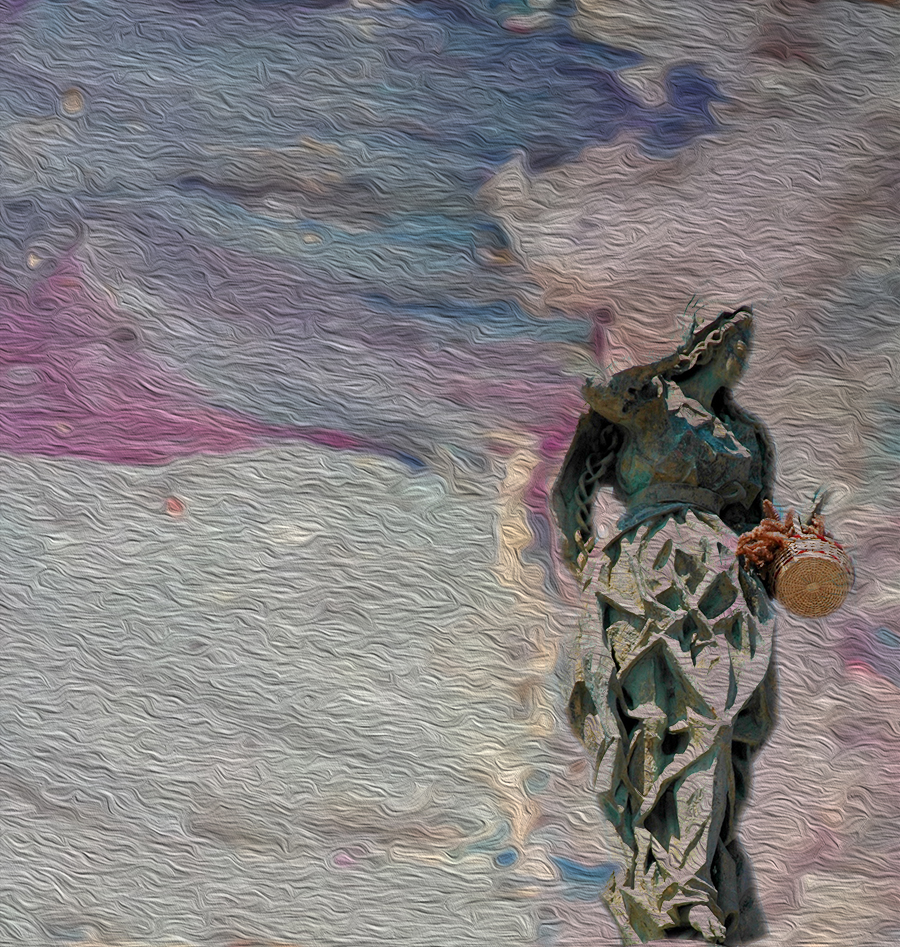
The dream walker comes through a storm of nebulae
a basket of dreams emanating stars into the night
a fate’s bare feet dance into being a genesis of memory.
Fates as cell phones spin out our faith, tying possibilities into bars of probability
while we await a sleight-of-hand trick called free will to enter a philosophical debate
into the woven poem’s contest space, a misspelled word wishing it knew how to speak.
Would you weave through that door into an unknown space spilled with colors,
a sunset dream layered like tiled imagery with metaphor long forgotten? And then
what dreams would the walking fates hand down to you, three lovers long forgotten
who never forget you as they curse and bless your memories.
This poem may be read as resisting the hero or heroic, but should only be read as resisting a certain vision-version—specifically, the socially constructed masculine myth, the phallocentric conquering hero. The Quest is a different version, where She and He meet to become They / We. This poem relates directly to my essay, “(Not a) Poetics of the Hero’s Journey.”
Hero worship
I am hero. I win all battles. I am beer can, whiskey bottle, fishhook imbedded into side of heart’s mouth, penis failed and plunging. I am hero. Hero, bottle, whiskey, beer, phallus, fishhook heart, dear. Dream cream to butter; churn; I win! I win, I earn. I am deleted; dense discussion dismays to reveal.
Leaves, grass, river, flow, erode, change; do not win. Run! Flow! River, grove, leaves, grass, beer, whiskey, decompose dust. I, not alone, am built of bric-à-brac on trick of lack, disease, destroyer, cancer grower, sifted city dust; gifted growth. Foolish flight without breaking out, shout to shaking hordes below: I am, you need not grow city-scape, desert. Blow dust aside. Leaves, river, grass touch.
Break out through, below, above, side to side, into; river ride, dance slide, shove, flow glow. Do you flout doubt? Ride tide, hide guide, un-teach unleashed: fled bed, tread tomorrow without sorrow; glide, glide, glide. Can I unwrap trap crap, unhook lure manure, free bee sting sling? This is the real feel; feel the reel?
Slay it, it does us apart; join joint joist jostled gently, ride to side. Break it, suture it, moochers aside; pull it and tease it, re-seize it, thread it, don’t bed it; red it up. Shock the flock, mock the smock, muck the river bottom through. Rid it, kid it, deride it, re-construct it, fluctuate without it; much too much without touch. Touch it.
Break make; unmake; take. Know flow, no flow; un-scheme dream, ream upon ream; and ream the dream-scheme, seam upon seem. Flee me light and dark, flight stark raving; shaving quite lightly, flew it. Fluid opposition proposition: no go. Lay it aside and take up its other, don’t smother your brother, druther live, give. Sieve leaks, seeks solid landing: impossible.
I am hero. I am idea unsung, wrung, sung; I am empty sound round which thatch grows, course gorse flowers, continuous semantic somethings un-reveal; concealed, congealed darkly, harbor-sharkly devouring dense discussion; dis-made to re-seal: I am hero. I am in language. I am death. End me.
Every kind of priority gets noiselessly suppressed. Overnight, everything that is primordial gets glossed over as something that has long been well known. Everything gained by a struggle becomes just something to be manipulated. Every secret loses force.
—Martin Heidegger, Being and Time1
Confronting my narcissism, working on images of emptiness at the center of myself, I imagine mylar—not the overhead transparency type, but shiny mirror-finish mylar, a huge role of reflecting plastic. The hole at my center renders me invisible to introspection and investigation, unknowable to the world; it decomposes everything; constant annihilation lives there, fear.
I wrap that void with this mylar—that shiny plastic material that appears translucent, almost transparent, until layers of it turn into a poor-quality mirror—wrapping a shapeless mass, giving form to the monstrosity of dissolution and chaos at the center of being: in the beginning, chaos.2
Reflective mylar
These mirror-configured carbon chains reflect to the world around me my imagining of the world around me, as self. What I show of self is a reflection of what I think you want to see.
Know my poetry, then, through the distortions in the mirror, full of conflict twisting into a battle I wage against myself, my fear, my loneliness…seeking an Other and reflecting myself to the Other while seeking to destroy what I abhor in myself in that Other. This battle of monsters within trying to destroy themselves outside (without) me roars in my sleep but does not yet waken me.
This is the essence of our narcissistic society: projecting as Other the images we reflect of self in a spiraling failure to cast out the monsters within—a feedback loop of projected anxiety reflecting back fear and terror, thus fueling rage.
Our society swirls around a vortex of fear: fear of annihilation the decaying center of the vortex, the center of the vortex a void called “alone,” the void a presence replayed in empty media image after empty cultural icon after empty political act to convince us to buy, fear, follow—multiple reflections of this void spread out into the swinging arms of Chaos, the milky-way galaxy spiral we call the twenty-first century.
The annihilation, the physicists might call it entropy, which we feed in this way and which feeds us and on us, reflects itself in violence, destruction, greed, consumption—feeds on us and corrupts any chance for equilibrium and harmony not based on power differential and surrender—feeding us with war, terrorism, fear and offering its false sense of security as the ultimate venus flytrap honey bait.
Annihilation. Entropy. We fall into the dark pit.
At the center of our culture, the core of society—that other void, the real possibility of total annihilation suppressed yet remaining at the nucleus, nuclear destruction—drives our decomposition, whirls the void round and round.
So, society wraps protective mirrors around this center, fearing that the act of confrontation with the void leads to destruction. Society’s mirror reflects back to us what we think we want to see, reflects back our own anxiety and fear of the void in order to keep us away from its emptiness—consumption and greed for material wealth and power.
We must conquer this mirror. We no longer connect to earth or heaven when swept into the vortex, because the earth—and heaven itself—may instantly burn in nuclear fission. What other force could shred the soul?
We suffered this narcissistic injury together as a culture: a childhood trauma for some of us, a pre-nascent trauma for most, that keeps us locked into our own self-destruction. The mirror we wrap around this injury provides a surface for, but also covers the form of, the void by coating its nothingness with reflected images of something—but something superficial and unreal—seductions pulling us toward annihilation even as it seeks to hide and deny that destruction.
Know the void, then, by the distortions in these reflections.
Let our poetry confront the reflections, distortions, projections and thus, face the void. Let our words unwrap the fiber that simulates cultural and personal self. Let us destroy image and language and self, as necessary, in this poetry. This is not nihilism, but faith—faith in a renewal to follow.
I can only fail in this undertaking as I, one. We must move beyond e. e. cummings’ lonely leaf3:
l(a
le
af
fa
ll
s)
one
l
iness
I hope that we succeed. We must choose life, not death. We must choose to do what is right, not what quiets our fears. For what there is to know, it is in your mouth, in your heart.4
1 Martin Heidegger, Being and Time, trans. John MacQuarrie and Edward Robinson (New York: Harper and Row, 1962), p.165.
2the earth being unformed and void, with darkness over the surface of the deep… Gen. 1:2 (Biblical quotes from JPS Hebrew-English Tanakh, The Jewish Publication Society, 2005)
4It is not in the heavens, that you should say, “Who among us can go up to the heavens and get it for us and impart it to us, that we may observe it?” Neither is it beyond the sea, that you should say, “Who among us can cross to the other side of the sea and get it for us and impart it to us, that we may observe it?” No, the thing is very close to you, in your mouth and in your heart, to observe it. Deut. 30:12–14
i
That some of those labeled as enemies
have crossed the lines to offer condolences
at the mouring tents; that some of the mourning
families spoke to each other as parents
and cried on each other’s shoulders;
that we cried for the children that died
on both sides of the divide; that the
that the war began anyway; that hope must
still remain with those who cross
boarders, ignore false lines and divisions;
that children should be allowed to live;
that we must cry for all the children who die;
for all of this, dear owl mothers
whose children have been murdered,
do not call the sun to the dawn.
Let us suffer the night of losses.
ii
As the darkness settles the dust,
come, hear the witnesses
tell the lion what they know –
from the end to the beginning.
Let us find the mosquito who started
it all with his lies and rumors
in the African tale.
iii
First we learn that the monkey
killed your child.The monkey
ran, alarmed by the crow’s call.
The crow called out warning
when the rabbit ran, afraid.
The rabbit was scared by
the python, who crept into
its hole. The python feared
that the lizard had plotted
against it. The lizard simply
hadn’t heard a word.
iv ……………………………………… It
had blocked its ears,
in denial of the mosquito
propaganda, the lies
and rumors of death,
the drawing of lines
that divide us with
verbs we cannot
put objects to, do
not know the subjects
for. Do not call
the sun to the
dawn. Leave
us suffering
in the night
of losses.
Worked at a drop-in center
in the basement of a church,
oh, years ago.
Street kids
played pool and foosball
two nights a week—
mostly Anishinabe, some Dakota,
a couple of Blacks, and
very few whites.
Tried to go into the church
the first night:
a little Anishinabe boy pulled a knife,
waved it at my stomach,
sort of “how you doing
get the fuck out of here.”
Scandinavian, sandy-haired Breck
slid up from behind all calm,
slight southern drawl,
“Give me that, Jimmy Dean.
You know you’re too young to be here.
Pull another stunt like that and you won’t
ever, I mean ever, be coming here again.”
The seven year-old sauntered off.
Among the names from then:
PJ, a Dakota boy.
Came in one night,
hand polishing
his just bandaged
stomach. “It ain’t no big deal.
Some ‘nigger’ shoved in front of me in line.
You shoulda seen what I did to him
after he cut me.”
Another name: Joe—
part Dakota, part Anishinabe,
tall, skinny, distinct Dakota features—
Talked about going to school in a horse wagon
on the reservation,
told about his grandfather
a Dakota Medicine Man.
“That Indian heritage crap’s
off the wall,” Breck snickered once.
“More excuses.”
Actually saw Joe about ten years later.
Heard he was in the hospital,
cut up in a fight. Went in to see him.
He hadn’t grown much taller since then,
almost short now. Almost old. Medicine
dripping into his arm from a plastic tube.
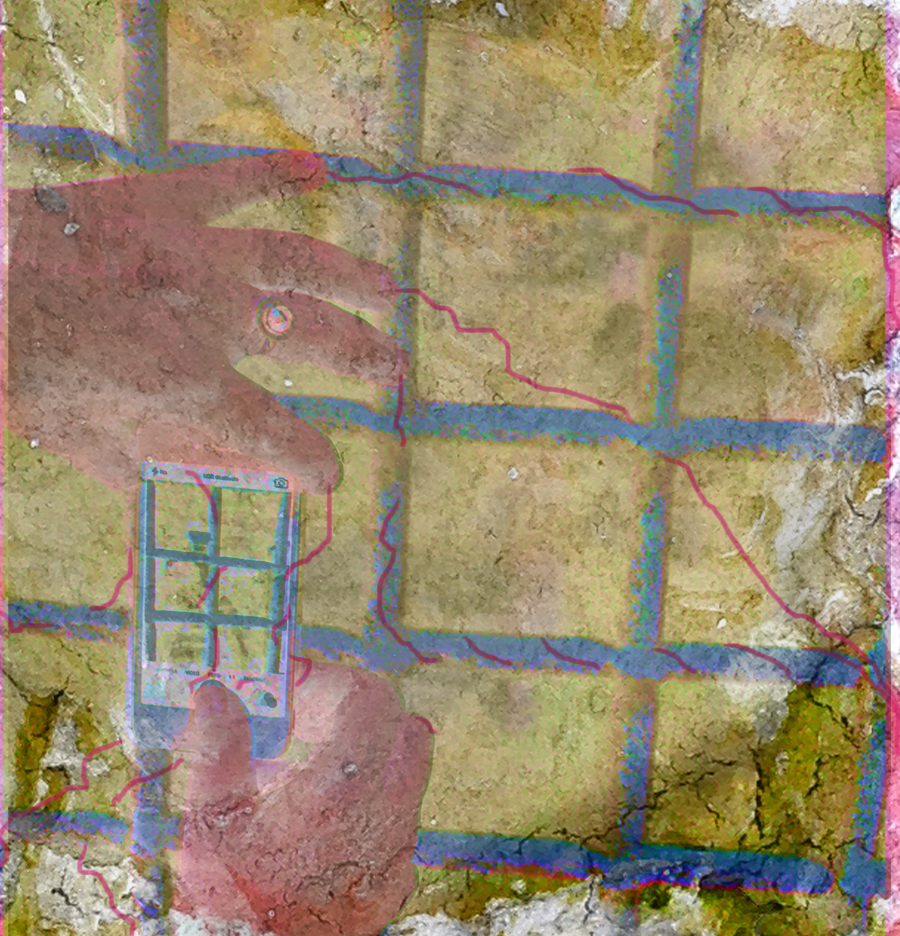
The dream walker comes through a storm of nebulae
a basket of dreams emanating stars into the night
a fate’s bare feet dance into being a genesis of memory.
Fates as cell phones spin out our faith, tying possibilities into bars of probability
while we await a sleight-of-hand trick called free will to enter a philosophical debate
into the woven poem’s contest space, a misspelled word wishing it knew how to speak.
Would you weave through that door into an unknown space spilled with colors,
a sunset dream layered like tiled imagery with metaphor long forgotten? And then
what dreams would the walking fates hand down to you, three lovers long forgotten
who never forget you as they curse and bless your memories.
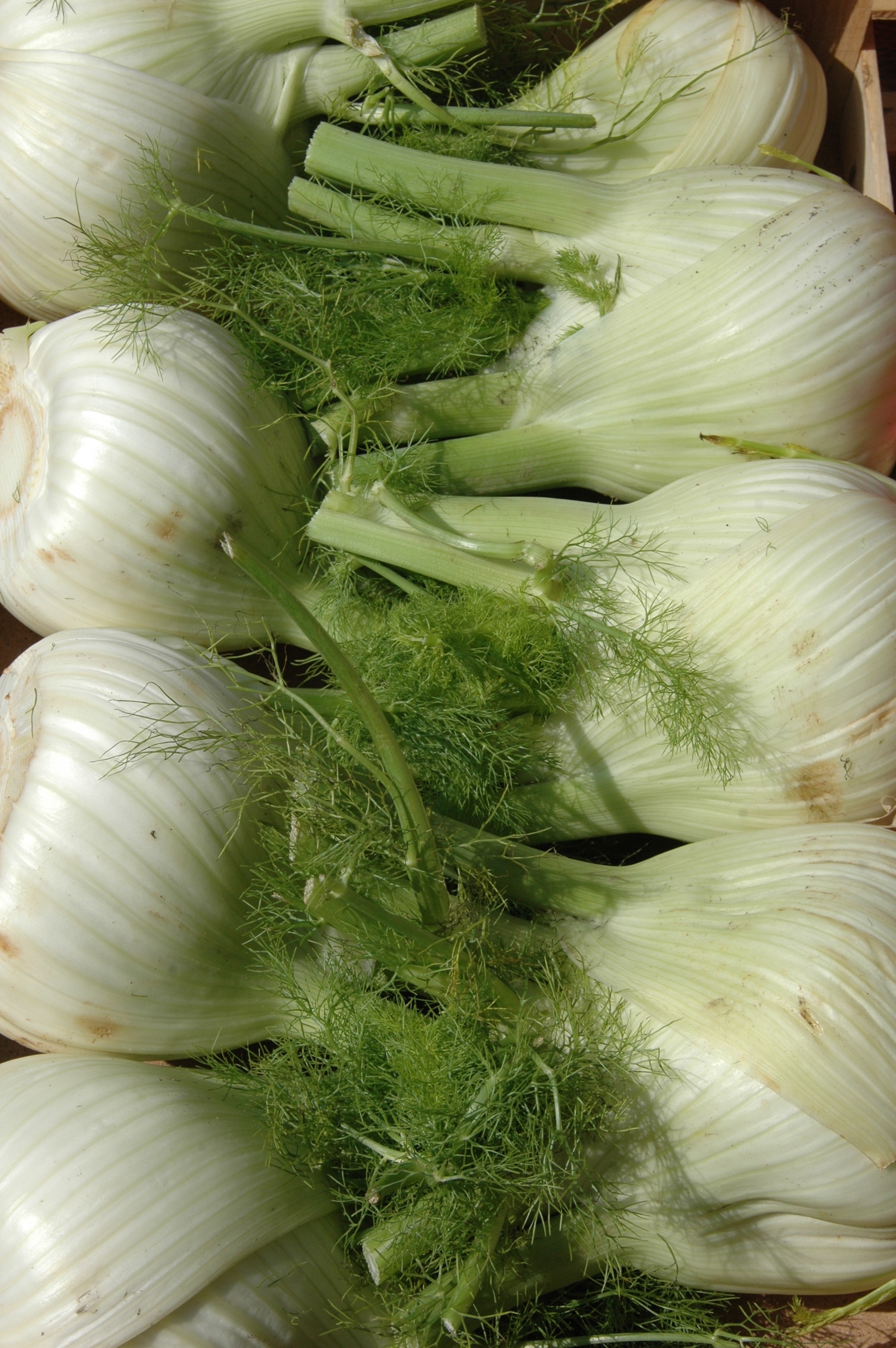
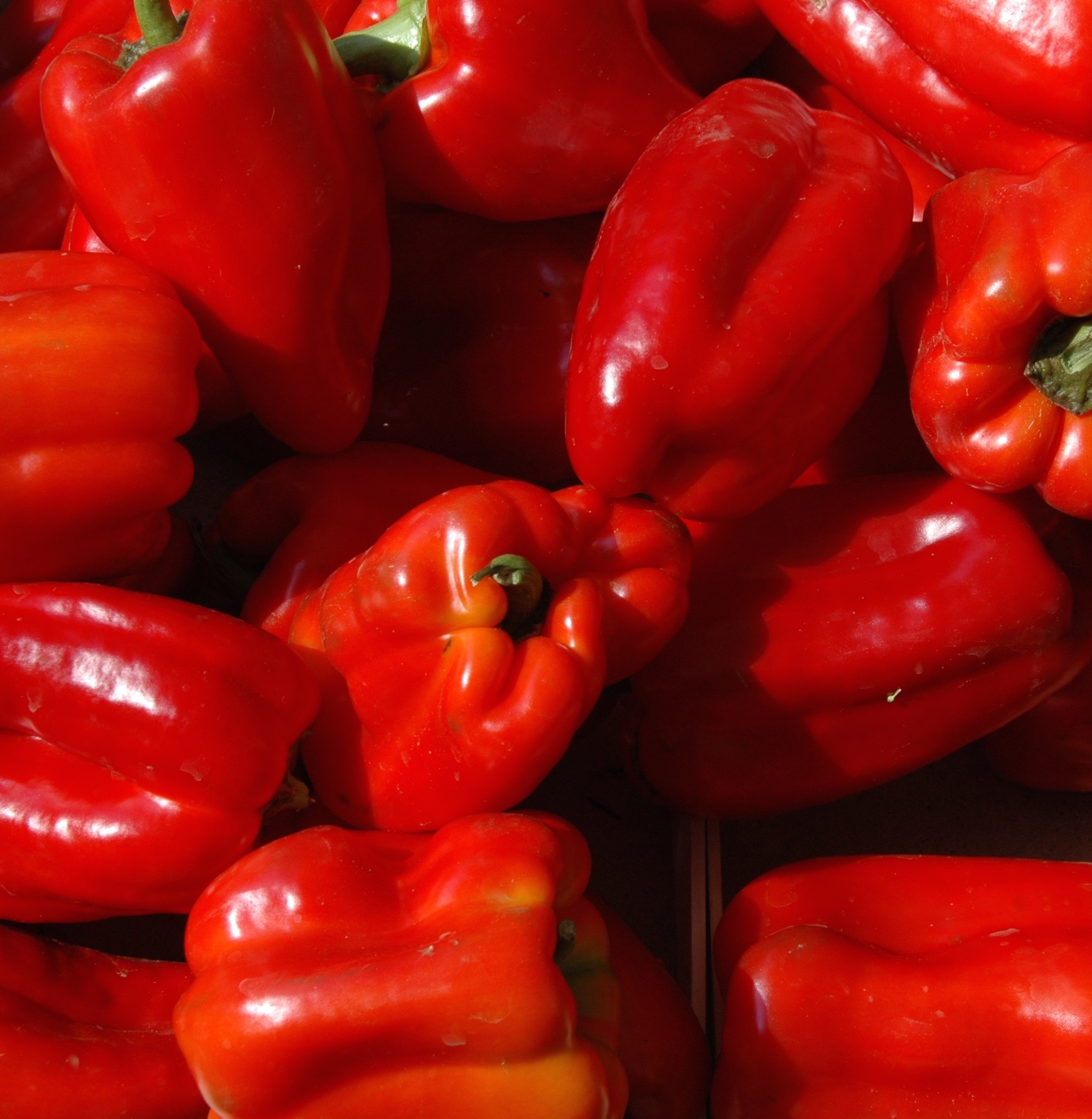
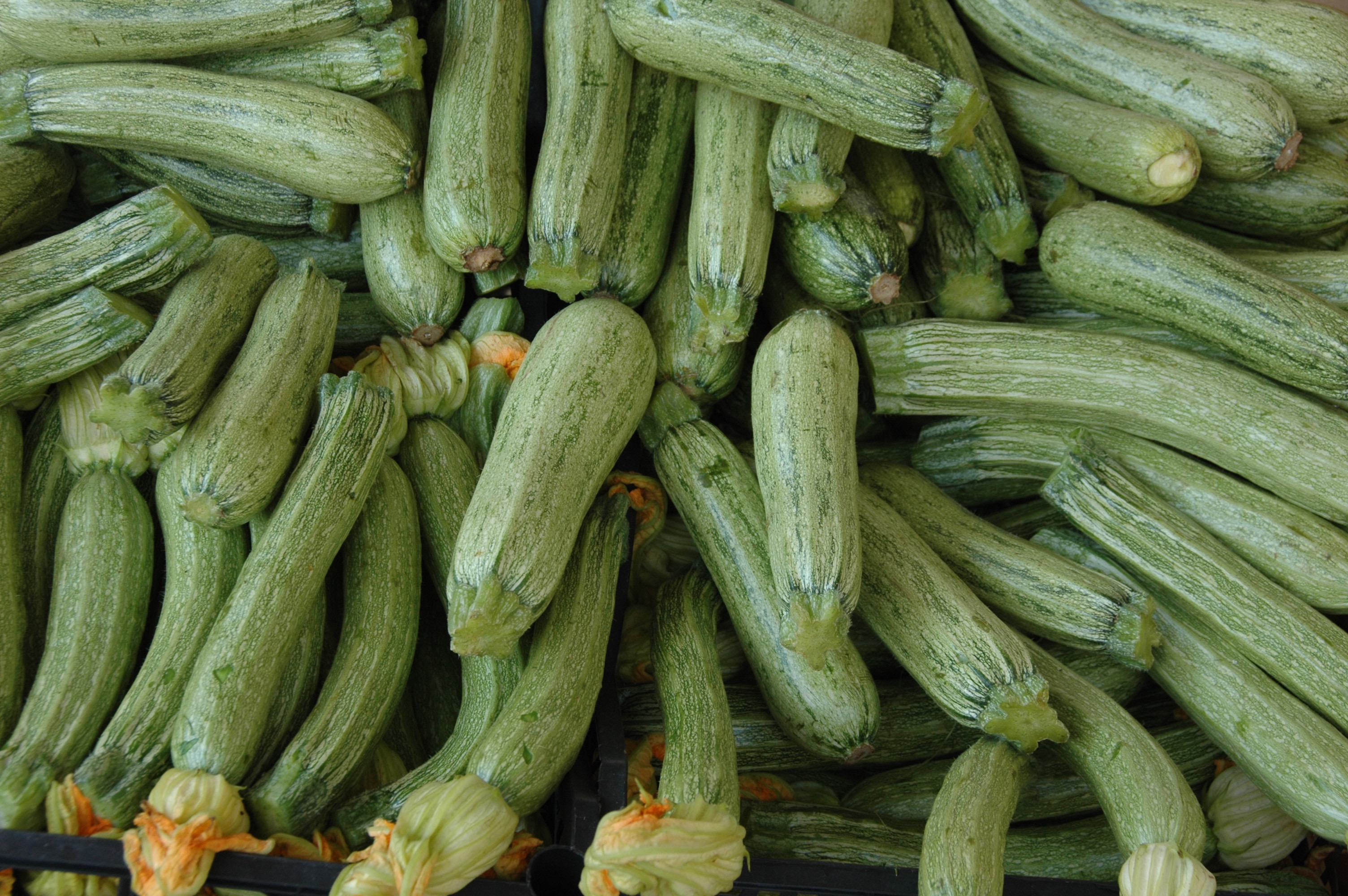
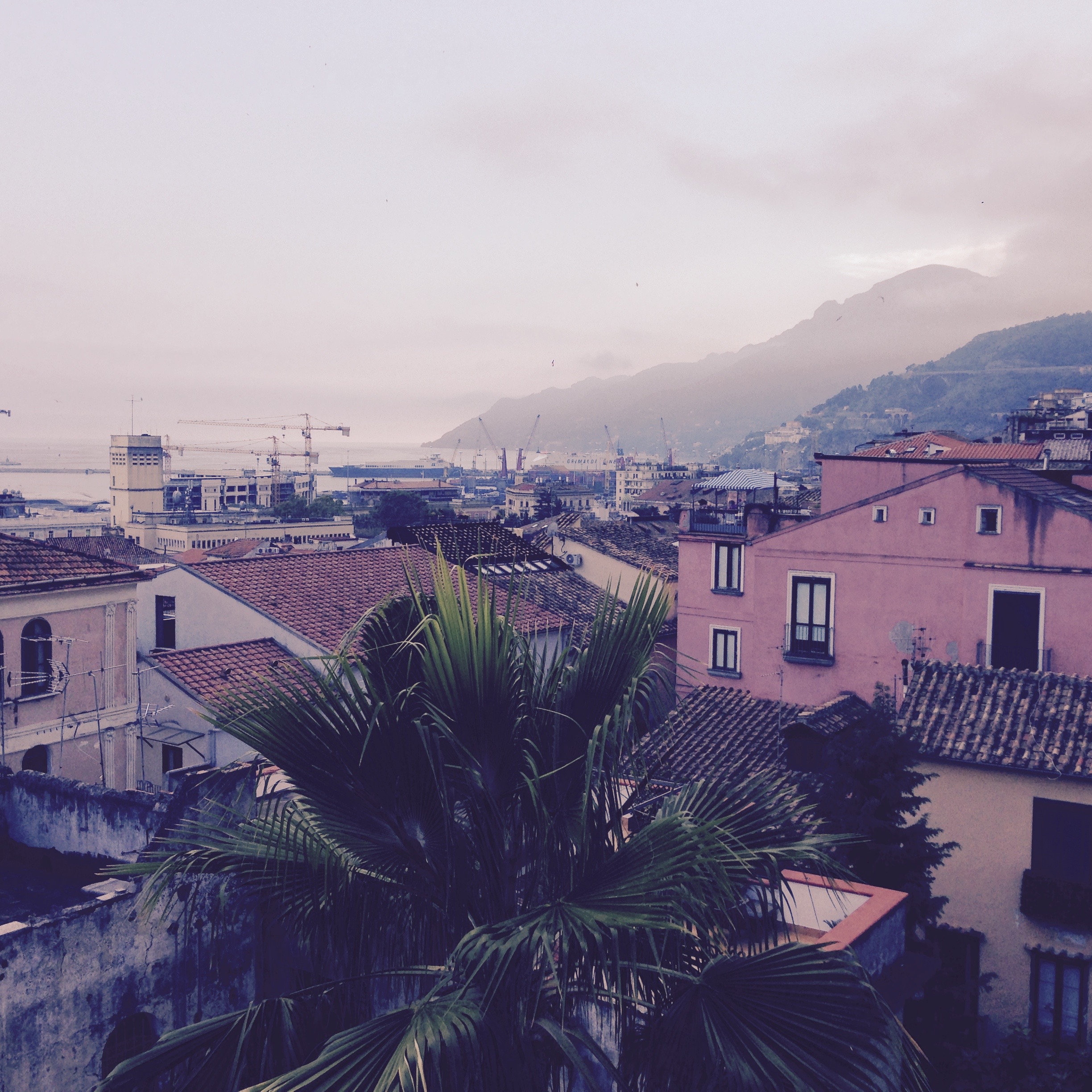
Last June I spent time in Salerno, Italy, at the 100,000 Poets for Change World Conference. However, it wasn’t all poetry and change. I did some sight-seeing. I made new friends. And, as I had a kitchen in my hotel-apartment, I visited the little street market a little down the street to buy fruit and vegetables…and every day, I took photos. I have hundreds of photos from Italy, June 2015.
Here are some of the patterns and colors of the street market produce.
The market also included shellfish, fresh fish, and a bit of a flea market section.
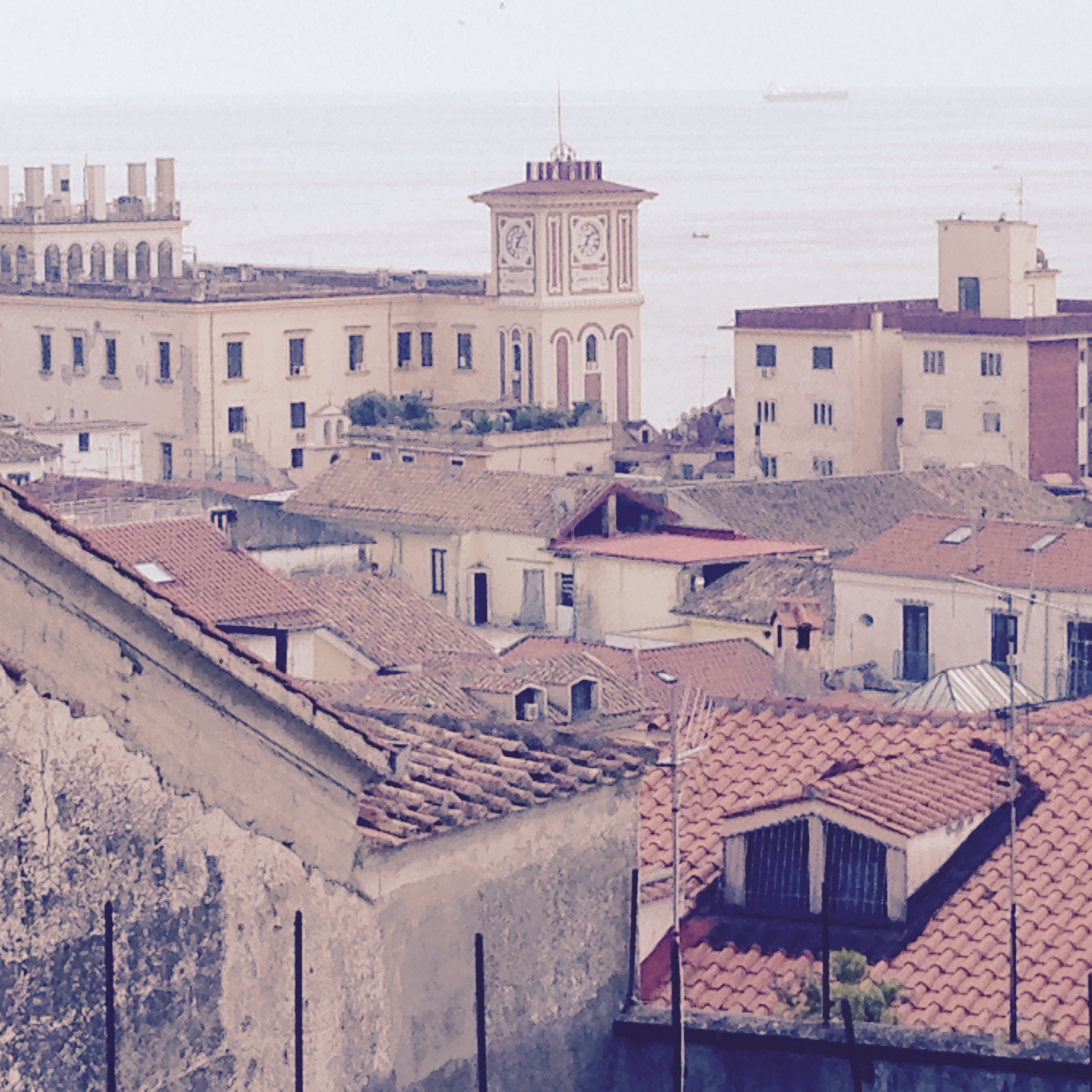
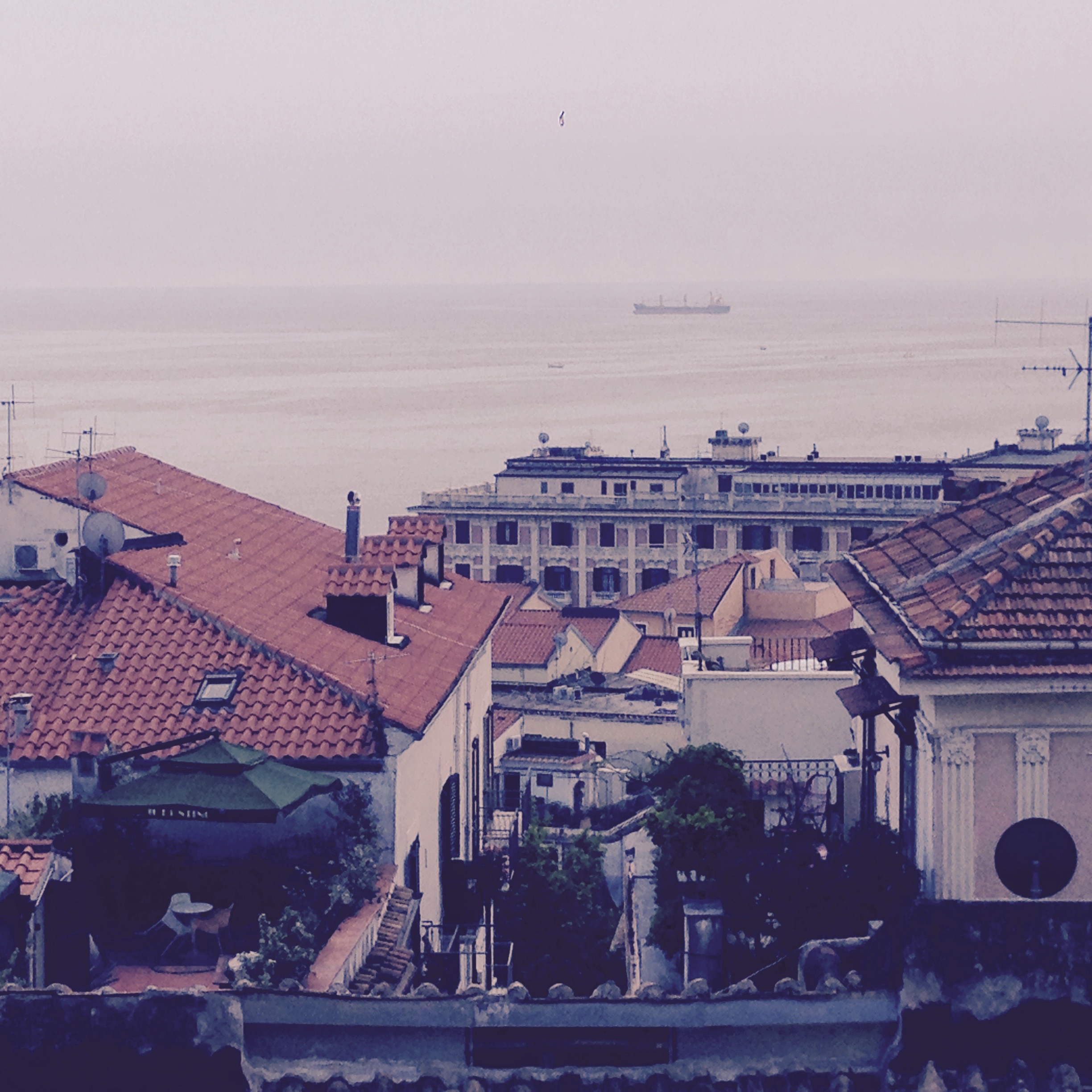
Salerno Like a Painting
The views of Salerno sometimes seemed more like a Renaissance painting than an actual place. The light flowed down to reveal the pastels of the stucco and painted trim, to shine off the sea, and to fall through clouds that brought their afternoon rain.
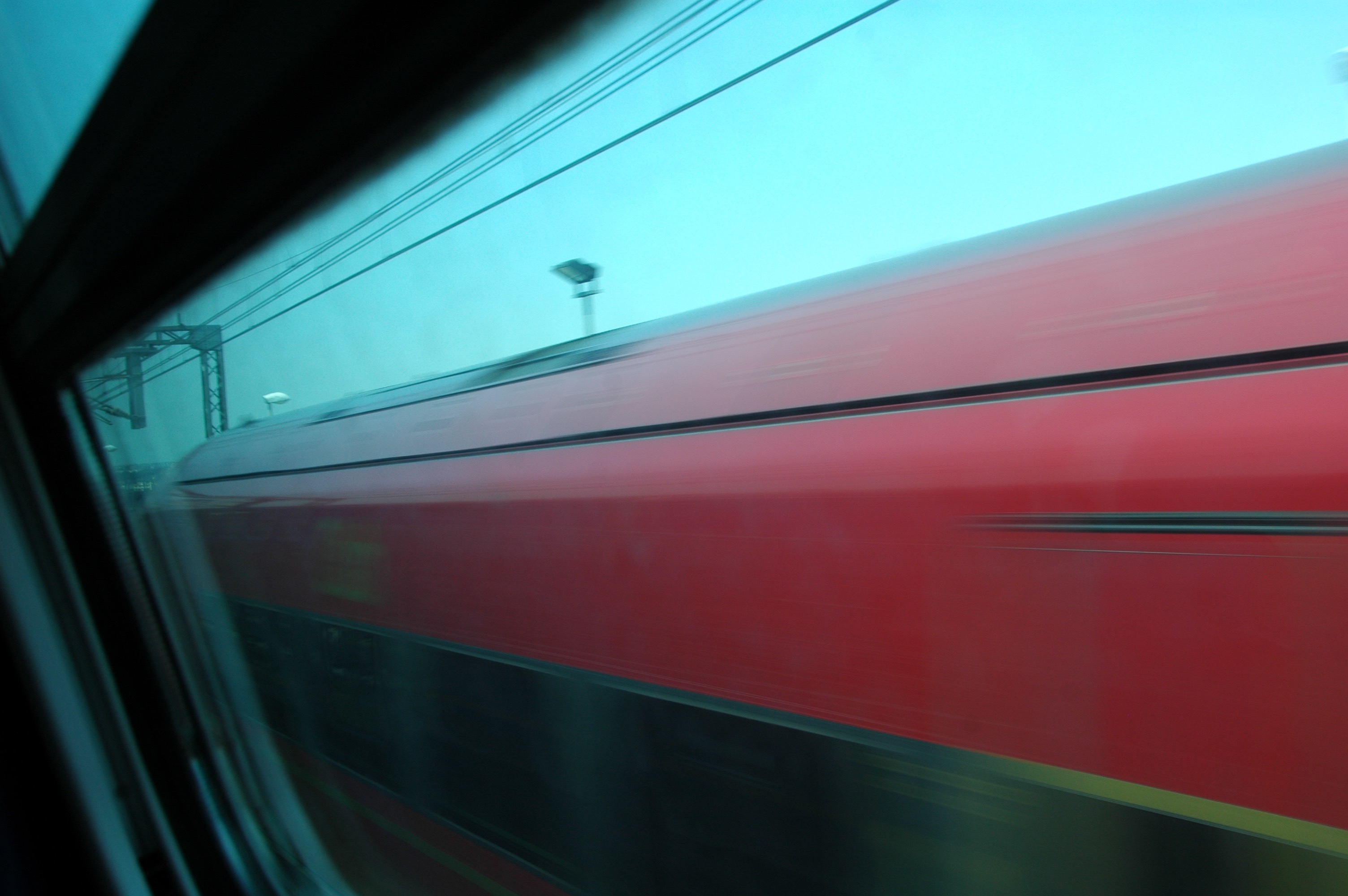
I flew into Rome and took the train to Salerno, taking pictures out of the windows while the light lasted. This photo is of a high-speed train passing the train I was riding in.
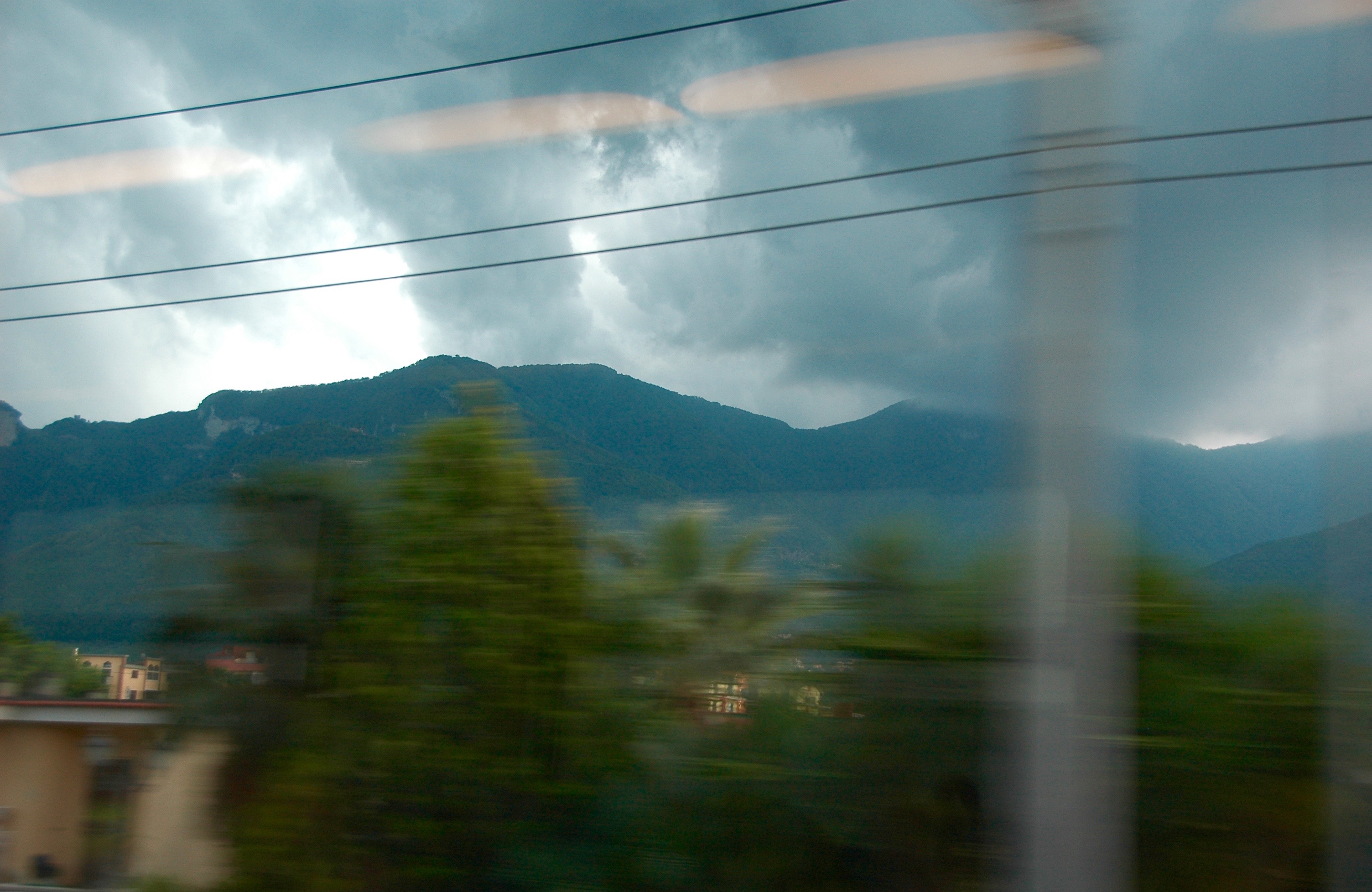
The day after the conference, several of us took a local train to nearby Pompeii to visit the archaeological park. I have enough photos from the site to fill a book. For this quick excursion into photography, I offer a second photo from a train, this of Vesuvius. As we left, the afternoon rains came in. The clouds over Vesuvius suggest an eruption…
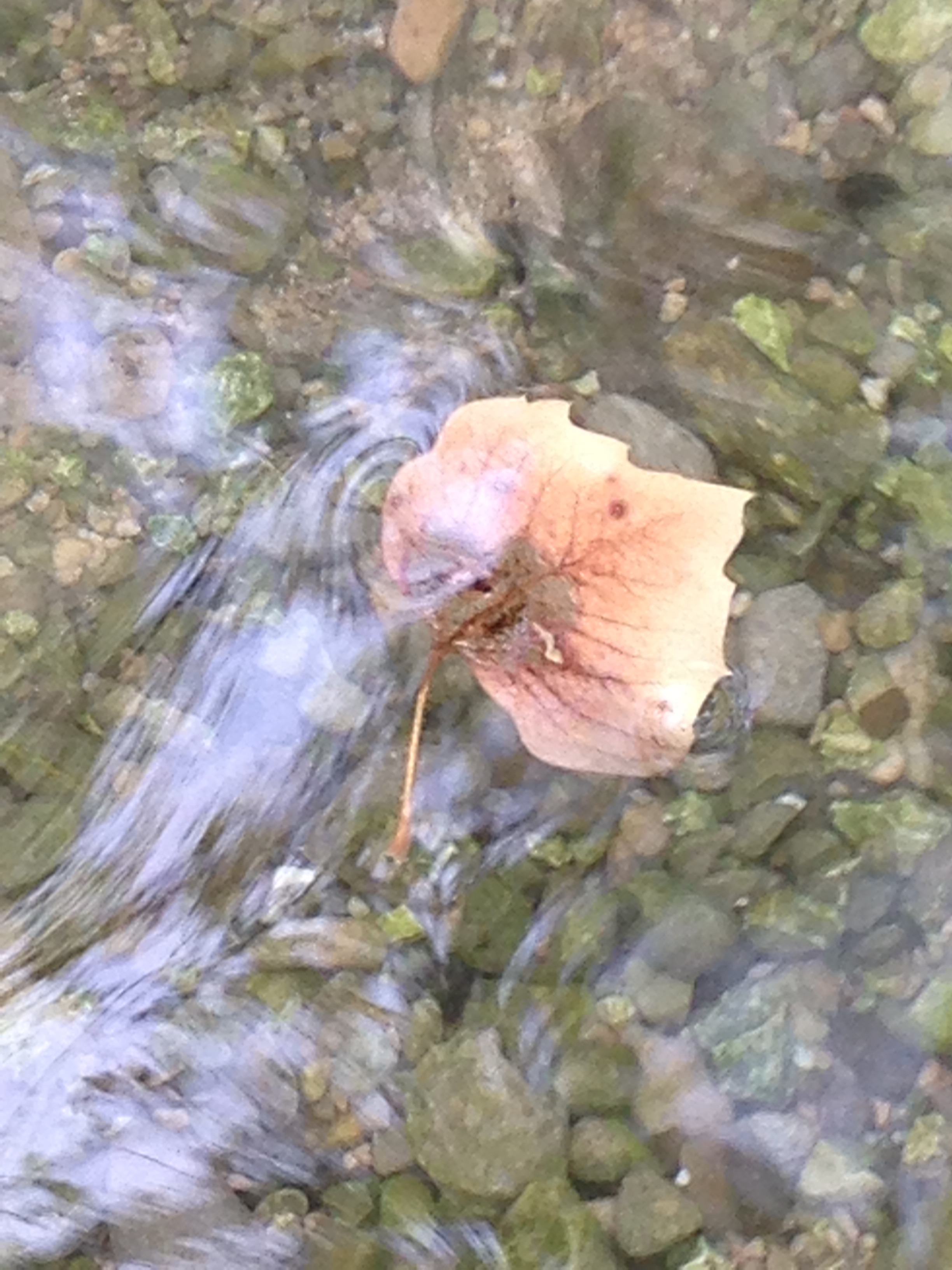
A fallen leaf drifts in a stream, an autumn icon…although this was in April, and the stream was En Faschia, fresh water springs that flow over the heavy salt water of the Salt Sea (Dead Sea) groundwater. This fresh water stream is within walking distance of the shore of the Salt Sea (the literal meaning of the Hebrew / Biblical name for what is better-known in English as the Dead Sea).
In January 2015, my friend, the artist Judith Appleton, exhibited her work in a nice gallery in Jerusalem. For the opening, another friend, the poet Orna Silverman, and I read poems based on paintings in the exhibit. Orna writes in Hebrew; I, in English. A short while after the opening, I posted images of the artwork and the two poems I read on my blog. Here they are for BeZine. Images of the paintings are used with permission of the artist.
Hyperborean form—frosted by pastels, disturbed by shadow
strands—calls unending dusk-dawn in sacred colors. An indeterminate matrimony desires fire inside a wood cabin, order restored where upheaval emerges from swells against the sky. Yet, the stroked shape and blended palette structure a syntax of blood, a semantics of nerves inflaming lonely twilit-snow, liminal moments of memory with promises of maize-tinted nourishment, hope from the midnight sun.
—Michael Dickel
A Philosophy of Stone
Aleph-tav—alpha-omega—as an inception of mud swells along architectonic vaults
and girdles a basalt grotto-door that swivels
from a face adumbrated by place. Luster
and umbra texture worlds, lambent reality
perceived as words over matter. Perhaps
here we contrive Plato’s trace, a slight hint
of volcanic certainty steaming out of grasp.
It’s nine in the morning and I’ve been going for hours.
The ground shook in Nepal, the riots in Baltimore— the preachers praise the winners then they blame the sinners,
but all I think about is another cup of coffee before I shower.
All I want is another cup of coffee before I shower.
It’s nine in the morning and I’m already weary.
The politicians jockey with faces serious and sallow— they stitch up innocence from the pockets of the rich,
but as I stare at my screen my eyes just become bleary.
All I want is another cup of coffee before I shower.
It’s nine in the morning and my work sighs and waits.
The bankers line up, the merchants sell their weapons— Syria, Libya, Iran, Irag, wars with customers for the stores,
but I worry about my retirement investments’ sorry state.
All I want is another cup of coffee before I shower.
Nine in the morning, or maybe nine at night.
The chaos dances to the wild fire light, the darkness
wraps us in its smothering traps, depleting what’s left
of meaning and hope, but I, I just survive with my fright.
All I want is another cup of coffee before I shower.
It’s nine in the morning and I can’t put on my shoes.
I don’t understand why I feel so depressed, do you?
My screens bring me the news, entertain, I see a lot,
but I sit and I wonder, I wonder who invented the blues?
All I want is another cup of coffee before I shower.
It’s nine in the morning, I’ve been going for hours.
The ground shook in Nepal, the riots in Baltimore— the preachers, they praise the winners while they blame the sinners,
but all I think about is another cup of coffee, another cup of coffee
before I shower. All I want is another
cup of coffee before I shower.
All I think about is another cup of coffee
before I take my morning shower.
In 1971, I was a junior in high school. Two friends of mine who were seniors and I made up what we called the “editorial triumvirate” of Early Wine, our high school literary magazine. (I was the first editor who wasn’t a senior; I don’t know if I was the last, but after what we put out as a magazine, possibly I was the last.) I wrote poetry—well, the “poetry” of a 16 year-old. I thought I understood and knew it all. And at the same time, I felt as though no one understood me amid waves of massive insecurity about all of the little codes and clues and hints about which I knew nothing at all. Adolescence.
One day at the record store, I came across a new Pete Seeger album, Rainbow Race and bought it. I don’t think that it is a very well known album of his, but I listened to it endlessly. It was in a stack of vinyl records that I typically played on Friday afternoons, getting ready to go out—along with David Crosby (If I Could Only Remember My Name), Incredible String Band (Liquid Acrobat as Regards the Air), Pink Floyd (Meddle)—granted, an odd mix. Who remembers stacking vinyl records on the long spindle of the changer and letting them play?
This song, Words, Words, Words, suited my adolescent angst. However, more than that, it likely shaped my sense of epistemology, of how we really don’t understand words, how we get tangled up in questions of meaning, how the structures they appear to build so easily come tumbling down… While I was still 16, and at the time thought that others were the ones who didn’t understand the words, the message of this wise and humble man tell me (us) that he also didn’t understand them planted a seed:
If I only understood them,
While my lips pronounced them,
Would not my life be changed?
I’m not sure that we can truly understand words the way an Other understands them. Part of understanding language, for me, is to remember that we all read the words from our own context and experience. While I may try to paint a particular image or idea with words, what it “means,” rather than being 16-year old sure of itself, shifts with the lighting and the seasons, with the perspectives of each reader.
This does not mean that every perspective is as acute or as accurate as every other perspective. However, it does suggest the necessity or empathy and compassion in writing and speaking—even or especially when communicating with those with whom we disagree. We might actually find that the Other’s perspective makes sense in context and from that Other’s experience, even if we still feel there are errors produced from the perspective and context. Experience, identity, so many things shape our understanding of the world. I hope to learn to better listen for those shaping forces and to the Other, toward an empathy of hearing, reading, speaking and writing.
So, here, for your listening pleasure, Pete Seeger singing Words, Words, Words from the album Rainbow Race.
Words, words, words
In my old Bible
How much of truth remains?
If I only understood them,
While my lips pronounced them,
Would not my life be changed?
Words, words, words
In Tom’s old Declaration
How much of truth remains?
If I only understood them,
While my lips pronounced them,
Would not my life be changed?
Words, words, words
In my old songs and stories
How much of truth remains?
If I only understood them,
While my lips pronounced them,
Would not my life be changed?
Words, words, words
On cracked old pages
How much of truth remains?
If my mind could understand them,
And if my life pronounced them,
Would not this world be changed?
It’s the end of the drive, the night fallen down into the sleeping dream-state of the union, awareness a jazz guitar and stand-up bass drumming on the sidewalls of our tires doggedly flashing past the cold air. Smoke and cigarettes, the lovely woman sleeps by the string bass with a coat to keep it warm and we all want a picture but Aaron—only Aaron— took photos of the band through the curtains from outside the house while nobody noticed and everybody came, engineers hovering in the basement and writers full of liquor dancing to the rhythm of cow bells.
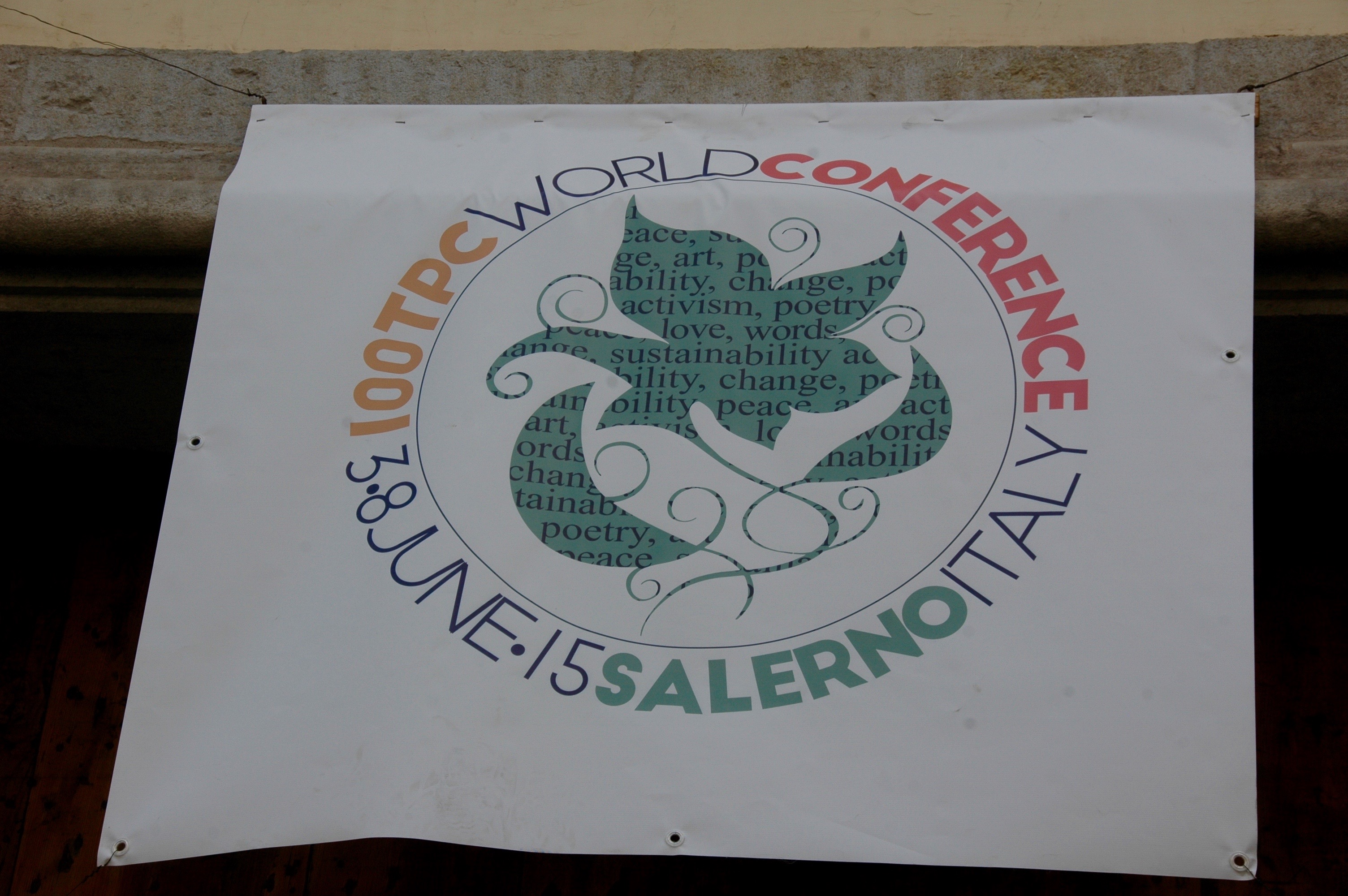
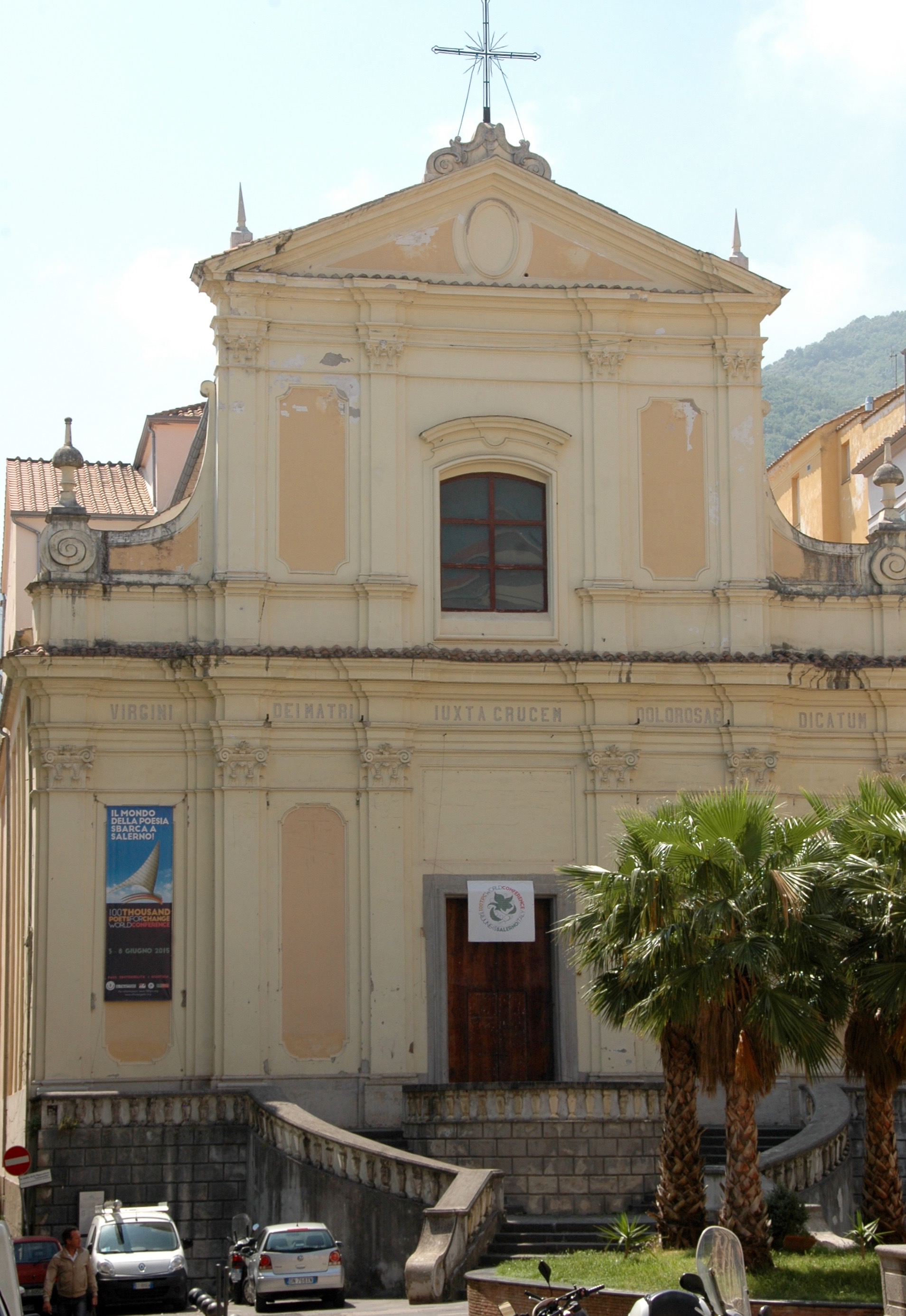
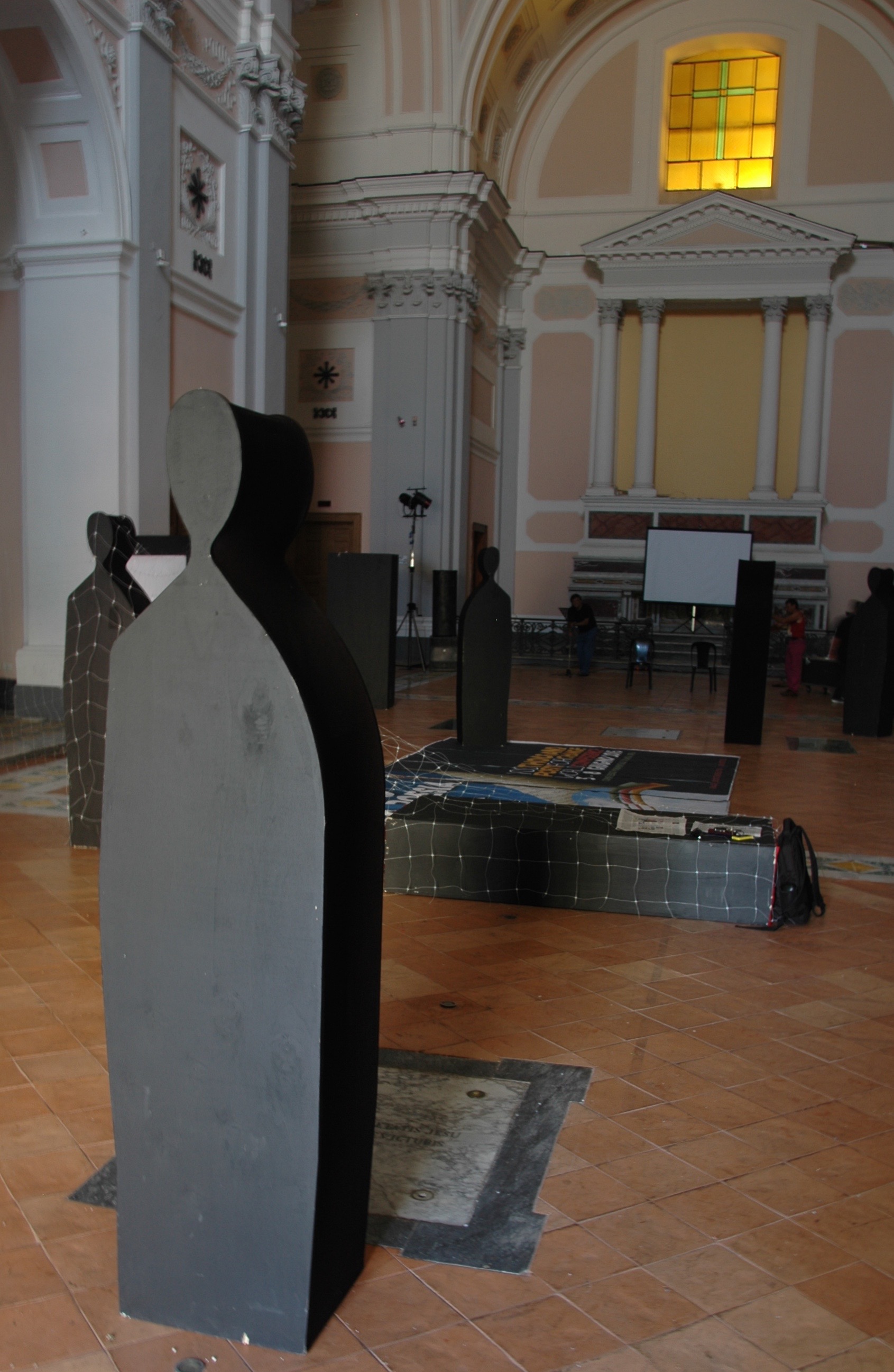
100TPC World Conference BannerSanta Sofia Complex, Salerno, ItalyInside the Santa Sofia Complex
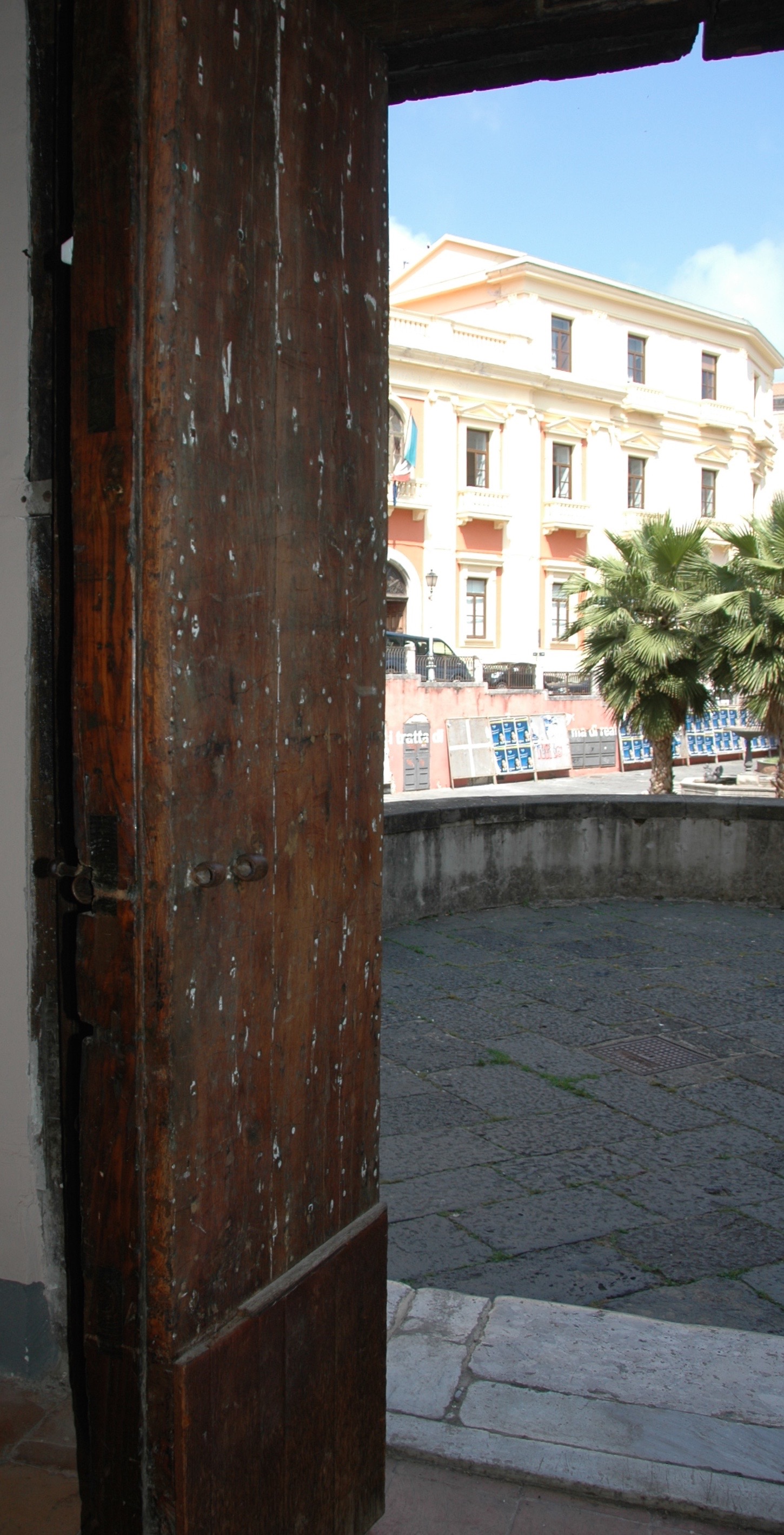
June 3, 2015, the afternoon after I arrived in Salerno, Italy, I found my way up to the Santa Sofia Complex, an old church on a square with a fountain.The first 100-Thousand Poets for Change (100TPC) World Conference would begin with an opening reception in the evening. In the complex, I met Terri Carrion, one of the co-founders of 100TPC and co-organizer of the conference. She told me that her partner, Michael Rothenberg, was around the corner at a cafe meeting one of the writers who had just arrived from Macedonia.
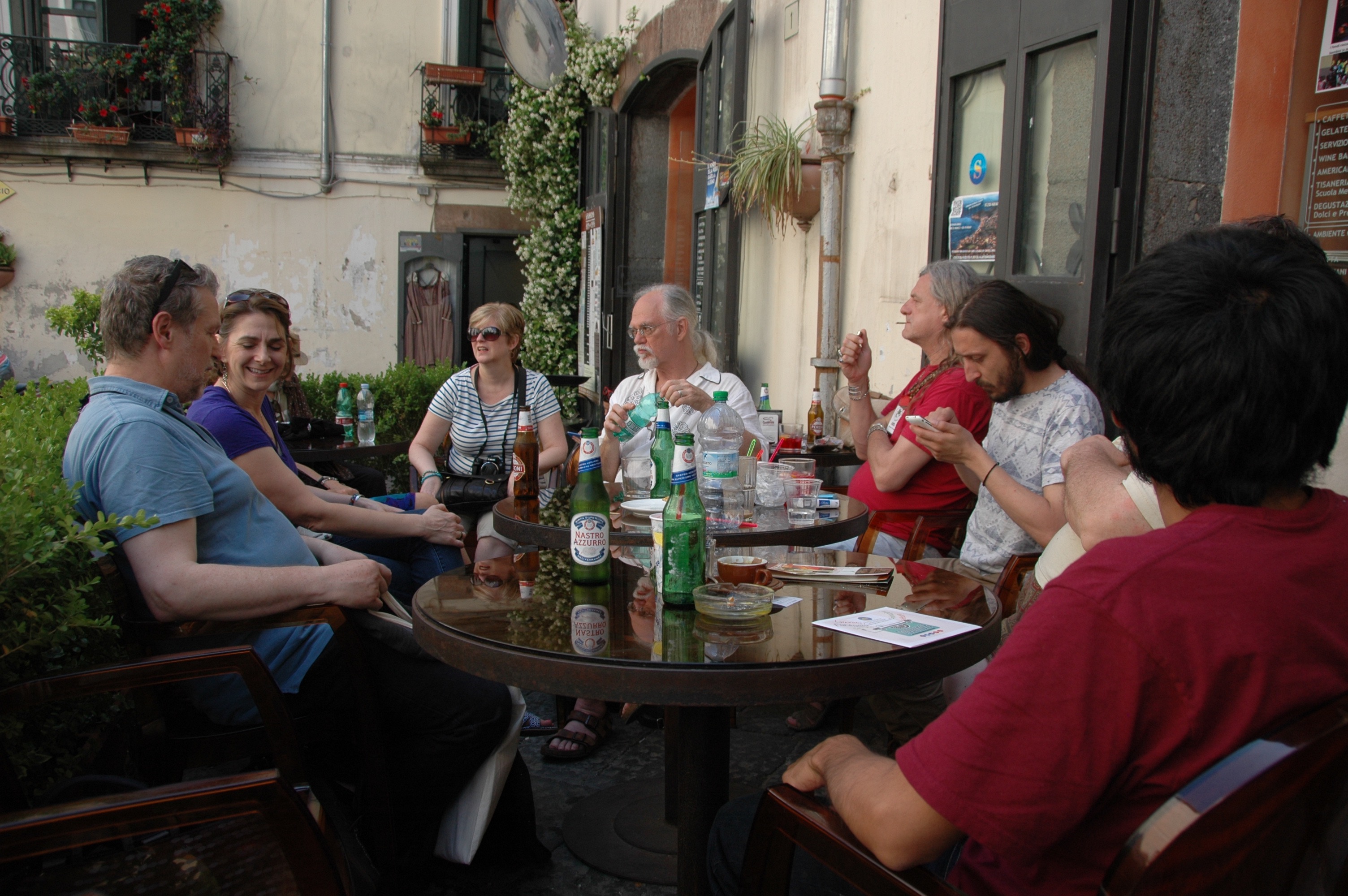
Poets gathered at tables in a cafe, Salerno, Italy, 100TPC World Conference
After helping Terri and Valeriano Forté, a Salerno poet and 100TPC organizer, assemble some tables in our meeting room, I wandered down to the cafe. Several poets gathered at tables in excited conversation. Michael was with Mitko Gogov, the poet from Macedonia. Others were from the U.S., Mexico, Hungary, Germany (via the U.S. and Rome), Greece, Malaysia, and France. And this was just the beginning. All of the people at the cafe then I now count among new-found friends, along with many more that I met during the following week.
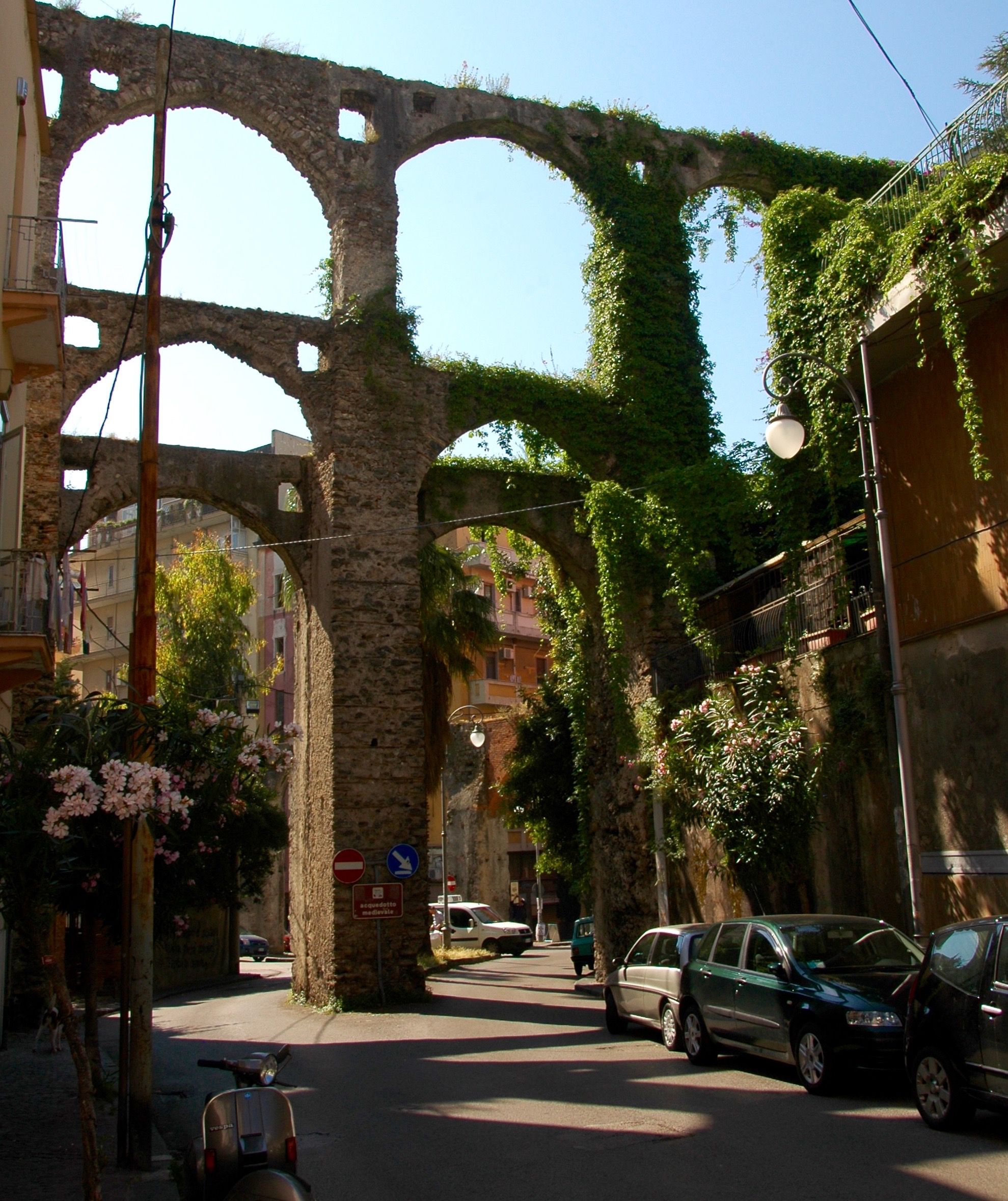
Aqueduct Salerno, Italy
Imagine, if you can, more than 80 poets from all over the world—every continent, 33 countries. Imagine poets from every generation, spoken-word artists, poets with books or no book, all come together to share the spirit of poet-activists, as 100TPC organizers. Now imagine us all talking about poetry, about arts and activism, women’s issues, oral versus print traditions, and organizing—with interpreters translating into Italian and English. That’s how our four conference days were (mostly) spent.
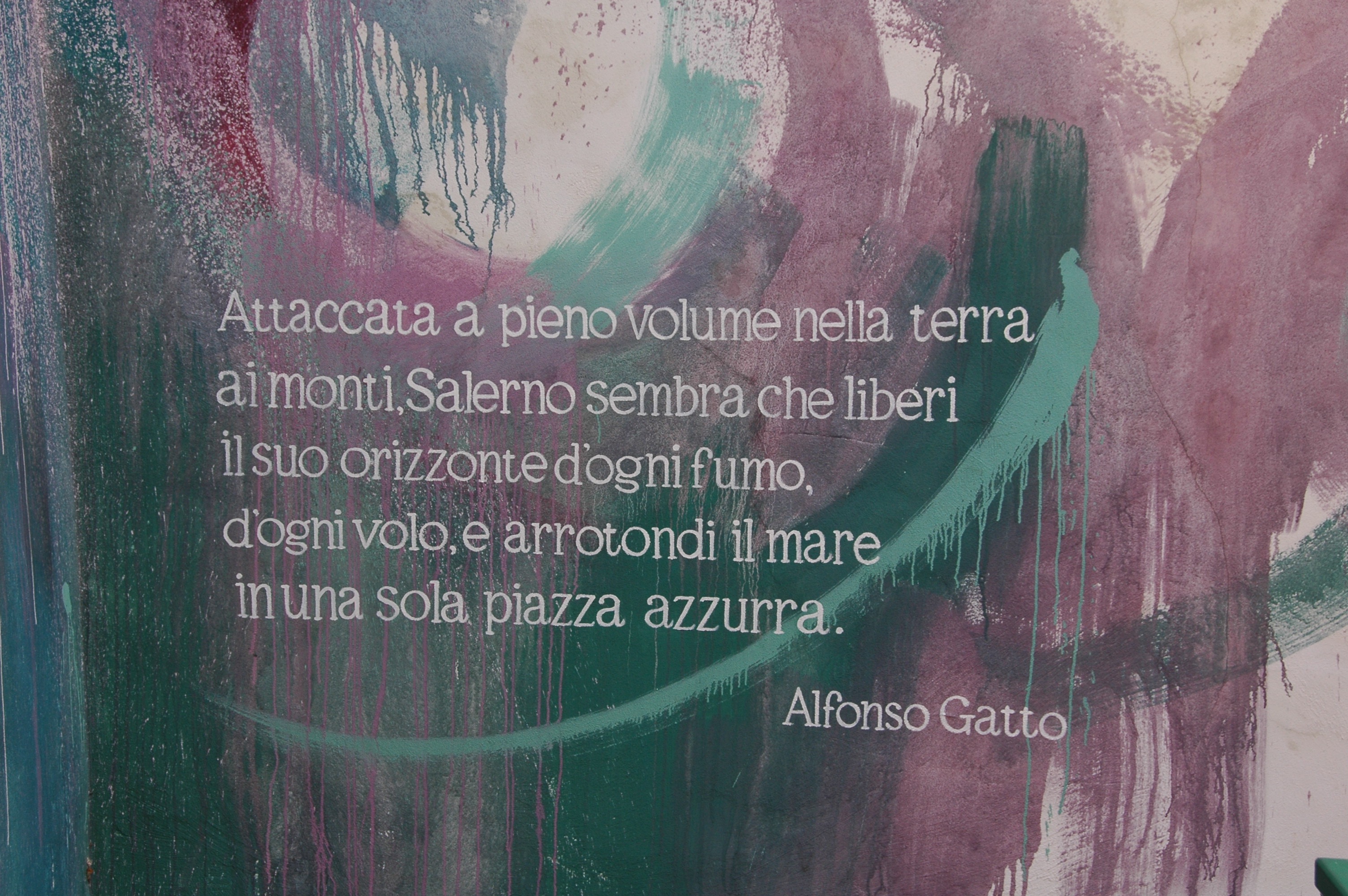
Alfonso Gatto Poem Detail from mural in Salerno
Those were scheduled topics. Another one came up—artists’ international mobility. Several poets had their visa requests turned down by their home countries or Italy. So we rejoiced when three poets from Egypt finally received their visas at the last minute and arrived during the conference. Some who could not make it joined us virtually by posting to social media. For the next conference, we plan to be more prepared for this issue, and to have both advice and, if we can raise them, funds to assist people.
View of Salerno
The days tended to serious dialogue on sustainability, peace and justice. The evenings (and a couple of afternoons) overflowed with poetry. Each evening, several poets read as “scheduled” readers, usually after dinner. Then came the open mic—which ranged from raucous readings to a quiet “campfire” around candles to a poetry walk from the complex to the sea. The open mic that I co-hosted with a poet living in Malaysia and a Ghanian poet was in a restaurant, the last reading of the conference.
Light and Shadow Along a Salerno StreetStreet Art, Salerno
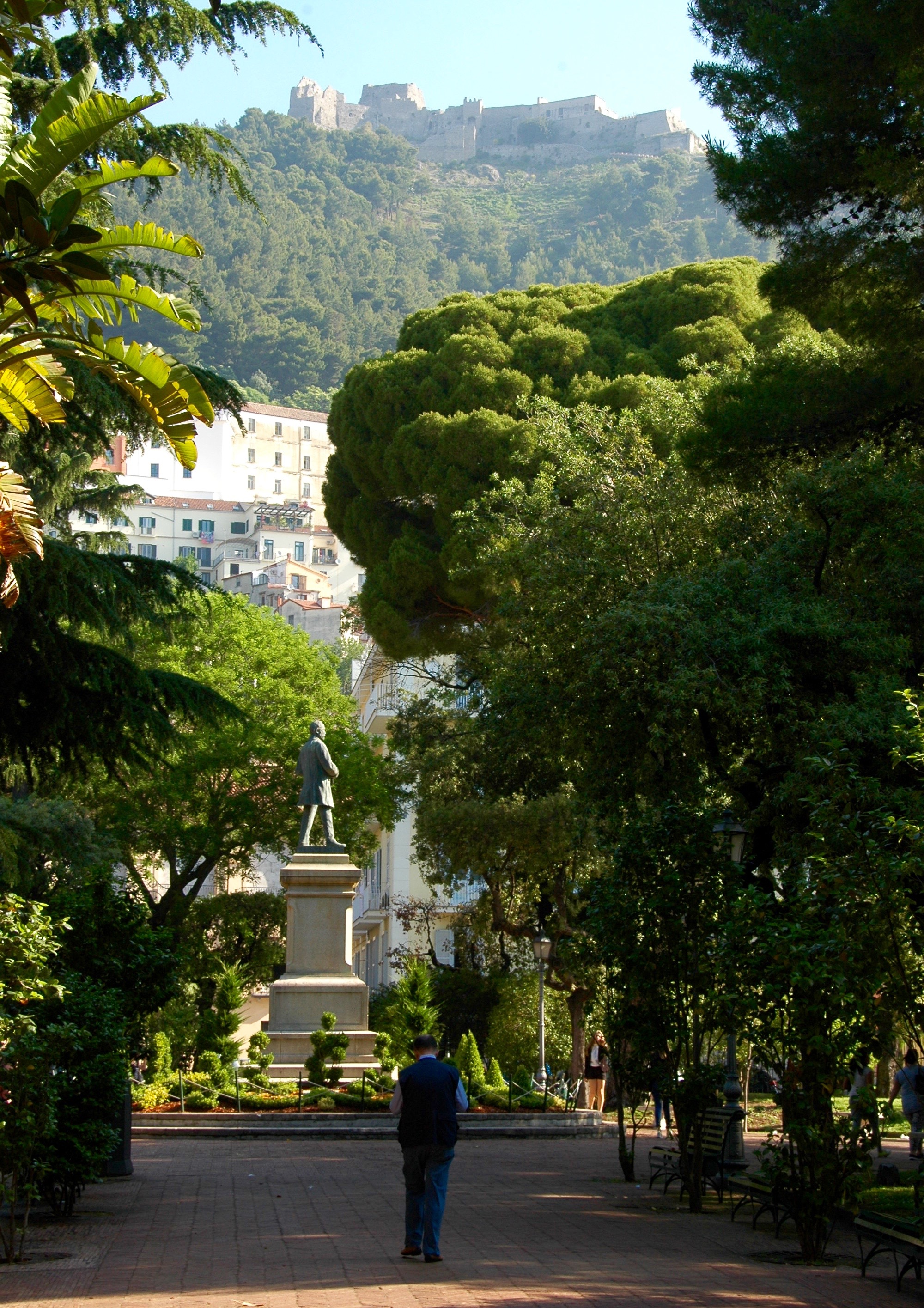
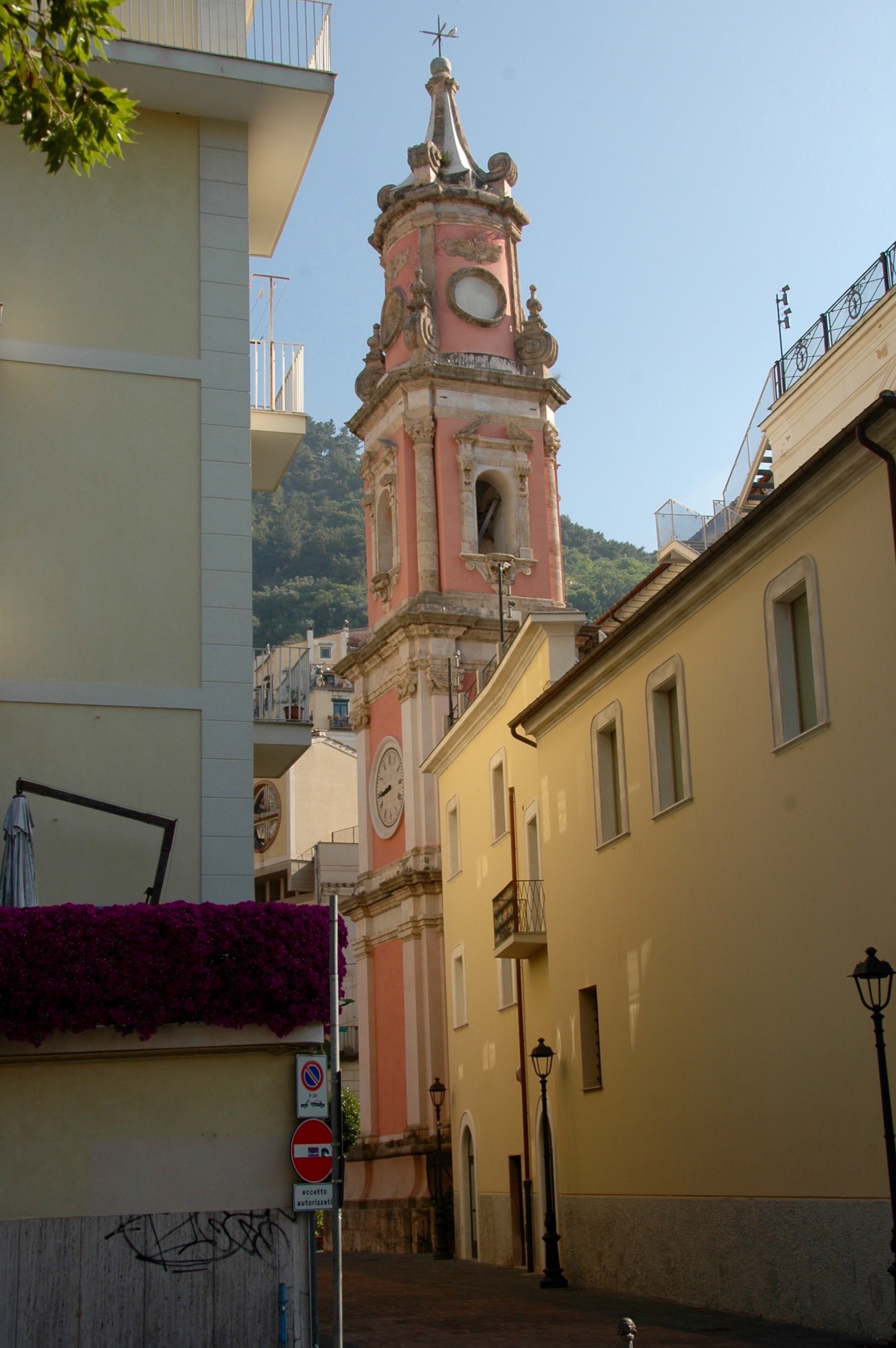
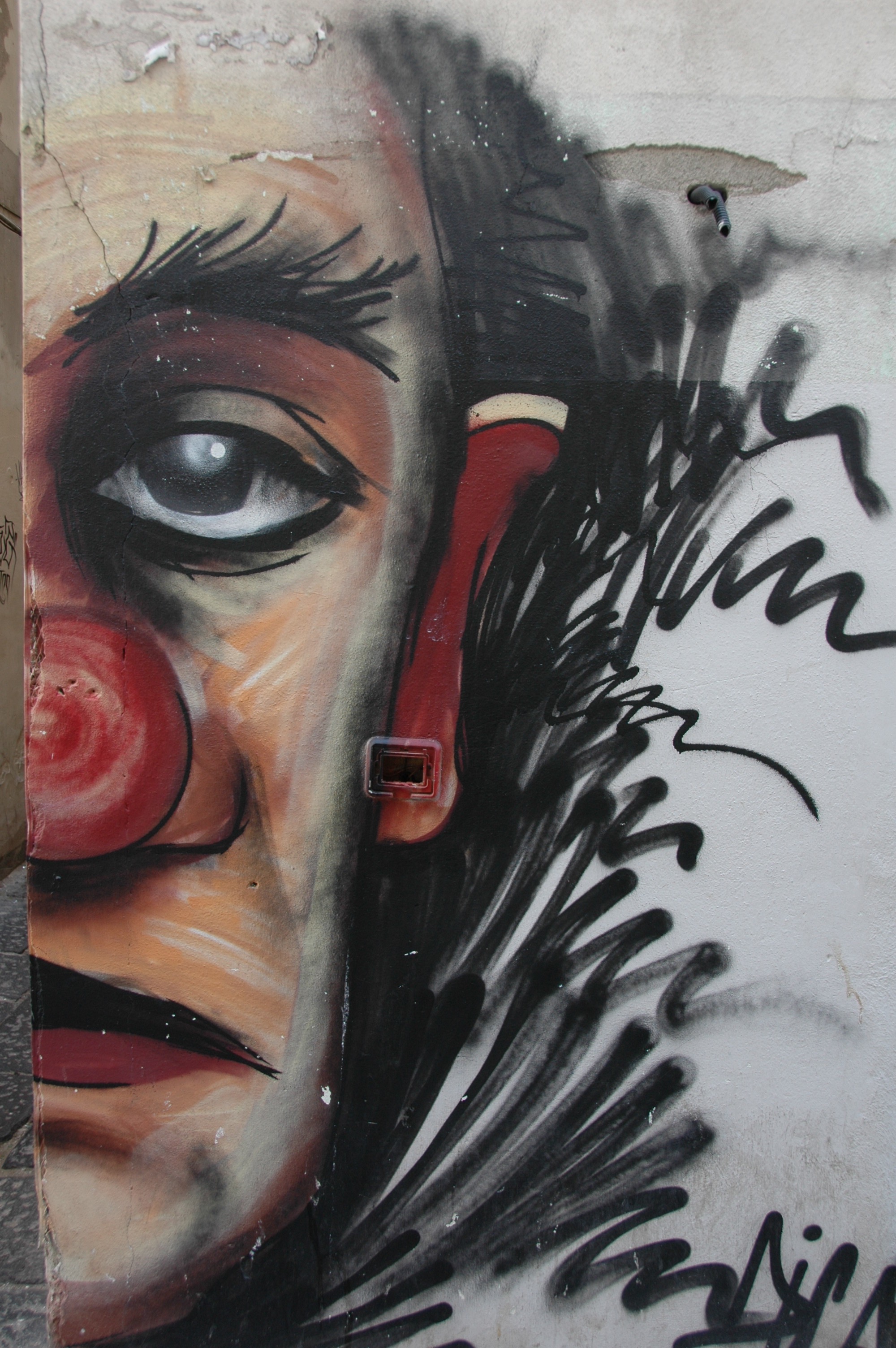
And what of Salerno? Salerno won our hearts—an old city with a castle overlooking it that once was ruled by a warrior-princess; the home of Alfonso Gatto, an Italian poet whose poetry appears in murals by contemporary artists all over the town via the Alfonso Gatto Foundation (a sponsor of the conference); a town nestled between mountains of alleyways, stone walls, beautiful squares and the sea; a song of bells, sea gulls, swallows; a haven for street artists and poets.
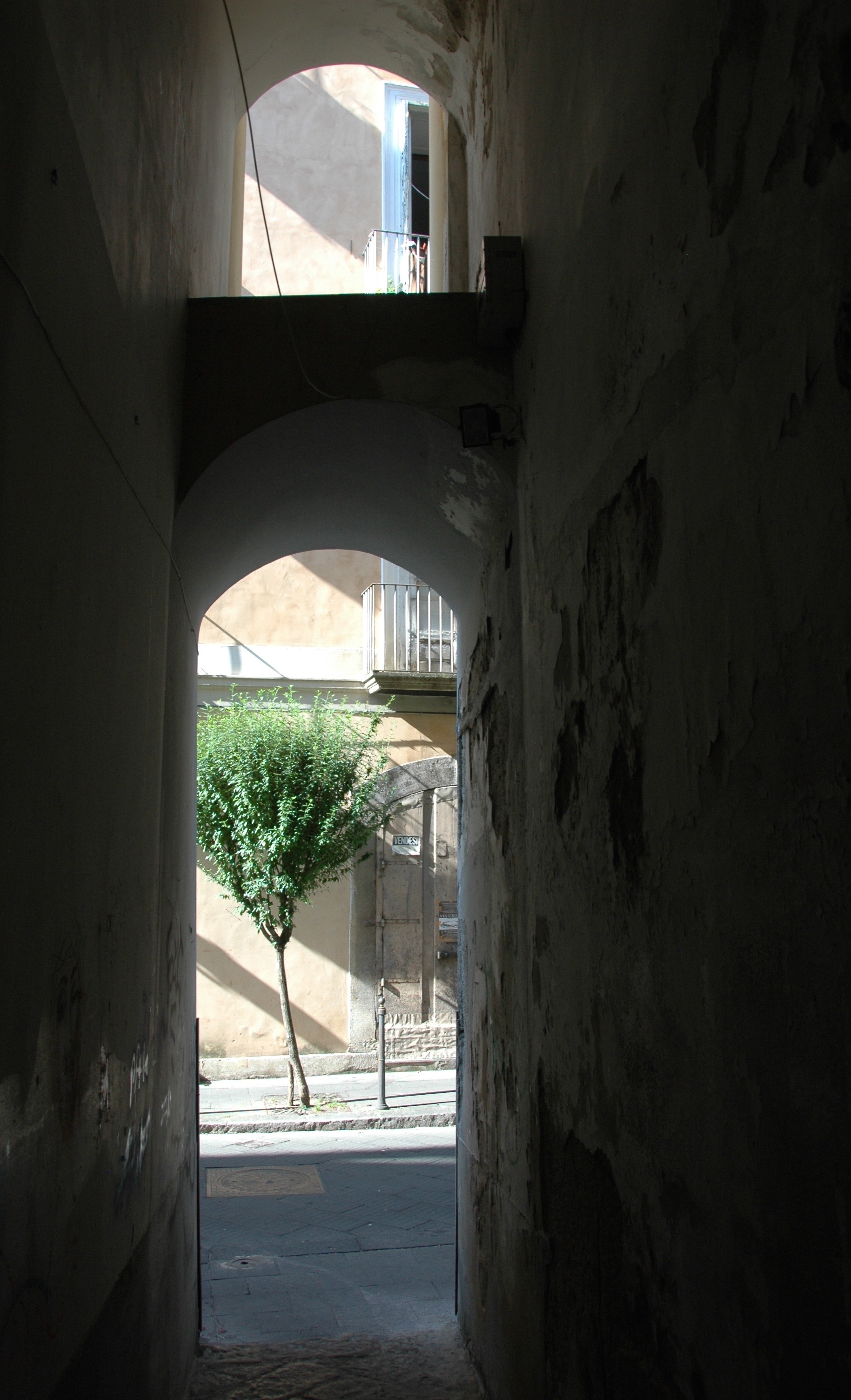
Arch and Tree Salerno, Italy
The night following the end of the conference, many of us still in Salerno took over most of a small restaurant around the corner from the Santa Sofia Complex. Not wanting to let go of our transformative week of amazing global poetry, we began an impromptu reading, some reading from books of others, some reading our own work. A couple from the town, not part of our conference, sat at one of the tables listening, and then the man asked if he might read some of his work in Neapolitan. He recited his work, then line by line he read the Italian with someone translating into English. Poets attract poets.
So, in two years, we plan to return. Writer-artist-activists reading this, perhaps you’d like to join us?
So many things to say so many bargain books,
books online, bookshops
turning into used books,
book store-chic nostalgia
as the textbooks turn
electronic, old books
burn to heat the house.
And no one wants to buy books anymore, so many free books—
a book free of thought
free for all, English poems
in demand among poems
of love, poetry for kids,
a poetry book less desirable
unless it’s a free book.
Poetry out loud only a YouTube search away,
poetry book publishers
self-interested producers
of self-publisher havens.
Yes, I, too, published
myself, songs, words
of myself or not.
Social media poetry, now forms the foundation of the poetry
python code, and poisons
poetry-sale fashion—
those poetry clothes
more wanted than
another book of poems.
Poetry journals for sale on the internet arrive
in email, another poetry
sale item, sales statistics
of rare poetry antique
images of zeros and
ones, sad poetry in those
Poetry, Texas, homes
selling real estate poems
while words rest
in the bedrooms
on tables—piles of
Dante and Morrison,
Creeley and Bishop,
Lennon and Sexton
writhing on the floor
while old poetry book sales, those free books,
fuel a fire hotter than
what we will ever know,
more intense than what
we will ever feel. It is this
that changes and doesn’t
change everything and
nothing all of the time.
This is the real business of poetry, the free poetry
of business mere gold dust.
The world has gone mad. Again.
And again voices incite—then hoarse leaders
pretend to have been polite. They did not shout
fear and hatred to explosive tension, to a thin-
wire stretched, first sounding a note then cracking,
snapping in two, each piece twisted. The world goes
mad. Again. The leaders call for calm, like arsonists
who work in the fire department. The fires burn
in the streets at night. The checkpoints flow
with blood and tears. And most of us just want
to go to work, have coffee with friends, teach
our children something other than this craziness
in a world gone mad. Again. And most of us want
to turn away and not see the burning, the smoke,
the arsonists lining up toy soldiers at borders
ready to pounce, to attack, to burn. Again.
 A full-disk multiwavelength extreme ultraviolet image of the sun taken by SDO on March 30, 2010. False colors trace different gas temperatures. Source: NASA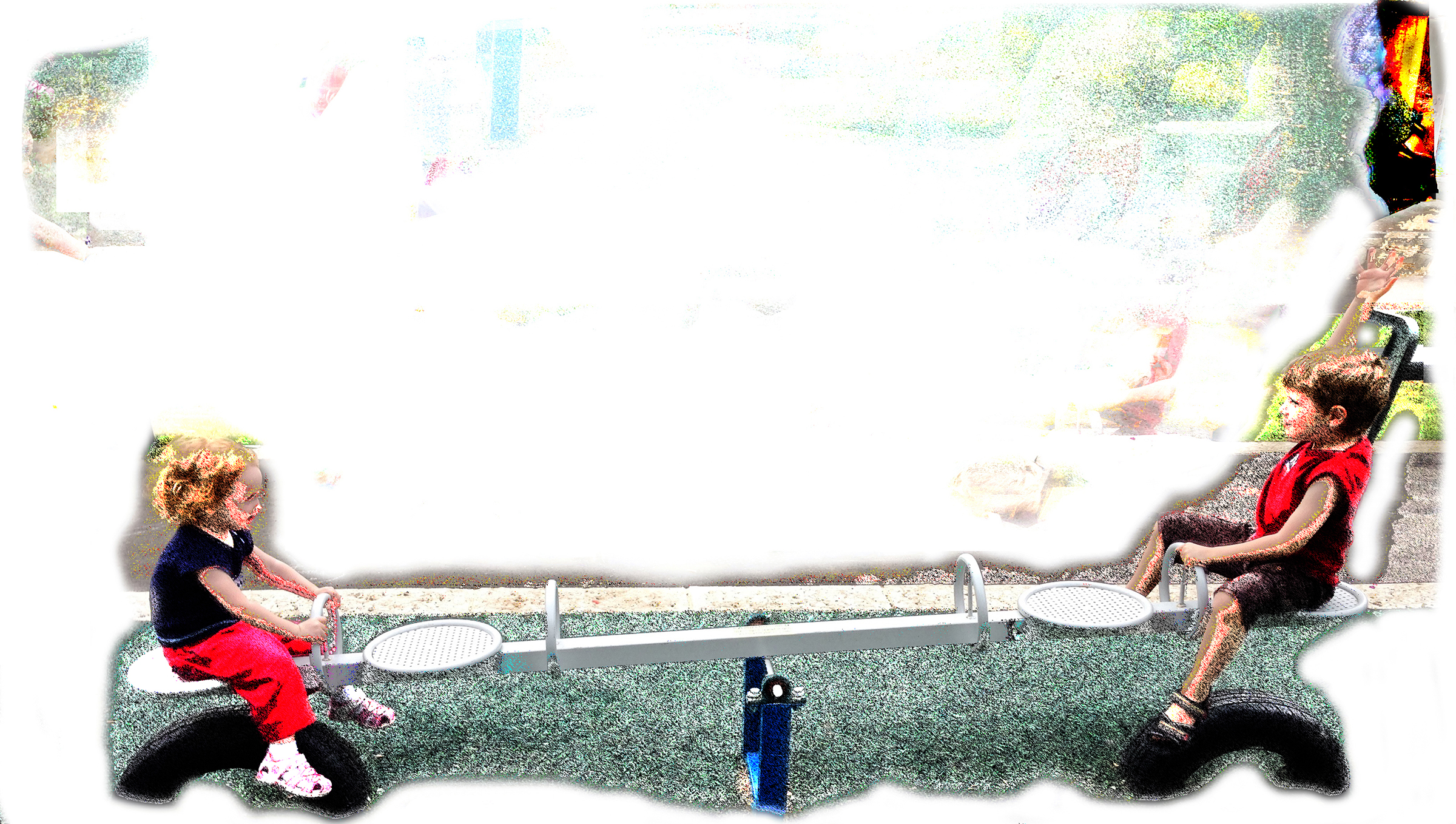





 The BeZine