Interview of Priscilla Galasso

unnamed-5JAMIE: I think you started with us in 2012, not long after initiating your blog, scillagrace. Your life at that time was very much in transition and you had quite specific goals for yourself and your blog. Where do you find yourself after the passage of almost four years?

PRISCILLA: My blog began as a sort of online journal of self-discovery. I had been widowed in 2008 and began a new relationship within the year. By 2011, my four children had moved out of the suburban home I’d kept for 19 years, and I moved in with Steve. I took more than a year off from any kind of employment as I worked through my grief in writing, reading, walking and talking with Steve. My goal in this transition was to learn to live gracefully, to face and accept life as it is. Now, four years later, I find myself still practicing that way of life, but with far fewer tears and fears. I feel more compassion, understanding and respect for myself and more eagerness to engage with the broader world.

JAMIE:You write the most remarkable essays, always well-considered. Logical! Always perfectly edited. What in life – education, teachers, friends, inclination – prepared you for this? I know you don’t do it for a living at this time, but writing certainly appears to be a natural endeavor for you, a kind of home-place.

PRISCILLA: I have to say that my writing style was probably most influenced by my parents. My father was a Harvard man of science, math, and letters and became an educational project director for SRA (a subsidiary of IBM before McGraw/Hill bought it out) and a technical writer for IBM. He helped develop national standardized tests for high school students and volunteered as a computer tutor later on. He was on a minor mission to teach young people how to think and write clearly. My mother was a Radcliffe English major and the volunteer editor of church newsletters and such. They probably had a critical hand in everything I wrote for school. When I was 15, I fell in love with the man who became my husband, and suddenly, I wrote poems and love letters in alarming abundance…and didn’t show them to my parents. I am still far more confident in prose and essay than in poetry and fiction, but learning to value my emotions and communicate them with greater facility and expression has become increasingly important to me. I am a sort of “recovering perfectionist” who is learning to love her feelings.

JAMIE: Since we are concerned in this issue with parents and parenting: I know that your parents – especially your mom – were quite accomplished. How did they encourage your moral and intellectual grown? How did you in turn foster good qualities in your children?

PRISCILLA: Moral and intellectual growth can be encouraged from the top down and from the bottom up. I have learned, however, that the “top down” style can lead to resentment and rebellion in spirited children! I was a compliant kind of kid, eager to please my parents because I was afraid of them to some degree. They espoused some rigorous moral and intellectual standards, and I did my best to meet them. As this was my model, I attempted to repeat it in the next generation. I discovered that neither my 3 daughters nor my son was interested in being that compliant, especially as teenagers! So, I have modified my approach. My mother is my enduring inspiration for “bottom up” encouragement and growth. She lives her values – positively, joyously, and with diminishing criticism and anxiety as she ages. This is much easier once your children aren’t living with you, though. I find that celebrating how we are maturing as equals is a lot more rewarding than policing behavior! Their good qualities continue to emerge and develop, as do most people’s, and my estimation of a “good quality” also is evolving. I had pride in the fact that they were quite accomplished as children, but now I know that they were not at ease with themselves and they developed some serious anxieties. My hope now is not that they will be “successful” in conventional ways. I hope that they will be happy, at peace, and continually growing in awareness and responsibility.

JAMIE: Over the past few years, you’ve been to several wilderness events and you are a great supporter of wilderness protections. What is/are you major concern/s and what are you doing to address your concern/s?

PRISCILLA: My major concerns for the health of the planet and its inhabitants revolve around the attitudes of human beings. We are way too arrogant and detached from the rest of the tree of Life, in my opinion. We have a penchant for “doing things” in the world instead of granting autonomy to other creatures and natural systems. We impose our will without compassion or understanding far too often. And this is especially dangerous because there are more of us than ever, demanding more resources for our growing technology. Our domination is reaching critical proportions; I don’t believe it can be absorbed much longer. This is why I think it’s of paramount importance that we preserve and protect wild land, places where we are not dominant, where we are merely visitors, places that can teach us humility.
What am I doing to address this? Trying to live an ethic of humility and harmony with the rest of the world and communicate that at every opportunity. So far this includes visiting wilderness areas, working for a conservation foundation, making political choices that support the environmental movement and becoming more mindful of habit and practice – like what I eat, what I buy and what I throw away. Steve and I are also operating a used book store online that is his only source of income, so we are in the salvage and recycling business. Steve is also researching a book on wilderness management philosophy and operation and developing his own blog, http://www.forthelastwolverine.com. This is sort of the way we are “parenting” together: modeling our values and putting our energy and resources into projects that can effect the future. But we may be poised at the brink of some radical changes in how the planet responds to our footprints, and we need to be ready to act differently!

JAMIE: You’ve had to deal with a lot of grief: the premature death of your relatively young husband and the tragically early death of your sister in a car accident. What have you learned about dealing with grief?

PRISCILLA: I am learning about suffering from the Buddhist perspective now. It’s a vastly different vantage point than the Western one. When my sister and I were in that car accident, I was not yet 17. Grief was something I wanted to “fix”. I wanted a remedy as quickly as possible. I was raised in a devoutly Christian family, and I plunged myself deeper into that doctrine. It was about having an answer, undoing the spell, reversing the consequences. My sister was in heaven; her death was somehow made “okay” at the end of the story. By the time I was 45, I’d been studying and teaching that story at higher and higher levels, but I was still afraid of death. My husband died at the age of 47. My life changed overnight, and I was terrified. The Christian story was played out in epic pageantry at his funeral, but I still had fears, anxiety, and suffering that I needed to deal with in real life. When I met Steve, he began to tell me about Buddhist philosophy and consciousness. It looks at grief and suffering head on. There’s no “fix”, no story. It’s part of the fabric of life: painful things happen. There’s no aberration; nothing’s gone horribly wrong. You have experiences, and you think about them, but you can decide how to think about them. It was like a veil lifted then. I had been told all my life what was the “right” thing to think, and it all had to do with that story. And now I realize it is just that, a story I decided to believe. So, I made a new decision to try to think in a different way. I think about suffering and grief as part of being alive. I’m not singled out in it or exempt from it. It just is what it is. A lot of added anxiety has unraveled since I started making conscious decisions about how to think. I have befriended grief and life, in a way. Grief has taught me that I practice attachment and aversion: I loved my husband fiercely and hated the idea of living without him. That kind of thinking caused me a lot of suffering. So now I try to practice appreciation and awareness. I still love my husband and appreciate the time I spent with him, and I know that life is lived in the moment and death is inevitable.

This slideshow requires JavaScript.

Mankind: The Modern Mystery and Myth

The hero’s journey is a deeply challenging topic for an amateur writer and philosopher. What a great invitation to read and research, to tie strands together and squint to see a pattern! Typically, I submit essays to this forum, as I am much more comfortable in prose. This time, however, I decided that an essay on this topic would be way too ambitious. What I have is Swiss cheese and spiderwebs, full of holes and only loosely connected, so I thought a poem would be more appropriate.  However, I will preface this one with a bibliography.  I began with the final chapter of Joseph Campbell’s The Hero With A Thousand Faces, where I read this:

“Today all of these mysteries [“the great pantomime of the sacred moon-king, the sacred sun-king, the hieratic, planetary state, and the symbolic festivals of the world-regulating spheres”] have lost their force; their symbols no longer interest our psyche. The notion of a cosmic law, which all existence serves and to which man himself must bend, has long since passed through the preliminary mystical stages represented in the old astrology, and is now simply accepted in mechanical terms as a matter of course. The descent of the Occidental science from the the heavens to the earth (from 17th century astronomy to 19th century biology), and their concentration today, at last, on man himself (in 20th century anthropology and psychology), mark the path of a prodigious transfer of the focal point of human wonder. Not the animal world, not the plant world, not the miracle of the spheres, but man himself is now the crucial mystery. Man is that alien presence with whom the force of egoism must come to terms, through whom the ego is to be reformed. Man, understood however not as “I” but as “Thou”: for the ideals and temporal institutions of no tribe, race, continent, social class, or century, can be the measure of the inexhaustible and multifariously wonderful divine existence that is the life in all of us.” (emphasis mine)

That reading led me to recall lectures I heard from Dave Foreman at the Wilderness 50 conference. His essay on “The Anthropocene and Ozymandius” can be found in several online posts. From there, I considered Nietzsche’s Übermensch from Also Sprach Zarathustra. And always underlying my thoughts is my admiration for Buddhist practice and The Middle Way. So, with all that as the primordial soup, this emerged:

Homo sapiens sapiens
Oh most separate, separating
Anthropocene anthropocentric
The Egoid egotist
Ozymandius, great Wizard of Man
Eyes on screen
Fingertips fiddling

Journey who will
That
Über undertaking
Condescend to transcend
Dare to die in darkness,
Awake in wilderness
At one, atoned
In mystic Middle

Cosmic consumption
Preposterous presumption
Unsustainable usurpation
Deplorable devastation

Parading Nero
Begs a humbler hero

hero

© 2015, essay, poem and photograph, Priscilla Galasso, All rights reserved

Think Continually of Those at Risk

Under the light of the half moon, David Attenborough speaks to the camera on Christmas Island, surrounded by a moving mass of red crabs. Tens of thousands of crawling females, heavy-laden with hundreds of fertilized eggs, are approaching the high tide in order to release their burdens into the surf. The water turns reddish brown as a surge of life heads out to sea. Millions, no, billions of little babies are set adrift. Enormous whale sharks cruise the waters nearby, ready to feed. Sir David explains that the hatchlings will spend one month in the water before returning to land to move into the forests and begin their lives as adults.

That’s probably not the first picture you conjure when you hear the phrase “at-risk youth”, but it’s the one that came to my mind. It may not be popular to approach this topic from a biological standpoint, but there is a meaningful truth in this perspective. If the “risk” you are referring to is death, that is something that youths face as much as anyone. Death is certain for all of us, and no one is guaranteed adulthood. The human species, however, is far from the threat of extinction. Our population is dominating the globe, in fact. So, “at-risk youth” is not about the peril of the demise of our race. I believe it is much more about social and behavioral dangers than biological ones. This is where we can be optimistic. We can create and control our societies and our behaviors much more readily than we can our biological tendencies.

What does it mean to “survive” to adulthood in our society? How do we measure the success of childhood? Certainly benchmarks in health, education, safety, justice, self-reliance and freedom come to mind. We set standards and often cast about for whom to blame if they are not met. Aren’t our children entitled to these milestones? Are they goals to strive toward if not guaranteed rights? And what about the risk of “merely” surviving?

My youngest child is now an adult. She has survived the death of her father. She has survived self-destructive behavior due to depression. She has survived being institutionalized in the mental health care system. She has survived living in the third largest city in this nation, finding a job and supporting herself. She has survived coming out as queer and has proudly announced her engagement to another wonderful young woman. Her survival of everyday panic, anxiety and body-image crises is chronicled in her Facebook updates. While all of this is great success that I do not mean to diminish, I keep wondering, “Is the mere survival of the hazards of our society the best our young people can hope for?” My daughter is highly intelligent. She is a naturally talented singer and dancer. She is passionate about history and poetry and science. I fear there is a great risk that these traits may remain embryonic throughout her lifetime because she is so focused on navigating social pressures – in a culture that is probably the most economically and socially privileged one on the planet!

That our systems erect road-blocks to social survival and detour our young people from paths of true greatness is a profound risk, I believe. Read the poem “The Truly Great” by Stephen Spender. I get to this stanza, and I am openly weeping.

What is precious is…

…Never to allow gradually the traffic to smother

With noise and fog, the flowering of the spirit.”

We can so easily provide food, shelter, and opportunity to our youth with the systems we have devised, but those systems have become mine fields where kids are sabotaged on the journey. We have become so enamored of control that we have hobbled love and freedom and self-worth, and our young people will always be the most vulnerable to that constriction. Their symptoms are obvious. They are fighting to survive amid an abundance that mocks spiritual destitution. The Dalai Lama commented on his first visit to America that the thing that surprised him the most about Westerners was that so many suffered from a sense of low self-esteem. He’d never heard the term up until then, but everyone he asked agreed that it effected them.

Our young people have the best advantage for living long biological lives. If they are to live good, happy lives as well, we all must take responsibility for creating caring social space within our psyches and our communities. We need to nurture and model the spirit of social justice from the ground up AND from the top down. We need to encourage and not criticize; we need to live as models, not as victims. One of my favorite examples of a person who dispels social danger with kind communication is Fred Rogers. He takes time; he is present; he sees truth and speaks love. Here is an excellent illustration of that.  And a great example of modeling fairness and social progress from the top down can be found in this video about the new Prime Minister of Canada.

We will never be finished addressing the social risks facing our youth. They will be new every moment. If we take up the challenge to face each of those moments with awareness and a commitment to justice and kindness, though, we can be confident that we are living out the remedies even as problems continue to arise.

– Priscilla Galasso

© 2015, essay and photographs, Priscilla Galasso, All rights reserved

Farming a Dancing Landscape

On Poverty—Spiritual Lessons From Nature series by Priscilla Galasso

Raising a child is not rocket science. It is more complex than that. Rocket science is merely complicated. What’s the difference? The Latin root for complicated “folded,” like pleats. There are hidden surfaces, but you can unfold them and draw an iron straight across it. Rocket science requires a long series of problems to solve, but with enough time and effort, you can get through them all and even repeat the entire process with very similar and predictable results. (Any one with more than one kid knows this is not the case in parenting!) In the same way, you can determine which peak is the tallest one in the Appalachian Mountains. You probably can’t guess correctly just by looking out over the landscape from a single overview, but get enough people with GPS tools to climb the hundreds of peaks on the horizon and take measurements, and eventually, you can figure out which one is the tallest. Complicated, but do-able.

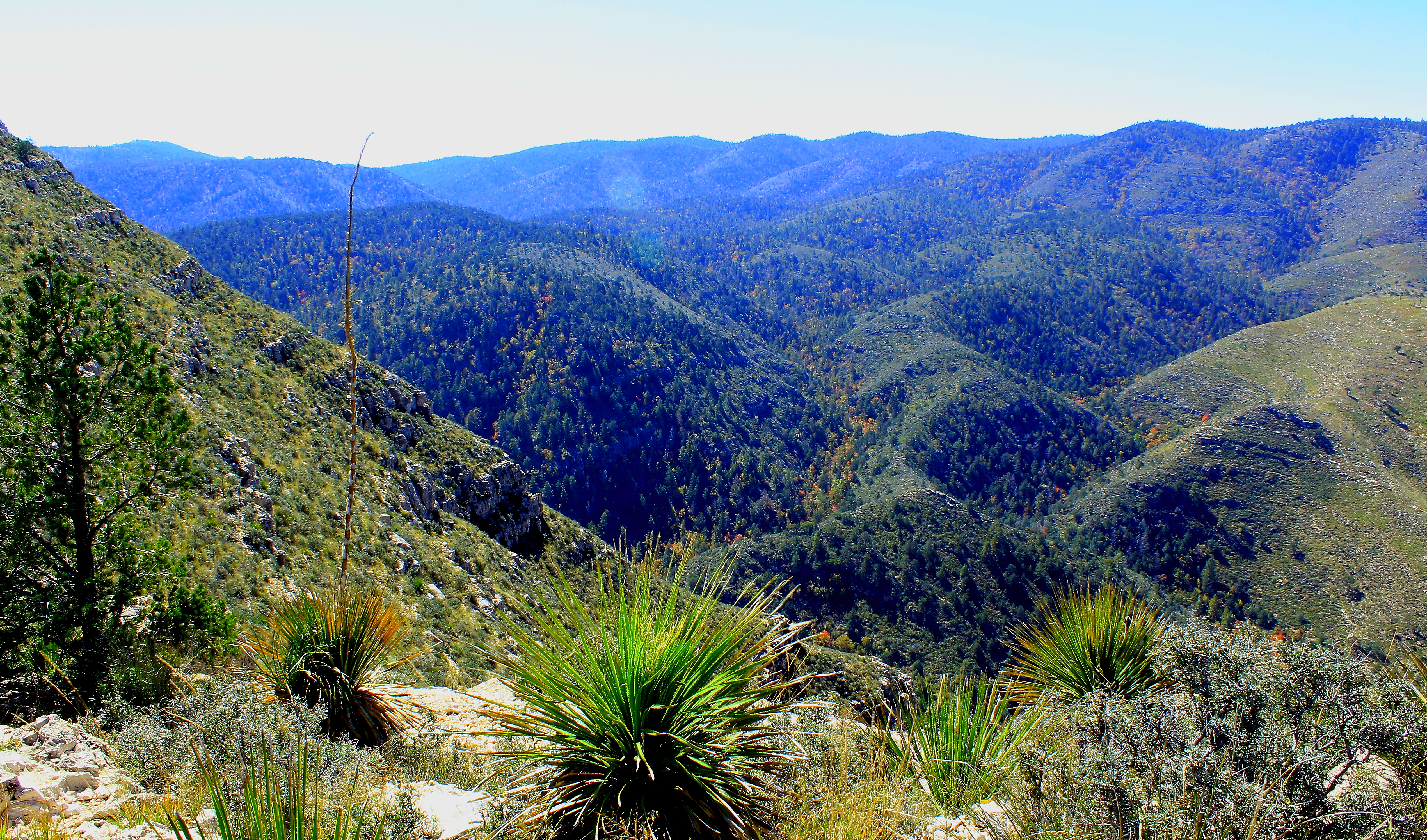
Guadalupe range

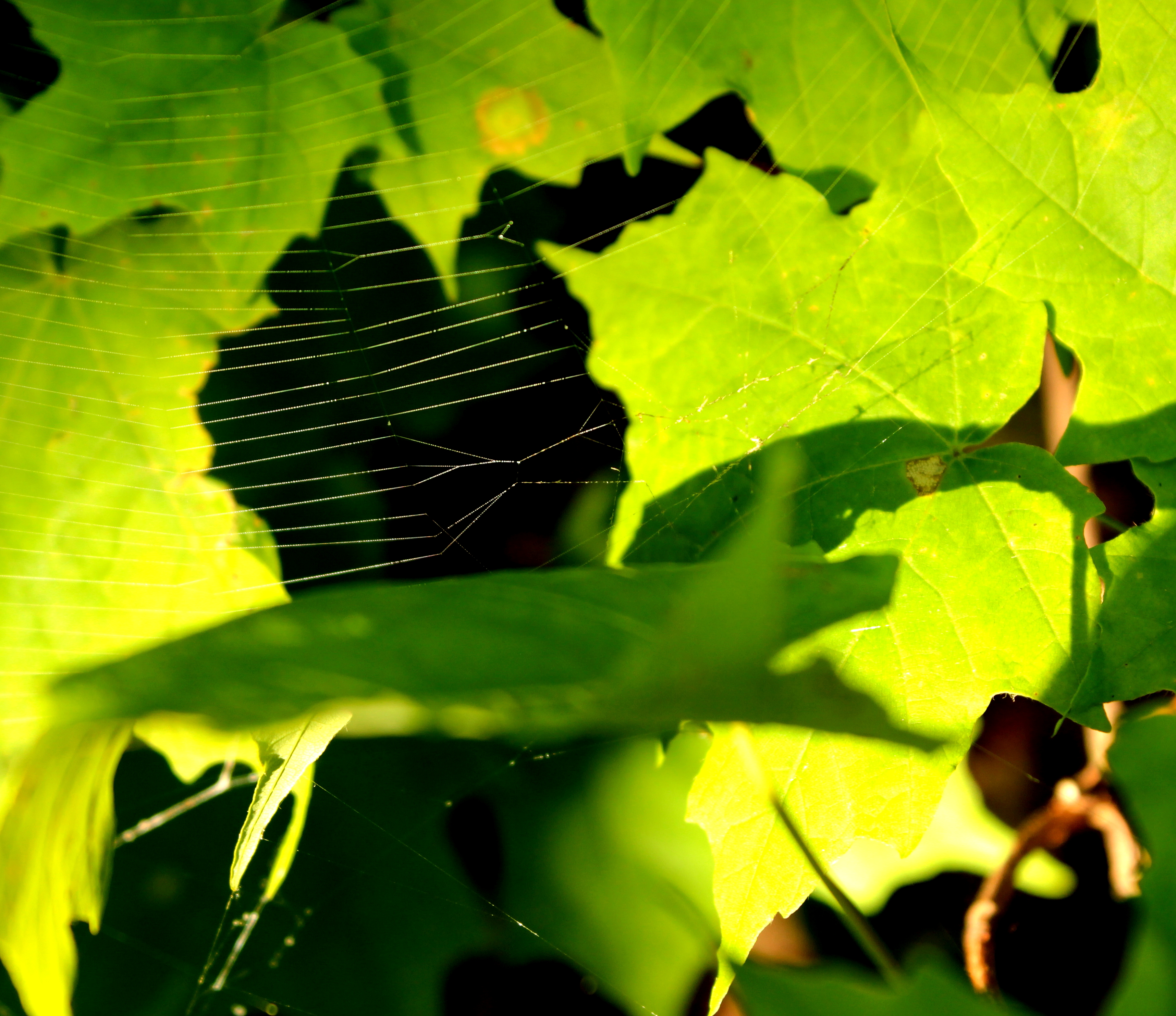
Complex is a whole different story. The root of that word means “inter-woven,” like a spider’s web, where each fine thread is connected to another. And they’re all sticky except for the ones the spider uses to climb directly over to her stuck prey. But can you tell which is which? Can you tell that the one you just stepped into is sending a ripple right over to where the spider is sitting? She now knows exactly where you’re stuck, but she doesn’t know that you harbor a parasite that will kill her and make its way to yet another host when yonder sparrow snaps up her dead carcass. That’s complex.

spider web

Raising a child is complex. Trying to tell which peak in the Appalachian range is the tallest is complex, too, if the landscape is dancing: changing in an unpredictable pattern , moving to the rhythm of an imperceptible music. Which peak is tallest now? And NOW? And why are we even trying to find the answer to that question while watching this mysterious dance?

Poverty is complex. It is not something that is solved by simply devoting more time and effort to the problem. If it were, we would not be looking at thousands of years of history on the subject. We give in to the temptation to simplify poverty into a matter of dollars over time, reducing it to something measurable, predictable, and controlled, a mere graphic—the poverty line. But poverty is an inter-woven network of relationships and concepts—self worth, social justice, resources and their extraction, economic policies and global politics. It is as complex as our planet’s environment.

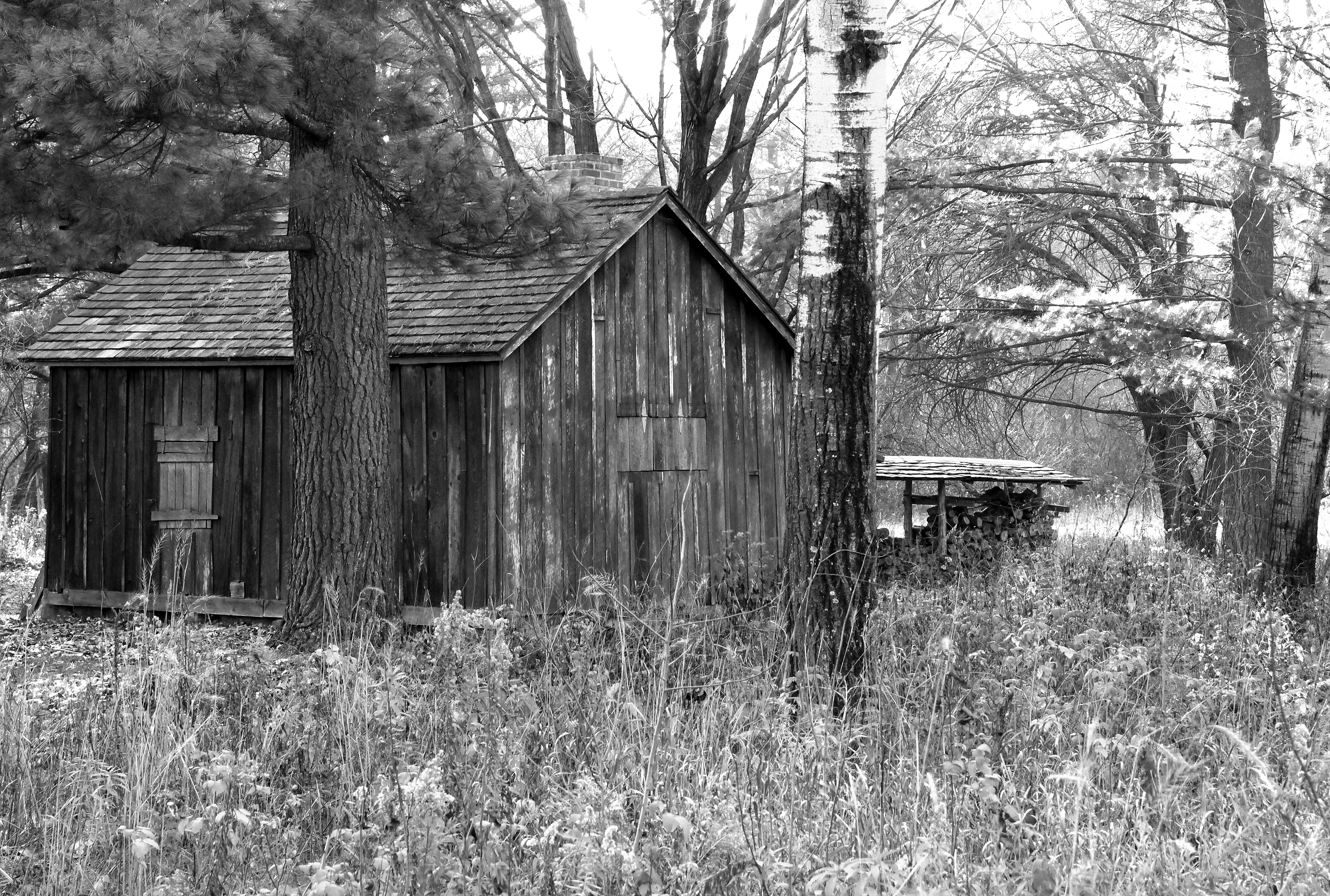
the shack

So how do you engage with a complex issue like poverty?

Aldo Leopold arrived at a Land Ethic after years of developing and recording a relationship to a particular place in Wisconsin. In the book A Sand County Almanac, he writes: “A thing is right when it tends to preserve the integrity, stability and beauty of the biotic community. It is wrong when it tends otherwise.” Making personal decisions about right and wrong based on your relationship to the community is the responsibility of every individual. Applying that ethic rigorously and non-dogmatically is the work of love. How do you love your neighbor? How do you preserve the integrity, stability and beauty of the biotic community on this planet of inestimable and finite resources? How do you alleviate the suffering caused by poverty?  These are complex questions. 

“We shall never achieve harmony with land, any more than we shall achieve absolute justice or liberty for people. In these higher aspirations the important thing is not to achieve, but to strive.”  —Aldo Leopold

Maybe a more accessible question is this: How shall we strive to end poverty?  To that question, I can imagine simple answers.  Start early in your learning. Teach children about sharing and portion, not dogmatically, but in relationship. Strive toward understanding basic needs and toward a sense of what is enough.  Build trust and hope and compassion.  Be flexible, changing with the land and its resources. Be present with the multiple factors involved; do not look away, diminish or dismiss what is real.  Be authentic and honest and diligent, and finally, believe that even on a dancing landscape, food is growing underfoot.

© 2015, essay and photographs, Priscilla Galasso, All rights reserved

Music: A Soul Experience

Addressing this topic is a tricky proposition for me. How do I write about “Music” after a lifetime of being in its company, serious collegiate study, professional and semi-professional music-making and now coming to an ever-changing place of informal interaction with it? It is as daunting as writing about “Being Female”.

My partner Steve, who has a more organic and brilliant relationship to music than I, often asks me, “What is music? Is this Music?” My definitions are vague. John Cage hears music in the sound of traffic. Why not? Steve stands by a babbling brook or a wide lake shore, closes his eyes and begins to wave and conduct the irregular but compelling rhythms. Music is an experience. It is felt and lived, by humans, most certainly, and perhaps by oceans, birds and the cosmic spheres. We can pick it apart, measure it scientifically, codify and teach it and all but kill it while still trying to communicate something beyond all those characteristics. I taught Voice lessons for a few years, giving rudimentary information on practical aspects of sound production and score-reading, but when it came time for a student to prepare for performance, I said something like, “Feel your confidence; trust your instrument; let go and SING!”

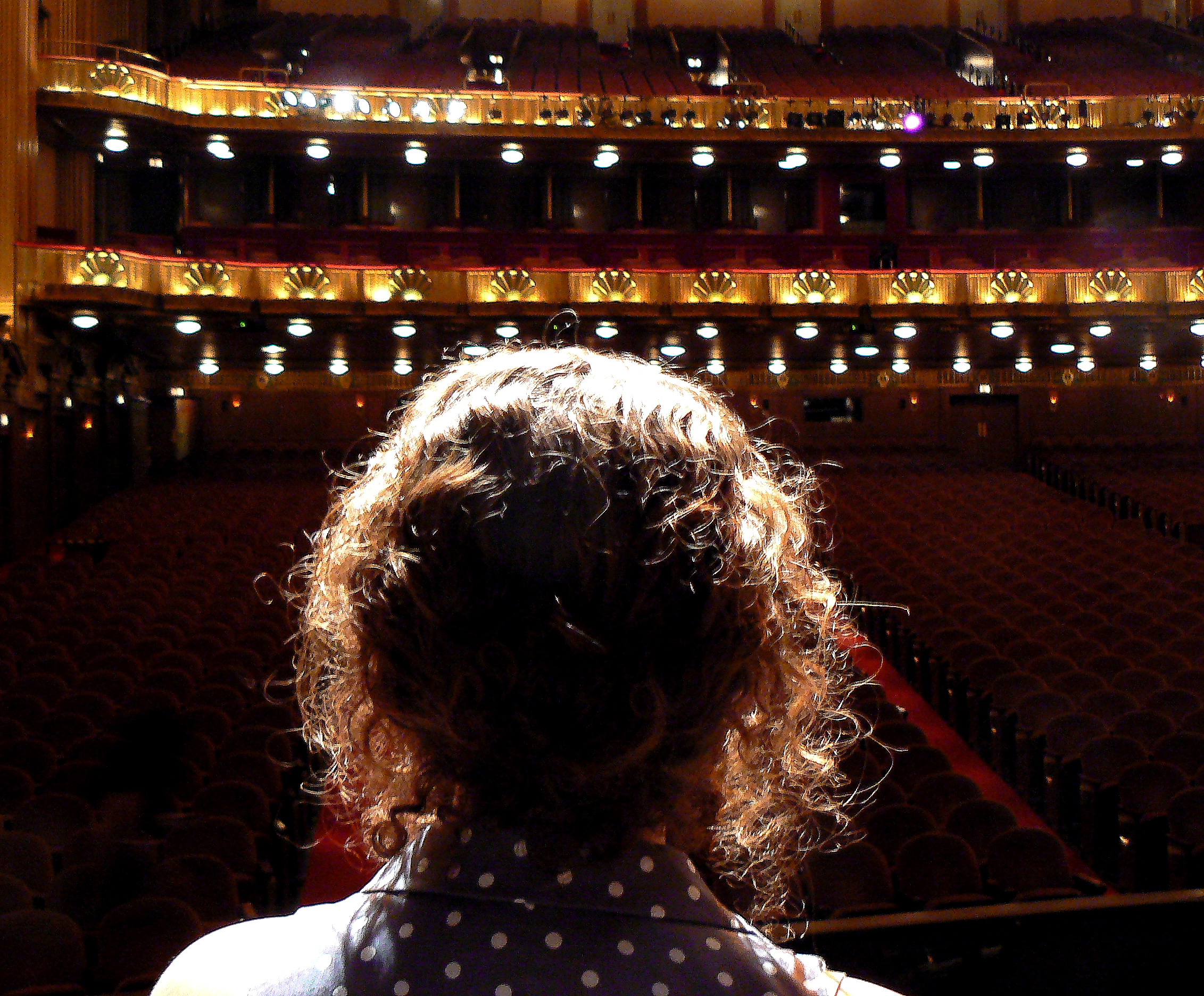
opera night

The music of the soul, singing, is not without dukkha, the intrinsic suffering of human life. Aside from Art or Artifice, singing is a conduit for emotion as vulnerable and raw as any primal utterance. Those who have guessed this often try to manipulate it or manufacture it for their own uses. Or they try to lose their egos and get as close to being on the edge as they can. Who are the great “emotive” singers you can name? Judy Garland is our favorite. Her story and her relationship with her music is a painful one, but we love to hear her inimitable voice and styling. I used to play my Wizard of Oz record over and over again and try to sound just like her…before I was 10. Before I knew much about suffering at all. She was all of 16 on the recording. She kept singing that song throughout her career. She knew exactly how to wring all the pathos of her life from that melody by the time she died. She did it repeatedly, convincingly each time.

Just two days ago, I read a passage about Singing that struck me with an entirely new impact. It is from Frederick Douglass’ own autobiography about his life as an African-American slave. It will haunt me now whenever I hear Spirituals or make up my own bluesy tunes in passing. This is written in Chapter II, a memory from before he was 10 years old:

“The slaves selected to go to the Great House Farm, for the monthly allowance for themselves and their fellow-slaves, were peculiarly enthusiastic. While on their way, they would make the dense old woods, for miles around, reverberate with their wild songs, revealing at once the highest joy and the deepest sadness. They would compose and sing as they went along, consulting neither time nor tune. …The hearing of those wild notes always depressed my spirit, and filled me with ineffable sadness. … To those songs I trace my first glimmering conception of the dehumanizing character of slavery… If any one wishes to be impressed with the soul-killing effects of slavery, let him go to Colonel Lloyd’s plantation, and, on allowance-day, place himself in the deep pine woods, and there let him, in silence, analyze the sounds that shall pass through the chambers of his soul,—and if he is not thus impressed, it will only be because “there is no flesh in his obdurate heart.” I have often been utterly astonished, since I came to the north, to find persons who could speak of the singing, among slaves, as evidence of their contentment and happiness. It is impossible to conceive of a greater mistake. Slaves sing most when they are most unhappy. The songs of the slave represent the sorrows of his heart; and he is relieved by them, only as an aching heart is relieved by its tears. At least, such is my experience. I have often sung to drown my sorrow, but seldom to express my happiness. Crying for joy, and singing for joy, were alike uncommon to me while in the jaws of slavery. The singing of a man cast away upon a desolate island might be as appropriately considered as evidence of contentment and happiness, as the singing of a slave; the songs of the one and of the other are prompted by the same emotion.”

Song pouring forth like tears for the relief of an aching heart. Music is a channel for all the emotion that lives within us, be it deep sorrow, longing, suffering, yearning, passion, joy or triumph. Have you never brought an embryonic ache to maturity by playing the right music? Have you not fed a wild impulse by stomping out an insistent rhythm and letting your voice, your body move along with it? Music is my companion, my teacher, my soul mate. It accompanies me as I discover myself, like my breath, my heartbeat. It is biological and intellectual, a genius of Life like an inalienable right. I could not endure existence without it; I can not imagine Freedom without it.

Jim at Carnegie Hall

My late husband was a singer, a gifted tenor. When he died, 300 people came to his memorial service to sing their good-byes – solos, congregational hymns and choir pieces. They sang as the living and imagined that there must be Music after death. They could not bear it to be otherwise. Though Death is entirely unknown and a very different (and luckier, as Walt Whitman would say) experience, I would not be surprised if there was music in it. Perhaps it is the very essence of all experience, conscious or not.

© 2015, essay and photographs, Priscilla Galasso, All rights reserved

Oscar Wilde and “The Critical Spirit”

“THE CRITIC AS ARTIST: WITH SOME REMARKS UPON THE IMPORTANCE OF DOING NOTHING” — Oscar Wilde wrote this essay in the form of a dialogue between two characters, Gilbert and Ernest, in the library of a house in Piccadilly.  Here are some key quotes from that piece:

“The one duty we owe to history is to re-write it.  That is not the least of the tasks in store for the critical spirit.”

“When man acts he is a puppet.  When he describes he is a poet.”

I confess I have not read The Critic As Artist in its entirety and so have not discovered Wilde’s “remarks upon the importance of doing nothing”.  However, I do have some understanding of our critical mind, the ways we apply it, and the results of being dominated by it.

First of all, what is ‘the critical spirit’?  I think what the author is getting at is the individual thought process that creates meaning.  What we ‘know’ of the world might be broken into three categories: Fact, Experience and Story. Fact is the measured detail of life — how old it is, how big it is, how it reacts chemically, that kind of thing. We learn some things from it, but it has no emotional arch, no meaning.

Experience is the raw sensation of the moment: emotions, smells, sounds, tastes, sights, awareness, feeling.  It is how we know we are alive.

And then there’s Story, and this is how we are all poets: we take in data, we see events transpire, we feel emotion and sensation, and then, we put that together into a narrative that makes ‘sense’ to us.  We have created a story, a meaning, and attached it to history.  That work is largely supervised by our Ego as our thought processes select and omit and weigh the data according to our own preferences and values.  We imagine and imitate what we like, we suppress what we don’t; we spin what comes out.  These stories become part of the body of data that we use to create further meaning as well. 

It is essential to realize that we are constantly making up stories.  Civilization is a story.  Religion is a story.  Philosophy and Art and Psychology and Anthropology and so many other pursuits are simply ways that we have manufactured meaning by creating stories.  There is wonderful wisdom in recognizing “the danger of a single story”, and so it is a fortunate thing to have so many different ones.  (A Nigerian novelist, Chimamanda Ngozi Adichie, fleshes this out in her profound TED talk, HERE) Stories are ubiquitous.  There is no ‘right’ story.  Good stories point at Truth, but there are lots of ways to construct them.

This awareness of the creation of story by your own Ego is the key to “the importance of doing nothing” as well.  The plethora of stories and the facility of story-telling in our culture tends to dominate our reactions and expectations, creating drama, manipulation and anxiety along with meaning.  In some ways, we want that.  We find it exciting.  But it’s also exhausting and can be exploitative.  To be able to leave the story-telling aside and simply BE is important for my well-being and my personal peace.  Meditation is helpful in the practice of stilling the ego and refraining from making up meaning.  When I concentrate on the present moment and return to the simple activity of breathing, I allow the world to be what it is instead of conscripting it into the service of my creative ego.  Then I am free to relax my mind and let go of my anxieties about how the story will turn out.  My energy is renewed, and I am at peace.  (This is a practice that I am only just beginning to employ.  Awareness is the first step!)

“The imagination imitates; it is the critical spirit that creates.”  We are invited to engage with the world on many different levels, all of which can be useful and appropriate at certain times.  Wisdom is the art of choosing how to engage in a way that is edifying for yourself and others.  For everything, there is a season: a time to imitate, a time to create, and a time to refrain from creative ego activity.  May each of us find joy in the exploration of this Wisdom and delight where we recognize this exploration in others!

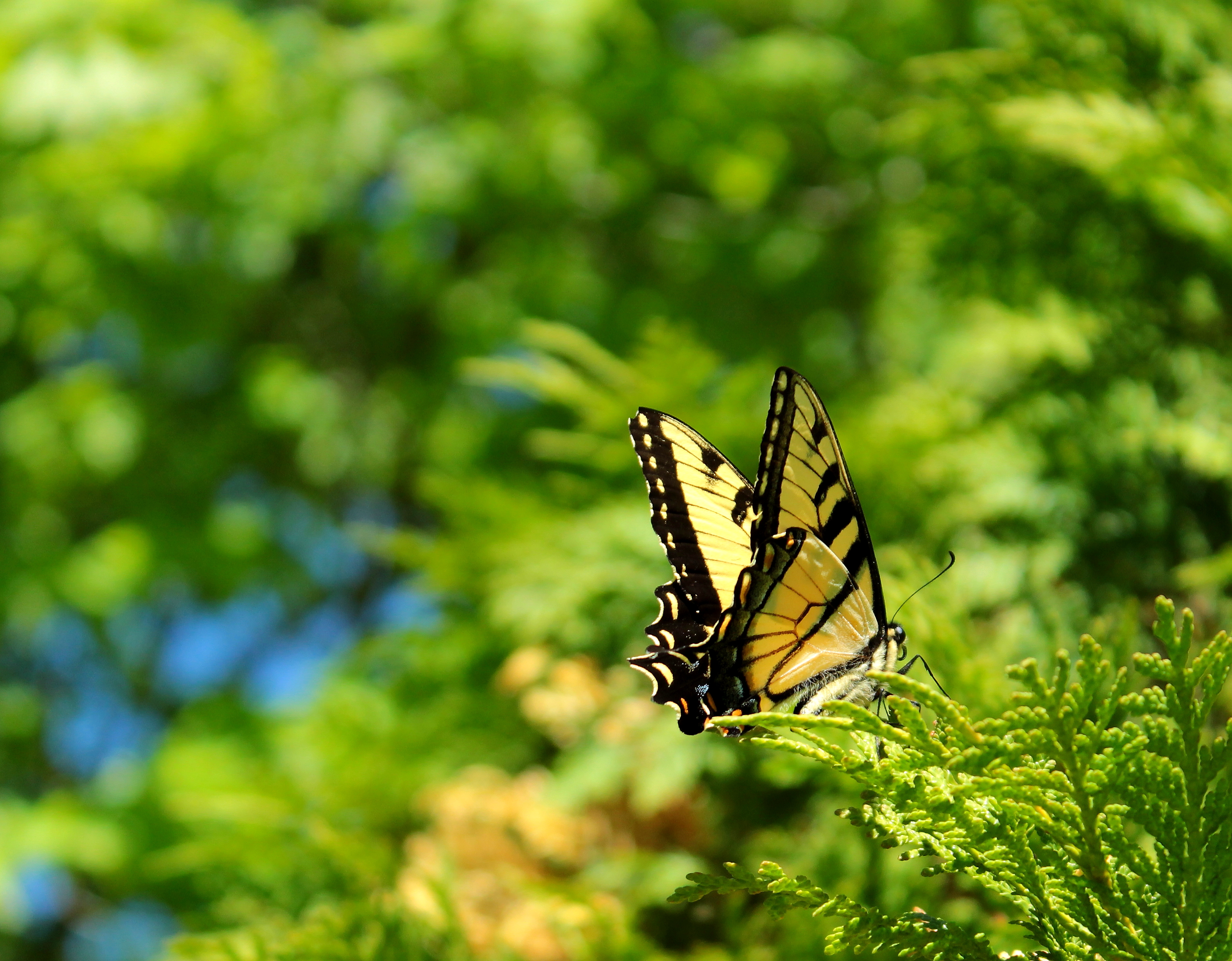
swallowtail

– Priscilla Galasso

© 2015, essay and photographs, Priscilla Galasso, All rights reserved

Diversity and Car(ry)ing Capacity

According to Wikipedia, the term “biodiversity” came into popular usage in 1985 as the 1986 National Forum on Biological Diversity was being planned. A decade earlier in scientific studies, the term “natural diversity” was the expression used to describe the variety of different types of life found on earth, and “species diversity”, “species richness”, and “natural heritage” are even older terms. The same Wikipedia article goes on to describe how biodiversity benefits humanity. This is where I want to jump off the Wiki-wagon. I have a diminishing tolerance for anthropocentric thinking. Diversity isn’t important because it’s good for us. Diversity is important because it IS.

Where diversity exists, you know the carrying capacity of the environment is at a high level. This means that there are enough resources to support a large community of biota. There is abundance and health….for everything. There are food sources, water sources, shelters, places to meet others of your species, safe habitats in which to reproduce and raise young, and plenty of predators, large and microscopic, to keep the population in balance. Where diversity is threatened, you see widespread extinction, the development of large mono-cultures, and the altering of climate and landscape. (For a fascinating example of this, see this story on how the re-introduction of wolves into Yellowstone Park changed the course of a river. How Wolves Change Rivers on youtube.com.)

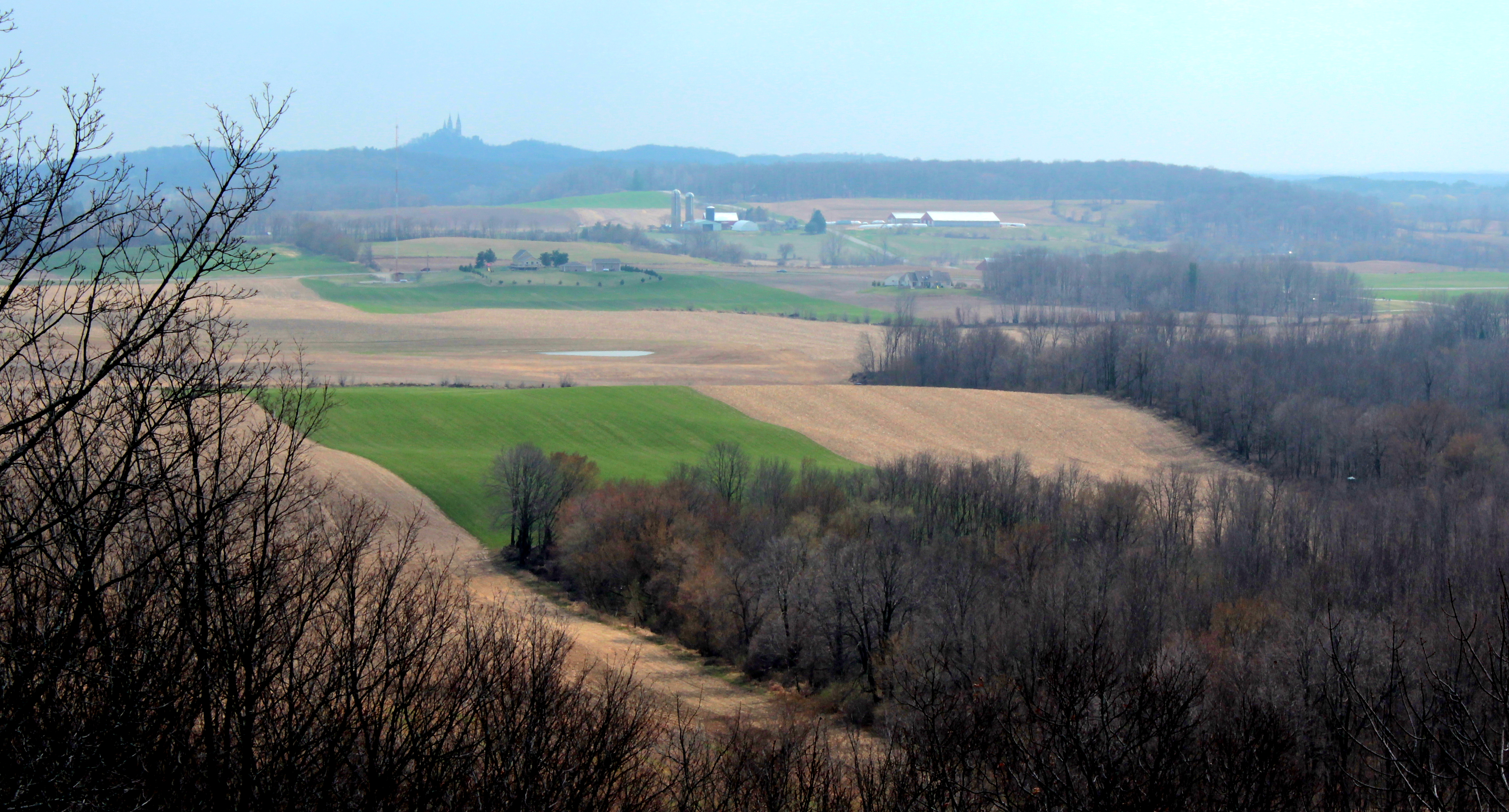
farm and wood

Diversity and abundance or extinction and scarcity. These are snapshots on either end of the spectrum of possible futures for our planet…or for any small subset of it. My question isn’t about how diversity benefits humanity. My question is about how diversity feels. Not only to you, or to us, but to the Universe. As Eckhart Tolle would say, think beyond the Egoic Mind. What is diversity to the Power and Source of Life? It is essential; it is essence poured out on reality. You might say that the Divine is manifest in diversity. What is diversity to the Ego? It is a threat. It is Other and Dangerous. I’m sure you can see how this plays out across different parts of history in different parts of the world.  Where mono-cultures restrict diversity in the human community, what is the effect? Take a moment here to think of all you’ve ever read or heard, seen or felt about genocide, extinction, ‘ethnic cleansing’, segregation, persecution, and intolerance.  The human Ego fighting the reality of diversity is a war that makes no sense to me.  There is no possible victory in it anywhere, for anyone.

My final questions are these: what is diversity to the Person you want to be, in the world where you will live? How is your carrying capacity, your caring capacity, today?

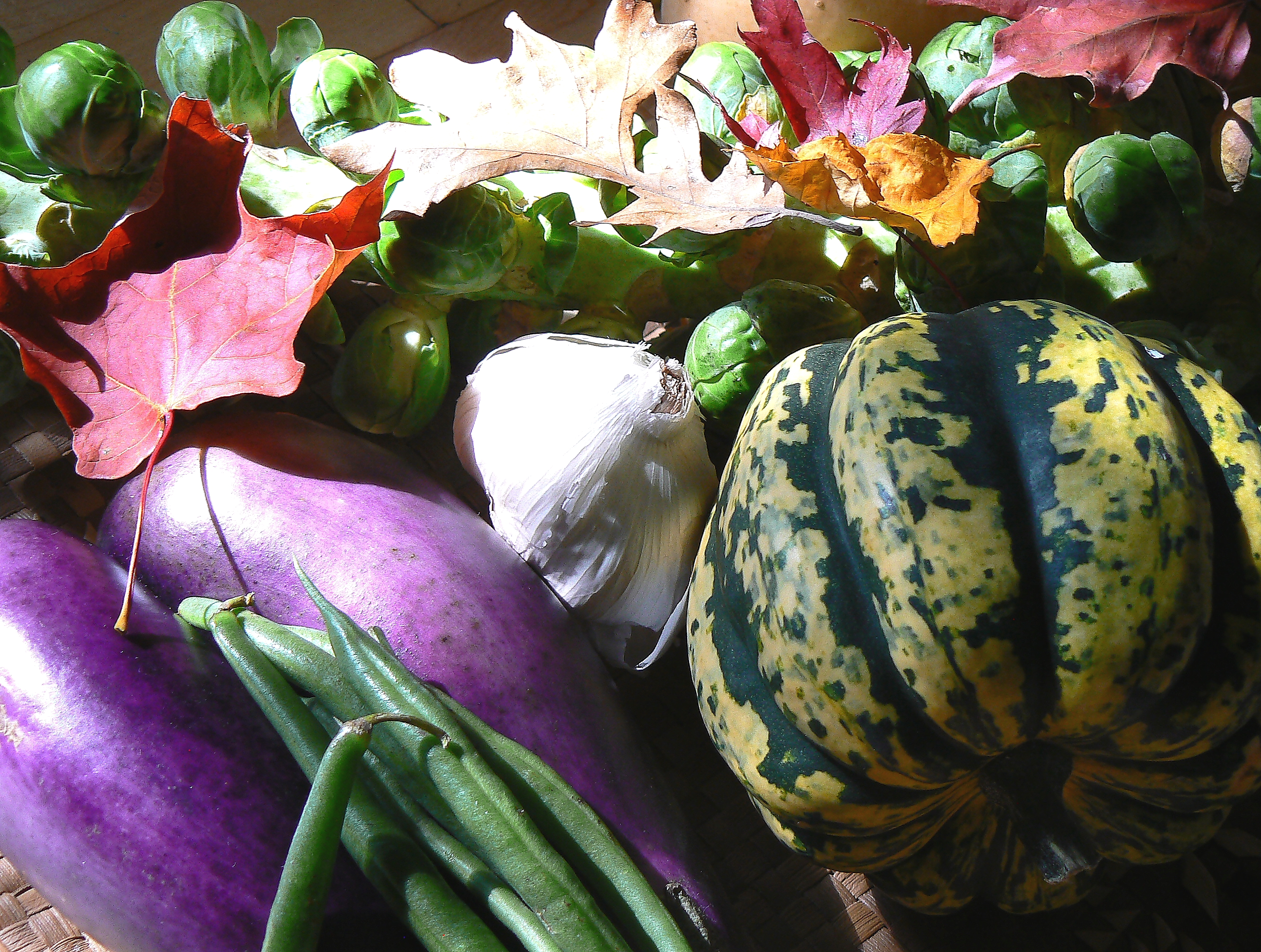
abundance

© 2015, essay and photographs, Priscilla Galasso, All rights reserved

Morning Dove

This slideshow requires JavaScript.


In praise unceremonious

birds sing to greet the morning.

In liberty they make their voices heard. 

Each separate tune a secret speech

upon Creation’s ear,

an intimate awakening of love.

What expression can I give you

to welcome your affection,

to place myself within your waiting arms?

The murmur of my scattered dreams,

the sigh of lonely longing,

a wish for lasting closeness on my lips. 

Hear in my stuttering, open heart, 

Oh, lover and companion,

the grateful, private music of the dawn.


© 2015, poem and photographs, Priscilla Galasso, All rights reserved

Father Sky

This slideshow requires JavaScript.


Did I ever thank you, Father Sky,
      spread far around like an open field
           piled high with moods and structures,
                a playground for my soul?

Your face above bids my thoughts expand
      to climb the heights of an anvil-cloud
           and teeter on the edge of a dazzling glare
                or slide down the shafts of the sun,

To swim to the center of your lonely blue
      where I find no mist to hide me,
           and lie exposed to the western wind
                like a mountain braced for sunrise.

Or clad in the shroud of brooding gray,
      you coax me to musing
           far removed from the minutiae
                that chains me to my life.

I search for light and openness
      to shadow the bonds of earth,
            exploring the vault of heaven
                for its meaning and its truth.

Thanks for this cathedral speaking glory through its art,
For opening my eyes, admitting Sky into my heart.

© 2015, poem and photographs, Priscilla Galasso, All rights reserved

Renewed Like an Eagle … spiritual lessons from nature …

Do you remember when your baby teeth fell out? Do you have any memories of being without central incisors, lisping and whistling when you spoke, unable to bite into an apple or an ear of corn? How much do you remember of the physical changes associated with your passage through puberty?

Would you ever choose to re-live those changes? (I imagine in response a loud chorus of ‘Noooo!’ and laughter.)

Why do we find change so awkward and uncomfortable? Why do we imagine a state of perfection achieved and unchanged, and why is that stasis desired? Consider this: change is natural; metamorphoses are observed and documented in every species — birth, maturation, reproduction, aging, death, decay, absorption, and birth. All around us there is a process of movement, going from one thing to another, losing some properties and gaining others. This is Life. It is dynamic; it is not good or bad; it is. Often, however, we decide we like where we are. We want to stay put. It’s familiar. It’s comfortable. But we are, in fact, stuck, and it takes a great deal of energy to stay there, resisting the current of Life all around. We feel drained, exhausted, spent, sapped, worn out. We want to feel the flow of energy again, but in order to do that, we must make a change. Fear holds us back. This is a pivotal point of decision – we must choose Change to choose Life.

The Old Testament talks about having youth renewed like the eagles’, about mounting up with wings as eagles and being borne on the wings of an eagle. Golden eagles populated the Holy Land, and their lifespans were observable to the ancient poets. I have seen bald eagles in the wild on a few occasions now, but not before I was 45 years old. What do I know of an eagle’s life? I did a little research. Southwestern Bald Eagle Management told me “In their five year development to adulthood, bald eagles go through one of the most varied plumage changes of any North American bird. During its first four weeks of life, an eaglet’s fluffy white down changes to a gray wooly down. At about five weeks, brown and black feathers begin to grow. It becomes fully feathered at 10 weeks of age. In its first year, the mostly dark-colored juvenile can often be mistaken as a golden eagle. However, the bald eagle progressively changes until it reaches adult plumage at five years. Notice in the pictures how its dark eye lightens throughout its first four years of life until it becomes yellow. Also, see how its beak changes from gray-black to a vibrant yellow. It is believed that the darker, more mottled plumage of a young eagle serves as camouflage, while the white head and tail announce that it is of breeding age.”

Renewal is for the purpose of maturity. It is not about going back to a juvenile state. It is about soaring with the movement of Life toward the next place of energy. It is not about resuscitation; it is about resurrection. We shall all be changed.

My daughter recommended to me a book titled Being Mortal by Atul Gawande. The author is a medical doctor and a gerontologist. He tackles the real and practical implications of growing old and dying in this culture: nursing homes, DNR orders and advance directives, heroic life-saving surgeries, hospice and what it is to live with meaning and dignity. This book terrified me. I read it in small doses. It made me face denial and delusions head on. It was not a comfortable read, but I would recommend it to anyone. It puts Change in the forefront and invites you to get real. I would not have been able to read it 7 years ago, right after my husband died. I wasn’t ready. The book I read then that helped me to accept change was Pema Chodron’s book When Things Fall Apart (which I recently discovered is a phrase from Yeats’ poem “The Second Coming”).

Where are you in the flow of Life? Where are you stuck? What are you afraid of when you face Change? How have you embraced Maturity? How have you run from it? What images of Peace in harmony with Change are meaningful to you? These may be your symbols of Renewal.  Here are a few of mine (click on the first one to see a slideshow with larger images):

– Priscilla Galasso

© 2015, essay and photographs, Priscilla Galasso, All rights reserved

Ego, Redunancy, Fasting and Abunance ~ Lessons From Nature

Have you ever had an experience of ego awakening? I have. The first one I remember happened as I was sitting in church on a Sunday morning, listening to a sermon. I was a child of about 7, I think, squirming about in the pew beside my family members. None of them were paying attention to me. They were simply silent. I suddenly became aware that I was there and that it was possible that I could ‘not be there’. I could not be born, for example, or I could be something else. I wondered why I wasn’t a rabbit, but a girl, Priscilla. I wondered why I was aware of being present for this sermon when I had sat through so many others and not been aware at all. I paid attention to the words of the Rector for a time, staring straight at him, but his talk was not as exciting as this simple new awareness. I figured he wasn’t really addressing me. I think it was Spring, the stained glass windows were open a bit, and the sun was shining. I sat facing the windows, away from the pulpit, and in rapt and embryonic ego transcendence.

My ego returned to center stage, though, shortly after that. I was the fourth daughter in this church-going family. I grew up with questions about whether or not I was special, with feelings of redundancy. My sisters were always more intelligent and talented and capable, having the edge of years of experience beyond mine. What did I have to offer that they couldn’t deliver more readily? And what would be my share of the resources available? Could my parents really give their attention and their love to all of us equally? Somehow, these questions kept arising for me, causing anxiety and an eagerness to convince myself that I was unique and uniquely loved. I spent 47 years in the church-going habit, seeking to resolve these questions in community with others looking for a similar comfort.

1965

Let me insert a different image now. David Attenborough on Christmas Island, surrounded by a moving mass of red crabs. It’s nighttime and quite dark. Thousands of females, heavy-laden with eggs, are approaching the tide in order to release their burdens into the surf. The water turns reddish brown as a surge of life heads out to sea. Millions, billions of little babies set adrift. Redundancy and abundance. Life in a beautifully mysterious burst of activity, at a specific time and place, choreographed by some ancient awareness and acceptance. It is awesome – possibly divine. Are those babies unique and uniquely loved? The question seems moot. They ARE. No less. No more. (http://www.arkive.org/christmas-island-red-crab/gecarcoidea-natalis/video-00c.html – this is not David Attenborough, but at least it doesn’t have advertisements.)

We were driving out to the University last week to attend an enrichment class entitled “Understanding the Mysteries of Hibernation” when Steve popped in an audio book CD, The Power of Now. Eckhart Tolle began to describe his pivotal ego experience: For years my life alternated between depression and acute anxiety. One night I woke up in a state of dread and intense fear, more intense than I had ever experienced before. Life seemed meaningless, barren, hostile. It became so unbearable that suddenly the thought came into my mind, “I cannot live with myself any longer.” The thought kept repeating itself several times. Suddenly, I stepped back from the thought, and looked at it, as it were, and I became aware of the strangeness of that thought: “If I cannot live with myself, there must be two of me – the I and the self that I cannot live with.” And the question arose, “Who is the ‘I’ and who is the self that I cannot live with?”

He went on to talk about the False Self that is edified, criticized, and mortified in our Western culture. I nodded in complete recognition. Don’t we call that the Ego? And then…I began to think of that ‘I’, that divinely authentic, fully alive, completely unique and inter-dependent being that each of us is. It was like a flash. My face lit up in excitement as I turned to Steve, “YES! I get it!” The things I had been hearing about enlightenment and no-self in Buddhism finally made sense. It’s not about the abasement of your being, it’s about the shift from False Self to ‘I’.

An hour later, I was listening to a lecture about mammals who suppress their metabolic systems, who turn down the fire of life in order to more effectively harmonize their energy with their changing environment. They go through cycles of torpor and arousal, staying alive (and in some cases, giving birth) without adding any food energy into their system – for 5 to 6 months! This is fascinating! Heart rate, respiratory rate, body temperature, digestion – all of these vital systems depressed by as much as 75%, and still, there is Life. The speaker discussed implications for biomedical research, but I am not as impressed by what humans might do with this knowledge as I am by the beings who live it. They are the authentic ‘I’; they are themselves, in a web of inter-dependence and autonomy, using and conserving their energy in response to what IS, what is available in the environment and what is intrinsic to their survival. Descriptions, terms, charts and statistics become gibberish. Even Science is a False Self. These are “stepping-stones”, as are all words, in Tolle’s estimation, serving to propel us to the next place in the movement of existence.

photo from sciencenews.org

The flow of Life, the flow of energy – what is that about? It’s not about clinging to stepping-stones: food, love, identity, thoughts, dogmas or practices. It’s about finding “the joy in change and movement” (as Steve would say), the dynamic of relating to an abundant, redundant, mysterious and unexpected Universe. It’s about waking up and being conscious of where we are right NOW…..and how beautiful and wonder-filled that place is. That consciousness is the beginning of Peace, an intuitive harmony with life that is unfortunately made dissonant by the noise of Falseness in this culture. What would it be like to give up that False Self more and more? Instead of giving up chocolate or the Internet for 40 days, I’m going to challenge myself to move more into ‘I’ existence. I don’t want to live with my self any longer. And that’s a good thing. 🙂 Namaste, Priscilla

© 2015, essay by Priscilla Galasso, All rights reserved

A Celebration of Femininity

Female energy. I see it as a sisterhood of excitement…

My daughters

…and of compassion.

connect

I recognize it in generations of curiosity and understanding…

female curiosity

… and in powerfully individual dreams.

female dreams

It is the energy of a sparkling and fecund Universe…

female sparkle

…and our human response to it.

female

A response that encourages our own growth…

female hope

…and the growth of other lives around us.

female growth

It is creative…

female creative


…and loving…

humanity 3

…and life-affirming.

female life

Feminine energy in harmony and peace is a vibrant good in the world.

My three daughters

May it resound across dividing spaces, bringing us closer in union with All.

between* Dedicated especially to my mother, my three sisters, and my three daughters. Your energy brings me life!

© 2015, essay and photographs, Priscilla Galasso, All rights reserved