Goat tree was an old birch
named for his long burl face of wise knots
his horns of shadow-branch
Old birch danced a dappled wedding
Old birch rocked some kids, friended
a lonely yard dog, sang night-breeze soothes
to a sleepless poet
Old birch was cut down dead
by a new landlord. ‘For the light’.
So poet mourned-by-light – the new patch of blue sky
shone only in the shape of the loss
But the thing about trees is
they forgive from the roots
greensticks growing up now
from that great ringed history-bone, gangly-ranked soldiers
already six feet tall
headbutting clouds from that yard
And the thing about a forest is that the roots of trees share water
even with a stump among them, knowing it only as a tree
And the thing about sap is that it finds a way to rise
And the thing about sap is that it rises like words
And the thing about words is that when you cut
them down, they bleed themselves right through the earth
watering the world-web of unseen roots
Greensticks growing up now all over the place
from the great ringed history-bone, gangly-ranked soldiers
already headed six feet deep, uprooting the rocked
kids, the loney yard dogs, the weddings, the light
oh it’s always for the light
And the thing about us is
we don’t grow again from the stump
when the axe comes, but the whole forest readies its water
at the sound of the very first blow
ANKH SPICE is a sea-obsessed poet from Aotearoa (New Zealand), whose poetry has appeared in more than 30 print and online publications internationally in the last year. He is a co-editor at IceFloe Press, a poetry contributing editor at Barren Magazine, and a firm believer that words have the power to change the place we’re in.
Now we will count to twelve
and we will all keep still.
For once on the face of the earth,
let’s not speak in any language;
let’s stop for one second,
and not move our arms so much.
It would be an exotic moment
without rush, without engines;
we would all be together
in a sudden strangeness.
Fisherman in the cold sea
would not harm whales
and the man gathering salt
would look at his hurt hands.
Those who prepare green wars,
wars with gas, wars with fire,
victories with no survivors,
would put on clean clothes
and walk about with their brothers
in the shade, doing nothing.
What I want should not be confused
with total inactivity.
Life is what it is about;
I want no truck with death.
If we were not so single-minded
about keeping our lives moving,
and for once could do nothing,
perhaps a huge silence
might interrupt this sadness
of never understanding ourselves
and of threatening ourselves with death.
Perhaps the earth can teach us
as when everything seems dead
and later proves to be alive.
Now I’ll count up to twelve
and you keep quiet and I will go.
No, that’s not a typo in the title. Keep reading and you’ll see why. This quarter’s The BeZine issue is dedicated to Waging Peace, and more specifically “Radical” Peace. It’s an interesting concept, isn’t it? Normally, the words “Waging” and “Radical” are associated with the complete opposites of Peace: War and Violence. They don’t have to be, though. We can choose to be active, radical pacifists. Aside from the wonderful assonance of that description, there are real (and radical) ways that we can wage peace. All it takes is some creativity and the will to carry it out.
Image Wikipedia.org
You’ll notice that I said “active”, radical pacifists. Pacifism doesn’t necessarily mean being ‘passive’ or non-action. We can most certainly be active in our resistance to war and violence.
Image Wikipedia.org
Look at leaders like the Dalai Lama, Martin Luther King Jr. and Mohandas Gandhi. All are/were pacifists, and yet their powerful actions have helped to change the world!
Image Wikipedia.org
So the key to radical peace lies in the actions we take. What kinds of actions can we take to wage peace?
When I was writing this, I became inspired by a movement of which you may or may not have heard: “The Kindness Rocks Project“. The creator of the project, Megan Murphy, explained how the national movement got started, and it’s based on the idea that “One message at just the right moment, can change your entire day…outlook…life!” Kindness and peace go hand in hand, so why couldn’t we incorporate this as a way of waging peace? Check it out, because Peace Rocks, too! 😉
In thinking about actions we can take to wage radical peace, it’s important to look at the roles that we play and the role that peace plays in our everyday lives. How can each of us, as individuals, take a more active role in spreading peace? How about turning weapons of war into art, like the Tree of Life and Throne of Weapons? These amazing sculptures were made by artists who built them from the surrender of more than 600,000 weapons! This article has some excellent photos of both. There’s also the angel sculpture built from over 100,000 knives which were confiscated from police in the UK:
Image borrowed from mymodernnet.com
All of them actively removed weapons that had been used for war and violence and transformed, repurposed them into art meant to challenge people’s views on those things.
Artic Drilling kayaktivists vs Shell Polar Pioneer – Photo by Daniella Beccaria on Flickr.com
How about the “kayak-tivists” from Greenpeace who waged radical peace for the planet, by bravely daring to block an oil rig belonging to Shell Oil and bound for the arctic, keeping it from leaving Puget Sound? The rig did leave the Sound eventually, but Shell ended up cancelling the lease of the oil rig, because (bold emphasis mine): “However due to failed attempts to make a commercially viable discovery, mounting pressure from environmental groups and escalating costs, Shell made the decision to stop all further exploration of the US Arctic waters...By the time the decision was made in September 2015, the exploration campaign had set Shell back an eye watering US$7 billion.” ~ Offshorepost.com So those kayakers did make a difference! It’s a great example of individuals coming together to wage radical peace for the environment.
It can be peace for your family, your neighborhood, your city, the country, the world, the environment and planet…it doesn’t matter how big or how small your action is. What matters is that we take action to counter the war and violence with peaceful protests, creating a culture where peace is preferable, making provocative or inspirational art, joining with others who want the same things. What role will you take? What role will peace play in your world? Won’t you join us? 🙂
As clouds gather and human progress seems to be freezing, it’s been worth spending some time pondering this word, its meaning, its consequences. I’ve come to the conclusion that it says everything about the human condition; it explains everything you may observe about the human race; and, in our efforts at The BeZine this month to wage the peace, it occurred to me that, if we are to achieve anything in this quest, we may have to do some ‘reverse engineering’, taking us back from war, division, angry and defensive retaliation, anxiety, fear, disagreement and disengagement to a place where we could begin to engineer the means of peaceful co-existence, true acceptance of difference, diversity and gender equality with renewed focus on how we can divert all the energy we wasted in destructive conflict to seeking some kind of new order.
We have the intellectual ability to achieve this, but do we have the strength of will to control our defensive-aggressive tendencies, our propensity when times are tough to withdraw behind the lines into our tribes where we are inclined to reinforce our insecurities, rattle sabres, beat chests and make our battle cries?
What is it that drives us to do anything? Is it just to preserve our livelihood, to ensure we are warm and dry at night, to feed and protect ourselves, our families, our children. I think in the twenty-first century Western World it has become so much more than that.
Almost everything we do is driven by our insecurity, but it doesn’t need to be. Safeguarding our livelihoods may be a positive effect, but there are far too many negatives. Insecurity can lead to discomfort, fear and anxiety. In turn, anger will follow, aggression, irrational and compulsive behaviours that lead us on to desperate measures to ward off perceived threats to our local or national territories, our place in the World and to our very being, our race. So much so that we are prepared to go to war with those whom we perceive to be posing threats, or with whom we are led to believe pose threats to our national security … enter stage right (or left) the spectre of political propaganda.
At its most basic, our insecurity is merely an expression of our frailty, the fragility of our existence on Earth. From the most insignificant to the most catastrophic consequences, it will lead us on to do stuff we really don’t need to do; to do and say things to other people that neither need to be done nor said. It even drives us to dream of leaving Earth and going into space to discover ‘life’ on other planets. At best this is vanity; delusion. At worst it is a distraction from the reality of having to solve our worldly problems here on Earth and a denial that we have the ability to do so.
In the Western World, the shopaholic, fashionista, obsessive pursuer of status all fear being inadequate, being seen to be inadequate, being seen to be less than well healed, being ineffectual, unable to afford the deemed desirable symbols of status … job title, house, exotic holiday, digital gadget, posh car. The car behind me, that fills my rear view mirror: is the driver really in a hurry, or filled with such insecurity, anxious thoughts that makes them feel they have to overtake me, even if the consequences of doing so will be dire. Is it an expression of their own status, that their car is better than mine and they should therefore be in front and not behind me? Are they thinking clearly, or are they just so agitated that they have lost their ability to be rational about what is truly important in their life?
In the Third World, insecurities are real even though, amongst some, there increasingly exists the enticing lure of a rich materialistic life, there are far to many impoverished people, who cannot fend for themselves for whom the water well is just too far to walk, for whom there is little hope of any kind of life, let alone a materialistic one.
The root of it all is insecurity. Why? Why do we have this emotional, testosterone driven response in a world full of resources; a world that, in spite of the fear mongers, is patently capable of supporting all its peoples, but for greed. Greed by a minority of individuals to have more than their fair share of those resources, tends to lead us on to want the same. So we all in turn aspire to become ‘wealthy’, which for most of us means ‘appearing’ to be well off, to a greater or lesser extent. And we are encouraged to do so by those who will benefit most from our consequent indebtedness. Giving up even a little of what we have is hard to do, maybe because we have had to give so much blood, sweat and tears to acquire it or maybe because we have inherited it and feel we have a right to possess it; that we are entitled? Each of us has our own reason for feeling insecure.
In ‘Waging Peace’ this month, I think The BeZine is asking us the question: how can we change the way we are? How can we stop ourselves from being greedy? How can we stop the rot, this dangerous cycle of grab as grab can, the fundamental fear that if we do give up a bit of what we have, if we give something of ourselves away, if we sublimate our ego, our personal desires, it will weaken us, make us vulnerable to being ‘taken over’ by those who would not give credence to any kind of altruism or philanthropy; moreover there’s an underlying resentment that by giving something away, some unworthy person may exploit you and benefit from it. Above all we may lose control of our lives.
And there we go again, into that vicious cycle! I feel myself getting angry at the thought of being ripped off by some greedy sociopathic personality, incapable of contrition, incapable, maybe by virtue of their genetic coding, their upbringing, the environment in which they grew up, that caused them grief, unhappiness, a feeling of disenfranchisement, a sense of desperation to do more than survive, be just ‘ok’. They want more, and more, and more until, maybe, there will be no more to have.
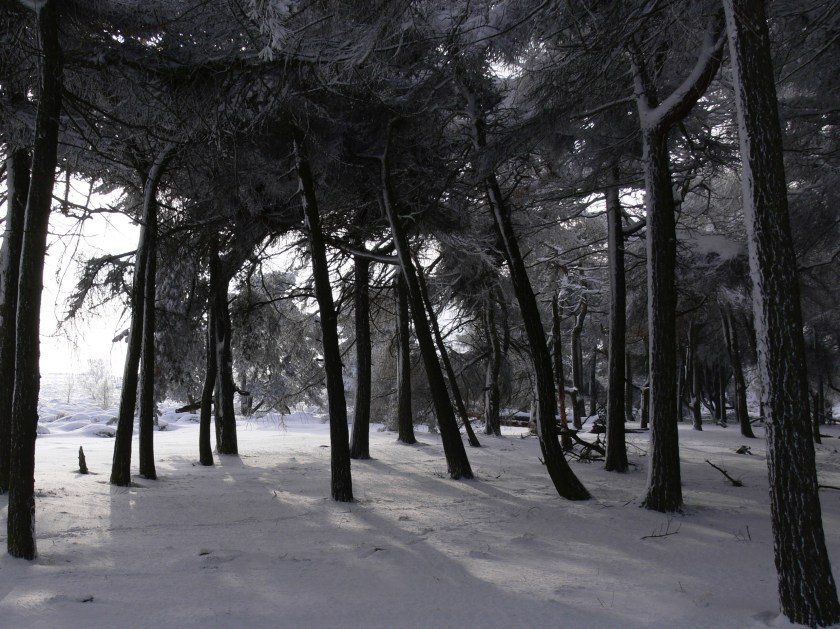
Side-lit Trees on Whitwell Moor (photo: John N Anstie)
I have thought, I have talked and written these words, but I still don’t truly have a solution, other than to try and learn the lessons taught to us by those rare human spirits and saintly beings, who have from time to time inhabited this Earth; who have been so humane, so selfless, so utterly giving of all they ever had to others. Somewhere deep in the spirit of all of us, there is this potential, this possibility that must be worth fighting for; that must be worth making conflict ‘so last year’, to see some light shining through the forest and make a new resolution to wage the peace.
Pity the nation that is full of beliefs and empty of religion.
Pity the nation that acclaims the bully as hero,
and that deems the glittering conqueror bountiful.
Pity a nation that despises a passion in its dream,
yet submits in its awakening.
Pity the nation that raises not its voice
save when it walks in a funeral,
boasts not except among its ruins,
and will rebel not save when its neck is laid
between the sword and the block.
Pity the nation whose statesman is a fox,
whose philosopher is a juggler,
and whose art is the art of patching and mimicking.
Pity the nation that welcomes its new ruler with trumpeting,
and farewells him with hooting,
only to welcome another with trumpeting again.
“PITY THE NATION”
– Lawrence Ferlinghetti (After Khalil Gibran) 2007
Pity the nation whose people are sheep
And whose shepherds mislead them
Pity the nation whose leaders are liars
Whose sages are silenced
And whose bigots haunt the airwaves
Pity the nation that raises not its voice
Except to praise conquerors
And acclaim the bully as hero
And aims to rule the world
By force and by torture
Pity the nation that knows
No other language but its own
And no other culture but its own
Pity the nation whose breath is money
And sleeps the sleep of the too well fed
Pity the nation oh pity the people
who allow their rights to erode
and their freedoms to be washed away My country, tears of thee
Sweet land of liberty!
Link HERE for more of Lawrence Ferlinghetti’s poetry
I. works at a factory in Kazan that makes parts for shells. This is how she supports her family. She lives in peace.
M. works for a state-owned company in Isfahan that makes electronics for guided missiles. This is how he supports his family. He lives in peace.
S. lives in different places in Idlib. She’s originally from Damascus, where she worked in a pharmacy before her husband was killed in a bombing. Her son made it to Germany, her daughter is with her. They stay with friends and try to survive. She would love to live in peace.
If these three met somewhere, they might be friends and would definitely live in peace with each other.
Es wäre möglich
I. arbeitet in einer Fabrik in Kasan, die Teile für Granaten herstellt. Damit ernährt sie ihre Familie. Sie lebt in Frieden.
M. arbeitet für ein staatliches Unternehmen in Isfahan, das Elektronik für Lenkflugkörper herstellt. Damit ernährt er seine Familie. Er lebt in Frieden.
S. lebt an verschiedenen Orten in Idlib. Sie stammt ursprünglich aus Damaskus, wo sie in einer Apotheke arbeitete, bevor ihr Mann bei einem Bombenanschlag getötet wurde. Ihr Sohn hat es nach Deutschland geschafft, ihre Tochter ist bei ihr. Sie leben bei Freunden und versuchen zu überleben. Sie würde gerne in Frieden leben.
Wenn sich diese drei irgendwo treffen würden, könnten sie Freunde sein und würden definitiv in Frieden miteinander leben.
still … at last …
I find myself
in this moment
a thousand madnesses away
from the person
I’d thought I’d have-a-go
at turning myself into …
once upon a time
the air is fresh
with frost so soft
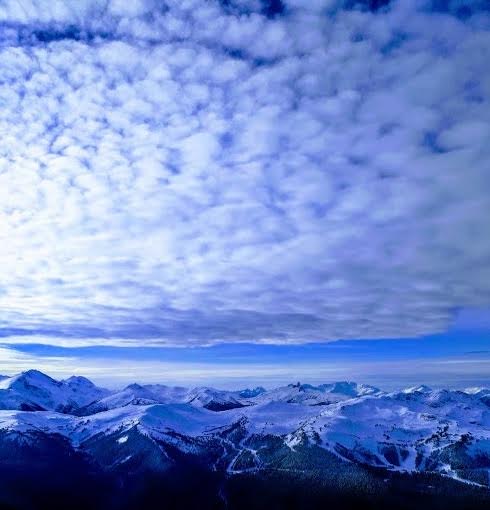
it hues the skyscape
to every gentleness of blue
that man or miracle
has ever rendered
in and under heaven
the nuggets of self-knowledge
laboriously gathered along
my mazed and muddled journey
fascinate in retrospection …
for the course
was seldom sure
and the diverting path
more apt to interest
and enthrall
to have come to this
without much yield to show
from grand design or driven effort …
is strange fortune
for as it turns …
I feel myself good and comfortable
at the sight of my own breath …
greatly pleased to be alive
in gladness … having gleaned
that peace and splendor … such as this …
surely, must be blessings
I happened upon an old rerun of the 60’s TV series ‘Star Trek’ a couple of nights ago. How depressing it was to take that cinemagraphic stroll, down memory lane. Ostensibly an adventure series, Gene Roddenbury, the show’s creator, intended the program to showcase morality tales; allegories of modern day realities. The protagonists would proceed in their dealings, peacefully – with altruism and acceptance – thus demonstrating the very best of what humankind is capable of. The Starship Enterprise’s voyages played out in stories that championed the principles of universal liberty, rights, and equality.
Antecedent to the 1969 Apollo 11 lunar landing, the show seemed to herald an era when human understanding and technological advances would come together on a path imbued with more righteousness, than any path that had ever been trod before. When Neil Armstrong stepped onto the surface of the moon and uttered the words: ” … one small step for man”, how fervently we ‘earthlings’ wanted to believe … we were – at least – making small steps, in that good direction.
The 20th century marked more technological changes than all the other centuries in the history of this planet, combined. Having been born in 1951 – midway through the 20th century – I took my early footsteps in what is, arguably, one of the most fascinating, progressive, dynamic – and yes: turbulent, monstrous and challenging periods, in our earth’s history. Those words ” … “, have resonated with me, throughout the days of my life … often beating – like a metaphor – to forward progress … and often beating – like a metaphor – to backward regression. I remind myself that my lifetime is but, a grain of sand, in the sands of time. I live – and will die – in the hope that many … many … many … small steps will, eventually, find their way … to that righteous path.
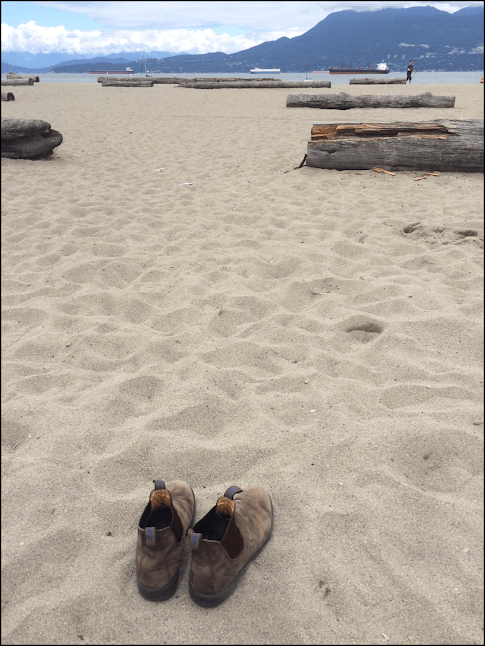
on the beach
the shifting sands
erase my footprints
as I walk
to water’s edge
note: scientists believe that the earth has existed for approximately 4.5 billion years.
Removes unsightly
grease and dirt of people
who spoil your landscape.
Cleans as it polishes, replaces
their awful smell with fresh fragrances.
Their profane beliefs with fresh air.
Their noisy children with heavenly quiet.
Our history with revised pages.
Preserves our pure culture.
They are an infection that will be eradicated.
Their unmarked graves forgotten.
Ethnic cleanser for a cleaner society.
Buy into this great product.
Popularly known as genocide.




 The BeZine