Posted in Essay, Meditation, meditative, Music, Spiritual Practice, Terri Stewart, Uncategorized

Desire and Intention

Today, I want to try a very simple meditation / body prayer. It involves movement of the arms, breathing, intention, and if you choose, your particular word for the divine or that which transcends.

Take a moment for contemplation. Turn your eyes inward and find two desires.

“You are what your deepest desire is.
As your desire is, so is your intention.
As your intention is, so is your will.
As your will is, so is your deed.
As your deed is, so is your destiny.”
~ Upanishads

First-your desire for yourself. This wish could be for love, for kindness, for healing. What you feel you need at this moment.

Second-your wish for the world.  This wish could be peace, love, kindness. What you feel is your unique gift of intention for the world. All that is present in the cosmos.

“He has told you, O mortal, what is good;
and what does the Lord require of you
but to do justice, and to love kindness,
and to walk humbly with your God?”
~ Micah

These desires will be your intentions.

As always, do this as you are able.

Sit comfortably however you like. Be aware of the earth supporting you. Take a moment to feel the groundedness and the ground of all being.

The breathing / motion pattern is this:

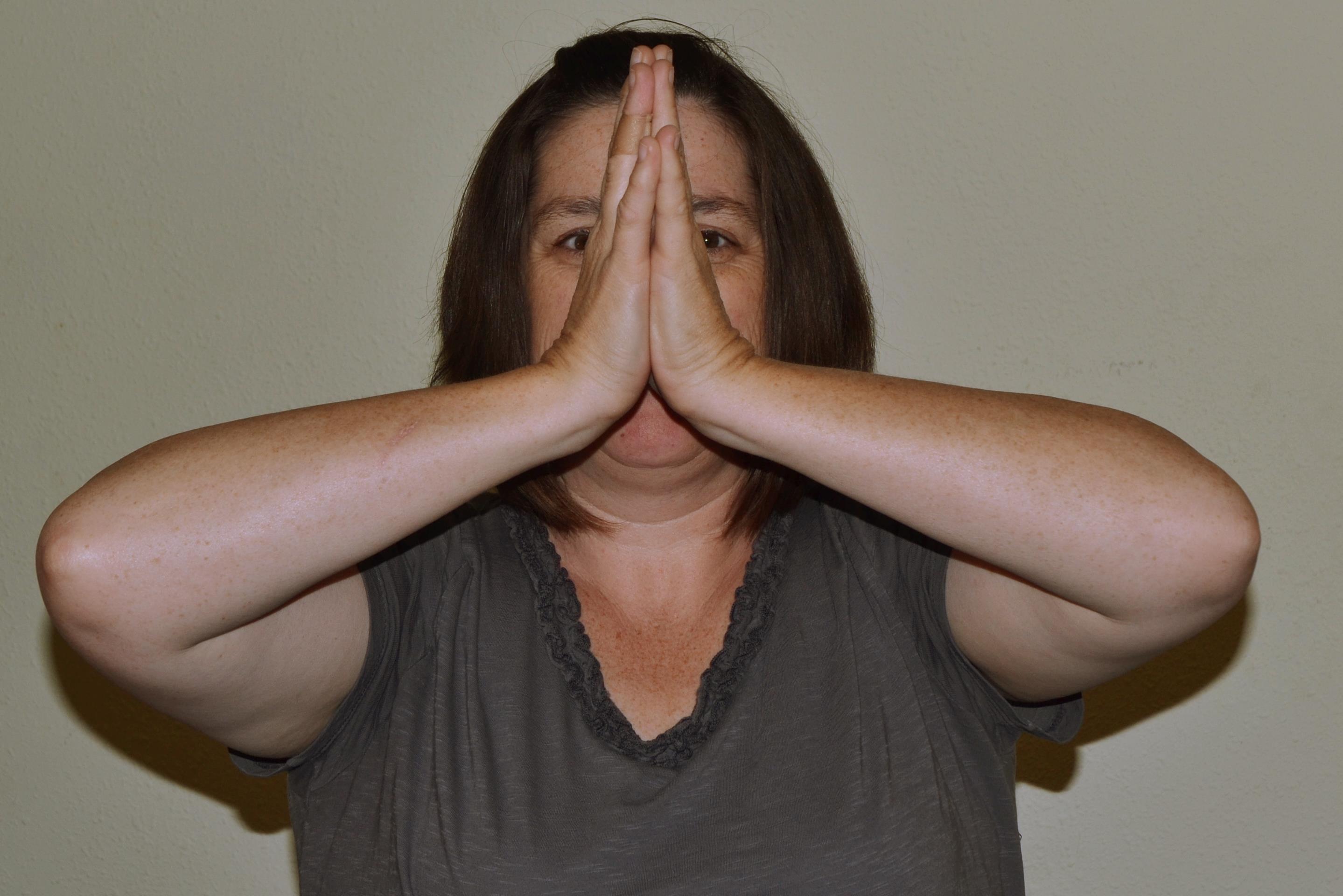
Arms loosely at sides … Inhale … and move arms to overhead in a prayer position, (hands flattened together)

Hands Overhead, Prayer Position

On exhale … Hands descend to chest / heart level while holding intention for self. Intentionally cross your eyes, your lips as you end at your heart.

Descending Towards the Heart
"om"
“om”

Express, outloud or however you feel comfortable, the particular word that encompasses the divine for you. Divine being interconnectedness to all, that which transcends all, that which is lived within, or the languaging that you choose. This could be the Sanskrit “om” (pictured), the Aramaic “abwoon” which is father, or any of the myriad words that are symbols that stand in for the divine.

Hands at heart level … Inhale

On exhale … Hands push outward, forward and go slowly to the sides (right arm going right / left arm going left). Do this while holding your intention for the world.

Pushing Intention To the World

Express, outloud or however you feel comfortable, the particular word that encompasses the divine for you.

Bring your arms gently down to your sides.

Repeat this simple meditation for as long as it feels comfortable to do so. If you desire, close the meditation with an Amen (“so be it.”)

Shalom & Amen,

Terri

© 2013, post and photos, Terri Stewart, All rights reserved

terriREV. TERRI STEWART is Into the Bardo’s  Sunday chaplain, senior content editor, and site co-administrator. She comes from an eclectic background and considers herself to be grounded in contemplation and justice. She is the Director and Founder of the Youth Chaplaincy Coalition that serves youth affected by the justice system. As a graduate of Seattle University’s School of Theology and Ministry, she earned her Master’s of Divinity and a Post-Master’s Certificate in Spiritual Direction. She is a contributing author to the Abingdon Worship Annual. (The 2014 issue just released!)

Her online presence is “Cloaked Monk.” This speaks to her grounding in contemplative arts and the need to live it out in the world. The cloak is the disguise of normalcy as she advocates for justice and peace. You can find her at www.cloakedmonk.com, www.twitter.com/cloakedmonk, and www.facebook.com/cloakedmonk.  To reach her for conversation, send a note to cloakedmonk@outlook.com

Posted in Essay, Music, Spiritual Practice, Terri Stewart, Uncategorized

Ubuntu

I began thinking of Ubuntu today because I love the music of Eric Whitacre! Eric Whitacre is a contemporary choral composer who excels at using social media to bring people together. I first encountered his music with my children’s choir – Seattle Children’s Choir. The mature choir – Camerata – performed his piece Lux Arumque and I just cried. (I often cry during choir music-especially when my children are/were performing!)

As I mentioned, Eric Whitacre excels at using social media. He has used social media and the internet to create four virtual choirs. His first virtual choir was in 2010. It was his piece, Lux Arumque. He had 243 videos from 12 countries.

His second piece was Sleep. It had over 2,000 videos from 58 countries and was published in 2011. 2012 brought Water Night with 3,746 videos from 73 countries. He is currently assembling Virtual Choir IV – Fly to Paradise – with 8,400 submitted videos from 101 countries.

What does this have to do with Ubuntu?

I first heard of Ubuntu at seminary. I learned it from my friend, Sr. Jane Frances of Uganda. It is encapsulated in the phrase, “I am because we are.”

Bishop Desmond Tutu speaks of Ubuntu in his 1999 book, No Future Without Forgiveness-

A person with Ubuntu is open and available to others, affirming of others, does not feel threatened that others are able and good, based from a proper self-assurance that comes from knowing that he or she belongs in a greater whole and is diminished when others are humiliated or diminished, when others are tortured or oppressed.

He further expands on Ubuntu-

One of the sayings in our country is Ubuntu – the essence of being human. Ubuntu speaks particularly about the fact that you can’t exist as a human being in isolation. It speaks about our interconnectedness. You can’t be human all by yourself, and when you have this quality – Ubuntu – you are known for your generosity. We think of ourselves far too frequently as just individuals, separated from one another, whereas you are connected and what you do affects the whole World. When you do well, it spreads out; it is for the whole of humanity.

We are connected; Eric Whitacre does it well and it spreads out for the whole of humanity.

…night brings its wetness to beaches in your soul (from Water Night)

Let your soul’s beach be made wet again with this offering from Eric Whitacre and Virtual Choir III- Water Night. Connect to Mr. Whitacre, the music, the thousands of artists from around the world, and ultimately, to something that is bigger than we are. This one piece of music is because we are. Ubuntu.

P.S. Half of the recording length is not the music – it is the list of the names of all of the participants.

You can find Eric Whitacre on Facebook. He is wickedly funny!

© 2013, post and poetry, Terri Stewart, All rights reserved

terriTERRI STEWART is Into the Bardo’s  Sunday chaplain, senior content editor, and site co-administrator. She comes from an eclectic background and considers herself to be grounded in contemplation and justice. She is the Director and Founder of the Youth Chaplaincy Coalition that serves youth affected by the justice system. As a graduate of Seattle University’s School of Theology and Ministry, she earned her Master’s of Divinity and a Post-Master’s Certificate in Spiritual Direction. She is a contributing author to the Abingdon Worship Annual. (The 2014 issue just released!)

Her online presence is “Cloaked Monk.” This speaks to her grounding in contemplative arts and the need to live it out in the world. The cloak is the disguise of normalcy as she advocates for justice and peace. You can find her at www.cloakedmonk.com, www.twitter.com/cloakedmonk, and www.facebook.com/cloakedmonk.  To reach her for conversation, send a note to cloakedmonk@outlook.com

Posted in Essay, Meditation, meditative, Spiritual Practice, Terri Stewart, Uncategorized

Meditations of Our Hearts

I am saddened and deeply troubled by the Trayvon Martin case verdict. Mark Sandlin, a new Facebook friend of mine, offered the below. I have decided to add it to what I previously planned to publish. What I originally offered is a meditation based on a Psalm using very simple body prayer-a video that I put together. I thought about simply letting the video go for another day, but I think I, at least, need the reminder that there is something greater than the imperfection that we find in our daily living.

Questions?

Will anyone’s soul rest well tonight?
Will justice feel it was served?
Will a weary nation rest easy?
Can it believe its truths still hold true?
That all are created equal?
That truth is our nation’s highest good?
How can we sleep?
How can we slumber
when justice seems to be a game
and innocence has become relative?
Will we not grow restless?
Will our tears not matter?
Shall we continue our malaise?
Is our discontent so flaccid
that is ends in a Facebook post?
Is our will so weak that it is eased
with nothing more than words on a page?
Is the cost of our inconvenience
truly more valuable than a life…
our rights…
our jobs…
the hungry…
the sick…
the poor…
minorities…
?
Will our souls rest well tonight?
Should they?
Will our discontent respond?
Or will it slumber?
Will we drown out our malcontent
with the drone of a television…
the buzz of a beer…
the mindless escape of Candy Crush…
the busyness of our lives…
?
Will we simply get over it…
When there are parents who cannot,
When children are starving,
When there are families being buried,
While men make laws about women’s bodies,
As rights which were received
at the cost of lives
are made a mockery
for the sake of the few…
will we rest well tonight?
Will we rest?

Mark writes for Huffington Post, Sojourners, and his own blog at The God Article. This is reprinted with permission.

My fair warning before the video–this is in my living room, not professionally done! Bear with me as I learn these new skills.  Shalom.

© 2013, post and video, Terri Stewart, All rights reserved

MARK SANDLIN is an ordained PC(USA) minister currently serving at Vandalia Presbyterian Church in Greensboro, NC. Mark is a co-founder of The Christian Leftand blogs at The God Article. He has been featured on NPR’s The Story with Dick Gordon, PBS’s Religion & Ethics NewsWeekly, and the upcoming documentary filmAmendment One.

terriTERRI STEWART is Into the Bardo’s  Sunday chaplain, senior content editor, and site co-administrator. She comes from an eclectic background and considers herself to be grounded in contemplation and justice. She is the Director and Founder of the Youth Chaplaincy Coalition that serves youth affected by the justice system. As a graduate of Seattle University’s School of Theology and Ministry, she earned her Master’s of Divinity and a Post-Master’s Certificate in Spiritual Direction. She is a contributing author to the Abingdon Worship Annual. (The 2014 issue just released!)

Posted in Peace & Justice, Photography/Photographer, Poems/Poetry, Spiritual Practice, Terri Stewart

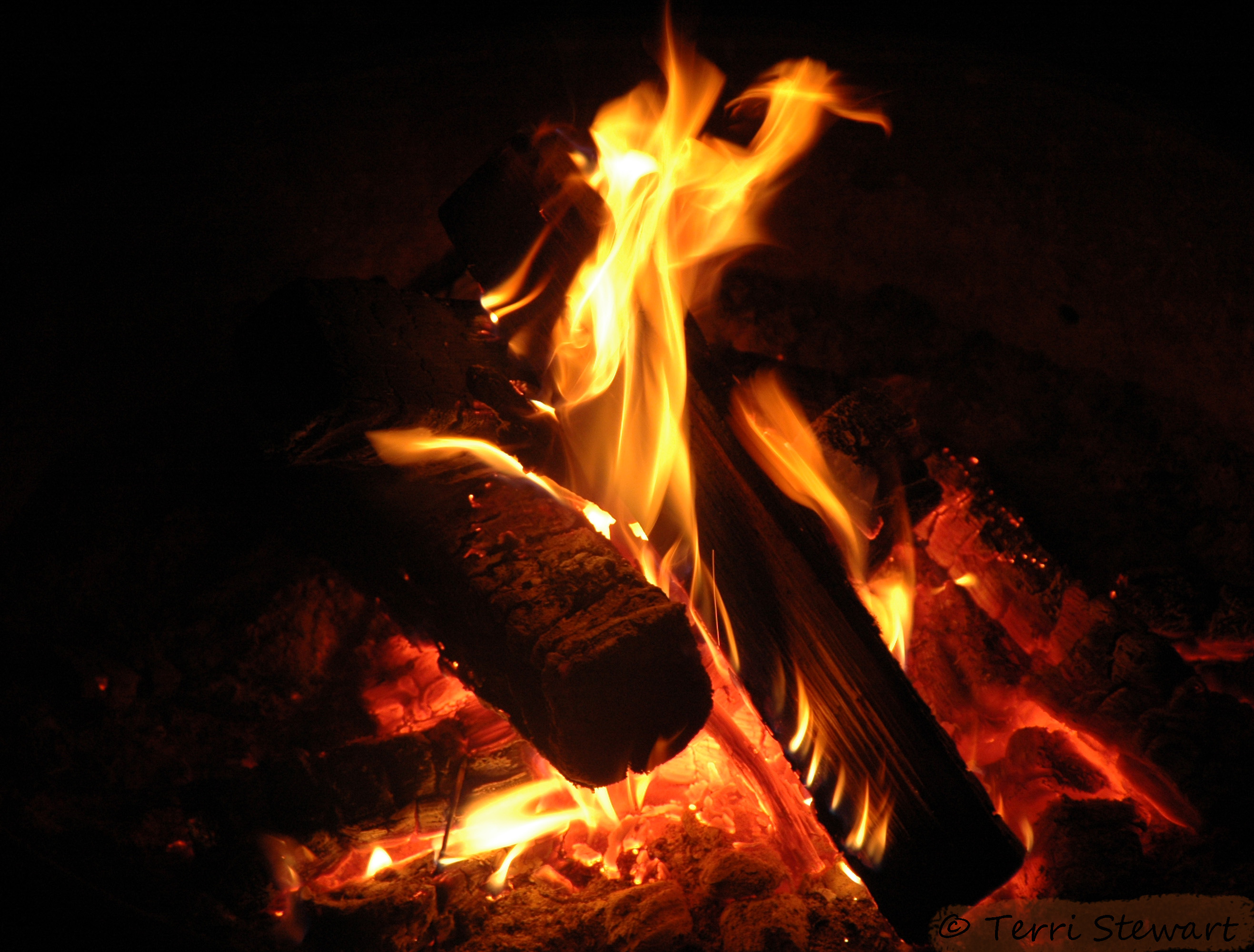
then the blaze

Then the Blaze
Then the Blaze

blaze dances wildly-
a tango of love
between earth and air

reaching a full roar-
a symphonic orchestration
of heat and wind

creating a searing heat-
a blistering of the senses
by forces of good and evil

be the blaze

dance passionately
roar completely
sear injustice.

© 2013, post and poetry, Terri Stewart, All rights reserved

terriTERRI STEWART is Into the Bardo’s  Sunday chaplain, senior content editor, and site co-administrator. She comes from an eclectic background and considers herself to be grounded in contemplation and justice. She is the Director and Founder of the Youth Chaplaincy Coalition that serves youth affected by the justice system. As a graduate of Seattle University’s School of Theology and Ministry, she earned her Master’s of Divinity and a Post-Master’s Certificate in Spiritual Direction. She is a contributing author to the Abingdon Worship Annual. (The 2014 issue just released!)

Her online presence is “Cloaked Monk.” This speaks to her grounding in contemplative arts and the need to live it out in the world. The cloak is the disguise of normalcy as she advocates for justice and peace. You can find her at www.cloakedmonk.com, www.twitter.com/cloakedmonk, and www.facebook.com/cloakedmonk.  To reach her for conversation, send a note to cloakedmonk@outlook.com

Posted in Meditation, Spiritual Practice, Terri Stewart

Adrift

sweeping fog

caresses landscapes

cast adrift

Sometimes, we become unanchored from our family, friends, or traditions. Often unanchored means adrift and that is often associated with fear and the unknown.

I remember, when I was in college the first time at the age of 18. It was a time between my first and second semester at college. I felt adrift. I was away from home, away from friends – in fact losing friends as they moved away and grew into new lives – my future was unhinging from my past in good and bad ways. Instinctively, I sought home. I went to my heart-home in upstate New York and spent time absorbing the grounding there. In many ways, that geography anchored me in ways that my drifting family, friends, faith, and future could not.

By discovering my grounding, I was able to rediscover the ground of all being.

misty fog

dancing with day-break

new growth dawns

Although I felt adrift and alone at the time, looking back, I believe that being adrift deepened who I am and what I would become. Detaching from the known and reattaching to both the known and to something new became a way of being for me. This leads all the was to seminary which I describe as a continuous pattern of deconstruction and reconstruction. Each reconstruction creates something deeper, but also something more vulnerable. And the vulnerability ultimately leads to strength.

Fog, as crazy making as it may be (and we do have our foggy days here in the PacNW), has a purpose. Turns out that the Redwood trees in California get 30%-40% of their moisture needs from fog. So this misty, chilling, low-lying-cloud ultimately offers a gift to the world. It can be irritating to be in the fog, but sometimes, just sitting still and spreading your senses out to the surrounding areas that you may not clearly see can be a gift. And this gift can be translated to the world by cultivating a habit of sitting with ambiguity.

You may ask what has my head all fogged in today? My thoughts were launched by a stunning video from Simon Christen, artist. This is a meditation on the fog that he loves in San Francisco. He calls it a “love letter to the fog of the San Francisco Bay area.” It is quite wonderful.

I would encourage you to use it to launch your own meditation on fog and being adrift. What do you need to detach from? What is the beauty you will see while cast adrift? Ultimately, where will you land?

(Shared with Permission)

Shalom and Amen.

~Terri

© 2013, video, Simon Christen. All rights reserved.

© 2013, post and poetry, Terri Stewart, All rights reserved

terriTERRI STEWART is Into the Bardo’s  Sunday chaplain, senior content editor, and site co-administrator. She comes from an eclectic background and considers herself to be grounded in contemplation and justice. She is the Director and Founder of the Youth Chaplaincy Coalition that serves youth affected by the justice system. As a graduate of Seattle University’s School of Theology and Ministry, she earned her Master’s of Divinity and a Post-Master’s Certificate in Spiritual Direction with honors and is a rare United Methodist student in the Jesuit Honor Society, Alpha Sigma Nu. She is a contributing author to the Abingdon Worship Annual.

Her online presence is “Cloaked Monk.” This speaks to her grounding in contemplative arts and the need to live it out in the world. The cloak is the disguise of normalcy as she advocates for justice and peace. You can find her at www.cloakedmonk.com, www.twitter.com/cloakedmonk, and www.facebook.com/cloakedmonk.  To reach her for conversation, send a note to cloakedmonk@outlook.com

Posted in Essay, General Interest, justice, Terri Stewart

Moral Courage

This is a re-blog of my very first blog post ever from 2008! I have edited it a tiny bit.

Moral courage is a rarer commodity than bravery in battle or great intelligence. Yet it is the one essential, vital quality of those who seek to change a world which yields most painfully to change. Robert F. Kennedy, in a speech in Capetown, South Africa, June 6, 1966. (Source: Wikiquote )

What are our sources of moral courage? I can tell you that I find moral outrage easy, but where does moral courage come from? Relying on my Methodist heritage, The Wesleyan Quadrilateral would have us examine scripture, tradition, reason, and experience in making deliberations. What does this tell me?

What does scripture say?

In Hebrew Scriptures and in Christian Scriptures, we are taught to care for the alien, orphan, widow, and poor among us. In the story of the adulterous woman (John 8:1-11), we see a Jesus that stands between the accusers and the marginalized. This is what Christians are called to do. Take action in the face of injustice and stop pain from happening. Jesus teaches us repeatedly that we are to extend our hands to the hungry, the poor, the marginalized, and those outside of authority. This continues from the Jewish traditions. In Hebrew Scripture, we are told in Micah 6:8 that we are to “do justice, love kindness, and to walk humbly” with God (NRSV). These teachings can be encapsulated in the single commandment “love your neighbor as yourself” (Gal 5:14). Leviticus 19:34 tells us that our neighbor is the alien among us. Christ tells us that our neighbor is people outside of the power structure that he ministers too—the bleeding woman, the blind, the demon-possessed, or the widow. Those are the neighbors Jesus stands with.

What does tradition say?

In the Methodist tradition, John Wesley spoke out against many issues facing his generation. This included human rights, slavery, prison reform, labor rights, and education reform. Methodists also have the Social Principles and the Book of Resolutions to guide thoughts and deliberations in our present day. Wesley emphasized shaping public policies that would ensure equal and fair education for all children.

What does experience say?

It is very difficult to quantify experience across the board, but if I just examine one system, the education system, we know, through social sciences and the statistics they bring us, that poverty is the single most important factor in education. Poverty riddled areas simply do not have access to a great education system. And unfortunately, for many minority ethnicities in the U.S., poverty riddled areas are disproportionately filled with them. Why would that be? A good source for thought is this YouTube video from Tim Wise–

And we know that poverty is a world wide problem as the recent collapse of the factory in Bangladesh illustrates. The women who were lost there are typically impoverished, but they were considered the lucky ones. They were one step above abject poverty and simply impoverished. The literacy rate is 59%. Poverty and lack of education go hand-in-hand.

Bereaved mothers hold up pictures of their daughters who died in the factory collapse, but whose remains have yet to be identified. Photograph: Jason Burke for the Guardian

There is much to be outraged about. Let us find moral courage.

What does reason say?

Is it reasonable to expect there to be poverty in the world? Is it reasonable to expect there to be violence in the world? Is it reasonable that we hurt each other by action and inaction? I would say no. Jesus does say that the poor will always be with us (Matt 26:11), but that is after he has said that the world will be judged by its treatment of the poor, the hurting, and the hopeless (Matt 25:31-46). Why would Jesus say this bit about the poor being with us always? Perhaps he knew that the entirety of believers would not follow his command to visit the imprisoned, feed the hungry, and to clothe the naked. What would it look like if all of our faith communities fought against poverty by directly participating in feeding, clothing, and visiting? That is why it is unreasonable–we hurt each other by our actions and inactions because we are not doing the simple things that Jesus told us. It is unreasonable. Reasonably, we know that if we had a global will, hunger would be eradicated. God would be so pleased, I believe, to see all children fed.

And last, with these sources of moral courage available to us, what do we do with it? Issues in the world today are so complex and systems are so vast that it seems a hopeless exercise. We must remember that we are not called to fix the whole world, but we are called to be faithful. Be faithful and to keep moving forward one step at a time. Maybe even one meal at a time.

(c) 2013 post, Terri Stewart, all rights reserved

terriTERRI STEWART is Into the Bardo’s  Sunday chaplain, senior content editor, and site co-administrator. She comes from an eclectic background and considers herself to be grounded in contemplation and justice. She is the Director and Founder of the Youth Chaplaincy Coalition that serves youth affected by the justice system. As a graduate of Seattle University’s School of Theology and Ministry, she earned her Master’s of Divinity and a Post-Master’s Certificate in Spiritual Direction with honors and is a rare United Methodist student in the Jesuit Honor Society, Alpha Sigma Nu. She is a contributing author to the Abingdon Worship Annual.

Her online presence is “Cloaked Monk.” This speaks to her grounding in contemplative arts and the need to live it out in the world. The cloak is the disguise of normalcy as she advocates for justice and peace. You can find her at www.cloakedmonk.com, www.twitter.com/cloakedmonk, and www.facebook.com/cloakedmonk.  To reach her for conversation, send a note to cloakedmonk@outlook.com

Posted in General Interest, Terri Stewart

Remembering What Came Before

As many know, today in the United States – July 4 – (I think it is already July 5 is some parts of the world) we celebrate our Independence Day, something that means a lot to us and may be greeted with mixed feelings if you live elsewhere in the world. Hence, I apprecate Terri’s handling of this occasion on her blog. I would also submit, that whatever good we reap in the world, whatever good this human race is able to accomplish, is done on the shoulders of those who came before us and laid the groundwork for equality and human rights. No matter our race or nationality, we all owe a debt to such diverse peacemakers as Martin Luther King, Thich Nhat Hanh, Nelson Mandla and Dennis Brutus and others on a list too long to share here. If you have someone whose work of peace and love is particularly meaningful to you, perhaps you will tell us who and why in the comment section. Thank you! Jamie Dedes

Posted in Spiritual Practice, Terri Stewart

The Invisible Spiral of Violence

What Christ Saw from the Cross

I am away working with youth affected by incarceration this weekend. I recently read the below meditation and found it to be moving. I hope you will also find inspiration. Terri

From Richard Rohr’s Daily Meditation
Center for Action and Contemplation

The Invisible Spiral of Violence

“If you cannot recognize evil on the level of what I call the world, then the flesh and the devil are inevitable consequences. They will soon be out of control, and everything is just trying to put out brush fires on already parched fields. The world or “the system” is the most hidden, the most disguised, and the most denied—but foundational—level of evil. It’s the way cultures, groups, institutions, and nations organize themselves to survive.

It is not “wrong” to survive, but for some reason group egocentricity is never seen as evil when you have only concentrated on individual egocentricity (“the flesh”). That is how our attention has been diverted from the whole spiral of violence. The “devil” then stands for all of the ways we legitimate, enforce, and justify our group egocentricity (most wars; idolization of wealth, power, and show; tyrannical governments; many penal systems; etc.), while not now calling it egocentricity, but necessity!

Once any social system exists, it has to maintain and assert itself at all cost. Things we do inside of that system are no longer seen as evil because “everyone is doing it.” That’s why North Koreans can march lockstep to a communist tyranny, and why American consumers can “shop till they drop” and make no moral connections whatsoever. You see now why most evil is hidden and denied, and why Jesus said, ‘Father forgive them, they don’t know what they are doing.’ (Luke 23:34) We don’t.”

Shalom and Amen
Chaplain Terri

Illustration ~ photograph of opaque watercolor over graphite on gray-green woven paper circa 1886 by James Tissot (1836-1902) and released into the public domain.

RICHARD ROHR, OFM is a globally recognized ecumenical teacher bearing witness to the universal awakening within Christian mystical and the Perennial Tradition. He is a Franciscan priest of the New Mexico Province and founder of the Center for Action and Contemplation. MORE

The foundational elements of The Perennial Tradition are: 1.) There is a Divine Reality underneath and inherent in the world of things. 2.) There is in the human soul a natural capacity, similarity, and longing for this Divine Reality. 3.) The final goal of existence is union with this Divine Reality.

terriTERRI STEWART is Into the Bardo’s  Sunday chaplain, senior content editor, and site co-administrator. She comes from an eclectic background and considers herself to be grounded in contemplation and justice. She is the Director and Founder of the Youth Chaplaincy Coalition that serves youth affected by the justice system. As a graduate of Seattle University’s School of Theology and Ministry, she earned her Master’s of Divinity and a Post-Master’s Certificate in Spiritual Direction with honors and is a rare United Methodist student in the Jesuit Honor Society, Alpha Sigma Nu. She is a contributing author to the Abingdon Worship Annual.

Her online presence is “Cloaked Monk.” This speaks to her grounding in contemplative arts and the need to live it out in the world. The cloak is the disguise of normalcy as she advocates for justice and peace. You can find her at www.cloakedmonk.com, www.twitter.com/cloakedmonk, and www.facebook.com/cloakedmonk.  To reach her for conversation, send a note to cloakedmonk@outlook.com

Posted in justice, Peace & Justice, Poems/Poetry, Spiritual Practice, Terri Stewart

Perpetua

I met Perpetua today.
Ready to die, to sacrifice all.
For the sake of a child.

Her child clinging.
Unaware of the rising trauma.
Taken away to a forsaken father.

“Renounce Christianity and you will be saved!
Your child returned to you.
Your home restored to wholeness.”

Perpetua does not flinch.
She steps forward.
Recanting the family.

Soldiers rise on their toes.
Readying for battle.
A jumping of the broomstick.

Divorcing the family that once enslaved.
She calmly faces each one.
Taking punishment for freedom.

© 2009, Terri Stewart

This was written to honor the courage and strength of a young woman who is being jumped-out of a gang.  She is doing it for her child and for God.  Perpetua was an early Christian martyr who, while imprisoned, kept her child with her for a time.  She was imprisoned for the sake of her belief in the Christ-child.  This young woman is being jumped-out for the sake of her child. We know of Perpetua because she was educated enough to keep a diary. There are fragments of this diary in existence today. She stayed with her child in prison until she was done nursing him. At that time, he was taken away from her and given to her family to raise.

Gangs and the fear they create are a scourge and it breaks my heart.  If we could lift people out of poverty and the resultant system failures (failure of healthcare, failure of education) these kids, who join gangs by the age of 7 or 8, might have a shot at turning life around.  In the long run, it is much cheaper to educate someone than it is to imprison them.  In the US, there are approximately 800,000 gang members. El Salvador has at least 50,000 while Mexico is at 100,000 at least. There are about 90,000 in Japan and over 160,000 in China. Italy has at least 25,000. (Source: Wikipedia).  This is a world-wide problem with real, heart-breaking consequences.

© 2013, post, Terri Stewart, All rights reserved

terriTERRI STEWART is Into the Bardo’s  Sunday chaplain, senior content editor, and site co-administrator. She comes from an eclectic background and considers herself to be grounded in contemplation and justice. She is the Director and Founder of the Youth Chaplaincy Coalition that serves youth affected by the justice system. As a graduate of Seattle University’s School of Theology and Ministry, she earned her Master’s of Divinity and a Post-Master’s Certificate in Spiritual Direction with honors and is a rare United Methodist student in the Jesuit Honor Society, Alpha Sigma Nu. She is a contributing author to the Abingdon Worship Annual.

Her online presence is “Cloaked Monk.” This speaks to her grounding in contemplative arts and the need to live it out in the world. The cloak is the disguise of normalcy as she advocates for justice and peace. You can find her at www.cloakedmonk.com, www.twitter.com/cloakedmonk, and www.facebook.com/cloakedmonk.  To reach her for conversation, send a note to cloakedmonk@outlook.com

Posted in Spiritual Practice, Terri Stewart

Connecting with the Mountain

Here, in the Pacific Northwest, there is a unique descriptor that books have been written about. It is the “none zone.” As in, “What is your religious preference?”

Answer: “None.”

I live here, in the none zone. However, there is a curious thing that happens as soon as the sun comes out. People start going up into the mountains climbing as high and as far as their bodies will let them. Going on a trail, you will never be alone. There are always people traveling with you. I thought, today as I hiked, “This is Pacific Northwest church!” Meaning people are seeking a mystical experience by going up as high as they can and as deep into nature, away from the cities, as they can.

short_semitic_viewLong ago, I mean a really long time ago, about 3,000 BCE or so, the ancient semitic worldview was quite different from our worldview. The world was flat, the mountains held up the dome of heaven, the concept was that the higher you went up the mountain, the closer you got to the divine. A concrete example of this is the many times that Moses went up the mountain in Hebrew scripture. He goes up to speak to God and comes back down to lead the people. I have included a picture depicting the ancient semitic worldview.

The picture doesn’t quite get across the idea that the highest mountain top was considered to be directly underneath the throne of heaven. So if you could get to the tippy top, you could be the closest to the divine.

In many ways, the folks here, although not religious, are seeking an experience of transformation that happens at the top of the mountain.

Seeing the beauty in sparkling water or the dappled shadows of leaves on the trail. Hearing delighted laughter as a child discovers the lake around the corner or standing still while a bird communes with you. Each act of curiosity, amazement, and even perseverance is an act of transformation. And transformation expands your heart, maybe even up to three times (odd reference to the Grinch here-“and his heart grew three times that day”)!

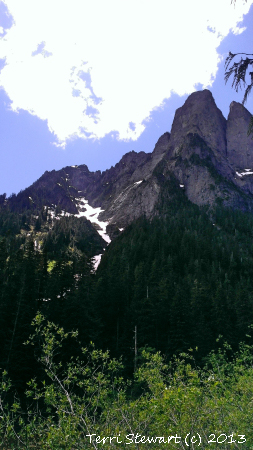
Baring MountainHiking, for me, feeds into my spiritual practice of contemplative walks. Coincidentally, it feeds into the ancient pattern of going to the top of the mountain to experience the divine. It is not only the ancient semitic people that did this! I am reminded particularly of the Blackfeet from Heart Butte, Montana. Their most sacred spot (no photos) is at the top of a mountain. There is a tree and people carry their prayers and offerings to that tree and put them there. It feels sacred. It is the holder of dreams and hopes. Hopefully, that is what our spiritual practices lead us to! A place inside our bodies that can hold dreams and hopes–and great sorrow.

Mountains are both physical and metaphorical. Not all of us can climb up a mountain (I am not going to go all the way to the top of Mt. Rainier!). But we all face challenges. Our challenges can either be transformational or they can get us stuck in the mud. So all of this is really a wind-up to get to the questions!

  • What is your mountain?
  • Can you go up it?
  • Do you need to go around it?
  • Is there a creative, third way to approach the mountain?
  • What spiritual practices will strengthen you for the journey?

And now I’m suddenly remembering a children’s song / chant called, “Goin’ on a Bear Hunt.”

Can’t go over it!

Can’t go under it!

Oh no!

We’re gonna go through it!

What do you have to go through? And how will you go through it?

Shalom and Amen!

~Chaplain Terri

© 2013, post, Terri Stewart, All rights reserved

terriTERRI STEWART is Into the Bardo’s  Sunday chaplain, senior content editor, and site co-administrator. She comes from an eclectic background and considers herself to be grounded in contemplation and justice. She is the Director and Founder of the Youth Chaplaincy Coalition that serves youth affected by the justice system. As a graduate of Seattle University’s School of Theology and Ministry, she earned her Master’s of Divinity and a Post-Master’s Certificate in Spiritual Direction with honors and is a rare United Methodist student in the Jesuit Honor Society, Alpha Sigma Nu. She is a provisional elder in the United Methodist Church and a contributing author to the Abingdon Worship Annual.

Her online presence is “Cloaked Monk.” This speaks to her grounding in contemplative arts and the need to live it out in the world. The cloak is the disguise of normalcy as she advocates for justice and peace. You can find her at www.cloakedmonk.com, www.twitter.com/cloakedmonk, and www.facebook.com/cloakedmonk.  To reach her for conversation, send a note to cloakedmonk@outlook.com


Posted in Essay, Poems/Poetry, Spiritual Practice, story, Terri Stewart

Abandoned, Alone, and Angry

In my faith tradition, Jesus is crucified on the cross. He cries out, “Father, Father, why have you forsaken me?” This is a reference to Psalm 22 which explores emotions of abandonment, anger, and finding hope. I have used this methodology to express the anger and hope that I find for the youth that I work with who are affected by incarceration.

One night when I was working in detention (re: jail for kids), I heard story after story of hopelessness. It came to me that these youth were torn apart by their parents, by the education system, by poverty, by global issues beyond my understanding. One youth was going home the next day. To a crack addicted mother. Why couldn’t he go to his dad? His dad smuggles guns into the country and was a high placed gang member. He was certain he would be dead if he lived with his dad. So to his mom he goes. Where she will offer him drugs and he will become hooked. Again. He said, “I do not have the strength to say no to my mother.”

Another youth, noticably affected with psychological and educational challenges, was from Somalia. He was living with his auntie here. In Somalia, he had seen his parents dragged from their home, his mother raped, and both parents killed in front of him. But instead of investing in mental health centers, we have invested in mental health courts. This young man, clearly with a minimum of PTSD, will be locked up where the focus is on “treatment” (in this setting that means that they admit to crime and say they are sorry) not on therapy.

This makes me so mad! So my heart cries out to all who have let down these children. Let me say it again–children. But in order to do this work, I needed to discover why. The below poem was my journey through the anger to discovering how I can possibly continue to find hope and love in a system that is hopeless and loveless. It is also my way of putting words to the stories that the youth tell. And my own story.

And PS, if you’d like to support my work with these troubled youth, I’d love it!


Psalm
Eli Eli lama sabachthani?

where were you
when the embryo
hatched and was formed
by blood-spattered hyenas
tearing hope from
limb to limb and
laughing gleefully
at the mockery

where were you
when the embryo
fell and love
offered a hit
of a crack pipe
covered in symbols
flashing through
the ghetto offering
escape from the
desolate heat

the hands that
should be reaching
out are cut off at
the wrists bleeding
sanctimonious tripe
in defiance of the call
to love the
least , lost, and lonely
while sentencing each
embryo to death

guilty rings through
the room as we
continue to bleed the
embryo out with
ignorance born of
fear and shame and
the lie of the only way
being my way standing
on the corner shouting
belligerently to
repent or die

revelation rings through
the cosmos as the
embryo marches the
guilty to sheol while
silent tears are birthed
wresting the stumbling
breath of hope into a
silent scream reaching
to the ramparts and
calling forth the final
battle fought with
easter lilies

© 2013, post, Terri Stewart, All rights reserved

© 2009, poem, Terri Stewart, All rights reserved

terriTERRI STEWART is Into the Bardo’s  Sunday chaplain, senior content editor, and site co-administrator. She comes from an eclectic background and considers herself to be grounded in contemplation and justice. She is the Director and Founder of the Youth Chaplaincy Coalition that serves youth affected by the justice system. As a graduate of Seattle University’s School of Theology and Ministry, she earned her Master’s of Divinity and a Post-Master’s Certificate in Spiritual Direction with honors and is a rare United Methodist student in the Jesuit Honor Society, Alpha Sigma Nu. She is a contributing author to the Abingdon Worship Annual.

Her online presence is “Cloaked Monk.” This speaks to her grounding in contemplative arts and the need to live it out in the world. The cloak is the disguise of normalcy as she advocates for justice and peace. You can find her at www.cloakedmonk.com, www.twitter.com/cloakedmonk, and www.facebook.com/cloakedmonk.  To reach her for conversation, send a note to cloakedmonk@outlook.com
Posted in Photography/Photographer, Poems/Poetry, Spiritual Practice, Terri Stewart

This I Believe

windowOne of the most difficult things that humans do is make meaning from their current situation. In seminary, we were asked to do any assignment called, “This I Believe.” I still treasure the product of that assignment and will share it below. If you’re curious about the origins of the meaning of the word belief in Christian Biblical literature, there is a brief summary here. Regardless, here are a few questions to ponder and be thoughtful about –

  • What is belief?
  • How is belief lived out in your life?
  • Does belief evolve over time?
  • If belief evolves over time, what does that mean?
  • Could your belief be a particular window into the world?
  • Or is your belief the only particular window into the world?

windows

as i look behind
i see a path of aged stone
worn away at the edges
cementing to its neighbor
existing since the
apple flew from the tree

as i look ahead
i see tangles and brambles
and flowers and warmth
and my foot reaches out
as the stone peeks
through the grasses
for a moment
while i hesitantly
test the ground
of all being

as i place my foot
down on the rock
the path is solid and
the tangles and brambles
dissolve into nothing
as the daisies lean towards
the sun gesturing
for me to proceed

as i look up
i see a mansion
welcoming me with
the scent of lavender
and love
calling out like
mama greeting me
after a long summer
away at camp

as i reach the door
i turn the handle
shaking and trembling
with fear and awe
standing at the portal
that leads to
a new place of belonging

as i step forward
realizing this is home
my ragged teddy bear
is waiting for me
on the worn chair
joy glinting off his
button eye

Papa! Mama!
i am home!

“In the garden, child.”

as i look out
i suddenly notice
the windows
each stained to create
a beautiful invitation
of loving encouragement
and lively warmth
leading to the garden

as i run from window
to window i am stunned
by the rainbow of promise
that dances before
my eyes
until i see him
and i am caught
by his image
as love overwhelms me
and my heart dances
and the garden glistens
through the
tears in my eyes

as i peek into the garden
i see Papa waiting for me
and my hand reaches out
to touch the beauty of
him and passes
through the glass
holding me in surprise
while i walk through the
window into the light
enraptured with him

i run to Papa
and leap into His arms
knocking Him back and
He receives me with
a chuckle and twirls
me headily through the
clouds with laughter
born of love and
grace.

Terri Stewart, May, 2009
Post and photo, Terri Stewart, (c) 2013 All Rights Reserved

terriTERRI STEWART is Into the Bardo’s  Sunday chaplain, senior content editor, and site co-administrator. She comes from an eclectic background and considers herself to be grounded in contemplation and justice. She is the Director and Founder of the Youth Chaplaincy Coalition that serves youth affected by the justice system. As a graduate of Seattle University’s School of Theology and Ministry, she earned her Master’s of Divinity and a Post-Master’s Certificate in Spiritual Direction with honors and is a rare United Methodist student in the Jesuit Honor Society, Alpha Sigma Nu. She is a contributing author to the Abingdon Worship Annual.

Her online presence is “Cloaked Monk.” This speaks to her grounding in contemplative arts and the need to live it out in the world. The cloak is the disguise of normalcy as she advocates for justice and peace. You can find her at www.cloakedmonk.com, www.twitter.com/cloakedmonk, and www.facebook.com/cloakedmonk.  To reach her for conversation, send a note to cloakedmonk@outlook.com

Posted in Essay, Nature, Photography/Photographer, Spiritual Practice, story, Story Telling, Photo Story, Terri Stewart

One Foot in Front of the Other

Walking is a spiritual practice that I am predisposed to. After all, photography would not happen unless I walked around! Simply putting one foot in front of the other, time after time, without expectation of arrival at an end point is a contemplative practice. Recently, though, I discovered a new way of viewing walking as a contemplative practice. This practice had an end point and I was completely aware of all the w’s – who, what, when, where, why. I was not letting go and receiving images (well a little). I was literally focused on my feet and putting my feet, one step at a time, on stable ground.

And this is a metaphor. Sometimes, sitting at our desk or listening to our loved ones, can be a practice of just being aware of what is now and putting your best effort towards arriving at the next now. One step at a time.

As you continue reading, consider the questions, “In what area of my life can I start (or continue) putting one foot in front of the other? What new story will be created?

Here is my story.

Monday, I went hiking to Bridal Veil Falls / Lake Serene in the Central Cascade mountains of Washington. It was a spectacular day. (The weather is forecast to be fabulous all week-long in Seattle leading me to believe somebody is playing with our emotions.) I felt confident I could do the +7 mile hike. BUT I forgot to look at the way the path is (smooth vs. rocky) and the grade or “up-ness.”

I started out on the popular path and asked a co-hiker what to expect and she told me it was steep but that it was worth it. And that there were a lot of switchbacks. OK. I can do this! I will just take my time and be careful.

In February of this year, I was going through a diagnosis of Celiac disease. Now most folks just think that this is digestive only. Well, it is not. It causes inflammation in every part of my body. It grew tumors in my ovaries. I had a period for 3 weeks. I was severely anemic. The test didn’t say, “Low,” it said “Alert!” I could not walk up a short hill without being severely out of breath because I had very few mature red blood cells to carry oxygen around. In short, it stank.

And, over the last few years I have had surgery on my left ankle (torn tendon) and my right foot (two! neuromas crowding out my middle toes). I couldn’t walk without pain until, oh, last year after the neuroma surgery. Generally, I count every pain-free step a success. Would my feet hold out? Always a question. And with the ankle surgery, I generally look for nice, solid, flat ground so my ankle will not roll.

Rats! This path is not smooth. Very rocky. Wet sometimes. Muddy sometimes. But mostly rock, rock, rock. Keep my eyes down and make sure my feet land on flat spots! That’s the plan.

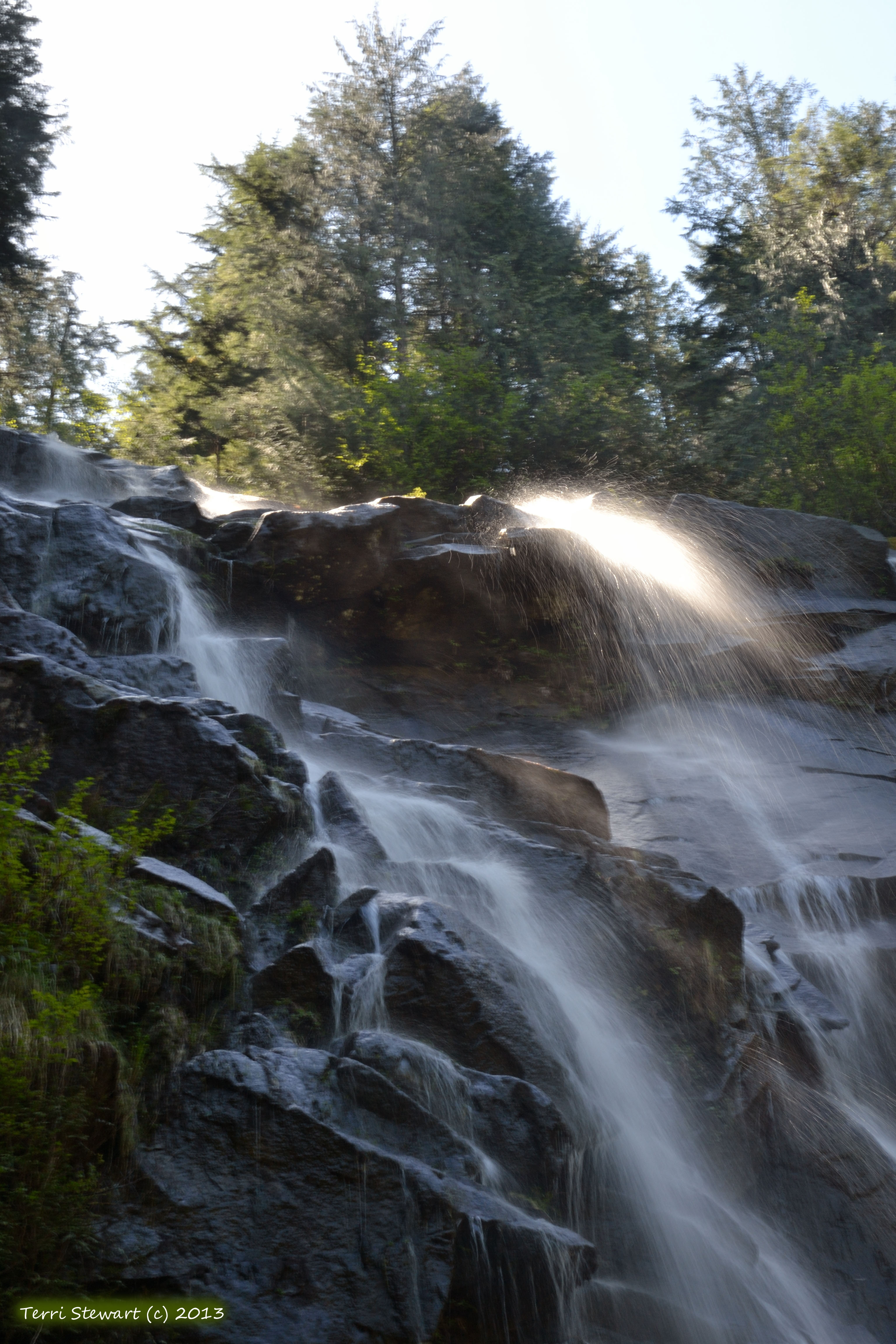
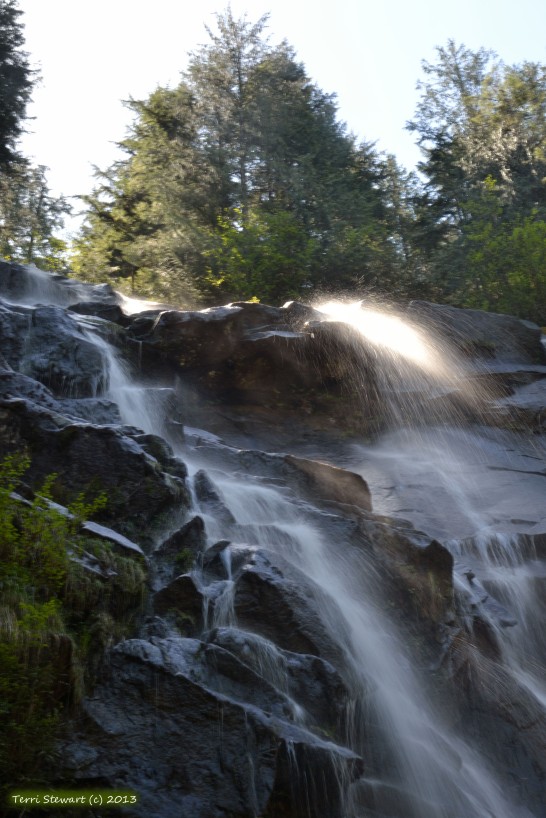
Anyway, I started up the path at my own pace. I got a little less than two miles in and found the below sight. I tried really hard to capture this thing that was happening with the sun and the water! It looked like liquid sunshine was pouring off the top of the waterfall. My eyes received the beautiful image of sunshine being poured down the mountain, could my camera receive it? A little.
Walkabouts__2013-06-03_12-05-17

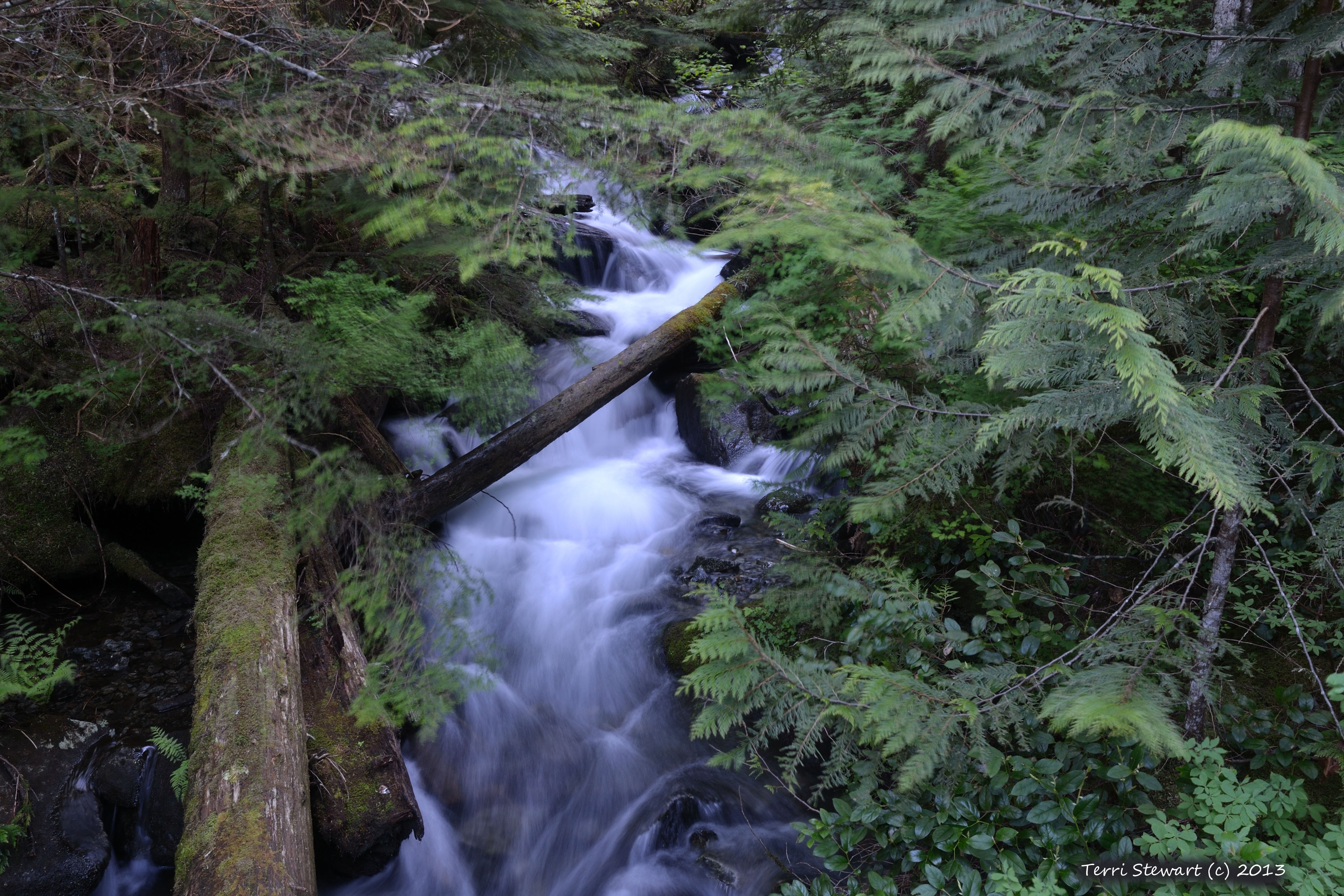
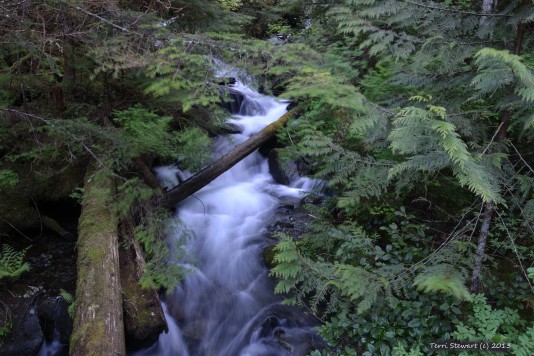
At any rate, it was astounding. And it was the second set of falls I had seen. This mountain is one big slab of granite! (Hence the rocky path) And there is water everywhere. Well, okay, not everywhere, but in a lot of places. It was hard to get a good picture, but earlier, there was a set of falls that were very tall and jagged. But the trees were very overgrown so you could only get glimpses of the splash of light and water. This is the very bottom of that series. I received beautiful images of flowing water.
Walkabouts__2013-06-03_16-17-40

I got past the falls and it was two miles to Lake Serene. I was feeling good so decided my body could do this! I kept on going. And going. Up and up. Picking my way carefully through rocks. Resting when I felt overwhelmed. Then there came a moment when I thought that I was not going to be able to do it. I grounded my feet to the earth and drew on the strength of my God and the strength of the earth. I breathed deeply. This had become a spiritual quest.

I kept on going. But at that moment, I felt like giving up. I soon encountered a woman and her dog. They were resting. (Yay for rest!). I asked her how much further. She said, “When you feel like you have been through the worst possible climb, then it is just a bit more up and a little down and you’re there.”

OK. The worst possible climb. I can surely get to this.

I went up and encountered massive rocky path, with only about a 9″ clearance to skinny through. Surely, this is the worst possible spot.

I kept going and encountered another massive rocky path, with water and slipperiness. Surely, this is the worst possible spot.

Add water and repeat.

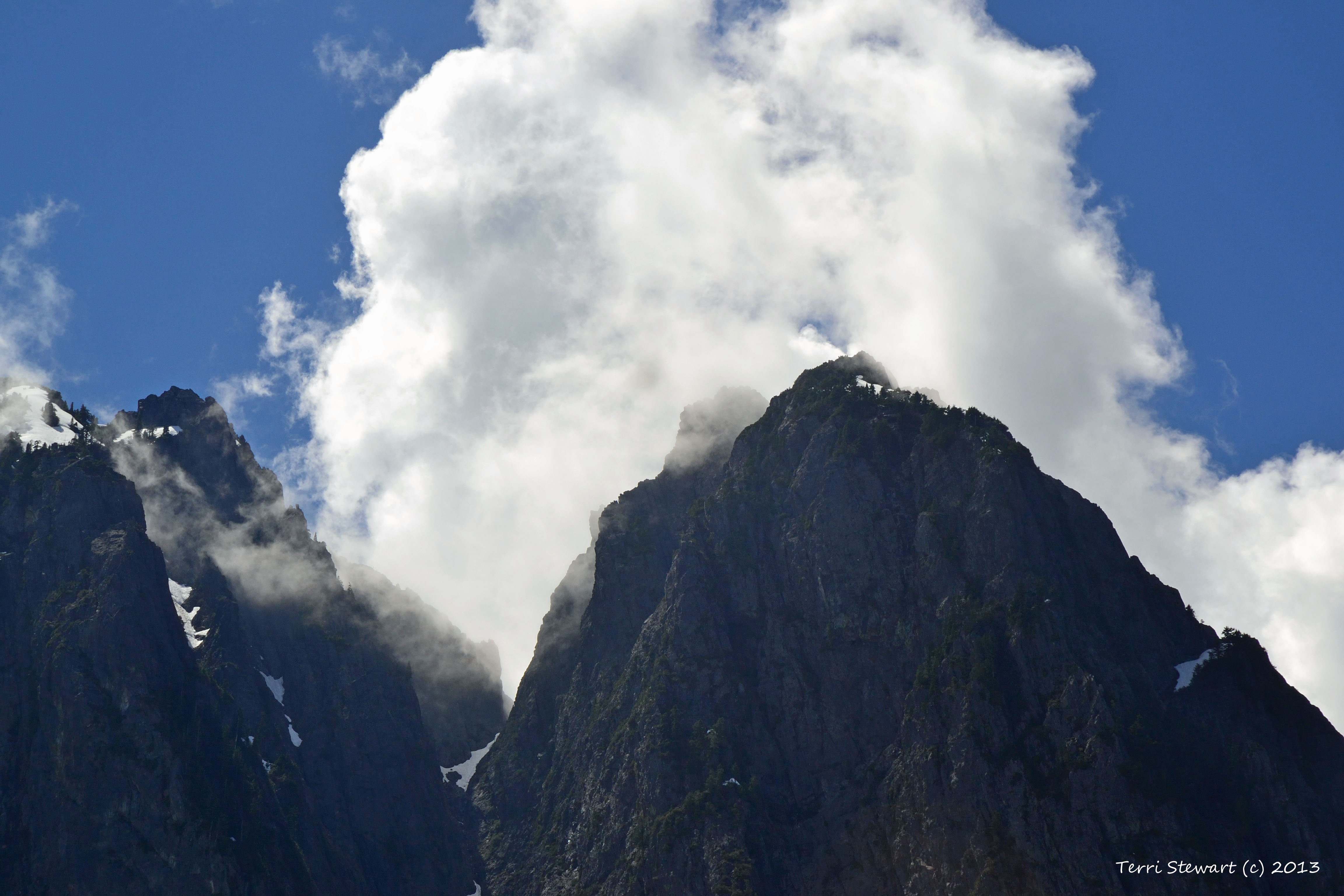
Finally, I broke through the shadows of the forest into a sunny meadowy type area (is it a meadow if it is on the side of a mountain?). I looked up and my breath left my body. It. Was. Amazing. I received the most beautiful blues intermingled with a dark granite mountain and white fluffy clouds rising like steam. I remember the story of Moses going up the mountain to be with his God and going into the cloud. This is a place to connect with spiritual strength. I felt strengthened, encouraged, excited, and alive. A complete contrast to how I felt when I was in the shadows.
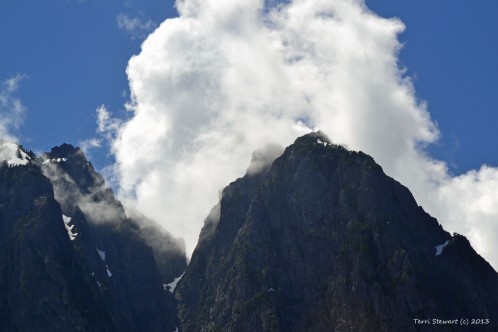
Walkabouts__2013-06-03_13-56-59

I was now in the sun, with this incredible sight, having passed through at least 5 stretches of the worst climb ever. And I saw another worst climb ever in front of me. But my spirits were jubilant. I was in the light and had left the darkness. Amen!

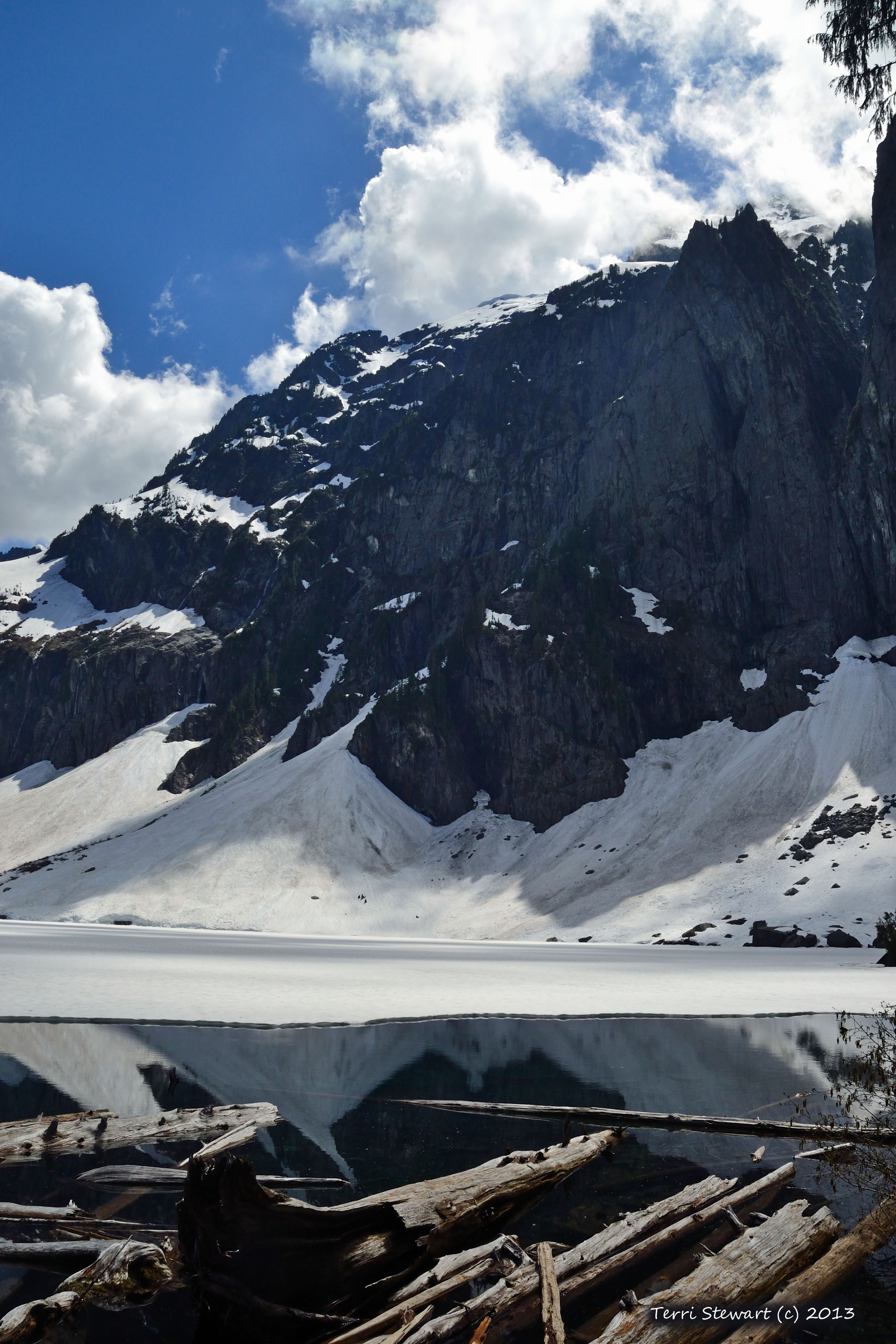
I kept on going. There was one more seriously worst climb ahead and then I was there. Lake Serene.
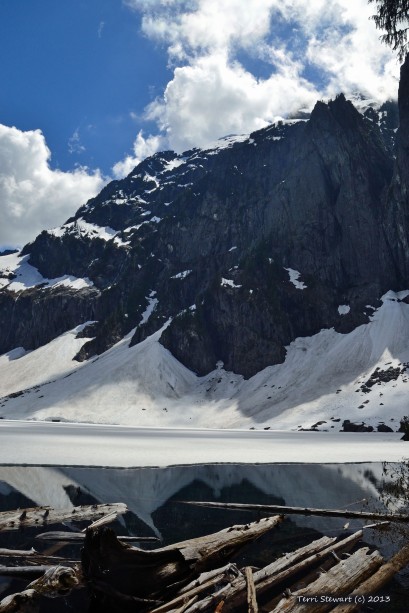
Walkabouts__2013-06-03_14-25-52

In fact, this lake feeds into the waterfalls pictured earlier. I had climbed all the way around to the other side. Here is what the top of the waterfall looks like from this same point, just facing the other way.

Walkabouts__2013-06-03_14-25-23

I clambered through the snow a bit and sat at the closest point I could get to the top of the waterfall. Ate lunch. Relaxed a moment.

Time to head back down. Surely, down would be easier! It always is. Mostly.

On the way down, I kept my head down looking to keep my feet planted so my ankle will not turn. I almost made it. Darn it. One misstep and a turned ankle. Choice – fall in a way to minimize injury or try to get that wobbly ankle to hold me up. Quick decision – my ankle will not withstand the effort to stay firmly up. Fall it is! Sheesh. I hate rocky, downhill, paths. Now, cuts and bruises, scratches and blood. I would hate to see what I looked like.

I crossed back in front of the amazing waterfall that poured sunshine and the woman I had met earlier was there with her dog! She was resting. Her dog decided to try to clean up the scratches on my legs a bit (ha ha!). We chatted a bit and she moved on. I stayed and tried to get some more photos of the falls and take a rest. Oh, and to use the water to wash my arm which has a pretty serious scratch(es).

But, gosh darn it, I did it! I am still on the path. I can still walk. My body is sustaining me. This is such a big deal, you have no idea. I was misdiagnosed for at least 20 years. To be able to do this is the most awesomely amazing thing ever. My muscles don’t even hurt as much today as they did on days the inflammation from being celiac made them hurt. (That was a bad sentence, sorry.)

I kept going. And I made it back to my car by about 5:00 p.m.

The quest was complete.

I am proud that I had the perseverance to keep on pushing through. My blood tests still say “alert” on the iron portion, but it is improving. My ankles and feet are okay today. My right arm and right shin are pretty banged up, but as long as nobody touches them (!) I will be fine.

The return hike took 2 hours. It took me 4 hours to go up.

Walking or hiking as a spiritual practice, for me, is typically about opening myself up to the images around me. Receiving images that I sometimes share here or on my blog. This time, though, it transformed into something else. Instead of receiving the beauty around me, I had to dig deep to connect to the strength of the earth, strength of my faith, and to the strength in my own body in order to find sustenance for the journey. This is a new kind of spiritual practice for me.  I had thought, Monday night, that I would not be eager to repeat this experience. But I am. Focusing on putting one foot in front of the other in this way gave me a faith in myself that I sometimes lack. Especially in my own body’s ability to sustain me. That is my new story. I trust my body.

Blessed be.

Shalom and Amen.

~Chaplain Terri

Adapted from a post at my blog. Trials on the Trail.

© 2013, post & photos, Terri Stewart, All rights reserved

terriTERRI STEWART is Into the Bardo’s  Sunday chaplain, senior content editor, and site co-administrator. She comes from an eclectic background and considers herself to be grounded in contemplation and justice. She is the Director and Founder of the Youth Chaplaincy Coalition that serves youth affected by the justice system. As a graduate of Seattle University’s School of Theology and Ministry, she earned her Master’s of Divinity and a Post-Master’s Certificate in Spiritual Direction with honors and is a rare United Methodist student in the Jesuit Honor Society, Alpha Sigma Nu. She is a contributing author to the Abingdon Worship Annual.

Her online presence is “Cloaked Monk.” This speaks to her grounding in contemplative arts and the need to live it out in the world. The cloak is the disguise of normalcy as she advocates for justice and peace. You can find her at www.cloakedmonk.com, www.twitter.com/cloakedmonk, and www.facebook.com/cloakedmonk.  To reach her for conversation, send a note to cloakedmonk@outlook.com

Posted in Meditation, Spiritual Practice, Terri Stewart

Meditation on the Shadow

shadow reflection self portraitI have been reflecting on shadow work a lot lately.  The shadow is that part of ourselves that we often keep hidden. It was especially prompted by Naomi’s images and thoughts in her post “Black and White (or not).” The world is shades of gray as our shadows often seem to be.

Physically, our shadows take on the colors of what they are cast on. We stand ‘here,’ the shadow projects ‘there,’ and our shadow is integrated with rock or grass or concrete or sofa–with the barest connection with our embodied self. Sometimes our shadows hang on to us by the barest toe. Sometimes we are connected fully.

The shadow is something darker, hidden, taking on different tones and different shapes than our embodied selves. But ultimately, it is a projection of our own self. What we don’t want to see in ourselves, we push into our shadow.

One of the most valuable lessons I had in seminary was a discussion of the Johari Window. It is really pretty simple! There are four ways to be known in the world (each one pane of a four paned window):

  1. Things we know about ourselves that nobody else knows
  2. Things others know about us that we don’t know
  3. Things we know and others know
  4. Things nobody knows

Our job is to shrink the part of our window that is “things nobody knows.”

γνῶθι σεαυτόν – Know Thyself, on the Temple of Apollo at Delphi

I’d like to offer a meditation on accepting the shadow self. Please only do this if you feel safe.

Find a comfortable place.  If you are sitting, ground your feet restfully, but firmly. If you are laying, sink down towards the earth. Let the earth buoy you and hold you through this exercise.

You may close your eyes if that is comfortable for you or you may keep them open. If your eyes are open, let your gaze fall gently onto a nearby spot—not particularly noticing anything about the spot, but just accepting the spot as your companion.

Let your gaze turn inward. Take an inventory. Do you feel anxious? Excited? Relaxed? Where is the energy stirring? Is your mind whirring? Or is it in your solar plexus? Or lower? What energy are you bringing to your meditation in your body? Greet the energy and invite it into your journey.

Pause and acknowledge the sacredness of joining with your energy. Breathe in. Breathe out.

Continue your inventory. Moving beyond the physical. What are all the great things you see about yourself? Your creativity? Your love? Your compassion? Mercy? Analysis? Quietness? Strength? Acceptance? Meticulousness? Acknowledge these beautiful and wonderful things and give thanks to them. Breathe in. Breathe out. Now, let them go. They will still be with you. Consider them your backbone. Holding you firmly in place, but behind you.

Reconsider your connectedness to the earth. Let her energy support you while sinking in. Reconsider your gifts—the great things about you. Let them provide structure to your body. Breathe in. Breathe out.

Before you, now, is an empty room. Just you and the energy you have brought with you. The energy from your body. The energy from the earth. The support from your gifts. A formidable group.

See the shadow.

How are you connected to the shadow? Fingertip? Toes? Fully? Check in with yourself and stop here if that feels right to you.

What contrasting energy is pulsing in the shadow? Is it a mirror of your own body’s energy? Or is it different? What is the shadow projecting onto you? Does it make you seem tall? Or small? What color does the shadow take on? What is it drawing from its surroundings? Check in with yourself and stop here if that feels right to you.

Open a dialogue with your shadow. Something like, “I see you. I know you are part of me. What do you have to teach me today?”

Listen to your shadow. Breathe in, breathe out. Check in with yourself and stop here if that feels right to you. This will be different for everybody.

If you feel brave, offer your shadow love. Compassion. Acceptance. Acknowledgement. What does that feel like? Check in with your body and see where your energy is stirring. Is your heart chakra pulsing? Or maybe your shadow has some energy swirling? Check in with yourself and stop here if that feels right to you.

Seeing your shadow, connecting, dialoguing, loving—continue to offer love and imagine love emanating towards your shadow from your energy, from the energy of the earth, and from the gifts that you bring that stabilize you. Imagine the love pouring out everywhere as light. Light as soft as a glowing sunset or as strong as a summer’s day. Whatever light is needed. As the light increases, the shadow steps closer and makes one more connection with you. Maybe just a pinky. Check in with yourself and stop here if that feels right to you.

Now, it is time to close the dialogue with the shadow.

Offer your loving kindness to the shadow. Bring your hands together over your heart chakra in a prayer position. Let your inner gaze fall gently on your shadow. Breathe in, breathe out. As you gaze at your shadow, offer Namaste.

Bring the inner light down to an inner, restful darkness. Let your shadow leave your full awareness, knowing you are that much more connected and that you will be back.

Breathe in, breathe out.

Feel your gifts that strengthened you. Thank them for being with you. Bid your gifts Namaste.

Feel the earth that supported you. Thank the earth for providing support. Bid the earth Namaste.

Feel the energy in your body that journeyed with you. Thank yourself for being present. Bring to yourself, Namaste.

Breathe in, breathe out.

Namaste.

Shalom and Amen,

~Terri

© 2013, post & photo, Terri Stewart, All rights reserved

Terri StewartTERRI STEWART is Into the Bardo’s  Sunday chaplain, senior content editor, and site co-administrator. She comes from an eclectic background and considers herself to be grounded in contemplation and justice. She is the Director and Founder of the Youth Chaplaincy Coalition that serves youth affected by the justice system. As a recent graduate of Seattle University’s School of Theology and Ministry, she earned her Master’s of Divinity and a Post-Master’s Certificate in Spiritual Direction with honors and is a rare United Methodist student in the Jesuit Honor Society, Alpha Sigma Nu. She is a contributing author to the Abingdon Worship Annual.

Her online presence is “Cloaked Monk.” This speaks to her grounding in contemplative arts (photography, mandala, poetry) and the need to live it out in the world. The cloak is the disguise of normalcy as she advocates for justice and peace. You can find her at www.cloakedmonk.com, www.twitter.com/cloakedmonk, and www.facebook.com/cloakedmonk.  To reach her for conversation, send a note to cloakedmonk@outlook.com
Posted in Spiritual Practice, story, Terri Stewart

Connecting to Our Story

New Life, New Story
New Life, New Story

Often times, we look back at our lives and we can see the story. But is that story really the heart of the matter? How do we connect to the heart of our story in the present moment? Taking meaning from what is now to illuminate what was then.

At the core of every moment lies the heart of the cosmos, and my heart, and yours.

~Margaret D. McGee, Haiku–the Sacred Art

Today, I’d like to try a technique that Margaret McGee teaches in her book referenced above. She uses it to teach haiku. If you feel comfortable with that, I would definitely encourage you! If you feel there is another creative form calling forth from you, then use that–music, dance, poetry.

You will need up to 20 minutes for this exercise. Review all the steps before you start, unless you’re like me, in which case you just jump in!

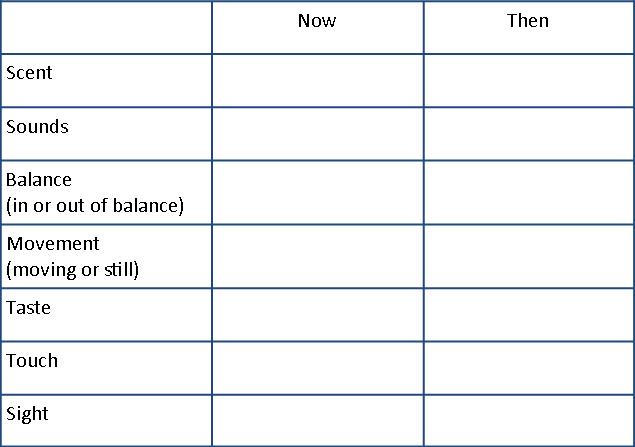
Make a chart something like this (you probably will need extra room under sight!):

table

Now, if it is possible, find a nice place outside to sit comfortably and to take in your surroundings.

Relax, breathe deeply, look around.

  • Now–What do you smell? It’s spring–are there flowers blooming? Can you smell them? Not all smells are serene! It could be something else altogether!
  • Then–Close your eyes. Let go and stroll through your memories. Is there a particular scent from your past (last week? childhood?) that is arising for you?
  • Now–Write down the first thing you see! And keep on filling it in. Our eyes can take in so many things! We can see, arguably, over 100,000 different colors! What words can you create that describes the individuality in what you see?
  • Then–Close your eyes. Let go and stroll through your memories. Is there a particular color or scene from your past that is arising for you?

Continue on in this pattern for each category.

Now, get a fresh sheet of paper or use the back of your grid. Choose a few images from your lists that are resonating with you and with each other. These images may all be from the present moment or they may be from past moments. In particular, if you want to use the present to cast meaning on your past story, search for threads that connect across time.

Go and do! Create your artwork (or soulwork) in haiku, other poetry forms, photography, collage, painting, mandala, essay, etc. Whatever way calls to you. Take time now to make meaning and to add to the depth and meaning of your own story.

table2

For me, what is resonating is the bitterness of coffee, addiction, wind that is too strong. Yikes–what can I do with that?

stormy winds of spring

whistle through my breaking heart–

promises unkept

Aaah, well, this exercise today seems to have brought up some memories. What is clear to me is that our stories are never finished. We can continue to add meaning and to find new meaning and to have alternate meanings! A surplus of meaning.

The full story behind this new story has been started before if you would like to read it.

Shalom,

Chaplain Terri

© 2013, essay, haiku, and photograph, Terri Stewart, all rights reserved

Terri StewartTERRI STEWART is Into the Bardo’s  Sunday Chaplain, Senior Content Editor, and Site Co-administrator. She comes from an eclectic background and considers herself to be grounded in contemplation and justice. She is the Director and Founder of the Youth Chaplaincy Coalition that serves youth affected by the justice system. As a recent graduate of Seattle University’s School of Theology and Ministry, she earned her Master’s of Divinity and a Post-Master’s Certificate in Spiritual Direction with honors and is a rare United Methodist student in the Jesuit Honor Society, Alpha Sigma Nu. She is a contributing author to the Abingdon Worship Annual.
Her online presence is “Cloaked Monk.” This speaks to her grounding in contemplative arts (photography, mandala, poetry) and the need to live it out in the world. The cloak is the disguise of normalcy as she advocates for justice and peace. You can find her at www.cloakedmonk.com, www.twitter.com/cloakedmonk,  and  www.facebook.com/cloakedmonk.  To reach her for conversation, send a note to cloakedmonk@outlook.com.
Posted in Spiritual Practice, story, Terri Stewart

What are you witness to?

tracy-arm-fjord-copy

What are you witness to? What story have you seen? Where has grace moved in your life?

I’ve just returned from vacation. There were so many stories told if I just slowed down and listened or watched. There was the mother holding a young child’s hands as he ran along the pool’s edge; the young man from Indonesia who works day after day with no days off; the staff who rush to the port side of the boat so they can see where we are going or have been, their only contact with a new world from a distance or from behind a camera.

Grace moved in my heart at every encounter with the people and with the striking depth of beauty that we encountered in the natural beauty of Alaska and the surrounding area. Grace moved in my heart when I was able to experience living through the eyes of compassion in this rarefied environment. Love, beauty, and grace coalescing in my rib cage.

I wrote a series of haiku witnessing to the stark beauty in the Tracy Arm Fjord that I offer here along with a photo from that day.  These haiku were primarily inspired by the waters while we were entering into the Tracy Arm Fjord, which were quite different from the waters once we were sitting still.  The arrival waters were deeper, grayer, more choppy and more mysterious.

The photo is from a moment of stillness in waters littered with small icebergs. Click on the photo to see an expanded view. To browse through the unedited photos, you can go to my flickr site.

glacier fed wind

whips across cresting waters

reflecting sun’s glory

frenzied wind

stirring waters to white peaks

be still my soul

shrouded grey waters

revealing iceberg tips

depths hidden

– Terri Stewart

© 2013, essay, haiku, and photograph, Terri Stewart, all rights reserved

Terri StewartTERRI STEWART is Into the Bardo’s  Sunday Chaplain, Senior Content Editor, and Site Co-administrator. She comes from an eclectic background and considers herself to be grounded in contemplation and justice. She is the Director and Founder of the Youth Chaplaincy Coalition that serves youth affected by the justice system. As a recent graduate of Seattle University’s School of Theology and Ministry, she earned her Master’s of Divinity and a Post-Master’s Certificate in Spiritual Direction with honors and is a rare United Methodist student in the Jesuit Honor Society, Alpha Sigma Nu. She is a contributing author to the Abingdon Worship Annual.

Her online presence is “Cloaked Monk.” This speaks to her grounding in contemplative arts (photography, mandala, poetry) and the need to live it out in the world. The cloak is the disguise of normalcy as she advocates for justice and peace. You can find her at www.cloakedmonk.com, www.twitter.com/cloakedmonk,  and  www.facebook.com/cloakedmonk.  To reach her for conversation, send a note to cloakedmonk@outlook.com.
Posted in Photography/Photographer, Poems/Poetry, Rumi, Spiritual Practice, Terri Stewart

Doors

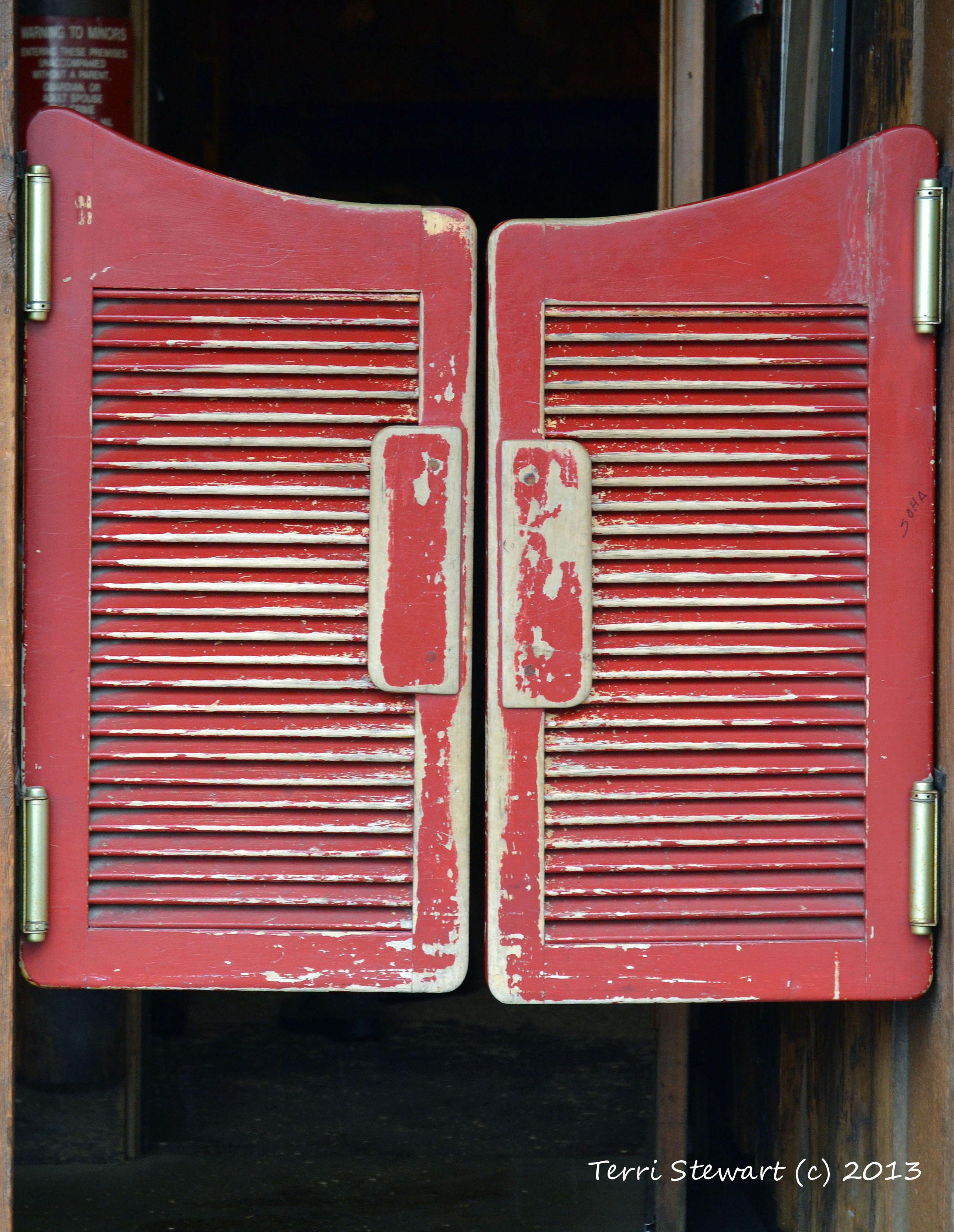
bar_doorsConsider doors. We enter or exit through doors. Sometimes we just look at doors. They lead towards something or away from something.

“As long as you are performing prayer, you are knocking on Allah’s door. And whoever knocks on Allah’s door [constantly], He will open it.” -Ibn Al-Qayyim Al-Jawzi

“The doors we open and close each day decide the lives we live.” -Flora Whittemore

“A man who does not plan long ahead will find trouble right at his door” -Confucius

“Ask, and it will be given to you; seek, and you will find; knock, and it will be opened to you.” Matthew 7:7, Christian Scripture

“In oneself lies the whole world and if you know how to look and learn, the door is there and the key is in your hand. Nobody on earth can give you either the key or the door to open, except yourself.” -Jiddu Krishnamurti

“Knowledge of what is does not open the door directly to what should be.” -Albert Einstein

Lots of thought has been given to doors! Now it is our turn to consider doors. I would like to offer up a lectio divina experience. Lectio divina is an ancient way of “being present
to a text in a heart-centered way.” (Christine Valters Paintner) It is a way of meditating or praying. When we use the lectio divina technique, we see the words we read as living, breathing essence. It becomes an encounter with the sacred. There are four primary movements of lectio (and sorry if this is repeat news!)…

Read (lectio): Read and listen for a word or phrase that creates energy within your body

Reflect (meditatio): Read again and savor the words, delve into them, use your senses to experience them

Respond (oratio): Read again and listen for the invitation coming from the text

Rest (contemplatio): Rest, be still.

Go slowly and be present. I offer you a poem from Rumi.

Lectio:

The bfirehouse_doorreeze at dawn has secrets to tell you.
Don’t go back to sleep.

You must ask for what you really want.
Don’t go back to sleep.

People are going back and forth across the doorsill
where the two worlds touch.

The door is round and open.
Don’t go back to sleep.

From Essential Rumi
by Coleman Barks

Meditatio:

weird_doorThe breeze at dawn has secrets to tell you.
Don’t go back to sleep.

You must ask for what you really want.
Don’t go back to sleep.

People are going back and forth across the doorsill
where the two worlds touch.

The door is round and open.
Don’t go back to sleep.


Oratio:

lots_of_doorsThe breeze at dawn has secrets to tell you.
Don’t go back to sleep.

You must ask for what you really want.
Don’t go back to sleep.

People are going back and forth across the doorsill
where the two worlds touch.

The door is round and open.
Don’t go back to sleep.

Rest:

forboding_door

Shalom and Amen.

~Chaplain Terri

© 2013, post and photos, Terri Stewart, all rights reserved

Terri StewartTERRI STEWART is Into the Bardo’s  Sunday Chaplain, Senior Content Editor, and Site Co-administrator. She comes from an eclectic background and considers herself to be grounded in contemplation and justice. She is the Director and Founder of the Youth Chaplaincy Coalition that serves youth affected by the justice system. As a recent graduate of Seattle University’s School of Theology and Ministry, she earned her Master’s of Divinity and a Post-Master’s Certificate in Spiritual Direction with honors and is a rare United Methodist student in the Jesuit Honor Society, Alpha Sigma Nu. She is a contributing author to the Abingdon Worship Annual.

Her online presence is “Cloaked Monk.” This speaks to her grounding in contemplative arts (photography, mandala, poetry) and the need to live it out in the world. The cloak is the disguise of normalcy as she advocates for justice and peace. You can find her at www.cloakedmonk.com, www.twitter.com/cloakedmonkwww.flickr.com/cloakedmonk and  www.facebook.com/cloakedmonk.  To reach her for conversation, send a note to cloakedmonk@outlook.com.
Posted in Spiritual Practice, story, Terri Stewart

Enter the Story

St. Ignatius of Loyola, Image from WikiMedia Commons

One of the spiritual exercises that St. Ignatius of Loyola recommended was entering the story of scripture using your imagination. Using all your senses, imagine yourself in the story. Today, I am offering this exercise to you.

Below is a story that appeals to me from the Gospel of John. You do not have to be Christian to appreciate the point of this story, I believe. But if you would rather gather another story and do this exercise, I would encourage you to do that!

Sit relaxed, place your feet flat on the ground and read the story. Then close your eyes and reconstruct the scene in your  imagination. What is going on with the men and women in the scene? What do the characters look like? How do the characters react to each other? What are the people saying to one another? What emotions fill their words? As you enter into the scene, sometimes there is the desire to be there. You could place yourself in the scene as one of the characters in the story or as someone brand new.

Early in the morning Jesus came again to the temple. All the people came to him and he sat down and began to teach them. The scribes and the Pharisees brought a woman who had been caught in adultery; and making her stand before all of them, they said to him, “Teacher, this woman was caught in the very act of committing adultery. Now in the law Moses commanded us to stone such women. Now what do you say?” They said this to test him, so that they might have some charge to bring against him. Jesus bent down and wrote with his finger on the ground. When they kept on questioning him, he straightened up and said to them, “Let anyone among you who is without sin be the first to throw a stone at her.” And once again he bent down and wrote on the ground. When they heard it, they went away, one by one, beginning with the elders; and Jesus was left alone with the woman standing before him. Jesus straightened up and said to her, “Woman, where are they? Has no one condemned you?”  She said, “No one, sir.” And Jesus said, “Neither do I condemn you. Go your way, and from now on do not sin again.”

What do you smell? See? Can you feel anything? Can you imagine writing in the dirt? What would you write? Are there smells? Can you hear anything? Is your intuitive sense telling you anything? Where are you in the story? Who are you in the story? What is your story?

Shalom and Amen.

Chaplain Terri

© 2013, post and video, Terri Stewart, All rights reserved

Terri StewartTERRI STEWART is Into the Bardo’s  Sunday Chaplain, Senior Content Editor, and Site Co-administrator. She comes from an eclectic background and considers herself to be grounded in contemplation and justice. She is the Director and Founder of the Youth Chaplaincy Coalition that serves youth affected by the justice system. As a recent graduate of Seattle University’s School of Theology and Ministry, she earned her Master’s of Divinity and a Post-Master’s Certificate in Spiritual Direction with honors and is a rare United Methodist student in the Jesuit Honor Society, Alpha Sigma Nu. She is a contributing author to the Abingdon Worship Annual.

Her online presence is “Cloaked Monk.” This speaks to her grounding in contemplative arts (photography, mandala, poetry) and the need to live it out in the world. The cloak is the disguise of normalcy as she advocates for justice and peace. You can find her at www.cloakedmonk.com, www.twitter.com/cloakedmonk,  and  www.facebook.com/cloakedmonk.  To reach her for conversation, send a note to cloakedmonk@outlook.com.