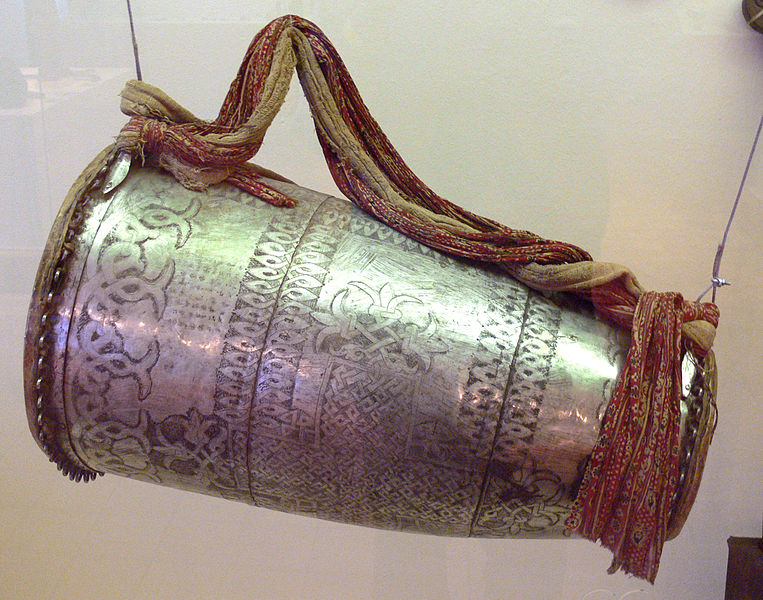
 his hands flutter over and onto the kebero
a world constructed in the moments of sound
a world razed in the moments of silence
a rhythm of birth and rebirth
of heartbeat and life-blood
he’d gone to Africa, this young man
to chase down his roots
to buy exotic drums
to make rhythms with his brothers
to sing with his sisters
to learn, to grow, to come home and teach
he was full of grace, brimming with jazz
just rocking his universe, rolling with spirit
alight with green and gold,
the breath of wild savannas and
wilder cheetahs, monkey pranks
and elephantine tuskedness
what, i had to ask, was the take-away
after the safaris and the drumming
after the injera, the wat, the niter kibby
and berbere spices, the many fine meals
downed with ambo wuhteh
ah, he said, i met a sister
i was driving a forlorn road
she was walking alongside,
carrying a bundle of wood
i stopped and offered her a lift
no, she said, NO
if I ride today, i’ll want to ride tomorrow
it’s a recipe for unhappiness
she’s right, you know, he said
from wanting comes despair …
and so i drum, just drum, he said
his hands fluttering over and onto the kebero
a world constructed in the moments of sound
a world razed in the moments of silence
a rhythm of birth and rebirth and peace of heart
– Jamie Dedes
© 2016, poem, Jamie Dedes, All rights reserved; photo (Kebero, a conical hand drum, for the traditional music of Ethiopia and Eritrea, by Karl Heinrich and released into the public domain; you can read Jamie’s bio HERE.

 The BeZine
New meaning in this read…expectation and present moment sounding in percussion and rhythm. To strike; to allow silence. Well played, Jamie!
LikeLiked by 1 person
Lovely.
“a world razed in the moments of silence”
Yes. My mentor in improvisational music said a musician’s most important skill is not making sound, but listening.
LikeLiked by 1 person
Yes! A wise mentor. How lucky you were.
LikeLike
Thank you, Priscilla.
LikeLike
A well-crafted and thought out poem, Jamie. It’s funny how the “rhythm of birth and rebirth” is unchanging through time, but how it can be represented in so many, different ways. I like the idea of hindsight giving us wisdom, as it touches on learning through each life/rebirth how to escape the wheel.
LikeLike