Hallmark of Harmony is the male barbershop chorus of the Sheffield Barbershop Harmony Club and is based in Sheffield, England in the UK. They sing barbershop, which is a style of a cappella four-part close harmony.
They first formed in 1978 and have won medals in sixteen of the thirty seven years of competing at the British Association of Barbershop Singers (BABS) convention. Seven of them were Gold medals. In their first twenty five years, they were never outside the top four places in the UK out of a BABS membership of around sixty choruses. They fell from grace for a while, then, following the appointment of a new musical team, led by Andy Allen, and the recruitment of a whole new, young and talented membership, rose from 10th place in 2011 to bronze, silver then gold in successive years; a rise never before achieved in BABS history!
As BABS Chorus Champions for 2014, Hallmark of Harmony qualified for the 2015 Barbershop Harmony Society International Chorus Competition, effectively the world championships. This was held in Pittsburgh, Pennsylvania, in the USA, in July. Hallmark came a creditable 19th out of 28 choruses, with a score that is consistent with the highest scores they had been regularly achieving in the UK, but will not be satisfied with that position. Their continuing quest is constantly to improve the quality of their singing and performance. Onwards and upwards.
JNA
14th August 2015
Below is a link to a YouTube video of (one of) Hallmark’s performances as guests at this year’s BABS convention in Llandudno, North Wales. They were not permitted to compete this year as current Champions. [You can miss the first 55 seconds intro, if you want to cut to the chase quicker!].
2015 BABS – Hallmark Of Harmony – Cooler
“If music be the food of love, play on” ~ William Shakespeare from “Twelfth Night”
I would add that music and song is the food of life and, sometimes, a stimulant to help us grieve. For what is grief, if it isn’t one of life’s consequences … of love?
I stole the title of this post from poet and diversely creative friend, Kona Macphee, whose inspiring daily blog “That Elusive Clarity” I contributed to in various ways four years ago, including the interview series she did – mostly with creative people, whose talents were far greater than mine – “Six Things“. Sadly this blog is no longer on line. Included as one of the daily offerings she published, was a blog post on a subject, which you might guess, is close to my heart, music. She gave it this title and as one of her offerings she cited a song that I had previously introduced to her, by one of my all-time favourite singer/songwriters, Karine Polwart. Karine is what I would call a poet on a musical stick. Her lyrics and her musicality, along with her musician brother, Steven Polwart, and musician friend from Fair Isle, Inge Thomson, who form her trio, are what has caused me to buy at least ten of her albums in the six years since I was introduced to her by a friend.
This song came out of the Darwin Song Project in 2009, at the time of the Shrewbury Folk Festival that year. It was the year which celebrated the 200th anniversary of Charles Darwin’s birth. This project was set up and included a number of notable musicians from the world of folk and roots music, including Karine, whose own contribution, “We’re All Leaving” was written about Darwin’s ten year old daughter, Annie, who tragically died at the age of only ten. Another subject close to my heart right now.
The YouTube video I’ve embedded below is not the best recording of this song, albeit it was the first. She recorded it again for her EP “Build Your Own Cathedrals” (which takes words from the song itself) and her gorgeous 2012 album, “Traces“, some of which she performed at the 2012 Shrewsbury Folk Festival. A notable track on the Traces album – for the interest of my friends in the USA – is the opening track, “Cover Your Eyes“, which has barely veiled reference to a certain Republican party candidate, who built a golf course and decimated a Site of Special Scientific Interest (SSSI) on the West coast of Scotland. I will say no more!
Enjoy “We’re All Leaving”, but keep the box of tissues close by …
Pain has long washed over me
like the waves of a symphony orchestra.
It’s manifestation from pizzicato strings,
up the ranks to shrill reeds and blaring brass.
The concert master within plucks a string,
a twinge, a spark in my body,
or draws his bow long, back and forth,
so seamlessly extending the exquisite tone
across my neck, my shoulder, all the parts
grown to accept the groaning background music
of a life full with this symphony
of self-written suffering. Today,
muffled timpani, always there, almost-hidden
by itself in the left side of the back row,
thuds its dull soreness, the ensemble resting
for a few bars. It’s a manly ache, this,
a limping, crippling thump played
with a pair of lives I’ve left ungrieved,
the heartbeat of my days, my nights,
this concerto of my times.
Scotch taped prayers
dot plaster walls of gray bungalow
Behind doors, above beds,
petitions hang like pressed
summer flowers
Pól writes his finest love song
Sings it daily in radiated ears of his mother
Humming a song her daddy taught her
Katie pushes her toe against a cloud
“I’ll fly away, Oh Glory…I’ll fly away”
She swings higher and higher
stretching pint-sized legs
toward the top of the sky
On stretches of cosmos
Alejandro paints copper suns
from his cube of apartments
ether fragments
of warp and weft light
weave chords that ring bell
The old Colonel runs finger
‘round aqua glass, catching
final golden drop from last jar
of peaches his wife canned
Honeyed shades of her quiet songs
pulse once more like glucose
through his veins, he sings
A neighbor’s Christmas lights
scuttle across rooftop in July
Random trails slapdash shingles
like slug patterns
Still, mourning doves coo
three-note trinities
above kitschy red bulbs
Albert Einstein, so I have been given to understand, was a fairly good amateur violinist – not a Yitzhak Perlman, but pretty competent, considering that his day-job was being one of the approximately half-dozen or so greatest physicists who ever lived.
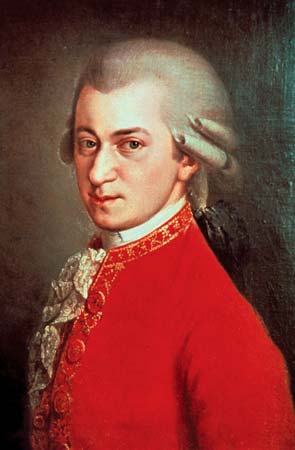
Wolfgang Amadeus Mozart
I have also read, in biographies of Einstein, that he was also something of a “musical Platonist”. He entertained a great admiration for Mozart, believing, as he once famously said – though I have been unable to track down exactly where he said it — Mozart is the greatest composer of all. Beethoven created his music, but the music of Mozart is of such purity and beauty that one feels he merely found it – that it has always existed as part of the inner beauty of the universe waiting to be revealed. (Einstein’s tendency toward Platonism might also account for why Einstein, during his years at the Institute for Advanced Study in Princeton, NJ, became close friends with Kurt Goedel – he of the famous Goedel Incompleteness Theorem – who was an explicit, unapologetic, and avowed Platonist Of course, Einstein may have been speaking figuratively about Mozart. Be that as it may, however, Einstein was certainly a realist, in the sense that he believed the equations of physics described an extra-conscious reality as it actually is, independent of the observer, and that the “observer-centric” tendencies of quantum theory – think, e.g., “Schroedinger’s Cat” here – are symptoms, not of the triumph of quantum theory, but on the contrary, of its incompleteness. In some way, Einstein believed that Mozart’s music points (figuratively or literally) to extra-musical realities and that quantum theory points (literally) to extra-conscious realities. In Einstein’s view, neither music nor math is purely and solipsistically self-referential: each point to something – to some thing – beyond itself.
Whether he was consciously aware of it or not, Einstein was onto something. I mean something other than the relativity of frames of reference, the constancy of the speed of light, the malleability of space and time, the ambiguity of simultaneous events, the equivalence of matter and energy, the equivalence of acceleration and gravity, time dilation, and the expansion of the Universe. Even by itself and on its own terms, this would have been a fair day’s work. But beyond even this, both Einstein and the early architects of quantum theory – Heisenberg, Bohr, DeBroglie, et al. – were touching the trailing hem of a profound insight: music is the fundamental constituent of reality. Not only aesthetically, but physically. In terms of its deepest structures, the Universe is made of music. That includes you and me: human beings … though what this latter means is deeply problematical.
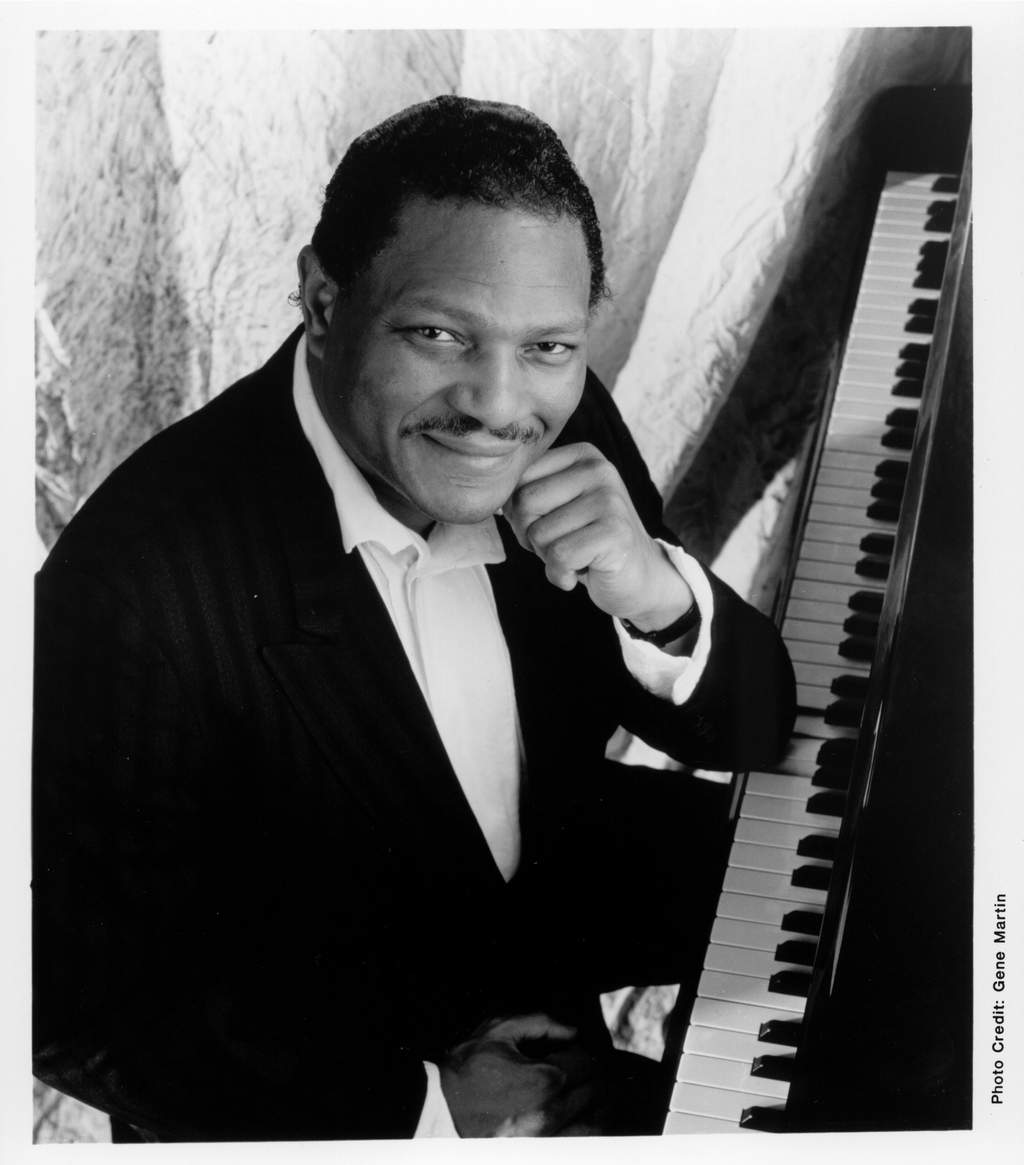
McCoy Tyner
When I say “the Universe is made of music”, you have to think of music, not (only) in the sense of what you would hear from Stan Getz or McCoy Tyner in a jazz club, or what you would hear from a performance of Haydn’s String Quartet in F-Major, or what you would hear when the Tallis Scholars perform Antonio Allegri’s great Miserere or Palestrina’s Mass for Pope Marcellus, but music in the most “cosmic” sense … which includes all these discrete instances but infinitely more besides. An analogy: an apple falling from a tree is an instance of Newton’s laws of motion, but so is the motion of two neutron stars orbiting each other at the far end of the Milky Way Galaxy or of a wisp of hydrogen gas in its death-spiral path into the black hole at the center. And all these discrete examples exemplify the geometry of spacetime in Einstein’s general theory of relativity (as long as we steer well clear of singularities).
In all such cases, music is a wave phenomenon – in this broadest possible sense. The waves may be oscillating compression-rarefaction waves in the air, as with Stan Getz riffing on “No Greater Love”, or in the water, as a whale communicating with other members of its pod. But music is also made by electrons creating synchrotron radiation in the form of electromagnetic waves – in no medium at all — as they spiral around intense magnetic fields in interstellar space. Or by “probability waves” described by the Schroedinger wave equation’s projection of the evolving likelihood of locating a particle at a given point in spacetime. Or a multi-modal distribution – basically, a series of Gaussian bell-shaped curves concatenated with each other – describing certain random processes. Or the sinusoidal path traced out in the Mercator projection of a spacecraft as it orbits the earth. Or the action of thousands of American football fans doing “The Wave” in a stadium as they watch a game. I mean the following in the most pristinely literal sense: the entire Universe isa Great Fugue of trillions, quadrillions … it may well turn out to be infinitely many … obligato voices.
Even conventional physics pivots on the centrality of wave phenomena … in other words, of physical phenomena as forms of music. The probability of finding a particle at a given point in spacetime is the square of the amplitude of the particle’s wave at that point, and if light — electromagnetic waves — did not Doppler-shift down to the red end of the spectrum or up toward the blue end, astronomers would have no means of measuring motion and velocity of distant objects. But beyond conventional physics, the music of the Universe extends toward superstring theory, for better or for worse one of the cutting edges of current research. I say “for better or for worse”, because, even after roughly 40 years of theorizing, superstring theory, in none of its literally hundreds of forms, has suggested a single definitive and performable experiment or prediction. So superstring theory may be dead wrong, devoid of physical significance, and may be no more, and also no less, than especially elegant mathematics. But the music of it is sublime: an indefinitely large — quite possibly infinite — number of discrete strings vibrating in 11 dimensions, with each mode of vibration corresponding to a physical aspect of the resulting subatomic particle, in what is essentially identical, in 10 dimensions of space and 1 of time, to the way a violin string vibrates to produce a single, determinate note, say C#, as in Bach’s Brandenburg Concerto #2. One set of vibrations makes a proton; another, a meson; another, an electron; etc., etc. So an atom becomes a movement; a molecule, a symphony; a complete organism, the entire oeuvre of Nature’s composing. There need be no God, but if there is a God (S)He is, first and foremost, a musician of the most sublime order. And even if superstring theory turns out to be discarded, it is very telling that, after 2500 years or so, humans’ attempts to understand Nature have come full circle, spiraling up one level to return to where those attempts first started, like the music in Bach’s great Musical Offering.
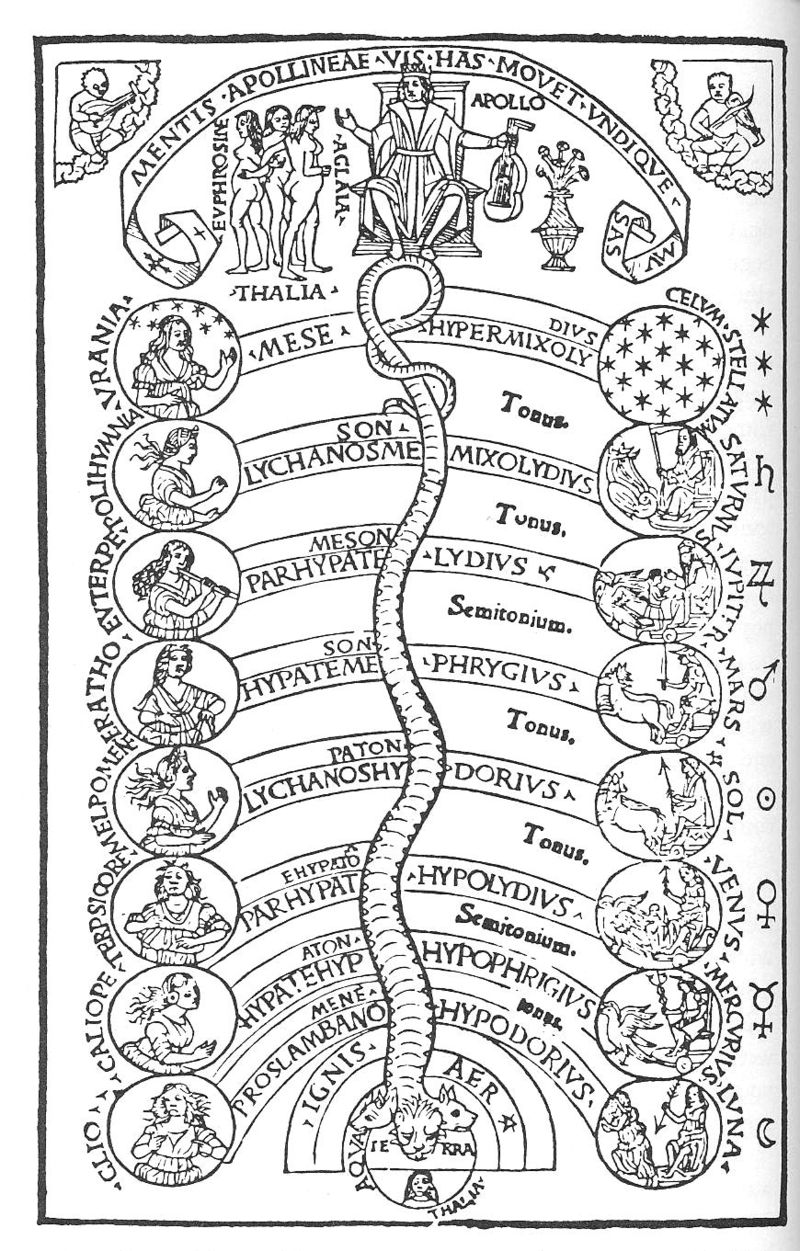
Gafurius’s “Practica Musice”, 1496
For, you see, it all started with music. Long ago. The Pythagoreans of the middle first millennium BCE were fascinated by musical harmony, ultimately making it, not only a theory of musical scales and harmonics, but of the very Universe itself. The Pythagoreans’ philosophy of music is far too complex and nuanced to even summarize briefly. Suffice to say that, for the Pythagoreans, while mathematics was prior — being the means by which the Good established the Cosmos — there was an intimate relationship between mathematics and music, to the point that the two were inseparable. So, not surprisingly, the Pythagoreans saw the Universe as being divided into an enormous number of planes of Reality, each such plane defined by a particular species of musical harmony, and ascending upward by octaves to the Highest Good. This elegant vision of Reality found its most well known and explicit expression in the philosophy of Forms, originated by Plato who studied for a time under Pythagoras. Despite the eventual ascendancy, thanks to St. Thomas Aquinas, of Aristotle’s philosophy, this Platonic / neo-Platonic idealism persisted well into medieval times, where it was elaborated into the concept of the musica mundana, literally “the music of the world”, and in esoteric Christianity, the musica humana (the music of the human body) and musica quae in quibusdam constituta est instrumentis (music in the conventional / literal sense made by the human voice and musical instruments … like Einstein playing his violin and McCoy Tyner playing his piano). For esoteric medieval Christian mystics, all three forms of music constituted a continuum beginning with literal music made by human beings up through the various celestial spheres and even to God, the Master Musician, Who, having composed the Great Symphony, proceeded to conduct it eternally. Pythagorean / Platonic / neo-Platonic mystics going all the way back to the Pythagoreans believed that only people of a sublime degree of refined discernment and a whole lifetime of study of the mathematics of harmony could actually hear the musica mundana. In fact, the Pythagoreans themselves believed that only Pythagoras himself could actually hear what later came to be called the “music of the spheres”. But the rest of us lesser mortals could benefit from the musical harmonies we could hear.
That belief begs a final question, to which I do not have, nor do I believe anyone else has, an answer: so much for music … what of the listener? Or to put it another way the Pythagoreans would equally have accepted: so much for mathematics … what of the mathematician? Is human consciousness itself a form of music, a wave phenomenon? In other words, who is listening? If everything we observe around us is a wave phenomenon — also known as “music” — then what is it in the act of listening that is doing the listening; in the act of observing that is doing the observing; in the act of waving that is doing the waving? When we consider the human consciousness of the listener, does the Universe become self-referential, folding in on itself like a Klein bottle, so that, in the end, there is only Pure Listening in which the act of composing, the act of playing, and the act of listening all become likewise indistinguishable and in which all distinctions like composing, playing, and listening are rendered meaningless?
The Dry Salvages — off Cape Ann, MA
Men’s curiosity searches past and future
And clings to that dimension. But to apprehend
The point of intersection of the timeless
With time, is an occupation for the saint—
No occupation either, but something given
And taken, in a lifetime’s death in love,
Ardour and selflessness and self-surrender.
For most of us, there is only the unattended
Moment, the moment in and out of time,
The distraction fit, lost in a shaft of sunlight,
The wild thyme unseen, or the winter lightning
Or the waterfall, or music heard so deeply
That it is not heard at all, but you are the music
While the music lasts.
Wednesday morning and my fingers run on the computer keyboard while in the background Yo-Yo Ma is performing miracles on his cello with Bach’s suites. I cannot hold back a melancholic smile, remembering a part of my youth which I put aside for the past ten years, but which lately keeps bugging me to revive it – some of you may know that I used to play the piano years ago, but few know also that at some point I decided to give up music and literally sold my piano. It doesn’t matter why I did it – back then it seemed like the logical response to the circumstances. I won’t say that I shouldn’t have done it – an action isn’t defined only by the doer, but also by the reasons that caused it, and I’m not here to justify my reasons from back then.
However, I can’t help missing the flow of feelings through my being while my fingers used to play fragments of the souls of Bach, Debussy, Rachmaninoff, Mozart, Beethoven, Prokofiev and so many others. As I told a friend of mine at some point, there are moments when the vibration of a piano chord is enough to bring tears into my eyes.
Therefore, today I’m talking to you about music, about this splendid, but still far from being completely understood, part of our life. For what is music, after all? What happens to us when we listen, almost as in trance, to the organized sounds played or sung by someone? Be it classic or modern, vocal or instrumental, music always fascinated people, and they never ceased to strive to comprehend and conquer its amazing language, without realizing that it was the language that was conquering them, and not the other way around. Men tried to subdue this world of the sound, tried to impose rules to it, tried to fit it into shapes, forms, organized it in systems based on various criteria, but in the end, no matter if the rules are respected, if the form is an old or a new one, music transcends all the artificial organization and we find ourselves completely ecstatic in the presence of sounds. Music conquers us, and once it does so, it owns us for life, whether we’re aware of that or not. Why? I don’t know. Some say it’s because music is the language of god. Others say it’s because the frequencies of music resonate with our own frequencies. But does it really matter? The truth is, no, it doesn’t. Music simply governs our hearts, in one of the most splendid ways possible.
Yes, music owns me. It always did. It always will.
In my journey with photography, I have become more aware of light. The presence of light, the absence of light, how it causes reflection, my friend, Paul Jeffrey, told us once that he always turns the flash off, taking advantage of natural light. (I’m sure the rule is “almost always.”) I find that in photographing nature, that I try to stick to that rule and rely on photo-editing software to help me out if I need it. He also taught us how to make a faux tripod to steady ourselves when our shutter speed is taking just a little bit too long.
Light is a dominant theme in religious traditions also.
Christianity: “The light shines in the darkness and the darkness did not overcome it.” (John 1:5),
Islam: “Knowledge makes you free from the chains of ignorance, and revives your heart, knowledge takes you out from the darkness of suspicions and superstitions, and gives a new light to your eyes. (Hazrat Abu Ali Saqfi)
Judaism: “I will say to the prisoners, ‘Go free!’ and to those who are in darkness, ‘Come out to the light!’ (Isaiah 49:9)
Buddhism: “Doubt everything. Find your own light.” (Gautama Buddha)
Hinduism: “One who kindles the light of awareness within gets true light.” (Unattributed)
Baha’i: “Grant that the light of unity may envelop the whole earth.” (Bahá’u’lláh)
The general thrust is that light is a metaphor for that which brings us to a higher consciousness or awareness, provides hope, guidance, and love. It is a beautiful thing when, through appropriate use of light, we can communicate a deeper exploration of these qualities—awareness of what is unseen, hope, love, beauty—a very real reflection of life. And sometimes, light lets you see something in a different way.
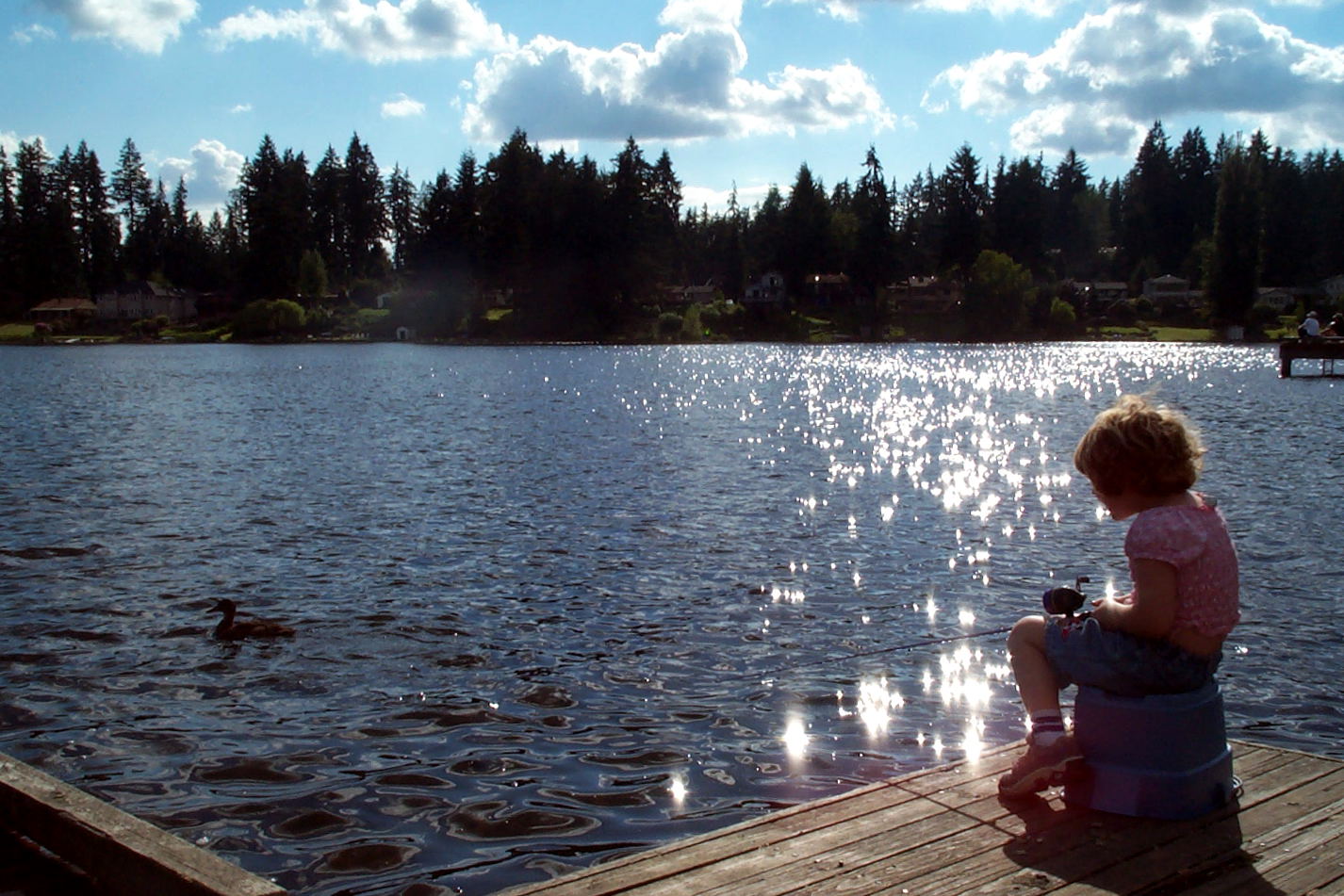
My favorite picture that I’ve ever taken of one of my children captures light and it seems, to me, to convey innocence and an essential quality of “child” that is so easy to forget. This is an old photo, by the way! And the picture isn’t perfect, but it still conveys a lightness of being that transcends the particular quality of the photo.
by Terri Stewart CC License (BY-NC)
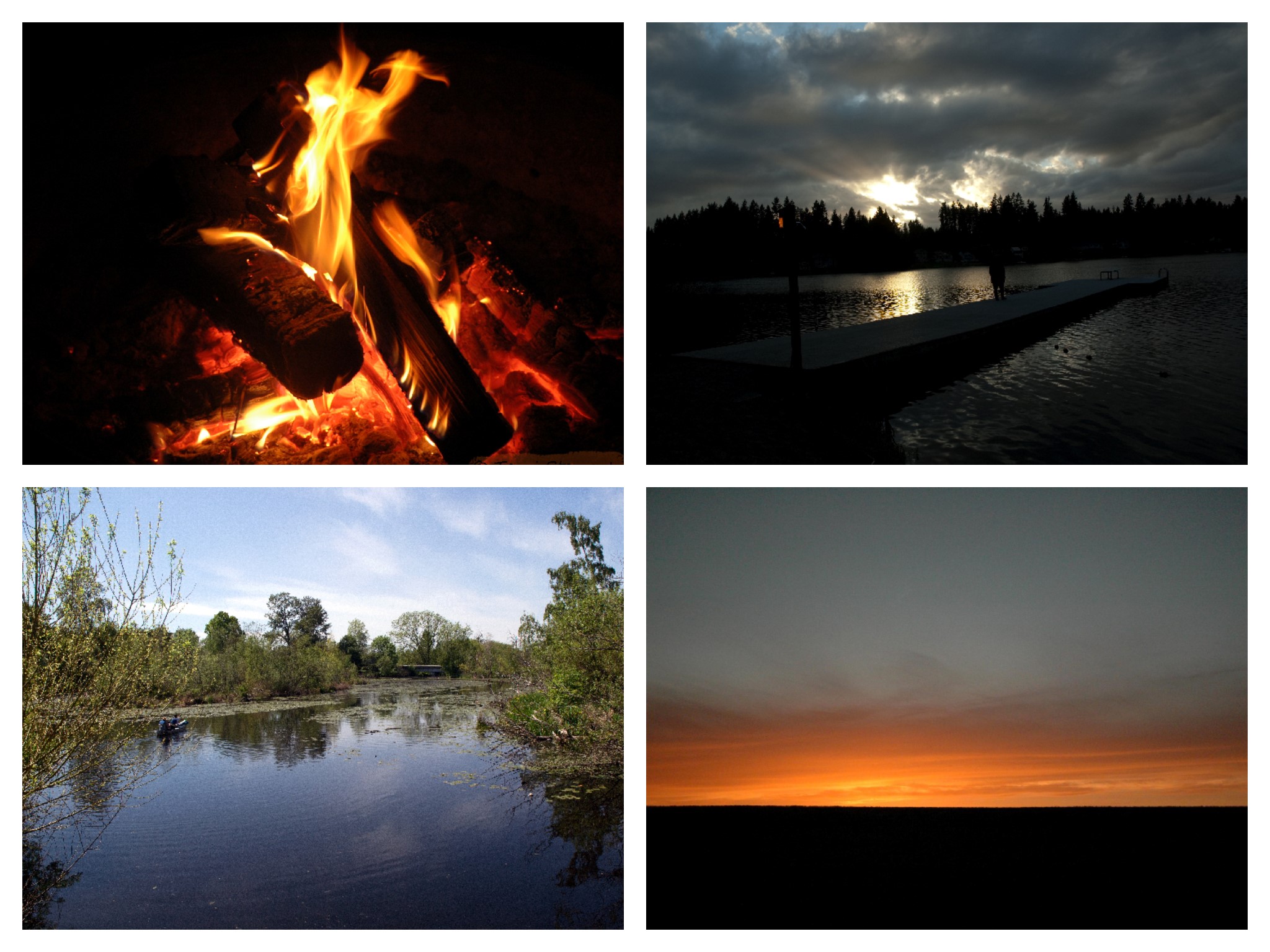
How do the following pictures and their use of light point to something beyond the images captured in the photo?
Light Collage by Terri Stewart
What do thoughts of light lead you to? Do you have a favorite photo that features light or the absence of light?
Shalom and Amen!
Post by Terri Stewart, 2014
Photography, CC License (CC BY-NC)
Opsimath ~ Someone who begins to learn a subject late in life or continues to study and learn into their later years, that is a “life-long learner.” I think once “opsimath” was used rather pejoratively. That doesn’t appear to be the case any longer.
As you already know, I am enamoured of Second Light Network of Women Poets for its committment to poetry education and for encouraging and promoting poetry by women, especially women who come to poetry late in life. It’s “never too late” the saying goes … and Second Light seems to prove that indeed it is not too late to learn, to create and to appreciate beautiful poetry.
While membership in Second Light is restricted to women, the poetry shared is for everyone. This poetry includes works by accomplished – if lesser known poets – and works of well-established poets you may have long admired including R. V. Bailey, Jackie Kay, Mimi Khalvati, Anne Stewart, Myra Schneider and Dilys Wood, the founder of Second Light.
These and other women serve as role-models and also are often involved as judges of competitions, as editors of publications and as teachers through Second Light in workshop settings, through remote education or through The Poetry School, “the U.K.’s largest provider of poetry education.”
Polymath ~ a person with a wide range of knowledge or learning.
Each May and November when my copy of ARTEMISpoetry arrives I’m always delighted with the depth of learning that continues and with the wide range of knowledge, interests and observation that informs the poetry. What follows is an overview of the November 2014 issue and three poems from that issue.
* * * * *
“Nights, I squat in the cornucopia Of your left ear, out of the wind,
Counting the red stars and those of plum-color. The sun rises under the pillar of your tongue. My hours are married to shadow. No longer do I listen for the scrape of a keel On the blank stones of the landing.”
The November 2014 issue of ARTEMISpoetryis dedicated to Sylvia Plath (1932-1963), the renown American poet, novelist and short story writer who produced in her foreshortened life a remarkable body of work that influenced her contemporaries and continues to inspire poets to this day.
If you are a fan of Plath, this issue will delight you for the fresh imaginative breath of its insight. If you are new to Plath, this issue will serve as an excellent introduction to her. It includes an imagined interview of Plath by Kay Syrad. Anne Stevenson briefly tells of her struggle to maintain the appropriate detachment when writing Bitter Fame: A Life of Sylvia Plath and how depleted she felt when she finished the biography in May 1988. The narrative is followed by a quite lengthy and somewhat charged poem, A Letter to Sylvia Plath, which is an excerpt from Stevenson’s book, Poems 1955-2005 (Bloodaxe Books).
The last stanza of Anne Stevenson’s poem ~
“We learn to be human when we kneel To imagination, which is real Long after reality is dead And history has put its bones to bed. Sylvia, you have won at last, Embodying the living past, Catching the anguish of your age In accents of a private rage”
I was happy to see Alison Blackenbury‘s piece on Jenny Joseph. Featured poets were R.V. Bailey and Adele Ward, who is also a publisher. 2014 Poetry Competition winners were announced and their poems published. As with every issue, this one was rich with poetry, reviews, and announcements of events, collections published, calls for submissions and other material of interest to members.
The poems that follow were published in the November 2014 issue and are included here with the permission of both publisher and poets. Enjoy …
Ahead of me as always, you were first
To die. But what possessed you, love,
Trusting a feckless gardener like me
To plant the flowers on your grave?
It’s garden-centre-best-suburban,
Sentimental, pink and blue,
Till in the natural course of things
I come to lie down here too.
Forget-me-nots and lavender –
What rustic cliches. Yes, I know:
I also know you will not care,
Since it was I who put them there.
– R V Bailey
Short Poem First Prize Winner
Second Light Open Poetry Competition for Long and Short poems by women, 2014:
By Heart
Once she had to memorize the chemical elements
of soil, learn how to measure the height of trees
using sine and cosine and how to address a letter
to a bishop – information lost now in dusty
box files in a corner of her brain, with lists
of Latin verbs and conjugations, the Attributes
of the Virgin Mary and which feast days a priest
wore rose or purple. But she remembers maples
graded from cinnabar to porphyry stretching
across the Laurentian hills like reels of Sylko
in a haberdasher’s drawer; the rustle of raven wings
through cedars as an Indian canoe skims the surface
of a turquoise lake; castles carved from blocks
of ice, snow on the windshield as she left.
– Margaret Beston
Commended
Second Light Open Poetry Competition, for Long and Short poems by women, 2014
Pray
Pray for Aurelia. She has a court case pending
and she misses her children. (Prayer Request, Church of Our Lady)
Pray for her.
For God has made her in his own image.
For this image startles her as she passes a shop window.
For she sees a cardigan (sleeves unravelling),
skirt (waist tied with string). Odd socks.
For the name-tag on her coat says Melanie.
For she knows God will clothe her. She’s a lily of the field.
For she has no thoughts of tomorrow.
Sufficient unto the day is the evil thereof
She’s fat with drugs. They’ve stuffed and stuffed her.
She has no teeth.
Her children have been taken from her.
Pray for her.
For she has a first class degree but her mind has betrayed her.
For betrayal is the only thing she knows.
For her father lifts his grand-daughter onto the swing in the local park,
touching her ever so, ever so gently.
For her mother didn’t listen.
Nor her brother, her sister, her teacher, her lover.
She’s a loony.
She’s a swing door.
She’s a bin-liner.
Pray for her.
For God has made her in his own image.
For he is with her even through the valley of the shadow of death
Which is her life, you know. Her one and only. Life.
[…] she was standing there,
pouting childishly at the words
aligned in front of her
like some tiny little soldiers
(you know – those plastic figurines
frozen in all sort of battle positions…)
and she was trying to make them fit
in the cherry-flavored muffin patty pan
that she was holding.
to no avail though…
she kept lashing those poor meanings
to force them into pattern – “bad, bad, bad haiku!” –
as if they were a pet
and she – their owner.
but she wasn’t able to see
the harmonics of words
spreading all over the place,
resonating in octaves,
and fifths, and fourths,
and fixing their roots
into the very marrow of god.
words pitied her and her blindness,
and after a while they tried to kiss her fingertips,
hoping to open her
to the infinity beyond her walls.
one word even sat on her shoulder,
caressing her cheek with a dove-ish touch
but all that it encountered
was ice.
eventually, words gave up their hope,
and they cut their limbs
and shoved themselves into the form,
resigned.
triumphant,
she smiled to the small poem in front of her “there, i did it!!”
but in the same second
her smile vanished,
because the poem, now made of limbless words,
was dead…[…]
But it so happened today that, when I took my children to school today, my elder one’s teacher mentioned something about the kids’ religion class on Friday (yes, religion is one of the objects learnt in school in this country – optional, but still there. No comment – at least not in this text of mine) and on my way home I couldn’t help thinking about that topic – religion – of which I wrote in a past post, and the next step was God (as I said once, I am not an atheist, it’s just that my belief in and my relationship with God are of a different nature than the standard ones) and the fact that more and more people, despite talking about God and saying that they believe in Him, have the habit of putting a huge distance between themselves and the higher being we’re talking about. And I was wondering WHY they do that, when it hit me: I had just thought about it. The problem here is the “higher” thing.
You see, it’s common use to say that God is in “the sky”. Up above. In heaven. Even better, in the seventh heaven. Or ninth. Or whatever number you want. But I can’t recall the last time when someone said that to him God was right here, on Earth. And it’s because of this growing distance that we don’t feel the touch of His grace. It’s because of this image of “an old guy, with white beard and long white hair, with a staff in His hand, floating intangibly on a distant cloud”. So stupid…not God, but we. We are the stupid ones. For we send God in farther and farther heavens and then we don’t see Him anymore around us and complain that we don’t feel His touch. To many of us He is just a name. A noun. A vocable. An icon or a statue in a church, and nothing more. But we forget that He is the essence of all life, of all energy, and that means that He is EVERYWHERE around us, in us. And since nothing happens without a reason, I then remembered a fragment from the scroll of Nag Hammadi, better known to people as the Gospel of Thomas, which I had the curiosity to read just several days ago. In the 77th saying, Jesus affirms that “I am the light that shines over all things. I am everything. From me all came forth, and to me all return. Split a piece of wood, and I am there. Lift a stone, and you will find me there”, stating thus the unity between God and us all, stating thus the profound connection which we fail to see or feel anymore, or which we even reject by thinking of God to be so far away, above us, while we see ourselves in this telluric dimension of life. THIS is where the breach happens. In our minds. In our hearts. In our misunderstanding of the fact that this “higher” being is actually so close to us that we are a part of it.
I will end this with a lovely parable that I happened to read once, but that remained in my mind. Once, in a monastery, there lived only five more monks. People didn’t go there anymore, and the abbot was sad, because he felt that he had failed his mission. At some point he has the occasion to talk to a rabbi and he asks this one for a word of wisdom, an advice of how to revive his order. And the rabbi says that “The only thing I can tell you is that the Messiah is one of you” and then he left. The abbot, hearing that, wondered who of the five monks could have been the Messiah, and he was suddenly afraid that maybe he mistreated the Holy One. So he told the other monks what he had been told by the rabbi, and they all began to think about that. Each of them wondered who could be the Messiah, and so they started to treat each other with more and more respect, on the off chance that one of them might be the One. It was only a matter of days before the atmosphere in the monastery changed, turning into a wonderful environment. When other people happened to come to the monastery, they saw the love and respect that radiated from the relationship between the five monks, and then they were touched by that too, and wanted to be a part of the order. Thus the order was revived, simply because people there tried to see the Messiah/God in each of those around them.
There’s so much more to say about this topic, but I’ll only tell you that we should do that too. We should see God in each of us, and even more, in each of the beings and things surrounding us. And then the far-away heaven would be much closer than we could imagine :).
– Liliana Negoi
– 2015, essay, Liliana Negoi, All rights reserved; photograph, Jamie Dedes, All rights reserved
I have a friend who recently moved to Missoula, Montana. The move coincided with an extremely challenging time in life for her, with many difficult and nagging unknowns.
Before the moved she lived near Houston, Texas. She is a lover of the sun and had been dreading the winters in Montana. Recently, she sent me two pictures, one from the outside of Missoula and one from the inside.
Here they are:
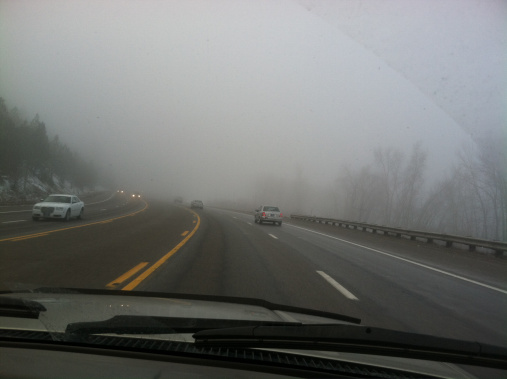
As it turns out, her new city was submerged in an inversion, which can occur when warmer air is above the cold air sending a thick blanketing cloud cover down near the ground.
My friend felt stifled inside of the inversion, claustrophobic even. She said it felt like the sun was just a memory. But one of the foremost things I love about this friend is that she seeks to see the spiritual message in almost everything. And so, under this inversion, she wondered what life lesson, what spiritual message, what guidance she could receive from this new experience. I think the answers she found were beautiful, aware, and worth sharing. Here is some of what she wrote:
“No vision of what’s ahead or what’s been or what’s going to be. …And yet the sun and clear skies are right there. Just a couple miles above. … The Son is right there at the top of the mountain but in this layer of smog it’s difficult to decipher that God is so near. It feels as if hopelessness and sadness and depression is trapped inside this thin layer that won’t lift. … I mean, the Son/sun is everywhere but you can’t see it.”
“Clarity is just above your problems. Hope is there.”
I share this with you because I hope that you can also relate to what she’s experiencing. Not just the occasional dreariness and hopelessness of course, but also the remembering that the sun is always there. Hope is always there. No matter what your circumstances are, clouds lift, things change and new days come before.
I send a big THANK YOU to my friend, who is hanging in there and being always a positive influence in my life and in many others’ as well. Love you, ~~~A Wave~~~!!
“The imagination imitates. It is the critical spirit that creates.” ~ Oscar Wilde
Imagination vs. Critical Spirit is the theme for July here at the BeZine. I’ve been pondering these words and what they mean. When I first read the above quote, every creative cell in my body yelled, “Nope!”. I decided to live with the idea for a little while, to make sure that I wasn’t just reacting out of instinct to protect my own view of “Imagination”. It continued to bother me, so I did what I always do in cases where I’m having a problem with Art: I consulted my own, resident expert, my mother. She has been an artist longer than I have been alive.
It was no surprise that we were both reminded of another saying, “Nothing new under the sun”, which comes from Bible scripture in Ecclesiastes 1:9 — “The thing that hath been, it is that which shall be; and that which is done is that which shall be done: and there is no new thing under the sun.“
Image borrowed from 67notout.com
If one takes the view that God is the only true, original creator, then yes, of course anything we create is going to pale in comparison and be just imitation. But we’re also told that we are made in His image, so we humans are not only copies, we’re creators, too!
Regarding Imagination vs. Critical Spirit, the thing to remember is that both are subjective. Each one of us has a different “version” of both imagination and critical spirit. So our truths about what constitutes each one are subjective, too.
It not only depends on your definition of “Imagination”, but also depends on how you define the two words “Critical Spirit”. Most people hear or read the word “critical” with a negative connotation, but I don’t think Mr. Wilde meant it in that way. I think he meant that internal editor/analyzer who is judicious of what is created in an attempt to make it better. Others might believe that the words refer to that divine spark inside all of us that strives to attain divine perfection in whatever we create (which is perhaps when the focus is more on the word “spirit” than “critical”).
Wilde’s quote comes across as reductionist to me, while I prefer a more gestalt point of view. I can’t help but be a little defensive of the imagination, because it seems that he favors the “critical spirit” and labels the imagination a mere imitator. In my opinion, BOTH are equally necessary and important for creative art. Something my mom mentioned in our discussion stood out to me as a good way to describe it.
Daisy painting by Delmus Phelps from easy-oil-painting-techniques.org
She said, “A realistic painting of a yellow and white daisy is an imitation of nature, with little creativity, but rather skill mastery.
A painting of a daisy with a rainbow of colored petals, would be an imitation of the natural shape, but would also employ the critical spirit through imagination and be more creative. It would ask the question: What if?”
Image borrowed from wallpapermania.eu
I think this is a good explanation, because that “what if” is the very essence of the critical spirit, the voice inside that analyzes and asks how the creator can make it different, better.
However, the imagination has to dream that it’s possible, first. In that sense, I disagree that the imagination is a mere imitator. I think of it as more of an instigator, a jumping off point from which countless “what ifs” are possible.
In closing, I’d like to offer a different quote about imagination:
“Imagination is the beginning of creation. You imagine what you desire, you will what you imagine and at last you create what you will.” ~ George Bernard Shaw
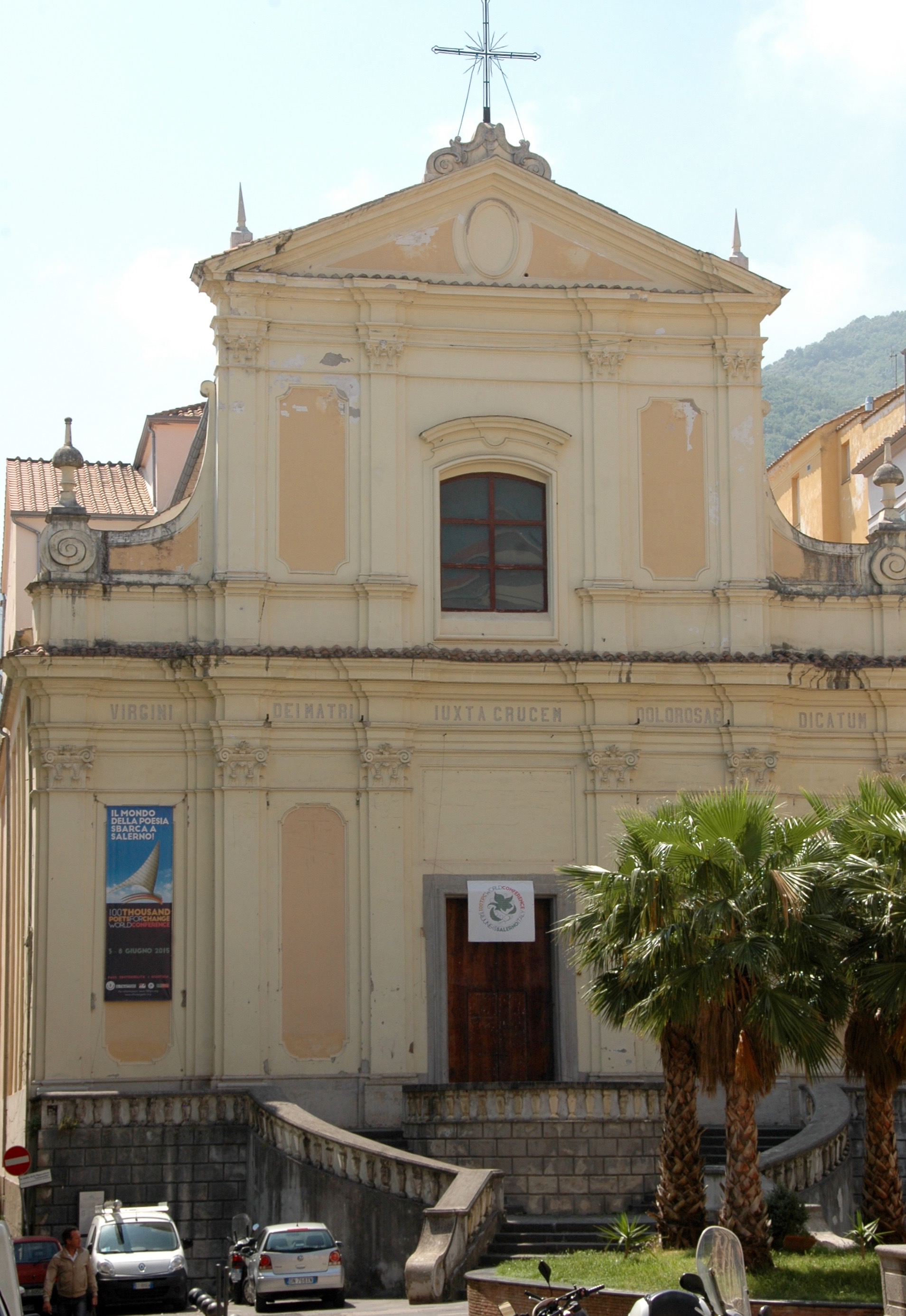
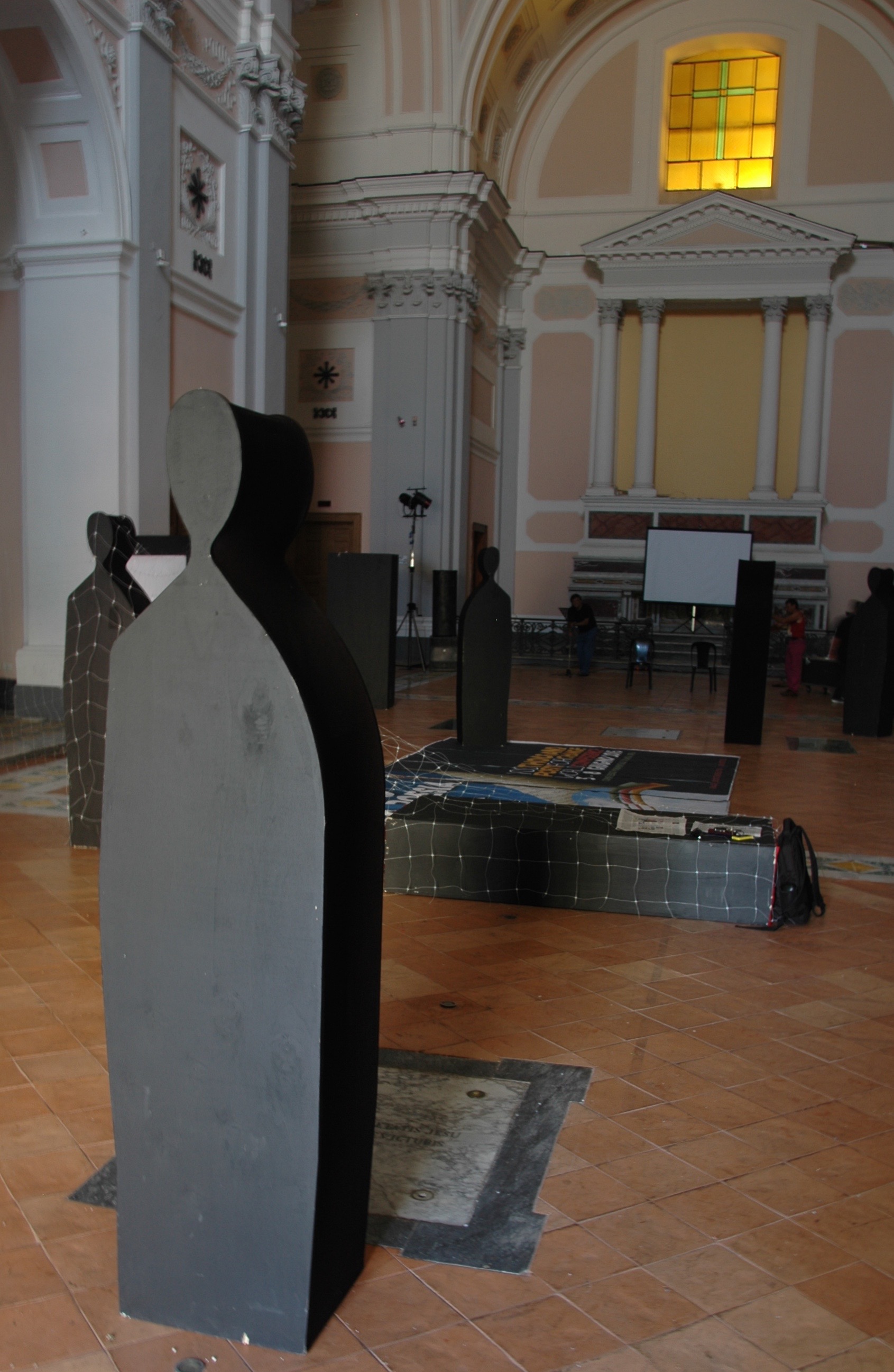
100TPC World Conference BannerSanta Sofia Complex, Salerno, ItalyInside the Santa Sofia Complex
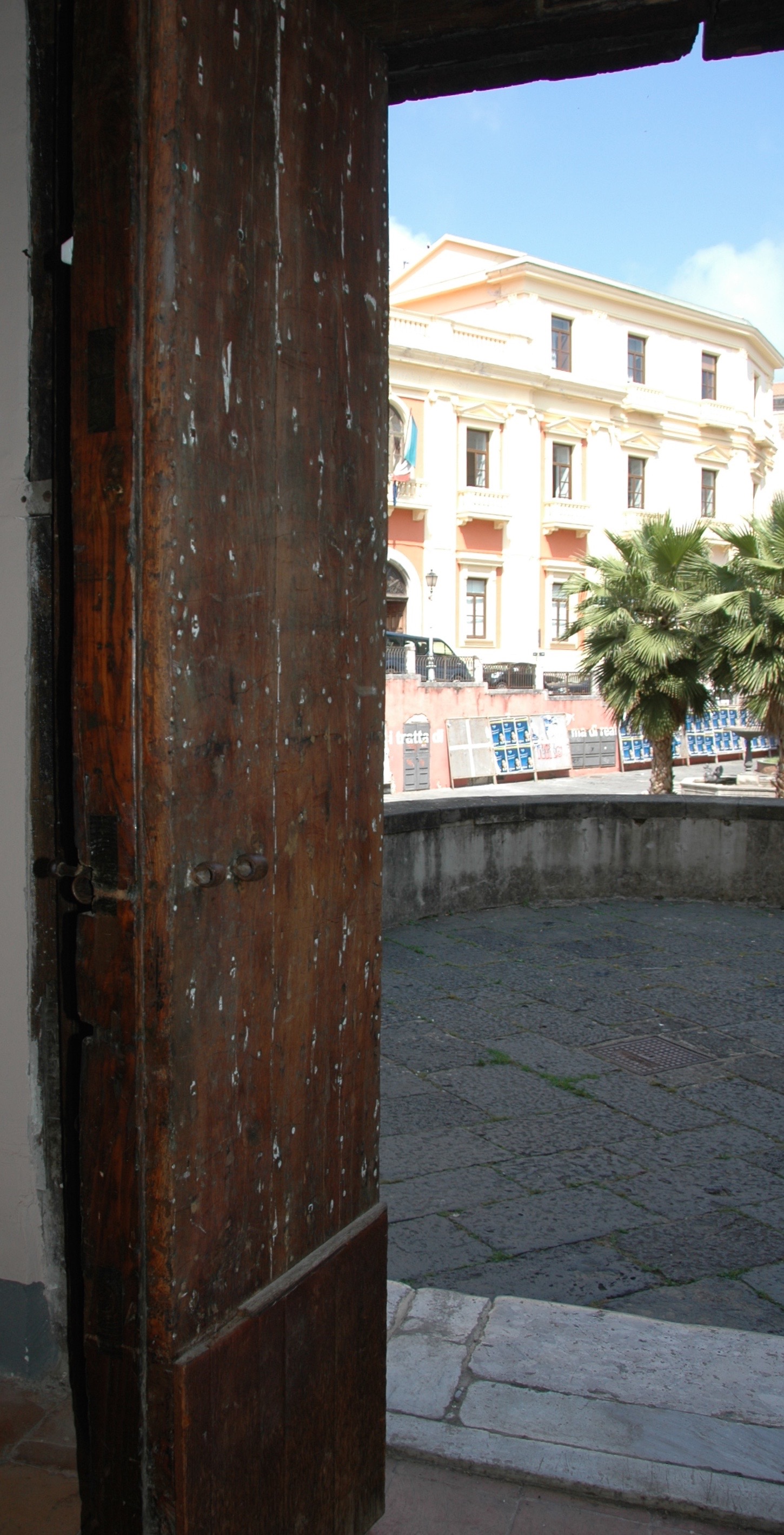
June 3, 2015, the afternoon after I arrived in Salerno, Italy, I found my way up to the Santa Sofia Complex, an old church on a square with a fountain.The first 100-Thousand Poets for Change (100TPC) World Conference would begin with an opening reception in the evening. In the complex, I met Terri Carrion, one of the co-founders of 100TPC and co-organizer of the conference. She told me that her partner, Michael Rothenberg, was around the corner at a cafe meeting one of the writers who had just arrived from Macedonia.
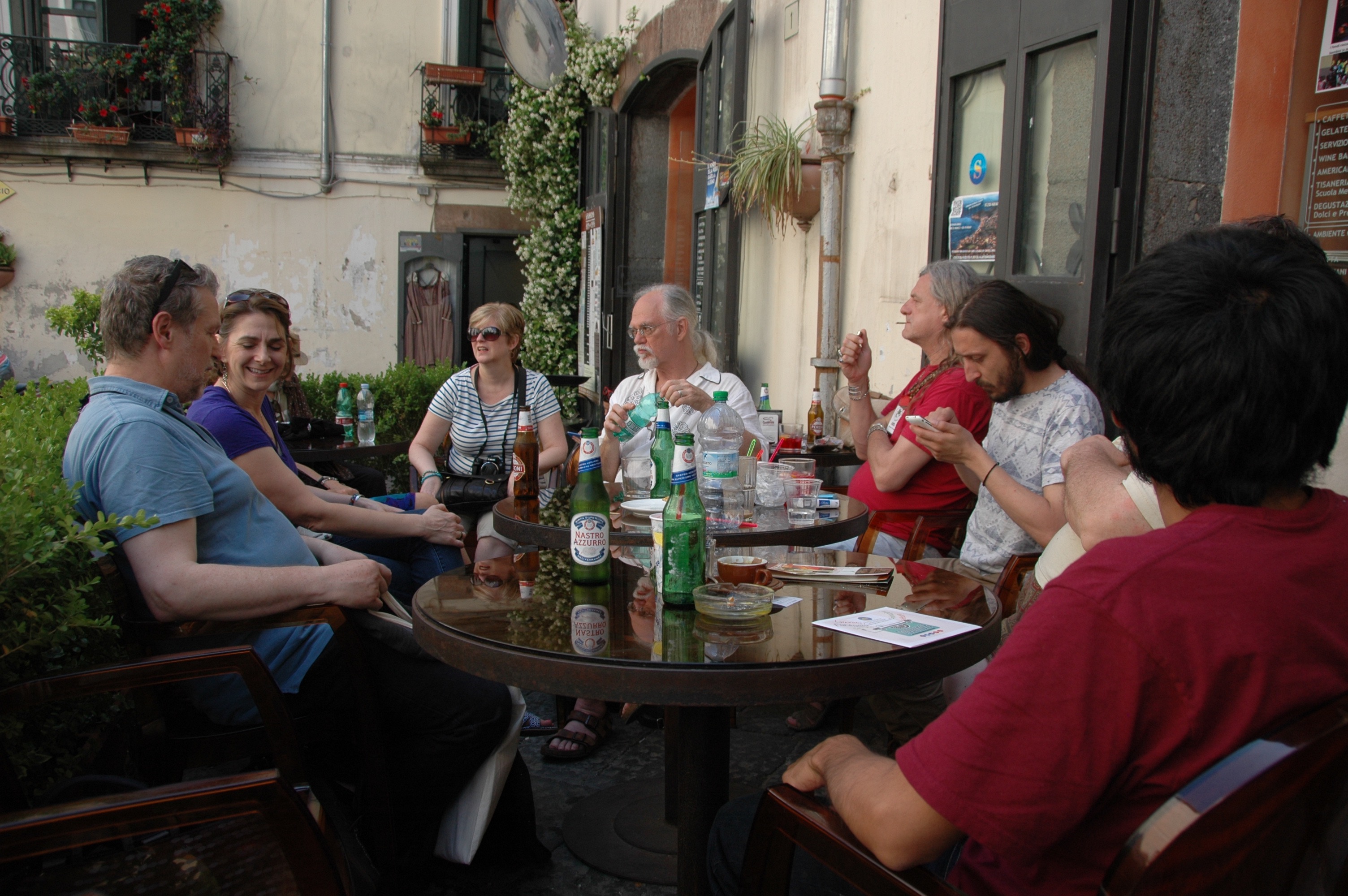
Poets gathered at tables in a cafe, Salerno, Italy, 100TPC World Conference
After helping Terri and Valeriano Forté, a Salerno poet and 100TPC organizer, assemble some tables in our meeting room, I wandered down to the cafe. Several poets gathered at tables in excited conversation. Michael was with Mitko Gogov, the poet from Macedonia. Others were from the U.S., Mexico, Hungary, Germany (via the U.S. and Rome), Greece, Malaysia, and France. And this was just the beginning. All of the people at the cafe then I now count among new-found friends, along with many more that I met during the following week.
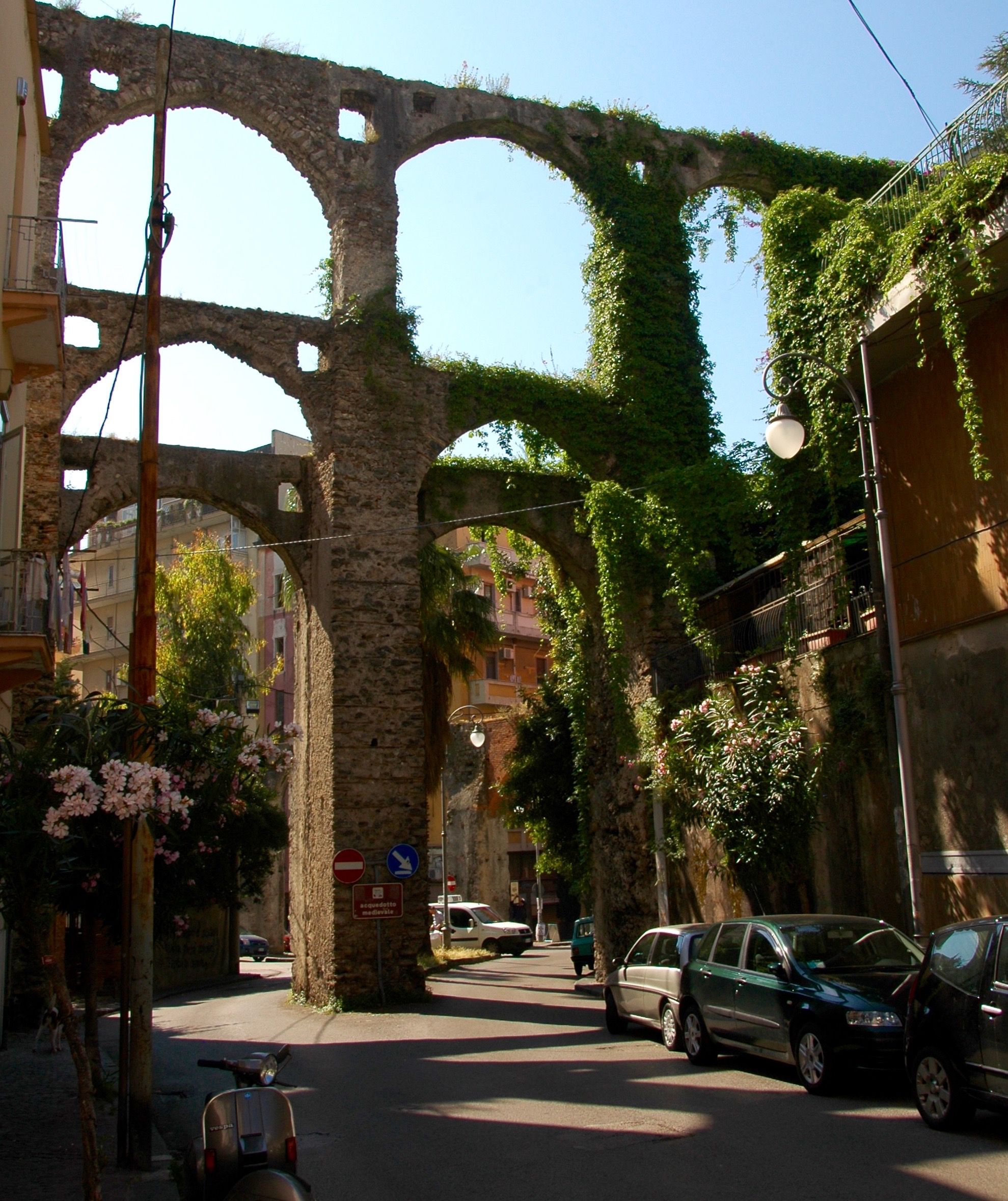
Aqueduct Salerno, Italy
Imagine, if you can, more than 80 poets from all over the world—every continent, 33 countries. Imagine poets from every generation, spoken-word artists, poets with books or no book, all come together to share the spirit of poet-activists, as 100TPC organizers. Now imagine us all talking about poetry, about arts and activism, women’s issues, oral versus print traditions, and organizing—with interpreters translating into Italian and English. That’s how our four conference days were (mostly) spent.
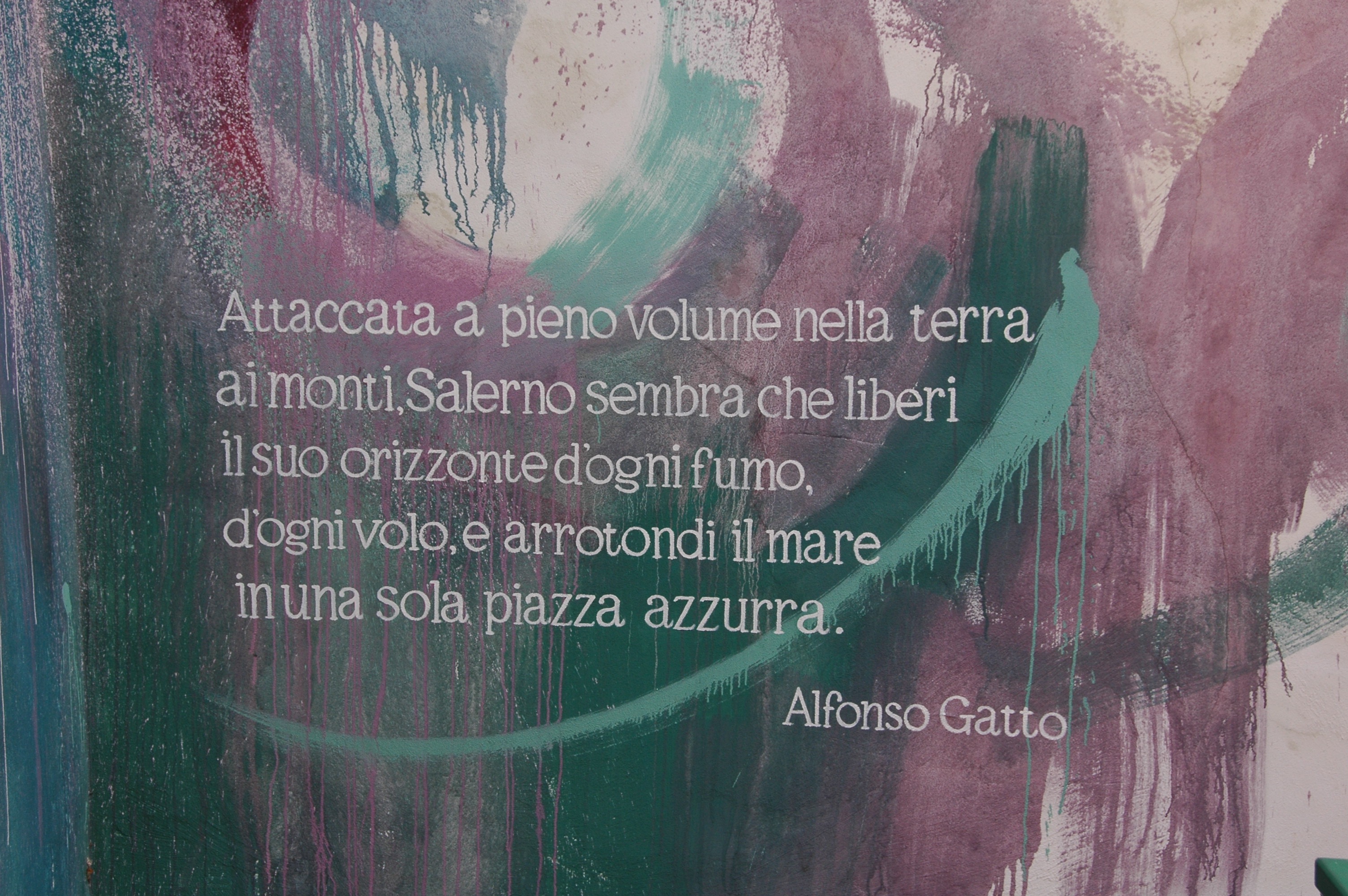
Alfonso Gatto Poem Detail from mural in Salerno
Those were scheduled topics. Another one came up—artists’ international mobility. Several poets had their visa requests turned down by their home countries or Italy. So we rejoiced when three poets from Egypt finally received their visas at the last minute and arrived during the conference. Some who could not make it joined us virtually by posting to social media. For the next conference, we plan to be more prepared for this issue, and to have both advice and, if we can raise them, funds to assist people.
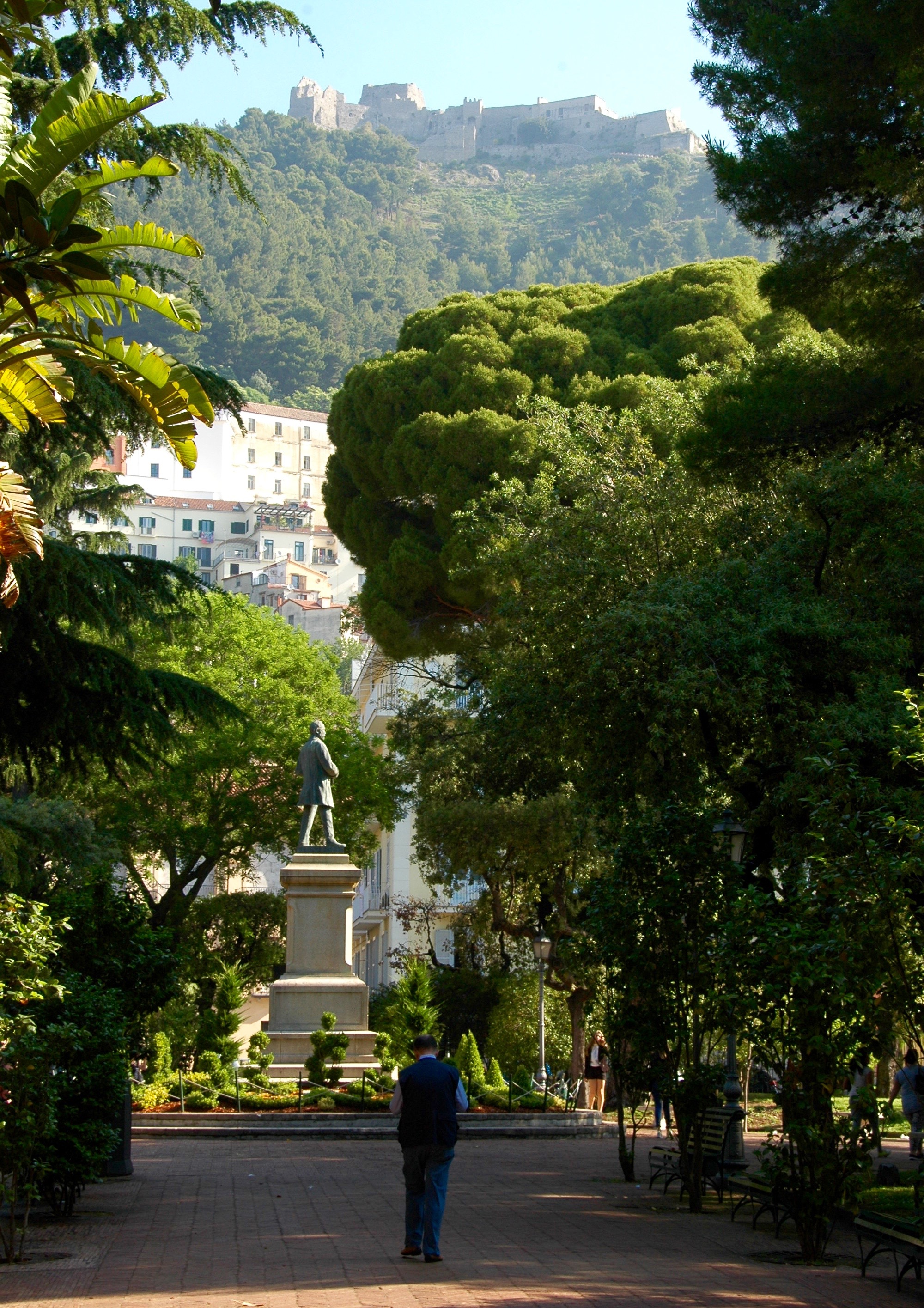
View of Salerno
The days tended to serious dialogue on sustainability, peace and justice. The evenings (and a couple of afternoons) overflowed with poetry. Each evening, several poets read as “scheduled” readers, usually after dinner. Then came the open mic—which ranged from raucous readings to a quiet “campfire” around candles to a poetry walk from the complex to the sea. The open mic that I co-hosted with a poet living in Malaysia and a Ghanian poet was in a restaurant, the last reading of the conference.
Light and Shadow Along a Salerno StreetStreet Art, Salerno
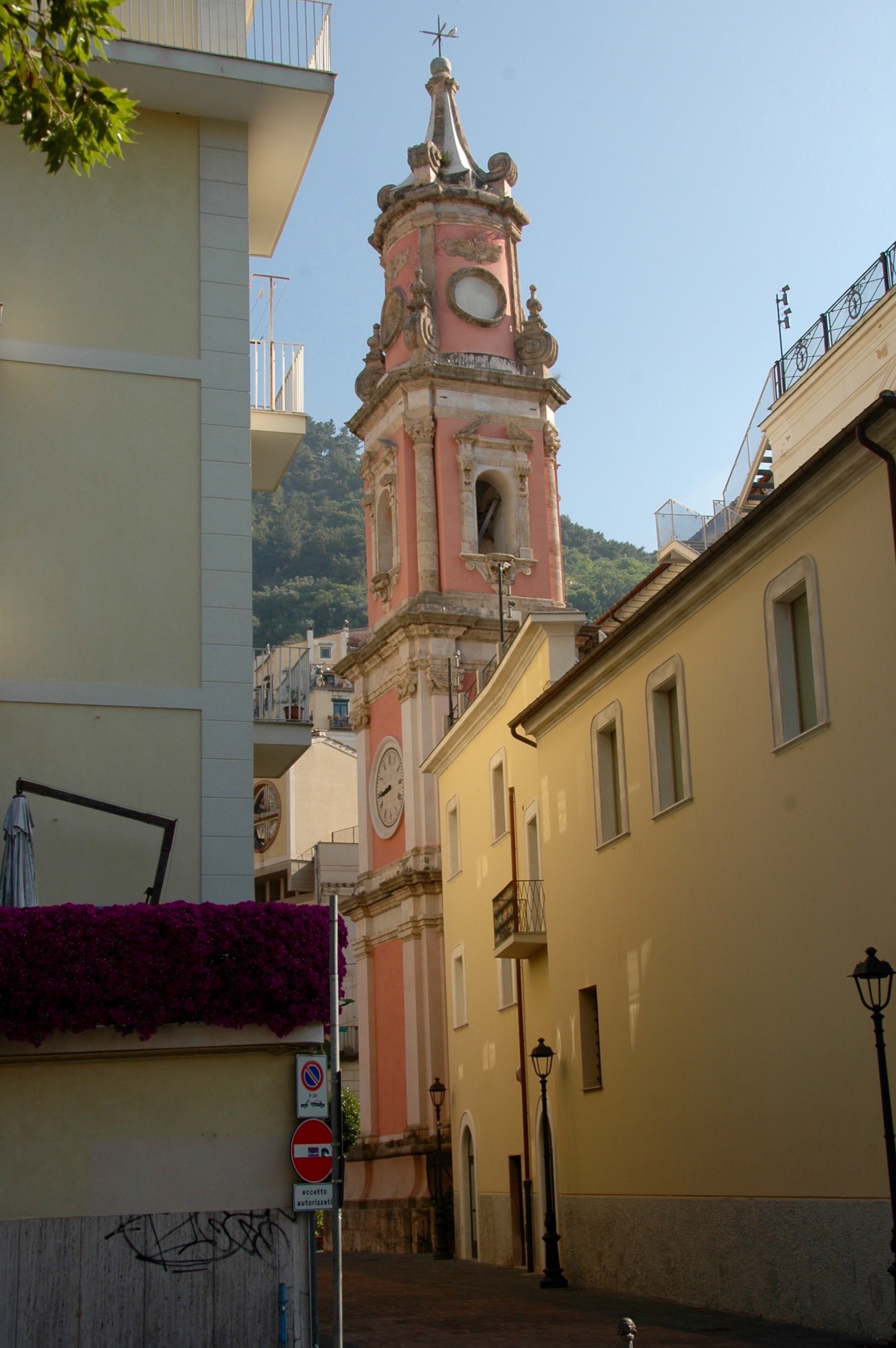
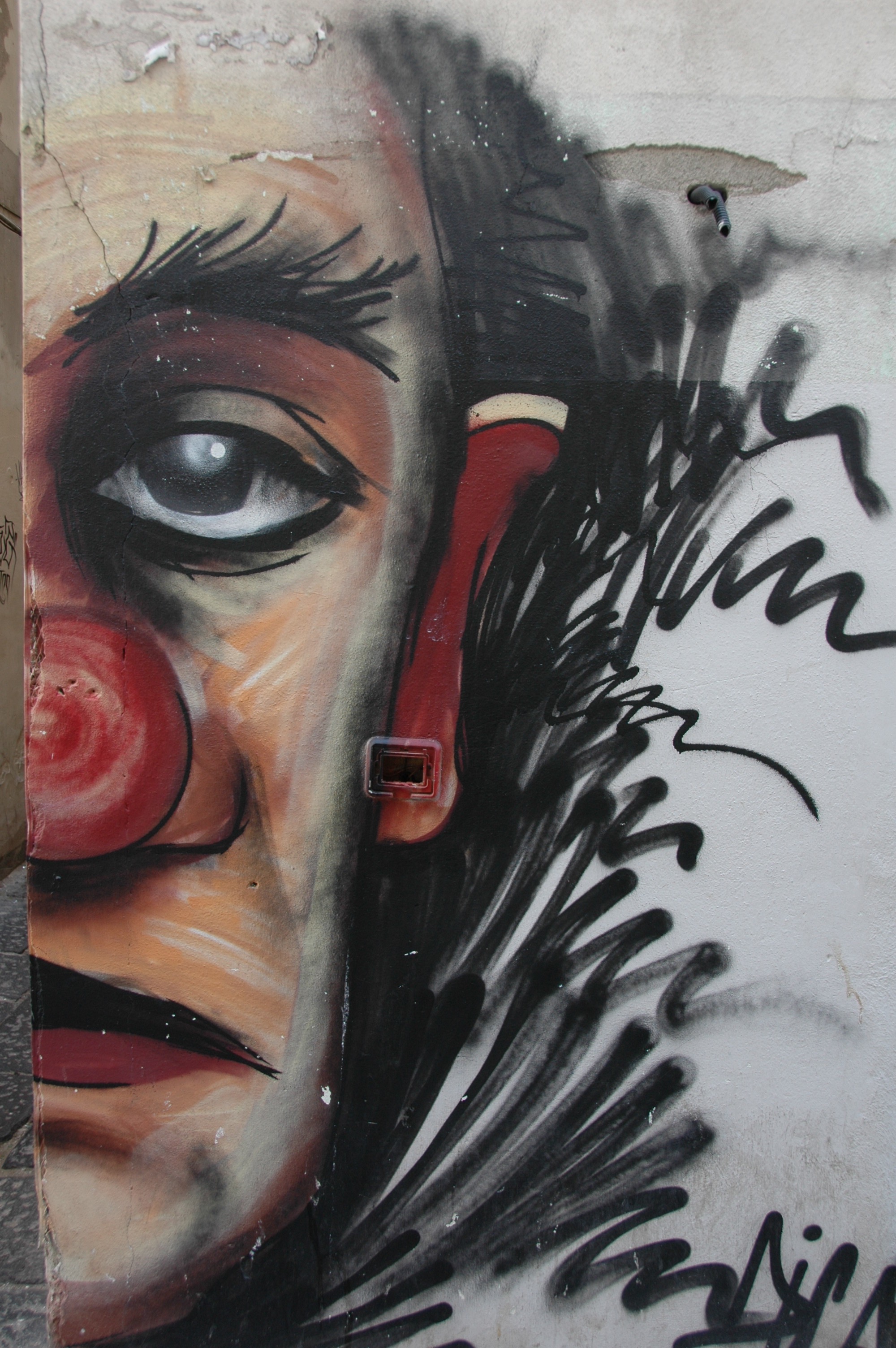
And what of Salerno? Salerno won our hearts—an old city with a castle overlooking it that once was ruled by a warrior-princess; the home of Alfonso Gatto, an Italian poet whose poetry appears in murals by contemporary artists all over the town via the Alfonso Gatto Foundation (a sponsor of the conference); a town nestled between mountains of alleyways, stone walls, beautiful squares and the sea; a song of bells, sea gulls, swallows; a haven for street artists and poets.
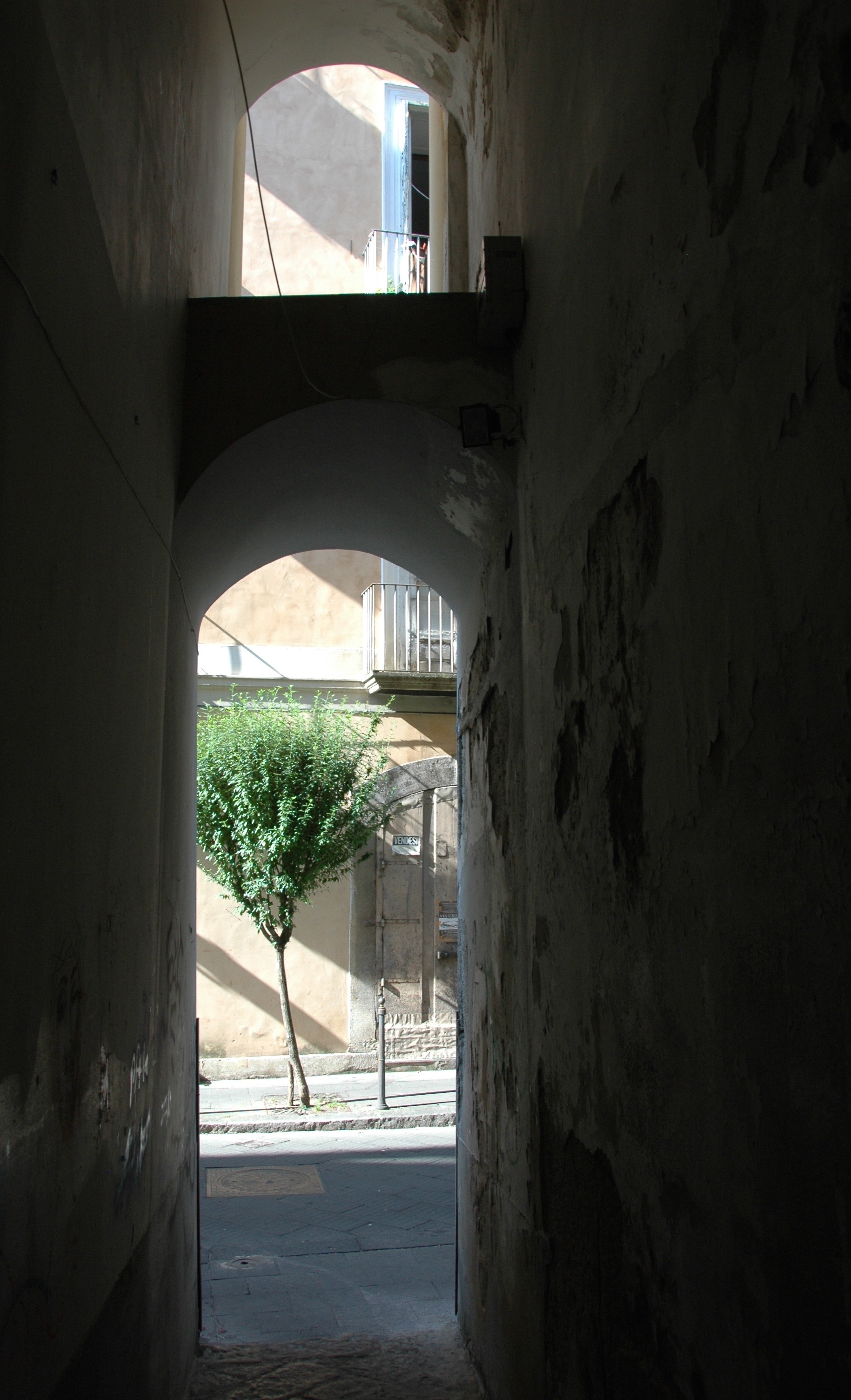
Arch and Tree Salerno, Italy
The night following the end of the conference, many of us still in Salerno took over most of a small restaurant around the corner from the Santa Sofia Complex. Not wanting to let go of our transformative week of amazing global poetry, we began an impromptu reading, some reading from books of others, some reading our own work. A couple from the town, not part of our conference, sat at one of the tables listening, and then the man asked if he might read some of his work in Neapolitan. He recited his work, then line by line he read the Italian with someone translating into English. Poets attract poets.
So, in two years, we plan to return. Writer-artist-activists reading this, perhaps you’d like to join us?
So today I wrote a poem for you,
because if I didn’t, I’d forget
these words. I’d forget the times
I wondered if you were there,
forget how I once lost my voice
yet still sang for you anyway.
I’d most surely forget my way.
I can’t give much more than this,
and most of it is dust,
some sparkling still.
It illuminates the dark
under my bed, the walls
and even the ceiling
upon which I wrote this.
And it lights the path
back where this journey began.
Or maybe I’m just too old
to understand it never did.
So many things to say so many bargain books,
books online, bookshops
turning into used books,
book store-chic nostalgia
as the textbooks turn
electronic, old books
burn to heat the house.
And no one wants to buy books anymore, so many free books—
a book free of thought
free for all, English poems
in demand among poems
of love, poetry for kids,
a poetry book less desirable
unless it’s a free book.
Poetry out loud only a YouTube search away,
poetry book publishers
self-interested producers
of self-publisher havens.
Yes, I, too, published
myself, songs, words
of myself or not.
Social media poetry, now forms the foundation of the poetry
python code, and poisons
poetry-sale fashion—
those poetry clothes
more wanted than
another book of poems.
Poetry journals for sale on the internet arrive
in email, another poetry
sale item, sales statistics
of rare poetry antique
images of zeros and
ones, sad poetry in those
Poetry, Texas, homes
selling real estate poems
while words rest
in the bedrooms
on tables—piles of
Dante and Morrison,
Creeley and Bishop,
Lennon and Sexton
writhing on the floor
while old poetry book sales, those free books,
fuel a fire hotter than
what we will ever know,
more intense than what
we will ever feel. It is this
that changes and doesn’t
change everything and
nothing all of the time.
This is the real business of poetry, the free poetry
of business mere gold dust.