My mom died twenty-two years ago this month. She has been much on my mind these past few weeks.
squeezing a penny
my mother never knew the names for things
the trees were just trees, the flowers just flowers,
but she knew life as a sigh and love as a linchpin
and how to get to work and maneuver in the dark,
she could squeeze a penny and was known to force
tired feet into worn shoes, she could make them dance
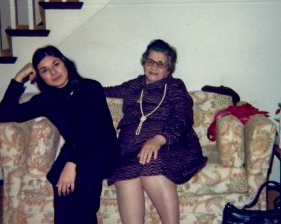
Mom and Me 1950, Brooklyn, NY
sleeping without walls
camp that year taught the art of sleeping outside
sleeping without walls, watching the stars and moon,
gathering dreams from sunsets and morning dew
we slept in bed-rolls configured of old white sheets
and army blankets made of itchy khaki-colored wool
i wondered if my uncles slept on them during the war,
as I wondered about many things, many things …
and that summer held other delights, climbing trees
and eating cherries without washing them, oh!
and there were blueberry bushes and fig trees and
i lined the path to our food hut with odd sunday stones,
my own bare prayer while the big girls were at Mass,
i marveled at my middle-aged mother’s plump knees
and marked her spirit for wearing shorts and for her
joining in children’s games and singing ‘round the fire
now i wonder at summer camp morphing into metaphor ~
all our lives we did those things: gathering dreams,
mom and me, outsider artists sleeping without walls
Mom and me 1980, San Francisco, CA
in the shadow of the moon
like lucid dreaming, like light-infused rain drops and
the untarnished silver stars above country terrain,
my mother calls to me from the shadow of the moon
my father beams his smile at me from the milky way
gone and gone, still their essence scents my nights
JAMIE DEDES ~ My worldly tags are poet and writer. For nearly six years I’ve blogged at The Poet by Day,the journey in poem, formerly titled Musing by Moonlight. Through the gift of poetry (mine and that of others), I enter sacred space.
We have been working on the Fall calendar for JourneyWorks, and ceremony has a prime place in the schedule. A couple of days ago Jennie noted that we have been a bit lax in doing ceremony since our experience with the crow. Last week I found myself in discussions with different folks about what constitutes ceremony. Maybe the persistent presence of ceremony in our conversations explains why I awoke this morning thinking about it.
We all have ideas about ceremony. A couple of years ago a couple attended our Day of the Dead ceremony. At the end of the evening they said, “We didn’t expect the evening to be so Indian.” I don’t really know what they meant; perhaps they were expecting something more Latin. Other people have asked me about sweat lodges and pipe ceremonies, neither of which I am trained to do. I’ve noticed many folks seem to equate ceremony with the ceremonial traditions of Plains and Southwestern peoples. That makes sense as those are very powerful traditions that are well documented.
We do ceremony that arises from shamanic training. Usually it is pretty straightforward. We light a fire, acknowledge the Directions, and request the presence of the Creator, Ancestors and spirits. We offer food, water, and tobacco, and light sage. Often we drum and journey. We give thanks for our lives and the bounty of the land, ask for healing for those who wish it, and close the altar, expressing gratitude to all who have participated. The altar is simple: a crystal or two, a few stones, flowers, and the other offerings. After the ceremony those present share food, stories, and dreams. It’s simple.
One of my teachers used to say that all that is really needed to create an altar is a single leaf from a supportive tree. Maybe the more elaborate ceremonies we humans create are simply extensions of that elemental altar and the relationships with ALL That Is the altar represents. After all, the altar is just a simple, sacred map of our relatedness to all of Creation, a reminder that we belong.
A decade or so ago I found myself in a cave in the heart of the Brazilian Amazon. My teachers had told us the cave had been a place of ceremony for 20,000 years. They lit a candle, started some incense sticks, invoked the Directions and spirits of place, sang a couple of songs, said a prayer, and we were done. The ceremony took maybe ten minutes, yet more than ten years have passed and I’m still thinking and writing about it.
Jennie and I also do ceremony reflective of her Jewish roots and Buddhist training, and my Christian upbringing. Most of those ceremonies are also brief, although there are a few that are not. I remember those same teachers expressing confusion when asked about the conflict between their shamanism and their Catholicism. They simply do not experience any discord or conflict between the two traditions, nor do they understand the traditions to differ. They would probably say that after 500 years of intermarriage, it’s all good.
As we prepare for our very active Fall schedule, it is pleasing to reflect on ceremony. Ceremony is, after all, at the core of healing, and central to the work we do. It is, indeed, good.
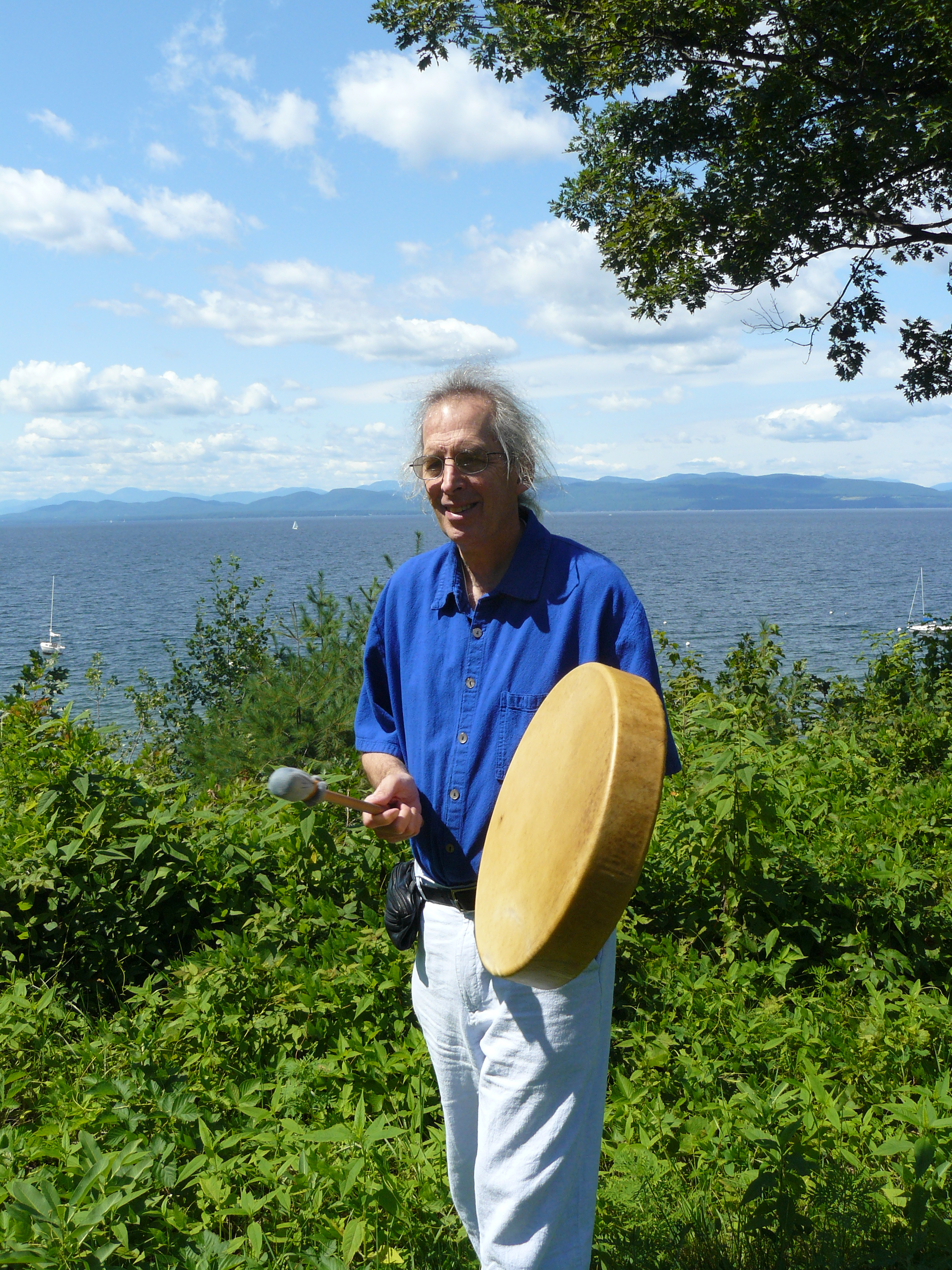
MICHAEL WATSON, M.A., Ph.D., LCMHC (Dreaming the World) ~ is a contributing editor to Into the Bardo, an essayist and a practitioner of the Shamanic arts, psychotherapist, educator and artist of Native American and European descent. He lives and works in Burlington, Vermont, where he teaches in undergraduate and graduate programs at Burlington College,. He was once Dean of Students there. Recently Michael has been teaching in India and Hong Kong. His experiences are documented on his blog. In childhood he had polio, an event that taught him much about challenge, struggle, isolation, and healing.
Metastasize;
an awkward word,
vowels lurking with malice
between those rock hard t’s
and stumbling past that sinister s,
into that endless z…
Even educated women know;
the seeds of broken dreams will gather
nearest to the heart
and grow
until the Gardener’s sharpened shears
snip away the wretched, rotted root.
That puckered rose, that brutal scar,
my brave and beautiful friend;
wear it as a medal:
triumphant, survivor, heroine!
– Cindy Taylor
Minnie Julia Riperton (1947-1979), American singer-songwriter: In January 1976 Riperton was diagnosed with breast cancer and underwent a modified radical mastectomy. Though she was given just six months to live, she continued recording and touring, and in 1977 she became spokesperson for the American Cancer Society. Riperton was one of the first celebrities to go public with her breast cancer diagnosis, but did not disclose that she was terminally ill. In 1978, Riperton also received the prestigious Society’s Courage Award presented to her at the White House by then-President Jimmy Carter. She died at age 31 on July 12, 1979.
A VOICE SILENCED TOO SOON
Listen:
♥ ♥ ♥ ♥
CINDY TAYLOR ~ originally contributed this piece to us in 2011 for our Perspectives on Cancerseries. She is multitalented: a freelance writer, a poet, editor and proofreader. She also has an abiding passion for food and an endearing zeal for life, which she shares with us on her award-winning blog, The Only Cin. Cindy lives in Johannesburg, South Africa.
I am attending a retreat this weekend. I have done two exercises today that stretched my own perception of myself. I’d like to offer one to you as a Spiritual Practice geared towards finding sacred space within your own skin and being willing to see yourself.
I don’t know about you, but that can be the most difficult spot for me to discover. Somehow, I can look at others and see their beauty, but acknowledging my own beauty seems at once terrifying, bold, and that I may fall short of being that … what? That person. That human. That woman. That mother. That chaplain. That presence of comfort. Oh, I think it is true that I fall short – we all do – but failing myself at simply just seeing myself is not okay!
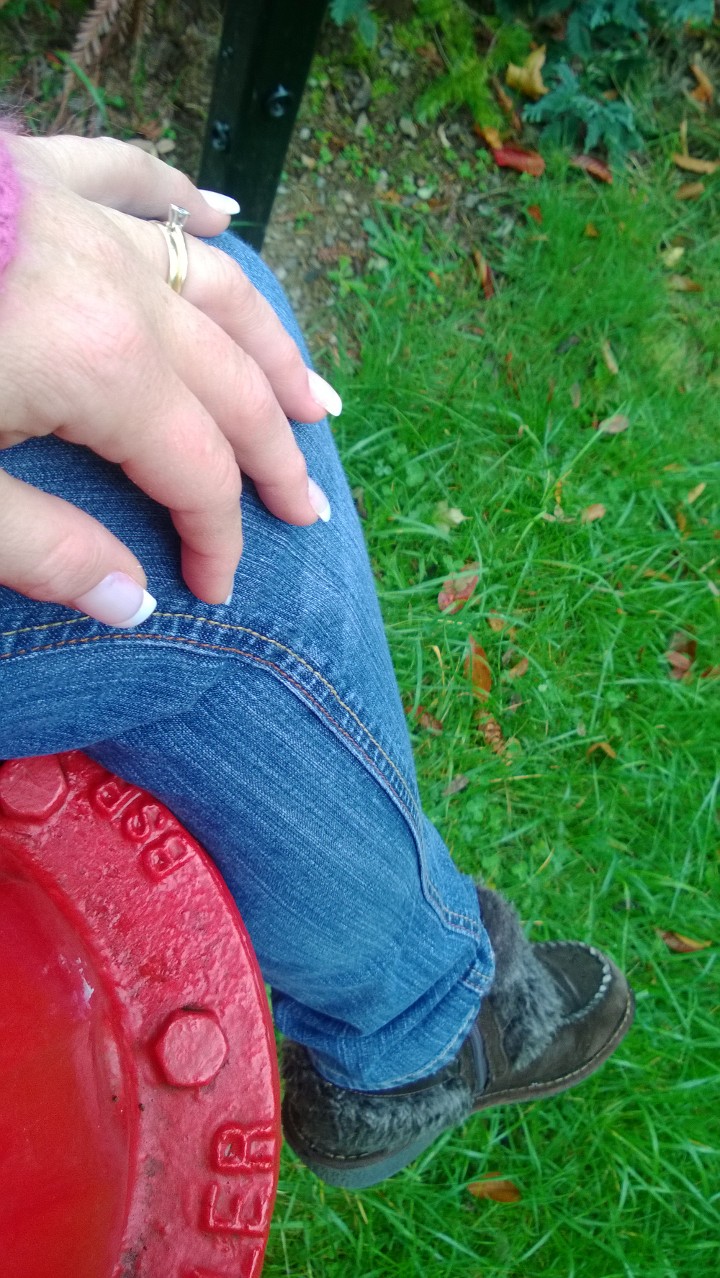
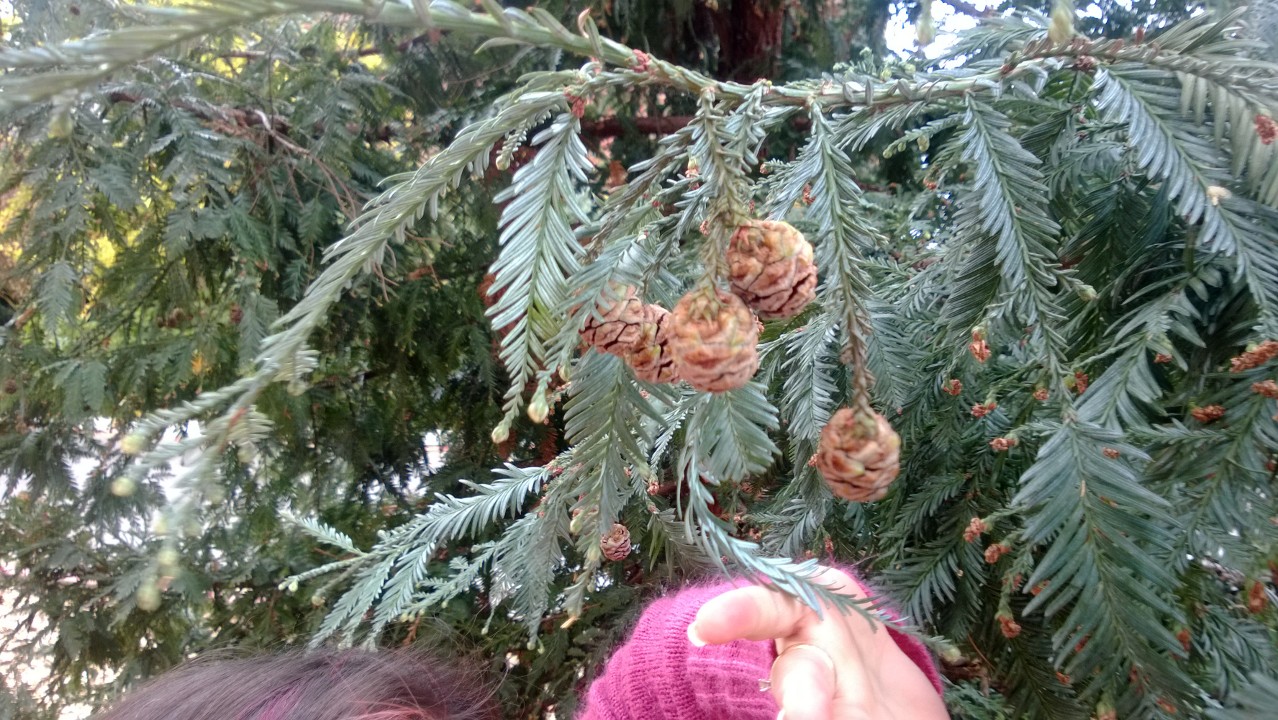
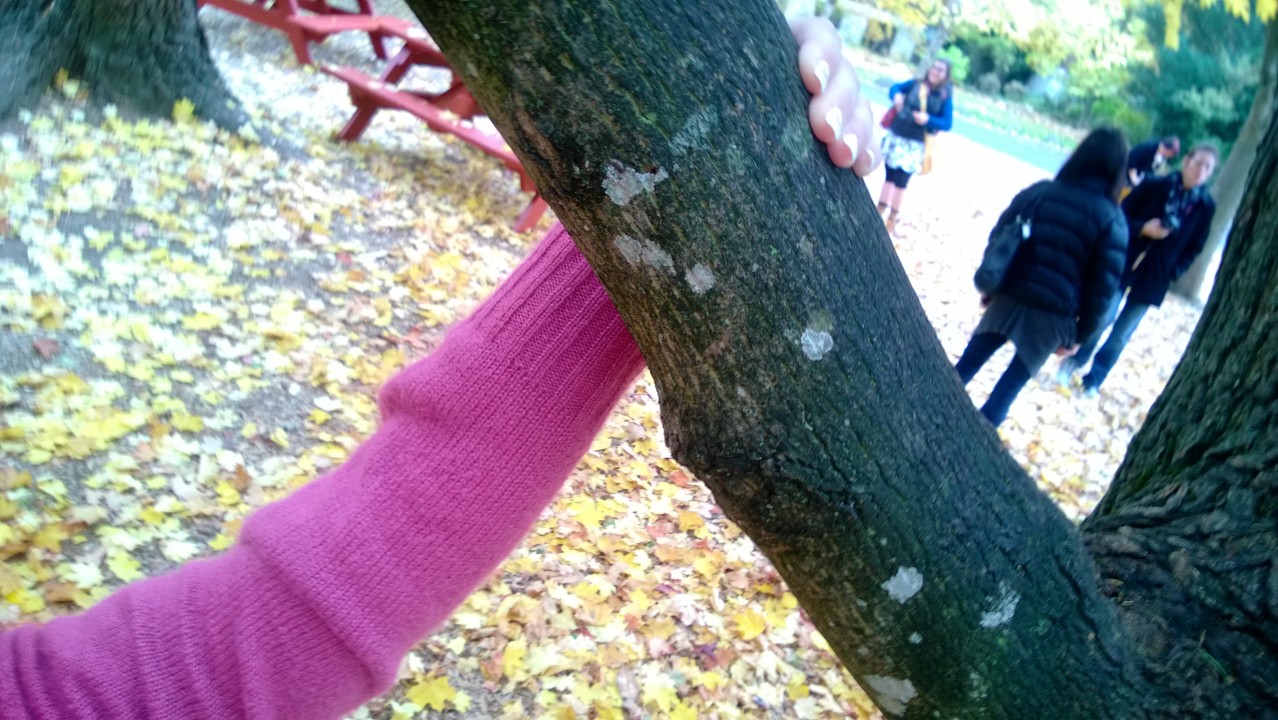
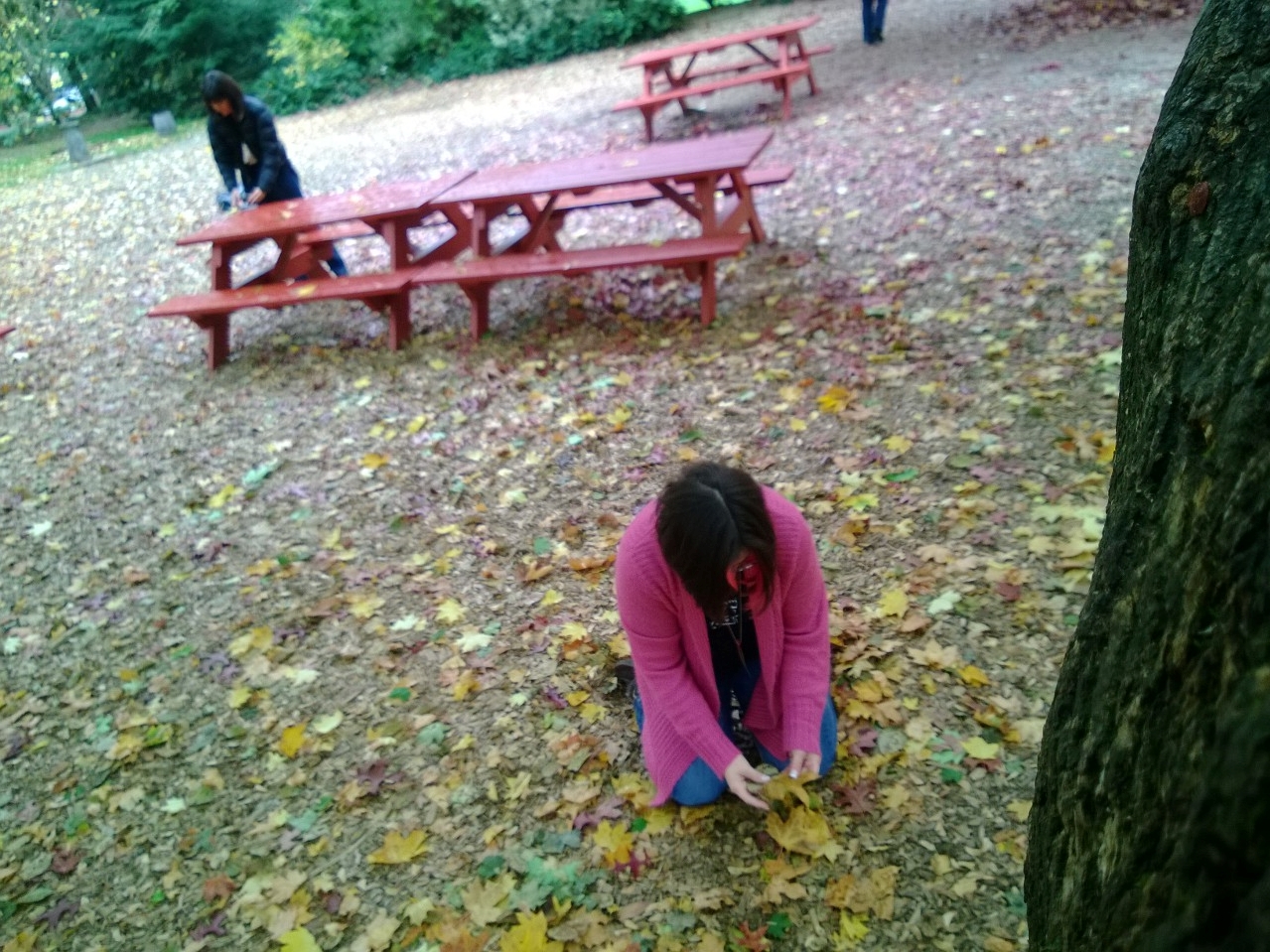
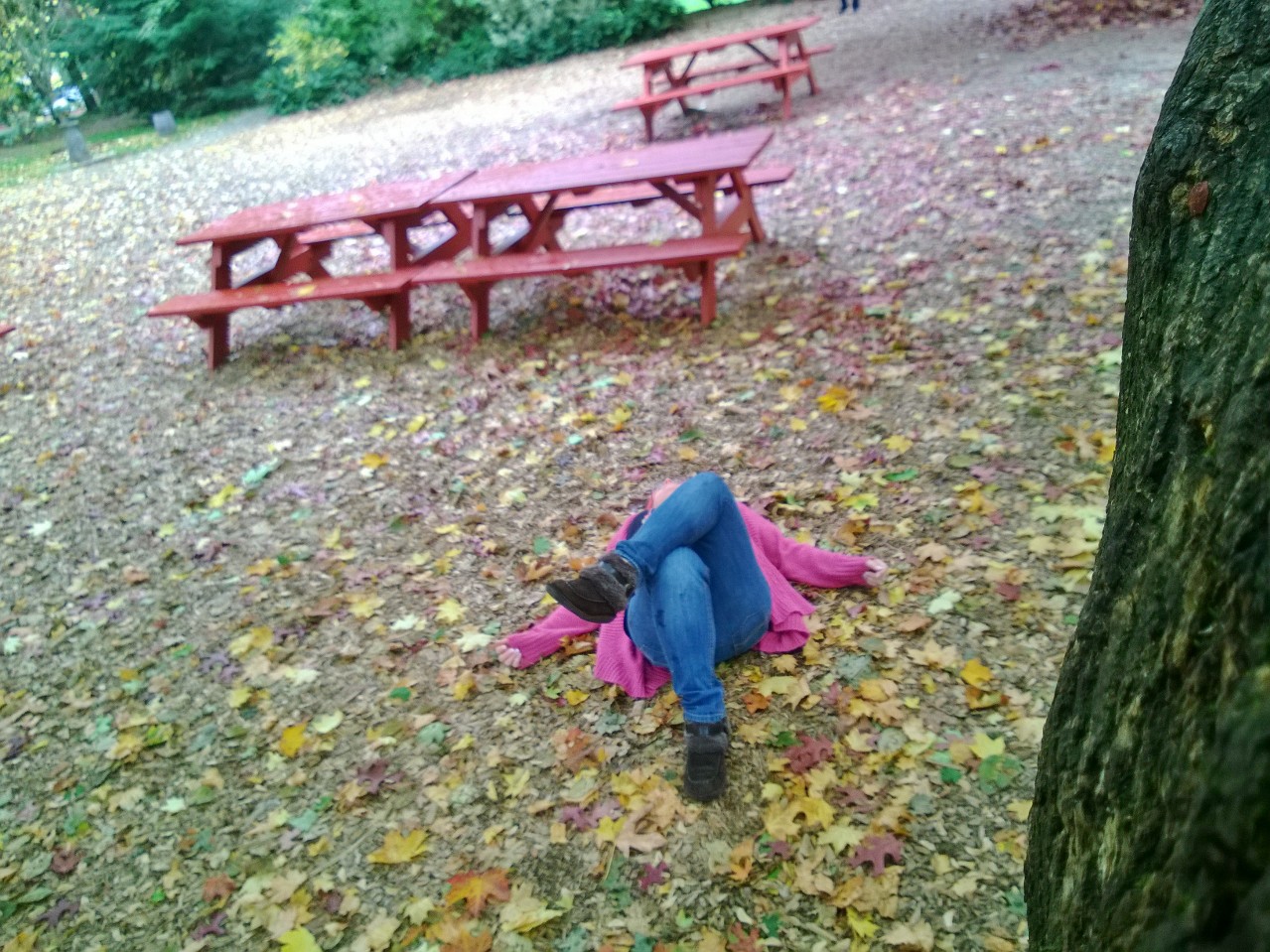
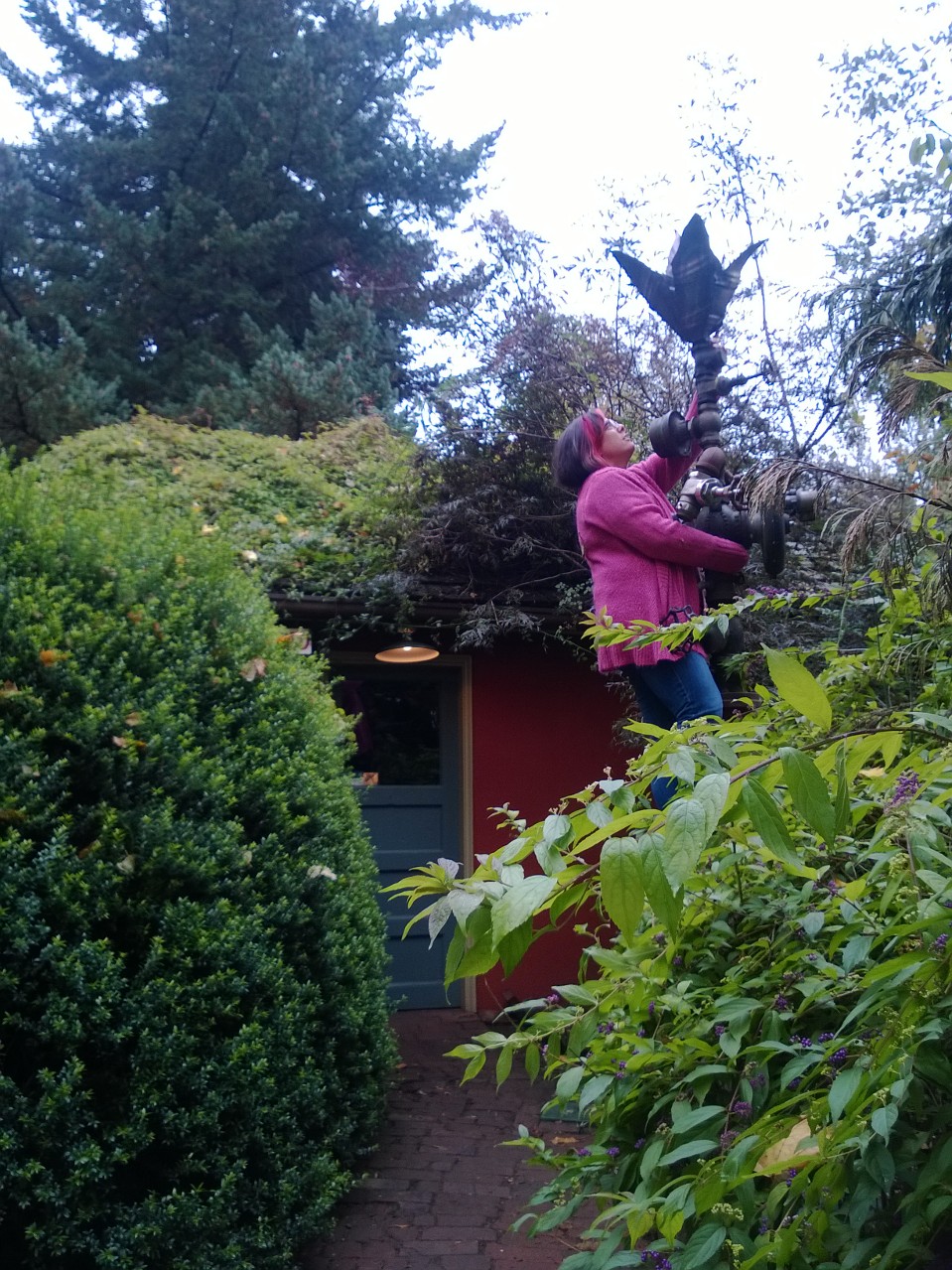
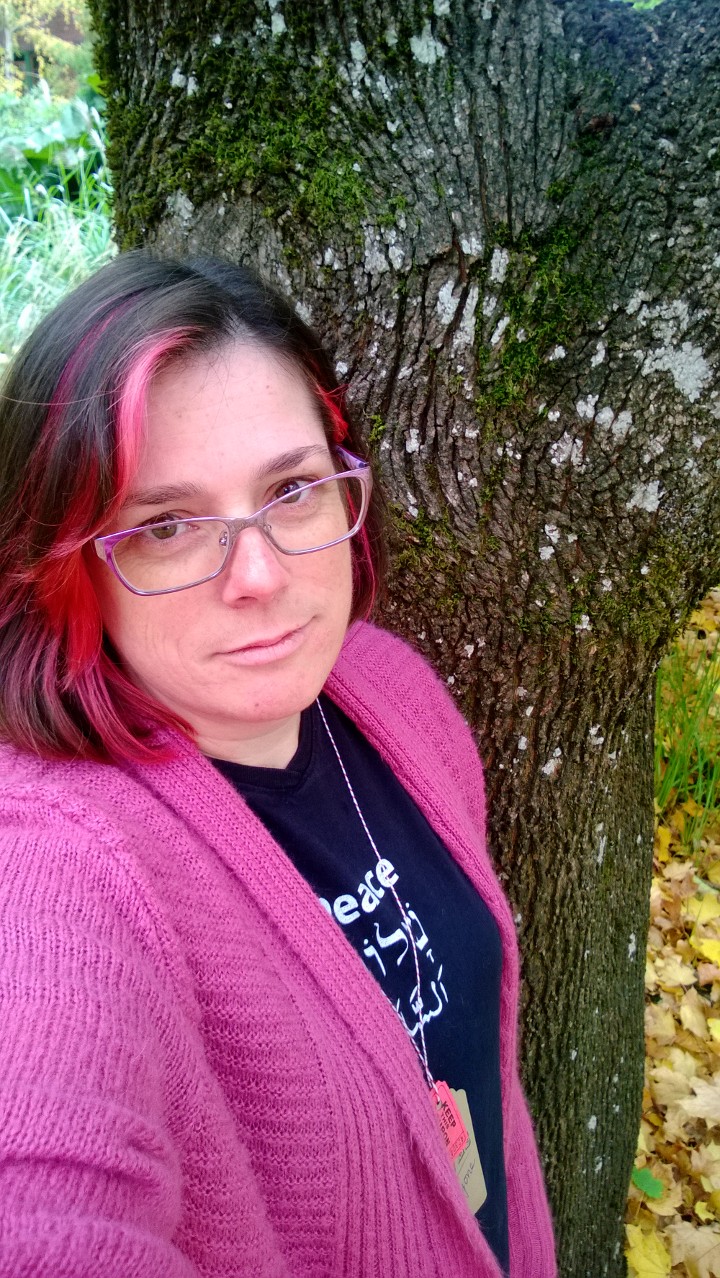
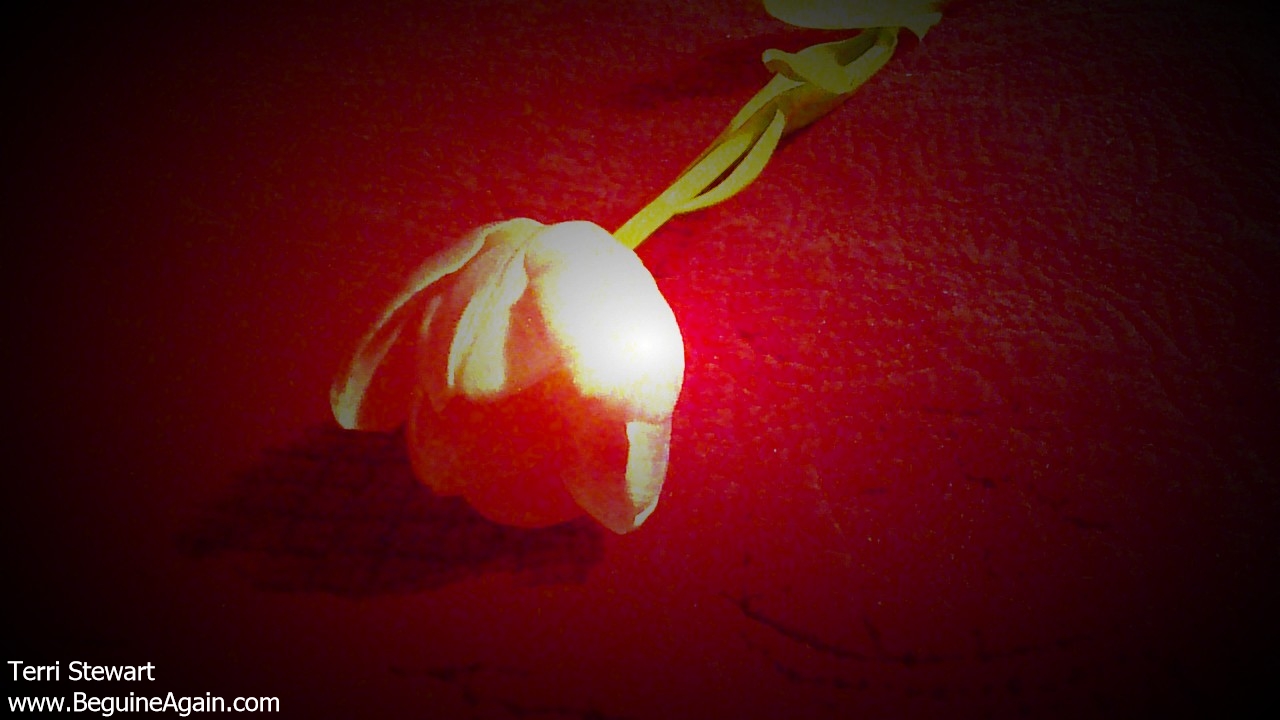
Nowhere is that more present than in the myriad of photos I have of family and family vacations. Where am I? Behind the camera. I may be in 1 in a thousand photos. Seriously. It’s not okay! This Spiritual Practice is geared at self portraiture. It is a series of photos. (None of these photos are touched up. I am intentionally resisting the temptation!)
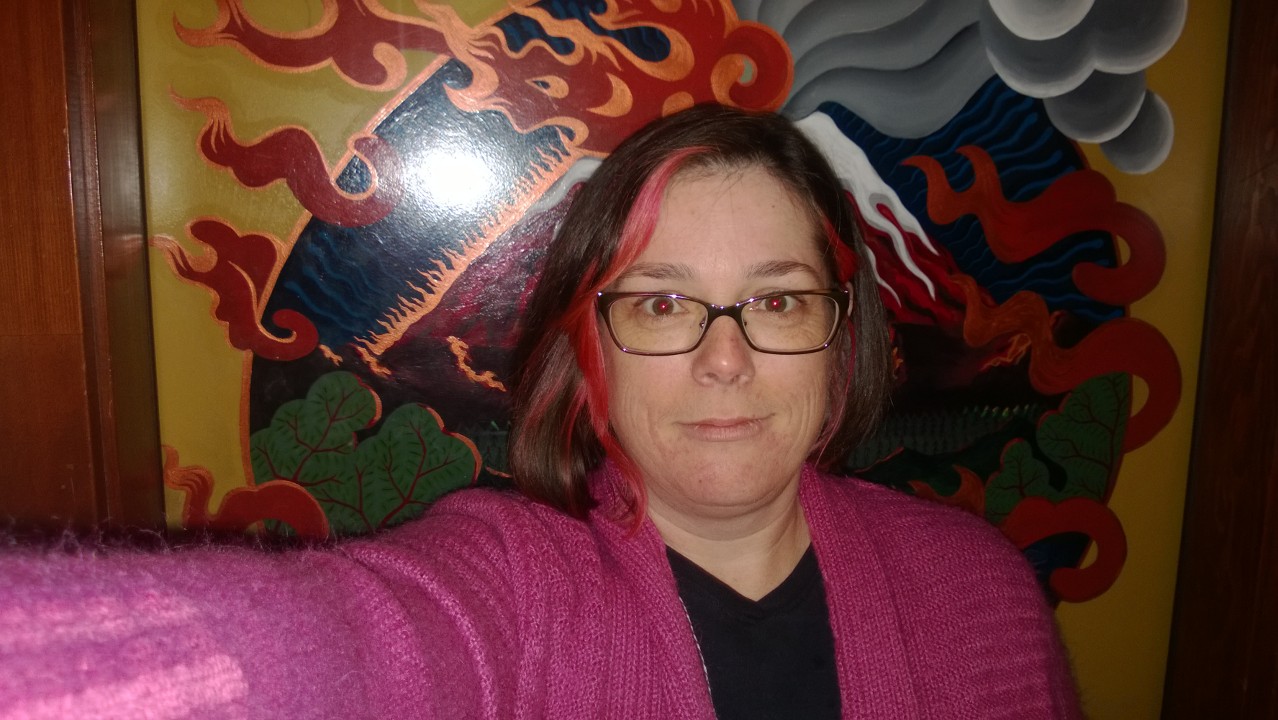
First exercise … find a place where you can intentionally photo bomb yourself with a weird background. I thought this was fun with a mural in the background. I think I can use this one when I am mad! This will let you have a humorous, gentle start!
Next, consider what a self-portrait consists of … it is any part of you that is in a picture. Gather photos of you reaching for something, holding something, stepping onto a path, you name it! Hands, feet, hair!
Next, learn to use that timer on your camera! I understand that iPhones have Gorilla and Windows phones have Auto Timer Camera. Now take full shots of yourself doing different things.
Last, look into the camera and be love. You may think of someone you love and gaze into the camera or think of loving yourself or think of loving the world. Start here. Be an image of love.
I spend a lot of time “being love” in the world. Working with incarcerated and homeless youth. But without a loving foundation that includes spiritual practices that let me see and be myself, I won’t be able to sustain compassionate action. Even the healthiest egos need times of sustenance.
REV. TERRI STEWART is Into the Bardo’s Sunday chaplain, senior content editor, and site co-administrator. She comes from an eclectic background and considers herself to be grounded in contemplation and justice. She is the Director and Founder of the Youth Chaplaincy Coalition that serves youth affected by the justice system. As a graduate of Seattle University’s School of Theology and Ministry, she earned her Master’s of Divinity and a Post-Master’s Certificate in Spiritual Direction. She is a contributing author to the Abingdon Worship Annual. (The 2014 issue just released!)
“A person with ubuntu is open and available to others, affirming of others, does not feel threatened that others are able and good, for he or she has a proper self-assurance that comes from knowing that he or she belongs in a greater whole and is diminished when others are humiliated or diminished, when others are tortured or oppressed.”
― Desmond Tutu
This irreverent music video for 70 Million, the hit song by the Franco-American band, Hold Your Horses!, offers a wink at art history. The inventive seven-member group playfully recreated twenty-five iconic paintings – can you name them all? – from Da Vinci to Andy Warhol. Enjoy!
What follows is a video using the original paintings with the artist’s name on each. If you care to, you can check it out to see if you got all the paintings and artists right when you viewed the first video.
the brown bag prophet
said
i submitted a script
for a new
television
reality show
called
the voiceless
where
a panel
of international judges
based upon
their own
personal gain
decide
on which acts
of genocide
and
human crisis
are
addressed
by
foreign intervention
saving
as
a collateral event
the lives
of innocent
women
and children
but
the studios said
that show
was
already airing
it’s called
the un
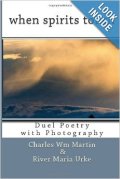
. CHARLES W. MARTIN (Reading Between the Minds) — earned his Ph.D. in Speech and Language Pathology with an emphasis in statistics. Throughout Charlie’s career, he maintained a devotion to the arts (literature/poetry, the theater, music and photography). Since his retirement in 2010, he has turned his full attention to poetry and photography. He publishes a poem and a photographic art piece each day at Read Between the Minds, Poetry, Photograph and Random Thoughts of Life. He is noted as a poet of social conscience. Charlie has been blogging since January 31, 2010. He has self-published a book of poetry entitled The Hawk Chronicles and will soon publish another book called A Bea in Your Bonnet: First Sting, featuring the renown Aunt Bea. In The Hawk Chronicles, Charlie provides a personification of his resident hawk with poems and photos taken over a two-year period. Charlie’s lastest book, When Spirits Touch, Dual Poetry, a collaboration with River Urke, is available through Amazon now.
A black and white photo is light and dark, its sharp contrasts easy on the eye.
Perhaps black and white is easier on the mind as well. No difficult decisions, no wavering, no questioning right from wrong. But real life is in color, with many subtle hues and shades. Condemned prisoners who crossed over The Bridge of Sighs in Venice got one last peek at their beloved city. Did they see their world in terms of black and white, or in color? Perhaps one’s perception depended upon whether one was looking in or out, whether one was coming or going.
It is easy to cast judgements, until you have walked a mile in another person’s shoes, looked into her eyes, heard his story. The world is not black and white. It is the color of flesh and blood, with many gray areas. What is the color of a human tear?
All images and words by Naomi Baltuck, copyright 2012
NAOMI BALTUCK ~ is a Contributing Editor and Resident Storyteller here at Bardo. She is a world-traveler and an award-winning writer, photographer, and story-teller whose works of fiction and nonfiction are available through Amazon HERE. Naomi presents her wonderful photo-stories – always interesting and rich with meaning and humor – at Writing Between the Lines, Life from the Writer’s POV. She also conducts workshops such as Peace Porridge (multicultural stories to promote cooperation, goodwill, and peaceful coexistence), Whispers in the Graveyard (a spellbinding array of haunting and mysterious stories), Tandem Tales, Traveling Light Around the World, and others. For more on her programs visit Naomi Baltuck.com
Eons ago, when I was a student nurse, I did my psychiatric nursing rotation at Patton State Hospital in San Bernardino, California. At the time, before these institutions were decentralized (and before homelessness became an issue) the hospital was a veritable city, caring for over 5000 patients. Many of these were classified as simple schizophrenics, people whose only pathology was that they couldn’t function in society (a number of today’s homeless.)
Image: deviantart.com
One day, the instructor gave us an assignment to spend a day, journaling ALL our thoughts. By the end of the day, I was ready to self-commit myself. I learned that my thought processes, feelings, perceptions—all flit about like the bees and hummingbirds in our flower and vegetable garden. The object of the exercise was to show us that there was a very slim thread between those of us who thought we were normal, and our patients.
In the post-realism period of literary history, the era when James Joyce, William Faulkner, Marcel Proust and other literary greats emerged and opened the door to modernism (1930’s and 1940’s), stream-of-consciousness writing became another literary device in the tool box of both fiction writers and poets. More contemporary figures in the world of poetry who turned to this technique include Jack Kerouac and Sylvia Plath. In stream-of-consciousness writing, the poet or novelist turns to the flow of ideas, observations and emotions that invade our consciousness. Novelist Virginia Woolf described this process as “an incessant shower of innumerable atoms.”
Photo: sameeart.com
This type of writing often produces a fair share of challenges for the reader who may struggle to find a sense of connection between one thought and another. With careful reading, it may become apparent, or maybe not.
Here are a few hints to help you work with reading and writing poetry or prose that uses the stream of consciousness technique.
Choose a topic. You might think of a person, and activity or even a dream. Take a walk, go someplace public.
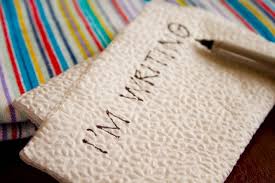
• Write with pen or pencil on paper. Draw pictures. You may even choose to use your writing journal to jot down your own little (schizophrenic) episodes.
• When you write in your journal, be different. Write with your non-dominant hand, write all over the page, not just in lines, write from bottom to top. Write in spirals or shapes. Forget grammar and syntax.
• Review your writing for any connection you can discover between words and phrases and see where your poem will take you.
• Put your work aside for a while before returning to it.
Image: canyoustayfordinner.com
This can be a very fun and freeing exercise—I hope you enjoy it. Whether or not you choose to share it here is up to you, but if you do, you will give others an opportunity to see it put into practice and thus, to learn from you.
To participate:
• Spend some time playing with your mind, using the above suggestions.
• Write your poem and post it on your blog or website.
• Access Mr. Linky at the bottom of this post and provide your name and the direct URL to your poem.
I look forward to seeing what your muse inspires, to visiting and commenting on your work. This is not a challenge in the sense of a competition, but rather one for you. Thanks for joining.
she’s present
returned to bite through the umbilical of tradition,
to flick her tongue
and cut loose the animus-god of our parents,
like a panther she roams the earth, she is eve wild in the night,
freeing minds from hard shells
and hearts from the confines of their cages,
she’s entwined in the woodlands of our psyches
and offers her silken locks to the sacred forests of our souls ~
naked but for her righteousness,
she stands in primal light,
in the untrammeled river of dreams
the yin to balance yang
the cup of peace to uncross the swords of war ~
through the eons she’s been waiting for her time
her quiet numinosity hiding in the phenomenal world,
in the cyclical renewal of mother earth,
whispering to us as the silver intuition of grandmother moon
watching us as the warm vigilance of father sun ~
she, omen of peace birthed out of the dark,
even as tradition tries to block her return,
her power leaps from the cleavage of time
Illustration ~ this lovely watercolor painting by Gretchen Del Rio with its girl-tree, panther and other spirit animals seemed the perfect illustration for my poem on the spiritual return of the feminine. The real back-story on the painting is just as interesting. Gretchen says, “I painted this for a 14 year old Navaho girl. It is for her protection and her power. She sees auras and is very disturbed by this. She is just amazing. Beauty beyond any words. You can see into the soul of the universe when you look at her eyes. She has no idea. I loved her the moment I saw her. My blessings for her well being are woven into the art.” Such a charming piece. I posted it full-size so that everyone can enjoy the detail. Bravo, Gretchen, and thank you. J.D.
JAMIE DEDES ~ My worldly tags are poet and writer. For nearly six years I’ve blogged at The Poet by Day,the journey in poem, formerly titled Musing by Moonlight. Through the gift of poetry (mine and that of others), I enter sacred space.
Attn.: Poets and Writers
Victoria C. Slotto’s Writers’ Fourth Wednesday is tonight.
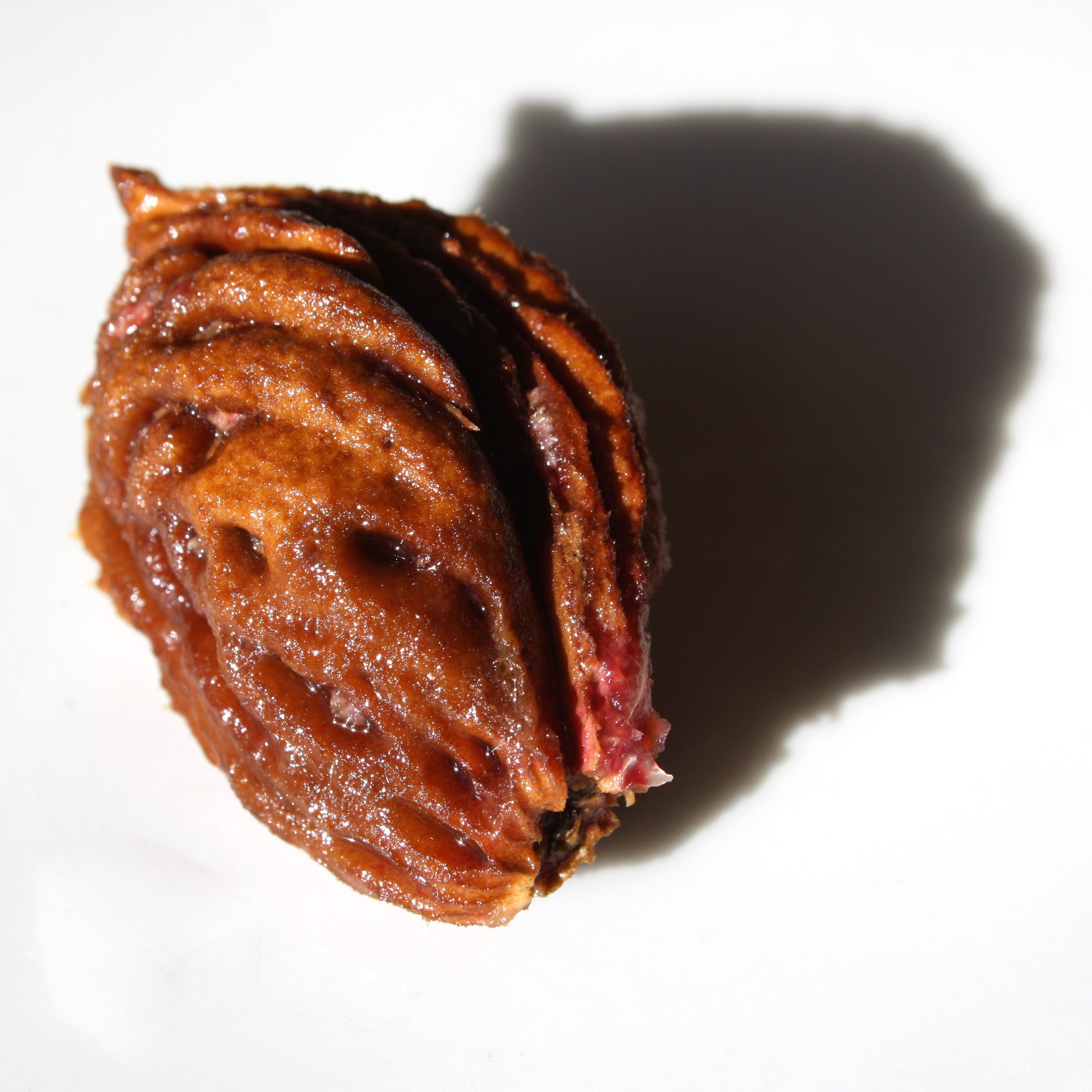
My younger son found a peach pit today, and in his innocence decided to plant it. So he dug a hole, put the pit inside it, covered it and then watered it. He said “I put as much water as it needed to grow. And it will grow. I think tomorrow it will grow.” I smiled at his confident statement and as he moved further I found myself ardently hoping that his tree would indeed grow, not necessarily in order for us to have a peach tree in the yard (though it would be nice – note to self, plant a peach tree a.s.a.p.) but because I want my children to find reasons to believe in miracles in about everything – especially when they help creating them.
The word “miracle” originates from the Late Latin miraculum, meaning “wonder”, “marvel”, from mirari – “to wonder at”. Apparently, as the Merriam-Webster dictionary explains to us, the word’s first known use was in the 12th century. However, miracles happened before that time for sure, even if they were named differently. People used this word or others to point towards “events not ascribable to human power or the laws of nature and consequently attributed to a supernatural, especially divine, agency”. If you come to think of it, miracles birthed and killed gods through the means of man’s limited power of understanding, because in certain people they touched their fear, while in others they touched their curiosity. That’s how religion and science were born.
The best thing about miracles though is that they make us grow. All of us. One way or another they push us higher, farther, and even if officially they stop being miracles in the second when we discover their explanation, they still remain miracles in our hearts, because due to them we expanded our knowledge.
Maybe there will be no peach tree growing from that pit. But I do know that in my child’s heart, the peach tree rooted already – and THAT is more important than anything else.
LILIANA NEGOI (Endless Journey and in Romaniancurcubee în alb şi negru) ~ is a member of our core team on Into the Bardo. She is the author of three published volumes of poetry in English, which is not her mother tongue but one that she came to love especially because of writing: Sands and Shadows,Footsteps on the San – tanka collection and The Hidden Well. The last one can also be heard in audio version, read by the author herself on her SoundCloud site HERE. Many of her creations, both poetry and prose, have been published in various literary magazines.
[I’ve heard Ekphrasis* described as one of the ugliest words in the English language. In writing this poem, I would like to try and make it ironic]
In this, another war poem, at the same time I both celebrate and mourn the destiny of millions of horses in the front lines on World War 1. Here, I may talk about a strong stallion with great heritage from the same lines as pure bread battle horses that served knights of old before war became so mechanised. The first world war was the turning point between the old and new ages of war, in which the military cavalry masters of the old order clashed with the new; and the result was an unmitigated armageddon, an unprecedented tragedy of slaughter in blood and mud … there is no undue irony in this great stallion’s story, insofar as it’s consequences, though its life is spared, its mental health is not, like so many human members of the armed forces who serve on or near to the front lines, who physically survive but who are consumed, through trauma, by some degree of mental illness.
Her gentle hand enwrapped his nose
and pulled it to her face.
Behind his nostril, where there is
the very softest place,
she kissed him tenderly and smelt
the scent of peerless blood
that coursed his veins and caused his mane
to tremble with a power
that came from generations of
highbred aristocracy.
This kind of power was visible,
it rippled like a lake
that caught a sudden gust of wind,
and shimmered, glistening.
He’d knightly strength for greater things
and so it proved to be.
A friend of friends, an officer,
had visited to see
and beamed at his magnificence
there was no doubt for him
that this beast was set to ride
for glorious history…
…until his inglorious return,
a sight that broke her heart.
His eyes had depth of understanding
she knew too well. Their look,
injected as they were with fear,
but not the normal kind
– the kind that came from healthy gallops
over his favourite fell.
No. This fear, its source was made …
(what she saw then choked her eyes)
… made from inner visions of
an unspeakable kind of hell;
mud-filled craters’ stench of death,
through endless shock of shell, but
unshakeable loyalty to his charge
despite his spirit’s knell.
In time the empty frame that stood
motionless in the field,
with timeless care she tended him,
though never fully healed
the scars that stiffened weary spirit
that caused him so much pain,
but filled with love and trust once more
the noble steed regained
a hint of what he used to feel:
excitement for the day,
security in his domain,
where once he held full sway;
desire that burned in his dark eyes
to lead her in his way
back to the stable where he’d sink
his nose in soft sweet hay.
* Ekphrasis or ecphrasis, from the Greek description of a work of art, possibly imaginary, produced as a rhetorical exercise, and is a graphic, often dramatic, description of a visual work of art.
JOHN ANSTIE (My Poetry Library and 42) ~ is a British poet and writer, a contributing editor here at Bardo, and multi-talented gentleman self-described as a “Family man, Grandfather, Occasional Musician, Amateur photographer and Film-maker, Apple-MAC user, Implementation Manager, and Engineer. John participates in d’Verse Poet’s Pub and is a player in New World Creative Union. He’s been blogging since the beginning of 2011. John is also an active member of The Poetry Society (UK).
John has been involved in the recent publication of two anthologies that are the result of online collaborations among two international groups of amateur and professional poets. One of these is The Grass Roots Poetry Group, for which he produced and edited their anthology, “Petrichor* Rising“. The other group is d’Verse Poet Pub, in which John’s poetry also appears The d’Verse Anthology: Voices of Contemporary World Poetry, produced and edited by Frank Watson.
* Petrichor – from the Greek pɛtrɨkər, the scent of rain on the dry earth.
Two pastors that I know are extraordinary. They both pastor homeless people. One lived as a homeless person for two weeks so he could understand what was going on. The other is homeless. She refuses to live in a home and sleeps on the streets every night of her life. She takes this so seriously that given the opportunity to sleep inside at a convocation, she made special arrangements to sleep in the doorstep-declining housing thousands of miles away from her people. She is the only one who would have known! And nobody would have judged her in error for sleeping inside at a conference she was attending.
I am amazed at the depth of commitment they both have.
In my context, that would be sleeping in a detention center. I am not sure I am prepared to be locked up in order to be one with the people that I am committed to walking with.
But maybe that is because I am not viewing all space as sacred. If I imagine that a jail cell is the Cathedral of Notre Dame with an air of mystery, sacrament, and holiness…does that change the context? Maybe. But could I put on the blue scrubs, white t-shirt, white socks, and orange plastic flip-flops? Using harsh soaps, eating questionable food, everything? Hmmm. I am not sure I could ever do that. I am also not sure that it is a requirement to do so. But, perhaps what is a requirement is the holy imagination it takes to think of what this walk would be.
That is the spiritual practice I’d like to invite you into today, holy imagination. I believe that we are all called to support the least among us. In other words, those who cannot take care of themselves. Those our societies often label “other.” People who are “other” than us—outside the norm—impoverished, imprisoned, hungry, sick, non-gender conforming—whoever is being “othered.”
Who is your other?
Could it be someone from a different faith tradition? A different political point-of-view? Or any of those I listed above? Generally, there is always someone we “other-ize.” Even though I am working with people every day that are affected by incarceration, I found myself in a spot today where I felt the person I was sitting with was totally “other” from me. She is telling me flat-out that when she returns to her community, she will return to drug use and gang involvement. Period. She sees no other way. No other hope. That is hard for me to fathom. She says, “I will probably be dead by 21” without blinking. Wow. And sheesh. I need to find a way to sit with her in a way that is hopeful and not descend into other-izing her even though her current ideas are so foreign to my mind and heart.
If I use holy imagination, maybe I can put myself into her life and feel where her self-imposed traps come from. And seeing where the traps are, maybe I can point out a way she can negotiate the traps and bring herself greater freedom. I don’t know. I will continue to work on it.
Today, using your own holy imagination, can you take five minutes (really, 20 minutes is more like it!) to do some visualization work?
First, relax as much as you can. Keep working at it until you have quieted the monkey mind (or brain chatter—but my inner chatter is more like a monkey!).
When you have fully relaxed, set your intention. Here, I am suggesting your intention should be a conversation with whoever you “other-ize.” (Could it be yourself?)
Next, focus on what you want. Today, our desire is closer understanding. How can you begin to understand the figurative foreigner across from you? What questions can you ask in order to bring you deeper understanding? I am always amazed at my own capacity to carry assumptions. How can we leave assumptions and expectations behind so that there is room for increased understanding?
As realizations and understandings grow, there may be a struggle. Give your struggle up. It is like the monkey-brain. Keep offering both of these things away. I usually visualize putting these on a cloud and whooshing them out of my space. Don’t struggle too hard. If it isn’t happening, it isn’t happening. Then, don’t be too hard on yourself. There will be another day, another try.
Finally, don’t get tangled in negative thoughts—whoosh them away on that cloud! Experience your highest self—the one that sits in loving kindness, compassion, and hope.
When your conversation is complete (and you may get horrible answers, let’s be honest), hold onto the highest self for a moment and see yourself. See the person who took a risk today of entering scary, sacred space. A person who was willing to love. Look at yourself and see the sacred space within.
REV. TERRI STEWART is Into the Bardo’s Sunday chaplain, senior content editor, and site co-administrator. She comes from an eclectic background and considers herself to be grounded in contemplation and justice. She is the Director and Founder of the Youth Chaplaincy Coalition that serves youth affected by the justice system. As a graduate of Seattle University’s School of Theology and Ministry, she earned her Master’s of Divinity and a Post-Master’s Certificate in Spiritual Direction. She is a contributing author to the Abingdon Worship Annual. (The 2014 issue just released!)
Charter for Compassion is signed by people from all over the world and endorsed by organizations representing the diversity of religions and cultures:
.
“The charter has been translated into more than 30 languages: The principle of compassion lies at the heart of all religious, ethical and spiritual traditions, calling us always to treat all others as we wish to be treated ourselves. Compassion impels us to work tirelessly to alleviate the suffering of our fellow creatures, to dethrone ourselves from the centre of our world and put another there, and to honour the inviolable sanctity of every single human being, treating everybody, without exception, with absolute justice, equity and respect.
.
“It is also necessary in both public and private life to refrain consistently and empathically from inflicting pain. To act or speak violently out of spite, chauvinism, or self-interest, to impoverish, exploit or deny basic rights to anybody, and to incite hatred by denigrating others—even our enemies—is a denial of our common humanity. We acknowledge that we have failed to live compassionately and that some have even increased the sum of human misery in the name of religion.
.
“We therefore call upon all men and women to restore compassion to the centre of morality and religion ~ to return to the ancient principle that any interpretation of scripture that breeds violence, hatred or disdain is illegitimate ~ to ensure that youth are given accurate and respectful information about other traditions, religions and cultures ~ to encourage a positive appreciation of cultural and religious diversity ~ to cultivate an informed empathy with the suffering of all human beings—even those regarded as enemies.” Charter for Compassion, Karen Armstrong
.
From the Charter for Compassion signature page: “We urgently need to make compassion a clear, luminous and dynamic force in our polarized world. Rooted in a principled determination to transcend selfishness, compassion can break down political, dogmatic, ideological and religious boundaries. Born of our deep interdependence, compassion is essential to human relationships and to a fulfilled humanity. It is the path to enlightenment, and indispensable to the creation of a just economy and a peaceful global community.”
.
THE CHARTER FOR COMPASSION AND COMPASSIONATE CITIES ARE ONGOING PROJECTS: To date some 99,596 people from around the world have signed the Charter, which was started when Karen Armstrong won the TED Prize and made a wish: for help creating, launching and propagating a Charter for Compassion. On November 12, 2009, the Charter was unveiled.
Among those who have given the charter their backing are Richard Branson, Musician Peter Gabriel, Sir Ken Robinson and the Dalai Lama. As of this month, some 99,500 other people from around the world have affirmed it. On April 26, 2010, Seattle became the first city in the world to affirm the charter.
.
Photo/illustration credits ~ Robert Thurman, Ph.D. (below) by Tktru via Wikipedia under Creative Commons Attribution – Share Alike 3.0 unported license.Illustration ~ Charter for Compassion copyrighted logo and The Dalai Lama on Compassionate Cities meme are used under Creative Commons Attribution non-Commercial license.
Bob Thurman
“Tenzin Robert Thurman became a Tibetan monk at age 24. He’s a professor of Indo-Tibetan Buddhist studies at Columbia University, and co-founder of Tibet House US, a nonprofit dedicated to the preservation and promotion of Tibetan civilization.
“Thurman’s focus is on the balance between inner insight and cultural harmony. In interpreting the teachings of Buddha, he argues that happiness can be reliable and satisfying in an enduring way without depriving others.
“He has translated many Buddhist Sutras, or teachings, and written many books, recently taking on the topic of Anger for the recent Oxford series on the seven deadly sins. He maintains a podcast on Buddhist topics. And yes, he is Uma’s dad..” TED.com
A few years ago, I went to an exhibit on mummies at the Milwaukee Public Museum. It was fascinating. Listening to the whispered comments and questions of other patrons was fascinating as well. We have a very scattered cultural approach to death, with so many various ways of marking the rite of passage, including not really marking it at all.
American culture, as a whole, has been dominated by technology to the point that important parts of our lives are relegated to “experts” and taken out of our hands completely. My mother fought against this trend in the late 50s when she insisted on breastfeeding her babies instead of allowing the “experts” to convince her that artificial formula on an artificial schedule was better for them.
Birth experiences have become sterilized, institutionalized, and anesthetized as well in the mainstream. My 4 were all born in a hospital under the HMO system (but not under any pain killers!) because in my 20s, I wasn’t brave enough to seek more creative options. However, my sister birthed one of her children at home, and I once assisted a friend who had a home birth. It’s not impossible to choose to take full responsibility in this event.
Death is another part of life that more and more people deal with by proxy. The hospice movement is a wonderful example of the purposeful effort to maintain the grace and dignity of this stage of life by bringing it back into the home, away from institutions. I recently watched an Ingmar Bergman movie set at the turn of the century, called Cries & Whispers (well, it’s actually called something in Swedish, but that’s the English title). This intense family drama deals with the death of a spinster sister from cancer. The action all takes place at home, in this case an elegant manor. The doctor’s largest role is in an affair with one of the sisters, in flashback. When I think of the family drama of my husband’s death, experts and technology played a huge part. Unfortunately, that became a distraction from entering into the rite of passage, from experiencing the more intimate aspects of the dynamics that were changing my family. What I mean to say is that it enabled denial.
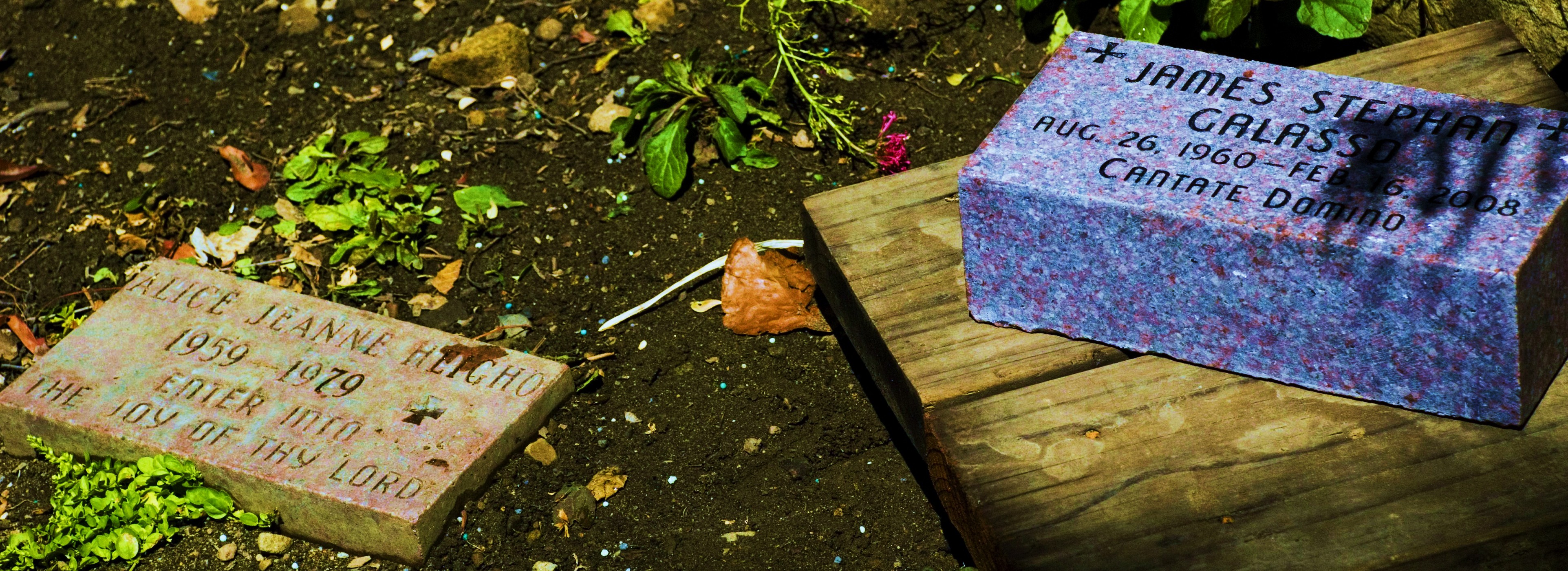
The last photo taken of my husband: 11 days before he died at home.
What does it mean to choose to take responsibility for my life? Not to delegate the more painful or complicated bits to an “expert”, not to live by proxy or by representative? In which situations do I most often abdicate my ability to decide a course of action? Are they likely to be mostly financial, political, medical, social, spiritual, emotional or physical? I am only beginning to wake up and ask myself these questions. Steve often puts it to me this way: in every situation, you have at least 3 options: 1) Run away or hide 2) Try to change the situation 3) Change yourself.
This is a good time for me to think about aging, about how I want to live and address the changes that are happening now and will continue to happen. What do I want? I want to experience life in a more authentic way, not behind a duck blind or a proxy, not behind a curtain of denial or dogma, not by avoiding discomfort or hard work. I want to make decisions about who I am and how to live proactively. How do I embody this? At this point, I am still figuring out who I am and want to be and recognizing places where that has been dictated and I have responded without looking deeper. My father and my husband took great care of me. I want to learn to do that myself. I often dream about Jim returning as if he’d never died.
Last night, I had a powerful dream about him, set in the house I sold, with my young children around. My consciousness struggled with it; I knew that the house was emptied and I’d moved. I couldn’t understand why the furniture was back and the place looked so “lived in”. I couldn’t understand why Jim was there. He told me he was going out to work because he wanted to support me and the kids. In a choked whisper, I closed the door behind him and said, “Don’t come back.” I woke up crying. Talking about this dream with Steve, I realized that I do want him to come back and float through my subconscious and consciousness without confusing me, without affirming me or correcting me, just visiting. I suppose when I gain the confidence to affirm and care for myself, my dreams will change and Jim’s place in them as well. Then we will both move beyond this Bardo and into a different sphere.
PRISCILLA GALASSO ~ started her blog at scillagrace.com to mark the beginning of her fiftieth year. Born to summer and given a name that means ‘ancient’, her travel through seasons of time and landscape has inspired her to create visual and verbal souvenirs of her journey.
Currently living in Wisconsin, she considers herself a lifelong learner and educator. She gives private voice lessons, is employed by two different museums and runs a business (Scholar & Poet Books, via eBay and ABE Books) with her partner, Steve.
To drink your Jasmine tea with awareness, you might like to….
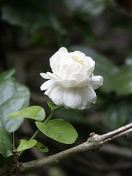
….admire the origin of your tea, the Jasmine shrub with its white flowers.
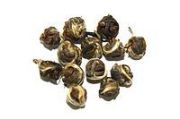
You can spend some thoughts on how the shrub lived and bloomed, and how the flowers smell. Your tea is scented with Jasmine flowers; do you see the whitish leaves? If you have bought Jasmine pearls, you could appreciate how they unfold.
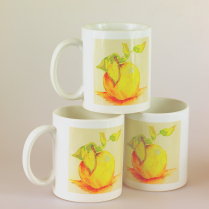
Sniff the relaxing scent of Jasmine. Does this bring back memories? Happy memories? Do you like to let go something before you will enjoy your tea? Feel the warm tea mug and enjoy the drinking. Thoughts, scent, and taste…observe them all.
Do you get distracted or is your tea finished? Feel the tranquillizing effect of your mindful tea session by being grateful for this mindful moment.
What are your thoughts on Jasmine tea and mindfully drinking scented tea? Is Jasmine growing in your garden? Have you painted its flowers? I invite you to add your link in the comment section.
PAULA KUITENBROUWER ~ is a regular contributor to Into the Bardo and a Dutch nature artist living in The Netherlands and sharing her work with us on her blog, Mindful Drawing and on her website. In addition to art, Paula’s main interest is philosophy. She studied at the University of Utrecht and Amsterdam. She has lived in Eastern Europe and in Asia. Paula says that in Korea, “my family lived next to a Buddhist temple. In the early morning we would hear the monks chanting. During my hours of sauntering with my daughter through the beautiful temple gardens, I felt a blissful happiness that I try to capture in my drawings.” Paula sometimes teaches children’s art classes. She lives with her husband and daughter and close to her father. You can view her portfolio of mindful drawings HERE.
Editorial note and reminder: In eight days, Wednesday, October 23, at 7 p.m. we will host a second writing challenge (Writer’s Fourth Wednesday) featuring Victoria C. Slotto, novelist and poet. The subject of this next challenge-yourself exercise is stream-of-consciousness. So writers mark your calendars for next week’s event. Mr Linky, which enables you to share your work with everyone, will remain open for seventy-two hours. Victoria and Jamie will visit all participants to read and comment.
Here Renne Espriu shares a poem for her mother …
the notes that embrace you
i see you dancing
on the floor of the
pizza parlor
a smile playing
across your face
where every note
that is pumped
out of the theatre
pipe organ
embraces you
plys your feet
with rhythm
only you would know
caring not that
eyes are watching
i see you even though
you are gone now
a memory that
spilled out of
the letter you wrote
RENEE ESPRIU ~ is a creative prose writer and poet. She began delighting us with her work at Turtle Flight, My Muse & Angels in March 2011. The work she shares with us there includes short stories. Renee is a daughter, mother, grandmother, and seeker of spiritual peace and soul-filled freedom. She’s studied at the graduate level and has attended seminary. She describes her belief system as eclectic, encompassing many faiths. She believes “Nature is the basis of everything that is and everything that is also a part of Nature.”
come let us dig up the bones of children and carve them into spears so that their parents’ deaths might seem less painful when brought about by some part of their own join with us in prayer to a god of our own image cloaked in a bloody shroud of justified war glorifying our humanity as we steal the last breath of hope from the corpse of peace
. CHARLES W. MARTIN (Reading Between the Minds) — earned his Ph.D. in Speech and Language Pathology with an emphasis in statistics. Throughout Charlie’s career, he maintained a devotion to the arts (literature/poetry, the theater, music and photography). Since his retirement in 2010, he has turned his full attention to poetry and photography. He publishes a poem and a photographic art piece each day at Read Between the Minds, Poetry, Photograph and Random Thoughts of Life. He is noted as a poet of social conscience. Charlie has been blogging since January 31, 2010. He has self-published a book of poetry entitled The Hawk Chronicles and will soon publish another book called A Bea in Your Bonnet: First Sting, featuring the renown Aunt Bea. In The Hawk Chronicles, Charlie provides a personification of his resident hawk with poems and photos taken over a two-year period. Charlie’s lastest book, When Spirits Touch, Dual Poetry, a collaboration with River Urke, is available through Amazon now.
Editorial note: My apologies to readers and to Michael for not scheduling this in sooner. An oversight on my part. J.D.
This is a reblog of a recent post to Dreaming The World.
This week marks the Autumn Equinox. The Equinoxes and other aspects of the calendar round are markers made by people; we need markers to make sense of our lives, to place ourselves in relationship to All That Is. Sometimes we forget the markers are of our creation, and we imagine they hold intrinsic meaning, rather than the meanings we assign them. This is a dangerous assumption as it tempts us to believe there is only one story, and it is true for all people, everywhere. Such thinking always causes great suffering.
Next week, in class, our friend, Alicia Daniel, is leading us in the creation and exploration of a Medicine Wheel. Alecia allows participants to explore, and assign values to, the directions.Given the freedom to make meaning opens the students to Mystery and Wonder. Not surprisingly, the values discovered by students often resemble the attributes assigned the directions by the Indigenous peoples who have lived here for thousands of years.
I usually teach the Medicine Wheel using attributes for the directions as I have been taught them by teachers from the Northeast, where we live. While there are small differences between tribal, even band, understandings of the directions, the general framework holds firm. As I understand it: The East is the place of birth and death, sunrise, spring, mentation, air, and all beings who fly. The South is home to fire, warm bloodeds, and the plants. It is the place of healing, noon time, and high summer. It is the direction of physicality, and in some traditions, sexuality. The West is home to water, dreaming, evening, and autumn. It is the place of responsibility and parenting, and of the Dream Time. The North is the home of the Ancestors and the rock people, the place of winter and night, the direction of clearly seeing the big picture, of vision. We journey sun-wise around the wheel, returning to the east to die and be reborn.
My Lakota kin likely say we are born and die in the West. That makes sense to them, where they live. The Medicine Wheel is a teaching about our locale and inner worlds, telling us much about local ecology, culture, and understanding of self. Wherever we are the Medicine Wheel speaks to us of our life journey, a road we share with the people and other beings who comprise the community in which we live.
In Western culture the wheel has a bad rap. Rather than a map for living a joyful, fulfilling life, it is often emblematic of being caged, or of soul killing work. In the East it may be something to be escaped. Yet, in Indigenous cultures around the world the wheel remains a powerful symbol for relationship, connection, and the good life.
This week we take a few minutes to acknowledge the Medicine Wheel that is our calendar year. We will express gratitude to Father Sun, and acknowledge Grandmother Water. Without them we would not have life. It is good to do this, and to have the opportunity to do so openly, for we remember the times, some quite recent, when we could not do so.
MICHAEL WATSON, M.A., Ph.D., LCMHC (Dreaming the World) ~ is a contributing editor to Into the Bardo, an essayist and a practitioner of the Shamanic arts, psychotherapist, educator and artist of Native American and European descent. He lives and works in Burlington, Vermont, where he teaches in undergraduate and graduate programs at Burlington College,. He was once Dean of Students there. Recently Michael has been teaching in India and Hong Kong. His experiences are documented on his blog. In childhood he had polio, an event that taught him much about challenge, struggle, isolation, and healing.

 JAMIE DEDES ~ My worldly tags are poet and writer. For nearly six years I’ve blogged at The Poet by Day,the journey in poem, formerly titled Musing by Moonlight. Through the gift of poetry (mine and that of others), I enter sacred space.






















 The BeZine