Today I have been thinking about the beauty of impermanence. These thoughts were inspired by an artwork installation I saw recently called Shimmering Tree. Shimmering Tree is a projection of a digital tree onto a huge wall in a gallery. The tree is shimmery, animated, and changes seasons. But it is digital! I wondered about this digital artwork media installment sitting next to traditional portraiture or other more concrete forms of art. Shimmering Tree is art from digital artist Jennifer Steinkamp. An earlier piece of hers is Dervish:
It is a fascinating thing. Steinkamp’s work may be a valuable lesson to not become too attached to a physical manifestation and to embrace the beauty of what is.The inherent contradiction is that this temporary art is captured forever kn a digital form!
I think there may be a deeper spiritual practice lurking in the embrace of impermanence. This is more than recognizing that things change-it is a deep-seated gratitude for impermanence. A recognition of the beauty inherent in change, impermanence, evolution.
I wonder, what have I been holding onto that I need to let go of? Usually those things are behavioral for me. But it could be something else. Shoes. Books. Things. Sometimes I get this fleeting impression of impermanence when I wish I had my camera with me to capture a particularly beautiful vision. But I am forced, in that moment, to receive the image and to release it-with gratitude.
Thinking of impermanence and developing a greater appreciation for it led me to remember a video I saw from Ukraine’s Got Talent. This art is the epitome of grace, beauty, and impermanence.
Of course, life has always been impermanent. Art decays. But usually it is with us more than 5 minutes! Much art outlasts people! What are we going to do when everything has a lifespan tied to the technology cycle?
We better learn to master this! I wonder if there is one word you would like to offer as a movement towards seeing the beauty of impermanence? My word is: ego.
REV. TERRI STEWART is Into the Bardo’s Sunday chaplain, senior content editor, and site co-administrator. She comes from an eclectic background and considers herself to be grounded in contemplation and justice. She is the Director and Founder of the Youth Chaplaincy Coalition that serves youth affected by the justice system. As a graduate of Seattle University’s School of Theology and Ministry, she earned her Master’s of Divinity and a Post-Master’s Certificate in Spiritual Direction. She is a contributing author to the Abingdon Worship Annual. (The 2014 issue just released!)
The Milkmaid, oil-on-canvas painting by Johannes Vermeer (1632-1675), Dutch
My first memory of art was in a dictionary, when I used to gaze dreamily at a portrait by Johannes Vermeer, The Milkmaid, a woman wearing a white cap, standing by a table covered with a blue cloth pouring milk…I was so fascinated by the painting, by the humble tranquil atmosphere and the basket of bread that resembled ours…and the dancing light on the maid’s face and arm. I knew nothing about this Vermeer but the few lines in the dictionary that never satisfied my curiosity: “a Dutch painter, born in Delft, his paintings, mostly about everyday life and domestic scenes were characterized by use of subtle light ”
Johannes Vermeer was my first inspiration, even his name had poetry or so I thought. After The Milkmaid I started a notebook and wrote about every painter I discovered. I made sure I kept it well hidden from my family.
My mother never understood why I spent most of my day holding that heavy dictionary just staring at paintings, I was a mercurial child and a picture could easily define and change my mood!! So my discoveries continued with Dutch art, some paintings by a mysterious looking guy called Rembrandt and another with an ironic look called Van Gogh.
My friends outside were so far from my world as a million star years. I remember their looks, half sarcastic half pitiful on a girl always lost in reverie, befriending ghostly figures in a dictionary and talking about places they never heard of.
I was always asking: how can this famous Van Gogh paint such a naïve painting like les douze tournesols? I can do it better!! What was le jeune homme au gilet rouge of Cézanne thinking?
Of course my childish mind always separated and catalogued them: the cheerful ones like the only painting by Rénoir that made me so fond of Paris le Moulin de la galette and those beautiful ballerinas in la classe de dance by Degas. The sad ones like femmes de Tahiti by Gauguin. Eespite the suggestive earthy colours of those exotic women I couldn’t miss the touch of melancholy on their faces. Géricault frightened me with his méduse so did the painting of Goya el tres de Mai that reminded me of my history classes about the Algerian revolution. Les mendiants made me cry and have nightmares (with all respect to Bruegel l’ancien). I hated the dismembered people and the cruelty of the act, but those who evoked me the most were those that made my fertile imagination drift even more.
La route de Louveciennes, oil on canvas by Camille Pissarro (1830-1903), French
When I walk back home from school I close my eyes and imagine myself walking with the couple in la route de Louveciennes despite the difference between Pissaro’s perfect painting and my village disappointed me, it gave me extreme pleasure, only equaled by floating with Chagal.’s women in autour d’elle a name I found extremely romantic. Nothing matched that serene blue bathed in moonlight and those strange looking women I wanted so bad to look like.
I loved the fantasy in autour d’elle but another painting made me laugh and cemented the impression that this Picasso used squares and triangles only!! Because I always loved the light sprinkled on Rénoir’s canvas…Musiciens aux masques was as funny as humorous, because I never knew any instrument but the guitar, or who those three men were and never saw the dog under the table until recently.
I was drowning bit-by-bit in this world of colours, I knew Kandinsky, Caravaggio, Durer and Poussin and their names had a sensual sonority for my Arabic ear, not that I could pronounce them correctly because I could only manage the French ones. I continued to dream about the Louvre and cities I can visit when I become older. I continued to have my nocturnal conversations with Vermeer, Cézanne and Rénoir and make my own versions of la route de louveciennes and
Autour d’elle, oil on fabric by Marc Chagall (1887-1985), French artisit,
Vlaminck’s nature morte, this widened the gap between me and my friends who thought that I was weird and treated me suspiciously, my mother still couldn’t understand my attachment to this dictionary I wasn’t using to explain difficult words.
These memories came rushing back the moment I finished reading Tracy Chevalier’s novel Girl With a Pearl Earing, a gift from my beloved uncle who lives in Italy.I am still faithful to my Vermeer but through another equally mesmerizing painting la Joconde du Nord, and I know more about the art world now, my childish impressions and convictions are dramatically changed now. I can pronounce those names perfectly and I have wonderful friends who share my enthusiasm and passion.
But…despite internet and the thick art catalogues of le Figaro in my aunt’s library, despite the documentaries, TV shows and the long biographies I can read for hours, that dictionary still has the favour and a dear place in my heart, heavy, torn in places with its red cover and a single Arabic word written in black…
IMEN BENYOUB ~ is a milti-lingual, multi-talented essayist, poet, and artist living in Guelma, Algeria. She is a regular contributor to Into the Bardo.
I am attending a retreat this weekend. I have done two exercises today that stretched my own perception of myself. I’d like to offer one to you as a Spiritual Practice geared towards finding sacred space within your own skin and being willing to see yourself.
I don’t know about you, but that can be the most difficult spot for me to discover. Somehow, I can look at others and see their beauty, but acknowledging my own beauty seems at once terrifying, bold, and that I may fall short of being that … what? That person. That human. That woman. That mother. That chaplain. That presence of comfort. Oh, I think it is true that I fall short – we all do – but failing myself at simply just seeing myself is not okay!
Nowhere is that more present than in the myriad of photos I have of family and family vacations. Where am I? Behind the camera. I may be in 1 in a thousand photos. Seriously. It’s not okay! This Spiritual Practice is geared at self portraiture. It is a series of photos. (None of these photos are touched up. I am intentionally resisting the temptation!)
First exercise … find a place where you can intentionally photo bomb yourself with a weird background. I thought this was fun with a mural in the background. I think I can use this one when I am mad! This will let you have a humorous, gentle start!
Next, consider what a self-portrait consists of … it is any part of you that is in a picture. Gather photos of you reaching for something, holding something, stepping onto a path, you name it! Hands, feet, hair!
Next, learn to use that timer on your camera! I understand that iPhones have Gorilla and Windows phones have Auto Timer Camera. Now take full shots of yourself doing different things.
Last, look into the camera and be love. You may think of someone you love and gaze into the camera or think of loving yourself or think of loving the world. Start here. Be an image of love.
I spend a lot of time “being love” in the world. Working with incarcerated and homeless youth. But without a loving foundation that includes spiritual practices that let me see and be myself, I won’t be able to sustain compassionate action. Even the healthiest egos need times of sustenance.
REV. TERRI STEWART is Into the Bardo’s Sunday chaplain, senior content editor, and site co-administrator. She comes from an eclectic background and considers herself to be grounded in contemplation and justice. She is the Director and Founder of the Youth Chaplaincy Coalition that serves youth affected by the justice system. As a graduate of Seattle University’s School of Theology and Ministry, she earned her Master’s of Divinity and a Post-Master’s Certificate in Spiritual Direction. She is a contributing author to the Abingdon Worship Annual. (The 2014 issue just released!)
“A person with ubuntu is open and available to others, affirming of others, does not feel threatened that others are able and good, for he or she has a proper self-assurance that comes from knowing that he or she belongs in a greater whole and is diminished when others are humiliated or diminished, when others are tortured or oppressed.”
― Desmond Tutu
Two pastors that I know are extraordinary. They both pastor homeless people. One lived as a homeless person for two weeks so he could understand what was going on. The other is homeless. She refuses to live in a home and sleeps on the streets every night of her life. She takes this so seriously that given the opportunity to sleep inside at a convocation, she made special arrangements to sleep in the doorstep-declining housing thousands of miles away from her people. She is the only one who would have known! And nobody would have judged her in error for sleeping inside at a conference she was attending.
I am amazed at the depth of commitment they both have.
In my context, that would be sleeping in a detention center. I am not sure I am prepared to be locked up in order to be one with the people that I am committed to walking with.
But maybe that is because I am not viewing all space as sacred. If I imagine that a jail cell is the Cathedral of Notre Dame with an air of mystery, sacrament, and holiness…does that change the context? Maybe. But could I put on the blue scrubs, white t-shirt, white socks, and orange plastic flip-flops? Using harsh soaps, eating questionable food, everything? Hmmm. I am not sure I could ever do that. I am also not sure that it is a requirement to do so. But, perhaps what is a requirement is the holy imagination it takes to think of what this walk would be.
That is the spiritual practice I’d like to invite you into today, holy imagination. I believe that we are all called to support the least among us. In other words, those who cannot take care of themselves. Those our societies often label “other.” People who are “other” than us—outside the norm—impoverished, imprisoned, hungry, sick, non-gender conforming—whoever is being “othered.”
Who is your other?
Could it be someone from a different faith tradition? A different political point-of-view? Or any of those I listed above? Generally, there is always someone we “other-ize.” Even though I am working with people every day that are affected by incarceration, I found myself in a spot today where I felt the person I was sitting with was totally “other” from me. She is telling me flat-out that when she returns to her community, she will return to drug use and gang involvement. Period. She sees no other way. No other hope. That is hard for me to fathom. She says, “I will probably be dead by 21” without blinking. Wow. And sheesh. I need to find a way to sit with her in a way that is hopeful and not descend into other-izing her even though her current ideas are so foreign to my mind and heart.
If I use holy imagination, maybe I can put myself into her life and feel where her self-imposed traps come from. And seeing where the traps are, maybe I can point out a way she can negotiate the traps and bring herself greater freedom. I don’t know. I will continue to work on it.
Today, using your own holy imagination, can you take five minutes (really, 20 minutes is more like it!) to do some visualization work?
First, relax as much as you can. Keep working at it until you have quieted the monkey mind (or brain chatter—but my inner chatter is more like a monkey!).
When you have fully relaxed, set your intention. Here, I am suggesting your intention should be a conversation with whoever you “other-ize.” (Could it be yourself?)
Next, focus on what you want. Today, our desire is closer understanding. How can you begin to understand the figurative foreigner across from you? What questions can you ask in order to bring you deeper understanding? I am always amazed at my own capacity to carry assumptions. How can we leave assumptions and expectations behind so that there is room for increased understanding?
As realizations and understandings grow, there may be a struggle. Give your struggle up. It is like the monkey-brain. Keep offering both of these things away. I usually visualize putting these on a cloud and whooshing them out of my space. Don’t struggle too hard. If it isn’t happening, it isn’t happening. Then, don’t be too hard on yourself. There will be another day, another try.
Finally, don’t get tangled in negative thoughts—whoosh them away on that cloud! Experience your highest self—the one that sits in loving kindness, compassion, and hope.
When your conversation is complete (and you may get horrible answers, let’s be honest), hold onto the highest self for a moment and see yourself. See the person who took a risk today of entering scary, sacred space. A person who was willing to love. Look at yourself and see the sacred space within.
REV. TERRI STEWART is Into the Bardo’s Sunday chaplain, senior content editor, and site co-administrator. She comes from an eclectic background and considers herself to be grounded in contemplation and justice. She is the Director and Founder of the Youth Chaplaincy Coalition that serves youth affected by the justice system. As a graduate of Seattle University’s School of Theology and Ministry, she earned her Master’s of Divinity and a Post-Master’s Certificate in Spiritual Direction. She is a contributing author to the Abingdon Worship Annual. (The 2014 issue just released!)
Star Trek, Captain Kirk and “Bones” (Dr. McCoy) using Universal Translators
Sometimes I think that we all need universal translators when we are trying to understand each other across cultures, belief systems, and personal social locations.
Often, though, it takes someone yelling at us to knock us out of our system of thinking and gives us the ability to see things in a new and visionary way that connects rather than divides. All too often we cannot get to this point because we walk away when we things are uncomfortable, challenging, or abrasive.
And no doubt, abrasive is yucky. Witness: the US government interactions right now.
What to do?
Enter deeply into the story of the other person. This is a spiritual practice. I call it Extreme Accompaniment (should I trademark that?). I was contemplating this further today as I was researching another article. My reading revealed to me that we get to radical acceptance of the other when:
Everyone goes to uncomfortable places
Step outside of social norms, forget what you think you know about the other
Everyone involved becomes open to conversion
Keep dialoguing past the rhetoric and abrasiveness
Then, transformation and acceptance may occur (Congress, are you listening??)
Of course, there are limitations. You should not be in situations that may cause harm. But I am more and more convinced that this deep listening is a spiritual practice. And it is a practice that our world does not do well right now. It is up to the artists and the contemplatives to lead a new revolution! A revolution of extreme accompaniment or of walking with other people. A practice of deeply listening and working with the other’s deepest desires. A practice of loving each other. Love is the universal translator.
If we listen and love, maybe we will all be able to see past the space debris and see the cosmos in each other’s souls.
REV. TERRI STEWART is Into the Bardo’s Sunday chaplain, senior content editor, and site co-administrator. She comes from an eclectic background and considers herself to be grounded in contemplation and justice. She is the Director and Founder of the Youth Chaplaincy Coalition that serves youth affected by the justice system. As a graduate of Seattle University’s School of Theology and Ministry, she earned her Master’s of Divinity and a Post-Master’s Certificate in Spiritual Direction. She is a contributing author to the Abingdon Worship Annual. (The 2014 issue just released!)
Praying in Color is a prayer or meditation practice that utilizes what I would categorize as doodling to help focus on that which you would pray or focus on. I consider it to be fun, but as previously discussed, I have spiritual ADHD and am inclined towards using visual tools in my spiritual expression. I developed this practice for myself using the book Praying in Color: Drawing a New Path to God by Sybil MacBeth.
With a clean sheet before you (or a good computer finger painting app – I used the app “Fingerpaint” for the Surface) and pens, markers, crayons, or pencils in hand, I invite you to enter into prayer…
To begin, draw an imperfect shape and write the name of the person you wish to pray for:
Alternately, you could begin with your image of the divine, your own name, or even leaving the shape empty embracing the idea of the mystery in our midst.
Next, begin to add detail to the drawing…dots, lines, squiggles, wiggles, whatever you want! Don’t overthink, just go with the flow. This is not a place for your inner art critic to emerge. This is simple prayer. Continue to add detail to the drawing-each pen stroke an intentional prayer.
When you feel that this is complete, draw a new shape and add another person. But first, take a moment to close out the first person with some sort of closure to the prayer or meditation (amen, so be it, shalom, etc.). Also, you may want to take a cleansing pause before jumping onto the next person. Or you may want to immediately move forward to the next person. Do what is right for you and the situation.
Repeat the process of drawing. Add doodads, color, and details.
Add another person to the prayer list. (And so on).
The most important thing to remember is that there is not any rules. You should follow the process where it leads you. And you will then create a personal prayer icon for you to carry with you throughout the day or days. You may even choose to post in someplace visible like your refrigerator! or you bathroom mirror. Or begin to enhance it further as days progress by adding words to focus your intentions.
If the words are distracting, put them away.
There you have it! Praying in Color – yet another way to access the deep love, mercy, and justice that resides within us all. You could easily do this and zip out names of people and zip in parts of the world worthy of deep concern … Syria, Kenya, Afghanistan…
TERRI STEWART is Into the Bardo’s Sunday chaplain, senior content editor, and site co-administrator. She comes from an eclectic background and considers herself to be grounded in contemplation and justice. She is the Director and Founder of the Youth Chaplaincy Coalition that serves youth affected by the justice system. As a graduate of Seattle University’s School of Theology and Ministry, she earned her Master’s of Divinity and a Post-Master’s Certificate in Spiritual Direction. She is a contributing author to the Abingdon Worship Annual. (The 2014 issue just released!)
cc licensed flickr photo by OSU Special Collections
In Christian tradition, there is a story of Jesus walking down the street in a foreign town, a mother seeking healing for her daughter, and a strange and unique interplay between Rabbouni and a woman stepping outside of her traditional roles, demanding healing for her very ill daughter (Christian scripture, Mark 7:24-30).
In extra-biblical literature, the girl who needs healing is named Justa. Justa means “fair” or “upright.” Yep. Justice.
A friend and I were speaking about this story recently and we were remarking on one noticing in particular – Justa’s immediate needs were met, but what about her deepest desires? There is much to ponder here. When we see someone hungry, do we give them food? Possibly-some of us do. But do we take the time to discover their deepest desires? When do we slow down enough to notice with wide open eyes the deepest desires of the other? And then, instead of fixing or fulfilling those deepest desires, can we just become a container? A facilitator? How do we let Justa and her mother tell the story, have their immediate needs met, and discover their deepest desires?
So many questions!! The truth is, we can be slow enough, mindful enough, noticing enough to discover the deepest desires of the other. The truth is, so often we don’t. The truth is, when we can become a container of compassion and love, we will discover our own deepest desires.
Below is a poem I wrote for Justa in September, 2011. About 10 days before 9/11.
Justice
the daughter of
the discarded
canaanite woman
was named justice.
when justice lay on her
bed half crazed from
demons or schizophrenia
or whatever unnamed
disorder that bedeviled
her she was all that was
wrong with the world.
a separation of the haves
and have-nots. those who
have access to healthcare
healers and those who
must die alone and destitute.
justice reached
and crossed boundaries.
her spirit floated through
the wooded path alongside
her mother as they desperately
sought the one who could heal
and put her fractured
psyche back together.
justice became a jumble
of screams as
nails on a chalkboard
incessant bees buzzing
sulphur burning
and constant drip-drip-dripping
clamored intently intensely
inside her skull.
time was running out.
her mother ran
searching and seeking
tree limbs slapping her
in the face as she sprinted
through the wilderness
seeking out anyone who
would promise healing
encountering charlatans
and just the misunderstood
and even those that would
send her away. calling her
a dog.
not worthy of healing.
she wasn’t one of them.
finally, she sees the one
some call love walking down
the street.
mother screams out as
pain is ripped from her
heart like a bandage from
a fresh wound seeking
hope once again for
justice and knowing that
the hopeless seems so
much stronger.
love keeps on walking.
once more
mother bares her
psyche screaming hope
with barely a glimmer
on the horizon like candle
snuffers putting out all
the stars that exist.
except this
last
one.
finally
mother is heard and justice
is walking with her heart
receiving confirmation
of the great hope mother
always knew was there.
somewhere.
deep within.
a great symphony sprouted
in the heart of justice
with melody sung by
a white-throated sparrow
and harmony enchanted
by love.
REV. TERRI STEWART is Into the Bardo’s Sunday chaplain, senior content editor, and site co-administrator. She comes from an eclectic background and considers herself to be grounded in contemplation and justice. She is the Director and Founder of the Youth Chaplaincy Coalition that serves youth affected by the justice system. As a graduate of Seattle University’s School of Theology and Ministry, she earned her Master’s of Divinity and a Post-Master’s Certificate in Spiritual Direction. She is a contributing author to the Abingdon Worship Annual. (The 2014 issue just released!)
Jalāl ad-Dīn Muhammad Rumi (1207-1273), Persian poet, jurist and theologian, and Sufi mystic
I’m trying to follow the theme of an essay, which I wrote for Into the Bardo, “Fortes Fortuna Adiuvat (Fortune Favours The Bold)”, which was published here at the beginning of August. It was a deeply thoughtful piece that probably comes from my own anxieties at the state of the world. In consequence, it became an overly long and involved treatise, in which I tried to encapsulate my understanding of what needs to happen to rescue the human race from itself.
An impossible dream, you might say, and you could be right. However, a couple of weeks after publishing it, I stumbled upon something that struck me between the eyes! It was an eight hundred year old poem, which felt as if it were a personal message from somewhere unknown! Also, another article that was posted here on Into The Bardo, last Saturday,A Biassed Mind Cannot Grasp Reality: A Message from the Dalai Lama, (Excerpts from His Holiness the Dalai Lama’s address to the inter-faith seminar organised by the International Association for Religious Freedom, Ladakh Group, in Leh on 25 August), spoke of how human ‘agitation’ was the cause of many of our woes. This was a particularly enlightening read; I recommend it to you highly.
The first three verses of this poem, appeared from Rumi’s Facebook page and struck me in a number of ways, not least of all because it represents a special milestone in the recognition of so much that I believe about the human condition, which is to recognise our own individuality, our own convictions and that, I would argue, we should take responsibility for our own actions. I had, therefore to seek out its source and find the rest of the poem, written by that much revered Thirteenth Century Persian poet, jurist, theologian and Sufi mystic, Jalāl ad-Dīn Muhammad Rūmī.
“Everything you see has its roots in the unseen world” – isn’t this the space between our ears?
“Why do you weep? The source is within you” – ditto
I have, for a long time, recognised that, whilst we may cover ourselves with a veneer of sophistication, we cannot hide from the frailty of our very human condition. The Industrial Revolution, the engineering and technology, which has resulted over the following two hundred and fifty years, may have produced some remarkable examples of our ingenuity, but the problems of the world that remain, which are, for the most part, of our own making, are the same in essence as they were when this poem was written nearly eight hundred years ago, when humans were still humans, but without the technology. It seems a strange irony that this could be a sign that our resultant wealth, which is far more widely distributed than it was eight hundred years ago, has blurred our vision of life’s purpose, whilst at the same time (certainly in the case of this post) aided it, with computer technology.
When we’ve learned this lesson, when we’ve learned, not just how to recognise this fact, but how to respond to it, to imbue the young minds of future generations with the knowledge that they need to discover how they are going to embrace all cultures, all religions and all manner of human personalities (because we adults have not made a great job of it so far and are clearly not entirely capable of teaching them) then, and only then, will we be truly able to move on as a race … and awaken to that much vaunted new dawn, that enlightenment.
I give you the words of one, who probably knew much more and was more qualified than most of us living today to understand the human condition …
A Garden Beyond Paradise
Everything you see has its roots
in the unseen world.
The forms may change,
yet the essence remains the same.
Every wondrous sight will vanish,
every sweet word will fade.
But do not be disheartened,
The Source they come from is eternal—
growing, branching out,
giving new life and new joy.
Why do you weep?—
That Source is within you,
and this whole world
is springing up from it.
The Source is full,
its waters are ever-flowing;
Do not grieve,
drink your fill!
Don’t think it will ever run dry—
This is the endless Ocean!
From the moment you came into this world,
a ladder was placed in front of you
that you might transcend it.
From earth, you became plant,
from plant you became animal.
Afterwards you became a human being,
endowed with knowledge, intellect and faith.
Behold the body, born of dust—
how perfect it has become!
Why should you fear its end?
When were you ever made less by dying?
When you pass beyond this human form,
no doubt you will become an angel
and soar through the heavens!
But don’t stop there.
Even heavenly bodies grow old.
Pass again from the heavenly realm
and plunge into the ocean of Consciousness.
Let the drop of water that is you
become a hundred mighty seas.
But do not think that the drop alone
becomes the Ocean—
the Ocean, too, becomes the drop!
JOHN ANSTIE (My Poetry Library and 42) ~ is a British poet and writer, a contributing editor here at Bardo, and multi-talented gentleman self-described as a “Family man, Grandfather, Oc casional Musician, Amateur photographer and Film-maker, Apple-MAC user, Implementation Manager, and Engineer. John participates in d’Verse Poet’s Pub and is a player in New World Creative Union. He’s been blogging since the beginning of 2011. John is also an active member of The Poetry Society (UK).
John has been involved in the recent publication of two anthologies that are the result of online collaborations among two international groups of amateur and professional poets. One of these is The Grass Roots Poetry Group, for which he produced and edited their anthology, “Petrichor* Rising“. The other group is d’Verse Poet Pub, in which John’s poetry also appears The d’Verse Anthology: Voices of Contemporary World Poetry, produced and edited by Frank Watson.
* Petrichor – from the Greek pɛtrɨkər, the scent of rain on the dry earth.
Last night we went to the synagogue for a healing service and to recite selichot in preparation for Rosh Hashanah. During the service one of the Rabbis told a story about the Seer of Lublin, a Hasidic Master who lived from 1745 to 1815.
Briefly the tale is this. A Hasid travels some distance to see The Seer who looks at him and tells him that since he (the visitor) is to die that night, he should go to a hotel in a nearby village to do so. The Seer explains that as it is the Sabbath a dead body in his house would create enormous problems. The man dutifully sets off for the village, only to meet a cart filled with Hasidim on their way into Lublin to spend the Sabbath with The Seer. They ask him why he is going in the WRONG DIRECTION, and he explains that the Rabbi has sent him away to die. The Hasidim respond that if he is to die he should certainly come with them so as not to die alone. He climbs into the cart and they set off for the city. Soon the men ask our tired journeyer, seeing as he obviously has money, to buy spirits to keep them happy and warm on the trip. He complies and soon all are happily singing and swapping tales. As they travel towards the city our Hasid is heaped with praise, blessings, and hopes for a long a prosperous life. When finally the crew arrives back at the Rabbi’s house, the Rabbi looks at our traveler and says, “Oh, you are indeed lucky. The blessings of your fellows have warded off Death.” It is said the man lived well for several more years.
Having told the tale, the Rabbi spoke to the power of blessing. She assured us she was not convinced blessing another has power in itself, and express concern about magical thinking. She was more certain that gathering in community opens the door to healing. She also spoke about what she saw as shamanic elements in the story. I have long considered the best Hasidic Rebbes to be shamans. Indeed, in many texts The Seer is portrayed as a great shaman, as are many of the best Hasidic Rebbes. After all, he can see the future, determine whether something is fated, and utilize whatever wiggle room is available to aid the members of his extended community to a different fate.
Today I’ve been thinking about the story, as well as the service. It seems to me The Seer saw a way to awaken the Wise Healer within the traveler. Perhaps he knew the man would meet fellow Hasids on their way into town, as The Seer’s congregation was far-flung, yet united in the task of reaching the Rabbi’s home before darkness and the beginning of the Sabbath. Maybe he felt secure in the likelihood his congregants would never let a fellow Hasid die alone. Maybe he, like the founder of Hasidism, The Baal Shen Tov, could, through the good graces of All That Is, intervene directly in the man’s fate. We do not know, and that, too, is part of the mystery and the story.
So this evening we begin the Jewish High Holy Days, the time of remembrance, atonement, and forgiveness, a time we are invited to thoughtfully consider our individual and communal lives. Although I am not Jewish, the rest of our household is, and over the years this time of year has become dear to me. Like the Rabbi I, too, have doubts about magical thinking. Yet, I also believe in the power of compassion, prayer, and joy to awaken the Healer Within persons and communities. Luckily, we have these stories, arising from many traditions, to remind us of our connection to the Creator, one another, and the larger world.
MICHAEL WATSON, M.A., Ph.D., LCMHC (Dreaming the World) ~ is a contributing editor to Into the Bardo, an essayist and a practitioner of the Shamanic arts, psychotherapist, educator and artist of Native American and European descent. He lives and works in Burlington, Vermont, where he teaches in undergraduate and graduate programs at Burlington College,. He was once Dean of Students there. Recently Michael has been teaching in India and Hong Kong. His experiences are documented on his blog. In childhood he had polio, an event that taught him much about challenge, struggle, isolation, and healing.
I was reading about John Cage today and his famous piece, 4’33”. As you may know, that is a composition conceived in 1952, meant for any instrument (or combination of instruments), and the score instructs the performer(s) to not play the instrument(s) during the entire duration of the piece, which is meant to consist of the sounds of the environment that the listeners hear while it is performed, although it is commonly perceived as “four minutes thirty-three seconds of silence”.
The reason why I was reading that is less important, the irony was that there was an awful amount of noise around me while I was plunging into Cage’s reasons to write a piece about silence. Now, precisely at the time when I was sort of praying for a miracle that would stop all that noise, my eyes fell on the fragment quoted below:
“In 1951, Cage visited the anechoic chamber at Harvard University. An anechoic chamber is a room designed in such a way that the walls, ceiling and floor absorb all sounds made in the room, rather than reflecting them as echoes. Such a chamber is also externally sound-proofed. Cage entered the chamber expecting to hear silence, but he wrote later, ‘I heard two sounds, one high and one low. When I described them to the engineer in charge, he informed me that the high one was my nervous system in operation, the low one my blood in circulation.’ Cage had gone to a place where he expected total silence, and yet heard sound. ‘Until I die there will be sounds. And they will continue following my death. One need not fear about the future of music.’ The realisation as he saw it of the impossibility of silence led to the composition of 4′33″.”
And lo! While I was reading that, the huge noise around me stopped, and I was able to hear the music of my neurons, chewing on the relative silence suddenly fallen upon my surroundings . Quite a poetic coincidence, if I may add.
But coming back to the point, what people grew to call as “silence” is merely the absence of sounds. An absence otherwise relative, as demonstrated by the quote above – for our own body always plays its own music, above the absolute state of silence. Sometimes we like it, sometimes we don’t, simply because silence, like all things, is sometimes necessary, and other times it should be replaced by something else. There can be silence in the middle of the storm, as well as it can lack in the middle of some anechoic chamber. What matters most is not the physical silence that we experience, but the mental one, when the mind comes to that state of silence called peace – because that is when we actually “hear” our soul.
LILIANA NEGOI (Endless Journey and in Romaniancurcubee în alb şi negru) began to write poetry at eighteen – by accident – as she herself likes to remember, and has been exploring the depths of language ever since. Currently she is the author of three published volumes of poetry in English – which is not her mother tongue but one that she came to love especially because of writing: Sands and Shadows,Footstep on the San – tanka collection and The Hidden Well. The last one can also be heard in audio version, read by the author herself on her SoundCloud site HERE. Many of her creations, both poetry and prose, have been published in various literary magazines.
the work of Shakti Ghosal, posted again due to its popularity
Fluidity and discontinuity are central to the reality in which we live. (1990), Mary Catherine Bateson(b. 1939), American writer and cultural anthropologist
The other day, I sat leafing through the yellowing pages of that half a century old Peter Drucker classic, ‘The Age of Discontinuity’. This book never ceases to amaze me at the prescient feeling it can generate even after so many decades. Drucker of course could not have envisioned the internet and today’s information flows but his book does ask the question, “As technology becomes ubiquitous, how would we need to cope?” He also challenged us “to be prepared for the complexities”. Big discontinuities that he saw so many years back……. as yet unresolved.
Since the dawn of history, Mankind has experienced discontinuities brought in by adoption of learnt skills and technology. As the first human learnt how to seed and grow plants, Mankind did a makeover from a wandering lifestyle to that of settlers on land. Then with the successive arrivals of the steam engine and electricity, the agrarian lifestyle started morphing into industrial clusters and an associated urban way of life.
And so has been the cycle. A periodic massive disruption of the way we live, the way we work, the way we trade, all leading to a discontinuity. But always, Mankind returned back to stability. Adjusting back into the equilibrium of a new socio-economic format, till the next bout of discontinuity.
But methinks we now have reached a different arena. A space and time where technologies are no longer stabilizing. If at all, they seem to be changing at a faster and faster pace. One needs to just see what is happening to computing, information and communication to appreciate this.
As I reflect, I am left wondering if we are facing the mother of all discontinuities, a shift to a world without stability. A world in which extreme social and economic disruptions become the norm. Be it the ongoing financial turmoil in the global markets. Be it increasing volatility in commodity prices. Be it companies losing out their leadership positions at an increasing rate. Be it product life cycles becoming shorter and shorter. I wonder if these indeed be the symptoms of a world becoming increasingly unstable.
So how do we, the individuals, cope with such constant discontinuities and loss of stability? Wired as we are to cherish stability and continuity in life, how do we retain our balance and sanity?
I think of the Chinese concept of Shi. Simply put it signifies a propensity based on situation. So whenever there is the propensity to play out to an extreme, there also occurs the tendency to self correct and reverse course. And herein lies the magic of Shi- embodying the spirit of dancing in the moment.
Shi is a belief. It promotes lightness and a dynamic view of our world. In Shi, everything is in a state of becoming. So as we focus on the flows and the lightness of the moment, we lose our obsession with discrete people, objects or situations. Shi allows a holistic appreciation of the complex webs of relationships among people, objects and the broader environment.
In a world fast losing traditional reference points, the future may well belong to those who adopt a Shi mindset. Those who embrace the lightness of relationships and flows rather than the heaviness of resource ownership. I believe it would be these ‘dancers of the moment’ who would lead the world in this era of uncertainty and discontinuity.
Acknowledgements:
1 The Age of Discontinuity: Guidelines to our changing society
by Peter F Drucker,1969.
2. The Propensity of Things: Toward a History of Efficacy in China
Shakti Ghosal ~ has been blogging (ESGEE musgings) since September 30, 2011 and he is a Contributing Writer to Into the Bardo. He was born at New Delhi, India. Shakti is an Engineer and Management Post Graduate from IIM, Bangalore. Apart from Management theory, Shakti remains fascinated with diverse areas ranging from World History and Economic trends to Human Psychology and Development.
A senior management professional, Shakti has been professionally involved for over twenty-five years at both international and India centric levels spanning diverse business areas and verticals. With a strong bias towards action and results, Shakti remains passionate about team empowerment and process improvement.
Shakti currently resides in the beautiful city of Muscat in Oman with wife Sanchita, a doctorate and an educationist. They are blessed with two lovely daughters, Riya and Piya.
“All you need is a sense that there is no such thing as ‘no’ and everything is possible.” Moira Kelly
This shining face, this sweet spirit with reason to be bitter and yet he is not. He is a hero and pure inspiration. When our own Naomi Baltuck posted this video on Facebook, I was as touched as anyone would be. I had to wonder though about his mom. What kind of hero is she, I thought, remembering the heroes of my childhood: Josephine Baker and my spiritual mother, Pearl Buck. Each of these women grew their families in unique – and extraordinarily unselfish – ways.
“All my life, I have maintained that the people of the world can learn to live together in peace if they are not brought up in prejudice.” Josephine Baker (1906-1975)
Josephine Baker was born in America but became a French citizen. She was a dancer, singer, actress and civil-rights activist. As a child living in St. Louis, Missouri, she suffered from discrimination, abandonment, and poverty. As an adult she had one miscarriage. She adopted twelve children, two girls and ten boys. They were from diverse races and cultures because, in addition to caring for them, she wanted to show that people can get along despite their different backgrounds. In the early ’80s two of her sons went into business together. They started Chez Josephine, which is on Theatre Row (42nd Street) in Manhattan. They dedicated the restaurant to their adoptive mom’s memory and decorated it with her memorabilia.
“. . . the test of a civilization is the way that it cares for its helpless members.”Pearl Buck (1892-1973)
Pearl Buck was an American novelist, writer, humanitarian and the first woman to be awarded the Noble Prize in Literature (1938). She grew up in China and spent most of her life there until 1934. She had a deep affection for and knowledge of the countries of the East, not just China. She suffered through the Nanking Incident when the National Revolutionary Army captured Nanking (now Nanjing) in 1927. Many Westerners were killed, their homes destroyed, and their property stolen. Her only biological child, Carol, had phenylketonuria (PKU), which causes mental retardation and seizures. She adopted seven children. At a time when mixed-race children were considered unadoptable, Pearl Buck founded Welcome House, Inc., the first international, interracial adoption agency. Welcome House has placed some five thousand children since it was established 1949.
“The greatest act of kindness changes generations. Wherever there is the greatest evil, the greatest good can be achieved.” Moira Kelly (b. 1964)
This brings us to a contemporary hero: the mother of Emanuel Kelly, the young man in the video. Moira Kelly is an Australian humanitarian whose work has garnered her many awards and acknowledgements. When she was eight years old, after seeing a movie about Blessed Teresa of Calcutta (now Kolkata), Moira committed herself to working with disadvantaged children. She is the legal guardian of twins from Bangladesh, Trisha and Krishna. They are surgically separated but originally cranially conjoined twins. Moira Kelly also adopted the Iraqi-born Emmanuel and his brother Ahmet, both born with underdeveloped limbs. Among her efforts is Children First Foundation, formed to provide transportation and healthcare for children with urgent needs in developing countries.
These women are mothers in the best senses of that word. Their ideals are real and they stand by them. They have saved children from abandonment and loneliness, from poverty and hopelessness and, in some cases, from early death. They are goddess mothers and true heroes.
JAMIE DEDES ~ My worldly tags are poet and writer. For the past five years I’ve blogged at The Poet by Day,the journey in poem, formerly titled Musing by Moonlight. Through the gift of poetry (mine and that of others), I enter sacred space.
Where is your light today? What is leading you? What is giving you hope? Joy?
“When I find myself in times of trouble, mother Mary comes to me,
speaking words of wisdom, let it be.
And in my hour of darkness she is standing right in front of me,
speaking words of wisdom, let it be.
Let it be, let it be, let it be, let it be.
Whisper words of wisdom, let it be.
And when the broken hearted people living in the world agree,
there will be an answer, let it be.
For though they may be parted there is still a chance that they will see,
there will be an answer. let it be.
Let it be, let it be, …..
And when the night is cloudy, there is still a light, that shines on me,
shine until tomorrow, let it be.
I wake up to the sound of music, mother Mary comes to me,
speaking words of wisdom, let it be.
Let it be, let it be, …..”
― Paul McCartney
…
…
A note about the light fixture:
I photographed this light at the Merchant’s Cafe in Seattle, Washington. It is the first cafe in Seattle and has seen several iterations of its business as it was built, burned down, and built again. The interesting thing is that it is in the oldest part of Seattle (of course!). It was built in a building near first avenue. The tidal flats used to flood in every day, twice a day, up to third avenue. This makes doing business quite difficult! Seattle then had businesses build their buildings at least two stories tall. Then they raised all the roads, surrounding the existing buildings with raised roads. For a while, they put ladders at the streets so people would go off of the road, down the ladder, into the businesses.
Finally, they built sidewalks that connected the streets to the second story level of the buildings. So today, in Pioneer Square, when you enter the buildings, you are, in fact, entering the second story of the buildings that were placed there. If you look down, you will notice odd glass squares in the sidewalk. Those were originally skylights so that the first story of the buildings were kind of like an inside shopping mall with a view to the sidewalk above. So even there, in the midst of a buried first floor of these buildings, the light was still able to shine!
REV. TERRI STEWART is Into the Bardo’s Sunday chaplain, senior content editor, and site co-administrator. She comes from an eclectic background and considers herself to be grounded in contemplation and justice. She is the Director and Founder of the Youth Chaplaincy Coalition that serves youth affected by the justice system. As a graduate of Seattle University’s School of Theology and Ministry, she earned her Master’s of Divinity and a Post-Master’s Certificate in Spiritual Direction. She is a contributing author to the Abingdon Worship Annual. (The 2014 issue just released!)
Have you had that day? Ever? When your last nerve has been strung and compassion, justice and mercy have fled your body? I have that day sometimes. Usually, on those kind of days I like to retreat to sacred space. Space that can be my family, my friends, my books, my camera…some place where I can be filled up with the qualities that have leeched out.
But sometimes that is not possible!
I could be at the detention center where I work. Conflict and craziness do sometimes abound among the incarcerated and sometimes among the staff and volunteers. One night I was working and a fight broke out right in front of me. Other nights, down the hall. As staff rush towards the chaos, I sit frozen (as I am instructed to do) and then proceed in the opposite direction. I often retreat to the library where the clanging is at least muted.
Or I could be at my home and expectations meet reality and voices rise in anger or disappointment threads the air. Then my retreat is not a retreat. Mostly, we are loving. But there are times when love seems miles away.
During those times, I need to create sacred space where it seems that there is no room for it. Hopefully, I am not alone in feeling this way! I would like to offer you one simple practice that can be done anywhere at any time. You can create your own sacred space with a piece of paper and a pen. No! This is not a writing assignment. It is a wholeness assignment.
Temenos (Greek) is sacred space. Or land that is set aside for royalty or the priesthood. In Ancient Greece, it would be the place reserved for worshiping the gods. Jung further expands on the concept of temenos as a place where you can encounter your unconsciousness, bringing the shadow into the light. A place of healing, acceptance, worship, encounter, and sacredness.
I am connecting these ideas to the ancient labyrinth where, at the very center, is the temenos.
I have a portable labyrinth that is used in my work with incarcerated youth. Teens can be so funny when they first encounter the labyrinth! They look at it as a maze, at first. But then as they slowly progress through the turns of the labyrinth, focusing on their chosen word or phrase, something happens. Softness overtakes them. They slow down. The rhythm of the room deepens. Their shields begin to drop. Sometimes, they arrive at the center and just sit for a long time. It is also a place of safety, even in the midst of incarceration, a place of danger.
However, we are not all blessed to have a labyrinth stored in our garage! Luckily, we do not need the full meal deal to create a labyrinth. Just pen and paper (or crayon and paper!).
As you set about creating your own labyrinth, set your intentions. When I am in the detention center and do this, I am often focused on peacefulness. Then, when you are done, walk the labyrinth with your finger. Focus on your intention. It is said that there are three stages to walking a labyrinth.
Purgation: purging yourself of your thoughts that are attached to the world.
Illumination: opening yourself to enlightenment, inspiration, reception of the other
Union: becoming one with ______________ . I will let you fill in the blank with your understanding of what we are in union with. This could be anything from unity with self, others, the cosmos, the divine. This is where we sit and hold the space.
It only takes a minute to draw a labyrinth and to create an opportunity for your own sacred space no matter where you are or what your are doing. It could be as simple as a doodle on a napkin at lunch!
REV. TERRI STEWART is Into the Bardo’s Sunday chaplain, senior content editor, and site co-administrator. She comes from an eclectic background and considers herself to be grounded in contemplation and justice. She is the Director and Founder of the Youth Chaplaincy Coalition that serves youth affected by the justice system. As a graduate of Seattle University’s School of Theology and Ministry, she earned her Master’s of Divinity and a Post-Master’s Certificate in Spiritual Direction. She is a contributing author to the Abingdon Worship Annual. (The 2014 issue just released!)
[This piece was started some months ago, before I wrote the poem Fortune, featured here on the Into The Bardo a few weeks ago. That poem and this piece focus on a common theme, which is, perhaps more than any other in my writing life, a constant thread of philosophical thought for me. This is that, however much we may be short on fortune, there is never cause to give up on our hopes and dreams, or more realistically, our ‘visualisation’ of what we want from this life.]
~~~~~~~~~~~~~~~~~~~~~~~~~~~~~~~~~~~~~~~~~~~~~
Picture, via Google Images and courtesy Canvas Art (www.the-canvas-art-shop.co.uk)
“Oh what a tangled web we weave, When first we practise to deceive!”
(Sir Walter Scott, Marmion, Canto vi. Stanza 17.
Scottish author and novelist: 1771 to 1832).
Some days are better than others . . .
The better ones allow me to indulge myself in my passions. I could have walked the dog and come back feeling refreshed, or have attended a rehearsal with the Waldershelf Singers and feel utterly uplifted, or complete a piece of prose or, better, a poem and feel a sense of release. On other days, I feel disillusioned, cynical, angry, like throttling public figures (politicians) to within an inch of telling them what a bunch of useless, self-interested, lying, cheating ne’er-do-wells they are! … which they are, almost to a man (and woman) …
Why is it that, once human beings attach themselves to an organisation, an establishment, a business, a company, a corporation, a religion, or they declare their political affiliations, somehow, they lose the ability to tell the truth, assuming their integrity would allow them to differentiate between the truth and a lie, in the first place. They become overly deferential, assume the organisation’s rules are right and, worst of all, become somewhat apathetic and are inclined to assume the ‘elders’, senior leaders of the organisation are right and therefore entitled to our undying respect.
This subjugation of self, a denial of the person that was borne into this world, through that infinitely variable process, driven at its lowest level by chemistry and physics, in turn determined by the relevant genetic ‘pool’ and nurtured by the geographic, economic, demographic, societal and political environments it is our fortune, or misfortune, to have grown up in, is undeniable. This denial of the uniquely wired ‘self’ and its particular talents and aptitudes, opinions and attitudes, and the ability to discern right from wrong, truth from the lie, and I mean the real truth, the kind that only you yourself will know deep inside, is almost guaranteed.
Does it have to be this way?
I think that I’ve come to hold this position rather late in life. Questioning authority is the stuff of rebellious youth, isn’t it? When we didn’t know any better, few had any time for the opinions of young people, anyway!
Is it so, because we are too shallow? … I don’t think so, not for everyone, anyway.
Is it because we are too lazy or unable to think for ourselves … almost certainly for some.
Is it because we have to earn a living? … inevitably a contributory factor.
Is it due to the fact that, as human beings, in spite of our incredible capacity for ingenuity, we are still very insecure; none of us are ever entirely in control of our lives and I mean NONE of us, given the uncertainties of our own health and particularly of the natural world and what Mother Earth herself can throw at us! We therefore have to enwrap ourselves with a protective external blanket, woven by someone else’s dreams or designs, at one extreme by the premeditated manipulation of tyrannical leadership or, at another, simply by the desire to ensure the annual bonus, a generous pension, public honours, a knighthood … or simply the reassurance of knowing from where our next meal will come?
Is it because we are all limited in our capacity to take on too much information, store all the factors affecting any number of problems that face us each day; wrapped up in life’s complexity that sometimes threatens to overwhelm us, wouldn’t we prefer to take an easier option and permit others to make decisions for us, which acts as a perverse kind of freedom? Herein lies a major truth. But it’s not easy for managers and leaders either.
Contrary to the impression we might receive from those in stations so elevated, it may act as some comfort to those who aren’t to know that the higher up the ladder of success we go, in whatever field of human endeavour, the more insecure we get. Why, you ask? It is because we have our limits, all of us, and some of us are more limited than others; that is our birthright, given the variable abilities, with which we are endowed, the tactics and strategies we have learned and been taught to cope; it is the way we are wired. The higher up the ladder of success all this leads us, the stronger becomes our inclination, consciously and unconsciously, to hang on to whatever we’ve got; the more inclined we become to develop further selfish strategies to aid this survival process. That’s what it is to be human, well, at least to be an animal. Being human does, nevertheless, endow us with an extra ability: high intellect and, with it, a great responsibility and, yet, this tendency, this seemingly irresistible force, does inevitably lead to greed.
So what happens!
We get our heads down and graft, manoeuvre, wheel and deal, whatever it takes to gain influence, fame, attention, success, with whatever vanity or hope or need that has the greatest hold on our hearts, minds … and stomachs.
At some future moment in time, we then find ourselves, well, what’s the best word to describe it … trapped, yes trapped by our ambitions, needs, material greed, more than by hopes and dreams.
I should say something about dreams. Before you think I’m about to crush them, I’m not. As one who writes poetry and pieces of prose like this, I find dreams are just as important as the ambitions of a professional footballer I know, who learned, early on in his journey through that precarious profession, that visualising your goals (figuratively as well as literally in his case), that is imagining yourself scoring the goal, over and over again, is a truly powerful and effective way of motivating yourself to feel better about your abilities and potential. This is, for me, an unexpected way in which to feed the creative imagination; such is the process that leads to the products of human ingenuity as well as understanding and success. But, a word of warning about dreams! They can also be manipulative! They can be induced and ‘used’ by others to manipulate control over lives – take advertising, particularly on the television, as one example! We need to learn how to distinguish good from bad dreams, your own from other people’s dreams, just as we should be able to tell the difference between good and evil.
Now, I’m not necessarily talking about conspiracy theories here, about demons and evil people, who sit in back rooms and scheme to overthrow regimes or gain control of whole populations. No, I’m talking, for the moment at least, about the demons inside our heads; the ones that lead us to the point of paranoia, the fear of not being ‘successful’, wearing the right ‘fashion’, living in the right district, driving the right car, appearing in all the right ‘places’, doing what’s apparently ‘right’ in society … tricky concept this, but I’ll try to explain my thinking.
If you were to ask a child of five or six to tell you their dreams of how to make the world a better place, wouldn’t they give you magical answers, which involve the charm of fairy tale characters and imaginative, not to say unusual (and, sadly, unlikely) conclusions to their stories?
If you were to pose that same question to a child in their mid ‘teens, wouldn’t their answer be tainted with a little more realism, perhaps even a touch of hopeless, hormonal cynicism, whilst still retaining some of that childhood naiveté, a lack of what we grown-ups would call wisdom?
If you were to ask a grown up poet or a philosopher, I think their answer would come out in one of several subtle ways, but one thing is for sure, any poet, with integrity, that I know, would try to address all of the issues that confront us head on, in an honest way. This is perhaps because they rarely make a living from their writings and, therefore have no vested (financial) interest in it, other than for the integrity of their material and perhaps for a bit of recognition!
Even Poets …
Yes, even poets and philosophers have to live and pay their ‘rent’. So, somewhere along the path of life, we have to align ourselves with an organisation or two, toe the line and obey the rules. We most certainly should obey the law and, if we don’t agree with it, don’t break it, lobby to change it! There is nothing wrong with toeing the line, provided there is a fair share of integrity within the organisation; provided that we don’t lose sight of our own personal integrity, justice, beliefs, values and, above all else, what we know, deep down inside, makes each of us unique individuals, our identity.
For those, who are born with a genetic code that, given the right environment, encouragement and education, predestines them to a life of leadership and possibly even greatness, let us not forget that for those of us, who remain, whilst we may not have had the good fortune of the same faculties and opportunities, we do nevertheless represent the vast majority of the population of the world. So, if we do still have a vote in what can reasonably be described as a democracy, then we must use it or lose it! If we have the ability to write, we should do it! We must make our mark upon the paper, make our feelings, our values and beliefs known. Whilst we still have the freedom to do so, we have the ability to depose those in power who do conspire to deceive us, who have been corrupted by their privilege and who would continue to weald the power they have from such privilege for self interest. Otherwise we get what we deserve. If that happens to be a comfortable life that we’ve achieved by subordinating our own integrity, it is our choice, but, from where I am now in my life, I know that I would sooner follow and trust someone who refused to allow themselves to be trapped by the material rewards of compromising complicity, than one who, in the fullness of time, would be racked with regret, that they didn’t follow their conscience and their dream of a better life … a better world.
It would be wrong of me, however, to leave you with my totally cynical outlook, without mentioning that, thank God, there are some remarkable people in this world, who, at and on all sorts of levels, do remarkable work on behalf of their fellow human beings. Whether they be local community charity workers and volunteers, international aid workers or the likes of the inspired Mother Teresa of Calcutta’s Missionaries of Charity foundation, they are all driven, by some degree of selflessness, to improve the lot of the less fortunate and I have nothing but admiration for them.
If there is a moral to my tale, this long and rambling piece of prose, it is that I believe life can become much less complex, when we stop trying to satisfy someone else, when we discover the very best in ourselves. However unfair, unjust or unreasonably difficult life seems to be sometimes, we should never allow ourselves to give in to the pessimism that results from a state of despair at the world, to roll over on our backs with our legs in the air! We must never believe that someone else, whether it be a single person or a large faceless organisation, either has control over us or is beyond control by the voting, lobbying, plural us. For writers and poets in particular, as long as we can breath and weald a pen, we can do something, however small, and collectively we are able to make a difference, even if we don’t feel we can hop on the next flight to Africa, we musn’t allow ourselves to believe that we can’t still bring something to the table from our own unique armoury of intellectual skills. We can, above all, in our own way, be winners. It takes courage to step out of the crowd, but courage comes in many colours, one of which is being true to your innermost convictions. Fortune really can favour the bold.
[If you don’t already read it, you could do worse than by starting to read poetry now. Good poetry should open the eyes that are shut, elevate the spirit that is depressed and enrich the soul that is impoverished. Good poetry is the highest form of literature, which should tell us the way it is and feed us with deep insights that we would otherwise not experience; and I mean insights and creative thought that will enable change, not only in your own life, but also others.]
JOHN ANSTIE (My Poetry Library and 42) ~ is a British poet and writer, a contributing editor here at Bardo, and multi-talented gentleman self-described as a “Family man, Grandfather, Occasional Musician, Amateur photographer and Film-maker, Apple-MAC user, Implementation Manager, Engineer and general all-round good egg.” This he tells us with tongue firmly planted in cheek. Add grace and humor to the list.
John participates in d’Verse Poet’s Pub and is a player in New World Creative Union. He’s been blogging since 2011. John is also an active member of The Poetry Society (UK). He says of his work, “Much of my writing and my poetry focuses on the future and the important part that our children, and the way we treat them, play in this. It also spans a diversity of life’s experiences, some moving war poetry and particularly observations of life for a modern generation.
Also a member of Grass Roots Poetry Group John steered their anthology, Petrichor* Rising, into publication. It is now in print and available for purchase. “Petrichor Rising takes you on a journey that exposes you to the full spectrum of emotions, from barely concealed despair to hope, from love to sorrow, with a clear appreciation of nature’s value and humanity’s shortcomings. It rides a roller-coaster that moves you to consider many of life’s challenges from a different perspective, as all good poetry should. It is at once haunting, yet shocking, with aching nostalgia alongside enchanting stories of dragons. It gives you optimism and hope tinged with shadows of doubt. It writes about places never seen and humanity’s uncaring nature, in prosodic social commentaries and observations of the minutest details of life, mood, atmosphere and romance. It contains clever writing that brings you close to the edge of society, still capable of moving you, but not pulling any punches. It has poetry with a universal appeal covering subjects as varied as the loss of a cat or a harrowing account of the 7/7 London bombings, poetry that focuses on the roots of all that makes us respond to life and long for something better.”
* Petrichor – from the Greek pɛtrɨkər, the scent of rain on the dry earth.
St. Ignatius of Loyola, over time, became very concerned with spiritual practices. He developed one particular method that uses the imagination. It is sometimes called “Ignatian Contemplation.” Ignatian Contemplation uses the imagination as its center piece. In particular, using scripture and entering it using all the senses–feel the heat of the day, the dust in the road, or the smell of livestock. Enter the story in a complete way.
Today, I offer to you the story of the first king of Israel, Saul, and how he became the king. I ask you to use all your senses to enter the story. You may enter it as one of the characters or you may be a bystander. You may even be livestock! Whatever you choose, extend your reading of the story into your senses–taste, touch, smell, sight, sounds.
Take a moment and ground yourself. Sit comfortably, whatever that means for you. Take a breath in and release it.
Saul was at home, hanging out with his family and some of the donkeys escaped. Now Saul was a young, teenage boy–not viewed as a testosterone filled leader (although he is reported to be quite handsome!). Saul’s task, assigned by his family, was to go get the donkeys and return them home!
So Saul goes on the road. He looked here and there, and the donkeys were not there. He looked over there and over here, and the donkeys were not there. Finally, the servant travelling with Saul says, “Let’s go ask the seer in town!” The seer was the prophet Samuel.
Saul travels to the seer, Samuel. Samuel tells Saul that he is destined to control the future of the Israelites. Saul says, “I’m a Benjamite, from the smallest clan! Surely not me!”
Samuel and Saul eat and then Samuel anoints Saul to become the king. Samuel then sends Saul on his way home.
Saul travels home with Samuel’s instructions. He travels home and even encounters other prophets on the road, goes into a prophetic frenzy with them, and continues towards home.
Upon his arrival home, his uncle asks, “Where have you been?!”
Saul said, “Well, we couldn’t find the donkeys, so we visited Samuel.” Saul says nothing of the anointing by Samuel, the prophetic frenzy on the side of the road, or of being made king! Nothing!
Then, Samuel comes to seek Saul out. Samuel gathers all the tribes together to “determine who will be king.” Samuel “casts lots.” (Throws dice!) Among the gathered tribes, he throws his dice, and Lo! The Tribe of Benjamin is chosen. Among the families in the tribe of Benjamin, he throws his dice, and Lo! The family of Matri was chosen. Among the people in the family of Matri, Samuel throws his dice, and Lo! Saul is chosen king.
But Saul is not there! They go to find him and he is hiding in the supply closet. Then Saul becomes the king.
…
What questions did that raise for you? Where were you in the story? Who were you? What will you become?
REV. TERRI STEWART is Into the Bardo’s Sunday chaplain, senior content editor, and site co-administrator. She comes from an eclectic background and considers herself to be grounded in contemplation and justice. She is the Director and Founder of the Youth Chaplaincy Coalition that serves youth affected by the justice system. As a graduate of Seattle University’s School of Theology and Ministry, she earned her Master’s of Divinity and a Post-Master’s Certificate in Spiritual Direction. She is a contributing author to the Abingdon Worship Annual. (The 2014 issue just released!)
Today, I want to try a very simple meditation / body prayer. It involves movement of the arms, breathing, intention, and if you choose, your particular word for the divine or that which transcends.
Take a moment for contemplation. Turn your eyes inward and find two desires.
“You are what your deepest desire is. As your desire is, so is your intention. As your intention is, so is your will. As your will is, so is your deed. As your deed is, so is your destiny.” ~ Upanishads
First-your desire for yourself. This wish could be for love, for kindness, for healing. What you feel you need at this moment.
Second-your wish for the world. This wish could be peace, love, kindness. What you feel is your unique gift of intention for the world. All that is present in the cosmos.
“He has told you, O mortal, what is good; and what does the Lord require of you but to do justice, and to love kindness, and to walk humbly with your God?” ~ Micah
These desires will be your intentions.
As always, do this as you are able.
…
Sit comfortably however you like. Be aware of the earth supporting you. Take a moment to feel the groundedness and the ground of all being.
The breathing / motion pattern is this:
Arms loosely at sides … Inhale … and move arms to overhead in a prayer position, (hands flattened together)
Hands Overhead, Prayer Position
On exhale … Hands descend to chest / heart level while holding intention for self. Intentionally cross your eyes, your lips as you end at your heart.
Descending Towards the Heart“om”
Express, outloud or however you feel comfortable, the particular word that encompasses the divine for you. Divine being interconnectedness to all, that which transcends all, that which is lived within, or the languaging that you choose. This could be the Sanskrit “om” (pictured), the Aramaic “abwoon” which is father, or any of the myriad words that are symbols that stand in for the divine.
Hands at heart level … Inhale
On exhale … Hands push outward, forward and go slowly to the sides (right arm going right / left arm going left). Do this while holding your intention for the world.
Pushing Intention To the World
Express, outloud or however you feel comfortable, the particular word that encompasses the divine for you.
Bring your arms gently down to your sides.
Repeat this simple meditation for as long as it feels comfortable to do so. If you desire, close the meditation with an Amen (“so be it.”)
REV. TERRI STEWART is Into the Bardo’s Sunday chaplain, senior content editor, and site co-administrator. She comes from an eclectic background and considers herself to be grounded in contemplation and justice. She is the Director and Founder of the Youth Chaplaincy Coalition that serves youth affected by the justice system. As a graduate of Seattle University’s School of Theology and Ministry, she earned her Master’s of Divinity and a Post-Master’s Certificate in Spiritual Direction. She is a contributing author to the Abingdon Worship Annual. (The 2014 issue just released!)
I began thinking of Ubuntu today because I love the music of Eric Whitacre! Eric Whitacre is a contemporary choral composer who excels at using social media to bring people together. I first encountered his music with my children’s choir – Seattle Children’s Choir. The mature choir – Camerata – performed his piece Lux Arumque and I just cried. (I often cry during choir music-especially when my children are/were performing!)
As I mentioned, Eric Whitacre excels at using social media. He has used social media and the internet to create four virtual choirs. His first virtual choir was in 2010. It was his piece, Lux Arumque. He had 243 videos from 12 countries.
His second piece was Sleep. It had over 2,000 videos from 58 countries and was published in 2011. 2012 brought Water Night with 3,746 videos from 73 countries. He is currently assembling Virtual Choir IV – Fly to Paradise – with 8,400 submitted videos from 101 countries.
What does this have to do with Ubuntu?
I first heard of Ubuntu at seminary. I learned it from my friend, Sr. Jane Frances of Uganda. It is encapsulated in the phrase, “I am because we are.”
Bishop Desmond Tutu speaks of Ubuntu in his 1999 book, No Future Without Forgiveness-
A person with Ubuntu is open and available to others, affirming of others, does not feel threatened that others are able and good, based from a proper self-assurance that comes from knowing that he or she belongs in a greater whole and is diminished when others are humiliated or diminished, when others are tortured or oppressed.
He further expands on Ubuntu-
One of the sayings in our country is Ubuntu – the essence of being human. Ubuntu speaks particularly about the fact that you can’t exist as a human being in isolation. It speaks about our interconnectedness. You can’t be human all by yourself, and when you have this quality – Ubuntu – you are known for your generosity. We think of ourselves far too frequently as just individuals, separated from one another, whereas you are connected and what you do affects the whole World. When you do well, it spreads out; it is for the whole of humanity.
We are connected; Eric Whitacre does it well and it spreads out for the whole of humanity.
…night brings its wetness to beaches in your soul (from Water Night)
Let your soul’s beach be made wet again with this offering from Eric Whitacre and Virtual Choir III- Water Night. Connect to Mr. Whitacre, the music, the thousands of artists from around the world, and ultimately, to something that is bigger than we are. This one piece of music is because we are. Ubuntu.
P.S. Half of the recording length is not the music – it is the list of the names of all of the participants.
You can find Eric Whitacre on Facebook. He is wickedly funny!
TERRI STEWART is Into the Bardo’s Sunday chaplain, senior content editor, and site co-administrator. She comes from an eclectic background and considers herself to be grounded in contemplation and justice. She is the Director and Founder of the Youth Chaplaincy Coalition that serves youth affected by the justice system. As a graduate of Seattle University’s School of Theology and Ministry, she earned her Master’s of Divinity and a Post-Master’s Certificate in Spiritual Direction. She is a contributing author to the Abingdon Worship Annual. (The 2014 issue just released!)
 REV. TERRI STEWART is Into the Bardo’s Sunday chaplain, senior content editor, and site co-administrator. She comes from an eclectic background and considers herself to be grounded in contemplation and justice. She is the Director and Founder of the Youth Chaplaincy Coalition that serves youth affected by the justice system. As a graduate of Seattle University’s School of Theology and Ministry, she earned her Master’s of Divinity and a Post-Master’s Certificate in Spiritual Direction. She is a contributing author to the Abingdon Worship Annual. (The 2014 issue just released!)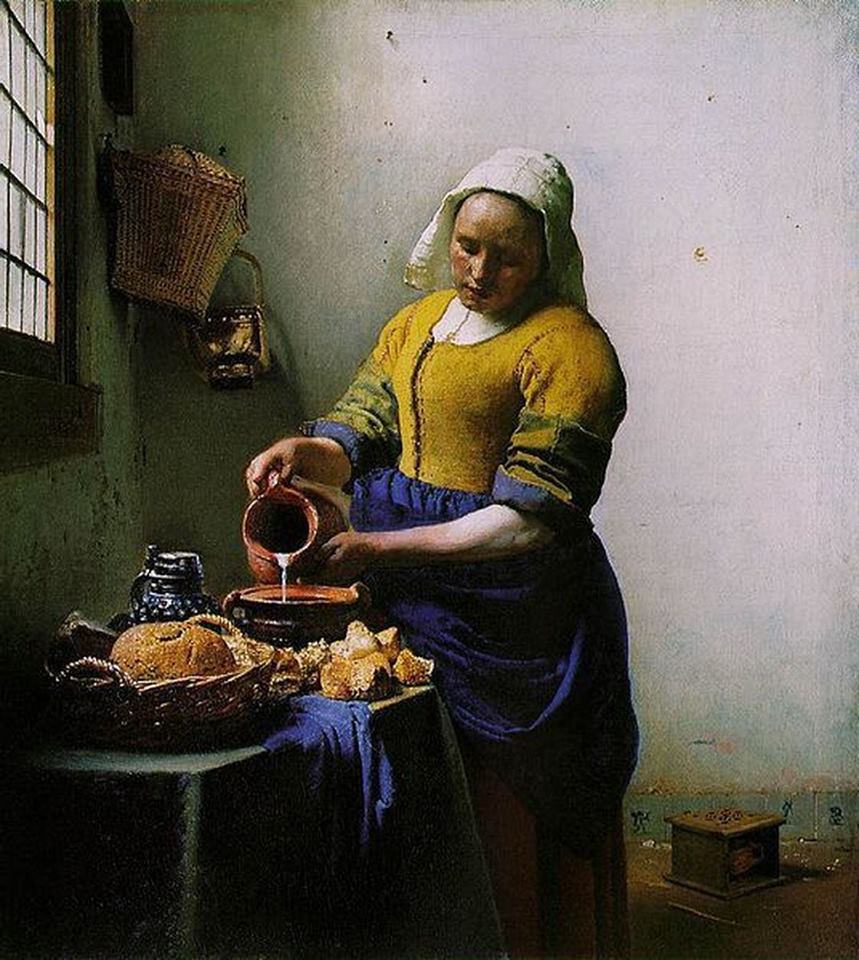
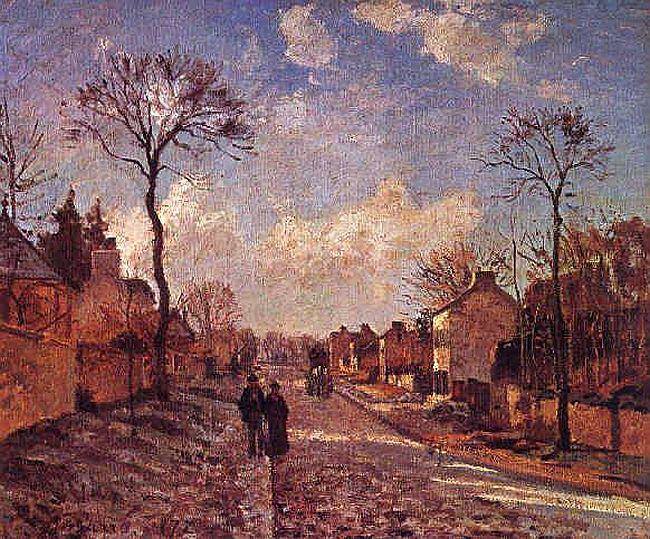
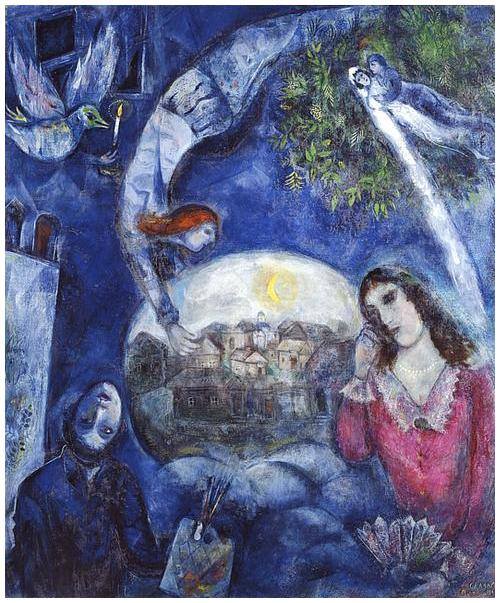

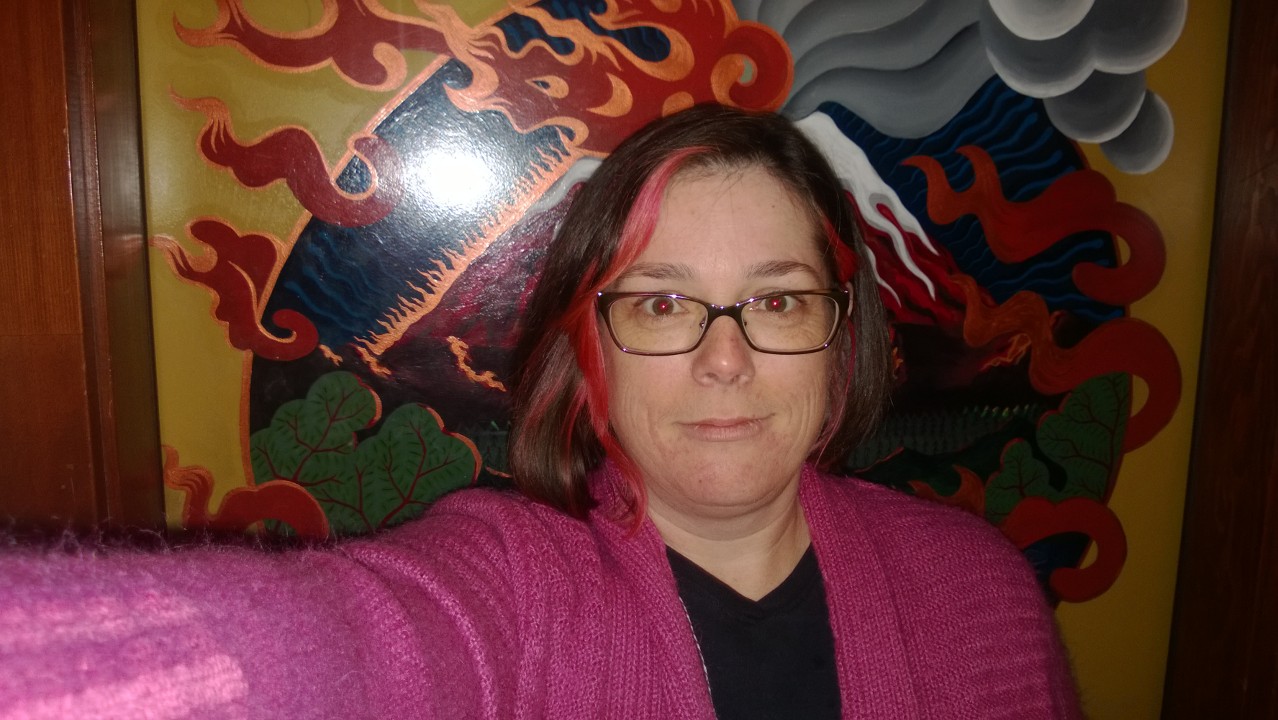

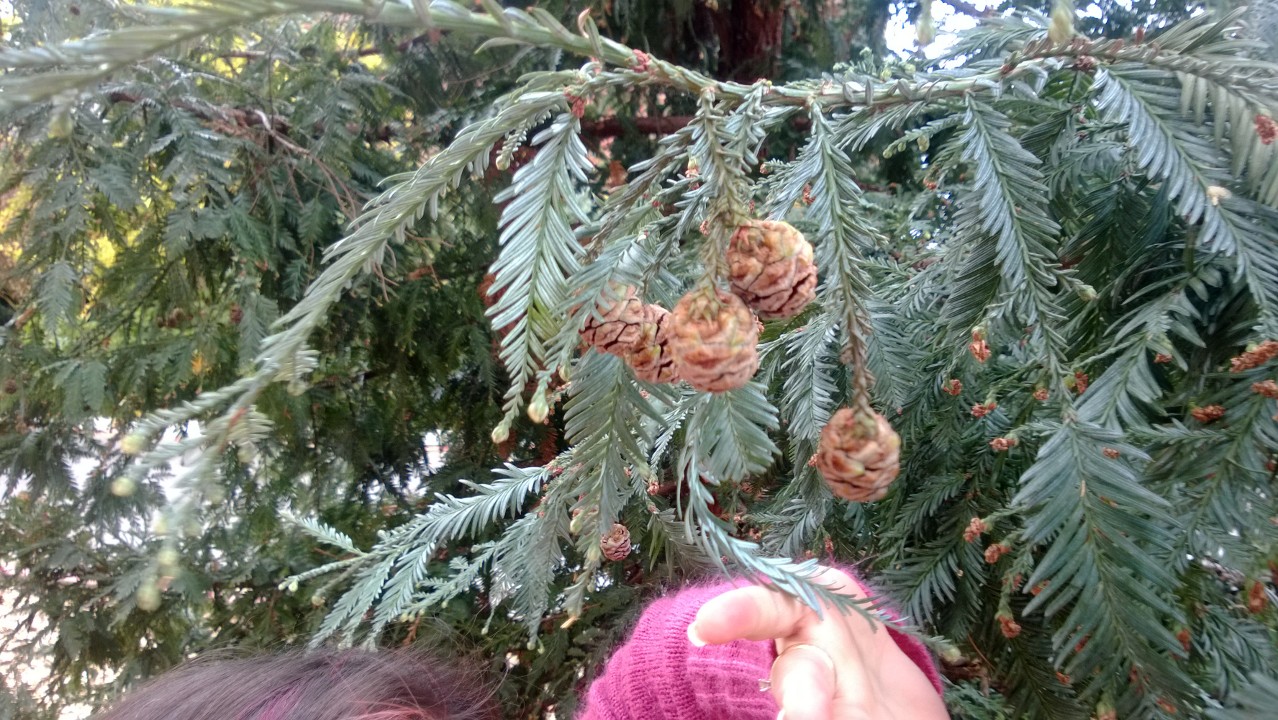
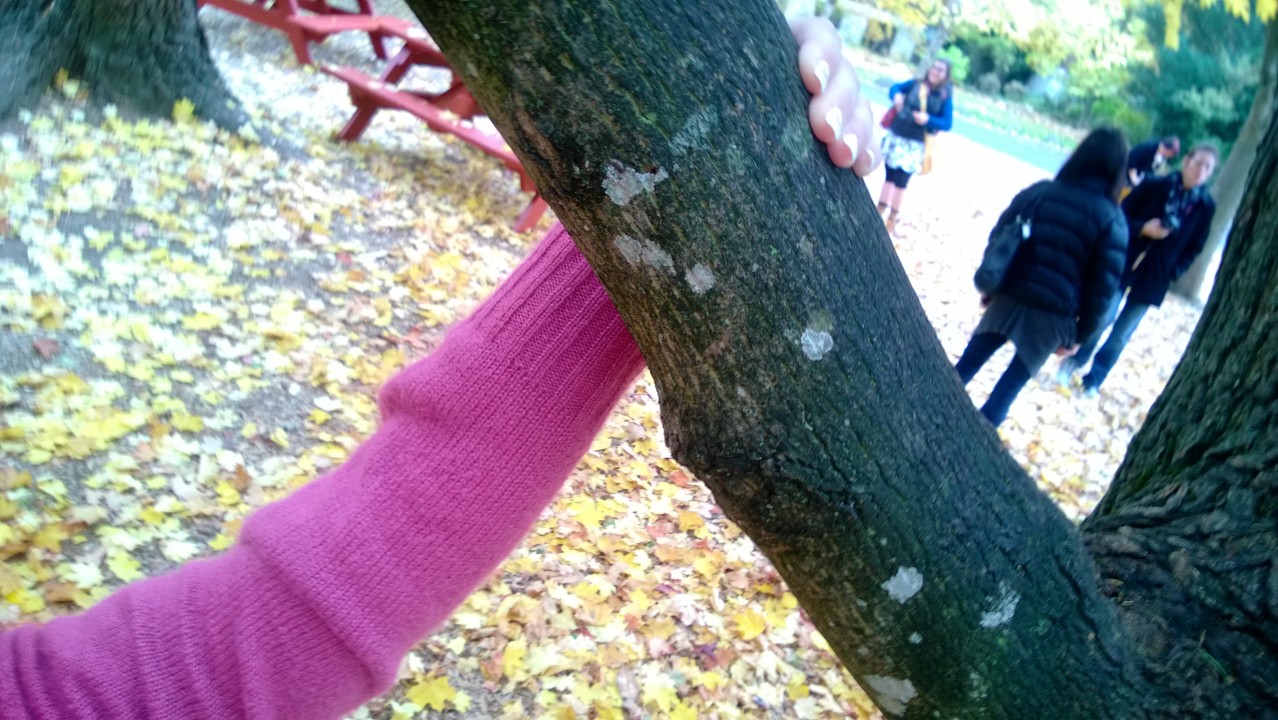
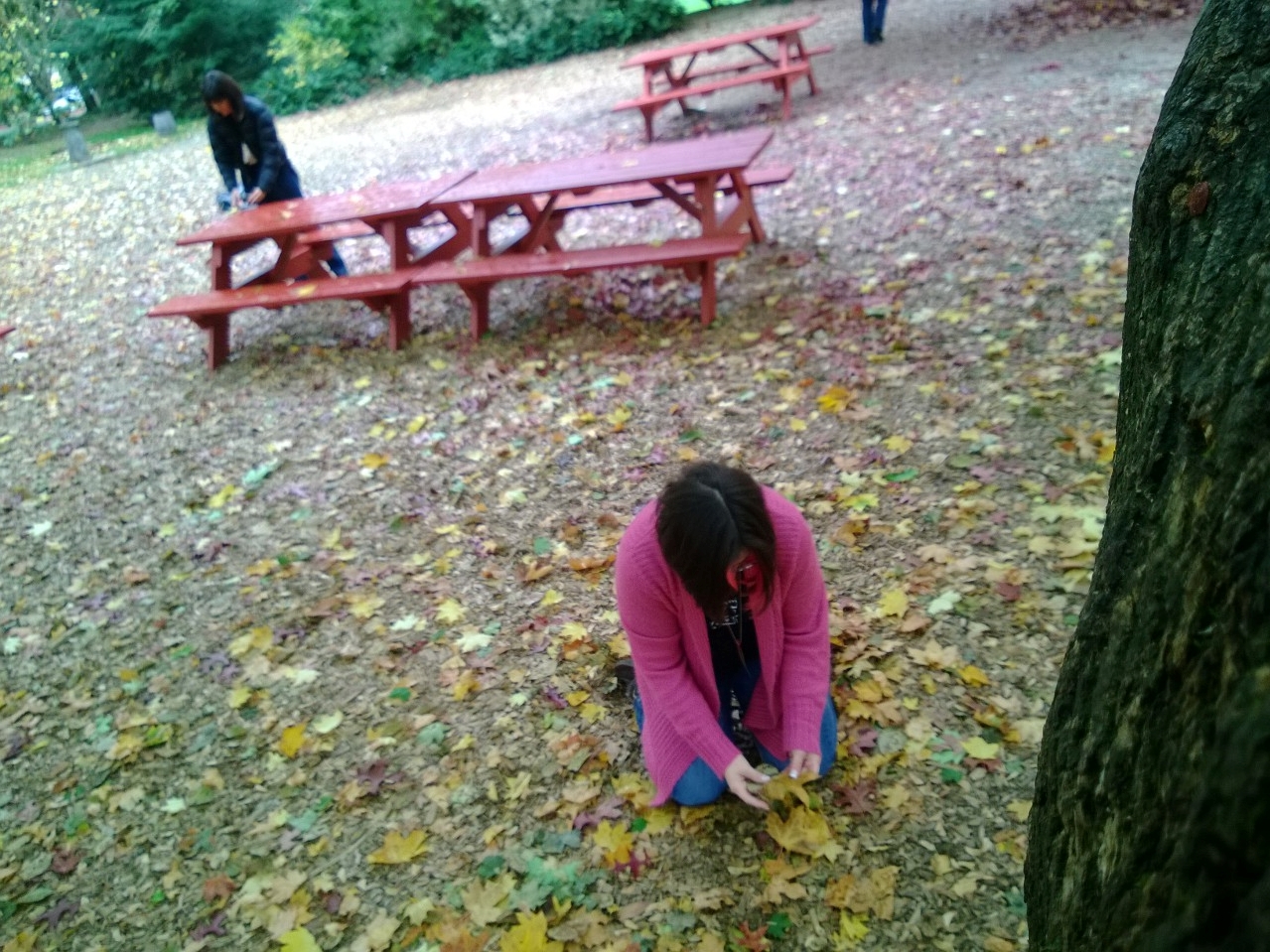

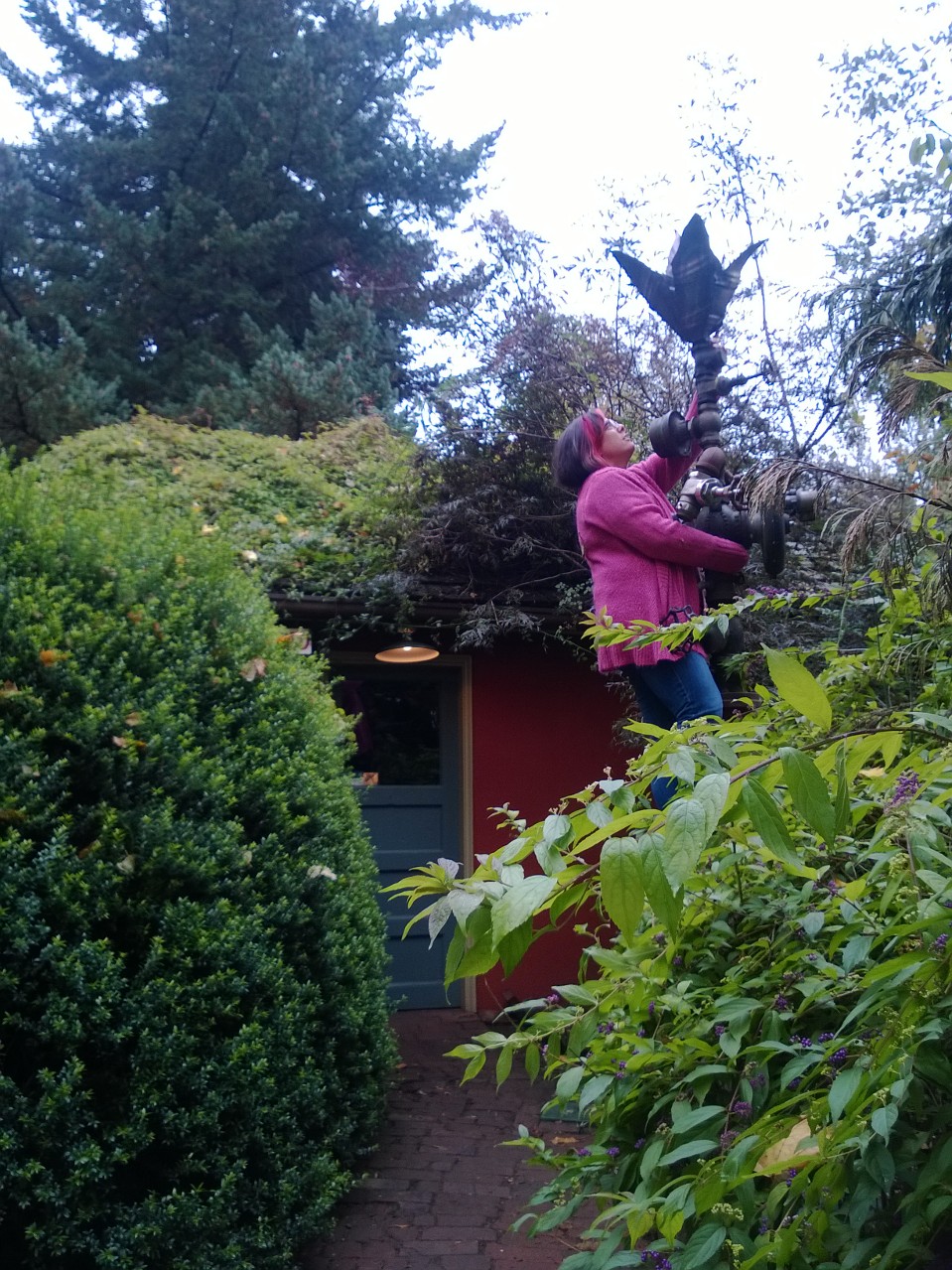
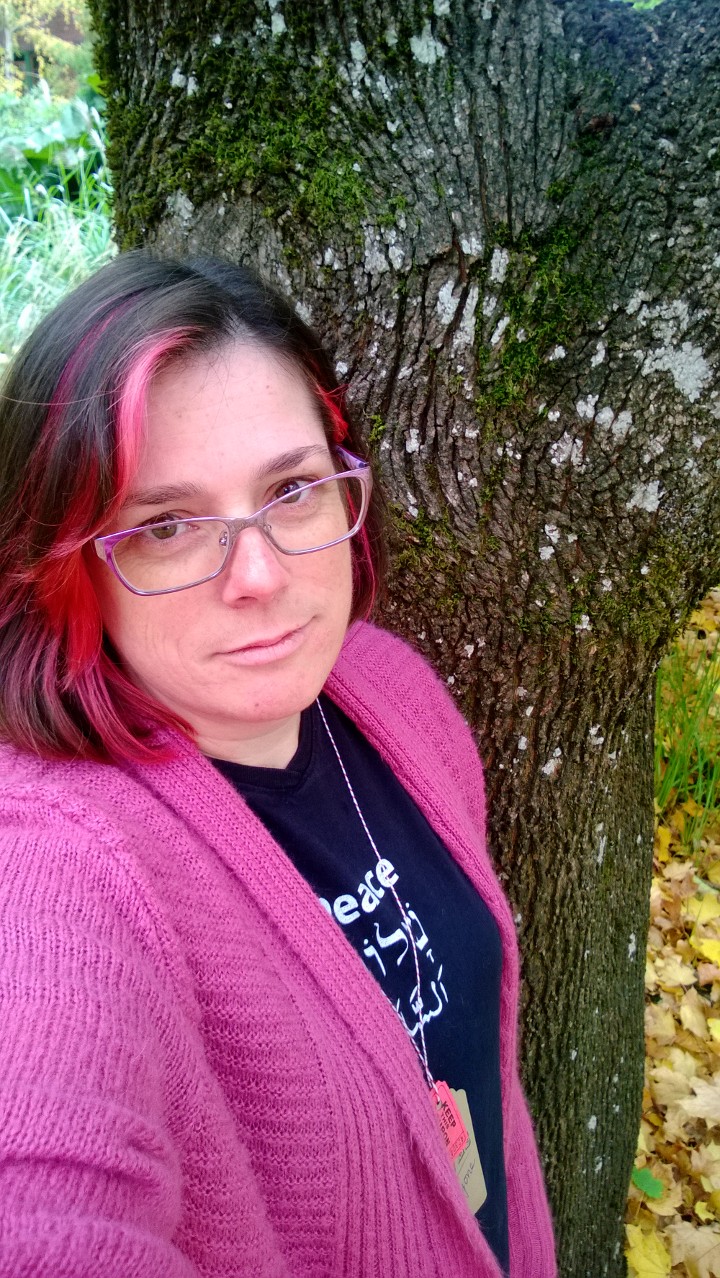


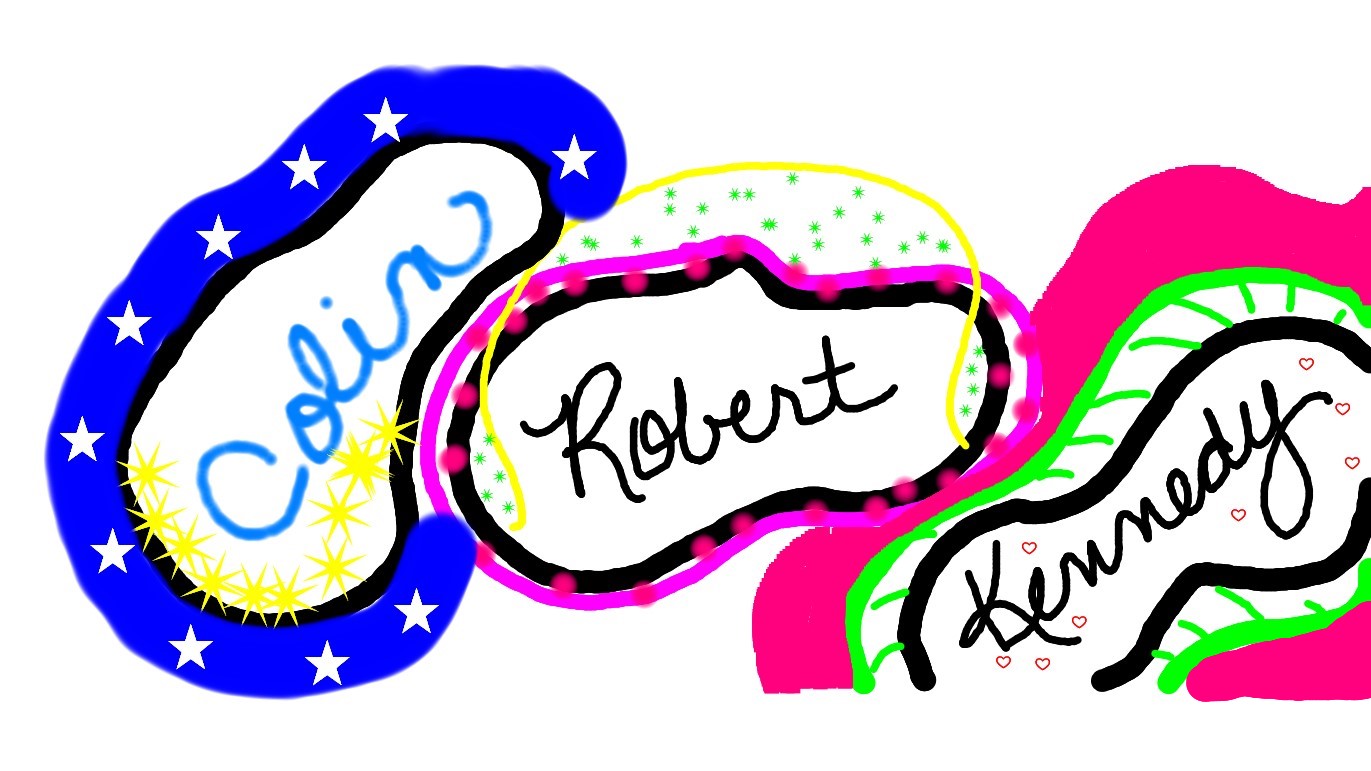


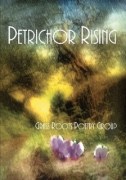









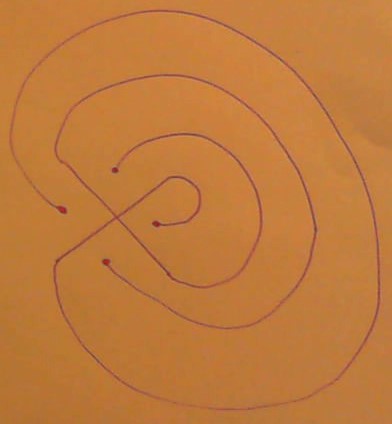

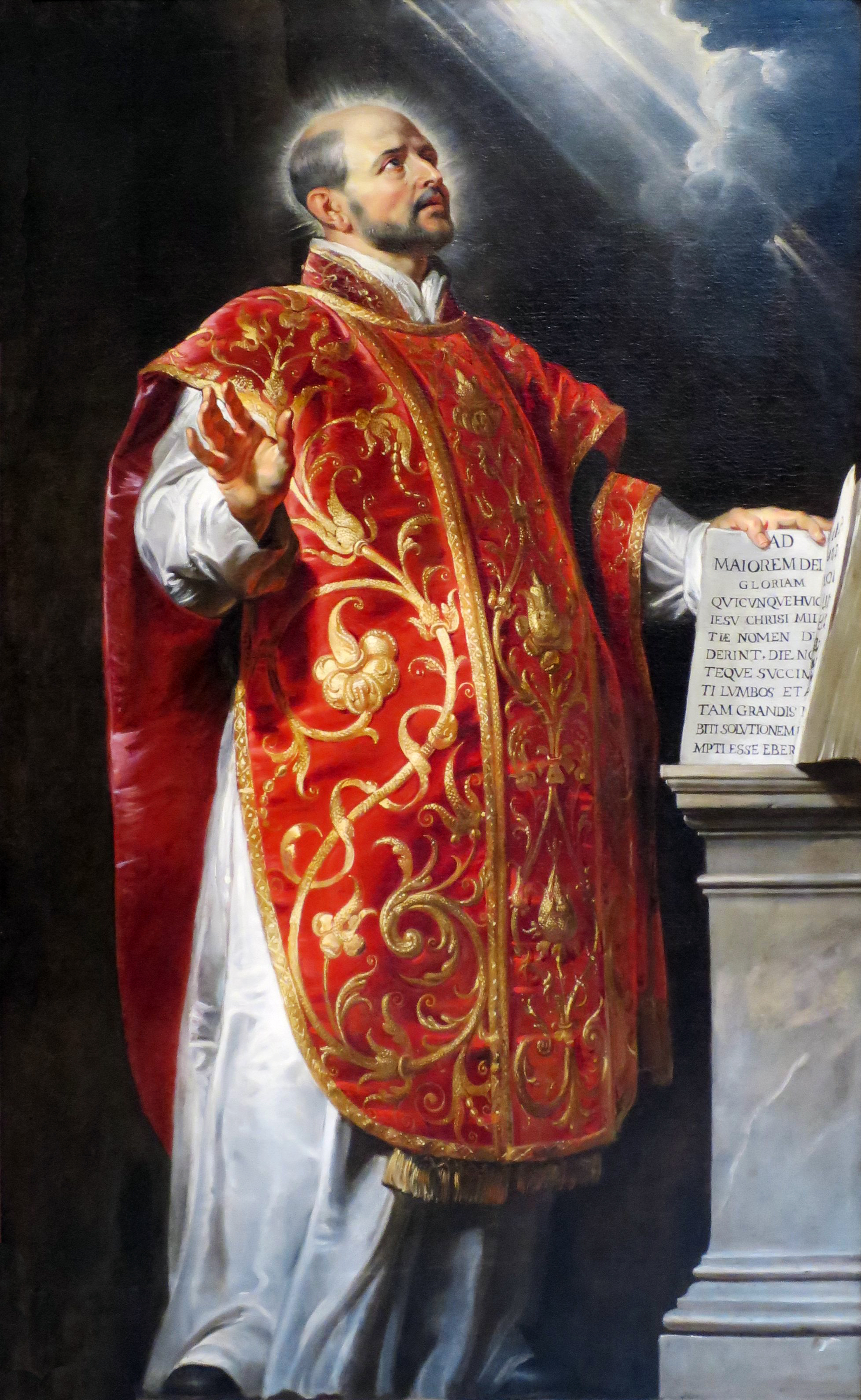

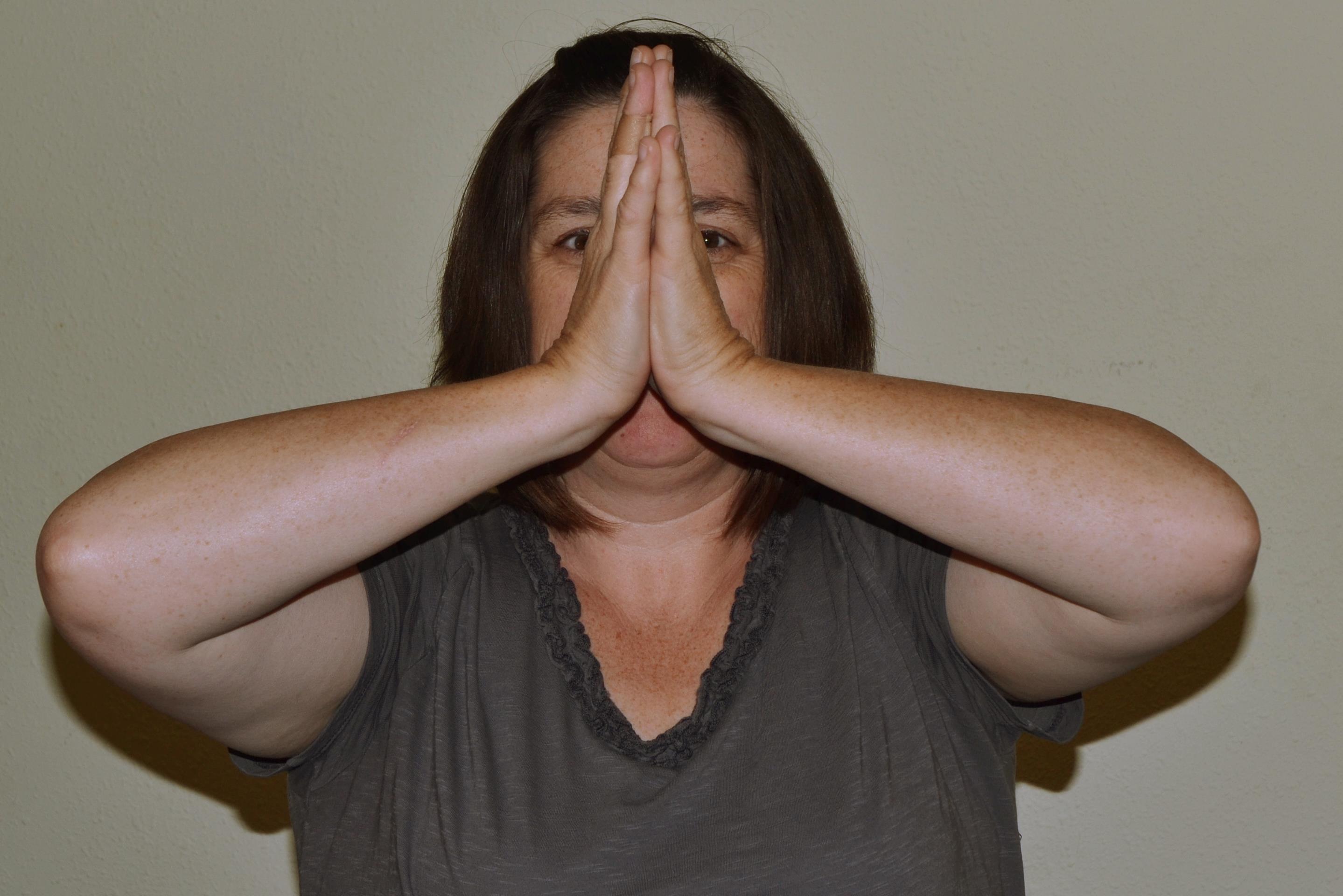


 The BeZine