Posted in Corina L. Ravenscraft, Environment/Deep Ecology/Climate Change, Essay, General Interest, Nature

Putting the “Action” in “Activism”

It’s Wilderness Awareness Week at The Bardo and scillagrace is heading up lots of amazing posts about the planet to coincide with the 50th anniversary of the Wilderness Act being signed into law in the U. S.

Image borrowed from https://www.facebook.com/workingwithoneness Carving by Bruno Torfs ©

As technological civilization diminishes the biotic diversity of the earth, language itself is diminished. As there are fewer and fewer songbirds in the air, due to the destruction of their forests and wetlands, human speech loses more and more of its evocative power. For when we no longer hear the voices of warbler and wren, our own speaking can no longer be nourished by their cadences. As the splashing speech of the rivers is silenced by more and more dams, as we drive more and more of the land’s wild voices into the oblivion of extinction, our own languages become increasingly impoverished and weightless, progressively emptied of their earthly resonance.” ~ David Abram

I wanted to write a brilliant piece of poetry for this event, but my efforts kept coming out with a negative bent, so I decided to instead make this post a mish-mash of things. It can be really hard to try and stay positive and find hope in the face of so much apathy in the world, with so many corporations hell-bent on destroying the planet just to make a profit. It can be terribly disheartening as a champion for the environment when you look at the way the odds are stacked against us, and how very much work there is to do.

On the other hand, it means that there are plenty of opportunities for all of us to find something to DO. Find an environmental cause that speaks to you, personally, whether it’s saving the rainforests, trying to keep trash out of our oceans or making sure that more tar sands pipelines don’t get built. The thing about activism is that it requires action. If you can’t be part of a climate march (Like the one coming up in NYC on 9/21/14), if you can’t get out and pick up litter in the parks, there are still lots of things you can do to help. The important thing is “action”. Whether your action is donating time, money, ideas, space, spreading the word via social media or blogging about it, taking pictures…however you choose to do it, just find a way to get involved. The more people we have taking action, the more our efforts can create a ripple effect that can move mountains (or save them from mountain-top strip mining, as the case may be).
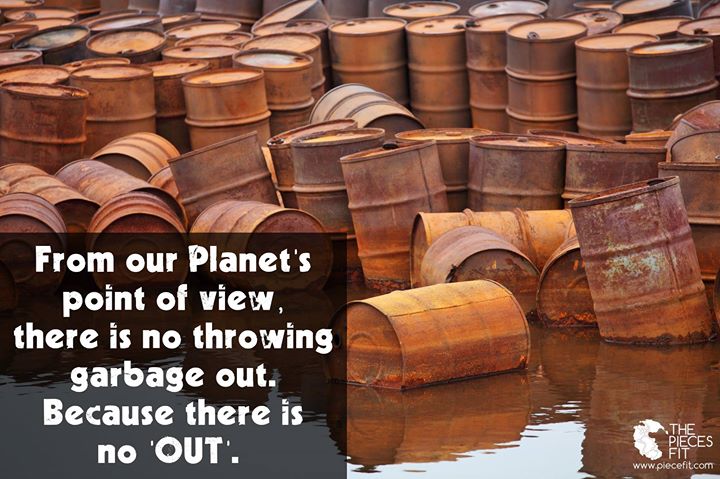
Image borrowed from piecefit.com

Here’s a list of the Top 100 Environmental Websites to get you started. From animals rights, to deforestation, to environmentally friendly energy solutions, to recycling, to ocean protection to whatever else you can think of regarding the environment and wilderness, your cause is out there…you just have to find it. 😉 Speaking of which, here’s a handy, dandy test to help you figure out your Environmental Worldview , which is defined as “collective beliefs and values that give people a sense of how the world works, their role in the environment, and right and wrong behavior toward the environment. Environmental worldviews dictate how we interact with nature and our attitude toward how we use the natural resources it contains.” ~ Source


Image borrowed from http://indulgy.com

In closing, I’d like to leave you with a video by one of my favorite celebrity environmental activists, Woody Harrelson.

– Corina Ravenscraft
effecd1bf289d498b5944e37d8f4ee6fdragonkatet (Dragon’s Dreams) ~  Regarding the blog name, Dragon’s Dreams ~ The name comes from my love-affairs with both Dragons and Dreams (capital Ds). It’s another extension of who I am, a facet for expression; a place and way to reach other like-minded, creative individuals. I post a lot of poetry and images that fascinate or move me, because that’s my favorite way to view the world. I post about things important to me and the world in which we live, try to champion extra important political, societal and environmental issues, etc. Sometimes I wax philosophical, because it’s also a place where I always seem to learn about myself, too, by interacting with some of the brightest minds, souls and hearts out there. It’s all about ‘connection(s)’ and I don’t mean “net-working” with people for personal gain, but rather, the expansion of the 4 L’s: Light, Love, Laughter, Learning.

Posted in Environment/Deep Ecology/Climate Change, General Interest, Priscilla Galasso

Celebrating 50 Years of Wilderness Protection

It’s a time for celebration! 2014 marks the 50th anniversary of the 1964 Wilderness Act, the landmark conservation bill that created a way for Americans to protect their most pristine wildlands for future generations.  The 1964 Wilderness Act…created the National Wilderness Preservation System, which protects nearly 110 million acres of wilderness areas from coast to coast. This anniversary is a wonderful chance to celebrate all that’s been achieved for wilderness in the past 50 years and remind Americans of all that we can achieve in the next 50.” (from The Wilderness Society website, http://www.wilderness.org)

wilderness

I read this call to celebration with great delight. My partner Steve is also turning 50 this fall. We’d been searching for a way to live out the next half of our lives more intentionally embodying all that we’ve come to value. He’s been reading up on ‘Deep Ecology’ lately and examining his own philosophy of land ethic, relationship to the Earth, and living responsibly. It can all be a very thick soup to me, but at the mention of “WILDERNESS”, I began to find a kind of clarity. Images, feelings, an intuitive sense of freedom and sanctity began to emerge from the murky definitions and contradictions. Yes, I value ‘wilderness’. I need it. I know this, deep in my soul. What is this recognition about? What does ‘wilderness’ mean, and what do I learn from it?

A wilderness, in contrast with those areas where man and his own works dominate the landscape, is hereby recognized as an area where the earth and its community of life are untrammeled by man, where man himself is a visitor who does not remain.” The Wilderness Act of 1964

tent

What is our relationship to wilderness – or to Nature, for that matter? Are we visitors? Are we managers, stewards, masters? Conquerors? I hear the ‘beep, beep, beep’ of construction vehicles in reverse and the thud of jack-hammers that are currently tearing down the green space near my home and widening the interstate highway to create a Research Park, and I know that a large part of my culture is dedicated to conquering and altering the land and calling it ‘development’.

playing house

I am drawn to the prairie, to the woodlands, to green space wherever I find it, but I don’t want to be a mere visitor. I belong to this planet. My ancestry is here. When I was a little girl, I used to play in the Forest Preserve across the street from my house. I would duck beneath the shady boughs of a bush and sweep out some floor space with a stick. I would set up rooms and fashion utensils of twig and bark. I played House for hours on end, staking my claim, perhaps, to domesticity within that habitat. I want to live on the Earth, with the Earth, not in dominance or enmity, but in peace and harmony. In order to live in peace, however, I have to know when to leave well enough alone. I know this in my relationship with people, and I know this in my relationship with animals. It’s called Respect. Why shouldn’t this be true of my relationship to land and sea and air as well? Let it do what it wants to do. Let it enjoy autonomy, as I do. Let it be “untrammeled by man”.

 If future generations are to remember us with gratitude rather than contempt, we must leave them a glimpse of the world as it was in the beginning, not just after we got through with it.” – Lyndon Baynes Johnson, President who signed The Wilderness Act into law.

secondary wilderness forest

Is it naive to think that there exists any place on Earth that is truly pristine? Perhaps. And that need not be grounds to dismiss the idea of wilderness with a cynical roll of the eyes. I believe there is merit in creating what I call ‘secondary wilderness’ by allowing areas that have been previously used and even exploited to return to a more natural state. There is much to be learned by observing what time and non-human agents will do in a particular environment. Steve and I found a section of secondary wilderness right here in Wisconsin. Although most of the 110 million acres of federally designated Wilderness is west of the Mississippi in mountains, deserts, and Arctic tundra, there are forests in the North that have been abandoned by logging operations and allowed to return to wildlands. The Headwaters Wilderness in the Nicolet unit of the Chequamegon-Nicolet National Forest is 22,000+ acres of previously logged forest that has been left wild since 1984. There are 2 Forest Service roads that divide the area into three sections, but enough contiguous acreage to qualify still for wilderness status. Backpacker Magazine’s site has given it the distinction of “deepest solitude” within that Forest. We headed there just after Memorial Day.

wilderness map

wilderness:(1)  a tract or region uncultivated and uninhabited by human beings (2) :  an area essentially undisturbed by human activity together with its naturally developed life community (Webster’s Collegiate Dictionary)

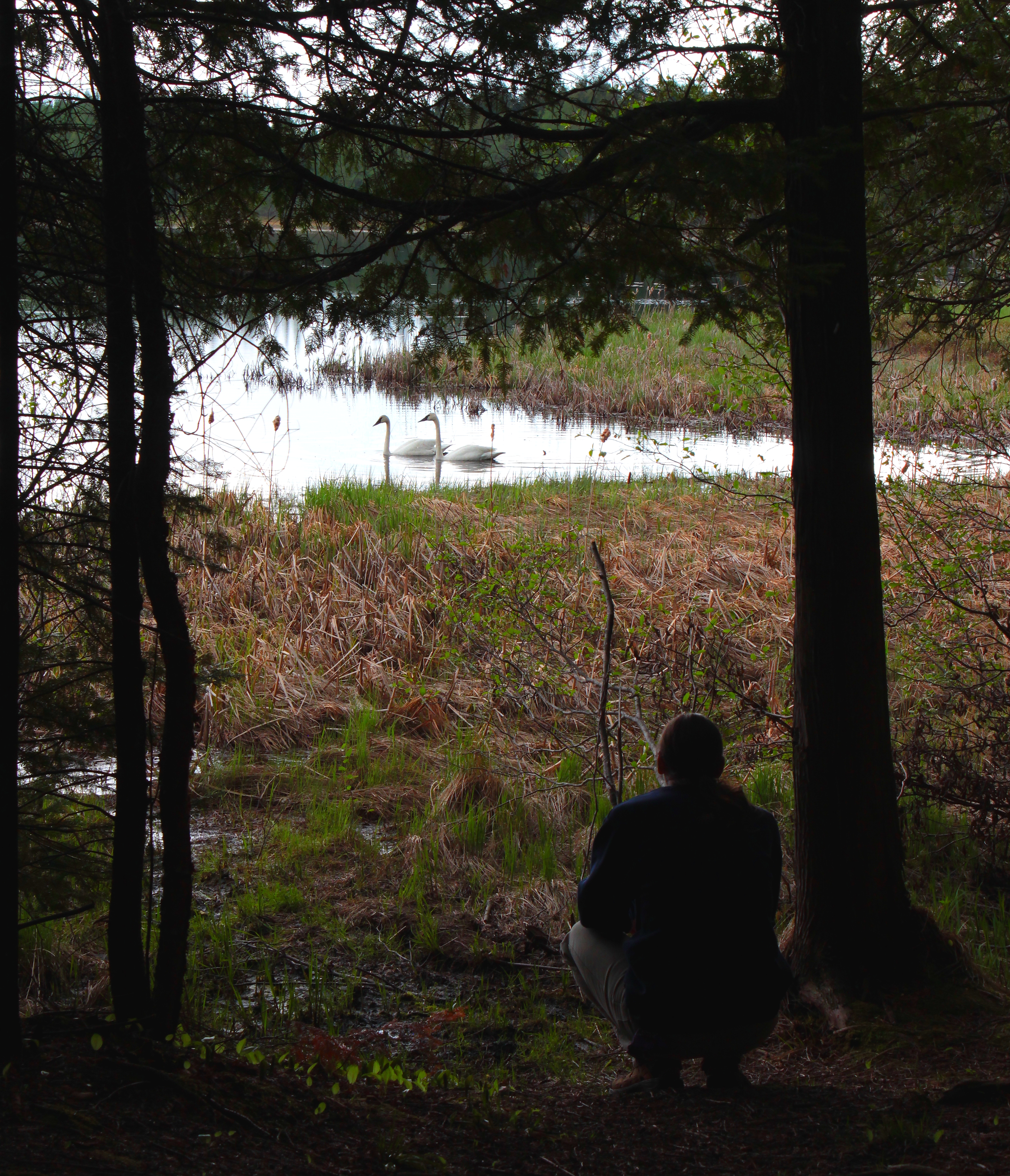
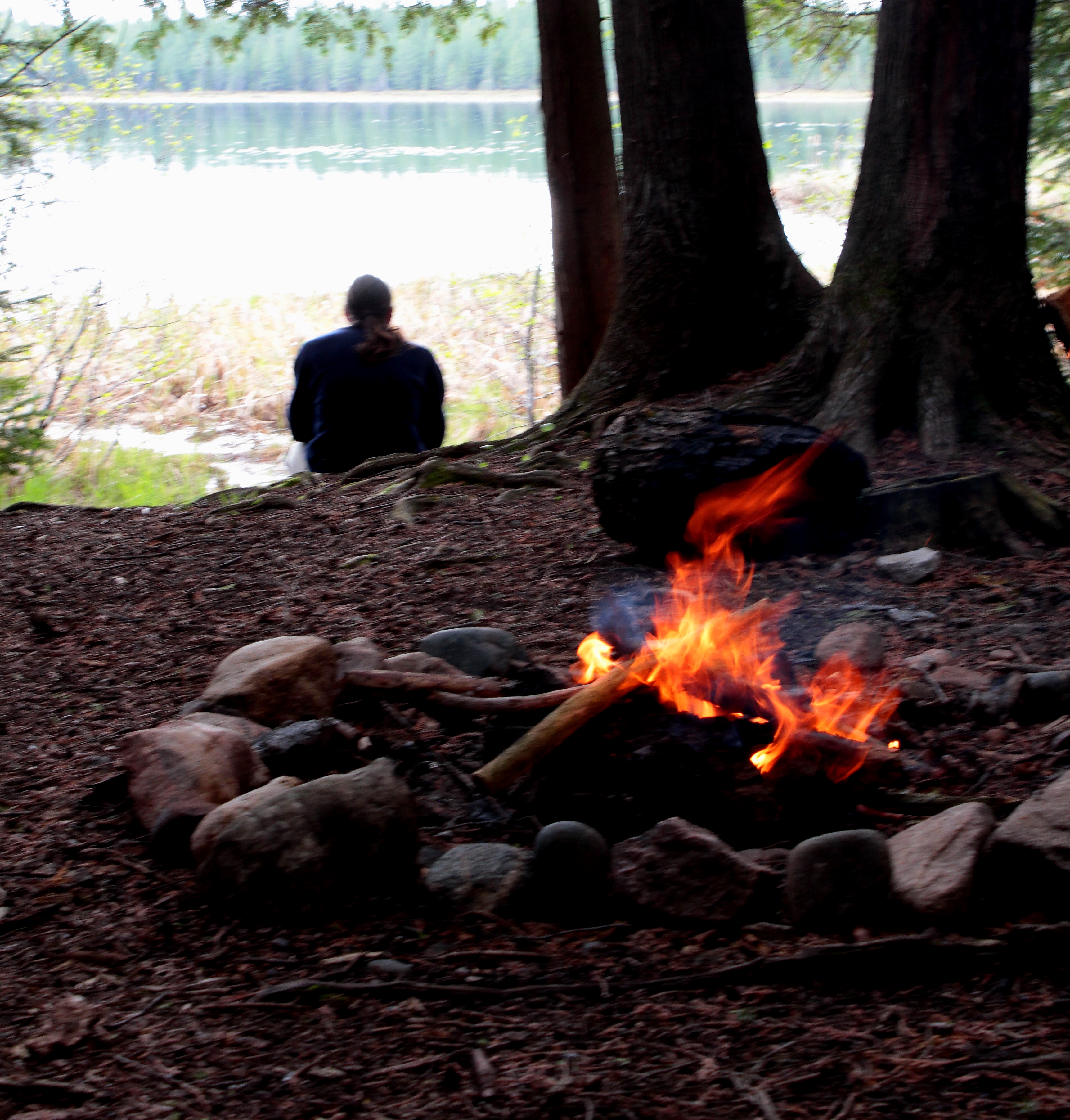
We found a dispersed campsite across the road from the designated wilderness on the banks of Scott Lake. As we set up camp, we were greeted by two trumpeter swans on the lake, a raucous chorus of frogs and a host of mosquitoes. That night, we had a bit of rain. In the morning, a bald eagle perched high in a dead tree on the far side of the lake, illuminated by the rising eastern sun. Staring at him through my binoculars, I imagined him enjoying an aerial view like ones I’d seen in pictures of Alaska. Could I really be in the wilderness, finally? My rational brain convinced me of the disparities, but my romantic soul glowed. Even here, in Wisconsin, there can be solitude, common-union with nature, and a wild hope.


swans 2

“…in Wildness is the preservation of the World. Every tree sends its fibers forth in search of the Wild. The cities import it at any price. Men plow and sail for it. From the forest and wilderness come the tonics and barks which brace mankind…I believe in the forest, and in the meadow, and in the night in which the corn grows. We require an infusion of hemlock, spruce or arbor vitae in our tea…” Henry David Thoreau, “Walking” 1862

We found a hiking trail into the edge of the wilderness, marked by a series of white diamonds on the trees. The trail was maintained, after a fashion, but not with meticulous interference. I preferred it to those wide, paved “trails” in city parks where cyclists, boarders and baby strollers whiz by all weekend.

The inevitable down side of climbing the wilderness mountain is returning to ‘civilization’, re-entering the spaces that humans have altered and asking a million critical questions about our involvement. Was this action necessary? Was this change beneficial and for whom? How is this decision going to effect this environment, this habitat, this life? How do I take responsibility when my ignorance is so vast? How do I do my best to learn and choose and be aware? What do I do when I see individuals or systems causing destruction?

I learned the 4 pillars of Environmental Education while volunteering at a local Nature Center: Awareness, Appreciation, Attitude and Action. My experience in the wilderness took me on a journey past those milestones: being aware of the solitude, of the multitude of interconnected lives as well; being awed by the variety and majesty of all that I saw; feeling a deep desire to protect, to respect, and to serve Life; and finally, deciding to make changes and choices in my own life and lifestyle, to learn to embody the experience, not just as a vacation or a change from habit, but as a daily practice.

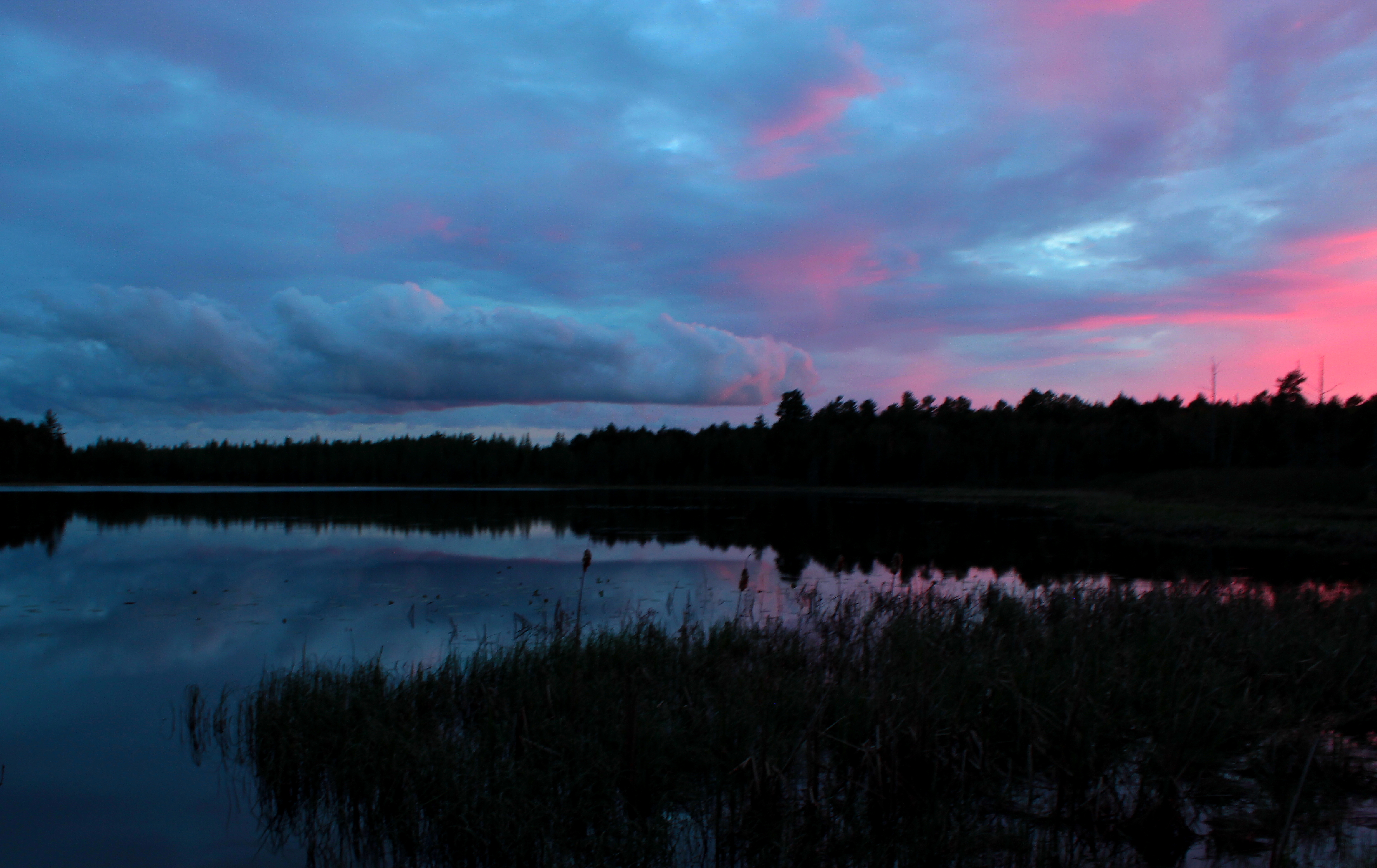
wilderness sunsetSteve & I are planning to attend the National Wilderness Conference in Albuquerque, New Mexico this October. We are eager to explore the sacred space of our common ground, the Earth, with like-minded people who are also interested in fostering the understanding of our life in proximity with each other and with the life around us. I look forward to feeling the refreshment of wilderness in my soul and encountering new ways of expressing the spiritual aspect of this quality of life in art, morality and intellectual discourse.

Please consider this an invitation to join me, if not at the Conference itself, in the exploration of Wilderness as a part of our humanity. Please share comments here and likes here. If you would like to share a link or links to your own relevant posts, you may use Mister Linky below or leave the link in the comments section.

Ben Jonson exclaims: ‘How near to good is what is fair!’ So I would say, How near to good is what is wild! Life consists with wildness. The most alive is the wildest. Not yet subdued to man, its presence refreshes him. One who pressed forward incessantly and never rested from his labors, who grew fast and made infinite demands on life, would always find himself in a new country or wilderness, and surrounded by the raw material of life. He would be climbing over the prostrate stems of primitive forest-trees. Hope and the future for me are not in lawns and cultivated fields, not in towns and cities, but in the impervious and quaking swamps.” Henry David Thoreau, “Walking” 1862

.

© 2014, essay and photographs, Priscilla Galasso, All rights reserved

.

004PRISCILLA GALASSO ~ started her blog at scillagrace.com to mark the beginning of her fiftieth year. Born to summer and given a name that means ‘ancient’, her travel through seasons of time and landscape has inspired her to create visual and verbal souvenirs of her journey. Currently living in Wisconsin, she considers herself a lifelong learner and educator. She gives private voice lessons, is employed by two different museums and runs a business (Scholar & Poet Books, via eBay and ABE Books) with her partner, Steve.

Posted in Environment/Deep Ecology/Climate Change, Victoria C. Slotto, Writers' Fourth Wednesday

WRITERS’ FOURTH WEDNESDAY: In the Wilderness, of the Wilderness

Photo: oregonlive.com

Starting August 31 at The Bardo Group, we are celebrating Wilderness Week  (details HERE) hosted by Pricilla Galasso(scillagrace). We thought that this would be a great leaping off place for Writers’ Fourth Wednesday invitation to creativity. We hope you link in your related work here and during our International Wilderness Week celebrations.

Think of how many poets and writers have been influenced by what I would call raw nature. Thoreau fled to Walden, Basho walked the shores of Japan, Gary Snyder and John Muir touted the environmental cause in the uninhabited regions of the Northwest, while Mary Oliver revels in the beauty of Massachusetts and the Northeast. Wordsworth, Audubon, Emerson…the list could go on and on.

So, today, I invite you to join your voice in poetry or prose to that of so many who have turned to untamed nature for inspiration. Here are a few suggestions to help you get started:

• Choose a photo or painting of a nature artist and write an Ekphrastic poem about the work of art. (Ansel Adams, Bierstadt…)

• Go into the wilderness and let your surroundings speak to your pen. • Choose specific flora or fauna about which to write. • Take a classical myth that has a wilderness theme and write about it.

• Read the work of a wilderness poet or writer and let their words inspire yours.

• Write of an undeveloped area in your own country or region, a place you’ve visited or would like to visit.

• Perhaps you would like to contrast urban and rural living or develop a patch of the wild in a city. • Write an environmentally themed poem or short essay.

• Write a children’s poem to open them to the wonders of nature.

• Oh, and did I mention, take yourself into the wilderness?!

Photo: wilderness.org


If you would like to share your work with us (and I hope you will) use Mr. Linky at the bottom of this post, or add your link in the comments.

To access Mister Linky (below in green):

• Write your submission and post it on your blog.

• Copy and paste the URL to your submission along with your identifier in the spaces provided by Mister. Linky.

• Visit and comment on other participants, as time allows.

• Enjoy the process. It is not a challenge, but rather an invitation.

I’m fortunate to live in a mostly rural area in the Sierra Nevada, about 30-40 minutes from beautiful Lake Tahoe. And I’m ashamed to say I’m lucky if I get there once a year. I’m glad for this opportunity to change that in the near future.

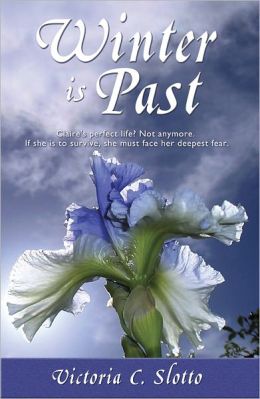
2940013445222_p0_v1_s260x42034ff816cd604d91d26b52d7daf7e8417VICTORIA C. SLOTTO (Victoria C. Slotto, Author: Fiction, Poetry and Writing Prompts) ~ is an accomplished writer and poet. Winter is Past, published by Lucky Bat Books in 2012, is Victoria’s first novel. A second novel is in process. On Amazon and hot-off-the-press nonfiction is Beating the Odds: Support for Persons with Early Stage Dementia. Victoria’s ebooks (poetry and nonfiction) are free to Amazon Prime Members. Link HERE for Victoria’s Amazon page. Victoria’s poetry collection is  Jacaranda Rain, Collected Poems, 2012, Beautifully done.

Writers’ Fourth Wednesday prompt is hosted by Victoria from January through October. Victoria’s next Fourth Wednesday writers’ prompt will post at 12:01 a.m. PST on September 24. Please join us. Mister Linky will remain open for seventy-two hours so that you can link your response to this blog. If you find Mister Linky too cumbersome to use, please feel free to leave your link in the comments section on Wednesday. Victoria and Jamie will read and comment and we hope you will read each other’s work as well, comment and encourage. 

Posted in Bardo News, Environment/Deep Ecology/Climate Change, Essay, General Interest, Nature, Photo Essay, Photography/Photographer, Priscilla Galasso

BARDO NEWS: Wilderness Week coming up….

Editor’s Note: Please join us for this event sponsored by The Bardo Group and hosted by Priscilla Galasso (scillagrace).

.

004PRISCILLA GALASSO ~ started her blog at scillagrace.com to mark the beginning of her fiftieth year. Born to summer and given a name that means ‘ancient’, her travel through seasons of time and landscape has inspired her to create visual and verbal souvenirs of her journey. Currently living in Wisconsin, she considers herself a lifelong learner and educator. She gives private voice lessons, is employed by two different museums and runs a business (Scholar & Poet Books, via eBay and ABE Books) with her partner, Steve.

During the week of August 31 – September 6, The Bardo Group will post essays, photos and poems on Wilderness to coincide with the 50th anniversary of the Wilderness Act being signed into law in the U. S.   You are encouraged to add your voice to ours on this site via Mister Linky or by sharing a link to your work in the comments section of any post that week.  Although this is an U.S. event, we recognize that there are places all over the world that are still wild and that are protected by naturalists, scientists, governments and concerned citizens. Hence, we invite participation from everywhere. We think it would be a good thing for us to share information and insights about the world’s many wild places though poems, essays, photographs, music and videos. Please mark your calendars and plan to join us.  

“…in Wildness is the preservation of the World. Every tree sends its fibers forth in search of the Wild. The cities import it at any price. Men plow and sail for it. From the forest and wilderness come the tonics and barks which brace mankind…I believe in the forest, and in the meadow, and in the night in which the corn grows. We require an infusion of hemlock, spruce or arbor vitae in our tea…” Henry David Thoreau, “Walking” 1862


wilderness signBen Jonson exclaims: ‘How near to good is what is fair!’ So I would say, How near to good is what is wild! Life consists with wildness. The most alive is the wildest. Not yet subdued to man, its presence refreshes him. One who pressed forward incessantly and never rested from his labors, who grew fast and made infinite demands on life, would always find himself in a new country or wilderness, and surrounded by the raw material of life. He would be climbing over the prostrate stems of primitive forest-trees. Hope and the future for me are not in lawns and cultivated fields, not in towns and cities, but in the impervious and quaking swamps.” Henry David Thoreau, “Walking” 1862 wilderness campFind some solitude and some wild land and let your spirits explore! 

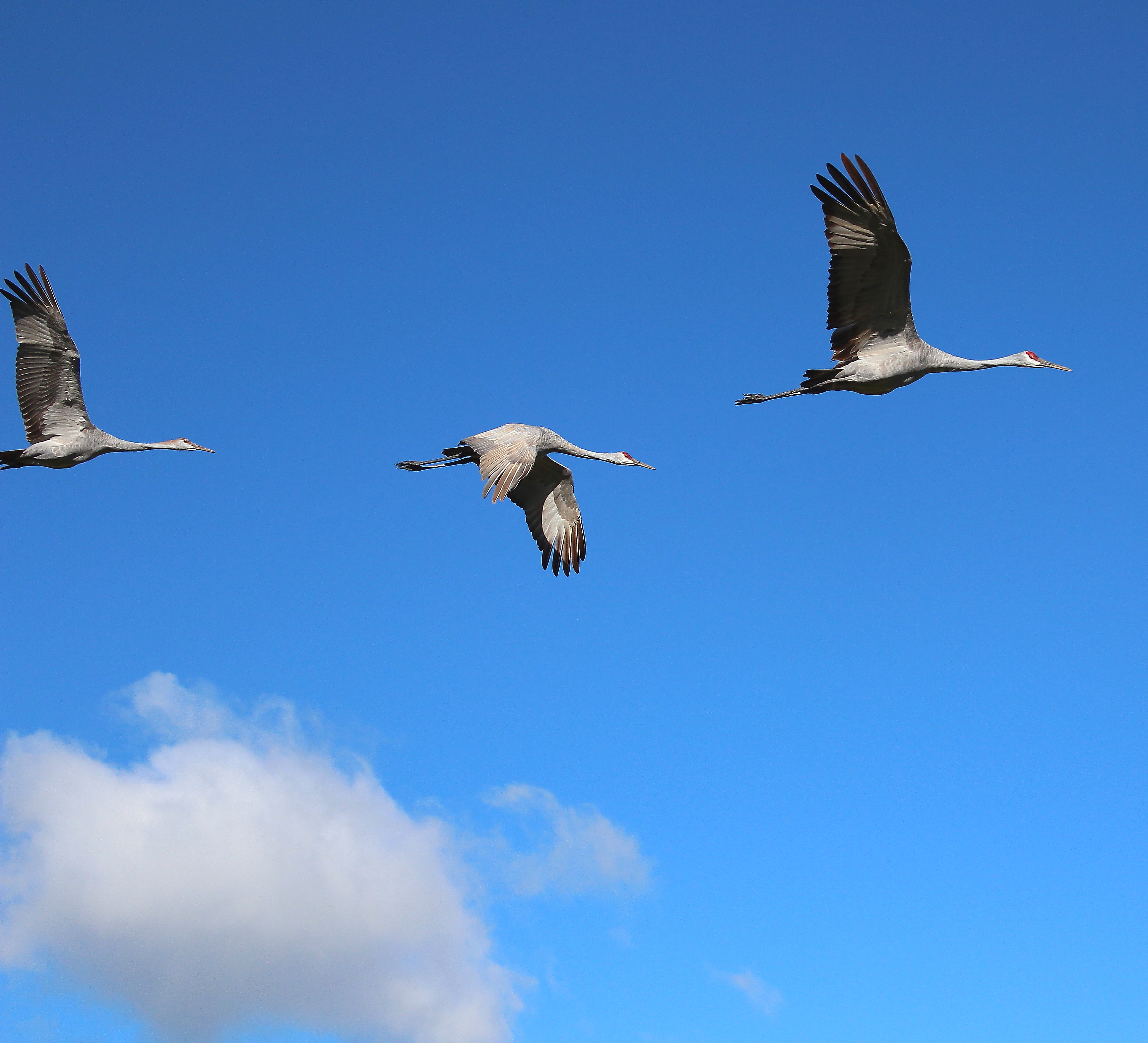
cranesWe’re looking forward to hearing from you!

© 2014 photographs by Priscilla Galasso, All rights reserved

Thank you to all who share their extraordinary and diverse works here, to those who read and comment, and to those who spread the word and reblog posts. Thanks to the Core Team for their consistency, commitment, and professionalism. You rock!

In the spirit of peace, love and community,

THE BARDO GROUP

The Bardo Group, Facebook Page

bardogroup@gmail.com

Posted in Art, Corina L. Ravenscraft, Environment/Deep Ecology/Climate Change, poem, Poems/Poetry, poetry

~ Planet MoM ~

"Planet MoM" © Corina L. Ravenscraft 2014
“Planet MoM” © Corina L. Ravenscraft 2014

M is for the multitudes She nurtures.
O is for the only world we have.
T is terrestrial preservation – Hers.
H is for the home we have to save!
E is ecosystems, all connected.
R is for respect that She is due.

E is for environments, protected.
A is for awakened points of view.
R is for the rescue of our parent.
T is teaching all to love Her, too.
H is the Heaven or Hell they will inherit.

For all She gives us, it’s the least that we can do.


~ © Corina L. Ravenscraft 2014 ~

effecd1bf289d498b5944e37d8f4ee6fAbout dragonkatet Regarding the blog name, Dragon’s Dreams ~ The name comes from my love-affairs with both Dragons and Dreams (capital Ds). It’s another extension of who I am, a facet for expression; a place and way to reach other like-minded, creative individuals. I post a lot of poetry and images that fascinate or move me, because that’s my favorite way to view the world. I post about things important to me and the world in which we live, try to champion extra important political, societal and environmental issues, etc. Sometimes I wax philosophical, because it’s also a place where I always seem to learn about myself, too, by interacting with some of the brightest minds, souls and hearts out there. It’s all about ‘connection(s)’ and I don’t mean “net-working” with people for personal gain, but rather, the expansion of the 4 L’s: Light, Love, Laughter, Learning.

Posted in animals/animal welfare/interspecies connections, Corina L. Ravenscraft, Environment/Deep Ecology/Climate Change, Nature, Story Telling, Photo Story, Video

The Power of Collective Creativity

As creative individuals, it’s rewarding when we can use our skills to make something that “speaks” to others. Whether it’s the written word, the visual arts, music or performance arts, “The Arts” have always been a way to make powerful statements about politics, religion, war, the environment. It’s a way to make your own opinion known about these and other things that usually embody a very personal, individual set of beliefs or values. It has been said that any “successful” piece of art is one that evokes an emotional response (be it good or bad).

image borrowed from http://www.edutopia.org/arts-music-curriculum-child-development

image borrowed from http://www.edutopia.org/arts-music-curriculum-child-development

Throughout history, there are scads of examples of “The Arts” changing the world in some way. I’m not just talking about changing the “Art World”, though there are plenty of examples of that, too. But consider things like cave paintings. Once discovered, they completely changed the way that modern mankind viewed our cave-dwelling ancestors! Or how about Shakespeare and his influence of adding around 1700 words to the English language, or his play “Othello” which brought the idea of inter-racial love to the forefront of peoples’ minds?

image borrowed from http://www.durbeckarchive.com/plays.htm

image borrowed from http://www.durbeckarchive.com/plays.htm

The song “Imagine” by John Lennon became something of a “global” anthem for peace, because anyone, anywhere could relate to the desire of human beings for peace instead of war. The photograph of the young, naked Vietnamese girl running away from a napalm attack in the 1970′s shocked enough people to significantly swell the anti-Vietnam movement here in America.

image borrowed from http://www.telegraph.co.uk/news/worldnews/asia/vietnam/7735854/Vietnam-War-girl-in-the-picture-reunited-with-journalist-who-saved-her-life.html

image borrowed from http://www.telegraph.co.uk/news/worldnews/asia/vietnam/7735854/Vietnam-War-girl-in-the-picture-reunited-with-journalist-who-saved-her-life.html

I’m sure you can think of numerous examples, but the point is that Art has POWER.

Now take that creative energy and then multiply it, with many artists working for the same cause…and the possibilities are astounding! I’d like to share a video I recently watched from here regarding the POWER of a “Collective Creative Conscience”. It gave me hope and inspiration that we CAN (and DO) change the world in better ways than we ever thought possible! Enjoy! :)


Corina L. Ravenscraft

© 2013, essay and portrait (below), Corina Ravenscraft, All rights reserved

Corina-1CORINA L. RAVENSCRAFT (Dragon’s Dreams) ~ is an old friend of The Bardo Group and a new member of the Core Team. She is a poet and writer, artist and librarian who has been charming us through her blog since 2000, longer than any blogger in our little blogging community.  In the her engaging “about” on her blog HERE, Corina says, “I’m not a materialistic person, because I’ve learned that it’s not the “things” in life which really count, but the people you connect with, whose lives you touch or who touch yours. I don’t take anyone or anything for granted because I know from experience that it can all disappear in the blink of a cosmic eye.  People and animals are so much more important (and interesting!) to me than any kind of material possessions.”

Posted in animals/animal welfare/interspecies connections, Environment/Deep Ecology/Climate Change, Liliana Negoi, Nature

On Christmas

Don’t let the title fool you . . .  because this post is prescheduled and because I will not write about Christmas in the traditional way, mainly because it isn’t today (as in “today, when I’m actually writing this text”) and also because everybody writes about Christmas these days, so I thought that a change would be good. Therefore I’ll write about the things that are going through my mind in this moment.

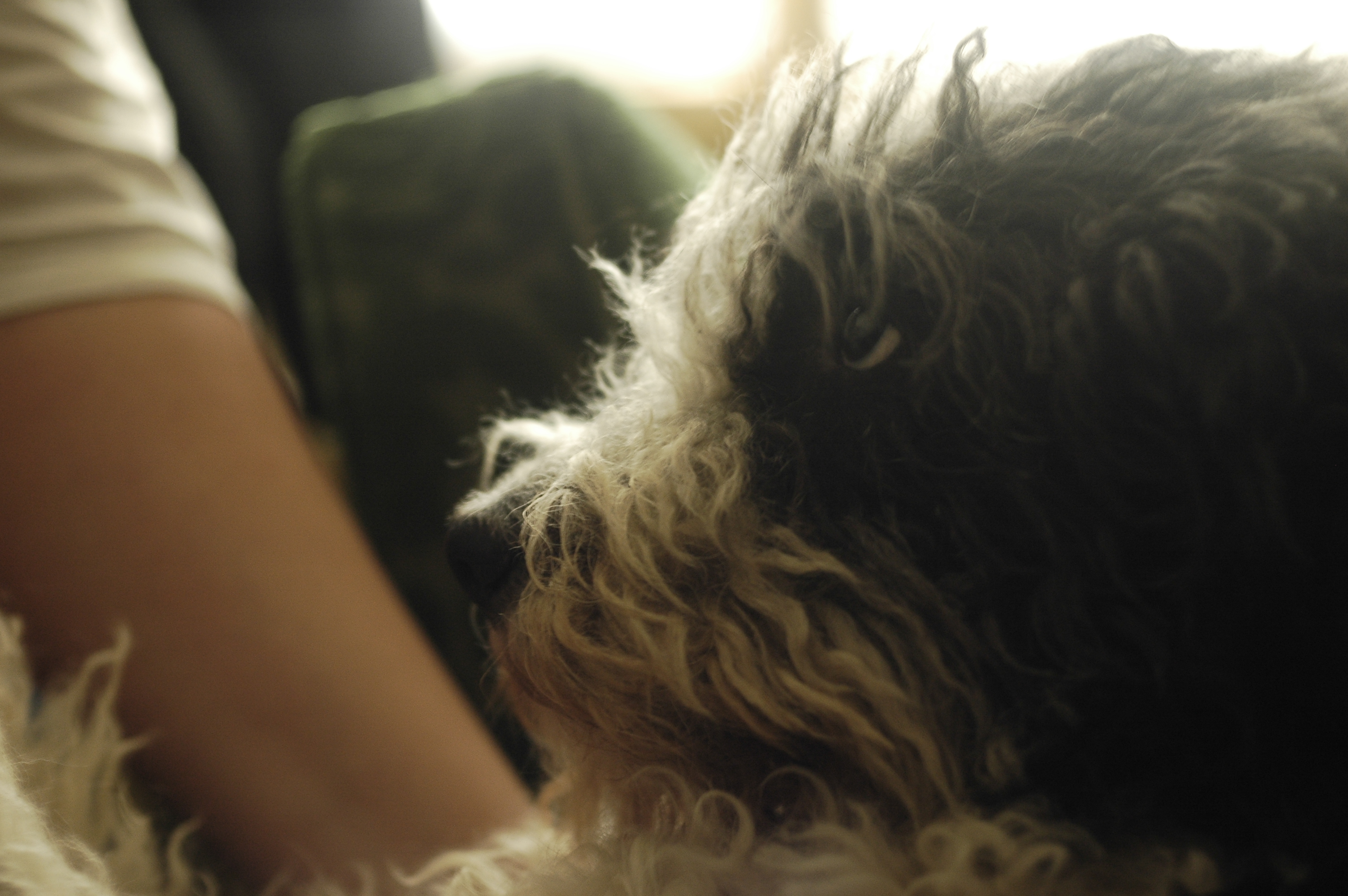
It’s rather early now, while I’m writing this, and the only company I have at this time is that of my dog, Bella, who constantly pushes me with her nose, in search for my hand. And while I caress her and look at her, I cannot help seeing the need for love in her eyes. She’s a member of our family for about ten years now (which is a lot of time for a dog) and everybody loves her. Some would say she’s been lucky. And the thought that pops in my mind now is “why do animals need to be lucky in order for people to love them”?

What did animals (in general) ever do wrong in order to deserve the harsh treatment given to them by certain representatives of the human species (otherwise nothing else than some supposedly evolved mammals)? Think about the stray dogs or cats, the experiments on mice and monkeys and other animals, the cruel hunting parties menacing with extinction certain species, and the list could go on.

I was asking myself at some point in time what is the purpose of flies – I honestly can’t stand them, and I’m sure that most of you can say the same – and a friend of mine told me that they simply are food for birds, and it’s good that they exist, because otherwise the birds would have to find food from other sources, and who knows what those would be?! His answer left me thinking. We already know that, should bees be extinct, everybody, but EVERYBODY on the face of the planet would have to suffer, that affected would be the ecosystem. The fact that we haven’t yet found out the hidden purpose of some animal, insect or plant doesn’t mean that it has none. It simply means that our understanding is still VERY limited. And that should make us cautious, careful, when interacting with all the life forms on our planet. And first of all with the planet itself – the biggest living organism with which we ever interacted directly.

I once bumped into a highly caustic text which stated that “should any animal species go extinct, so would the rest of life on earth, but should humankind go extinct, life on this planet would flourish.” Now, I like to think that we’re not THAT indispensable on this planet – such thought would be too painful. But what if we are? This acid poison of the “what if” should make us all stop for a second from what we’re doing and ponder. Maybe then we’d realize that it isn’t the dog that is lucky for having lived with us for ten years, but we are the lucky ones, having had for ten years such a loyal and loving friend. We are the lucky ones to have been born on a planet with so much potential, a place of such an indescribable beauty. We are the lucky ones to benefit from all the resources of this splendid parent we call Mother Earth. And we should all be thankful for that.

I think it’s not that bad, to see your luck in the eyes of a loving dog, on a Saturday morning :). Merry Christmas to all of you!

_DSC0787

© 2013 Liliana Negoi

____________________________________________________

The text is mine, the image (my dog, Bella) was taken some years ago by a very dear friend of mine, Mihai :).

IMG_7667LILIANA NEGOI  (Endless Journey and in Romanian curcubee în alb şi negru) ~ is a member of our core team on Into the Bardo. She is the author of three published volumes of poetry in English, which is not her mother tongue but one that she came to love especially because of writing: Sands and Shadows, Footsteps on the San – tanka collection and The Hidden Well.  The last one can also be heard in audio version, read by the author herself on her SoundCloud site HERE.  Many of her creations, both poetry and prose, have been published in various literary magazines.

Posted in Environment/Deep Ecology/Climate Change, Essay, First Peoples, Michael Watson, Music

Emergent Universe Oratorio Blues

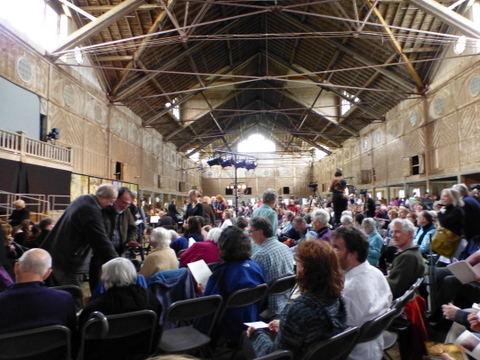
Breeding Barn, Shelburne at FarmsRecently we traveled down to Shelburne Farms for the world premiere of the Emergent Universe Oratorio, composed by Sam Guarnaccia.  The Oratorio is a work that re-imagines the dominant culture’s physics-based creation narrative, and seeks to universalize the story. Before the Oratorio we were treated to the soulful playing of Eugene Friesen, of Paul Winter Consort fame. New Paintings, created for the event,by our friend, the marvelous artist, Cameron Davis, graced the walls in the remarkable, “cathedral-like” Breeding Barn.

Just prior to the performance, Mary Evelyn Tucker and John Grim, Co-Directors of the Forum on Religion and Ecology at Yale, and whose film of the same title was the inspiration for the oratorio, spoke. They acknowledged, and expressed appreciation for, Indigenous friends and adopted family. (No Indigenous people spoke.) They then spoke about a vision they hold, in which all of the Earth’s people have one creation story, a story that leads us to an Earthly paradise.

The Oratorio draws on texts from many Western traditions, but appears to include no Indigenous authors. This is problematic and, unfortunately, common in the Deep Ecology world. ( I have been reviewing Ecopsychology texts in preparation for teaching and have noticed a paucity of Indigenous voices, even in texts published this year.)

Of more concern is the notion that any narrative should be the ONLY narrative. This is an idea Indigenous people know well, whether presented in the guise of religious or economic dogma. The very idea of a universal point of view is imperial and colonizing, and alien to Native American cultures. We have many creation stories, each loved and valued.

I was feeling rather blue as I read the text and listened to the lovely melodies of the oratorio. I imagined myself to be the only one in the audience of hundreds who was discomforted. Then intermission came and others stopped by to share their concerns. As so often happens following such events, the concert has remained a topic of conversation at our house.

A few days ago I was having coffee with a Six Nations friend. Out of the blue he looked me in the eye and said, “I am so appreciative of time with you. It’s such a relief to not have to explain myself.” When I asked what he meant, he replied that I understood his struggles and, although we are from different tribal backgrounds, we share a similar ethos. Sometimes I forget how wide the divide between cultures can be in one geographically defined country. To be reminded, as I was at the concert, of the chasm we cross daily can be painful indeed.

– Michael Watson, Ph.D.

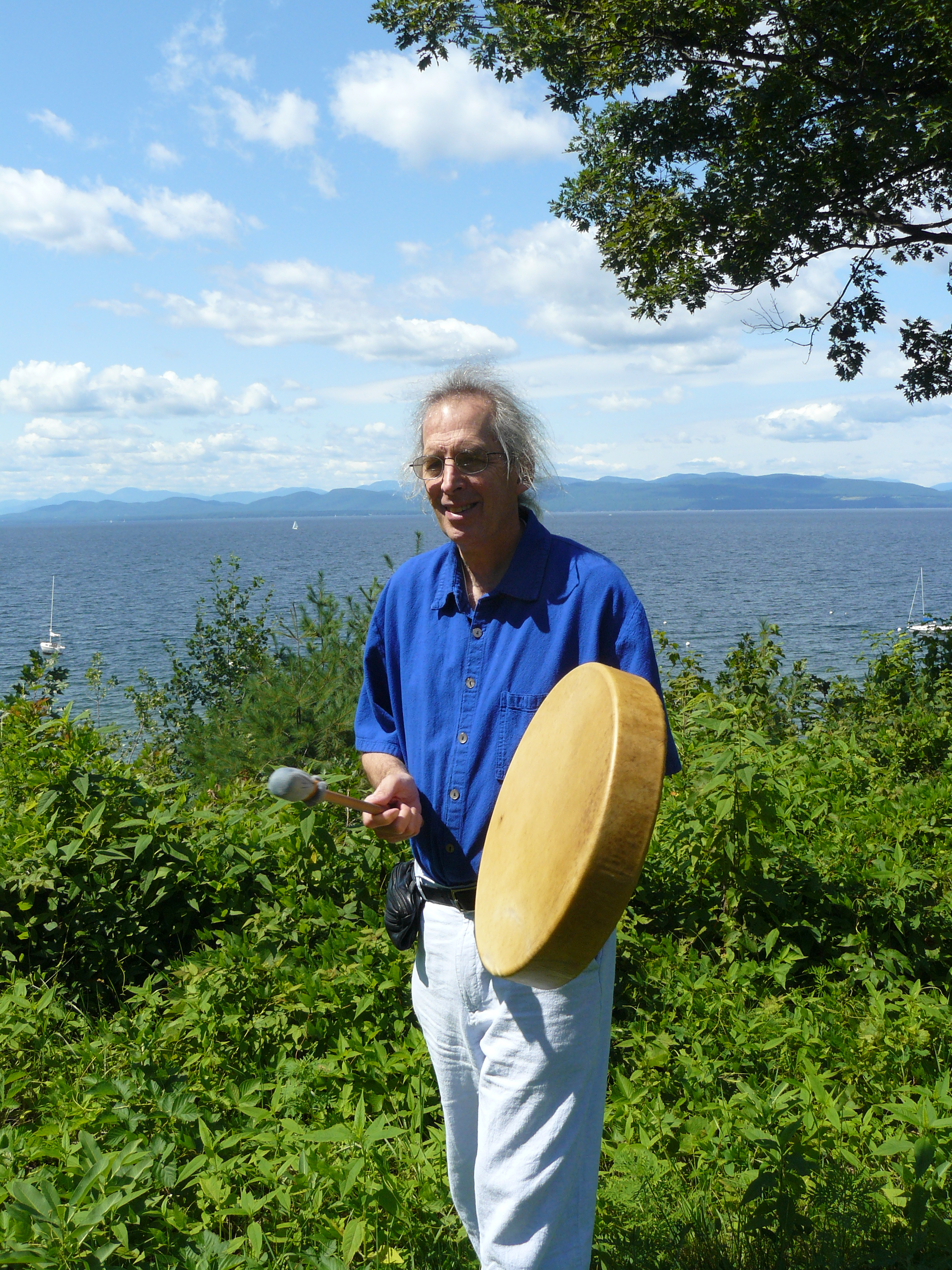
© 2013, essay and photographs (includes the one below), Michael Watson, All rights reserved

michael drumMICHAEL WATSON, M.A., Ph.D., LCMHC (Dreaming the World) ~ is a contributing editor to Into the Bardo, an essayist and a practitioner of the Shamanic arts, psychotherapist, educator and artist of Native American and European descent. He lives and works in Burlington, Vermont, where he teaches in undergraduate and graduate programs at Burlington College,. He was once Dean of Students there. Recently Michael has been teaching in India and Hong Kong. His experiences are documented on his blog. In childhood he had polio, an event that taught him much about challenge, struggle, isolation, and healing.