Posted in General Interest, John Anstie, poem, Poems/Poetry, poetry

Midnigh Morvening

[A flight of fanciful imagination … by the power of a single word]

A couple of years ago, I wrote a very silly poem! It came to me one day as a result of a word that I used whilst having a conversation, as usual, with a close bunch of Twitter friends (or should that be a Twittersation!). The word, “morvening”, came out of my head, and I decided it would enable me to greet Jacquie Dick and Joe Hesch in the morning of New York and Albany at the same time and with the same word as greeting Marsha Berry in Melbourne’s evening, thus paying deference to their geography. Following a tweet from Jacquie with the suggestion that it sounded “sweetly medieval”, my imagination took flight and a poem was born! Thanks to Jacquie and the rest of the GRPG (Grass Roots Poetry Group) for playing along with my eccentricity, as they all did for some time by using the word themselves, as our common daily greeting.

It is always worthwhile taking an opportunity to say thank you to those particular friends, with whom I have been ‘close’ since 2011. I owe a lot to the GRPG, not least because of these sometimes silly, but always funny exchanges we shared initially on Twitter, in less than 140 characters (and later elsewhere), as we headed toward the publication of our anthology*. As diverse a group as you could imagine, I owe them a lot, because I somehow learned much from all of them; in fact I think they all learned from each other, in their own prticular ways. The experience added value to my prosodic life, that’s for sure.

Anyway, here’s my neologistic contribution to the literary world …

The light it was a brightening
on winter’s dawning day
it was the midnigh morvening
that showed us all the way

and how the beasties of the norn
did plague the Gothan bride,
but facing fiery teeth with Day
the Night stood by her side.

He stood e’er long with triptych scroll
and spake out loud and clear
“behold the midnigh morvening
and be ye of good cheer”

For all the trolls and beasts of nigh
will e’er be gone be’soon
the magic of the morvening
‘ll be written in the rune

And so ’twas wrote on old tryptych,
on every sleepless bed,
that on the midnigh morvening
the Night and Day are wed.

© 2012 John Anstie

[Poem first published on 19 February, 2012]
 

John_in_Pose_Half_Face3

JOHN ANSTIE (My Poetry Library and 42) ~ is a British writer and poet, a contributing editor here at Bardo, and multi-talented gentleman self-described as a “Family man, Grandfather, Occasional Musician, Singer, Amateur photographer and Film-maker, Apple-MAC user, Implementation Manager, and Engineer”. He has participated in d’Verse Poet’s Pub and is a player in New World Creative Union as well as a being a ‘spoken-voice’ participant in Roger Allen Baut’s excellent ‘Blue Sky Highway‘ radio broadcasts. John has been blogging since the beginning of 2011. He is also a member of The Poetry Society (UK).

*****
product_thumbnail-3.php

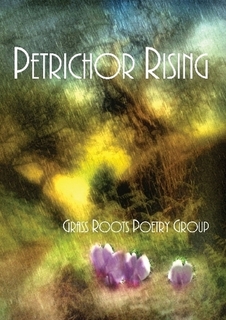
51w-rH34dTL._BO2,204,203,200_PIsitb-sticker-arrow-click,TopRight,35,-76_AA300_SH20_OU01_John has also been involved in the recent publication of two anthologies that are the result of online collaborations among two international groups of amateur and professional poets. One of these is The Grass Roots Poetry Group, for which he produced and edited their anthology, “Petrichor* Rising. The other group is d’Verse Poet Pub, in which John’s poetry also appears The d’Verse Anthology: Voices of Contemporary World Poetry, produced and edited by Frank Watson.

Petrichor – from the Greek pɛtrɨkər, the scent of rain on the dry earth.

Posted in Creative Nonfiction, Essay, find yourself, General Interest, Liliana Negoi, Meditation, meditative, Nature

Flower power

Photo0113This morning I took my coffee and went to drink it in front of my house, enjoying some minutes of peace and quiet before the day starting to unfold. Some weeks ago I took outside the house some geraniums, and put them on a shelf near my entrance, and today I was watching them, thinking that I might have to move them back inside, because most of them didn’t seem to enjoy the weather too much. And just when this thought crossed my mind, I suddenly noticed four tiny buds blooming at the tip of one of the flowers, which I could have easily ignored, due to their pale pink colour. And when I came closer to take a picture of them, I also saw that, beneath the layer of leaves slowly drying, a new layer of leaves was coming to light, as if the flowers, now exposed to the outside conditions, was shedding its “skin” of fragile limbs and is now putting on another one, stronger and eager to live.

I then realized that it was Wednesday, and that I hadn’t written something in a while, because I was simply caught up with loads of personal things and it took me some time to untangle them all. At some point I even felt that I was never going to get out of the multitude of threads and tasks that surrounded me – fortunately, time proved me that anything can find itself a solution, with a little bit of patience and open-mindedness.

Today, looking at those geraniums blooming against the heavy odds, I understood (for the umpteenth time) that even when circumstances seem to be the harshest, one can still adapt and keep on living. And the flower power concept (which, as a funny coincidence, was the dress code of an event which I attended on the past Sunday) suddenly attained a new valence. Nature has its silent but splendid ways of teaching us its lessons – but only if and when we’re ready to learn them :).

@ 2014 Liliana Negoi, essay and photo

IMG_7667LILIANA NEGOI  (Endless Journey and in Romanian curcubee în alb şi negru) ~ is a member of our core team on Into the Bardo. She is the author of three published volumes of poetry in English, which is not her mother tongue but one that she came to love especially because of writing: Sands and Shadows, Footsteps on the San – tanka collection and The Hidden Well.  The last one can also be heard in audio version, read by the author herself on her SoundCloud site HERE.  She is also the author of a novel, Solo-Chess, available for free reading HERE. Many of her creations, both poetry and prose, have been published in various literary magazines.

Posted in General Interest, Jamie Dedes, poem, Poems/Poetry, poetry

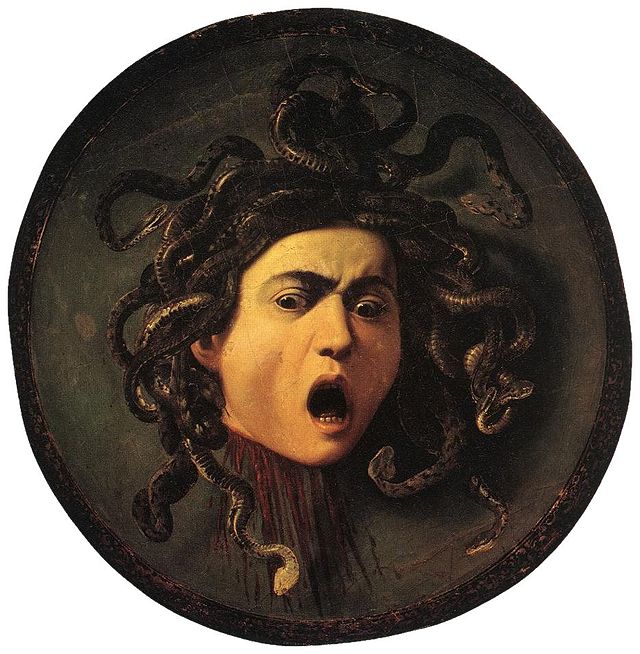
A Madwoman, A Madonna, A Medusa

640px-Medusa_by_Carvaggio-1What’s it to me?
A knotted and nasty old poet of introverted time
wearing five-dollar sweats
dressing in black on black,
silver earrings tinkling softly in the winter breeze
What’s it to me? …

A Madwoman, A Madonna, A Medusa
Traipsing neighborhood streets, city parks, country lanes
Nibbling on sharp yellow cheese and glossy red apples
Sitting down on some wayward curb to sigh in wonder at
noisy birds, children, wizened old men, whiskered grandmothers
Dogs walking their humans by the side of the road
Feral cats scratching a living of pigeon stuffed with stale bread

Muttering, muttering, whispering, watching, writing
Writing long poems and short about what it was to be us
through clocked days trapped in pointless, punctilious youth
Enjoying now the wild, gnarly randomness of life
and the music of our dusty blue souls jingling as we walk …
What’s it to me? What’s it to this so lately untamable me?

© 2013, poem and photographs, Jamie Dedes, All rights reserved; “Medusa” is in the public domain

Photo on 2014-03-31 at 17.16 #3unnamed-18JAMIE DEDES (The Poet by Day)~I am a medically retired (disabled) elder and the mother of married son who is very dear. I started blogging shortly after I retired as a way to maintain my sanity, to stay connected to the arts and the artful despite being mostly homebound. My Facebook pages are: Jamie Dedes (Arts and Humanities) and Simply Living, Living Simply.

With the help and support of talented bloggers and readers, I founded and host The Bardo Group because I feel that blogging offers a means to see one another – no matter our tribe – in our simple humanity, as brothers and sisters and not as “other.”

“Good work, like good talk or any other form of worthwhile human relationship, depends upon being able to assume an extended shared world.” Stefan Collini (b. 1947), English Literary Critic and Professor of English Literature at Cambridge

Posted in Culture/History, Essay, General Interest, Liz Rice-Sosne, poem, Writing

A Culture of Blame

Memorial Day in the USA has come and gone.  I have been thinking a great deal about veterans of war recently.  This is probably due to the really awful press about the U.S. Department of Veterans’ Affairs (Veterans’ Administration or VA)  and Ray Shinseki.  As many know he holds the the post that oversees the VA  The proverbial “they want his head on a platter” underscores the culture of blame in this country – and perhaps worldwide.   I know nothing about Mr. Shinseki, but I do know that there is enough blame to go around.  The change of one man at the top will not right wrongs.

man-pointing-silhouetteThinking about this tragic situation with the VA made me think about the fact that we live in a “culture of blame” in this country.  Watching the news makes it appear that it comes naturally to wish to affix blame immediately for any problem that is discovered among us.  I know it well not just because I have seen it over and over but because I have lived it.  I was raised in a culture of blame.  I know what it feels like to be blamed at a young age for mistakes or problems that may or may not have been caused by me.  I ask myself, why do we do that?  When a problem is discovered anywhere, that problem should be carefully reviewed.  Facts should be gathered.  Then they should be weighed to determine how and where the problem originates.  Pros and cons ought be carefully determined and then decisions made that fix the problem with a solution that makes the entire situation better.  Instead of affixing blame we should fix the problem sooner and faster.  We would then waste less time and make needed changes more quickly.

When I ask myself, “why do we live in a culture of blame?”  I do not have the answer.  Is it a result of the need to be the best and the brightest?  For surely we can be none of those things while we make mistakes.  Is that why we need to make those mistakes belong to another?  That question makes me think back to the time when both my mother and my father stated to me that there are two places in life: “first and last,” with nothing in between.  This was an especially difficult view as they entered their children into competitions during all months of the year.  It is of course a farcical view of life and one that is not true.  This view of life does not allow for mistakes to be made while one is growing up.  And what are the mistakes made along life’s pathway?  They are merely moments of growth.  Without the mistakes that we make, we would not grow, we would not mature and we would not be able to reach our dreams.  Personal mistakes when carefully reviewed and nurtured help us to develop empathy for others.  Empathy is one of the most important of emotions to develop for empathy is the place of caring (for others).

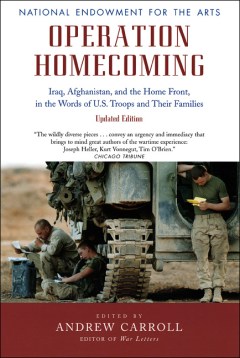
9780226094991I spent two to three years at the VA as a volunteer in 2007 and 8.  At that time I was developing my masters project while there.  I was creating a booklet on creative writing for veterans.  Oddly, due to the bad behavior of the one under whom I served (at the VA) this booklet did not come about.  Instead I was to be responsible for bringing in and overseeing an event.  Upon retrospect, this change was a very good thing.  This event brought to the VA an expert author on creative writing with veterans.  He had spent time in both Iraq and Afghanistan leading writing workshops for veterans  I learned a great deal from him.  My initial desire had been to work with young veterans returning from our most recent wars in Iraq and Afghanistan.  Andrew Carroll edited Operation Homecoming.  This book supported by the National Endowment for the Arts is a collection of writings by service men and women at war.  I recommend it to all.  In my opinion we live in these modern times too far removed from our wars.  And they are our wars.  Those who serve are doing so in the name of freedom whether or not we agree with the current war.  The old adage “war is hell” is very true.  If we (the citizens ) are far removed from war, we will confuse the war with the warrior.  We blame the warrior for the war, then we forget that warrior upon their return home.

While at the VA I worked primarily with those who had been to Vietnam or those who had served during that time.  Not all had seen combat.  As a result of war many were not able to engage life fully.  Writing gave them a way to do that.  Writing about your war experiences allows some of the pressure that you experience to dissipate. By sharing your feelings on paper and then sharing them with a class of like minded people,  some of the pressure is released.  That is a healing moment.  It is something that works for any situation, not just war.  I was able to see much of the good that the VA does.  And although my thesis was changed, I had the opportunity to work with someone who truly loved and cared for her patients.  While at the VA I wrote the following poem.

An Observation

at this table
this quiet place
where they write
this flat surface
where poetry
spills
for the hungry ones
those
who wish to leave
their wars
behind
where recidivism
is high
where
eyes are glazed
stares penetrating
where
nothing is
given away
not even longing
empty bodies
hollowed
angered 
in a
fog
they write

– Liz Rice-Sosne 

© 2014, essay, poem, and portrait below, Liz Rice-Sosne, All rights reserved; illustration “Man Pointing” courtesy of George Hodan, Public Domain Photographs.net; bookcover art, University of Chicago Press, All rights reserved

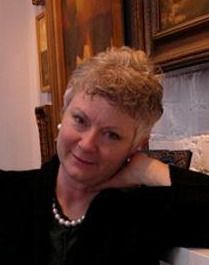
unnamed-2LIZ RICE-SOSNE a.k.a. Raven Spirit (noh where), perhaps the oldest friend to Bardo, is the newest member of The Bardo Group Core Team. She is also our new Voices for Peace project outreach coordinator and our go-to person for all things related to haiku.  She says she “writes for no reason at all. It is simply a pleasure.” Blogging, mostly poetry, has produced many friends for whom she has a great appreciation. Liz is an experienced blogger, photographer and a trained shaman. We think her middle name should be “adventure.”

Posted in Essay, First Peoples, General Interest, Michael Watson, Nature

Walking In Beauty

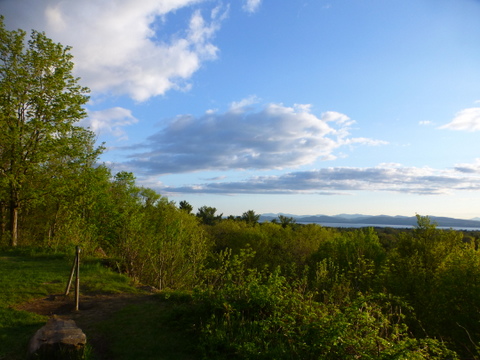
Lake-ChamplainThe fog is lifting, revealing a lovely spring day.

There is a Navaho word, Harzo, which can be translated as a life in Balance and Beauty. Balance and Beauty are complex concepts, changing as they move across tribes and cultures. I’m not Navaho and only understand Harzo as it has been explained to me by friends and colleagues. My felt sense of Harzo comes from living in the mountains of New Mexico as a grad student. There one is surrounded by Beauty and Vastness, and reminded of the insignificance of one’s self. It is not that we are unimportant, rather, we are simply part of the unimaginable Vastness of Nature.

One of the challenges many urban folks face is no longer recognizing our place in Beauty. We are drawn to the picturesque, yet so often we are unable to experience ourselves as part of the Beauty of Nature. Perhaps this difficult is rooted in our use of English. I am told by those who speak our tribal languages that most Indigenous languages in North America are verb based. The landscape and the living beings who live there are understood to be complex, evolving processes, rather than things. One is simply a process within a context of other and greater processes.

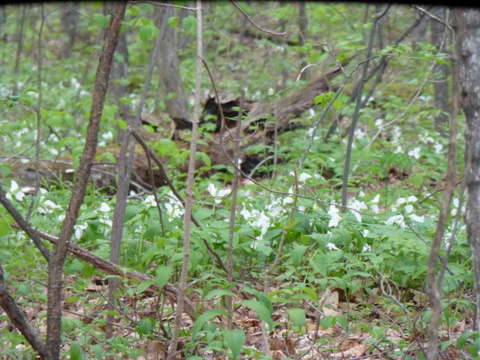
Walking in Beauty encourages us to recognize our relatedness to one another and All-That-Is. It is a good road that teaches empathy and reciprocity. As we live we begin to understand there is Beauty before, behind, and all around us. We also learn that we are unimaginably complex, filled, as is the world, with nuances of light and dark, and that, too, is beautiful.Trillium

Beauty exists even in the darkest of times and the most violent of places. Walking in Beauty implies remaining open to its presence and influence even when we are afraid or suffering. This can be a difficult task. My Navajo friends families’ held stories of The Long Walk, a trail of misery and suffering, a time when the Beauty of the Navajo homelands was lost, although the memory of Beauty and home was not. Eventually the Navajo went Home to their land bordered by the four sacred mountains, the place of Beauty. Sadly, that place remains under siege.

I imagine most of us have stories about the loss of Beauty, about exile and suffering, and about the journey Home. As I write this, a development project threats the natural beauty of our neighborhood, and perhaps the cohesiveness of the community itself. It is an old story: greed and avarice distract a few powerful people from the Beauty of place. So often, development is simply a code word for the further acquisition of power and the endless search for more wealth. Perhaps greed is simply a part of human nature, sometimes held in check by a collective focus on the good of the whole, and other times freed to wreck havoc on the world. It can only exist when we forget we are totally and irrevocably interconnected, when attachment and empathy fail, and when culture condones placing one’s desires over the good of the whole.

Evening-Sky The sun has broken through and the sky is a brilliant blue. Over the lake a layer of clouds, white and bubbly, hangs. Trees and gardens are  abloom, and the scent of lily-of-the-valley and lilac saturates the air. The day is beautiful. May we walk through this day in Beauty, together.

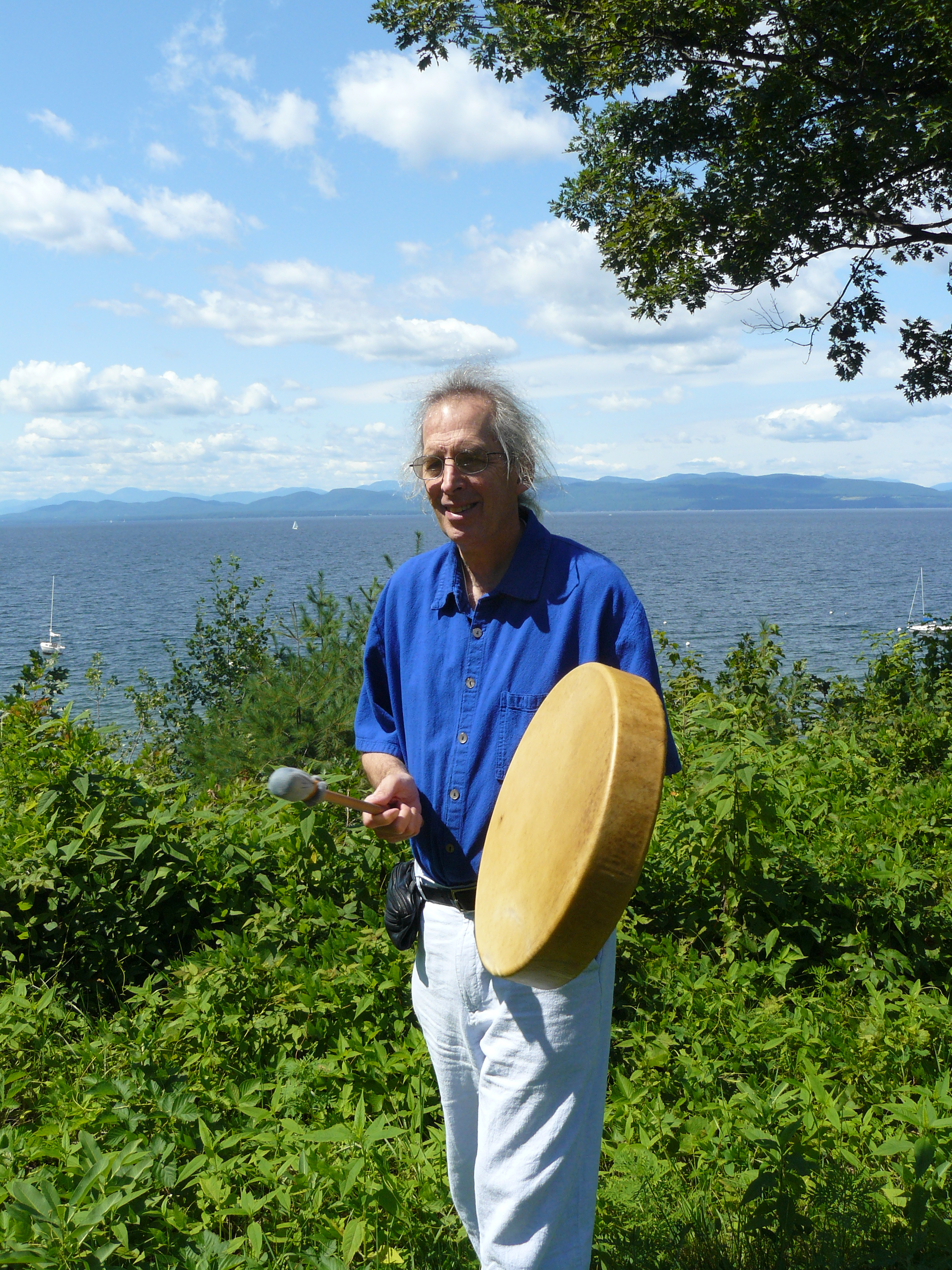
michael drumMICHAEL WATSON, M.A., Ph.D., LCMHC (Dreaming the World) ~ is a contributing editor to Into the Bardo, an essayist and a practitioner of the Shamanic arts, psychotherapist, educator and artist of Native American and European descent. He lives and works in Burlington, Vermont, where he teaches in undergraduate and graduate programs at Burlington College,. He was once Dean of Students there. Recently Michael has been teaching in India and Hong Kong. His experiences are documented on his blog. In childhood he had polio, an event that taught him much about challenge, struggle, isolation, and healing.

Posted in Corina L. Ravenscraft, General Interest, justice

May 28th is Amnesty International Day

If you’re reading this right now, chances are good that you have heard the phrase, “First-World Problem”. I find myself thinking this phrase more than I would like, but I count myself damned lucky that I’m even aware of what it means.

When you live in a country as rich as America, it’s easy to take things for granted and forget that so many other places in the world lack basic, human rights. When you read the words “human rights” what comes to mind? Food? Shelter? Clean water? Freedom? Living life without fear for one’s safety? It can be difficult to empathize with those who do not have these things, if you, yourself, have always had them.

May 28th is “Amnesty International Day” and it’s a chance for you to help those in other places throughout the world who are being starved, tortured, oppressed, or who may have no shelter, no access to clean water, no one to speak up for them, and worst of all, no hope.

Image borrowed from amnesty.org

“Amnesty International Day recognizes the need to protect human rights around the world. The Amnesty International organization strives to accomplish these goals by providing awareness and recognition of the issues. They work to publicize local and regional problems, and to arouse citizens, governments and politicians to action.

Celebrate Amnesty International Day by:

  • Learning more about human rights issues

  • Becoming active in human rights causes

  • Writing your politician on human rights issues

  • Making a donation” ~ Source

This post isn’t meant to guilt trip you into donating anything, be it time, money or effort. It’s not a late-night infomercial showing you pitiful images of children who are little more than walking skeletons due to malnourishment. (As a side note: isn’t it telling that such infomercials are not on prime time television where so many more people would/could see them, but instead they are in late night spots where they won’t get the attention they need? Why do you suppose that is?)

Amnesty International logo from Amnesty.org

I simply would like you to take a moment to think about what human rights you cherish the most and then find a way to help bring that right to a complete stranger. There are, unfortunately, countless human rights violations happening all over the globe. On the bright side, that means that there are countless opportunities to help. You can sign petitions, write letters, make phone calls, get involved in your local community. Or you can join movements like Amnesty International, and while the day is “Amnesty International Day”, nothing says you can’t join other worthwhile organizations who also strive to speak up for human rights. In fact, here is a quite comprehensive list of Human Rights Organizations, all in one place.

“Many organizations around the world dedicate their efforts to protecting human rights and ending human rights abuses. Major human rights organizations maintain extensive websites documenting violations and calling for remedial action, both at a governmental and grass-roots level. Public support and condemnation of abuses is important to their success, as human rights organizations are most effective when their calls for reform are backed by strong public advocacy.” ~ http://www.humanrights.com

Remember this:

“If you have food in the refrigerator, clothes on your back, a roof overhead and a place to sleep … you are richer than 75% of this world.

If you have money in the bank, in your wallet, and spare change in a dish someplace … you are among the top 8% of the world’s wealthy.

If you woke up this morning with more health than illness … you are more blessed than the million who will not survive this week.

If you have never experienced the danger of battle, the loneliness of imprisonment, the agony of torture, or the pangs of starvation… you are ahead of 500 million people in the world.

If you can attend a church or synagogue meeting without fear of harassment, arrest, torture, or death … you are more blessed than three billion people in the world.

If your parents are still alive and still married … you are very rare, even in the United States.

If you hold up your head with a smile on your face and are truly thankful … you are blessed because the majority can, but most do not.

If you can hold someone’s hand, hug them or even touch them on the shoulder … you are blessed because you can offer a healing touch.

If you can read this message, you just received a double blessing in that someone was thinking of you, and furthermore, you are more blessed than over two billion people in the world that cannot read at all.

Image from http://dailywordsofencouragement.com

~ © Corina L. Ravenscraft 2014 ~

effecd1bf289d498b5944e37d8f4ee6fAbout dragonkatet Regarding the blog name, Dragon’s Dreams ~ The name comes from my love-affairs with both Dragons and Dreams (capital Ds). It’s another extension of who I am, a facet for expression; a place and way to reach other like-minded, creative individuals. I post a lot of poetry and images that fascinate or move me, because that’s my favorite way to view the world. I post about things important to me and the world in which we live, try to champion extra important political, societal and environmental issues, etc. Sometimes I wax philosophical, because it’s also a place where I always seem to learn about myself, too, by interacting with some of the brightest minds, souls and hearts out there. It’s all about ‘connection(s)’ and I don’t mean “net-working” with people for personal gain, but rather, the expansion of the 4 L’s: Light, Love, Laughter, Learning.

Posted in General Interest, Photography/Photographer, Victoria C Slotto, Writers' Fourth Wednesday

WRITERS’ FOURTH WEDNESDAY: Ekphrasis

Have you ever visited a museum or found yourself and your camera lost in the beauty of nature and sought to describe your feelings and the experience in words?

Perhaps the art was one of the great classical works of a Rembrandt or the impressionism of Van Gogh. Maybe it was a piece of abstract impressionism or a Warhol print. Or a photo by a famous photographer such as Ansel Adams or Annie Liebowitz. Or the work of a fellow blogger, a friend, or even your own picture that you managed to capture there in the backyard, the forest, the desert, or city. Portrait, still life or landscape…all have the possibility of tickling the muse.

Ekphrasis is a term for writing that is inspired by a work of art, whatever media or subject that may be. A familiar example is Keats’ Ode on a Grecian Urn.

Ode on a Grecian Urn

Thou still unravish’d bride of quietness,
Thou foster-child of silence and slow time,
Sylvan historian, who canst thus express
A flowery tale more sweetly than our rhyme:
What leaf-fring’d legend haunts about thy shape
Of deities or mortals, or of both,
In Tempe or the dales of Arcady?
What men or gods are these? What maidens loth?
What mad pursuit? What struggle to escape?
What pipes and timbrels? What wild ecstasy?
(Excerpt: Public Domain)

A much lengthier poem, Keats goes on to describe this unknown work to us, but even more so, to share its effect on him, the poet.

Since we are in the midst of celebrating International Photography Month, I thought for today it would be appropriate to use some of the photographs offered up by our fellow Bardo authors and readers as an inspiration for today’s prompt. Consider, as well, using one of your own to get that pen or pencil to paper engaged, or your fingers dancing on the keyboard.

Should you choose to share your work here, here’s how to do it:

• Write your poem, flash fiction or essay and post it to your blog or website.
• Copy the direct URL of your post and paste it into the Mr. Linky at the bottom of this page. If you prefer, simply add the link to comments.
• Include the photo that gave you inspiration or the link in your post. Also credit the photographer.

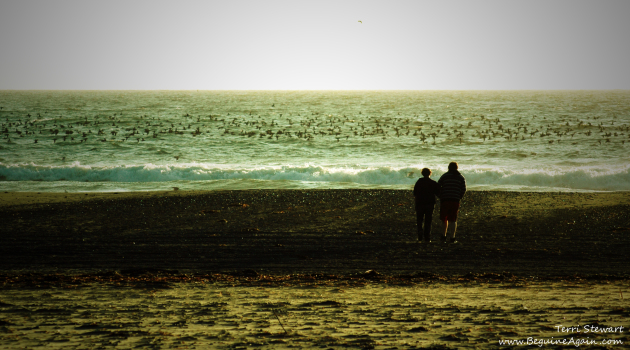
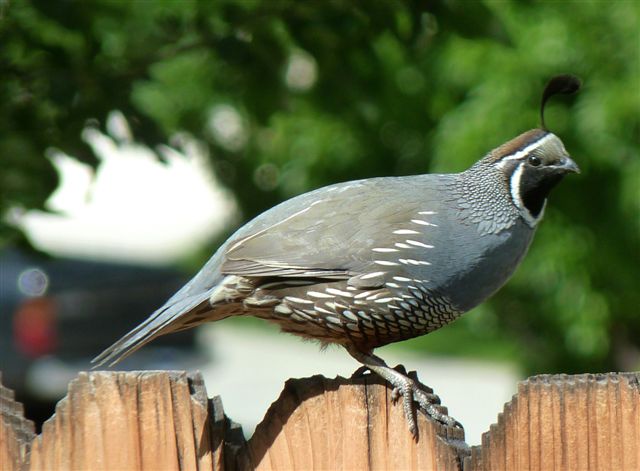
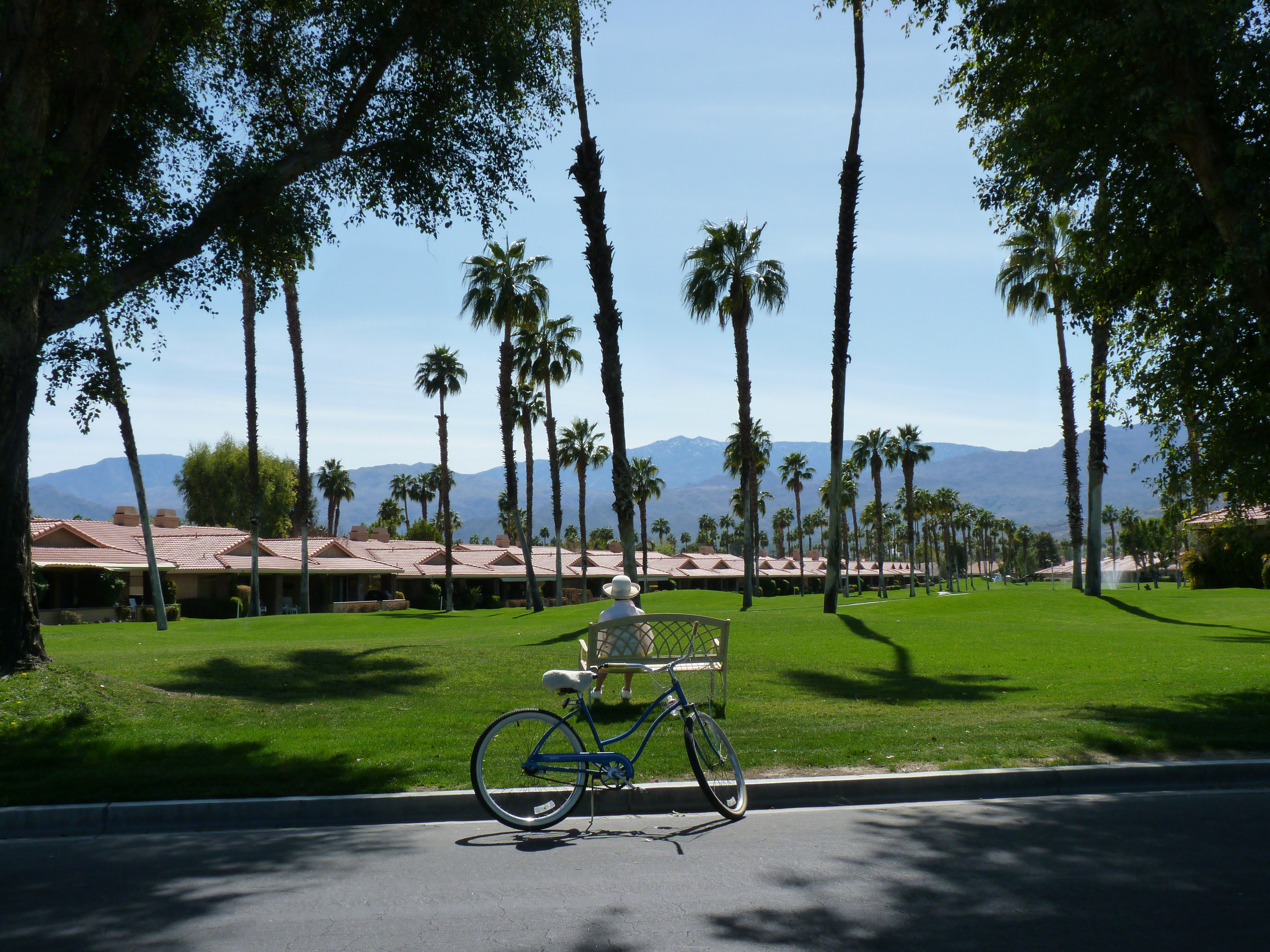
Here are a few photos to choose from, if you like:

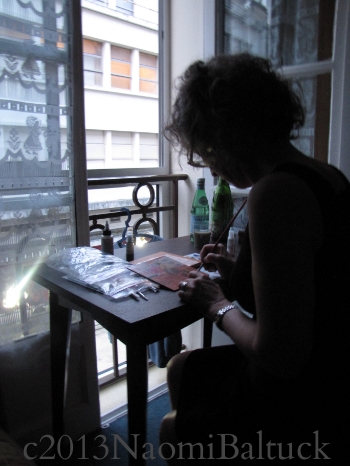
Photo: Naomi Batluck Used with Permission

Photo: Naomi Batluck
Used with Permission


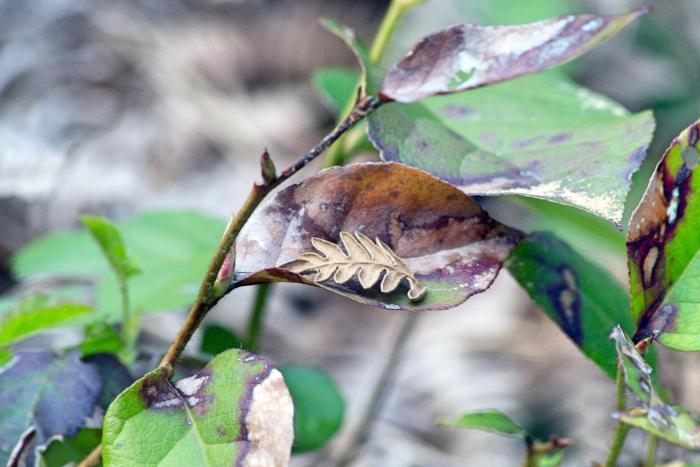
Copyright: Naomi Batluck Used with permission
Copyright: Naomi Baltuck
Used with permission


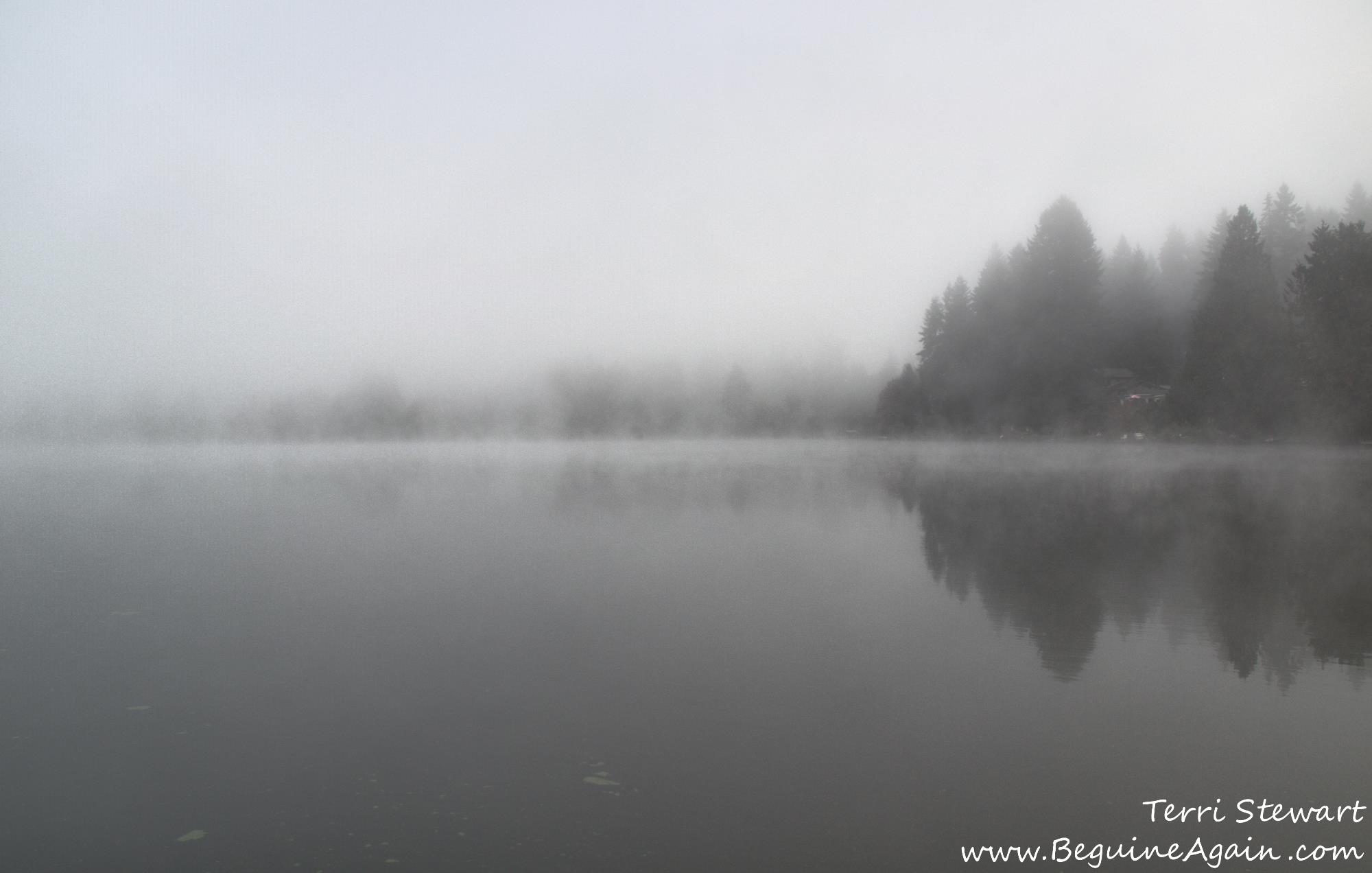
Photo: Terri Stewart Used with permission
Photo: Terri Stewart
Used with permission


Photo: Terri Stewart Used with Permission
Photo: Terri Stewart
Used with Permission


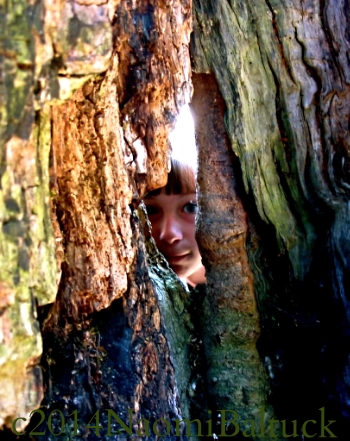
Photo: Naomi Batluck Used with Permission
Photo: Naomi Batluck
Used with Permission


Photo: Terri Stewart Used with permission.
Photo: Terri Stewart
Used with permission.


Photo: Terri Stewart Used with Permission
Photo: Terri Stewart
Used with Permission


terri2
Photo: Terri Stewart


Photo: Terri Stewart Used with Permission
Photo: Terri Stewart
Used with Permission


Photo: David Slotto
Photo: David Slotto
129
Photo: David Slotto


 Many thanks, Terri and Naomi, for sharing your talent.

– Victoria C. Slotto

2014, essay, Victoria C. Slotto, All rights reserved; photographs as indicated 

To join in today just click on the MisterLinky button below to add a link to your work or you may just leave the link in the comment secion below. You have seventy-two hours to link something in. Victoria and Jamie will visit and comment and we hope that you will visit others and provide support and comment as well.

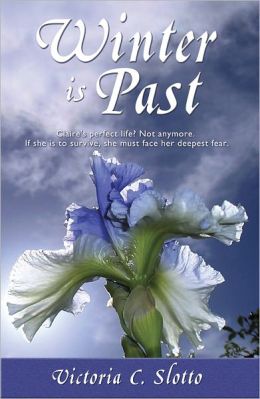
2940013445222_p0_v1_s260x42034ff816cd604d91d26b52d7daf7e8417VICTORIA C. SLOTTO (Victoria C. Slotto, Author: Fiction, Poetry and Writing Prompts) ~ is an accomplished writer and poet. Winter is Past, published by Lucky Bat Books in 2012, is Victoria’s first novel. A second novel is in process. On Amazon and hot-off-the-press nonfiction is Beating the Odds: Support for Persons with Early Stage Dementia. Victoria’s ebooks (poetry and nonfiction) are free to Amazon Prime Members. Link HERE for Victoria’s Amazon page.

Editorial note: Congratulations, Victoria, on that the long awaited publication of print copies of Jacaranda Rain, Collected Poems, 2012, Beautifully done.

Writers’ Fourth Wednesday prompt is hosted by Victoria from January through October. Victoria’s next Fourth Wednesday writers’ prompt will post at 12:01 a.m. PST on June 25. Please join us. Mister Linky will remain open for seventy-two hours so that you can link your response to this blog.If you find Mister Linky too cumbersome to use, please feel free to leave your link in the comments section on Wednesday. Victoria and Jamie will read and comment and we hope you will read each other’s work as well, comment and encourage. 

Posted in General Interest, Nature, Photography/Photographer

May 21, 2014

To help us continue our close of interNational Photography Month, what could be better than this lovely iris and poetic musing from Marilynn Mair, mandlinist, bandolimist, writer, photographer and wannabe Brasileira? Marilynn is Professor of Music at Roger Williams University in Bristol, Rhode Island. In some circles she is known as the First Lady of Mandolin.

Posted in General Interest, Naomi Baltuck, Photo Essay, Photography/Photographer

Breaking Up is Hard to Do


Sixty, maybe seventy years ago my father gave a turquoise blown-glass dinnerware set to his mother, my Grandma Rose.  She called it her “mowt-blown china.”   At antique stores I’ve seen similar glassware, said to be from Mexico.

Grandma gave it to my brother Lew, who gave it to me. Every time I used those dishes, I felt a connection to Daddy and Grandma too.

More fragile than china, they came out mostly for birthdays, Valentine’s Day, or sci-fi dinner parties.


Thom and I were newlyweds when I gave him a mug bearing an excerpt from Rilke that we’d borrowed for our marriage vows.
“For one human being to love another is perhaps the most difficult of all our tasks, the ultimate, the last test and proof, the work for which all other work is but preparation.


Thom had already learned that lesson the hard way. Before we met I’d had a fear of commitment. I was so afraid of getting stuck or worse, abandoned, that I rarely went on more than a couple dates with anyone. I carried my own walking papers in my back pocket and I wasn’t afraid to use them.

Then came Thom. Poor Thom. Dear Thom. Courageous Thom.

He could take it on the chin, and grin.

He was wise enough to perceive the pattern and understand what I was doing even before I did. He was gentle and patient. He taught me how to fight fairly and work things out instead of just dumping guys in general, and him in particular. He taught me that it was okay to ask for what I want, how to negotiate, and not to expect others to be able to read my mind. He taught me that I could be myself and still be loved. He taught me that there were men out there who can be counted on, and that I could count on him. Thom deserves combat pay for sticking it out long enough for me to realize I didn’t want to make him go away after all. And so I stopped trying. Best decision I ever made.

So what do these vessels have to do with Thom and me, or anything at all?

Almost thirty years ago a dear friend, who may or may not have been related, was visiting and washed the dishes.

Putting them away, she stacked the elegant glass cup inside the Love Mug. Try as we might, we could not pry them apart. We tugged and twisted, but were so afraid of breaking either piece that we gave up. I couldn’t bear to throw them out, so they lived here for the next twenty-five plus years.

It is both appropriate and a little poetic that the same person, without whom there would be no story, was also present for its unexpected conclusion.

A year or two ago, I rediscovered the inextricable pair in the back of the cupboard. I decided, once and for all, to mend it or end it. It was like asking a husband to choose between the life of the mother or the child, which is why I’d put it off for so long. I finally opted to save the heirloom glass, if possible, which was stuck inside the mug. I told that dear person, who shall remain unnamed, that I’d take a hammer to the mug, if necessary; if the glass were to break as well, so be it.

But I’ve learned a little grease applied judiciously can go a long way. We drizzled oil in between and pulled, hoping the glass would slide out. It did not.

We went back to simple lessons learned in high school science. Heat expands and cold contracts. While soaking the outside of the mug in boiling water, we filled the glass with ice water. Still the glass stuck tight. So it came down to the last resort. Holding the mug by the handle, I whacked it on the countertop, hoping it would shatter. Pop! Out came the glass, in perfect shape, and I had my morning coffee in the Love Mug.

There are several morals to this story.

First of all, no one can tease me any more for hanging on to the glass and the mug all those years. Pay attention to your instincts!

Secondly, you might actually learn something in science class that you can apply to real life (and don’t forget that bit about the grease.)

Thirdly, breaking up is hard to do, but sometimes you just reach a breaking point, where you need to mend it or end it.

Fourthly, once you try everything you can think of, try everything you can’t think of. Sometimes you have to try everything all at once. But if it’s something worth saving, it’s worth the effort.

Love is like that. Thank goodness.

All images and words c2014 Naomi Baltuck

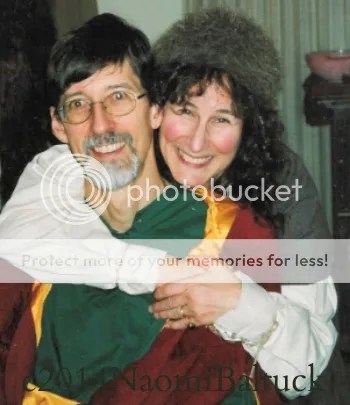
NaomiPHOTO1-300ppi51kAqFGEesL._SY300_NAOMI BALTUCK ~ is a Contributing Editor and Resident Storyteller here410xuqmD74L._SY300_ at Bardo. She is a world-traveler and an award-winning writer, photographer, and story-teller whose works of fiction and nonfiction are available through Amazon HERE. Naomi presents her wonderful photo-stories – always interesting and rich with meaning and humor – at Writing Between the Lines, Life from the Writer’s POV. She also conducts workshops such as Peace Porridge (multicultural stories to promote cooperation, goodwill, and peaceful coexistence), Whispers in the Graveyard (a spellbinding array of haunting and mysterious stories), Tandem Tales, Traveling Light Around the World, and others. For more on her programs visit Naomi Baltuck.com

Posted in Bardo News, General Interest, Photography/Photographer, Poets/Writers

BARDO NEWS: SecondLight Network of Women Poets celebrates its 20th Anniversary; a Poetry Competition; A Bea in Your Bonnet; interNational Photography Month (wrap-up); 100,000 Poets for Change

Second Light Network Founder, Dilys Wood

SECOND LIGHT 20th ANNIVERSARY! The Bardo Group community extends to Second Light Network (women poets forty-years old or better) our best wishes, appreciation, and congratulations for its on-target focus, fine work and unrelenting commitment to poets, poetry, and to giving women in their third act a second chance. Special kudos to poet and founder, Dilys Wood, and all those who provide regular support to us here at The Bardo Group especially poets Myra Schneider who keeps us informed, provides us with wonderful poetry and instructive feature articles and Ann Stewart who so ably assists us with the details of coordination.

Jackie Kay (b. 1961), Scottish poet and novelist is the 2014 Second Light Network Long and Short poetry competion, photo by Slowking4 under CC A - Noncommercial Unported License
Jackie Kay (b. 1961), Scottish poet and novelist is judge for the 2014 Second Light Network Long and Short poetry competition, photo by Slowking4 under CC A – Noncommercial Unported License

SECOND LIGHT POETRY COMPETITION DEADLINE: TUESDAY 17th JUNE. Judge: Multi-award-winning JACKIE KAY. Long and Short Poems by Women. (‘Long’ = 50+ lines). 1st Prize £300 (in each category). More cash & book prizes + publication in ARTEMISpoetry + London reading. Enter by post or online.

Amongst Jackie Kay’s many poetry awards and prizes are the Forward, Saltire, Scottish Arts Council (for The Adoption Papers) and a shortlisting for Costa. She also writes award-winning fiction both for adults and children, and for stage and TV. She is Professor of Creative Writing at Newcastle University. She was awarded an MBE in 2006, and made a fellow of the Royal Society of Literature in 2002.

£300 First Prize for each of Long (no upper limit) and Short (max 50 lines) poems

£100 Second Prize (1 poem from either category)

£50 Third Prize (1 poem from either category)

Commended poets: book prizes

Winning & Commended Poets published (in full or extract) in ARTEMISpoetry

A reading will be organised for winners in London in Autumn 2014.

Entry: £6 each per long poem. Short poems: £4 each or £9 for 3, £14 for 8. Enter by post (2 copies) or online.

Complete details HERE. PLEASE NOTE THAT ALTHOUGH SECOND LIGHT NETWORK OF WOMEN POETS IS BASED IN ENGLAND, MEMBERSHIP IS OPEN WORLDWIDE AND SUBMISSIONS TO ARTEMISpoetry and to various anthologies and competitions are considered from women anywhere in the world. You do not need to be a member to submit your work to be considered for publication.

product_thumbnail-1.phpA BEA IN YOUR BONNET, FIRST STING: If Charlie Martin has felt his ears ringing this month, it’s probably because we’ve been reading – and talking about – his newest collection and are delighted with it. It was worth the wait. It’s filled with humor, irony and folksy wisdom.

Charlie says, “Bea In Your Bonnet: First Sting is a collection of germinal poems featuring Aunt Bea. Aunt Bea’s voice is one I’ve heard almost every day of my life. Family observations, lessons, and advice given to me and every other family member who had the good sense to listen. Her homespun philosophy most likely will not be found in any collegiate textbooks or for that matter in any local town crier newspaper catering to city dwellers. Indeed, she has a different way of viewing the world; a bit old fashion, sassy, and steely at times but a viewpoint which has engaged my imagination and heart. I sincerely hope you too will find some morsel of wisdom in her personal observations and interpretations of life’s events, but do watch out for her stingers.”


******

unnamed-17YOU BRING TO THE ACT OF PHOTOGRAPHY all the pictures you have seen, the books you have read, the music you have heard, the people you have loved.” Ansel Adams (1902-1984), American photographer and environmentalist

interNATIONAL PHOTOGRAPHY MONTH: We’ve spent a good portion of our May posts on photography in honor of this celebration. We’ve explored photography as art, journalism, documentary, story, creative outlet, means to enter sacred space and as spiritual practice. In case you’ve missed any of these delicious and sometime provocative posts, here are the links/subjects covered:

interNational Photography Month, join us in celebrating this art form, May 1

The Very Picture, a photo-essay/story by Naomi Baltuck, May 2

Sacred Space in the Frame, a Sunday meditation by Terri Stewart, May 4

St. Louis Arch, a meditation by Liz Rice-Sosne (a.k.a. Raven Spirit), May 5

Life is Like a Camera, May 9

Sacred Space in Photograph: Perspective, a Sunday meditation by Terri Stewart, May 11

Photographs “are made with the eye, heart and head.” French Photographer Henri Cartier-Bresson: The Decisive Moment, May 11

interNational Photography Month: Wordless Wednesday essay and event host, Prisciall Galasso, May 14

About My Friend, Wendy Alger, Fine Arts Photographer by Jamie Dedes, May 16

Sacred Space and Light, a Sunday meditation by Terri Stewart, May 18

Through a Lens Darkly: How African-Americans Use Photography to Shape Their Cultural Representation, May 18

Tempest in a Teapot, a photo essay/story by Naomi Baltuck, May 20

Travel Themes: Blossoms by Imelda de Castro-Santore, May 20

Fusion: The Synergy of Images and Words by Steve McCurry, May 21

Expanding the Circle: The Engaged Photographer, May 22

Photoshopping My Life by Charles W. Martin

stalking the wild tombstone by Jamie Dedes, May 24

Sacred Space and Photography: Light v 2, a Sunday meditation by Terri Stewart

TIDBITS: Niamh Clune reports that she is  busy busy expanding  Plum Tree Books children’s division. Liz Rice-Sosne (noh where) and Jamie Dedes (The Poet by Day) have both moved to new digs and are recuperating from exhausing work and the many complications (anticipated and unanticipated) that are always involved in such endeavors. Both will be back online more frequently soon, as will Liliana Negoi (Endless Journey and in Romanian curcubee în alb şi negru) who has been up to some truly interesting things, which we hope she’ll share with us.

and Golden Lens Awards to:

WRITER’S FOURTH WEDNESDAY/Coming up 28 May: Writers’ Fourth Wednesday prompt is hosted by poet, novelist and writing coach, Victoria C. Slotto, from January through October. Victoria’s next Fourth Wednesday writers’ prompt will post at 12:01 a.m. PST on May 28. Please join us. Mister Linky will remain open for seventy-two hours so that you can link your response to this blog.If you find Mister Linky too combersom to use, please feel free to leave your link in the comments section on Wednesday. Victoria and Jamie will read and comment and we hope you will read each other’s work as well, comment and encourage.

cropped-100TPfCNEW3

Julio-Pavanetti-del-Liceo-Poético-de-Benidorm1-300x189THE BEST FOR LAST:

POETS AND ARTISTS OF EVERY ILK GATHER FOR POSITIVE CHANGE AROUND THE WORLD: As part of the planning process for 100,000 Poets for Change in Septermber, we are interviewing one of the founders of the event, Michael Rothenberg, poet, songwriter, editor and environmentalist. (Terri Carrion, poet, writer and photographer is the other founder.) We will complete the interview and deliver it here sometime in June. It’s a work in progress right now. The Bardo Group is officially partnered with 100,000 Poets for Change. We will sponsor a virtual event. Liz Rice-Sosne (noh where) hosts.

Thank you to all who share their extraordinary and diverse works here, to those who read and comment, and to those who spread the word and reblog posts. Thanks to the Core Team for their consistency, commitment, and professionalism. You rock!

In the spirit of peace, love and community,

THE BARDO GROUP

The Bardo Group, Facebook Page

bardogroup@gmail.com

Photo credits ~ all portraits belong to those whom they picture unless otherwise indicated; roses by Jamie Dedes, © 2014, All rights reserved; 100,000 Poets for Change banner belongs to that organization.

Posted in General Interest, Humor, Peace & Justice, Perspectives on Cancer

stalking the wild tombstone

This slideshow requires JavaScript.

The six-acre Historic Union Cemetery in Redwood City, California runs unobtrusively along Woodside Road where it sits adjacent to a plant nursery and is bordered on other sides by boring boxy 1960s housing. The cemetery was established in the mid-nineteenth century and is inhabited by – among others – soldiers of the American Civil War who died after they were mustered out and members of the sadly depleted but happily still extant Metamora Native American Tribe. No surprise this: the cemetery is said to be haunted. If so, our delightful afternoon of stalking the wild tombstone, while fun for us, was apparently of little interest to the inhabitants. The day was uneventful. I was test-driving a modest digital camera, which was new to me that week and died not long after this expedition.

© 2011, words and photographs, Jamie Dedes, All rights reserved


kif_0858-1Photo on 2014-03-31 at 17.16 #3JAMIE DEDES (The Poet by Day)~ I am a medically retired (disabled) elder and the mother of a married son. The graces of poetry, art, music, writing and reading continue to evolve as a sources of wonder and solace, as creative outlets, and as a part of my spiritual practice. My Facebook pages are: Jamie Dedes (Arts and Humanities) and Simply Living, Living Simply.

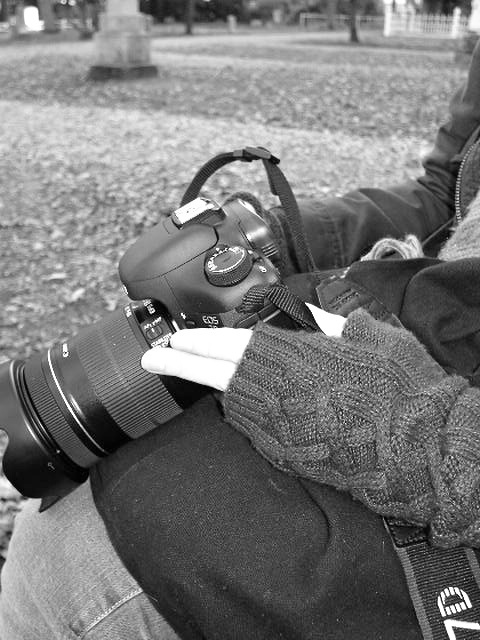
The photograph to your right, Portrait of a Photographer is a portrait of my friend and fine art photographer, Wendy Alger. I guess it might be more correct to say it’s a portrait of the camera not the photographer, though it was meant to capture the spirit in which Wendy works. I took the photograph some years ago during out trek through Historic Union Cemetery in Redwood City, California. Wendy pursued her art and I was chauffeur and tag-along doing the best I could. My own portrait here is a selfie captured using the photo feature on my MacBook. Happy interNational Photography Month.

Posted in General Interest, Photography/Photographer

Fusion: The Synergy of Images and Words

“The Synergy of Images and Words” from Steve McCurry, (b. 1950) American photojournalist. McCurry says, “If you wait people will forget your camera and the soul will drift up into view.”

McCurry’s work has been published widely with frequent credits in Vanity Fair and National Geographic. His most recent books are “The Iconic Photographs:” and “The Unguarded Moment.” In 1985 Houghton-Mifflin Company published his “The Imperial Way” with text by Paul Theroux.

Steve McCurry is a WordPress blogger as well as a world-class photographer.

Posted in General Interest, John Anstie, Mortality, Music, Poems/Poetry, Poets/Writers, Story Telling, Photo Story, theatre/spoken word, Video

Are There Any Other Civilisations … Out There?


I have held a universal and, it seems probably a pantheistic view of our life on earth for many years now. It is this: that there are probably other intelligent civilisations out there in the cosmos, but, in spite of our continued quest to find some and because of the humungous scale and mind boggling span of time that is represented in the life of the universe, we will never discover one. We may not even exist simultaneously. I would add a small warning to those, who like my mother-in-law, God rest her soul, are mind-bogglephobics, or who simply cannot cope with the scale of it all, that this may be a challenging concept to grasp. Nonetheless, it does require a calculator with a large scale, should you wish to do some proportions!

The following is a track from his album, “Letters from a Flying Machine” by a very fine musician, singer and songwriter from the USA, Peter Mulvey, whom we saw and met on the weekend at the Barnsley Acoustic Roots Festival.  Having listened closely to the words of his songs and one or two of his ‘between song’ talks, I asked him in our brief chat, did he by any chance write poetry? He replied that he didn’t; he preferred to leave that to the poets, but that a few of his friends were poets and that he read a great deal of poetry … to exemplify this, the inside cover of the album we bought from him, “Silver Ladder” reveals a brief quote from the 17th Century poet, Mizuta Masahide: “Barn’s burnt down – now I can see the moon”.

… anyway, back to the theme of this post.

The only thing I can do is ask you to listen to this story that Peter Mulvey tells of a conversation that he had, over some beer, with “Vlad the Astrophysicist“:

Sums it up very neatly for me.

You might also want to listen to some of this fellow’s music; there is poetry in a lot of it.

 © 2014 John Anstie

John_in_Pose_Half_Face3

JOHN ANSTIE (My Poetry Library and 42) ~ is a British writer and poet, a contributing editor here at Bardo, and multi-talented gentleman self-described as a “Family man, Grandfather, Occasional Musician, Singer, Amateur photographer and Film-maker, Apple-MAC user, Implementation Manager, and Engineer”. He has participated in d’Verse Poet’s Pub and is a player in New World Creative Union as well as a being a ‘spoken-voice’ participant in Roger Allen Baut’s excellent ‘Blue Sky Highway‘ radio broadcasts. John has been blogging since the beginning of 2011. He is also a member of The Poetry Society (UK).

*****

product_thumbnail-3.php

51w-rH34dTL._BO2,204,203,200_PIsitb-sticker-arrow-click,TopRight,35,-76_AA300_SH20_OU01_John has also been involved in the recent publication of two anthologies that are the result of online collaborations among two international groups of amateur and professional poets. One of these is The Grass Roots Poetry Group, for which he produced and edited their anthology, “Petrichor* Rising. The other group is d’Verse Poet Pub, in which John’s poetry also appears The d’Verse Anthology: Voices of Contemporary World Poetry, produced and edited by Frank Watson.

Petrichor – from the Greek pɛtrɨkər, the scent of rain on the dry earth.
Posted in General Interest, Nature

TRAVEL THEME: BLOSSOMS

The lovely young mother, Imelda, delights her thousand-plus followers with her artful photographs of flowers sometimes found in unexpected places. Often, as with these two Lily of the Valley, Imelda pairs her photos with a sort poem. Bravo, Imelda …

Imelda's avatarMY WALL


Lily of the Valley

Their scent calls to the eyes
to show them a thousand delights –
Lily of the Valley of the purest white.

Lily of the Valley2

For AILSA’s TRAVEL THEME:  BLOSSOM.

View original post

Posted in General Interest, Naomi Baltuck, Photo Essay, Photography/Photographer

Tempest in a Teapot

When my daughter Bea and I were in England, I took her to the picturesque little town of Rye.


Rye was a Cinque Port, charged in 1155 by Royal Charter to provide ships for the royal navy, and rewarded with tax-exempt status and other privileges.

Rye was situated on the coast until The Great Storm of 1287 silted the harbor, and transformed the coastal port into a river port, two miles inland.

The town’s history is colorful, with smuggling, and raids by and against the French, just across the Channel. It’s also said to be the most haunted town in England. There’s the ghost of the girl who fell in love with a smuggler and was murdered by him for her indiscretion.  Turkey Cock Lane is haunted by the ghost of the monk bricked up alive behind a wall for trying to elope with a local lass. The mysterious boy wrapped in a shroud, and a pair of duelers reenacting their last fatal sword fight are just a few of the ghosts who frequent The Mermaid Inn.   So many stories!

Every house has a story.   In Rye, as with everywhere else in England, they like to give their houses a name.  White Vine House was very pretty.

On a narrow cobbled lane called Mermaid Street stands The Mermaid Inn, which dates back to 1156.

 It was remodeled in anticipation of a visit from Queen Elizabeth I.  On a previous trip, I stayed at The Mermaid in a room with a plaque on the door boasting that the Queen Mum had once spent the night in that very room.  I think I can truthfully say I have slept in the same bed, looked out the same window and, at least for a little while, sat on the same throne as Queen Elizabeth II’s mum!

The Mermaid Inn was so famous that the house across the street was known simply as “The House Opposite.”


We discovered an unusual house, with two front doors.  The owners called it, “The House With Two Front Doors.”  (Well, of course, they did!)  They even had the name painted on it in shiny gold paint.

The neighbors who lived next to The House With Two Front Doors also had a house with one distinguishing feature, a bench built into one side of the porch.  Maybe they thought the neighbors were getting too high and mighty, with their spiffy gold-painted signs and their highfalutin name.  In what seems a clear case of one downmanship, they too gave their house a name, and put up their own sign to let passersby know they were looking at “The House With the Seat.”

I want to know all the stories–big ones like The Great Storm that changed the whole coast of England overnight, compelling but heartbreaking ones like the Mary Stanford Lifeboat Disaster, in which the entire heroic rescue crew was drowned in a storm, trying to save survivors of a shipwreck who had already been saved.  Some of my favorite tales are the Tempests in the Teapots.  Those you won’t find in tour guides or history books, but you might be fortunate enough to stumble upon one.  A local told us stories about watching the filming of Cold Comfort Farm in Rye.  Afterwards we took afternoon tea in the teahouse where one scene was filmed.

Stories live all around us. Some fall into our lap like ripened fruit from a tree.  Others are hiding in nooks and crannies, waiting to be ferreted out.  Often we are left to speculate over the missing details–not unlike trying to read tea leaves in the bottom of the tea cup.  Who hid in the priest hole over the fireplace at The Mermaid Inn?  Who was left to mourn the seventeen lads lost in the Mary Stanford disaster?  Do the occupants of The House With Two Front Doors and those of The House With the Seat ever sit down together for a cup of tea?

All images and words c2013 by Naomi Baltuck

NaomiPHOTO1-300ppi51kAqFGEesL._SY300_NAOMI BALTUCK ~ is a Contributing Editor and Resident Storyteller here410xuqmD74L._SY300_ at Bardo. She is a world-traveler and an award-winning writer, photographer, and story-teller whose works of fiction and nonfiction are available through Amazon HERE. Naomi presents her wonderful photo-stories – always interesting and rich with meaning and humor – at Writing Between the Lines, Life from the Writer’s POV. She also conducts workshops such as Peace Porridge (multicultural stories to promote cooperation, goodwill, and peaceful coexistence), Whispers in the Graveyard (a spellbinding array of haunting and mysterious stories), Tandem Tales, Traveling Light Around the World, and others. For more on her programs visit Naomi Baltuck.com

Posted in Culture/History, General Interest, Victoria C Slotto

Cultural Connections–International Museum Day

“Museums are an important means of cultural exchange, enrichment of cultures and development of mutual understanding, cooperation and peace among peoples”. Internation Council of Museums 

Image: George Andrews

Yesterday the world community celebrated International Museum Day. The International Council of Museums (ICOM) established this event to occur each year on or about May 18th. In 2013, 35,000 museums from 143 countries on five continents participated, welcoming guests to their venues, without charge.

The theme for this year’s celebration, as established by the ICOM is “Museum collections make connections.”

Until last year I had the great pleasure of serving as a docent at the Nevada Museum of Art (NMA), Nevada’s only accredited art museum. The role of the docent is, as the name implies, to lead the public in tours of the museum’s offerings, and to teach participants about various exhibits. This requires numerous hours of on-going training in the rotating exhibits and offers opportunities to meet (in the case of an art museum) artists, curators and collectors of art.

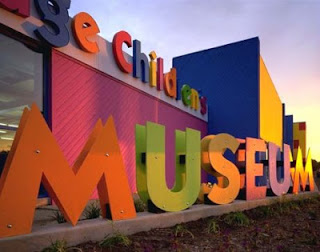
When I attended a National Docent Symposium a few years ago, I became more aware of how many types of museums were represented: those dealing with history, collections such as cars (the National Automobile Museum is here in Reno), zoos, botanical gardens, sports, entertainment, children discovery centers, occupations, science cultures…the list goes on and on.

Photo: Palm Springs Life

I found the greatest joy in introducing children to the world of art—to watch them respond to the principles and elements of art such as color and texture, to learn to use art as a launching pad for story-telling and poetry, to learn to use their senses to jump into a painting and explore what it might taste like, smell like, feel like. I planned age-based activities and each tour was followed by an art experience.

In keeping with this year’s theme, museums offer a chance to experience other cultures and to understand the point of view of the forces behind the exhibits. They teach responsibility for the environment, diversity, and offer families the opportunity to share.

In honor of the spirit behind International Museum Day, please consider paying a visit to a museum of your choice. Perhaps the idea of becoming a docent will appeal to you if you are looking for a volunteer opportunity. Docents are educators, though it is not necessary to have a background in education, or even in your field of interest, thanks to the intense initial training program and on-going education.

It was hard for me to resign my position. It was a passion for me. But life circumstances change and sometimes the time commitment becomes unattainable. I find it dangerous to visit NMA now—I want to jump back into the role that is no longer realistic. But when I tour with friends or my husband, I find the docent in me taking over. I devise questions I would ask the school children, activities I would have them do.

To learn more about museums in your area just google “Museums (your town).” You will be surprised. And rewarded.

– Victoria Slotto

© 2014, essay, Victoria C. Slotto, All rights reserved; photo credits as indicated above

2940013445222_p0_v1_s260x42034ff816cd604d91d26b52d7daf7e8417VICTORIA C. SLOTTO (Victoria C. Slotto, Author: Fiction, Poetry and Writing Prompts) ~ is an accomplished writer and poet. Winter is Past, published by Lucky Bat Books in 2012, is Victoria’s first novel. A second novel is in process. On Amazon and hot-off-the-press nonfiction is Beating the Odds: Support for Persons with Early Stage Dementia. Victoria’s ebooks (poetry and nonfiction) are free to Amazon Prime Members. Link HERE for Victoria’s Amazon page.

Editorial note: Congratulations, Victoria, on that the long awaited publication of print copies of Jacaranda Rain, Collected Poems, 2012, Beautifully done.

Writers’ Fourth Wednesday is hosted by Victoria from January through October. Tomorrow Victoria’s Fourth Wednesday writers’ prompt will post at 12:01 a.m. PST. Please join us. Mister Linky will remain open for seventy-two hours so that you can link your response to this blog. Victoria and Jamie will read and comment and we hope you will read each other’s work as well, comment and encourage. 

Posted in General Interest, Niamh Clune, story

Ssssh! Don’t Tell Anyone!

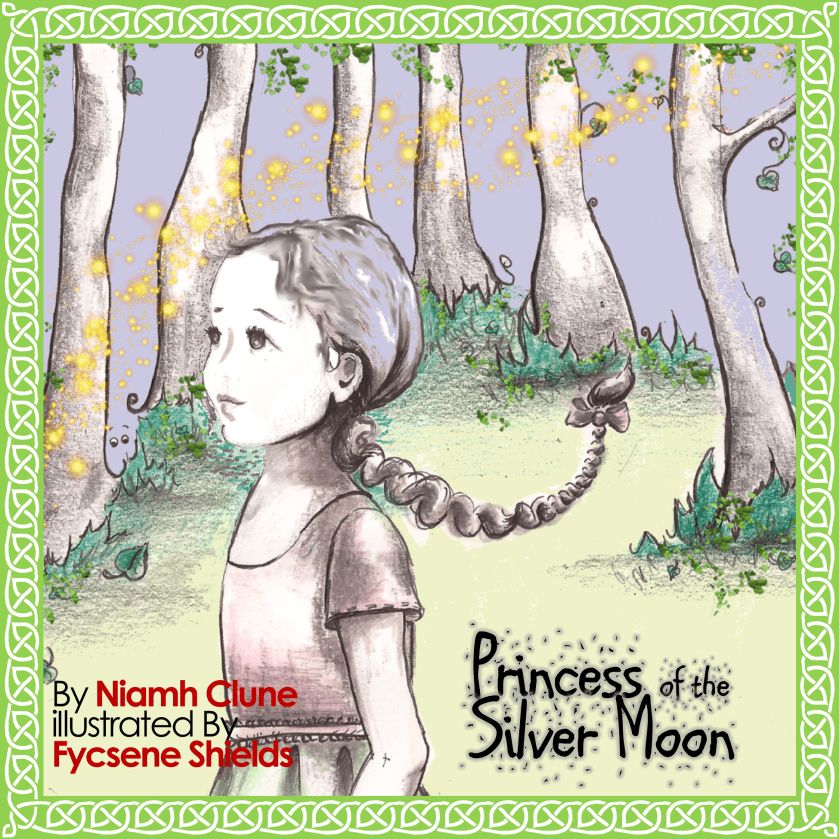
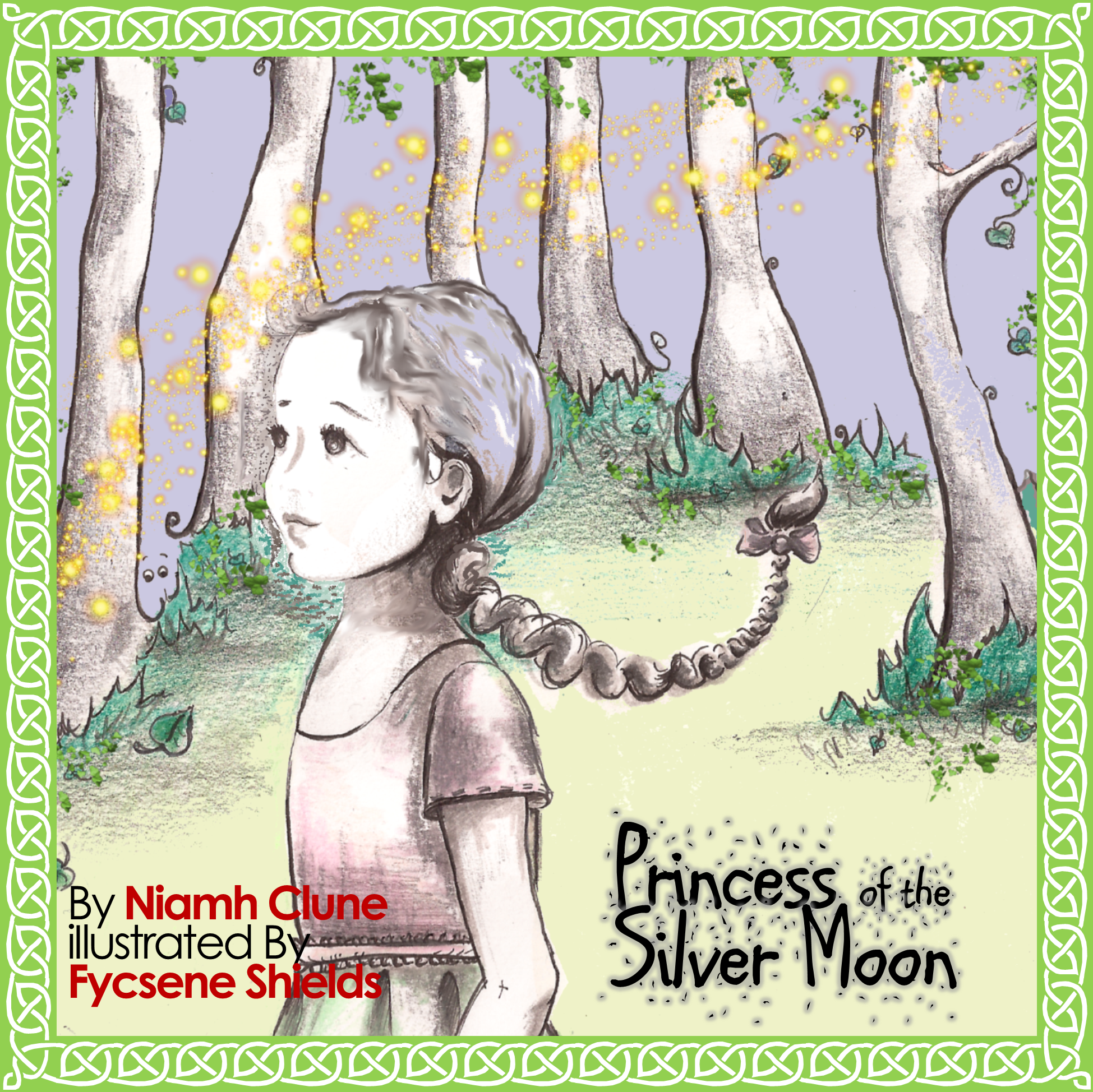
dr-nanaplum-amazingbooksforchildren.comShall I let you into one of my secrets?

When I was little, fairies lived at the bottom of my garden. I used to talk or sing to them quietly (as fairies don’t like shouting). And when dew covered the grass and made it glitter and sparkle, I knew the fairies were preparing for a shindig.

Everyone knows that when dew is on the grass, fairies have their choice of the most beautiful sparkles imaginable. Fairies might wear peony, iris, or rose sparkle. Boy fairies wear shamrock and breeches made of bark ~ be-dewed and made smooth and slithery ~ great for sliding down mole-hills!

Fairies love nothing more than dew! They drink it; it makes them giggle! They wear it; it makes them shimmer. Dew really is the diamond in the fairy-queen crown.

Apart from anything else, dew means the dawn of a new day, when fairies can flit and dart ~ flicker and start; hover and whiz ~ zip and fizz; float and flash ~ make-a-dash; tease and prance ~ skip and dance; hurry and scurry ~ all of a flurry; rush and rail ~ skim, speed and sail!

The best Leprechaun fiddlers play the most lively jigs! Elf harpists pluck at your heartstrings and weave magic in verse. Goblins are the best drummers, whilst meadow sprites have very high, reedy singing voices. Usually appearing on percussion are the cobbler gnomes ~ with a-clink and a-clank, whenever needed. All in all, fairy gatherings are a sight to see ~ for those able to see them.

I spent many an early morning dancing fine jigs to the tunes of the little people, singing long songs or reciting poems, all of which are of very great interest to fairies. They taught me some of their secrets about bees and butterflies, worms and magic bears who know such an awful lot about everything. They also taught me how to grow up into someone who is wise. I like to share some of those mysteries with boys and girls (and grown-ups who still have magic in them) who are inquisitive but can also keep a secret.

Sssssssssh! Promise you won’t tell anyone…

Find me on dr-nanaplum-amazingbooksforchildren.com if you would like more stories!

© 2014, illustration and story, Plum Tree Books, All rights reserved

430564_3240554249063_1337353112_n-1orange-petals-cover_page_001DR. NIAMH CLUNE (Plum Tree Books Blog) ~ is the author of the Skyla McFee series: Orange Petals in a Storm, and Exaltation of a Rose. She is also the author of The Coming of the Feminine Christ: a ground-breaking spiritual psychology. Niamh received her Ph.D. from Surrey University on Acquiring Wisdom Through The Imagination and specialises in The Imaginal Mind and how the inborn, innate wisdom hidden in the soul informs our daily lives and stories. Niamh’s books are available in paperback (children’s books) and Kindle version (The Coming of the Feminine Christ). Dr. Clune is the CEO of Plum Tree Books and Art. Its online store is HERE.  Niamh’s Amazon page is HERE.

Posted in Culture/History, General Interest, Guest Writer, Imen Benyoub, Music, Peace & Justice

Music, Language of the Soul

1912340_522627457840294_1074926792_n

“Music is…a higher revelation than all wisdom and philosophy”
Ludwig Van Beethoven.

Sarajevo under siege…a city in ruins that wakes up on the sound of shelling and bombing and sleeps on that of mourners. This beautiful city, so rich in history, architecture and art suffered the horrors of a four years siege considered the longest in modern history, and became Europe’s capital of hell since the war broke in 1992, to coincide with another atrocious civil war that broke in my own country and lasted almost ten years, what we Algerians know as “the dark decade”.

At 4 pm on May 27, people were queuing in front of a bakery in Sarajevo for bread; a mortar shell dropped in the middle and killed 22 people instantly. A man witnessed the massacre and was so appalled by the sight of blood and torn bodies so he decided to do something.

This man was Vedran Smailović, a widely recognized and talented cellist who went everyday for 22 days to the bombed site the exact time of the massacre and played cello, in honour of those who died in front of him and all of the victims, all those hiding from snipers’ bullets, the refugees, the hungry, the wounded, the destroyed homes and for his smouldering, exhausted city that struggled to survive.

This man sent a prayer of peace through his music, that the city of his heart might witness a brighter future, and he became the symbol of peace all over Bosnia, playing in graveyards and bombed sites, despite the shelling and fired bullets, Smailović was engulfed by light, the light of hope he was spreading all over the battered city. No crowd applauding to his performance, just Angels protecting him.

It’s been years since the dreadful siege and the civil war in my country ended, but did Sarajevo recover from its dark past? Did my people ever forget? the victims, the mass graves, and the fear they lived in all those years…

We are never entirely healed of our memory.

Al Yarmouk refugee camp in Damascus Syria, another Sarajevo, another siege, people dying from a severe lack of food, water and medical supplies, massive destruction of homes and buildings, for weeks the Government forces besieged the camp and starved its people on purpose, the majority of them Palestinians who were exiled from their country in 1948, they found themselves caught against their will in a merciless war that made Damascus, a beautiful and rich city…Middle East’s capital of hell.

History repeats itself, it always strikes me how it does, and not always in the gentlest way, I believed it with all my being when I saw young men with a battered piano in the middle of rubble playing music and singing for peace and freedom, I said: if Vedran Smailović could see those proud and defiant guys whose souls are connected to his, one of them a pianist who started playing since he was six, he used to repair musical instruments with his father and studied music in the university of Homs*, the others, just ordinary people praying for the end of the war, and dreaming of a safe united country again in their own way.

They sang: “Oh displaced people, return; the journey has gone for too long. Yarmouk we are a part of you and that will never change.”

Smailović would have loved what those Palestinians did, because he, of all people will understand the meaning of creating beauty amid destruction, and defying death with the language of the soul…Music

(I would secretly thank that man who set up his piano in front of armed police, a day after protesters in Kiev brought down the statue of Lenin, and played Chopin…he inspired me to write this post)

*Homs: a Syrian city

Editorial note:  A partial translation of the song and apologies for any inaccuracy.
“from among the ruins and under the ashes, the [Palestinian] phoenix sings for life and will rise again for the cause of freedom …”

– Imen Benyoub

© 2014, essay, Imen Benyoub, All rights reserved; photo credit ~ Rashid Essa (Almadon News), youth in Al Yarmouk Refugee Camp, ” © electronic cities” under CC A-SA, no modification to photograph is allowed

.

pictureIMEN BENYOUB ~ is a multilingual, multi-talented writer, poet, and artist living in Guelma, Algeria. She is a regular contributor to Into the Bardo and to On the Plum Tree and Plum Tree Books Facebook page.