Three weeks ago, I started exploring finding sacred space in our bodies. I took a brief look at the need for sacred space because of the large influence of Western Christianity on our society and the world. Additionally, the groundwork was laid for a holistic view of our bodies as sexual beings and the unity of being.
Today, the below video points to the issue of the elderly and body liberation. The team who created this, myself, Denise Ritthaler, and Bjorn Peterson, used scripture, quotes, images, factoids, and music to make the point for healing our body image and considering our bodies sacred space.
Again, what’s theology got to do with it?
Body/Spirit dualism allows objectification (Kelly Brown Douglas)
Objectification leads to disembodiment in the sense of our body as unholy other
When we are disembodied, we can no longer connect to creation (Sally McFague)
When we are disembodied, we can no longer connect to the other (Mayra Rivera)
When we are disembodied, we can no longer connect to the other within our self (extrapolated from Mayra Rivera)
We can neither connect to immanence nor transcendence
Without immanence (experiencing our bodies) or
transcendence (experiencing the other),
we lose our sense of sacred.
And we become a befuddled mess. I hope that by experiencing the beauty and wisdom of aging presented here, you will rebel against popular imagery and embrace the holistic sense of the life cycle.
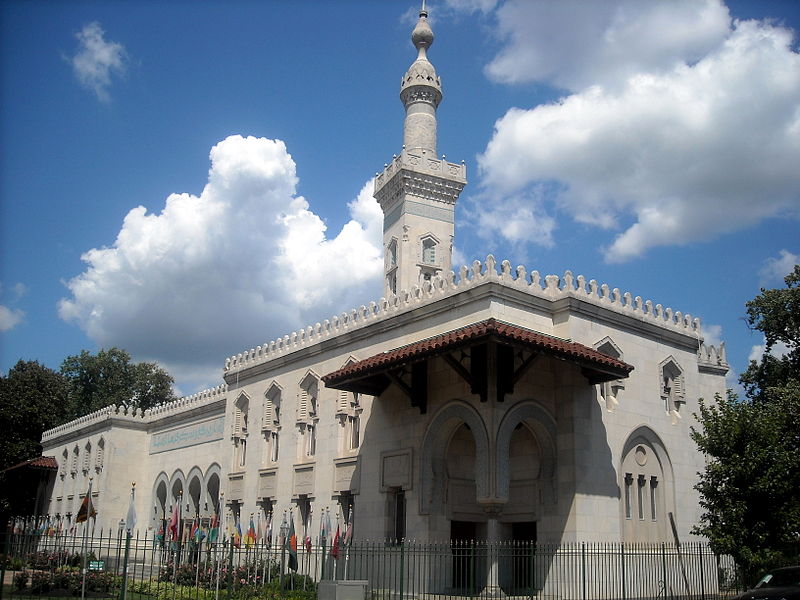
Islamic Center of the U.S. in Washington by agnosicpreachers kid under CC BY-SA 3.o license
BEST WISHES to our Moslem contributors, readers and friends all over the globe on this: the first day of Ramadan. ~ During this month, 1.6 million Muslims – or 23% of the world population according to Pew Research Religion and Public Life Project – observe a strict fast if they are of an age and healthy enough to do so. The fast extends each day from sunrise to sunset. The month-long fasting ends with a feasting celebration, Eid al-Fitr (the breaking of the fast), which falls on 28 July this year.
Britain’s David Cameron has this to say:
Kul ‘am wa enta bi-khair!
May everyday find you in good health!
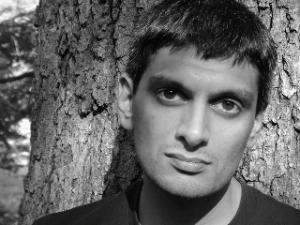
Kazim Ali (b. 1971) American poet (c) Kazim Ali
CELEBRATING POET, NOVELIST, ESSAYIST and EDUCATOR, KAZIM ALI ~ who was born in the UK, is from an Indian Islamic household, and was educated at State University of New York (SUNY) and at New York University. Currently he lives in Oregon.
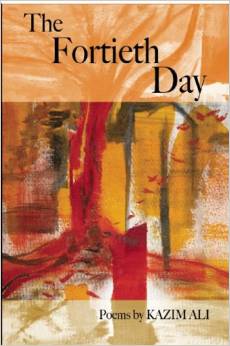
Of his most recent poetry collection, The Fortieth Day, the Library Journal review says that Ali …
“continues his task of creating a rejuvenated language that longs to be liberated from the weight of daily routine and the power of dogmatic usage . . . writing in the tradition of Wallace Stevens, Ali is clearly a poet of ideas and symbols, yet his words remain living entities within the texture of the poem.”
“Kazim Ali’s searching descriptions of the Ramadan sensibility and its arduous but liberating annual rite of communal fasting is sure to be a revelation to many readers — intellectually illuminating and aesthetically exhilarating.
“Fasting for Ramadan is structured as a chronicle of daily meditations, during two cycles of the 30-day rite of daytime abstinence required by Ramadan for purgation and prayer. Estranged in certain ways from his family’s cultural traditions when he was younger, Ali has in recent years re-embraced the Ramadan ritual, and brings to this rediscovery an extraordinary delicacy of reflection, a powerfully inquiring mind, and the linguistic precision and ardor of a superb poet.”
“Poetry is the smallest way – it is a small, small way, but it is a way indeed – that the individual body can express its own personhood and value in the face of faceless systems.” Kazim Ali
Terri Stewart (c) Terri
TERRI STEWART REPORTS on the expansion of Begin Again, the blog she started and hosts ~ “First news, welcome Bruce Chittick to the team of writers! Woot!! He will bring an awesome perspective to Sundays and inspiration. I can’t wait to get to know his writing. I experience him to be a thoughtful, gracious, inclusive kind of guy. His first post went live on the 22nd!
“And, in other exciting news, we got some funding. The United Methodist Church, in an expansive move towards trying new things (although we aren’t exactly NEW) has decided to fund my position at BeguineAgain.com AND all the technology for the next year and a half. This gives me & us time to build a class & subscription base to move towards an independent funding mechanism. This is awesome on so many counts. They know what we have been publishing and are willing to sit in that tension. Amazeballs! And it also lets the pressure off of me regarding all the work I am doing to create alternate funding mechanisms for my own family’s subsistence. Whew. Chaplaincy pays like zero. It is being billed as an online spiritual community. Very vague.
” … I can’t wait to try some of the new technology that will be available now that I can upgrade us to WordPress pro!”
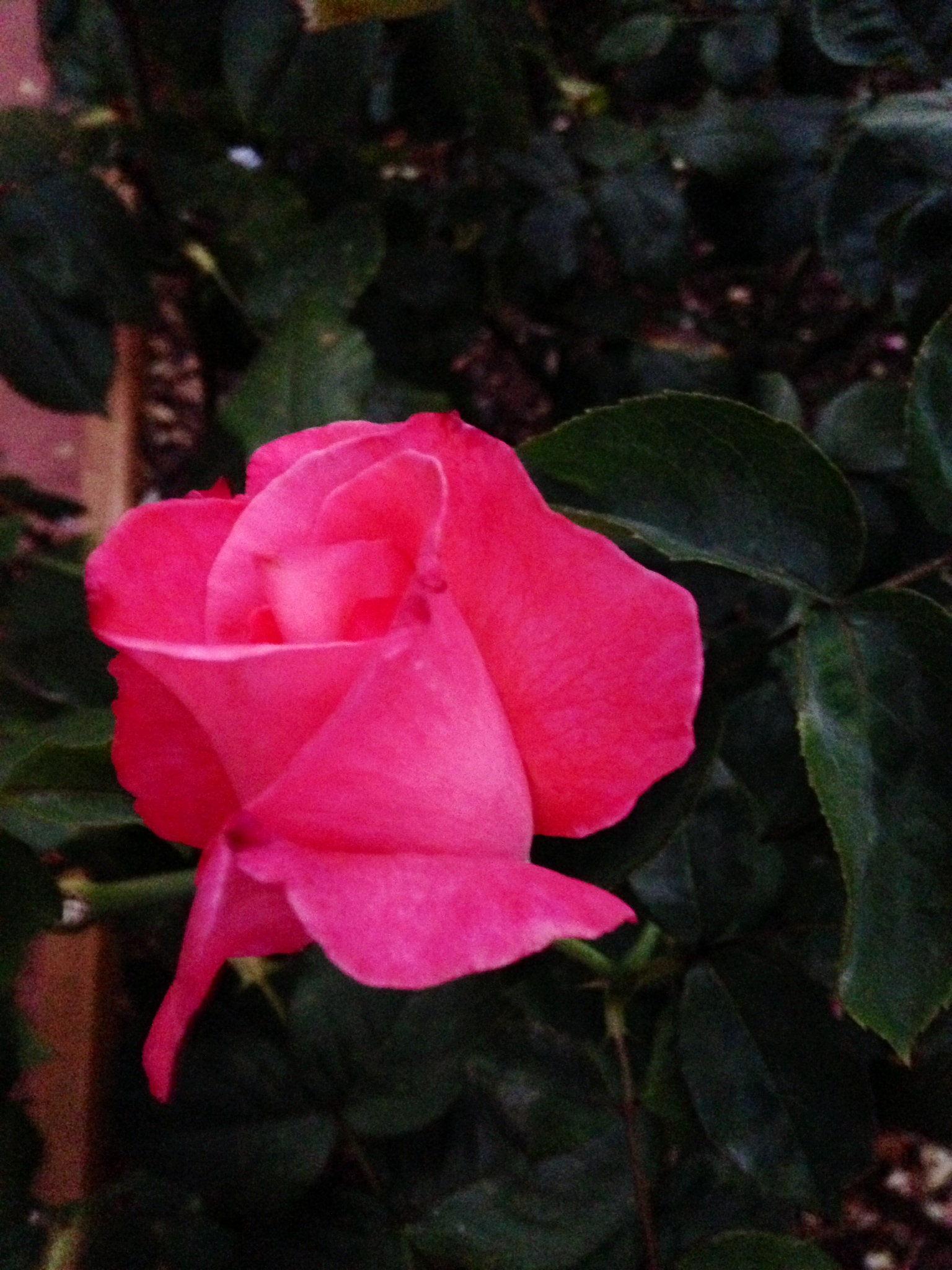
Rose at Dusk (c) Jamie Dedes
ARTFULLY ECO-FRIENDLY
Dutch Nature Artist, PAULA KUITENBROUWER (Mindful Drawing) ~ a long-standing member of The Bardo Group and a contributor to the blog has sent out a call to all of us – team members, bloggers and friends – to initiate discussions of how and why we are living and working in an eco-conscious ways and how we can use our art and our blogs to encourage environmentally sound practices. Paula shares on her Guilt-Free Art Page …
“My original drawings are drawn on acid free paper. In the process of making acid free paper fewer corrosive chemicals are used, which makes acid free paper significantly environmentally friendlier than normal paper.
“For packing my fine art cards and reproductions, I use biodegradable plastic. I like my art work to be as environmentally friendly as possible and I select my products carefully. My paint-brushes are synthetic without animal hair.”
Other eco-friendly living practices that might be shared would include the ways in which we order our lives to enable no-or-minimal use of cars, mindful shopping (buying only what we need and buying from bulk containers rather than packaged items, buying locally produced food and other products), using biodegradable cleaning products and reusable shopping bags. Yes! All this and how about telling us about your advocacy efforts?
We invite you share your thoughts on this in the comments section here, on your own blogs (then leave us a link under any current post so that we can publicize it in the next Bardo News) or as submissions to The Bardo Group blog this month. (If you are not a core-team member, please email us at bardogroup@gmail.com.)
Coming up:
Next Sunday Terri resumes her Sunday Sacred Space in the Body series.
Another fine piece from Imen Benyoub on Music, Language of the Soul, date TBA
I am interrupting my series on Sacred Space in the Body. I wish I could say that it was for a lofty reason, but the truth of the matter is that I wrote a sermon that took all the words out of my body and left me with nothing! And this is a beautiful post about resting and sabbath that I co-created with my FB friend and photographer, Tom Ganner. Originally published at BeguineAgain.com. I’ll be back on track with Sacred Space in the Elder Body next week.
Today’s theme of sacred space in rest is offered by photographer Tom Ganner. Tom is a photographer from Haines, Alaska. I met him last year when I went on a cruise. He toured us around Haines to all the “photography” spots. He was so gracious! I encourage you to look at his photography (http://www.timenspace.net/) and if you are in the area, take his tour!
“Rest is not idleness, and to lie sometimes on the grass under trees on a summer’s day, listening to the murmur of the water, or watching the clouds float across the sky, is by no means a waste of time.”
― John Lubbock, The Use Of Life
The high point of my summer has been two weeks with my grandson. I regret I have to take him down to Juneau today to return him home to Colorado. He says he wants to come back next year. Photo created up Haines Pass near Three Guardsmen. — with Oliver in Haines, AK.
“When we live without listening to the timing of things, when we live and work in twenty-four-hour shifts without rest – we are on war time, mobilized for battle. Yes, we are strong and capable people, we can work without stopping, faster and faster, electric lights making artificial day so the whole machine can labor without ceasing. But remember: No living thing lives like this. There are greater rhythms, seasons and hormonal cycles and sunsets and moonrises and great movements of seas and stars. We are part of the creation story, subject to all its laws and rhythms.”
― Wayne Muller, Sabbath: Finding Rest, Renewal, and Delight in Our Busy Lives
Another ho-hum day in paradise with grandson Oliver at David’s Cove. — in Haines, AK.
“The meaning of the Sabbath is to celebrate time rather than space. Six days a week we live under the tyranny of things of space; on the Sabbath we try to become attuned to holiness in time. It is a day on which we are called upon to share in what is eternal in time, to turn from the results of creation to the mystery of creation; from the world of creation to the creation of the world.”
― Abraham Joshua Heschel, The Sabbath
Last week, I started exploring finding sacred space in our bodies. I took a brief look at the need for sacred space because of the large influence of Western Christianity on our society and the world. Additionally, the groundwork was laid for a holistic view of our bodies as sexual beings and the unity of being.
Today, I will be speaking to the point of women and body image. I will be using images, factoids, and spoken word to make the point for healing our body image and considering our bodies sacred space
The problem: Pretty
According to society and the media, pretty is not:
Dark skin
Dark hair
Freckles
Fat
Crooked noses
Old
Or short
Pretty is:
Pale
I’d like to point out that even women I consider quite beautiful such as Beyonce, often have their skin “lightened” in Photoshop for magazine covers. I am sure this is the editor’s choice.
Tall
Skinny
Young
Sexualized
Vanity Fair magazine did a survey of who the most beautiful woman is in 2009 and Angelina Jolie won by a wide margin. I believe that she fits all of these categories, especially the sexualized presentation of women.
Often, in the media, sexualized women are used for no apparent reason. In this advertisement that popped up one day while I was working on research for this presentation, there is this woman presenting her legs and high heels…for an advertisement about school grants.
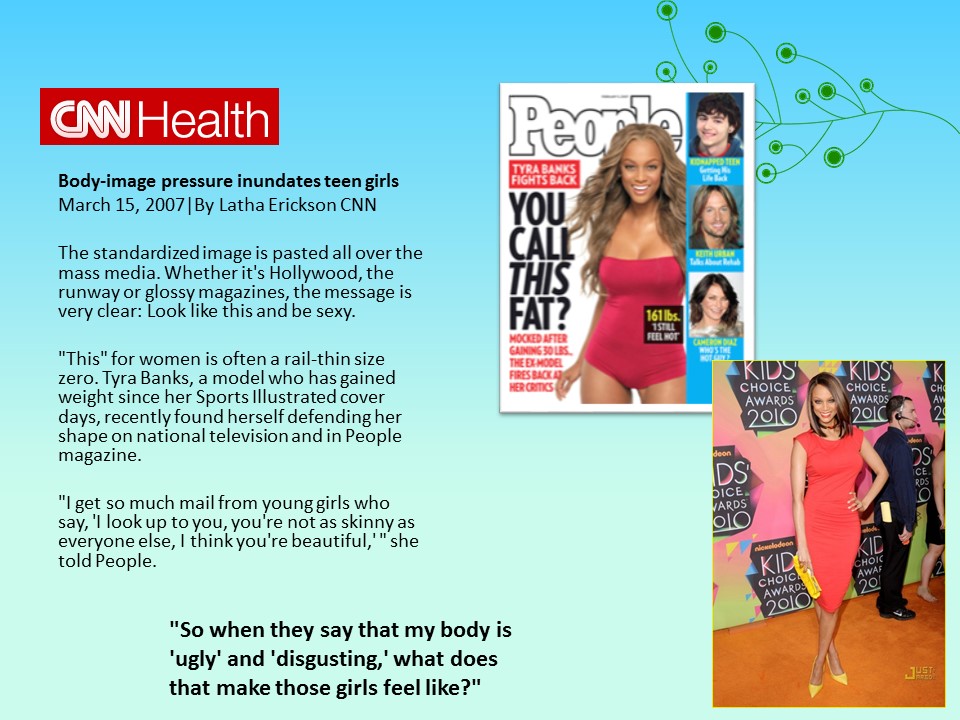
Popular media has a freedom to make fun of what pretty isn’t…whether it is fat, short, old, or freckled. Here Tyra Banks is being called fat. She is a role model for young women across America whether we like it or not. If people are associating fat with her and calling her ugly and disgusting, what does that do to our young women that admire her?
And now a personal story…
This is my my child Colin and his cousin Casey, my niece. These two kids both consider themselves fat at this time. Colin was afraid to wear “skinny jeans” because he thinks they make him look fat so he hides his body behind baggy basketball shorts and sweatshirts. Casey is in the same boat. They already don’t like their bodies.
Even models are not thin enough. Ralph Lauren ran this ad with this image in Japan. They then fired Filippa Hamilton for “breach of contract” which she says is because she was too big.
Here, Dove bravely shows us the evolution of beauty:
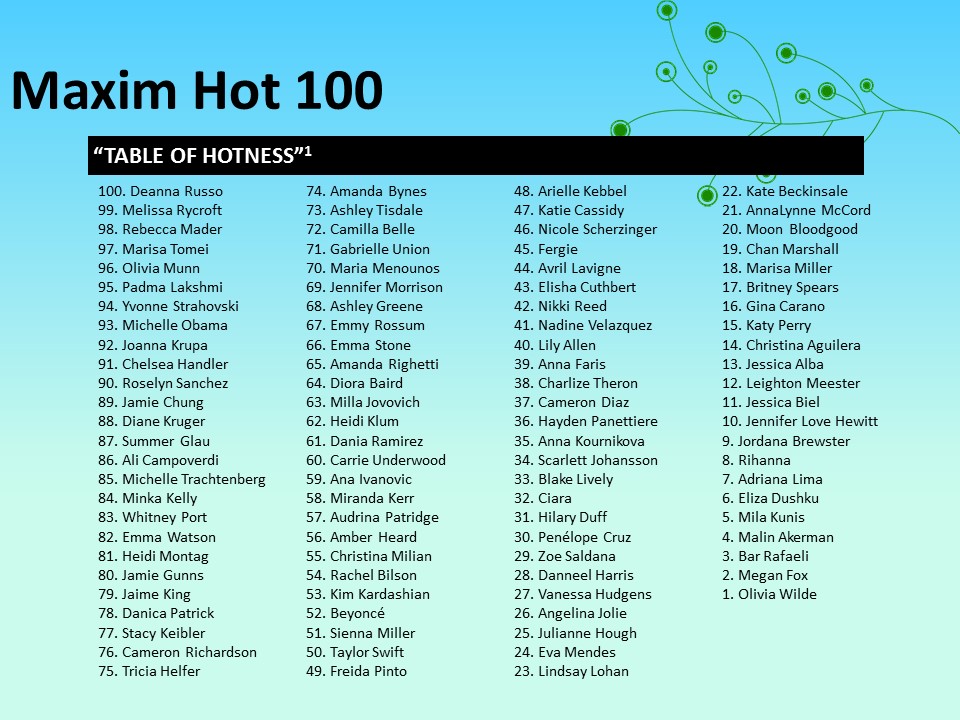
Here is the list of the Maxim Hot 100. Women and girls measure themselves against this list and this standard of beauty thinking it will bring
Happiness
Fulfillment
Joy
Wealth
Desire
And Self Worth
This is death dealing to our young women.
Teenagers who THINK they are overweight are at a higher risk of suicide.
Over 35 million people in the U.S. have an eating disorder of some kind…anorexia, bulimia, or binge eating. A huge percentage of these people are women. Up 95% of the people with anorexia or bulimia are women and 65% of people with a binge eating disorder are women. Or girls.
Eating disorders cause early onset of disease and illness.
This is being driven down to an earlier age…over 80% of 10 year olds fear being fat.
Again, this is death dealing. Young women are dying from eating disorders.
Just to contrast, Measuring against this standard of beauty actually brings
Depression
Sexual Disorder
Self Hatred
Self Mutilation
Eating Disorders
And Suicide
Popular music is no better. Here is an offensive song by the Macc Lads called “Ugly Women.” The lyrics include:
Thank God for ugly women, all the boilers bags and trolls, Just so they could get a shag they invented alcohol.
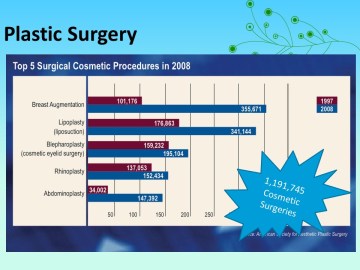
Speaking of self-mutilation and to that which Kathy Makkai spoke of so poignantly in her poem, nearly 1.2 cosmetic surgeries done for non-medical reasons were done in 2008.
Ridiculously, this is now being marketed in children’s books. There is a book called, “My Beautiful Mommy” available on amazon.
But there is good news! Our young women are changing and the world is moving into a place where we can consider our bodies and body image, sacred space.
Again, what’s theology got to do with it?
Body/Spirit dualism allows objectification (Kelly Brown Douglas)
Objectification leads to disembodiment in the sense of our body as unholy other
When we are disembodied, we can no longer connect to creation (Sally McFague)
When we are disembodied, we can no longer connect to the other (Mayra Rivera)
When we are disembodied, we can no longer connect to the other within our self (extrapolated from Mayra Rivera)
We can neither connect to immanence nor transcendence
Without immanence (experiencing our bodies) or
transcendence (experiencing the other),
we lose our sense of sacred.
And we become a befuddled mess. My hope and prayer is that you will hear the prophetic words of Kathy Makkai and the Girl’s Making Media and declare your body and your body image sacred space.
I am going to resurrect and modify a presentation I did a few years ago with Terra Morgan, Bjorn Peterson, and Denise Ritthaler. In this presentation, we develop the case for a theology of Liberation of the Body. Although we use references, occasionally, from Christianity, the topics transcend that particularity. And unfortunately, this dialogue has framed much of western culture’s understanding of our bodies.
This will be a four part series looking at:
The case for a Liberation of the Body & Liberation of our sexual being
Liberation of women and particularly body image
Liberation of elder bodies
Liberation of men
(Note: This already is too gendered and separated! But it is the beginning of our thoughts on the topic).
And we just barely touch the iceberg!
Why do I consider this sacred space? I consider that we are in relationship with three things:
us and bodies
us and the world
us and the divine
If we are not at peace with our bodies, our own selves, our angst and anger will spill into our treatment of the world and into our understanding of the divine. If we believe the Divine is within, and within us we hurt ourselves, then the Divine is also hurt. If we believe the Divine is outside of us, and has caused this, the Divine becomes capable of vengeance and capricious pain. Either way, it seems a difficult place to hold. Throw in the world and how we use it, and we are done for. So in an effort to move into peacefulness within ourselves and then in relationship with the world, let us consider our bodies as sacred space worth liberating.
Additionally, since nobody has really written “Let’s liberate our bodies!” what you will experience may be music, images, factual stuff, poetry…it’s all fair game!
Do you want the geeky stuff? Here it is!
The Theological Problem: Liberation of the Body
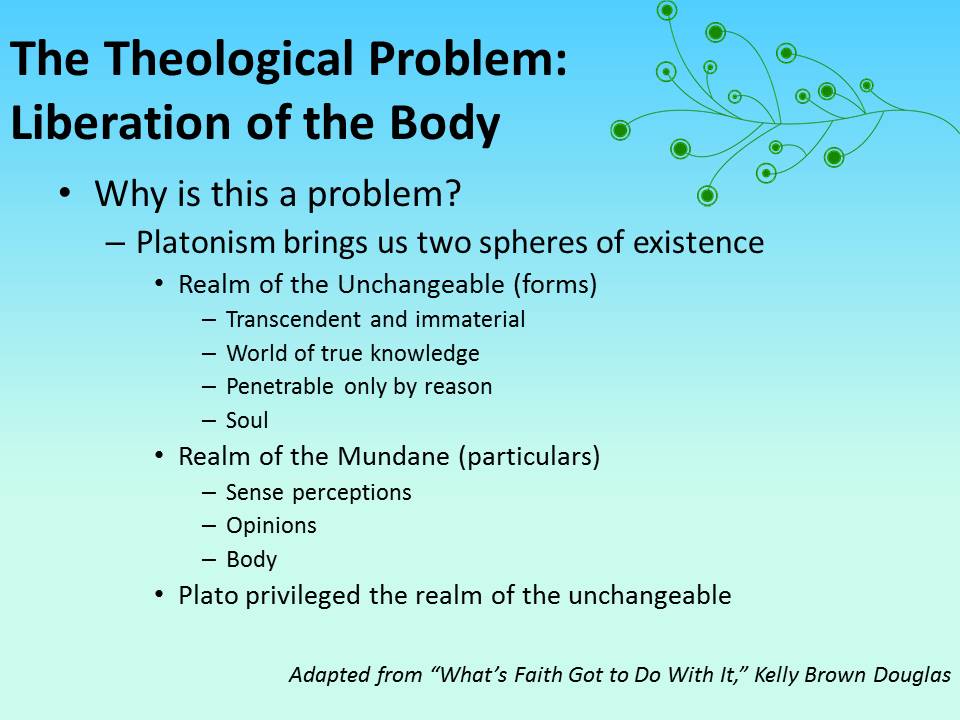
We are talking about liberating the body in a variety of forms. It is a theological problem that has developed from Platonism which brings us the realm of forms and particulars. In forms we have transcendence, the soul, and reason. This is the optimal way of being in the world. In the particulars, we have our senses, opinions, and our body. This is not the preferred way of being in the world. Separating ourselves into dualistic (tri-istic?) bits ignores that we are one integrated body and only one way to experience our senses.
Platonism impacts Christianity through an interpretation of Jesus’ ascetic personal practices. Then Paul, who was Greek and had a greater influence from Platonic sources, brought a more extreme sexual ethic into his writings.
Then, through the source of tradition, we then have Augustine who tells us that the body is sinful and that the soul and reason are to be preferred. This places God as “out there.” Away from the body because clearly, God is not sinful, therefore, even though the Divine is incarnational, the Divine has nothing to do with the body.
Maya Rivera, theologian, says, “This privileges “sameness over difference, of the One over the multiplicity, of the universal over the particular…in such systems there is no place for real otherness. Totalities reduce persons to categories.” (Rivera, 57)
However, Neale Donald Walsh reminds us of the inseparability.
“Your mind holds the past,
your body holds the present,
your soul holds the future.
Put another way,
the mind analyzes and remembers,
the body experiences and feels,
the soul observes and knows.”
So who are we really?
We are the body of the Divine participating in one diverse reality that would cast us all as other.
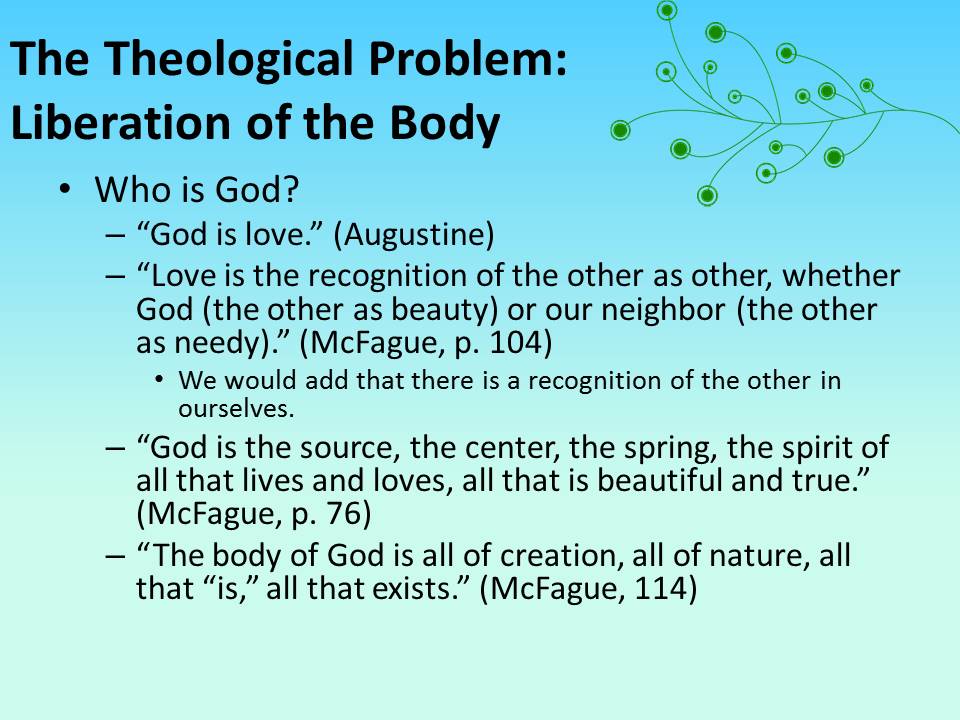
And who is the Divine?
God is love in the recognition that we and all of creation exist together and yet the Divine is so much more. The source, the center, the spring of existence. The Divine is other, existence is other, and we are other to ourselves. And yet, we are all each an incarnational part of Love’s cosmic creation.
This approach to liberation of the body is through a demonstration of what it means for humans as sexual beings, humans as women and their body image, humans as the elder body, and humans as men. (Note: I would also consider that this is entirely too gendered, but it is a starting point.)
…
Liberation of the Sexual Body
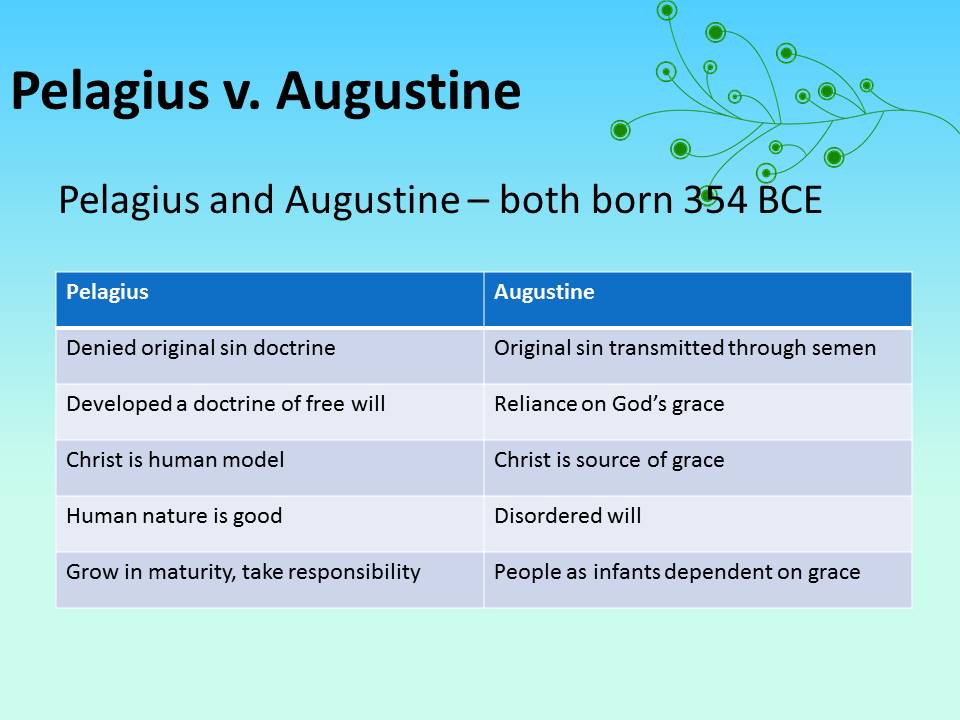
We are all sexual beings. Whether or not we have sex, we are sexual beings. In Western culture (and many others around the world), our sexuality is frowned upon. The appreciation for eros is limited. In ancient Greek, we have three words for love – agapos, philos, and eros. Each one describing a different aspect of love. Eros is believed to be that type of love that is the seat of creativity. In sexuality, we see this as the drive to have children – create! Some scholars believe that eros is the seat of all our creative desires. But our religious authorities rarely express this. This is because of a theological battle endured 1600+ years ago between Augustine and Pelagius.
If we had only chosen Pelagius! But the foundation is there to have a theology based in free-will and the idea that we are indeed born in a state of being good rather than in a state of being a worm. And it was good! Very, very good!
graphic created by Terri Stewart
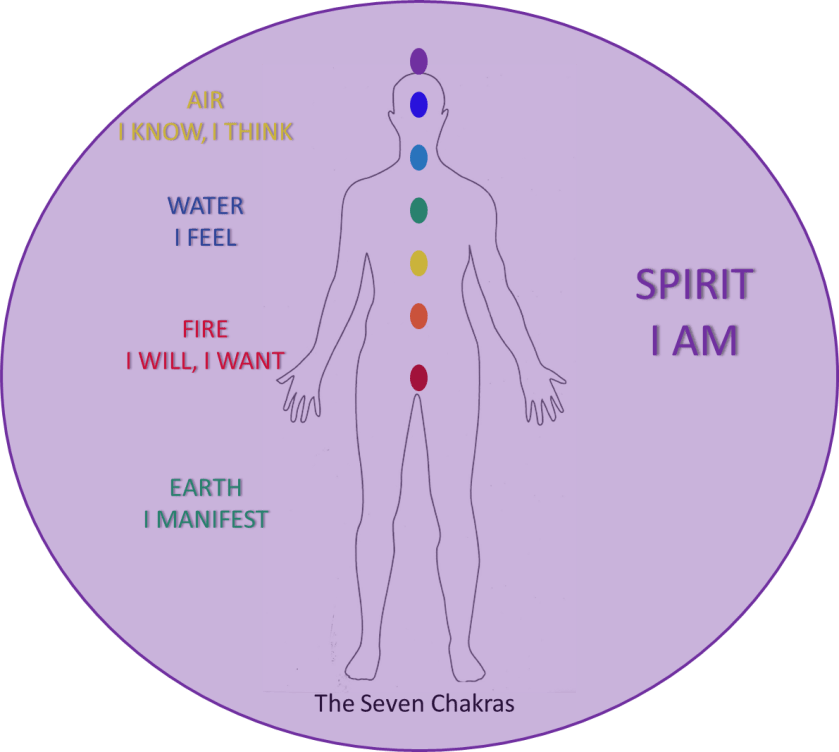
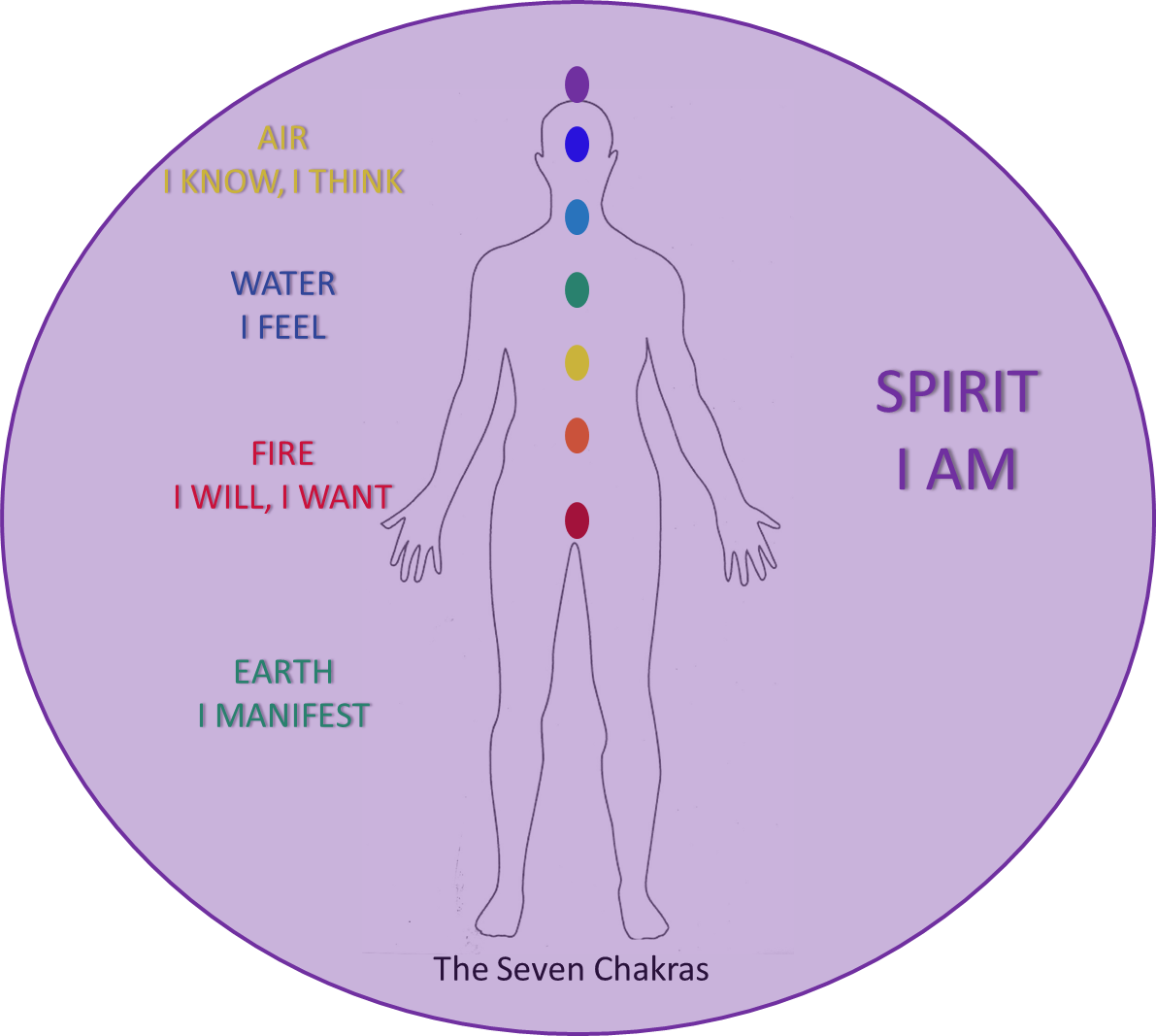
The Unity Church developed a philosophy of “The 12 Powers.” Spiritual abilities that we are perfectly able to express and that are present in every person. These powers hold that the body is good, very very good! This connects very nicely to the Chakras as described in so many ways and visualized to the right.
But through it all, from the beginning to now, the body, mind, and spirit has been connected to our bodies. Pelagius knew that and we can see it. And our creative, generative bodies can also experience being liberated through the concept of liberating our own bodies to give and receive love. We are created, we create. That is the Divine circle of our eros bodies.
One way to experience a liberated body grounded in eros-creativity is through music and movement. I encourage you to listen to the below, simple music and to move your body however you will–without shame or reservation. Reach an arm to the sky! Roll your head from side-to-side! Sway! Thou shalt do what thou shalt do! And this is the end of part 1, laying the groundwork for a Liberation of the Body and using cultural items to show that we are already liberated! Let’s claim our sexual, eros selves as liberated beings.
Ara, Flora, and Taylor. Girls Making Media: Episode 4, “Body Image.” Written and presented by Ara, Flora, and Taylor. Produced by WomanKraft. Youtube.com. http://www.youtube.com/watch?v=u4GoHhnNhm4
Takayanagi, Paul, Journal of Religious Gerontology, Volume 10, The Institute of Spirituality and Aging: Identifying and Promoting Spiritual Values of Elders, The Hawthorne Press, Inc. 1996
Cole, Thomas, R., The Journey of Life: A Cultural History of Aging in America, The Body As an Instrument of Control, “Women, Aging and Ethics”, New York: Cambridge University Press, Inc. 1992.
The Robert Wood Johnson Foundation, Last Acts – Rallying Points To Improve Care and Caring Near End of Life, National Resource Center on Diversity, “Diversity Notes”, September 2002.
Book FHR.com, “Better Access For Disabled Passengers at Prestwick Airport”, posted by Graham Greenaway October 9, 2008, http://www.fhr_net.co.uk/travel- news/1467/better_access_for- disabled_passengers_at_prestwick_airport
Sacred space in the text? There are one zillion texts that people can find sacred space in, so what do I mean? It’s not that text. The text I mean is your phone. Texting. Find sacred space in your phone via texting.
How?
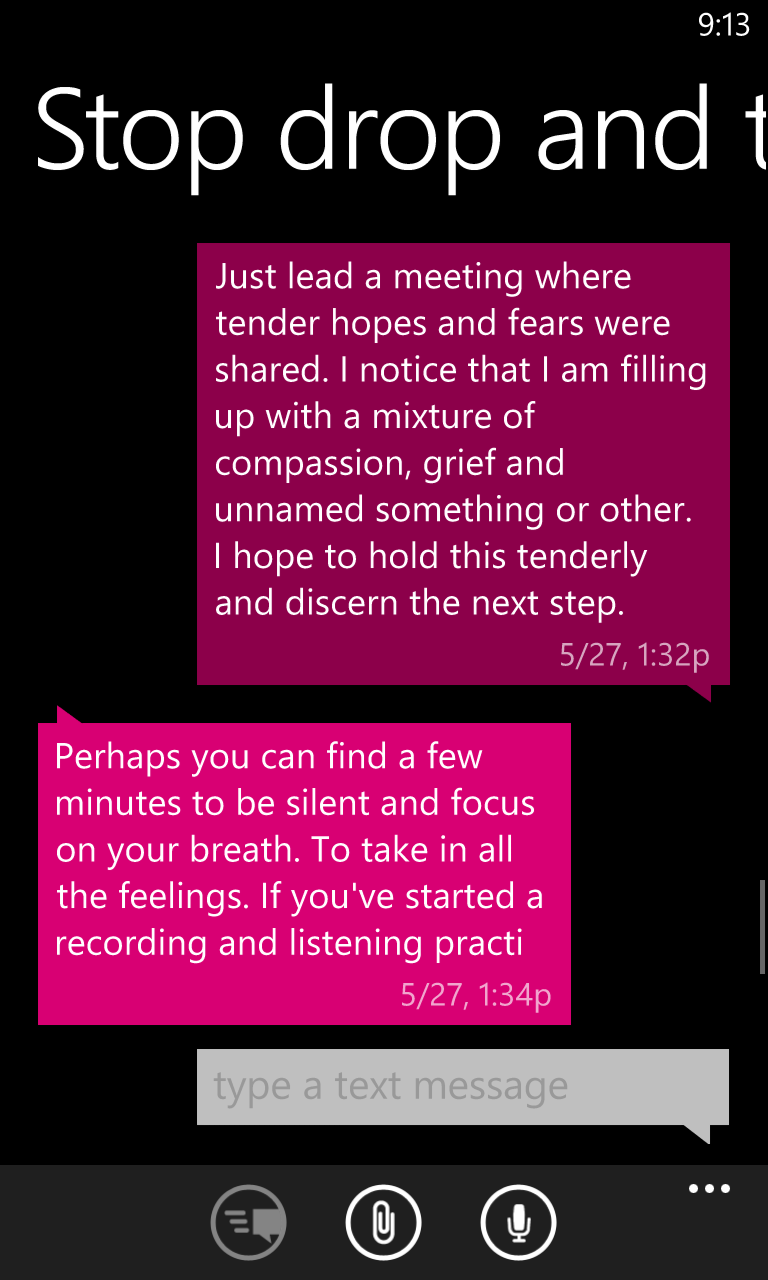
By stopping right now! Noticing where you are and what you are doing, and texting it to an accountability partner.
Stop! State what process you are beginning.
Drop! Notice what are you feeling? Drop down into your heart. Now, what is your intention?
Text! Send it to an accountability partner.
That creates a moment of sacred space, each and every day. If you program it into your calendar to “Stop, Notice, and Text”, you will be able to become present to the situation at hand, state your feelings honestly, and move on into the next movement with grace and transparency. This is sacred.
Do you have someone you can be a Stop-Notice-Text accountability partner with? Or, can you text yourself?
Tell me what you think! I look forward to hearing from you.
One of the most difficult things that humans do is make meaning from their current situation. In seminary, we were asked to do an assignment called, “This I Believe.” I still treasure the product of that assignment and will share it below. A few questions I pondered and hoped to be thoughtful about included:
What is belief?
How is belief lived out?
Does belief evolve over time?
If belief evolves over time, what does that mean?
Could belief be the only particular window into the world?
Or is belief a particular window into the world?
windows
as i look behind
i see a path of aged stone
worn away at the edges
cementing to its neighbor
existing since the
apple flew from the tree
as i look ahead
i see tangles and brambles
and flowers and warmth
and my foot reaches out
as the stone peeks
through the grasses
for a moment
while i hesitantly
test the ground
of all being
as i place my foot
down on the rock
the path is solid and
the tangles and brambles
dissolve into nothing
as the daisies lean towards
the sun gesturing
for me to proceed
as i look up
i see a mansion
welcoming me with
the scent of lavender
and love
calling out like
mama greeting me
after a long summer
away at camp
as i reach the door
i turn the handle
shaking and trembling
with fear and awe
standing at the portal
that leads to
a new place of belonging
as i step forward
realizing this is home
my ragged teddy bear
is waiting for me
on the worn chair
joy glinting off his
button eye
Papa! Mama!
i am home!
“In the garden, child.”
as i look out
i suddenly notice
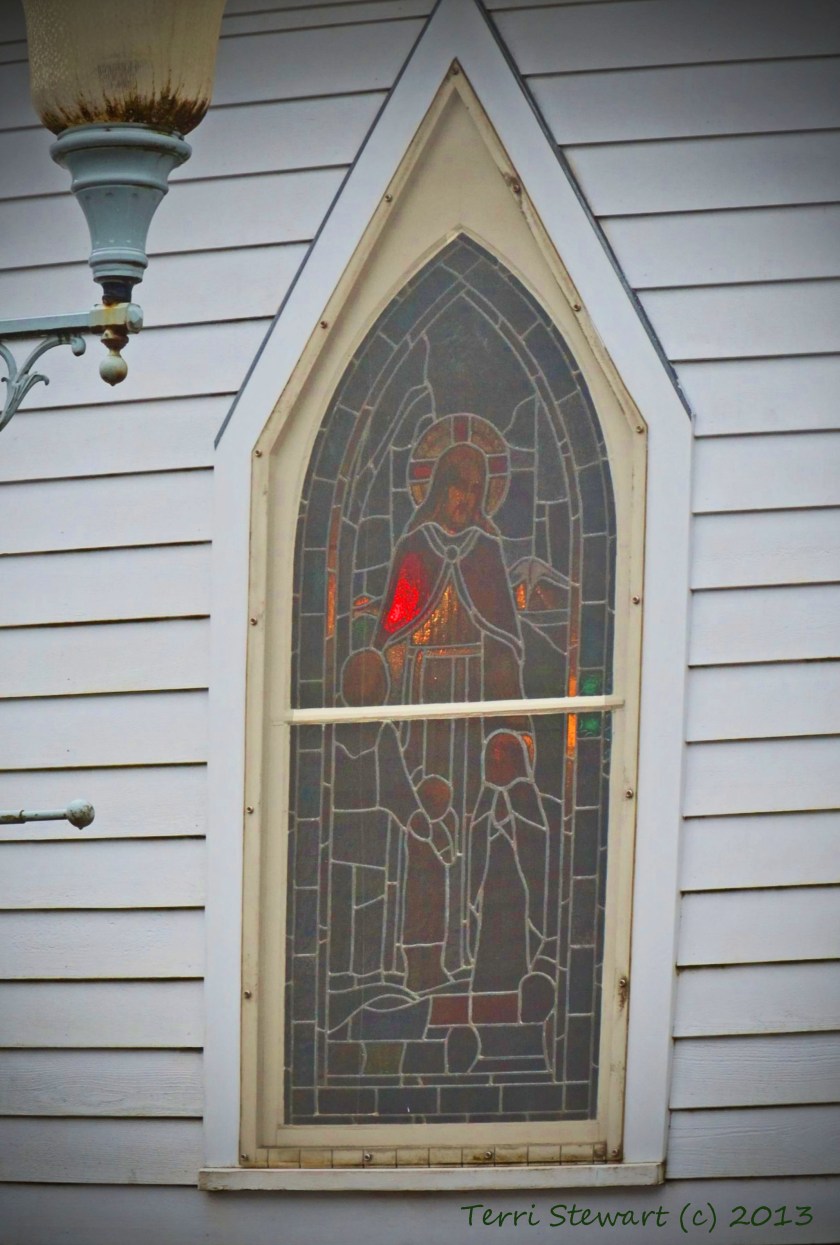
the windows
each stained to create
a beautiful invitation
of loving encouragement
and lively warmth
leading to the garden
as i run from window
to window i am stunned
by the rainbow of promise
that dances before
my eyes
until i see him
and i am caught
by his image
as love overwhelms me
and my heart dances
and the garden glistens
through the
tears in my eyes
as i peek into the garden
i see Papa waiting for me
and my hand reaches out
to touch the beauty of
him and passes
through the glass
holding me in surprise
while i walk through the
window into the light
enraptured with him
i run to Papa
and leap into His arms
knocking Him back and
He receives me with
a chuckle and twirls
me headily through the
clouds with laughter
born of love and
grace.
by Terri Stewart
Shalom and Amen!
Poem, Terri Stewart, May, 2009
Photo, Terri Stewart, 2013
Post, Terri Stewart, updated from 2013 at http://www.BeguineAgain.com
…
This month is interNational Photography month! Here, at The Bardo Group, we will be playing with this theme all month-long. On Sundays, we will be focusing on where the practice of photography intersects with our own experience and expression of spirituality.
Last week, I wrote about the symbolism in our religious traditions of light and used photography and light to show how we can point to something that transcends our understanding. Plato would say that the photo of sunset points towards the form of sunset—that perfected form of sunset-ness.
Plato’s Theory of Forms “described the common nature of all things in the world, not just of a table, for instance but of all the tables that ever were and ever will be. This Platonic form of the ideal table is eternal and changeless. It has an essential tableness, as it were, that exists whether the table is where you ate lunch in the school cafeteria or the one at a Paris café where you fell in love. In Plato’s famous allegory of the cave in “The Republic,” the things that we see on a daily basis, like the table in front of you, are merely shadows of the ideal form.” (https://www.archetypes.com/article/plato)
Any object can point towards the perfected idea of that object. And what we see in front of us is essentially a shadow of its ideal self (as no perfected form can be reached—saving this philosophical and theological discussion for another time!).
In photography, shadows are only achievable when there is light. Without light, no shadows. And sometimes, shadows can lead to beautiful pictures. When we handle shadows correctly.
Pointing Towards the Form of Tree-ness by Terri Stewart
And isn’t that true of life? We need to handle our own shadows correctly in order to have a more perfected life? Our shadows, like Plato’s cave, leave us living lives that are not quite ideal. Often, our shadow grows out of shame. Shame comes from unresolved trauma—something that we have not dealt with entirely. For me, shame is often connected to my body image. I remember, 30 years ago, sitting at the dinner table all of 5’3” and 120 pounds and being told, “No wonder I was fat.” And then crying into my plate. Logically, I know that 5’3” and 120 pounds was just fine. But that shame experienced at that moment is seared into my brain and I can recall the rush of tears that made me ashamed of my body. That feeds into self-sabotage of my embodied self in some ways and can lessen my general enjoyment of life unless I deal with it and learn to look at my shadow and bring it into the light!
I can use photography to examine both myself and my shadow. Selfies aren’t all selfish. You can use them to take photos of your shadow self, bringing yourself more and more into the light and into a fuller realization of our perfected selves.
Pointing Towards the Form of Terri-ness by Terri Stewart
Someone said that photography is painting with light. It is also learning how to cope with shadows and darkness. Do you have a shadow—in your photos? Can you peek into it and see how it points towards the fullness of life?
Shalom and Amen!
Post by Terri Stewart, 2014
Photography, CC License (CC BY-NC)
Terri Stewart ~ a member of our Core Team,comes from an eclectic background and considers herself to be grounded in contemplation and justice. She is the Director and Founder of the Youth Chaplaincy Coalition that serves youth affected by the justice system. As a graduate of Seattle University’s School of Theology and Ministry, she earned her Master’s of Divinity and a Post-Master’s Certificate in Spiritual Direction with honors and is a rare United Methodist student in the Jesuit Honor Society, Alpha Sigma Nu. She is a contributing author to the Abingdon Worship Annual.
Her online presence is “CloakedMonk.” This speaks to her grounding in contemplative arts (photography, mandala, poetry) and the need to live it out in the world. The cloak is the disguise of normalcy as she advocates for justice and peace. You can find her at www.cloakedmonk.com,www.twitter.com/cloakedmonk, and www.facebook.com/cloakedmonk. To reach her for conversation, send a note to terris@beguineagain.com
This month is interNational Photography month! Here at The Bardo Group, we will be playing with this theme all month-long. On Sundays, we will be focusing on where the practice of photography intersects with our own experience and expression of spirituality.
In my journey with photography, I have become more aware of light. The presence of light, the absence of light, how it causes reflection, my friend, Paul Jeffrey, told us once that he always turns the flash off, taking advantage of natural light. (I’m sure the rule is “almost always.”) I find that in photographing nature, that I try to stick to that rule and rely on photo-editing software to help me out if I need it. He also taught us how to make a faux tripod to steady ourselves when our shutter speed is taking just a little bit too long.
Light is a dominant theme in religious traditions also.
Christianity: “The light shines in the darkness and the darkness did not overcome it.” (John 1:5),
Islam: “Knowledge makes you free from the chains of ignorance, and revives your heart, knowledge takes you out from the darkness of suspicions and superstitions, and gives a new light to your eyes. (Hazrat Abu Ali Saqfi)
Judaism: “I will say to the prisoners, ‘Go free!’ and to those who are in darkness, ‘Come out to the light!’ (Isaiah 49:9)
Buddhism: “Doubt everything. Find your own light.” (Gautama Buddha)
Hinduism: “One who kindles the light of awareness within gets true light.” (Unattributed)
Baha’i: “Grant that the light of unity may envelop the whole earth.” (Bahá’u’lláh)
The general thrust is that light is a metaphor for that which brings us to a higher consciousness or awareness, provides hope, guidance, and love. It is a beautiful thing when, through appropriate use of light, we can communicate a deeper exploration of these qualities—awareness of what is unseen, hope, love, beauty—a very real reflection of life. And sometimes, light lets you see something in a different way.
My favorite picture that I’ve ever taken of one of my children captures light and it seems, to me, to convey innocence and an essential quality of “child” that is so easy to forget. This is an old photo, by the way! And the picture isn’t perfect, but it still conveys a lightness of being that transcends the particular quality of the photo.
by Terri Stewart CC License (BY-NC)
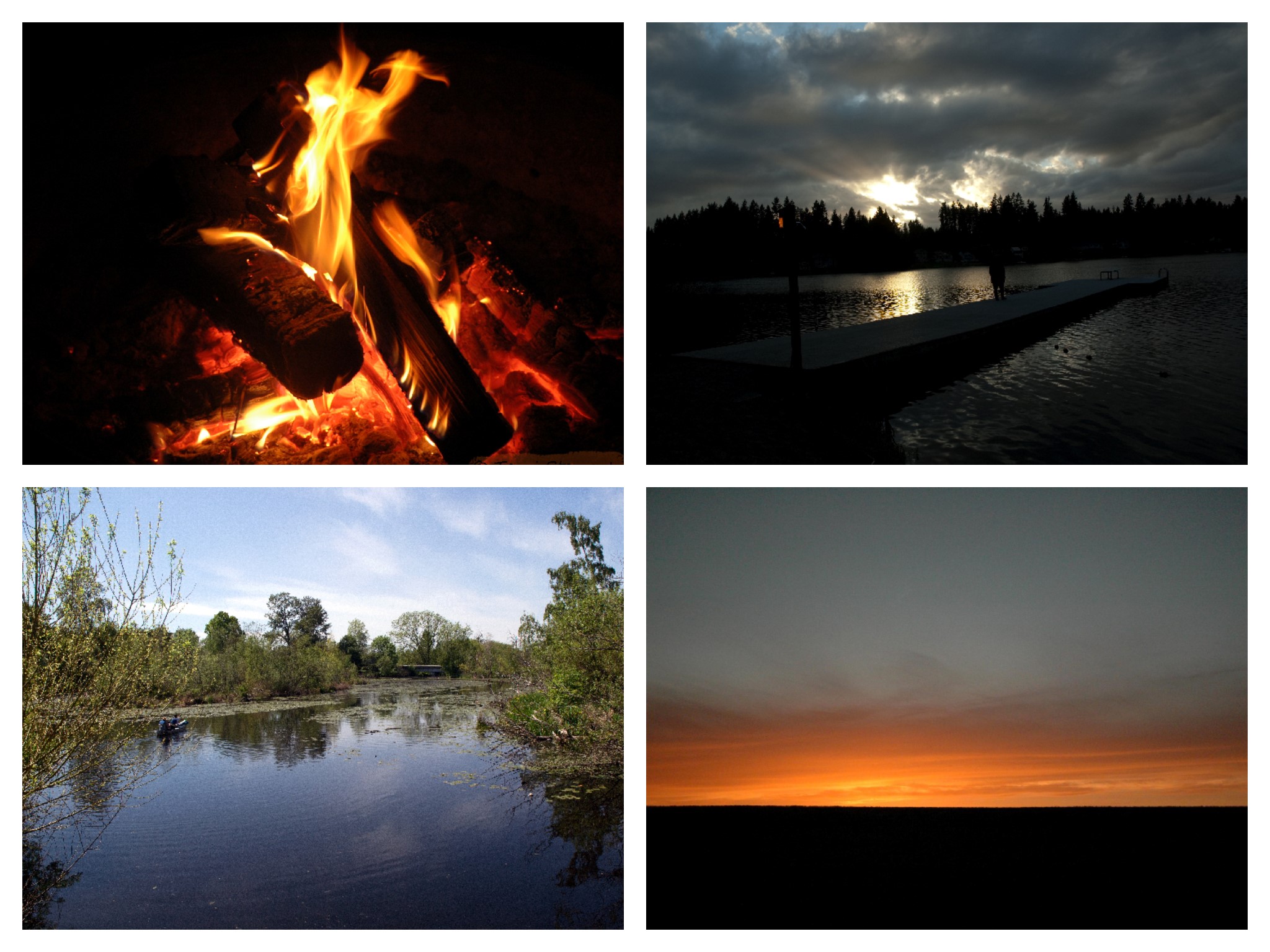
How do the following pictures and their use of light point to something beyond the images captured in the photo?
Light Collage by Terri Stewart
What do thoughts of light lead you to? Do you have a favorite photo that features light or the absence of light?
Shalom and Amen!
Post by Terri Stewart, 2014
Photography, CC License (CC BY-NC)
Terri Stewart ~ a member of our Core Team,comes from an eclectic background and considers herself to be grounded in contemplation and justice. She is the Director and Founder of the Youth Chaplaincy Coalition that serves youth affected by the justice system. As a graduate of Seattle University’s School of Theology and Ministry, she earned her Master’s of Divinity and a Post-Master’s Certificate in Spiritual Direction with honors and is a rare United Methodist student in the Jesuit Honor Society, Alpha Sigma Nu. She is a contributing author to the Abingdon Worship Annual.
Her online presence is “CloakedMonk.” This speaks to her grounding in contemplative arts (photography, mandala, poetry) and the need to live it out in the world. The cloak is the disguise of normalcy as she advocates for justice and peace. You can find her at www.cloakedmonk.com,www.twitter.com/cloakedmonk, and www.facebook.com/cloakedmonk. To reach her for conversation, send a note to cloakedmonk@outlook.com.
This month is interNational Photography month! Here at The Bardo Group, we will be playing with this theme all month-long. On Sundays, we will be focusing on where the practice of photography intersects with our own experience and expression of spirituality.
Perspective is how we look at things. In a lot of ways it can be correlated with our privilege. When we have a lot of privilege in terms of social, economic, and political capital, we tend to see things from an empowered or “power over” perspective. When we have don’t have a lot of privilege, we tend to see things from a “power under” perspective. So our perspective on life or power placement has a lot to do with how we encounter others.
In my religious tradition, and in most spiritual movements (in my understanding), there is a movement to put power down and to empower those who have little power. Just a sampling:
Christianity has the beatitudes as a starting point,
Islam has the practice of charity,
Judaism has the call to care for the widow, the orphan, and the stranger among us,
Buddhism feels it is important to support the poor and needy,
Hinduism practices that all life forms are respected and should be treated well.
Baha’i faith which embraces loving kindness for all life forms and truth in all sacred scriptures (thank you to readers for adding on!)
And it goes on! So it seems that in the great religious traditions, the practice of caring for those who are among “the lost, the least, and the lonely” is of paramount importance. I think the challenge is moving from a position of “power over” to a position of “power with.” This involves a change of perspective. (See, I’m getting to the photographic point!)
I think that if our spiritual practices support our daily living, we will have more effective daily living! If we need to work on finding different perspectives from “power over,” then one way to do it is through photography as a spiritual practice.
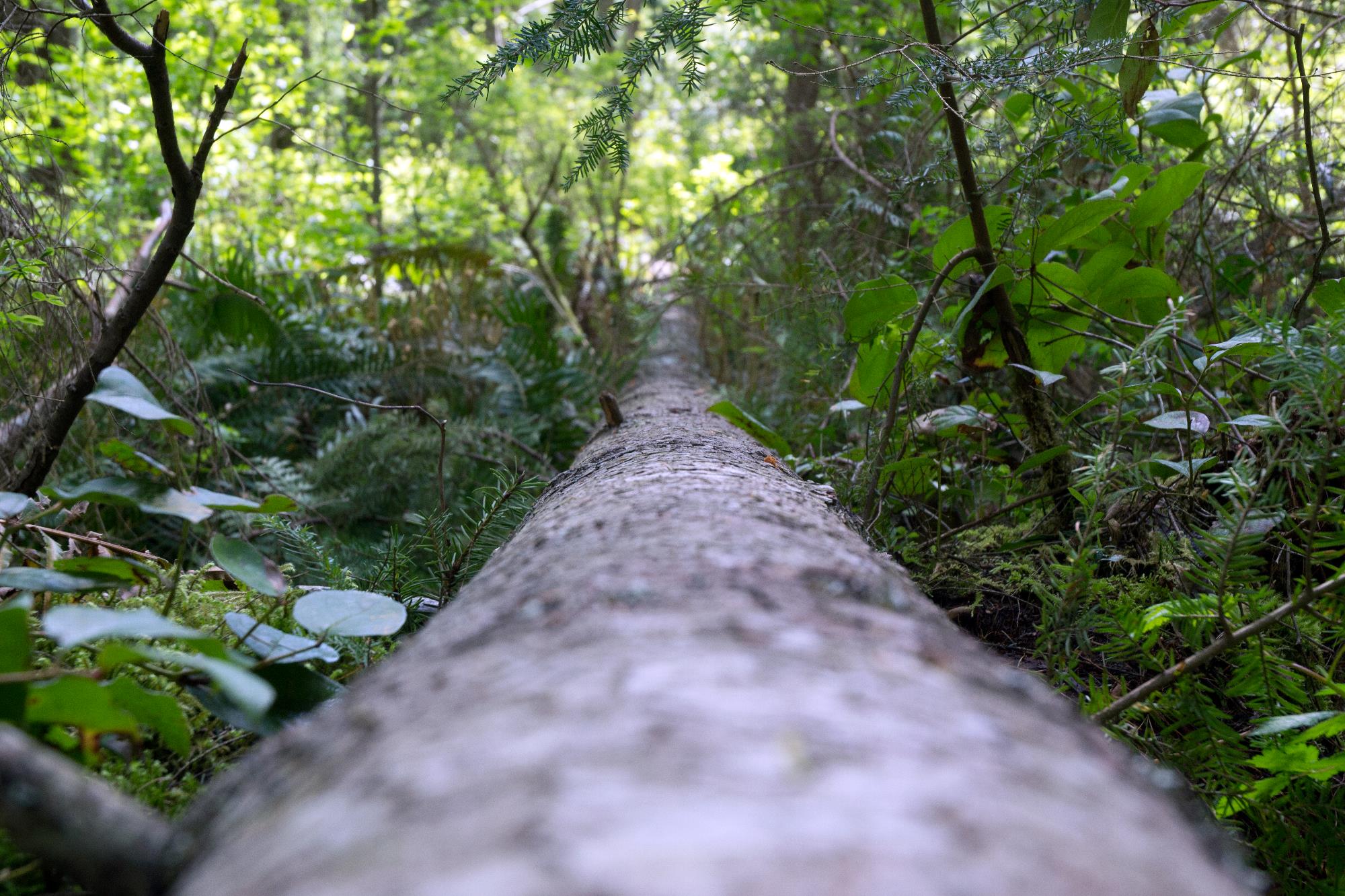
How we see things tells a story. Perspective is a spiritual practice and can be embodied in our photography practice. How does it change your view if, instead of being up high as an adult, you crouched down or laid down? One recent photo I took is a great example for perspective. One of my friend’s comment was: “I wish I had a mouse on a skateboard!” Which brought an even new viewpoint because I definitely would not have thought of that! However, once she said that, I now have a perpetual picture of a mouse playing on the below log.
To get this photo, I had to crouch way down onto the log and become one with the dirt. It looks way cool from here. The photo from standing up is not nearly as fun. It loses the “going on forever” perspective.
Over time, I’ve gotten better at thinking of doing this—of finding new perspectives. The same is true in my life—almost to a fault! I might over-identify with some of my people who are among the lost, the least, and the lonely. Sometimes. But by noticing new perspectives in photography, it models for me new perspectives in my spiritual life and then new perspectives in my lived life.
See the world in a new way
See the divine in a new way
See others in a new way
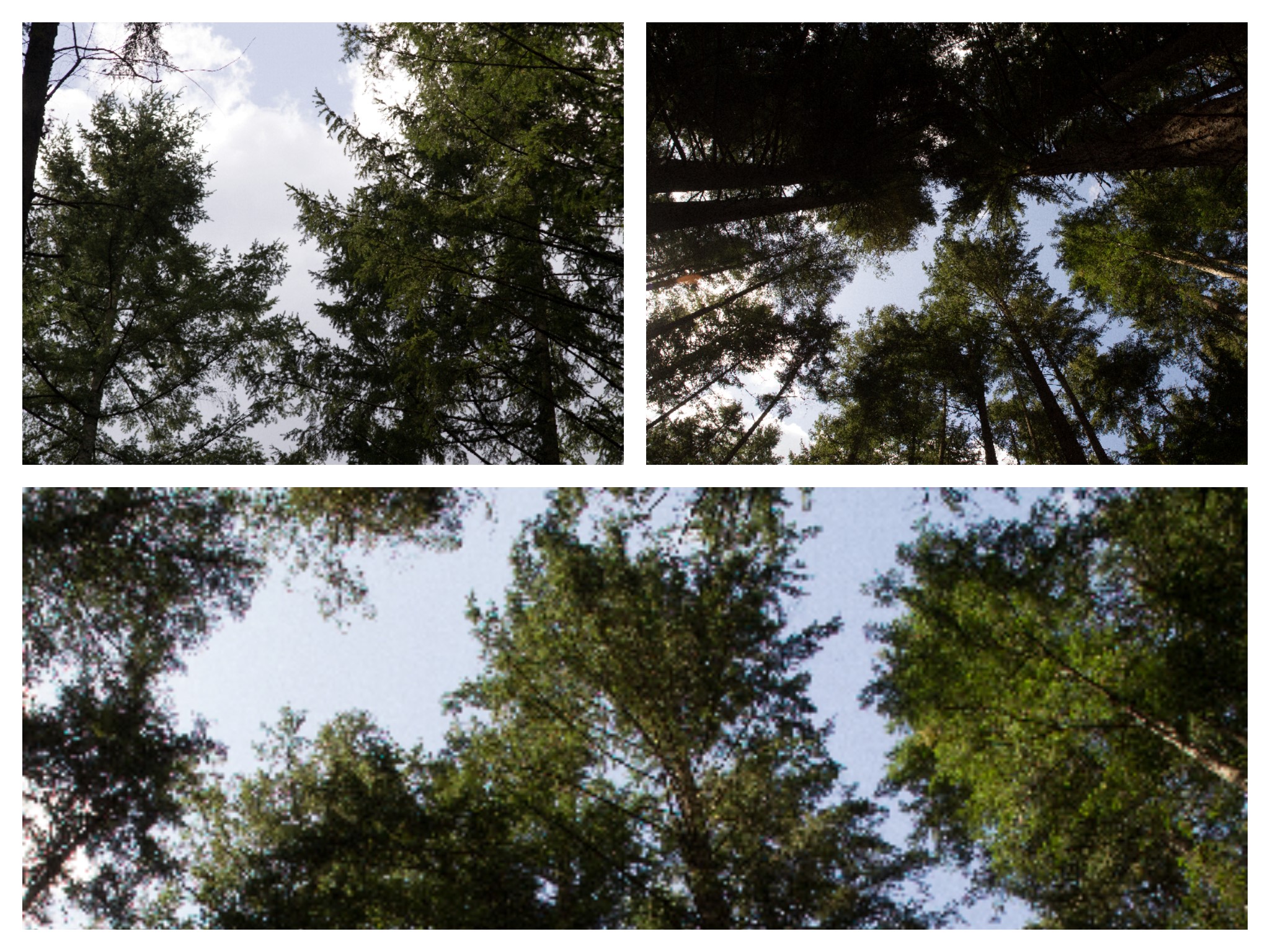
Below are three photos of trees—the same trees with different perspectives (on the same hike). I think each one tells a different story.
Applying this to the ideas of perspective & our story as embodied in relationships of power over, power with, or power under—how can we develop the flexibility to enter into another perspective?
You never know what you will see when you begin to enter into another perspective. I found this lovely leaf cradling a little tiny leaf. How beautiful! And it makes me remember the way we should cradle one another.
Who will you cradle today by seeing something with a new perspective?
Shalom and Amen!
Post by Terri Stewart, 2014
Photography, CC License (CC BY-NC)
Terri Stewart ~ a member of our Core Team,comes from an eclectic background and considers herself to be grounded in contemplation and justice. She is the Director and Founder of the Youth Chaplaincy Coalition that serves youth affected by the justice system. As a graduate of Seattle University’s School of Theology and Ministry, she earned her Master’s of Divinity and a Post-Master’s Certificate in Spiritual Direction with honors and is a rare United Methodist student in the Jesuit Honor Society, Alpha Sigma Nu. She is a contributing author to the Abingdon Worship Annual.
Her online presence is “CloakedMonk.” This speaks to her grounding in contemplative arts (photography, mandala, poetry) and the need to live it out in the world. The cloak is the disguise of normalcy as she advocates for justice and peace. You can find her at www.cloakedmonk.com,www.twitter.com/cloakedmonk, and www.facebook.com/cloakedmonk. To reach her for conversation, send a note to cloakedmonk@outlook.com.
This month is interNational Photography month! Here at The Bardo Group, we will be playing with this theme all month long. On Sundays, we will be focusing on where the practice of photography intersects with our own experience and expression of spirituality.
Thomas Merton has a photograph he titled “Sky Hook.” He wrote about it, “It is the only known picture of God.” It is definitely not what you would expect! No heavenly skies, no angels, no beard. What was Merton thinking…a simply construction hook hanging from the sky towards the earth. (You can see the photo many places on the internet, but I couldn’t find a place with clear permissions.)
Often we see photos that prompt us to stop, look, and to appreciate what we have seen but also to wonder about something more. That something more can be something bigger or something smaller. My new friend and photographer, Paul Jeffrey, takes photos for the United Methodist Church for the General Board of Global Ministries—yes! He is a photographer-missionary. He typically focuses on the beauty and stories found in people. There is a photo of a young child in a box (all kids like to sit in boxes, no matter where they are in the world!) He recently shared this photo with us in a small group and talked about the story. He said there was a huge reaction to the photo. Such a beautiful, young child abandoned in a box! What the photo does not show is that the family was just out of the frame.
How we frame our photographs tells a story.
What if Merton’s photo had the construction equipment in it? What if Jeffrey’s photo had the family in it? Would it tell a different story? Would that story be better? Worse? More effective? Less effective? What does this say about how we frame the stories of our own lives?
Framing is a spiritual practice. Or at least knowing what we are cutting from the frame. If we willingly cut off parts of the frame to focus our attention onto another part, that is fine. For the moment. But if we willingly cut of parts of the frame and never return to the whole, something is lost. I am thinking, in particular, of people who do things like cutting science out of their lives or people who cannot see the whole spectrum of society. When we get caught up in our own particularity, we forget the universal journey. And we forget that the child in a box has a loving, concerned family.
Below is a collage of one of my photos that I framed in two different ways. They tell completely different stories, in my opinion!
You don’t even have to be a photographer to understand the importance of framing. Hold your hands up around your face, blocking parts of your viewing field, and you will be able to frame your vision. Sitting right where you are!
In photography, we can say, “Where does framing help tell the story? Where does it hurt the story?”
In our lives we can say,
Where has framing helped you tell your own story? Where has it hurt you?
I’d love it if you would share your blog and perhaps a photo comparing two different ways of framing. That would be wonderful!
Shalom and Amen!
Post by Terri Stewart, 2014
CC License (CC BY-NC)
Terri Stewart ~ a member of our Core Team,comes from an eclectic background and considers herself to be grounded in contemplation and justice. She is the Director and Founder of the Youth Chaplaincy Coalition that serves youth affected by the justice system. As a graduate of Seattle University’s School of Theology and Ministry, she earned her Master’s of Divinity and a Post-Master’s Certificate in Spiritual Direction with honors and is a rare United Methodist student in the Jesuit Honor Society, Alpha Sigma Nu. She is a contributing author to the Abingdon Worship Annual.
Her online presence is “CloakedMonk.” This speaks to her grounding in contemplative arts (photography, mandala, poetry) and the need to live it out in the world. The cloak is the disguise of normalcy as she advocates for justice and peace. You can find her at www.cloakedmonk.com,www.twitter.com/cloakedmonk, and www.facebook.com/cloakedmonk. To reach her for conversation, send a note to cloakedmonk@outlook.com.
I am away working with youth affected by incarceration this weekend. I recently read the below meditation and found it to be moving. I hope you will also find inspiration. Terri
From Richard Rohr’s Daily Meditation
Center for Action and Contemplation
The Invisible Spiral of Violence
“If you cannot recognize evil on the level of what I call the world, then the flesh and the devil are inevitable consequences. They will soon be out of control, and everything is just trying to put out brush fires on already parched fields. The world or “the system” is the most hidden, the most disguised, and the most denied—but foundational—level of evil. It’s the way cultures, groups, institutions, and nations organize themselves to survive.
It is not “wrong” to survive, but for some reason group egocentricity is never seen as evil when you have only concentrated on individual egocentricity (“the flesh”). That is how our attention has been diverted from the whole spiral of violence. The “devil” then stands for all of the ways we legitimate, enforce, and justify our group egocentricity (most wars; idolization of wealth, power, and show; tyrannical governments; many penal systems; etc.), while not now calling it egocentricity, but necessity!
Once any social system exists, it has to maintain and assert itself at all cost. Things we do inside of that system are no longer seen as evil because “everyone is doing it.” That’s why North Koreans can march lockstep to a communist tyranny, and why American consumers can “shop till they drop” and make no moral connections whatsoever. You see now why most evil is hidden and denied, and why Jesus said, ‘Father forgive them, they don’t know what they are doing.’ (Luke 23:34) We don’t.”
Shalom and Amen
Chaplain Terri
Illustration ~ photograph of opaque watercolor over graphite on gray-green woven paper circa 1886 by James Tissot (1836-1902) and released into the public domain.
RICHARD ROHR, OFM is a globally recognized ecumenical teacher bearing witness to the universal awakening within Christian mystical and the Perennial Tradition. He is a Franciscan priest of the New Mexico Province and founder of the Center for Action and Contemplation. MORE
The foundational elements of The Perennial Tradition are: 1.) There is a Divine Reality underneath and inherent in the world of things. 2.) There is in the human soul a natural capacity, similarity, and longing for this Divine Reality. 3.) The final goal of existence is union with this Divine Reality.
TERRI STEWART is Into the Bardo’s Sunday chaplain, senior content editor, and site co-administrator. She comes from an eclectic background and considers herself to be grounded in contemplation and justice. She is the Director and Founder of the Youth Chaplaincy Coalition that serves youth affected by the justice system. As a graduate of Seattle University’s School of Theology and Ministry, she earned her Master’s of Divinity and a Post-Master’s Certificate in Spiritual Direction with honors and is a rare United Methodist student in the Jesuit Honor Society, Alpha Sigma Nu. She is a contributing author to the Abingdon Worship Annual.
Often, in religion-land, we talk (I talk) about being created in the image of God. Imago Dei. I usually think about this in terms of other people. I look and I see a beautiful youth, a reflection of the divine, and know that they are loved and are love.
But what about looking at myself?
Monday, I was at the IRS. Ugh. I have had my identity stolen. I needed to prove to the IRS I was who I said I was so that they would let H&R Block file my taxes. The proving part was easy, and a criminal case has been opened. What was hard was the waiting. And the human hubris.
Sunday, I was at Lake Washington UMC, presiding and preaching. It was a blast and I tackled a difficult subject–radical nonviolence. Especially, the nonviolence that begins with myself–interior nonviolence. I was greatly moved when a woman talked to me afterwards about now hearing the internal put-downs as doing violence to herself. “Awesome!” I thought. And I was really feeling it–this tug towards nonviolent action that starts with yourself.
Monday, waiting in line at the IRS, there were 40 people jammed into a little office and 40 people waiting in the hallway of the office building the IRS rents space in. Then the vacuum lady came. She said, “Everybody get out of the hallway now! Get inside!”
Confusion amongst the people.
“Get inside or go downstairs!”
She just wanted to vacuum and the company rules are that no vacuuming can occur unless there are zero people in the hallway. Some liability issue with the cord and people tripping.
I looked at the amount of people jammed into the office and thought, “There is no way. This is unsafe, someone will get hurt.” And I thought of going downstairs and losing my place in line, and I thought, “There is no way I am losing my place in line.” And there may have been curse words interspersed in there.
I said, “It is unsafe, capacity in this office is exceeded.” I then stood on the edge of the doorway between the office and the hallway. I now view that doorway as a liminal space–a sacred space of potentiality.
She said, “I will shut the doors to the office.”
I thought, “Bring it!”
How quickly I devolved from nonviolence to violence in my thinking and communication. At least my internal communication. I didn’t say anything to her, but I am sure that my stance and eyes communicated all that needed to be said. Which was, “Call the cops on me–I don’t care.” Yep. I was willing to risk arrest so that I would not lose my place in line at the IRS. That may or may not be bordering on the ridiculous.
The upshot is, where do we see the divine? Is it in perfected behavior? In the “love” and “patience” and “serenity?” Or can we see it in the “anger” and “frustration?” Because if we are honestly made in the image of the Divine, then those must be qualities that come from God!
Anyway, after the vacuum-lady left, the IRS called a bunch of numbers and we were all confused as to who they were because nobody came when the numbers were called (some people actually did go downstairs). Until one number was called and we all knew who it was–a family with little kids. And we knew that they had gone downstairs. People spoke up. They were willing to extend their wait in line to see that the injustice of losing their place in line was righted. The staff went downstairs and got the family, taking more of their time when they had a bunch more people impatiently waiting. This family was cared for.
Maybe that is where we see the best of the imago dei. The willingness to extend our own discomfort to ensure that justice is done.
The Lonely Vacuum of Space ”This Sucks” by JD Hancock CC BY 2.0 at Flickr.com
Terri Stewart ~ a member of our Core Team,comes from an eclectic background and considers herself to be grounded in contemplation and justice. She is the Director and Founder of the Youth Chaplaincy Coalition that serves youth affected by the justice system. As a graduate of Seattle University’s School of Theology and Ministry, she earned her Master’s of Divinity and a Post-Master’s Certificate in Spiritual Direction with honors and is a rare United Methodist student in the Jesuit Honor Society, Alpha Sigma Nu. She is a contributing author to the Abingdon Worship Annual.
Her online presence is “CloakedMonk.” This speaks to her grounding in contemplative arts (photography, mandala, poetry) and the need to live it out in the world. The cloak is the disguise of normalcy as she advocates for justice and peace. You can find her at www.cloakedmonk.com,www.twitter.com/cloakedmonk, and www.facebook.com/cloakedmonk. To reach her for conversation, send a note to cloakedmonk@outlook.com.
I think it is fair to say that most of us here are word people. I appreciate hearing fun words, seeing a well-turned phrase, being sucked into a surplus of meaning…and wonder. Today, I heard a phrase that has captured my imagination and has launched a poetic exploration along with finding an image that I thought expressed the spirit of the phrase. What is it?
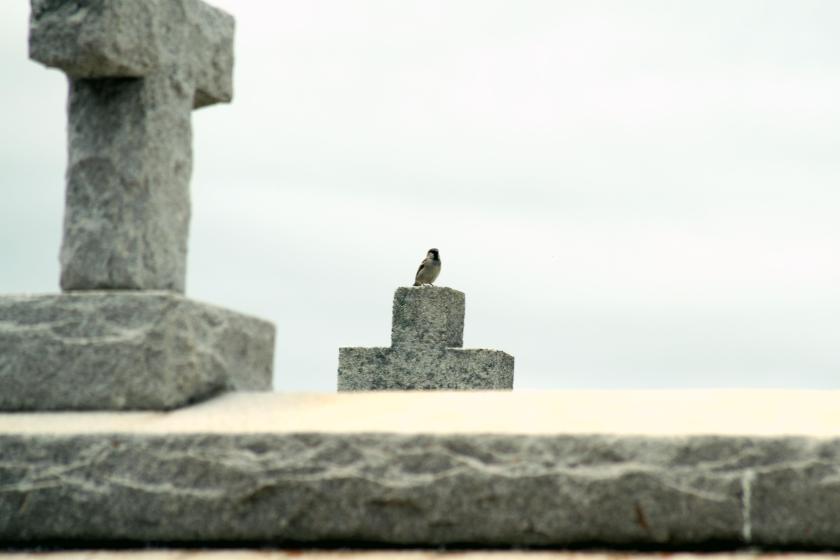
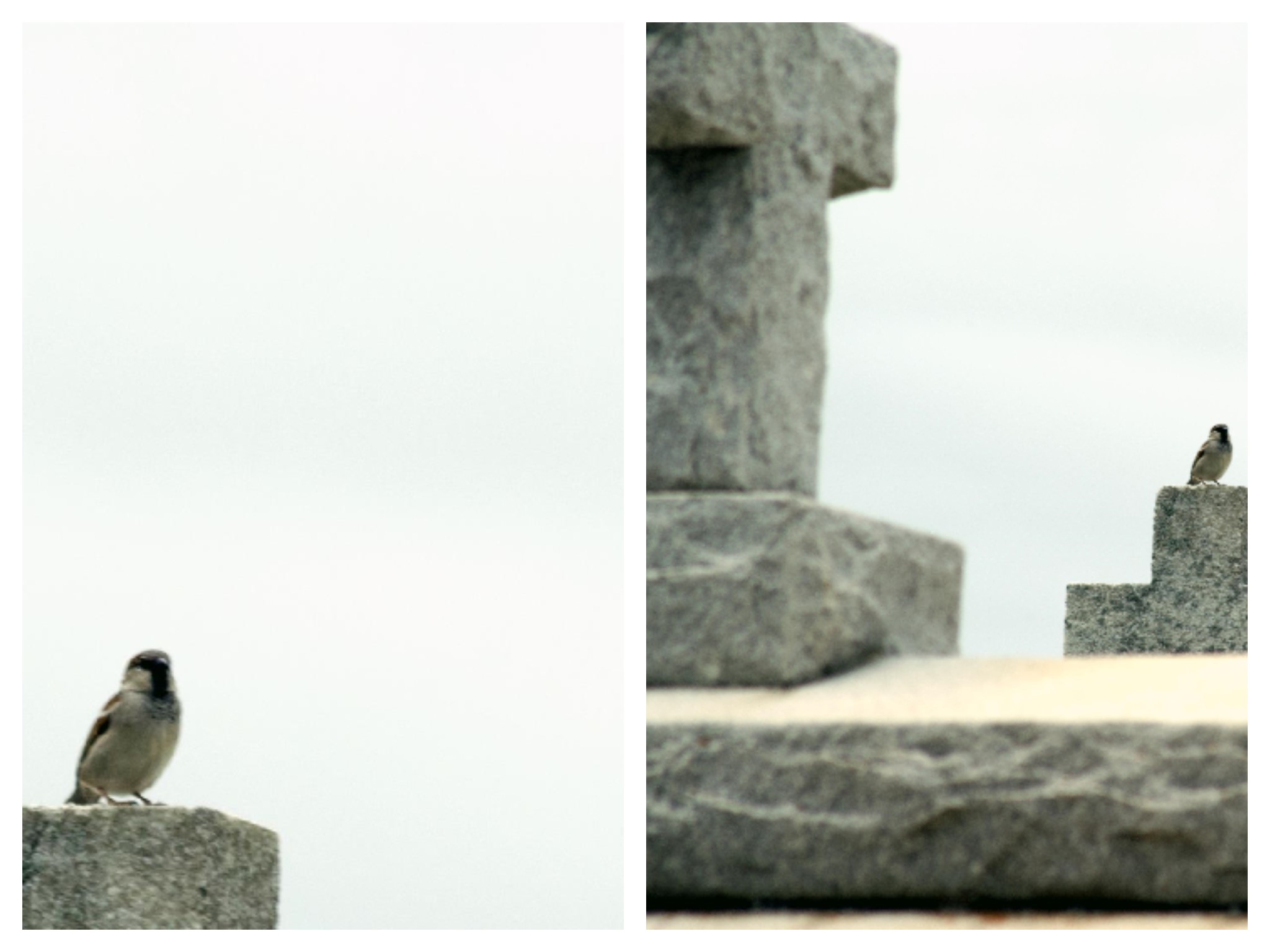
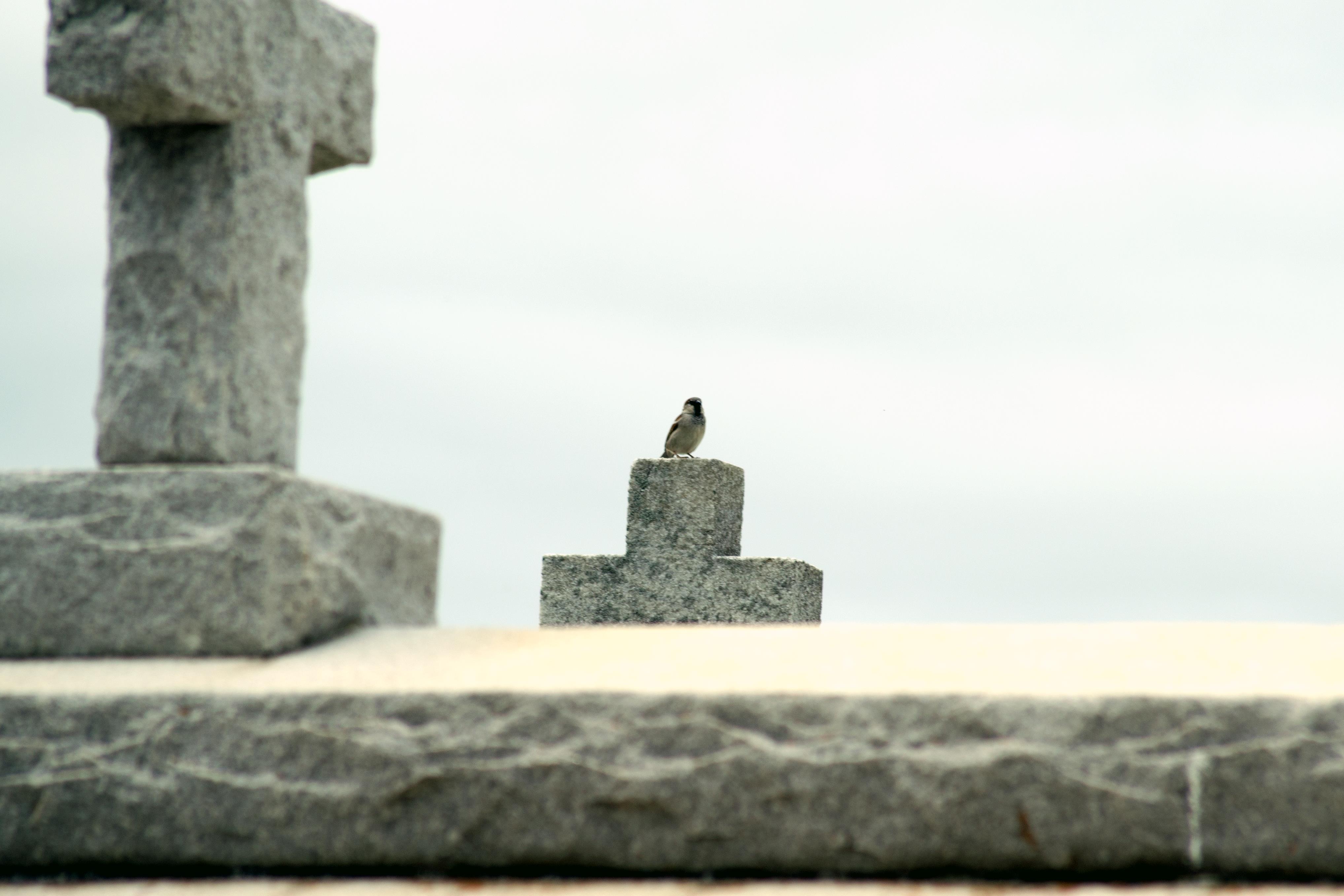
The soul is such a shy creature.
That is utterly delicious to me. I hope you enjoy the following haiku and perhaps, you will offer a poetic exploration of your own in the comments! I’d love to hear your thoughts.
the soul
peeking ’round corners
stretching frail tendrils upward
such a shy creature
by Terri Stewart (CC BY-NC-ND)
Post, poem, and photo, Terri Stewart (c) 2014
Terri Stewart ~ a member of our Core Team,comes from an eclectic background and considers herself to be grounded in contemplation and justice. She is the Director and Founder of the Youth Chaplaincy Coalition that serves youth affected by the justice system. As a graduate of Seattle University’s School of Theology and Ministry, she earned her Master’s of Divinity and a Post-Master’s Certificate in Spiritual Direction with honors and is a rare United Methodist student in the Jesuit Honor Society, Alpha Sigma Nu. She is a contributing author to the Abingdon Worship Annual.
Her online presence is “CloakedMonk.” This speaks to her grounding in contemplative arts (photography, mandala, poetry) and the need to live it out in the world. The cloak is the disguise of normalcy as she advocates for justice and peace. You can find her at www.cloakedmonk.com,www.twitter.com/cloakedmonk, and www.facebook.com/cloakedmonk. To reach her for conversation, send a note to cloakedmonk@outlook.com.
I have been at a conference all week where we have been discussing how to organize ourselves to create social change. One of the most fun exercises what a Bible study linking the Book of Esther from Hebrew scripture with organizing for social change.
In the story of Esther, there is no mention of the Divine Name or any prayers offered, instead, it is a primer for racism and overcoming broken political systems.
Plot summary:
King Ahasuerus wants his wife, Queen Vashti, to come and show off her beauty to a bunch of drunk men (including the King). She says, “No.” She is then banished because she is a bad example for all women and all women must “know their place.”
Then the King is on a hunt for another wife. Mordecai pimps out Esther and Esther is brought into the royal harem. Why? She is beautiful, but primarily because she found favor with the eunuchs and maid servants. And they taught her how to find favor with the king.
Haman, one of the king’s guys, gets all pissy about Mordecai not bowing to him and asks to write a law that would destroy the Jews. The King is then able to rubber stamp the law (he gives away his ring) while never getting his own hands dirty.
When the new law passes, the Jews and Mordecai where sack cloth and mourn. Esther hears about the situation from the Eunuchs and encourages Mordecai to wear normal clothing. Mordecai then has the Eunuchs relay to her the situation (she was definitely isolated).
Esther convinces the King that this is a bad situation and the injustice that would have wiped out the Jews is fixed.
Yay! Injustice is fixed!
So, we all face injustice in our context. It may be threats to peace, the justice system, economics, poverty, etc. But we all face it! And some are actively working to correct injustice–creating sacred, healing, wholly, holy, space. In organizing ourselves, the question becomes, can we name:
Who are the Kings?
Who is the Queen who will lay down their power in order to maintain a just world?
Who are the Mordecais? Those who would be persecuted?
Who are the Esthers? The ones who know the King and can be educated as to a new way of living justly?
And who are the maids and Eunuchs? The ones who are also persecuted and underprivileged? Who may have sympathy for the justice issue?
What is wonderful about this is that it allows us to think creatively rather than to think that those with power are the only ones who can cause change. In this story, everyone becomes a change agent! Change for a more just world is another way of creating sacred space.
So mote it be!
And now for some inspiration from slam poetry, “Addressing Food Inequality.”
Post, Terri Stewart (c) 2014
Terri Stewart ~ a member of our Core Team,comes from an eclectic background and considers herself to be grounded in contemplation and justice. She is the Director and Founder of the Youth Chaplaincy Coalition that serves youth affected by the justice system. As a graduate of Seattle University’s School of Theology and Ministry, she earned her Master’s of Divinity and a Post-Master’s Certificate in Spiritual Direction with honors and is a rare United Methodist student in the Jesuit Honor Society, Alpha Sigma Nu. She is a contributing author to the Abingdon Worship Annual.
Her online presence is “CloakedMonk.” This speaks to her grounding in contemplative arts (photography, mandala, poetry) and the need to live it out in the world. The cloak is the disguise of normalcy as she advocates for justice and peace. You can find her at www.cloakedmonk.com,www.twitter.com/cloakedmonk, and www.facebook.com/cloakedmonk. To reach her for conversation, send a note to cloakedmonk@outlook.com.
A while ago, I was volunteering as a Spiritual Director with incarcerated women. As it so happens, working with the incarcerated us not always straight forward. Some of the things that impact the incarcerated are less education, unstable family systems, increased drug & alcohol use, and untreated mental illness.
One woman I worked with came to me for Spiritual Direction, but she was schizophrenic. The things we worked at were finding a concrete symbol of something that she could name as Love but that did not have her “hearing voices” or “listening for divine within” or anything at all like that! After all, coming from a time in life when she actively did hear voices, that was not something she trusted!
We hit upon the image of her teddy bear. That teddy bear encapsulated pure love for her. It was concrete and it helped her feel loved. That symbolized the spot where she could find sacred space.
What about you? Is there something ordinary that represents sacred space? A teddy bear? Book? Chair? What provides sacred, healing space that nobody else would suspect?
For me, that sacred space is often represented in words. Maybe my computer holds the sacred space. It is a window to a world of great wisdom and the receiver of my angst and wonderings as I process feelings through writing. Hmmm.
for an incarcerated mentally ill client
ghost town
small, still voice of wind,
tossing my tumbleweed-thoughts
that roll through a ghost town.
here, my safety has been
abandoned to the rats and mice
that hide from revelation,
distrusting that light
so much that they will not stay
and visit. the locks and guns
have been jammed by mud-caked
memories of injustice,
in the sheriff’s office.
the hollow-hallow notes of the
player-piano silent
except for the collapsing
frame that drops pieces of itself
crashing onto the discordant keys,
creating a nightmare sound of
happiness twisted into grief,
twisted into a mockery of joy,
in the saloon.
the telegraph does not speak
into the future, the wires
have frayed and disconnected
from the source of consolation,
reality has dissolved letters of love
or news of the war and the
beloved sears & roebuck catalog,
in the post-office.
the ghost town disgusts me.
especially when the wind is
blowing and changing all that
i know into something unknown
ripping the roof apart and causing
the cacophony of noises to come
in from all directions telling
me, what? untrustworthy voice!
so small and still or
so big and booming
telling me to tear the walls apart
bare-handed until my fingers
become bloody stubs and
yet you insist that i see you,
listen to you, the wind destroying
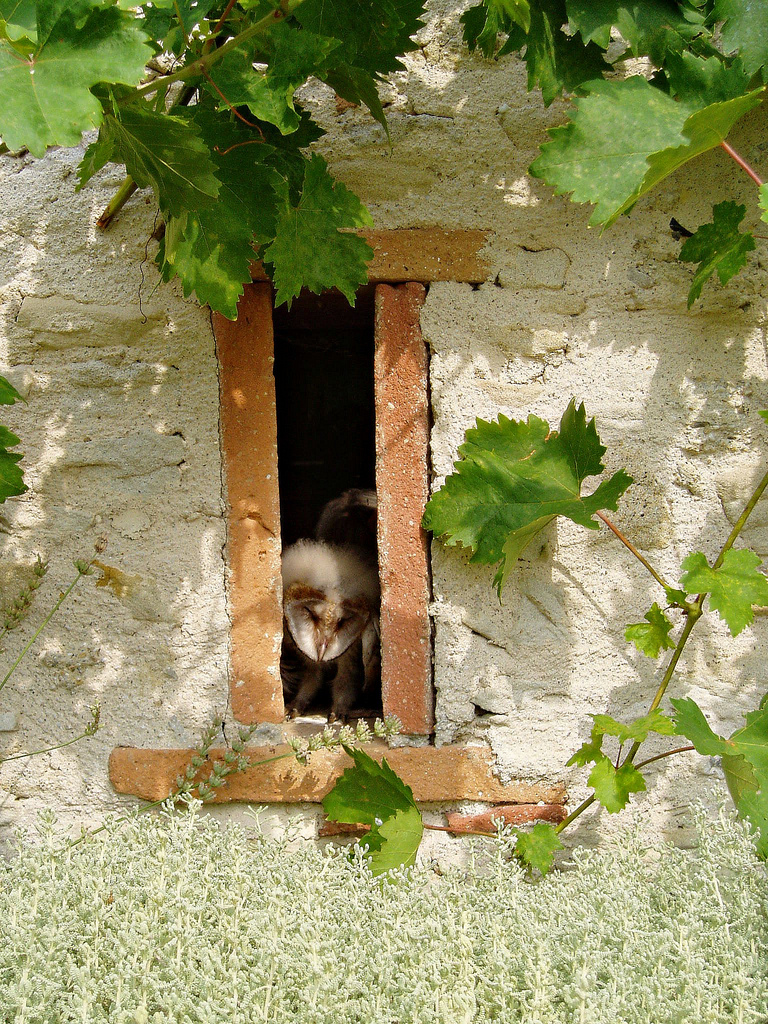
the small community of barn owls
and bats that i have built in my
ghost town. i do not want to hear
you. the owls and bats are my
saving grace.
by “miracle design” at flickr.com CC (BY-ND)
Post, Terri Stewart (c) 2014
Poem, Terri Stewart (c) 2010
Terri Stewart ~ a member of our Core Team,comes from an eclectic background and considers herself to be grounded in contemplation and justice. She is the Director and Founder of the Youth Chaplaincy Coalition that serves youth affected by the justice system. As a graduate of Seattle University’s School of Theology and Ministry, she earned her Master’s of Divinity and a Post-Master’s Certificate in Spiritual Direction with honors and is a rare United Methodist student in the Jesuit Honor Society, Alpha Sigma Nu. She is a contributing author to the Abingdon Worship Annual.
Her online presence is “CloakedMonk.” This speaks to her grounding in contemplative arts (photography, mandala, poetry) and the need to live it out in the world. The cloak is the disguise of normalcy as she advocates for justice and peace. You can find her at www.cloakedmonk.com,www.twitter.com/cloakedmonk, and www.facebook.com/cloakedmonk. To reach her for conversation, send a note to cloakedmonk@outlook.com.
I am bringing a piece that I wrote some time ago about music and children and words. It relates to the post from last week inspired by Dr. Cornell West and Rabbi Abraham Joshua Heschel. That focused on the pietic, the poetic, and the prophetic. This, inspired by my children, ties the three together for me.
I can almost hear everyone asking, “What do you mean?” Well, let me tell you! The pietic are those personal practices that bring greater spiritual freedom and spaciousness – music, prayer, walking – whatever floats your boat! Poetic is the words and the music that describe that inner spaciousness (quite literally what is below). And last, the prophetic, an outward movement of the inner spaciousness to bring greater freedom to the world. Here, quite literally, it is in my children as they are moving outward now bringing an inner spaciousness outward. This is what we do here.
In addition to the poem below, inspired by listening to my children get musical, I’ve linked in a Youtube recording from my son today. He was in the National Academy of Teachers of Singing (NATS) competition in Seattle today and placed second. He inspires me and in him and his friends, I see a generation coming of young people that continue to strive to bring an expansiveness to the cosmos that we have not felt or seen yet.
OK…the video is not necessary, but being the proud mama of this chick I have inflicted out into the world, I wanted to share! Thanks for your indulgence!
Love
by Terri Stewart, April 19, 2011
there is something
about that note
and the melody that
languidly curls in the air
a feathered piece of straw
catching your ear held
by the hands of mozart
and elvis and even
p.d.q. teasing
driftly softly down
blown by the soft
breeze of progeny
cascading joy rising up
like incense
holding the gift of
past, present, and future
the slightest brush of an
angel’s wing carrying
the melody onward
Terri Stewart ~ a member of our Core Team,comes from an eclectic background and considers herself to be grounded in contemplation and justice. She is the Director and Founder of the Youth Chaplaincy Coalition that serves youth affected by the justice system. As a recent graduate of Seattle University’s School of Theology and Ministry, she earned her Master’s of Divinity and a Post-Master’s Certificate in Spiritual Direction with honors and is a rare United Methodist student in the Jesuit Honor Society, Alpha Sigma Nu. She is a contributing author to the Abingdon Worship Annual.
Her online presence is “CloakedMonk.” This speaks to her grounding in contemplative arts (photography, mandala, poetry) and the need to live it out in the world. The cloak is the disguise of normalcy as she advocates for justice and peace. You can find her at www.cloakedmonk.com,www.twitter.com/cloakedmonk, and www.facebook.com/cloakedmonk. To reach her for conversation, send a note to cloakedmonk@outlook.com.
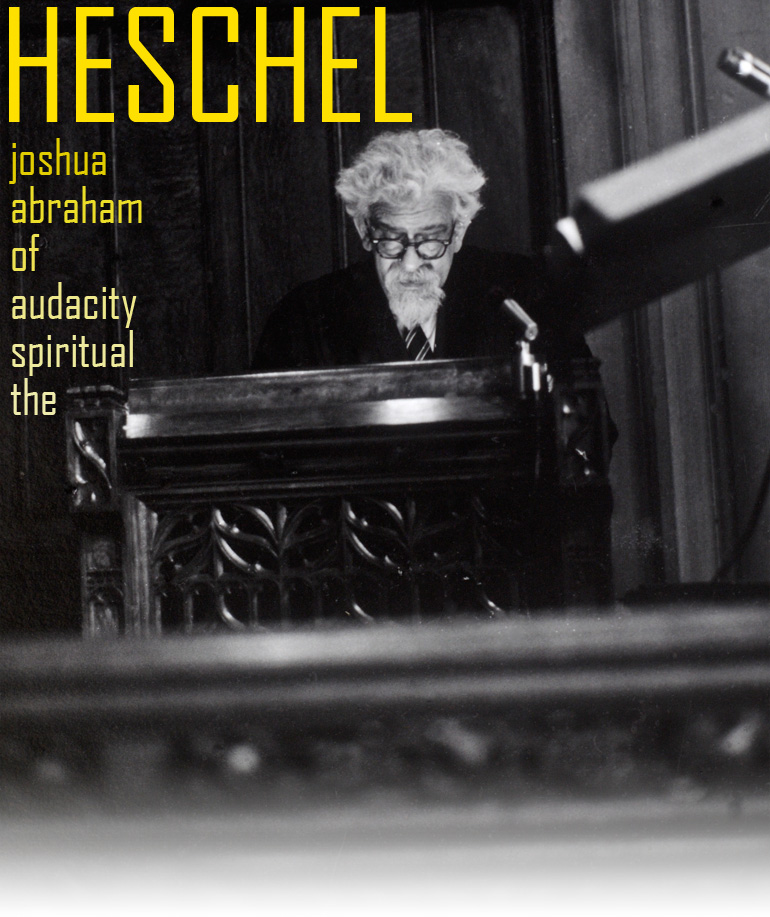
Tonight I went to see Dr. Cornel West along with two young men that I work with. We were all inspired by the passionate energy that Dr. West brings to his presentation! Tonight, he was particularly focused on the work of Abraham Joshua Heschel. He describes the arch of Heschel’s work in a way that I totally relate to the Bardo community!
Pietic–>Poetic–>Prophetic
Meaning, personal piety not bound by religious rules but bound by reverence or seeing the sacred worth in all be-ings. For West’s interpretation of Heschel, the pietic leads to the poetic. A poetry that is not grounded in nihilism or optimism, but grounded in hope. He said, Heschel was “not a person of optimism, but a person of hope.” And that Heschel’s hope as expressed in poetry was hope for the world–not just the Hasidic Jew world–but the entire world. And lastly, but using poetic imagination, we move to the prophetic: speaking truth to power. The importance of the poetic imagination cannot be overstressed! And that is what you are already doing! And it is a sacred journey that leads to wholeness and healing just by the simple transformation of words. And make no doubt, words are action and words cause action. Words can change perceptions which can bring about changes in the world. So, today, embrace your poetic imagination. Allow it to mold you and change your vision so that you see the “faces everywhere” that are longing with thirst. And use that imagination to call the world into prophetic compassion with each other.
There is no space more sacred than that which causes compassion.
Intimate Hymn
by Rabbi Abraham Joshua Heschel
English version by Rabbi Zalman M. Schachter-Shalomi Original Language English, Yiddish
From word to word I roam, from dawn to dusk.
Dream in, dream out — I pass myself and towns,
A human satellite.
I wait, am hopeful, as one who waits at the rock
For the spring to well forth and ever well on.
I feel as bright as if I tented somewhere in the Milky Way.
To urge the world to feel I walk through lonesome solitudes.
All around me lightning explodes sparks from my glance
To reveal all light, unveil faces everywhere.
Godward, onward to the final weighing
overcoming heavy weight with thirst.
Constantly, the longings of all born call out, “Is anyone around?”
I know each one is HE, but in my heart there writhes a tear;
When of men and rocks and trees I hear;
All plead “Feel us”
All beg “See us”
God! Lend me your eyes!
I came to be, to sow the seed of sight in the world,
To unmask the God who disguised Himself as world–
And yes, I wait to be the first to announce “The Dawn.”
– from “Human, God’s Ineffable Name,” by Rabbi Abraham Joshua Heschel, freely rendered by Rabbi Zalman M. Schachter-Shalomi. Available from the Reb Zalman Legacy Project
REV. TERRI STEWART is The Bardo Group’s Sunday chaplain, senior content editor, and site co-administrator. She comes from an eclectic background and considers herself to be grounded in contemplation and justice. She is the Director and Founder of the Youth Chaplaincy Coalition that serves youth affected by the justice system. As a graduate of Seattle University’s School of Theology and Ministry, she earned her Master’s of Divinity and a Post-Master’s Certificate in Spiritual Direction.
Her online presence is “Cloaked Monk.” This speaks to her grounding in contemplative arts and the need to live it out in the world. The cloak is the disguise of normalcy as she advocates for justice and peace. You can find her at www.BeguineAgain.com ,www.twitter.com/cloakedmonk, and www.facebook.com/cloakedmonk.





 This is my my child Colin and his cousin Casey, my niece. These two kids both consider themselves fat at this time. Colin was afraid to wear “skinny jeans” because he thinks they make him look fat so he hides his body behind baggy basketball shorts and sweatshirts. Casey is in the same boat. They already don’t like their bodies.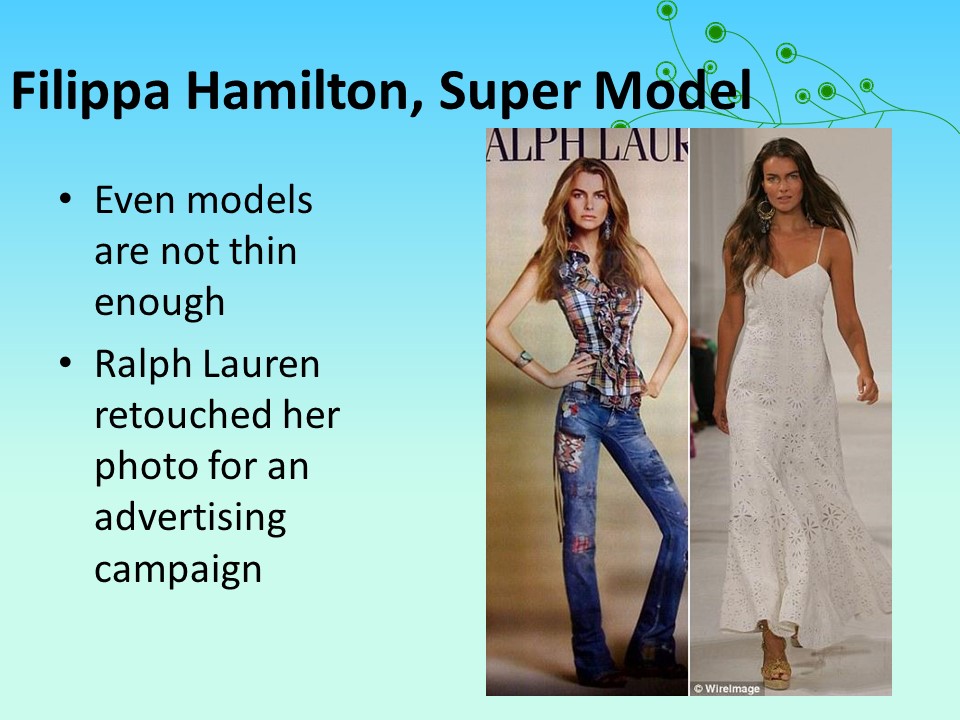












 The BeZine