 I keep some shirts at the far end
 of my closet, shirts I’ve owned
 for decades (since back when they fit).
 I own some shoes with holes in the toe
 almost worn through; shoes I’ve kept
 in the dark corner of my closet floor.

 If you were to ask me why I’ve kept them,
 what with the shirt collars an inch
 too small and the shoes a few steps shy
 of perforated, I’d say, “Well, maybe
 someday…”
 But we know most somedays never come.

 I own a memory I keep safe at the far corner
 of my mind; a memory of …something… I’ve kept
 for a couple of decades (when I could remember).
 I hold this hope, one I’ve worried thin like a child
 would his button-eyed, floppy friend, now worn
 to almost gossamer thinness,

 And if you ask why I’ve kept them,
 what with the way most memory fades
 in each new day’s light and how gossamer hope
 doesn’t spring eternal I’d say, “Well, maybe
 someday…”
 That's because, if most somedays never come,
 that must mean some do.
We watch in pain as they plunder
The middle class worry and wander
Peasants live in wonder

Big bellies parade slums masks covering the stench
They with no hope of tomorrow in hot sun sweat
Listening but not hearing the empty blubber
by bellies under tent’s shade
Hoping they will drop fifty shillings
for the malnourished child's feed

Dust from big taxpayer range blind them, they don’t see
prime Minister leave
The only six public toilets‘ contents lack space
and their smell sickens
They can’t serve them all, they pee and poop in buckets
for the poop man to dispose nearby
The poop man knock their door in the morning
They spent the day listening to prime Minister
so no money for poop man
The heat in slum houses is unbearable
and the poop is boiling in bucket

Coin of the day take malnourished child
to nearby government hospital
Nurses are on strike, no drugs, no doctors, slum dwellers
parade all sick of hunger
Police chase them from hospital
because they don’t have masks

The newshour, prime Minister reported to have built houses
in the slum, hundreds of billions used
They stare in wonder, prime Minister came to ask for their help
He talked of building bridges initiative and need
for voting for constitutional changes
The country needs more leaders and the need
to increase constituencies
Do they have to burn even the small rotten bridges
leading slum dwellers to national cake?
Who will pay the park of wolves that they want to increase?
The prices for commodities shoot overnight
Another day, no pay for poop man, the day spent in hospital

Citizens views needed on constitutional changes
Trillions set aside for a yes or no campaign
Children back to slums teachers on strike
The competition for toilets is worse in the slums,
stench is unbearable
The stench of the greed by ruling class is worse
Global warming has made the sun mad
that it threatens to burn slum houses
The cows graze in the green valley
on grass studded with wildflowers,
drink from a river where trout play
voles dance on through its banks.

They walk to parlour when they want
when their bodies say they need to be milked
hitch themselves to the robotic machine
that cleans udders, sucks the milk away.

There’s little labour for the farmer
no need to round-up, milk or carry
or spray pesticides as his father did:
he’s alerted to all twenty-four hours
for the land looks after itself, rain or shine.

He’ a happy man for his milk sells
for premium prices, he exports it
for its value for its great goodness,
filled with nature’s gentle bounty
and tuned to the season’s rhythms.

The cows, and the productive land
he’ll pass in perfection to his children.

                                                          —7/2/2021
Like an actor running lines,
Wilson had stories.

The first of us who left Vermont, he tells,
was the elder on foot who followed Indian trails
taking months to cross New York
then staked a claim, and walked back.

The first families
moved kin, livestock
to this homestead,
right here, and worked it
for two hundred years.

Through winters, hardships,
storms and drought,
sickness and deaths,
we settled, farmed, built on…
and finally, a school.

Some gave up.
We did not.

Perhaps land accepts a steward.

Wilson at 93 remembers.
go out the window in warm weather;
the pain of misunderstanding,
the excuses, the predictions…

out

with the renewed force of spring,
strength surfaces,
and breathing in again,
we meet the recovering day
Apache Mare
Breathing clouds to the warming air,
in the faithful future of all her years;

proud and natural,
present as a boulder in the way of a path.

Chestnut flank pressed against a rising sun
this light, this field—all her own

there is no other place
                                   no other world.
I see a branch of the watchful tree (Jer. 1:11-12).
Cyclones, starving polar bears, rising seas;
winter lightning, flooded deserts, bleaching corals—
nature sends a pandemic to clear the smoggy skies.
And the trees are falling, because they must.

New Haven green: The Lincoln Oak heaves up
a human skull, jaws agape among exposed roots.
Elms kamikaze onto the Bronco, the Matrix—
the Jag glutted with Exxon, Sunoco, Shell.

The trees are doing what they can:
fan-leafed gingkoes faint onto garages;
poplars yee-hah onto Sertas,
axe Maytags, scrape Vizios off walls.

That kettle-drumming is the fall of spruce trees
scoring streets into musical staffs—
loosening wires to coil and recoil into clefs,
to pizzicato like rattlers.

Colonnades of cypress explode gas lines
and bonzo into resulting fires.
Maples, like massive pick-up sticks,
rubble trains, logjam rivers, karate bridges.

Of course, yews slam into their own shadows.
Of course, dogwoods release the August sky
to make massive snowballs of themselves,
while willows amputate their own limbs.

Let the beeches curl their trunks around benches,
Harleys, hydrants, and wrought iron fences.
Appease the teaks reclaiming themselves from chairs;
the pines from paneling; the cedars from pencils.

Oh, Berkeley, the laurels are hearing each other
in forests—the telephone poles are in caucus.
And the sycamore in charge has angled itself,
like a cannon, atop a Dodge Avenger

whose front left Firestone is stalled
on a felled Seventh Day billboard,
on words I thought that I shall never see:
...pare for the Unexpected.
Single electric candle lights
on clear lancet window sills.
No wash of headlights from departing

4X4s and sedans. No pastor. No pianist.
No faithful since pandemic.
I park my Prius by the blocked trailhead,

poke in the code to unlock the side door,
press the baby grand’s B-flat key
for my Phantom of the Opera song.

I, who accompanied my divorced mother
to Sunday mass, her lace-and-beribboned
ornament; I, praised for how still I kept

while she solo-ed; I, Glee Club nuns’
choice alto, because I stayed on pitch
backing sopranos in their soaring;

I, who made harmony of family harm,
hurtled hurts, promenade down the nave,
spread my arms wide to the pews;

breathe full my belly and chest and face
to sing Christine D.’s longing, pierce
through my new high G on the word strength;

the struts and beams of this old vaulted ceiling,
my back-up altos, tenors, baritones, echoing
Wishing I could hear your voice, again.
“Singing in an Empty Church” first appeared in Verse-Virtual, February, 2021
Abundance of Caution
Gallon cans of mixed greens from Georgia;
crates of Vidalia onions from Texas;
Gouda and Beemster-Van Gogh from Amsterdam;
N-95s, face screens, and latex gloves from China—
it’s Christmas every day.

Boxes of gluten free pizza dough,
cases of sardines and Bush’s baked beans,
36 individual servings of Skinny popcorn
appear in the open garage.

Elizabeth, our postwoman, noticed
we date our mail and packages—
and now does that for us,
and brings our garbage cans up the driveway.
UPS George honks the horn,
so we know to get into the house.

We do not breathe where others have breathed.
We wait the three hours aerosols linger,
we wait five hours, to be honest,
then tap the garage remote.

Deliveries season for seven days,
before we slice open the box seams,
dig through Styrofoam peanuts,
un-bubblewrap, unziplock—bleach-wipe contents
to wait on the dryer for another day—
or two, or three.

I don’t walk the lane anymore—
a car with open windows might have passed by.
I walk the periphery of our three acres.
Then ten feet in—neighbors putter in driveways,
walk dogs, call out greetings.
I mentally measure how many six-feet away—
twelve, fifteen, eighteen—even twenty-four, too close.

Now I only walk near the house,
tapping on the walls for balance,
the circle tightening.
When I hear Elizabeth’s rickety truck,
I run inside and wash my hands.
I wash my hands.
What happens when all the advocates are gone, and those who profit
Unknowingly from battles fought by others, must learn to cope
Without
The hope

Of realizing change? Then,
The ones whom martyrdom didn’t spare,
Will no longer be enslaved by the victims
Who took for granted their wares

And the rest will be left
Questioning their fates.
But those who sought their downfall, while victorious,
Will find the only game they won was hate.
Is there still time to make something
From the impending dread?
When every combination
Produces yet another
Form of lead,

Slowing progress with
Its predictable weight,
While the true value of currency is forced to sit and stagnate –
Knowing it can work for good, knowing it’s been misunderstood –
Hoping for systemic change, before it’s finally too late.
Who We Are
We are the terrorists,
Who condone the murders of
Innocent children on their school buses, or
Lock them away from parents and loved ones,
Giving them a foil-blanket
Substitute for comfort.

We are the unreasonable,
Who close off
Our safe harbors—
The same ones our ancestors
Were offered—
From others.

We are the presumptuous,
Supposing the world
Will keep giving to us
Without repercussions
For our actions, while we
Continue our greedy consumption.

This is what it means
To be American,
In the land who shot the man
Who said, “We shall overcome!”
So, if this is who we are,
Who, then, shall we become?
The theme for this quarter’s issue of The BeZine is “SustainABILITY in turbulent times”. Everyday life is challenging right now all over the world; things are especially chaotic because of the pandemic, with political unrest and natural disasters only adding to the “turbulence” that is affecting communities and ecosystems around the globe. But the important part of that phrase at the top is the last part of the first word: “ABILITY”. We ALL have the “ability” to do something sustainable, whether it’s for ourselves, our communities or the planet, even if it’s something small.
You won’t be any good to anyone else if you cannot figure out how to sustain yourself. This has been an especially important lesson for so many during the unprecedented challenges presented by Covid-19. We’re having to learn how to keep going, despite being isolated or cut off from places, activities, and often people that we love. We each have had to come up with things to “sustain” us through this pandemic…sustain us physically, mentally, emotionally. Some of us have done better than others, but it’s something we all have to face and figure out.
How do you know what sustains you? I’m not talking about the basics, like food and shelter, although there are plenty of people who don’t even have those things right now, so their path to personal sustainability is a million times harder. But if you have food and shelter and even a job, what keeps you going? What drives you to awaken each morning and tackle the day ahead? I suggest that you stop, take a moment, and close your eyes. Breathe deeply for a count of ten and ask yourself, “What makes me happy? What brings me joy?”. Really search for and find whatever it is that brings you joy, whether it’s a hobby like painting, knitting, wood-working, gardening, or simply taking ten or twenty minutes each day to get some exercise outdoors or relax with your favorite music and meditate. And if you can’t come up with anything? Now is the perfect time to find and try something new. You have the ability to discover what truly makes you happy and can keep you going, what will sustain you through these hard times and beyond.
“Meditation” by h.koppdelaney licensed under CC BY-ND 2.0
Find Ways To Sustain Your Community
As an individual part of your community, you have the ability to make it better. You can help others around you, and by doing so, make where you live a more inviting and sustainable place. Perhaps you can start small, and make a commitment to check on your elderly neighbor every day, to make sure that they can keep going. Maybe you have the ability for something on a larger scale, like getting together with a few people in your neighborhood and starting a sustainable, community vegetable garden that will provide for several families?
Perhaps you have an artistic ability that can be used to paint murals on ugly cement walls in the neighborhood to brighten the space, and you can even invite others to help (socially distanced, of course). If you’re an animal lover, maybe you can help the strays in your area, by TNR-ing and feeding a cat colony, or commit to not using chemicals on your lawn so that the birds, bees and butterflies have a non-toxic place to feed. When people ask you what you’re doing, invite them to participate! Maybe you can prepare and distribute meals or care-packages for the homeless in your area? There are so many ways to help keep the community going, to sustain that sense of “belonging” that has been sorely missing in these days of isolation and loneliness. The challenge is looking for ways to help improve the community with your unique abilities.
“Pilsen Smart Communities Murals” by danxoneil licensed under CC BY 2.0
Help Sustain The Planet
This is probably what most people consider the toughest challenge when it comes to sustainability, but it doesn’t have to be. We each have the power, the ability, to make choices that have ripple effects. We can choose to be more sustainable in our lifestyles and follow one or all of the “Five R’s of Sustainability“.
“Sustainability poster – Ripples” by kevin dooley licensed under CC BY 2.0
Yes, it takes time to do the research and you have to actually care about it in the first place. But you have the ability to decide to be a part of the human race who either helps the planet or hurts it. In truth, we are all probably a mix of both. As for me, I would rather work towards an Earth where there are still large, green spaces with lots of plants, animals and trees, where the rivers, lakes and oceans aren’t a toxic, plastic and garbage-filled soup and where the air and water are free of so much pollution. How about you?
Somewhere beside Zvagona hills, near Zvamapere ‘kopje of hyenas’, adjacent to the foothills of Dayataya mountain lies bones and spirits of my great grandfathers and their descendants. I loved this land. Every rain season, Zvagona hills were village brides fitted in green dresses and floral doek’s over their heads. Their lush skin shimmered blue from a distance in the hazy of December sun. Usually, autumn arrived with god’s gifts of multi- colored costumes of blooming flowers, their petals nodding erotically to the hesitant sun, the sun winked back secretly to the smiling flowers. Bees and cicadas haunting them like delinquent boys to village damsel’s. This time, the earth becomes a beautiful princess scented with natural perfume and clad in floral gowns of pink, yellow, white, peach and ox blood red.
June is a vicious dog, it brought howling winds and winter’s canines grazed deep into our lives. The earth is undressed into utter nudity. Elephant grass saluted to the passing wind like grandfathers surrendering life. Our hills spotted jailbird’s bald shave as they nodded to the winter’s sirens: whirlwind and dust ripples. Forests stood shell shocked in their torn overalls. Flowers are tightlipped, their cousins rot into extinction waiting for rain when the earth is born again. The cold bruised sun is a patch on the undergarments of grey horizons. This time, the moon is a hesitant bride. It is winter and nights are ink black and unfriendly. Hyenas wail in pain of winter’s bite, regular face- booking of monkeys is on hold. Cicadas are silent like birds. Sometimes hills wept to each other under the veil of mist and the shivering moon lulled our somber souls into sleep until the next morning. When morning comes, the baldheaded hills are ready for a fight, standing proud in anticipation of sunshine or rain, alas the biting winds persisted and the hills are resilient too and similar to the undying spirits of peasants eking out life from tracks of hard red earth on the fringes of Zvagona hills. At night hills were draped in robes of white mist and towards dawn, they fit onto skirts of grey and top gear of blue. We were told ancestors walked alongside the mist at nights and in mornings they would go into deep sleep. The mystery of Zvagona hills, hills of home. During that season, we stacked loads of firewood for warmth, cooking meals and brewing traditional beer. We lived off the forests.
When Gods are angry, the earth is clad in rags like an imbecile. It wears a black torn monkey hat over itself like a pick pocketter. The air is taunt with foul smell of decaying lives. Baboon’s sermons are placed in God’s wardrobe. Our creased faces told sorry tales of poverty and hunger gnawing the pits of our bellies.
When the red glow of heat persisted like in hell. Silence and barrenness are weaved together onto red earth. While rivers become white washed skeletons of dry sand. Elders spoke in tongues to the wind, we lost their words in the pleats of their elderly language. After some days they traverse to the end of the earth to supplicate Zame, the spirit of rain. Njelele, Zame’s disciple would direct them to Nyami Nyami, the goddess of water. They are told to wash their feet and dance to Gods. They were punished for replacing forests with concrete jungles. Birds and spirits of the land were now vagabonds. They are told the earth is simmering in abomination and Gods are angry and choked with carbon laced fumes. They are warned of the coming of devil’s triplets: hunger, heat waves and cyclones. They paid their ornaments, applauded the gods and returned to their hovels underneath the fringes of Zvagona hills.
Later, when heavens get overexcited. Gods washed our sins with tears of their joy, rains washed and blessed our land. The earth is born again and is dressed to kill in its usual green gowns and floral doek’s. We danced to the clap of thunder and camera flashes of lightening winked at us. Our poverty marinated, yellow maize teeth grinned to sudden glows of lightening. Sometimes lightening jolts sank our tender hearts into our rib -boxes. Zvagona hills also gyrated under the grip of thunder. We danced still for the blessing of rain and rebirth. Our planting fields were patches of alluvial earth between the hems of the hills and the banks of Mamvuramachena “river of white waters”. Sooner pumpkins bred like rabbits, veldts wore a silver cap of water and new dark green military combat of sprouting elephant grass. Smells of fresh dung and the scent of fresh udder milk were our morning brew. The new grass fattened our cows, their oily skins shimmered under God’s obedient sun.
Our mothers traversed from hill to hill harvesting mushroom, nhedzi, zvihombiro, nzeveyambuya nezhouchuru ‘names of different kind of mushrooms’. Wild mushroom is an African delicacy, a delicacy that raised us from mucus drooling kindergartens into goat bearded grown-ups. Wild fruits of maroro, nhengeni and nhunguru were showered to us by the excited Gods. Bushes became our second homes. We dried fruits and mushroom for the future with the aid of our loving grandmothers. We salivated to the rich fart of roasting meat and baking bread emitted from kitchen huts. Grass beautifies the earth as food beautifies lives. We enjoyed to see our goats getting fat. Bush honey was abundant. We fought successful battles with ferocious red bees for the mouthwatering delicacy, dendende sweet red honey. We accompanied the red honey hunt with a song
When cockerels announced the new days, eastern hills were beautifully capped with the glow of orange hats from the sparkling sunrays. Baboons cuddled each other in the wake of dawn romance. Rock rabbits jived to the acoustics of cicada tunes and to the discord of village sounds. Mother monkeys rebuked their babies from over eating. Down the stream, fish and toads bathed in smoking falls of fresh water. They are home again. Shezu ‘honey bird’ spoiled the festival by singing a warning hymn, maybe for another drought to come or death of a reputable person. Nights are stitched with thread of hyena’s laughter’s and the syntactic hymns of owls.
Our elders sang in contented choruses, nhaka inhara meaning ‘the year is blessed with rains’.
We sang to the silver white moon that was fresh from God’s mouth as it sat on its throne, over the fontanels of Zvagona hills, Mwedzi wagara ndira uyo tigo tigo ndira –and later with time the moon was ripe to go we bade her farewell mwedzi waora ndira tigo tigo ndira.
Now many years had passed since I left for the city, two decades away from years of dance and abundance. The land is now a wretched vagabond. I am sitting underneath the ragged skirts of mystery hills, pondering if my great ancestor’s bones and spirits are still lying here. I see the luxury of rotating seasons is long lost in the abrupt silence of this land. The tenor of birdsongs and baritones of baboons on the mountain zenith is no more. Birds and baboons are long gone, maybe to blessed climes. The joyous scream of hyenas and jackals at dawns was cut short. The joy of reeds dancing to the soprano of mighty streams was remote silenced. A deadly silence.
The sun’s heat is menacing as if tongs of red hot charcoal are floating in the air. The heavens are rude and clear blue. Waves of heat turned the earth into a baking oven. Fields are chunks of dried and burnt bread. Trees are strips of roasted biltong. Cyclones passed through and carried away my ancestor’s bones to faraway seas. Skeletal dunes of sand replaced our mighty Mamvuramachena ‘river of white waters’
Hills are bald headed and wearing a herpes zoster belt around their bellies. They are sweating under the grip of heat caused eczema. I suppose we are cursed. Nyami nyami once warned of hunger, cyclones and heat waves, the menacing triplets.
A harsh heave of shrine incense combined with the stink of ancient snuff and herbal concoctions choked our lungs. The smell was new and strange. The evening was pleated with defiant black shadows and mismatched silhouettes of small hills. Everything was stitched together by instructive spiritual incantations and strange guttural bellows. Angels warmed drums on live embers. Mediums roared in synchronized incantations—
Heyi hii hoo Heyi hii hoo Heyi hii hoo
They unstoppably shook their heads and trembled their shoulders from one trance into another. Dust swirls aroused from their dances carried our blessings. The mist that shrouded the grey hills carried the anointing of the land. They guzzled the millet brew in their order of seniority. Worshippers had brought large pots of millet beer from our villages. The ceremonial beer was brewed and brought to the shrine gallery by pre-pubescent and post-menopausal women. That was to ensure that the shrine’s sacredness is maintained.
Matonjeni hills were shrouded in silence and draped in long gowns of grey mist at dawn. During evenings, hills were hugged by apostolic like plain white robes of mist again. Zame is known of bone chilling spits of drizzle year in and year out. We arrived before shadows fully quilted the earth. We didn’t bring modern utensils and blankets into the hills. We walked with our barefoot. Men sat on leopard skin mats and women sat on sheepskin.
Drapes of mist grew the hills into a shrine of black shadows. The moon set like a silver arc over the rim of the mystic Malindidzimu “the seat of gods”. It was gorgeous. It winked to us behind a veil of fluffy, white and smoky drizzling clouds. Soft rains caressed our day long sun-drained skins.
Malindidzimu is the zenith of Zame, the place where gods sit to watch the earth underneath them. When night is ripe the silver moon winks to the gods to take rest. Mermaids are said to wash gods’s feet in Mavulamachena, the gorge of white waters situated at the fontanel of Malindidzimu. The waters are ever silver moon white. The mist rises from Mavulamachena “white waters” to dress the sacred mountains with white skirts and grey doeks towards dawn. When the world is trapped in the web of sleep, gods are said to float along with mist draping’s to meet with their earthly ambassadors. The mystery of Matonjeni, shrine of gods.
The Matonjeni gallery sits somewhere on a mountain range that runs from east to west. The shrine entrances wind up and down among overhung granite boulders into the gallery. We washed our feet upon entering the shrine to do away with dust and bad omen. Every visitor was blessed with portion of ancient snuff before entering the shrine. The scent of snuff was strange. I sneezed and drooled like a wild pig. That was the same with my fellow congregants. The snuff was strong. After the ritual, eunuchs and nuns led us into the shrine. The shrine is an art gallery with a unique spiritual presence. Gallery walls were beautifully decorated with red and black clay earth extracted from the nearby termite mounds, the lush and green combat that dressed the anthills added ambiance to this astounding earthly but spiritual wonderment. A plethora of ornaments that included animal horns, bone-made trinkets, grass-made beads and ancient-spears made up the Matonjeni gallery collection. The exhibition was diligently curated. The gallery walls were stripped with white, red, black clay patterns. After our maiden tour, we then supplicated to God with a thunderous chorus of applause and heart-rending, mountain-cave echoing, ululations. We thanked gods and spirits for guiding us from evil during our long day journey to the holy land.
The Hallowed eunuch of the shrine, Nyamasviswa with his band of Matonjeni disciples welcomed us with that verve of spiritual merriment. The dignifying gesture uplifted our sun burnt, day long trip tired souls. We brought large pots frothing with millet beer. It was abundant, plenty more than what other clansmen had brought. The traditional millet brew smelt like freshly baked bread. Mediums salivated with that greedily gusto, waiting impatiently to feast from the mouth—watering pots frothing the ancient delicacy. It was intelligently brewed by earth scratching, peasantry lifestyle hardened hands, thus combined with the verve of ancestral wisdom passed from one matriarchal epoch to more and more other matriarchal generations. The welcoming merriment was remote-paused by a blood-splashing hymn, divinely echoed from a swarm of beautiful nuns as it passionately coiled into our groping hearts. We got spiritually connected to the land that carried the bones, breath and promise of our fathers. The wild dove-hen crowing like alto voices pleated our static black silhouettes, the tinkering tenor of throbbing drums, discordant snores of sleeping waters and the vibe of human mass together onto the hems of mystic hills—
Dzinomwa kuna runde Mhondoro dzinomwa a a Dzinomwa kunaSave Mhondoro Dzinomwa…a…a a a Dzinomwa kuna rundee Mhondoro dzinomwa AAA
The shrine suddenly slid into an abrupt frenzy of traditional dance-songs and a poetic trance of ancestral praise. The scantily dressed nuns danced until their slim frames soaked in sweat. Their rotund figures were clad in different regalia made of goatskin, leopard and lion skins and other beautifying paraphernalia. They received their costumes in accordance with their levels of seniority and nature of duties. These maidservants were all beautiful but well trained to charge their duties with due diligence and requisite zeal. It was like they were born from one big womb, we found it difficult to distinguish them, and they looked alike as black-eyed peas and they carried themselves with that high calibre of moral consciousness and hyperbolised dignity. Their body frames were a real fulfilment of god’s unmatched creativity. Their breasts were taunt and straight like porcupine quills ready to spike, as they quivered like turgid, fresh ripe mangoes ready to fall from their mother tree. Our untamed hearts skipped to suffocate us, the amazing beauty that blinded both brave hunters and seasoned dancers among other revellers. Male congregants had to tame their manhood because the temptations were extreme, beyond human reasoning and above sexual-emotional control. We uncontrollably salivated at the rawness of that unspoilt human dignity. The wonder-angels were all virgins, they had under gone a traditional initiation including sacrificial oaths to be maid servants of the holy land. That, they would never become wives, mothers or indulge into any intercourse of sexual nature until the time of their demise. They carried their chores with profound zeal and well calculated precision. Their service varied according to age, clan of origin, talent, teachings, practice and seniority.
The appearance of Dungwiza, the rainmaking medium interrupted the current mood. His elephantine frame was draped in an unusual all black apparel. The baritone gifted man boasted of his gigantic frame and ever darting eyes that never blinked to anything. A sign of bravery. He waved and yawned thrice, the drumming, the chanting and dancing stopped abruptly. The night was still young. Dungwiza was the leader of main rituals including rainmaking occasions at Matonjeni. The gallery slid into an abrupt silence like at graveyard. Dungwiza made a rushed stride towards the epicenter of the shrine. Maidservants ululated like cooing doves praise and worshipping the last rays of setting sun.
Dungwiza blew three full finger pinches of ancient snuff and then wiped black snort with the back of his aged and weather-toughened hands. The rustling sound of stubborn winds was drowned by the beat of his poetic incantations—
Imwi mhondoro dzenyika Varidzi vepasi nemuronga wenyu Ndauya kuzosuma pwere dzenyu Nyika yapinda munzamusha Musha waparara nehosha Musha wovava segavaka Pasi ronhuwhwa segutukutu Vana vayaura, pasi raoma roda veta Vana vofa nenyota vodzungaira Dzorai moyo, musasunga moyo Nyika yoda donhodzo vana vagute Vanayaura, vafamba mitunhu kuzochema kwamuri Mukai muone misodzi yavo netarisiro. Vana vasingachemi vanofira mumbereko
The spirited supplications were punctuated by yawns, bellows and sneezing from shrine disciples and other mediums. Plumes of burning incense and whiffs of black snuff conquered the shrine the scent was both suffocating and beautiful. The rainmaking prayer was capped by an electric echo of ululations from the band of Matonjeni nuns. The shrine was lit with spiritual blaze and human rhythm. Dungwiza tossed his Muhacha rod upwards. He ordered drummers to beat the Shangana neShumba drum. Drums were cracked and their throb vibrated the land. The tense rhythm beat, unmatched. Behold the land was holy.
Suddenly, spats of drizzle grew fat, heavens opened their floodgates, and heavy rain soaked the earth. Drums tinkered still. The night was now aging and was clad in a dark grey gown preparing to surrender Matonjeni shrine to the angels of dawn. Dawn proudly winked its twilight for the elephants to rise from slumber and take an early morning bath, Nguva dzamashambanzou. Mediums sneezed from one trance to another. We chanted still, we sang still and danced still. The rhythm of our dance and song traversed to the lands faraway and reached onto the holy ears of gods.
The eastern hills wore an orange monkey hat and ochre—red blood robe, wiping off mist from the rain—thickened eyelids of our hills. We were served with food, goat meat stew alongside stiff millet porridge sadza remapfunde. We washed down the delicacies with calabashes filled with traditional mhunga brew both alcoholic (mhamba) and non-alcoholic (maheu) beverages. We ate until our bellies stretched; we couldn’t afford a fart or a belch. It was difficult. Dungwiza jumped from his sitting position and an unexpected lightening jolt sparked the semi-dark gallery. It was followed by another unusual lightening wink and a thunderclap. The gallery trembled as if the caves were falling apart. The rainmaker ordered us to be silent and to be stationery.
The gods of this land have heard our concerns; our tears have wetted the mats of heaven. The gods are confirming their and concern and their presence, Dungwiza boasted with his big eyes fixed onto the gallery entrance.
A solitary baboon barked from a distance, a ferocious roar of a lioness ensued, it shook the granite boulders of the shrine and then a strong jolt of lightening blazed again like tongs of fire. There was a deathly silence. We could only hear calculated farts, faint whispers, sighs of awe and feeble breaths from a battalion of congregants packed like sardines against gallery walls. The shrine was seized by the discord of fear.
A frail, thin and uncombed young woman limped lackadaisically into the quiet gallery. Dungwiza, Nyamasviswa, shrine desciples and nuns rose in salutation to the unexpected guest amid fish eagle like—cackling ululations, praise incantations and bellows. A song was pod-cracked from amongst the disciples
It was again a familiar song but many of us were still in utter shock—
Tovela, mudzimu dzoka Ha heyihe mudzimu dzoka Aee yiye Mudzimu dzoka Vana Vanogwara mudzimu dzoka Kwaziwai Tovela
It was a song to welcome the spirits of the land.
The frail woman spirit shook her head unstoppably, belched and sneezed incessantly. Her fumbling’s were stitched together by continuous handclapping and song from the shrine disciples. She hung her dreadlocked head languidly twice or thrice and then fumbled for an apparel to cover her beautiful bosom. She sneezed hetsu hits hetsu uncontrollably. She roared again like a lioness chasing after a prey. It was an ear-shattering roar. A ferocious roar.
She began to speak in a frightening baritone-laced voice. She spoke deep kalanga tongues—
The frail woman spirit was Tovela, the supreme messenger of gods. She was ordained to become supreme when she was still a fetus in her mother’s womb. She is the princess of Matonjeni of the patriarch of Murenga. She had brought the message of rain, healing of the land and good life for pilgrims. Tovela Kalanga was the remaining lioness of the land. Her service was dipped in sanctity, honesty, dignity and spirituality. A pot of frothing millet beer was offered to her as a gift, she guzzled the beer and blew a wide smile into the awed but obedient congregation. A sign of merriment. We chuckled with the relief that our supplications were received.
Drinking, dance and song persisted. Delinquent disciples imbibed until they crawled like skunks. The sun-rose with its old-aged forehead creased with paradox of the rainbow and metaphors of rain. Its rays winked to the fait nightly shadows with a calculated rhythm, tearing apart grey and white gowns of mist off our hills. Fingers of dawn caressed the snore-congested gorges and mist-clad mountains of home. Mourning doves with their melodious hymns deleted owls all-night poetry slam. The nightly rainmaking ritual and Matonjeni vibe were quickly scribbled onto the godly wind slates.
Tovela and Dungwiza disappeared alongside the grey and white veil of the clearing mist. Song and dance continued. Rains persisted. This is the Mystery of Zame, the holy land of rain, ancestral spirits and gods.
I’m dusting the indoor plants when the doorbell rings. It’s you, and you’re bleeding from an ear. “What happened to your ear?” I ask. You touch it. Your fingers come away with blood. “Steely Dan on the headphones,” you say. I don’t move, don’t even nod. Now that an estimated 150 species go extinct every day, I try not to rush through my days. And if, as sometimes happens, it feels like everything is speeding up, I’ll lie down on the floor and stare at the ceiling or out the window, my view a small thing but my own.
In the conversation we never had, you didn’t say, “Life’s subjective. One person’s joy could trigger another’s despair. Like someone else’s woe could bring another cheer.”
“We’ve lived each,” I would’ve said. “You, often, the latter,” my eyes would blink in code.
But we weren’t really talking about Life (like I said, we weren’t really talking at all), unless you consider just getting out of bed Life. Really about living, opening those eyes, taking that big inhale, letting it go, sometimes with words strung thereto, just to get to the next gulp of existence.
“You know, there was a time I didn’t care if my last exhalation, whether preceded by a sob or a snore, was indeed my last. Go to sleep. Wake not. I wouldn’t have considered that failure. THAT might’ve brought someone solace.” I could’ve revealed.
“That’s what I’m saying,” you didn’t say.
“I wish you would’ve talked to me about it,” I wish I’d said.
“There was no point. I wanted to talk to very few people and you weren’t one of them.”
Ergo, the non-conversation we weren’t having.
“Would you like to come talk now?” I might say.
“No. I’m not going anywhere with you.”
“Yeah (or is it ‘No’), we’ve each made that clear,” I might whisper.
“What didn’t you say?” You’d probably ask.
There was so, so much.
“I’m not going anywhere with you, either,” I’d say.
It’d always been a one-step-toward-and-one-back thing with us, symbiotically going nowhere, needy dance partners with no sense of rhythm.
The title of this piece may apparently represent one-fourth of what we are about; of what the BeZine is about…of what I feel we should all be about, but it also represents a whole lot more.
It is a whole lot more than simply doing what we love here at the BeZine: writing essays, poetry, fiction; producing wonderful art, painting, photography, music, singing; and hoping to invoke some much needed joy in our lives. It is more than all of this. The title of this is, perhaps deliberately, a provocative question.
The provocation is about collaboration, sharing the commitment and the synergy that can result from harnessing the power of human beings working together for a common cause…and if you wonder what that cause may be, wonder no more. I think every last human on this great and plentiful mother Earth, does know what that cause is: the sustaining of life…all life on Earth, which is the only place in the universe that the vast majority of us have for the long and foreseeable future. Life on Mars, in that time scale, is merely a dream, a fantasy, a vanity—either in the past or the future.
We need to accept reality, get our hands on the tiller and grasp the reins, start lobbying local, regional, national and international leaders to drive us into a sustainable and renewable future, not a future that leads only to short term wealth for the few and destruction of the planet’s ability to support us all. Rather, a future that we’ll get to, albeit by a road less travelled.
THE BeZine PROMISES …
We organically source all of our creative material. We strive for the lowest carbon footprint and to be Kind to your mind, Kind to the environment, and Kind to the World. Let us know if you have something you’d like to offer.
Our founder and chief editor for over ten years, Jamie Dedes, spent a great deal of her time trawling the internet for like-minded writers, artists and creative minds from many diverse backgrounds. She cast her parabolic net on both sides of the boat, in all parts of the World and, when she found someone, she would read their work, their history, spend time getting a feel for their ‘raison d’être.’
If she expected anything in return, she never pushed her agenda or placed a burden of responsibility on anyone. If they volunteered to help, to take on some editing tasks, do some outreach work, organise an event for the annual ‘100 Thousand Poets for Change,’ she accepted and congratulated with genuine gratitude.
Nor did she expect others to promote her work. She shunned many attempts to do so. I know, I tried. However, without ever having to ask, she somehow managed to garner commitment from those she gathered around her.
Now, she’s gone and left us with with one heck of a legacy; we have something to live up to, an example to follow. It’ll not be easy, but it is a mission we simply have to pursue. Why? Perhaps because we feel we’d be letting Jamie down; perhaps because she was right. There is a need for the people of this World to pull together, cooperate, collaborate and make change happen—for all future generations of life on Earth.
We truly need to continue and try our best to emulate that spirit, that ethos…and to be active.
The result of Jamie’s vision has been synergistic. We will continue to try and make sure that the product will be greater than the sum of its parts. But we cannot stand still. We cannot do this alone. We cannot stop growing the knowledge of this project, finding people to help.
It matters not your experience, but if you have been motivated by the shear illuminating vision of any of the many organisations around the World, whose missions are similar to those of The BeZine…then you can play a part in continuing to find ways to promote Peace, Sustainability and Social Justice.
I hope you, readers, are already motivated and concerned by what’s happening in our world, but you may feel there’s nothing you can do. Please be encouraged by the fact that there are many very other good and articulate souls around the World who are playing their part and, regardless of any self doubt, you can be a part of this. It all adds up and synergy will result.
Whatever you do…
Be inspired…Be creative…Be peace…Be
…and we hope that when you do, you will share with us by submitting your creative works, essays / articles about what you are doing and lessons learned. Tell us about what people are doing individually and together around you, locally, regionally, nationally, and internationally.
What a year 2020 has been: global pandemic, international instabilities, U.S. election turmoil. So much. We here at The BeZine have suffered a personal loss, as well, with the passing of G Jamie Dedes, our Founding Editor and Editor-in-Chief emerita. Jamie led us with light, gentleness, and love.
Jamie may be gone, but her light shines on in her influence and inspiration, which we at The BeZine honor and mark. John Anstie, one of our core team of contributors, has curated a collection of tributes, eulogies, and elegies for this issue, in a section “for Jamie…”, where writers and artists from all over the world have joined us in remembering Jamie. This section also includes some of her writing and artwork.
Some of her photographs are also sprinkled throughout the rest of the issue, as well, as we continue the project that is The BeZine in Jamie’s name and spirit. The theme for this month, Life of the Spirit, chosen for this issue by her over a year ago, was especially close to her heart. She wanted to be sure that each year The BeZine would focus on this important aspect of our lives, activism, and work. Spirituality is the linchpin that holds together the other three themes of the year: Peace, Sustainability, and Social Justice.
So, read about and be inspired by Jamie and by Life of the Spirit as interpreted by artists and writers around the world.
It is a sad day, that I find myself writing about the death of a friend, a mentor, an inspiration to me for the past eight years, but I remind myself daily that it is not my loss alone. She is all of those things and more to everyone, who came into contact with her world of the creative arts, did anything with her, was fed the nutrients of her encouragement and constructive comment, and produced creative work for her publications. She was a magnet for creative people, but more so for those who were, in some way or other, engaged in this great human need to rid the World of the ravages of greed and self interest and fill it with a will actively to seek processes that foster peace, sustainability and social justice. There was another side to her character, perhaps one of the most attractive of her traits … she would often tell people “you are valued” and she might critique, but never judge, even if you had fallen short on a commitment. It was always enough to impart a warm glow of being a part of something important and, above all, a genuine feeling of love.
Photo Copyright G Jamie Dedes All rights reserved
I only knew her for no more than eight years, but in that time I had many exchanges with her, both publicly and privately, centred around her seminal on line presence in the form of her inspired publications and her writings. She has been a force for good in my life as well as in many other lives and I feel now more than ever a huge sense of privilege and gratitude for her invitation all those years ago to be a member of her core team. I was there at it’s transition from her original concept, ‘Into The Bardo’, which became The Bardo Group Beguines and eventually The BeZine.
I do very few references and testimonials, but when, some years ago Jamie asked me to write a testimonial for her blog ‘The Poet By Day’ (that used to be called ‘Musing by Moonlight’, that echoed the days when she would have to go out to work at a day job, to earn her corn). In response I wrote the only tribute I could imagine …
“ There are blogs and there are blogs. There is writing; there is poetry; there is art; there is human endeavour and there is ‘The Poet by Day’. Rarely, if ever, have I come across a web log like this, of such towering integrity. Seldom have I encountered such a willingness to subjugate self for the benefit not only of the art of the written word, but also for the benefit of poets and writers everywhere. Here be a deep well of inspiration.
This is enhanced, in a major way, by her own invention, a blog called ‘Into The Bardo’ (which became a collaborative blog, ‘The Bardo Group Beguines’ and publishes ‘The BeZine’). This represents the noblest of goals, an aspiration to connect all life on Earth spiritually; to unite the World in one grand scheme, which, if it achieves little else, fills us with hope.”
We at the BeZine have been overwhelmed with messages of appreciation and love for Jamie as well as submissions for inclusion in this issue that glow with evidence for her incredible influence on creative writers and artists around the World.
I would also like to take this opportunity, on behalf of the BeZine, to thank Jamie’s son, Richard and daughter-in-law, Karen for being so generous with their grieving time to hold an on line service that a handful of us BeZiners were able to attend, and, with Jamie’s cousin and lifelong friend, Daniel Sormani, for sharing so much of her life story with us. It was very special. Both Richard and Karen have continued to be very supportive of and communicative about the future mission of the BeZine, for which we are eternally grateful.
Please stop all the clocks, shut the doors, unplug your phones, switch off the TV, remove all other distractions and enjoy what follows, a selection from a veritable cornucopia of tributes to the uniquely inspirational G Jamie Dedes.
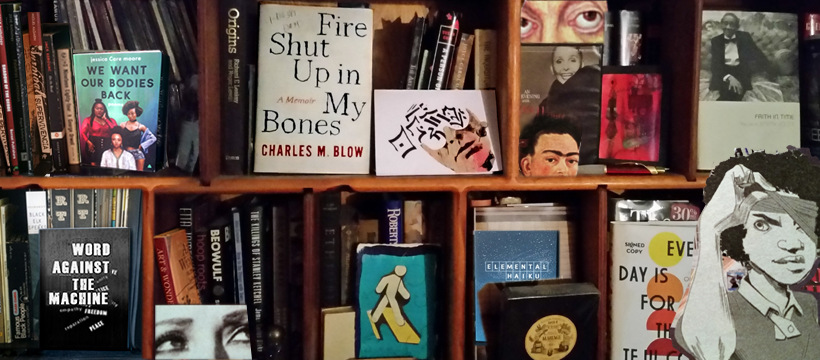



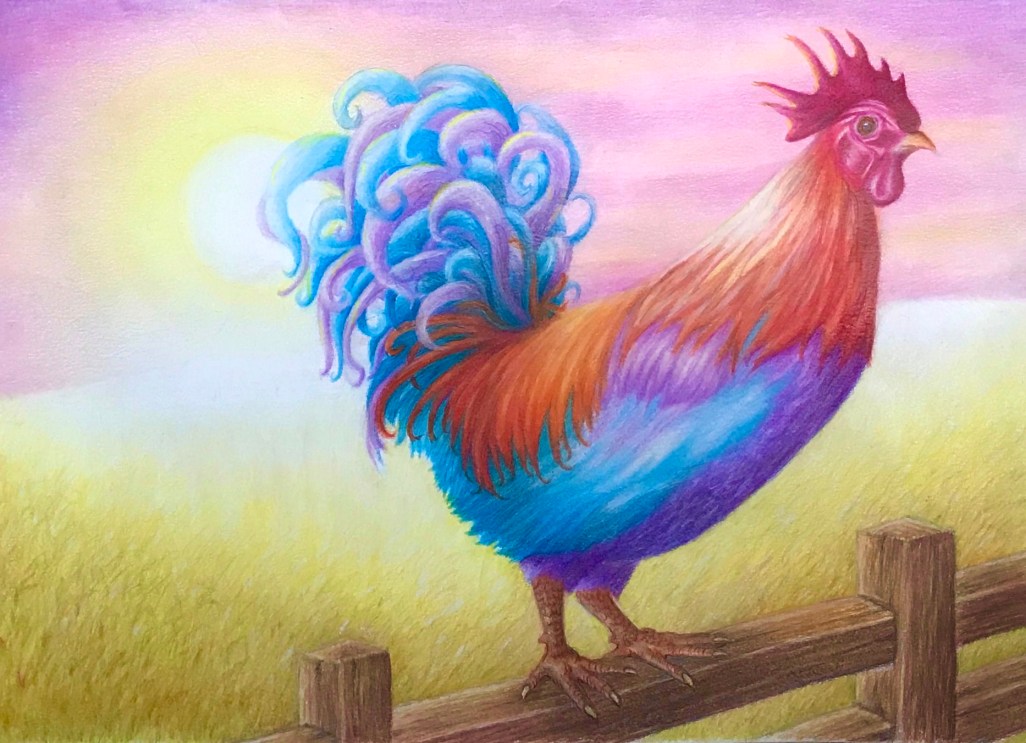
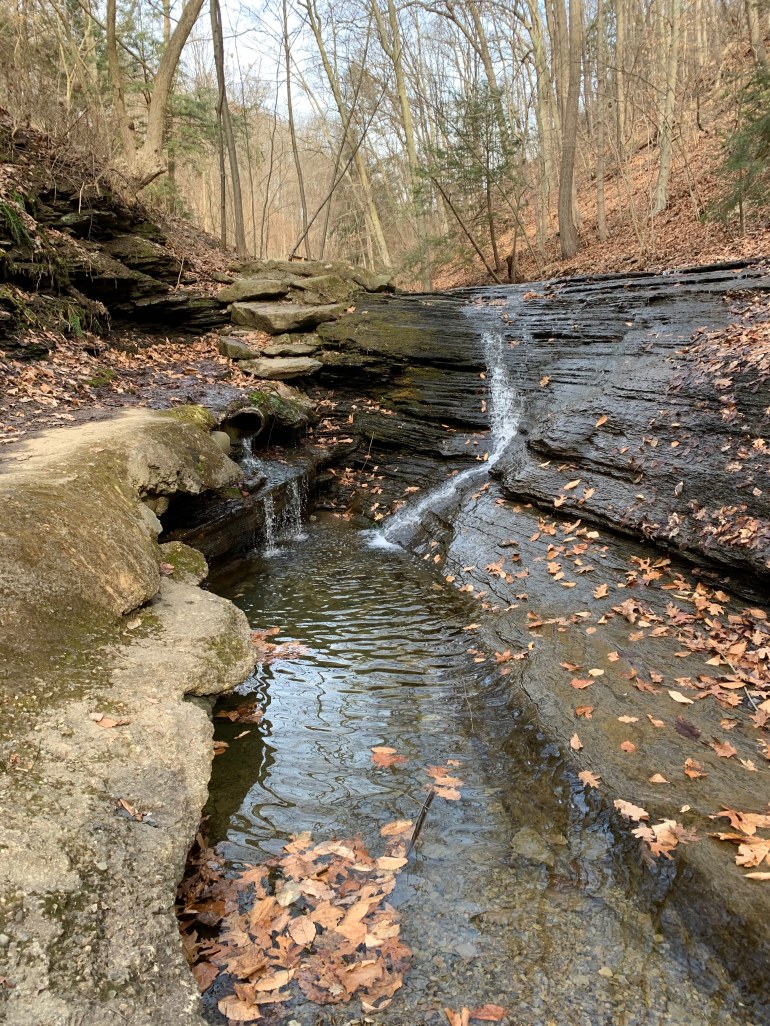
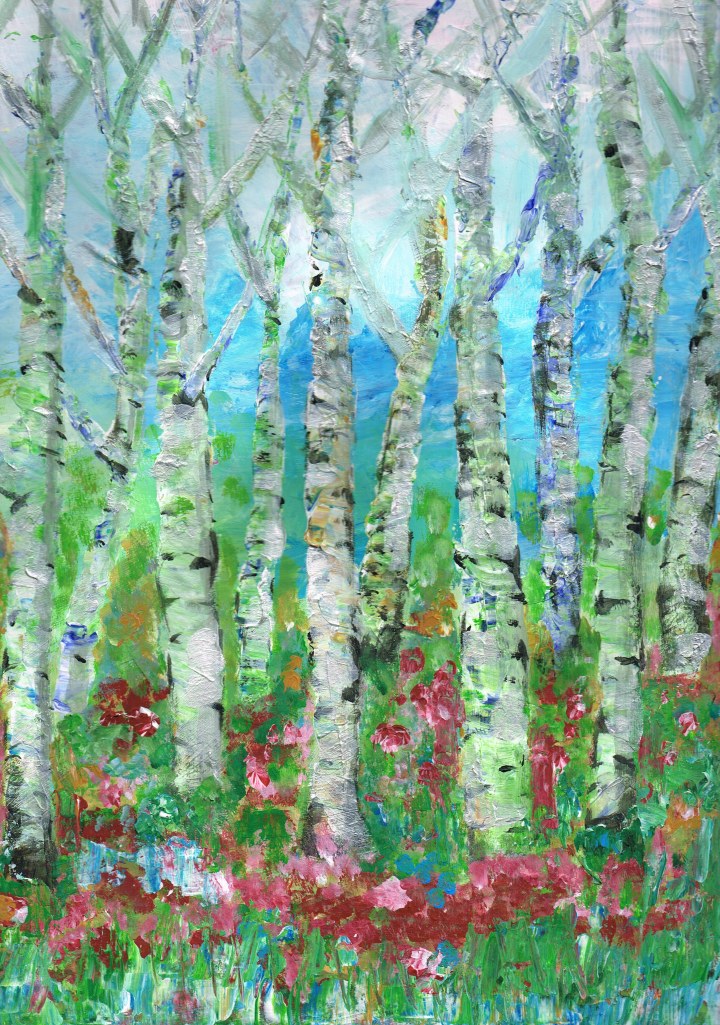




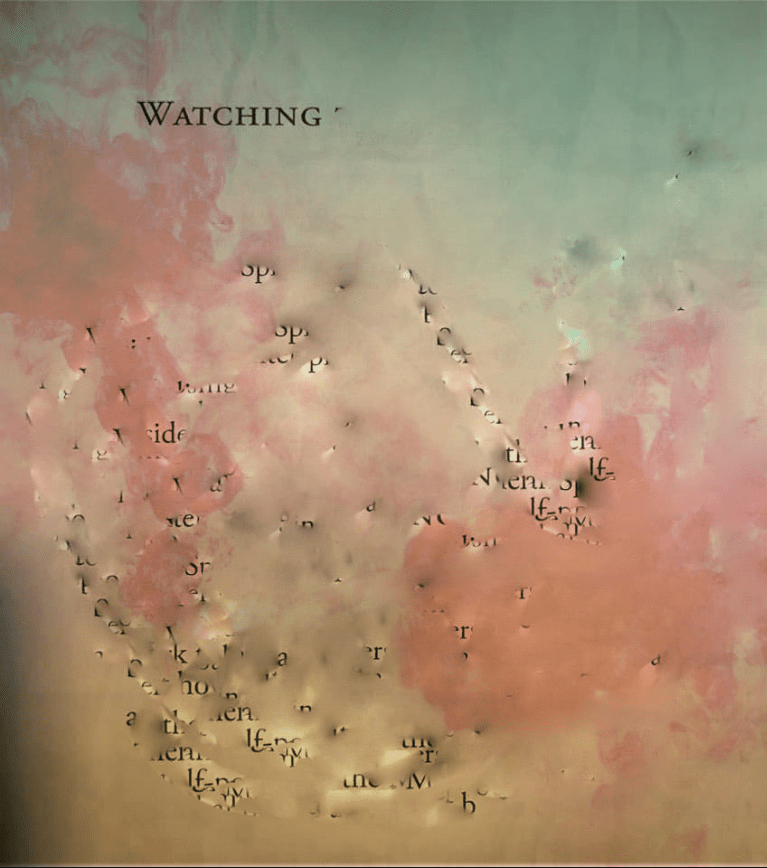



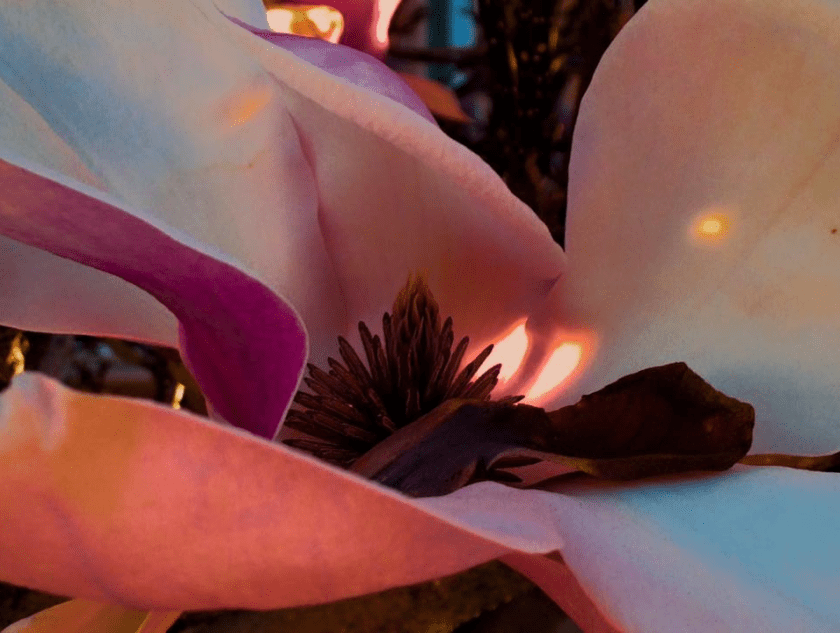
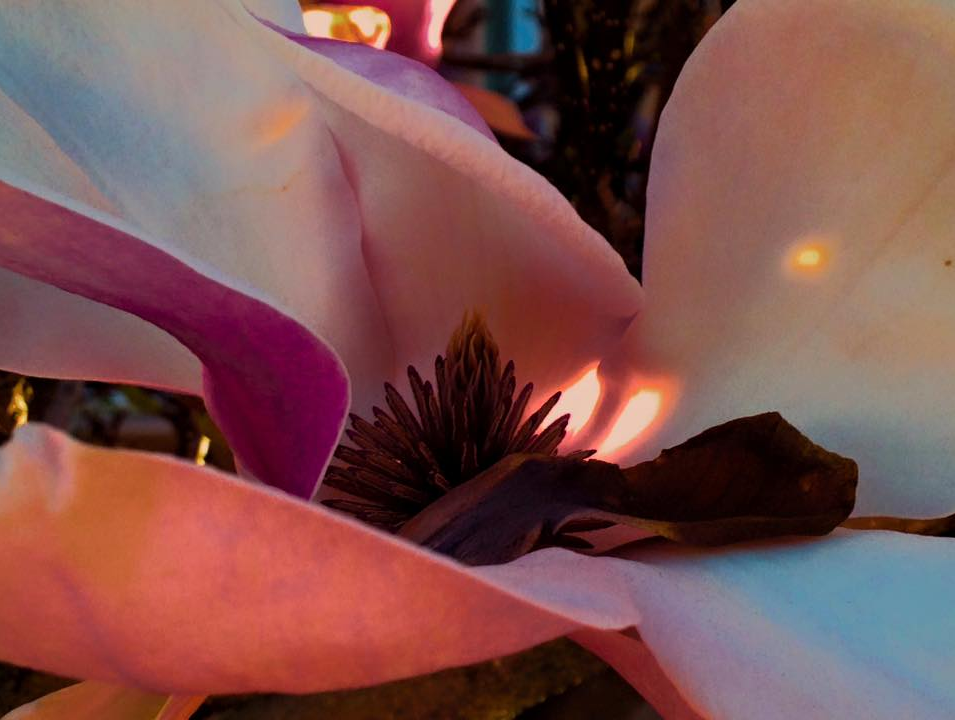

 Photo © 2020 Corina Ravenscraft All Rights Reserved
~ For Jamie ~
Gracious guide to my muse inside,
Joy lifted me every time we spoke.
Always so humble, yet beatified,
Mentor, mother, how our hearts broke
In two when we learned you’d be leaving.
Ever strong, you gently eased our grieving.
Dauntless, you waged fierce peace for us all.
Encouraged, blessed each effort we penned,
Delivered your maestro’s clarion call,
Even now, your love remains, without end.
Slip peacefully into the Bardo, Dear Friend…
Photo © 2020 Corina Ravenscraft All Rights Reserved
~ For Jamie ~
Gracious guide to my muse inside,
Joy lifted me every time we spoke.
Always so humble, yet beatified,
Mentor, mother, how our hearts broke
In two when we learned you’d be leaving.
Ever strong, you gently eased our grieving.
Dauntless, you waged fierce peace for us all.
Encouraged, blessed each effort we penned,
Delivered your maestro’s clarion call,
Even now, your love remains, without end.
Slip peacefully into the Bardo, Dear Friend… The BeZine