Posted in Charles W Martin, Photography/Photographer, poem, Poems/Poetry, poetry

photoshopping my life…

honey
i wish i could convert
my life’s composite image
into one of those digital negatives
cause then
i could upload the whole thing into photoshop
and get busy fixing it
first thing i would do
is put you on the background layer of my life
so every layer of my life
would include you
that would clear up a hell of a lot
next i’d take that healing tool
and run it over my heart a couple times
maybe more
depending on which layer of my life i’m looking at
next i’d use that sharpening tool
on my head
just to clear up
some of life’s little mysteries
like how can kindness be used
as a weapon against you
and why do lies sound
better than the truth
and how can god not act
when soulless men kill his children
before they have even begun
to breathe in the beauty of  life
then i’d bring into focus
all the lies that have been told
so folks would see them
for what they are
i’d add a little color to some folks
just to have them feel
what i have felt
oh and of course
i would definitely
use the eraser
well honey
you know how
i
would
use
that

– Charles W. Martin

© 2014, illustration and photo, Charles W. Martin, All rights reserved
678ad505453d5a3ff2fcb744f13dedc7-1CHARLES W. MARTIN (Reading Between the Minds) — earned his Ph.D. in Speech and Language Pathology with an emphasis in statistics. Throughout Charlie’s career, he maintained a devotion to the arts (literature/poetry, the theater, music and photography). Since his retirement in 2010, he has turned his full attention to poetry and photography. He publishes a poem and a photographic art piece each day at Read Between the Minds, Poetry, Photograph and Random Thoughts of Life. He is noted as a poet of social conscience. Charlie has been blogging since January 31, 2010. He has self-published a book of poetry entitled The Hawk Chronicles and will soon publish another book called A Bea in Your Bonnet: First Sting, featuring the renown Aunt Bea. In The Hawk Chronicles, Charlie provides a personification of his resident hawk with poems and photos taken over a two-year period. Charlie’s lastest book, When Spirits Touch, Dual Poetry, a collaboration with River Urke, is available through Amazon now.
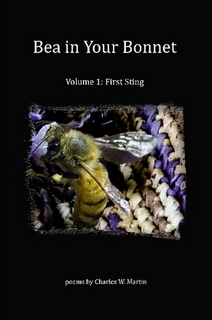
product_thumbnail.phpCharlie’s long awaited Aunt Bea Collection is out. He says, “Bea In Your Bonnet: First Sting is a collection of germinal poems featuring Aunt Bea. Aunt Bea’s voice is one I’ve heard almost every day of my life. Family observations, lessons, and advice given to me and every other family member who had the good sense to listen. Her homespun philosophy most likely will not be found in any collegiate textbooks or for that matter in any local town crier newspaper catering to city dwellers. Indeed, she has a different way of viewing the world; a bit old fashion, sassy, and steely at times but a viewpoint which has engaged my imagination and heart. I sincerely hope you too will find some morsel of wisdom in her personal observations and interpretations of life’s events, but do watch out for her stingers.”

Posted in Photography/Photographer, Video

Expanding the Circle: The Engaged Photographer

In this video, photographer and Moving Walls exhibition co-curator Susan Meiselas, an American documentary photographer, discusses documentary photography’s potential to connect and move audiences by “expanding the circle of knowledge” about human rights and social justice issues.

The video also features a variety of work by photographers supported by the Open Society Institute Documentary Photography Project. The project funds photographers who go beyond documentation, using images to foster civic engagement, organizing, advocacy, outreach, public awareness education, and media attention.

Opening photograph: © Eric Gottesman

Words and video courtesy of Open Society

Posted in General Interest, Naomi Baltuck, Photo Essay, Photography/Photographer

Tempest in a Teapot

When my daughter Bea and I were in England, I took her to the picturesque little town of Rye.


Rye was a Cinque Port, charged in 1155 by Royal Charter to provide ships for the royal navy, and rewarded with tax-exempt status and other privileges.

Rye was situated on the coast until The Great Storm of 1287 silted the harbor, and transformed the coastal port into a river port, two miles inland.

The town’s history is colorful, with smuggling, and raids by and against the French, just across the Channel. It’s also said to be the most haunted town in England. There’s the ghost of the girl who fell in love with a smuggler and was murdered by him for her indiscretion.  Turkey Cock Lane is haunted by the ghost of the monk bricked up alive behind a wall for trying to elope with a local lass. The mysterious boy wrapped in a shroud, and a pair of duelers reenacting their last fatal sword fight are just a few of the ghosts who frequent The Mermaid Inn.   So many stories!

Every house has a story.   In Rye, as with everywhere else in England, they like to give their houses a name.  White Vine House was very pretty.

On a narrow cobbled lane called Mermaid Street stands The Mermaid Inn, which dates back to 1156.

 It was remodeled in anticipation of a visit from Queen Elizabeth I.  On a previous trip, I stayed at The Mermaid in a room with a plaque on the door boasting that the Queen Mum had once spent the night in that very room.  I think I can truthfully say I have slept in the same bed, looked out the same window and, at least for a little while, sat on the same throne as Queen Elizabeth II’s mum!

The Mermaid Inn was so famous that the house across the street was known simply as “The House Opposite.”


We discovered an unusual house, with two front doors.  The owners called it, “The House With Two Front Doors.”  (Well, of course, they did!)  They even had the name painted on it in shiny gold paint.

The neighbors who lived next to The House With Two Front Doors also had a house with one distinguishing feature, a bench built into one side of the porch.  Maybe they thought the neighbors were getting too high and mighty, with their spiffy gold-painted signs and their highfalutin name.  In what seems a clear case of one downmanship, they too gave their house a name, and put up their own sign to let passersby know they were looking at “The House With the Seat.”

I want to know all the stories–big ones like The Great Storm that changed the whole coast of England overnight, compelling but heartbreaking ones like the Mary Stanford Lifeboat Disaster, in which the entire heroic rescue crew was drowned in a storm, trying to save survivors of a shipwreck who had already been saved.  Some of my favorite tales are the Tempests in the Teapots.  Those you won’t find in tour guides or history books, but you might be fortunate enough to stumble upon one.  A local told us stories about watching the filming of Cold Comfort Farm in Rye.  Afterwards we took afternoon tea in the teahouse where one scene was filmed.

Stories live all around us. Some fall into our lap like ripened fruit from a tree.  Others are hiding in nooks and crannies, waiting to be ferreted out.  Often we are left to speculate over the missing details–not unlike trying to read tea leaves in the bottom of the tea cup.  Who hid in the priest hole over the fireplace at The Mermaid Inn?  Who was left to mourn the seventeen lads lost in the Mary Stanford disaster?  Do the occupants of The House With Two Front Doors and those of The House With the Seat ever sit down together for a cup of tea?

All images and words c2013 by Naomi Baltuck

NaomiPHOTO1-300ppi51kAqFGEesL._SY300_NAOMI BALTUCK ~ is a Contributing Editor and Resident Storyteller here410xuqmD74L._SY300_ at Bardo. She is a world-traveler and an award-winning writer, photographer, and story-teller whose works of fiction and nonfiction are available through Amazon HERE. Naomi presents her wonderful photo-stories – always interesting and rich with meaning and humor – at Writing Between the Lines, Life from the Writer’s POV. She also conducts workshops such as Peace Porridge (multicultural stories to promote cooperation, goodwill, and peaceful coexistence), Whispers in the Graveyard (a spellbinding array of haunting and mysterious stories), Tandem Tales, Traveling Light Around the World, and others. For more on her programs visit Naomi Baltuck.com

Posted in Film/Documentaries/Reviews, Photography/Photographer

Through a Lens Darkly: How African-Americans Use Photography to Shape Their Cultural Representation

Another post in our celebrations of interNational Photography Month.

Posted in Essay, Photography/Photographer, Spiritual Practice, Terri Stewart

Sacred Space and Photography: Light

This month is interNational Photography month! Here at The Bardo Group, we will be playing with this theme all month-long. On Sundays, we will be focusing on where the practice of photography intersects with our own experience and expression of spirituality.

In my journey with photography, I have become more aware of light. The presence of light, the absence of light, how it causes reflection, my friend, Paul Jeffrey, told us once that he always turns the flash off, taking advantage of natural light. (I’m sure the rule is “almost always.”) I find that in photographing nature, that I try to stick to that rule and rely on photo-editing software to help me out if I need it. He also taught us how to make a faux tripod to steady ourselves when our shutter speed is taking just a little bit too long.

Light is a dominant theme in religious traditions also.

  • Christianity: “The light shines in the darkness and the darkness did not overcome it.” (John 1:5),
  • Islam: “Knowledge makes you free from the chains of ignorance, and revives your heart, knowledge takes you out from the darkness of suspicions and superstitions, and gives a new light to your eyes. (Hazrat Abu Ali Saqfi)
  • Judaism: “I will say to the prisoners, ‘Go free!’ and to those who are in darkness, ‘Come out to the light!’ (Isaiah 49:9)
  • Buddhism: “Doubt everything. Find your own light.” (Gautama Buddha)
  • Hinduism: “One who kindles the light of awareness within gets true light.” (Unattributed)
  • Baha’i: “Grant that the light of unity may envelop the whole earth.” (Bahá’u’lláh)

The general thrust is that light is a metaphor for that which brings us to a higher consciousness or awareness, provides hope, guidance, and love. It is a beautiful thing when, through appropriate use of light, we can communicate a deeper exploration of these qualities—awareness of what is unseen, hope, love, beauty—a very real reflection of life. And sometimes, light lets you see something in a different way.

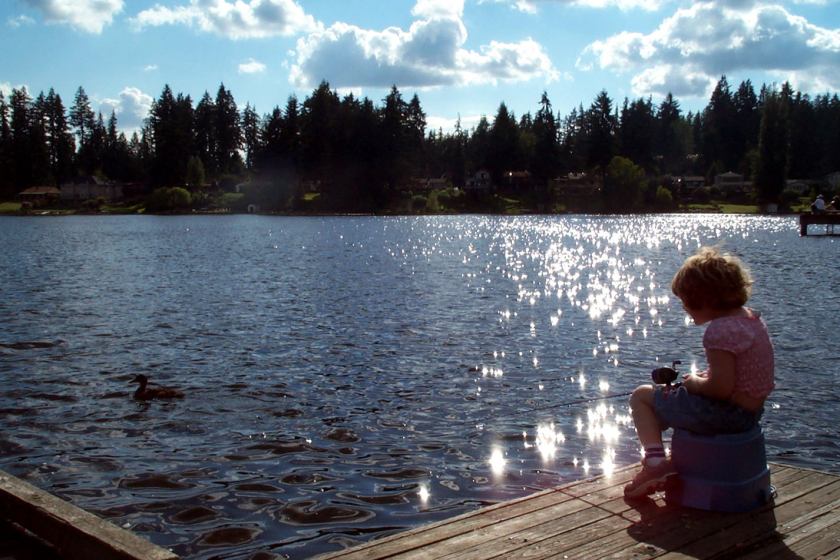
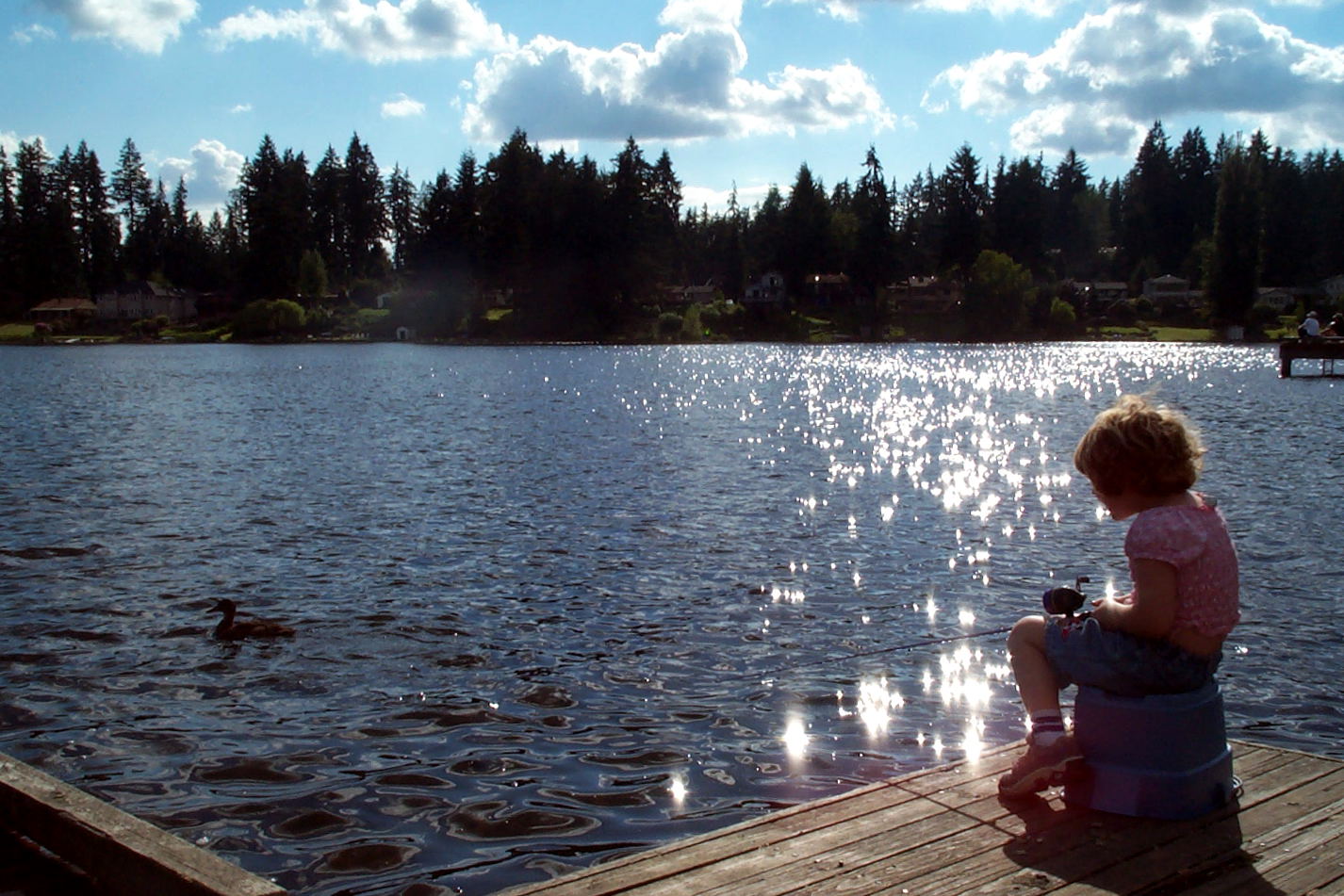
My favorite picture that I’ve ever taken of one of my children captures light and it seems, to me, to convey innocence and an essential quality of “child” that is so easy to forget. This is an old photo, by the way! And the picture isn’t perfect, but it still conveys a lightness of being that transcends the particular quality of the photo.

by Terri Stewart CC License (BY-NC)
by Terri Stewart
CC License (BY-NC)

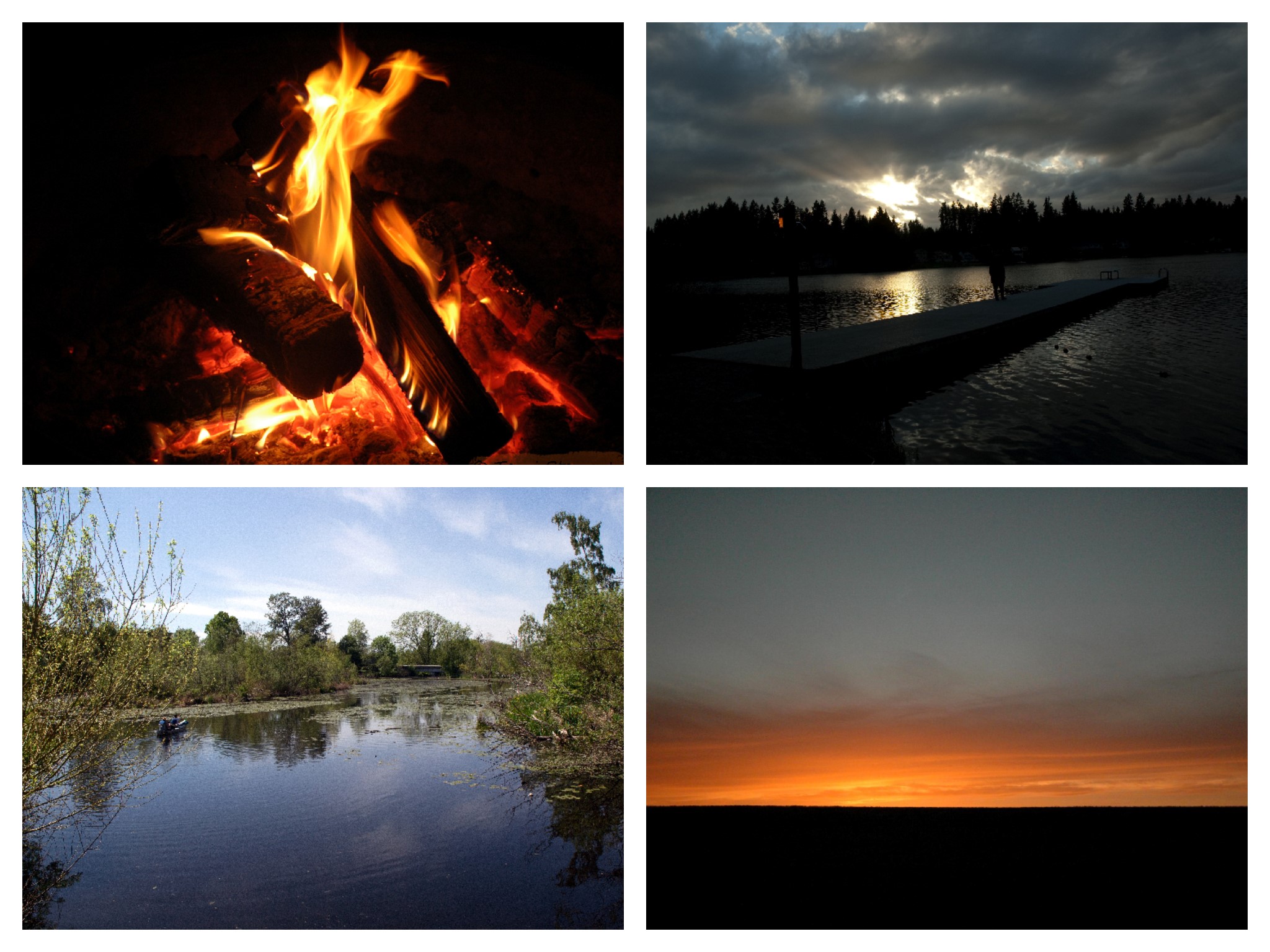
How do the following pictures and their use of light point to something beyond the images captured in the photo?

Light Collage by Terri Stewart
Light Collage
by Terri Stewart

What do thoughts of light lead you to? Do you have a favorite photo that features light or the absence of light?


Shalom and Amen!

Post by Terri Stewart, 2014
Photography, CC License (CC BY-NC)

terriTerri Stewart ~ a member of our Core Team,  comes from an eclectic background and considers herself to be grounded in contemplation and justice. She is the Director and Founder of the Youth Chaplaincy Coalition that serves youth affected by the justice system. As a graduate of Seattle University’s School of Theology and Ministry, she earned her Master’s of Divinity and a Post-Master’s Certificate in Spiritual Direction with honors and is a rare United Methodist student in the Jesuit Honor Society, Alpha Sigma Nu. She is a contributing author to the Abingdon Worship Annual.

Her online presence is “CloakedMonk.” This speaks to her grounding in contemplative arts (photography, mandala, poetry) and the need to live it out in the world. The cloak is the disguise of normalcy as she advocates for justice and peace. You can find her at www.cloakedmonk.com,www.twitter.com/cloakedmonk, and www.facebook.com/cloakedmonk.  To reach her for conversation, send a note to cloakedmonk@outlook.com.


Posted in Art, Disability, Photography/Photographer, Wendy Alger

About my friend, Wendy Alger, Fine Art Photographer

WENDY ALGER (b. 1972), Chicago, IL, U.S.A.

Fine Art Photography

“Photography. It’s like music … It’s like your favorite song, something you can listen to over and over and over again. You try to explain it to some and you can’t. That’s the feeling it gives me. It’s like traveling and you want to tell everyone how great it was … and I have that experience every time I pick up a camera.” Wendy Alger

My friend, Wendy Alger, is a talented photographer, now still active though legally blind. Wendy pursued the craft of photography as a hobby until another friend of hers suggested that she become a photographer. Wendy thought that sounded just right and a natural thing to do since both her parents were photography enthusiasts. Wendy’s dad supported her new goal and gave her one of his cameras and some lenses. And so the story begins …

At the time when this adventure started, Wendy owned an old ’68 Mustang. She’d drive around, listening to music. When something called out to her, she’d stop and take photographs. Thus Wendy began to learn what subjects appealed. “I photographed everything that felt right and compelled me to keep taking photographs.” Slowly, she discovered the artful photographer within and her own distinctive style. “I enrolled at the Academy of Art University in San Francisco and trained there, where I learned manual SLR. I also learned how to use a dark room.”
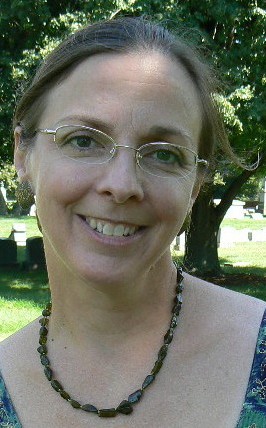
I am always surprised and delighted with the remarkable results Wendy manages despite the limitations of her sight due to retinitis pigmentosa. Quite a bit older than Wendy, I cut my own photo visionings using a Brownie and have not graduated much beyond that. My camera is digital, but it’s just a simple budget-wise P.H.D. (Push Here Dummy) camera.  Wendy, however, uses newer, better quality and more complex equipment than mine and tells me that these newer technologies facilitate the practice of her craft.  “I use a digital camera and I can check my pictures on the camera instead of in a dark room. Nowadays, my darkroom is a laptop, Photoshop and Photoshop Lightroom. This allows me to transform and print my images at home. I also use visual memory … I remember feeling to get through a photo session.”
Wendy’s long-term goal:

“To have my artwork displayed in the same building as Walker Evans in my lifetime – not after – during! My vision problems are not stopping me. I never even think about that. After I was diagnosed and as soon as I got the money I bought my digital camera.”

Here is a small gallery of Wendy’s recent work with a digital camera. The photo at the head of the post and the first one below are self-portraits. Wendy’s photographs are copyright protected. You can see more of her work HERE. She’s now in the process of updating her site.

– Jamie Dedes

© photographs, 2011 Wendy Rose Alger, All rights reserved

Photo on 2014-03-31 at 17.16 #3kif_0858-1JAMIE DEDES (The Poet by Day)~ I am a medically retired (disabled) elder and the mother of a married son. The graces of poetry, art, music, writing and reading continue to evolve as a sources of wonder and solace, as creative outlets, and as a part of my spiritual practice. My Facebook pages are: Jamie Dedes (Arts and Humanities) and Simply Living, Living Simply.

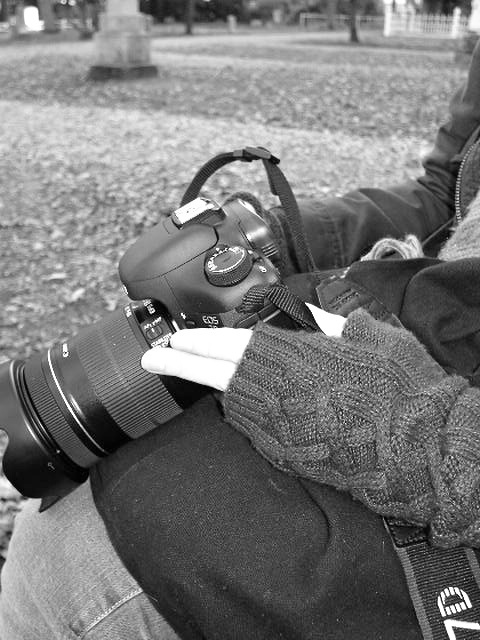
The photograph to your right, Portrait of a Photographer, which some will recognize as the photo I used for Wordless Wednesday, is a portrait of Wendy. I guess it might be more correct to say it’s a portrait of the camera not the photographer, though it was meant to capture the spirit in which Wendy works. I took the photograph some years ago when we spent an afternoon at Union Cemetery in Redwood City, Wendy pursuing art and me as chauffeur and tag-along doing the best I could. My own portrait here is a selfie captured using the photo feature on my MacBook. Happy interNational Photography Month.

Posted in Photography/Photographer, Priscilla Galasso, Wordless Wednesday

interNational Photography Month: Wordless Wednesday

“A picture is worth a thousand words.”  So said sources from the early 20th century, and advertising and marketing departments were quick to adopt this maxim.  Images became icons; symbols got recognition and replicated themselves.  In our viral age, this happens in a nanosecond.  We are bombarded with so many images in a day that we simply filter out most of them.  Junk mail, pop-ups, video clips and trademarks pass in and out of our field of vision at an alarming rate. 

When was the last time you looked at an image for more than 10 seconds?  When was the last time you stood in a museum or gallery in front of an image for more than 10 minutes?  Was that image a photograph? 

Suppose we create a virtual photographic museum here on Bardo.  Share with us a photo that you have taken that will draw us into some full minutes of contemplative focus.  It may be a photograph that tells an entire story in itself.  It may be a place to which we’re drawn, compelled to step into the frame.  It may be a portrait of a face that speaks volumes of stories.  (What’s interesting to note is that we, like infants, will look long into the faces of people, especially those to whom we feel strongly connected.) Perhaps one of these photographs will inspire a story or essay in the writers amongst us for a future time….for now, let it be wordless.  Here are some from my collection to “prime the pump”.


YOU ARE INVITED TO SHARE YOUR PHOTOGRAPHS WITH US.

PLEASE LINK THEM TO THIS SITE USING MISTER LINKY BELOW

OR LEAVE THE LINK IN THE COMMENTS SECTION

THE LINK WILL STAY OPEN FOR 72 HOURS AND PRISCILLA WILL VISIT AND COMMENT

WE HOPE YOU WILL ALSO VISIT ONE ANOTHER TO COMMENT AND ENCOURAGE

004PRISCILLA GALASSO ~ started her blog at scillagrace.com to mark the beginning of her fiftieth year. Born to summer and given a name that means ‘ancient’, her travel through seasons of time and landscape has inspired her to create visual and verbal souvenirs of her journey.

Currently living in Wisconsin, she considers herself a lifelong learner and educator. She gives private voice lessons, is employed by two different museums and runs a business (Scholar & Poet Books, via eBay and ABE Books) with her partner, Steve.

Posted in General Interest, Photography/Photographer

Photographs “are made with the eye, heart and head.” French Photographer Henri Cartier-Bresson: The Decisive Moment

This slideshow requires JavaScript.

Cartier-Bresson’s, The Decisive Moment, the 1952 US edition of Images à la sauvette. The book contains the term “the decisive moment” now synonymous with Cartier-Bresson:

“There is nothing in this world that does not have a decisive moment.”

“It is an illusion that photos are made with the camera… they are made with the eye, heart and head.” – Henri Cartier-Bresson (1908-2004), French photograph said to be the father of photojournalist

Posted in Essay, Photography/Photographer, Spiritual Practice, Terri Stewart

Sacred Space in Photography: Perspective

This month is interNational Photography month! Here at The Bardo Group, we will be playing with this theme all month-long. On Sundays, we will be focusing on where the practice of photography intersects with our own experience and expression of spirituality.

Perspective is how we look at things. In a lot of ways it can be correlated with our privilege. When we have a lot of privilege in terms of social, economic, and political capital, we tend to see things from an empowered or “power over” perspective. When we have don’t have a lot of privilege, we tend to see things from a “power under” perspective. So our perspective on life or power placement has a lot to do with how we encounter others.

In my religious tradition, and in most spiritual movements (in my understanding), there is a movement to put power down and to empower those who have little power. Just a sampling:

  • Christianity has the beatitudes as a starting point,
  • Islam has the practice of charity,
  • Judaism has the call to care for the widow, the orphan, and the stranger among us,
  • Buddhism feels it is important to support the poor and needy,
  • Hinduism practices that all life forms are respected and should be treated well.
  • Baha’i faith which embraces loving kindness for all life forms and truth in all sacred scriptures (thank you to readers for adding on!)

And it goes on! So it seems that in the great religious traditions, the practice of caring for those who are among “the lost, the least, and the lonely” is of paramount importance. I think the challenge is moving from a position of “power over” to a position of “power with.” This involves a change of perspective. (See, I’m getting to the photographic point!)

I think that if our spiritual practices support our daily living, we will have more effective daily living! If we need to work on finding different perspectives from “power over,” then one way to do it is through photography as a spiritual practice.

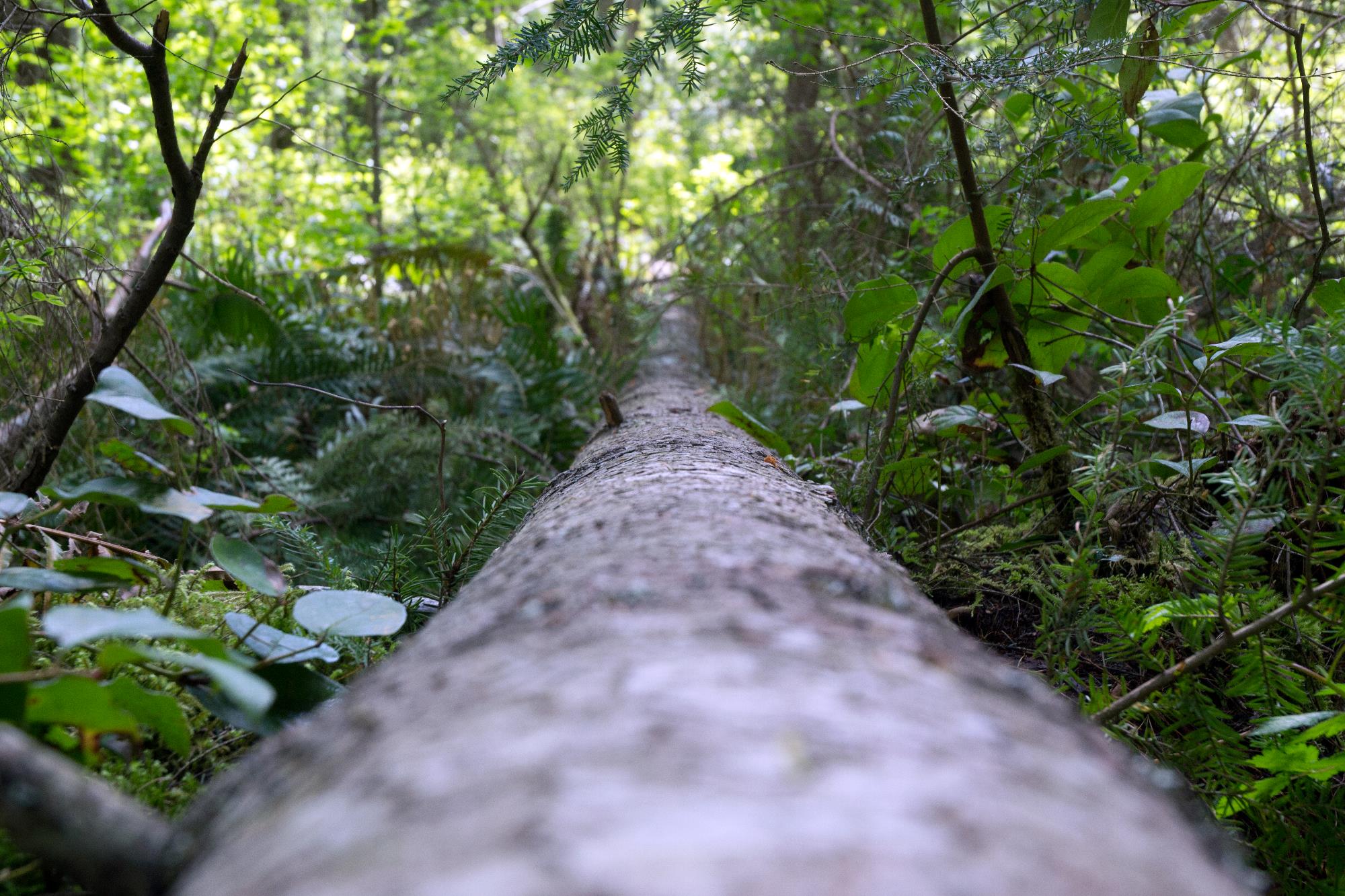
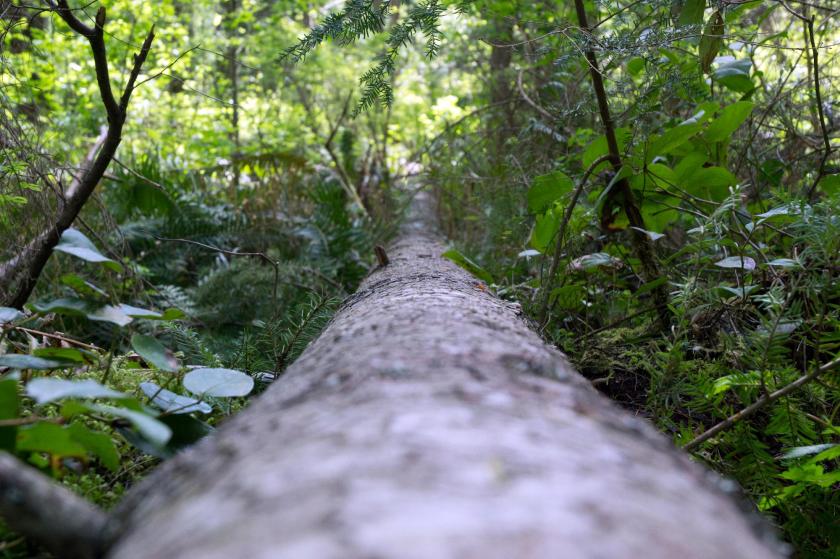
How we see things tells a story. Perspective is a spiritual practice and can be embodied in our photography practice. How does it change your view if, instead of being up high as an adult, you crouched down or laid down? One recent photo I took is a great example for perspective. One of my friend’s comment was: “I wish I had a mouse on a skateboard!” Which brought an even new viewpoint because I definitely would not have thought of that! However, once she said that, I now have a perpetual picture of a mouse playing on the below log.

perspective

To get this photo, I had to crouch way down onto the log and become one with the dirt. It looks way cool from here. The photo from standing up is not nearly as fun. It loses the “going on forever” perspective.

Over time, I’ve gotten better at thinking of doing this—of finding new perspectives. The same is true in my life—almost to a fault! I might over-identify with some of my people who are among the lost, the least, and the lonely. Sometimes. But by noticing new perspectives in photography, it models for me new perspectives in my spiritual life and then new perspectives in my lived life.

  • See the world in a new way
  • See the divine in a new way
  • See others in a new way

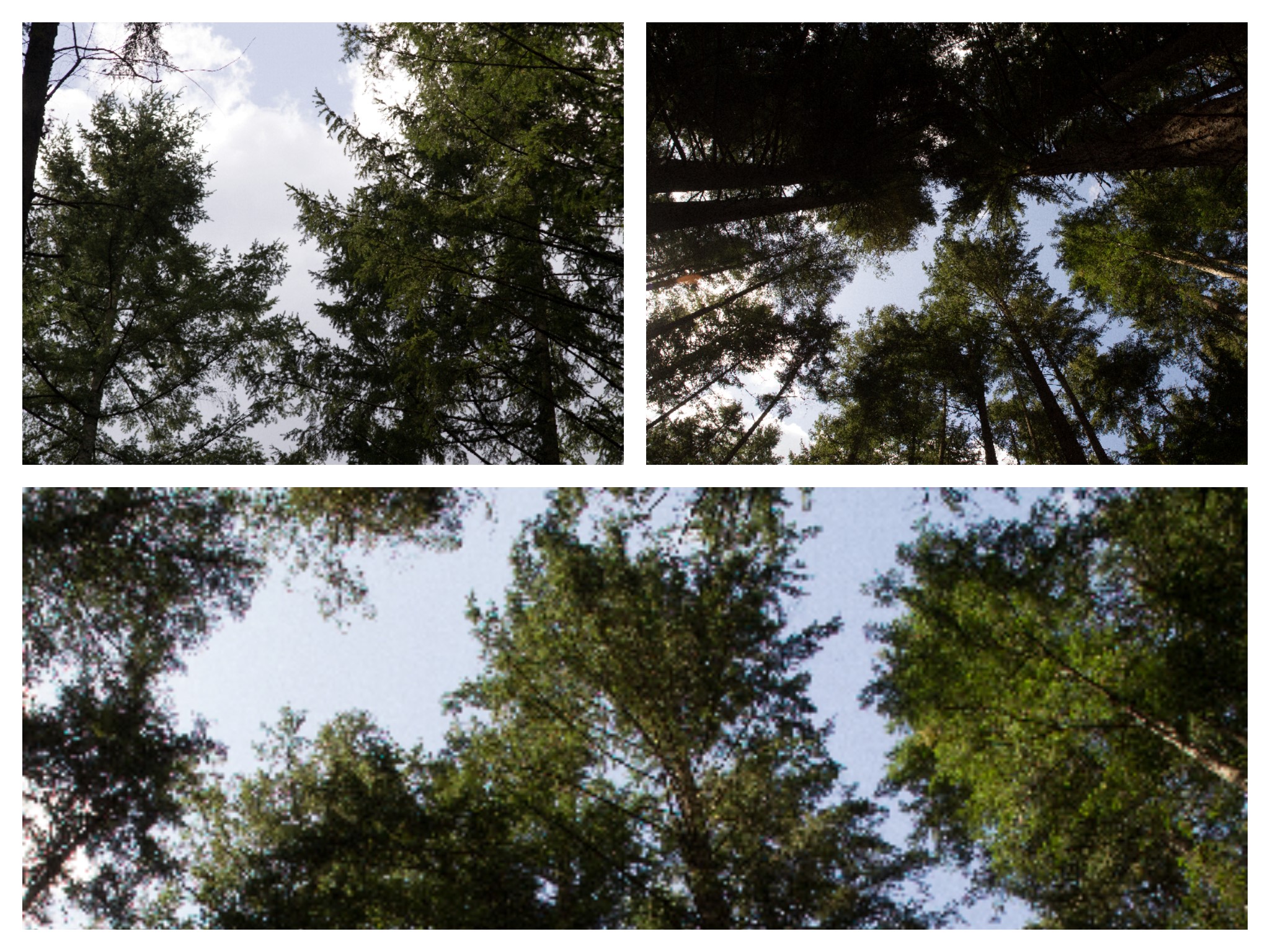
Below are three photos of trees—the same trees with different perspectives (on the same hike). I think each one tells a different story.

treecollage

Applying this to the ideas of perspective & our story as embodied in relationships of power over, power with, or power under—how can we develop the flexibility to enter into another perspective?

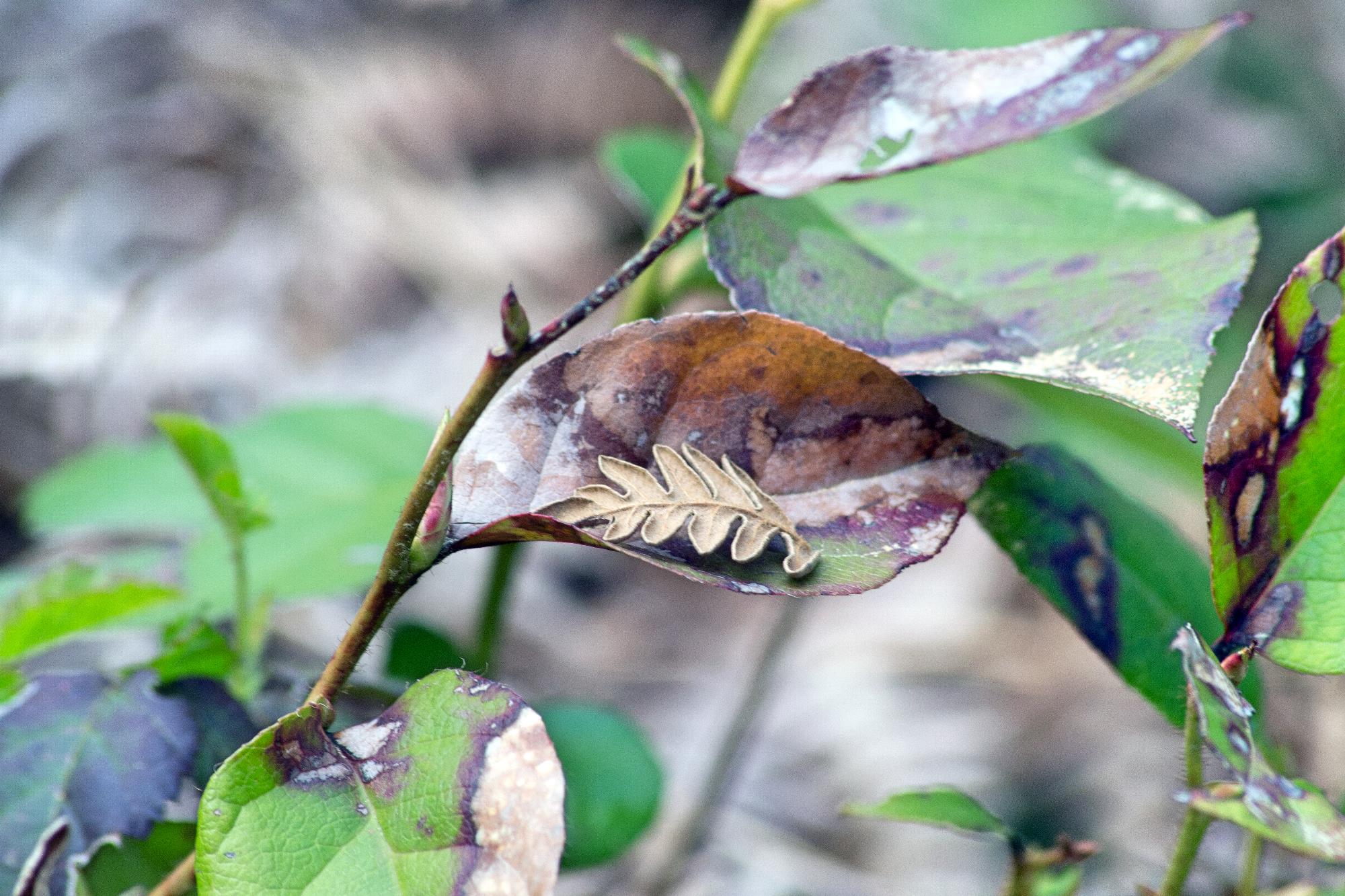
You never know what you will see when you begin to enter into another perspective. I found this lovely leaf cradling a little tiny leaf. How beautiful! And it makes me remember the way we should cradle one another.

leafinleaf

Who will you cradle today by seeing something with a new perspective?

Shalom and Amen!

Post by Terri Stewart, 2014
Photography, CC License (CC BY-NC)

terriTerri Stewart ~ a member of our Core Team,  comes from an eclectic background and considers herself to be grounded in contemplation and justice. She is the Director and Founder of the Youth Chaplaincy Coalition that serves youth affected by the justice system. As a graduate of Seattle University’s School of Theology and Ministry, she earned her Master’s of Divinity and a Post-Master’s Certificate in Spiritual Direction with honors and is a rare United Methodist student in the Jesuit Honor Society, Alpha Sigma Nu. She is a contributing author to the Abingdon Worship Annual.

Her online presence is “CloakedMonk.” This speaks to her grounding in contemplative arts (photography, mandala, poetry) and the need to live it out in the world. The cloak is the disguise of normalcy as she advocates for justice and peace. You can find her at www.cloakedmonk.com,www.twitter.com/cloakedmonk, and www.facebook.com/cloakedmonk.  To reach her for conversation, send a note to cloakedmonk@outlook.com.


Posted in General Interest, Mental Health, Photography/Photographer

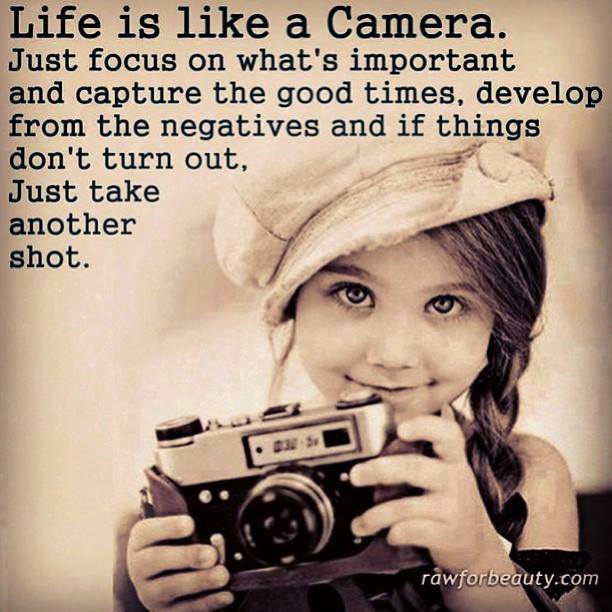
Life is like a camera …

10174913_10152114069673030_5496555897153827500_n

photographic inspiration for a

HAPPY interNATIONAL PHOTOGRAPHY MONTH!


and a joy-filled life!


You are invited to share your photography

with us here on May 14 for Wordless Wednesday

hosted by Priscilla Galasso (scillagrace)


Posted in General Interest, Liz Rice-Sosne, Photo Essay, Photography/Photographer

The Saint Louis Arch . . . A Meditation.

St_Louis_night_expblend_cropped

Credit Wikipedia

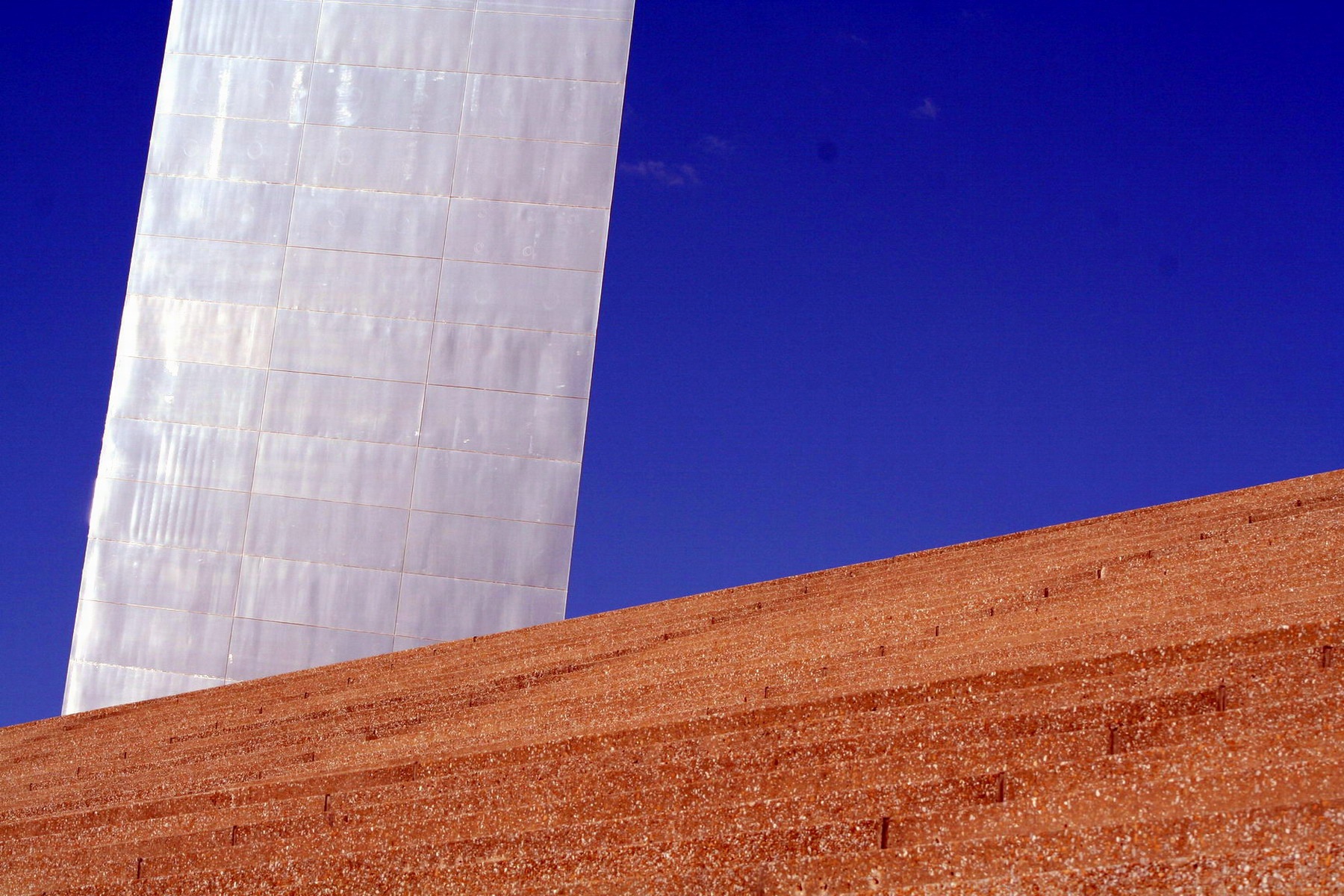
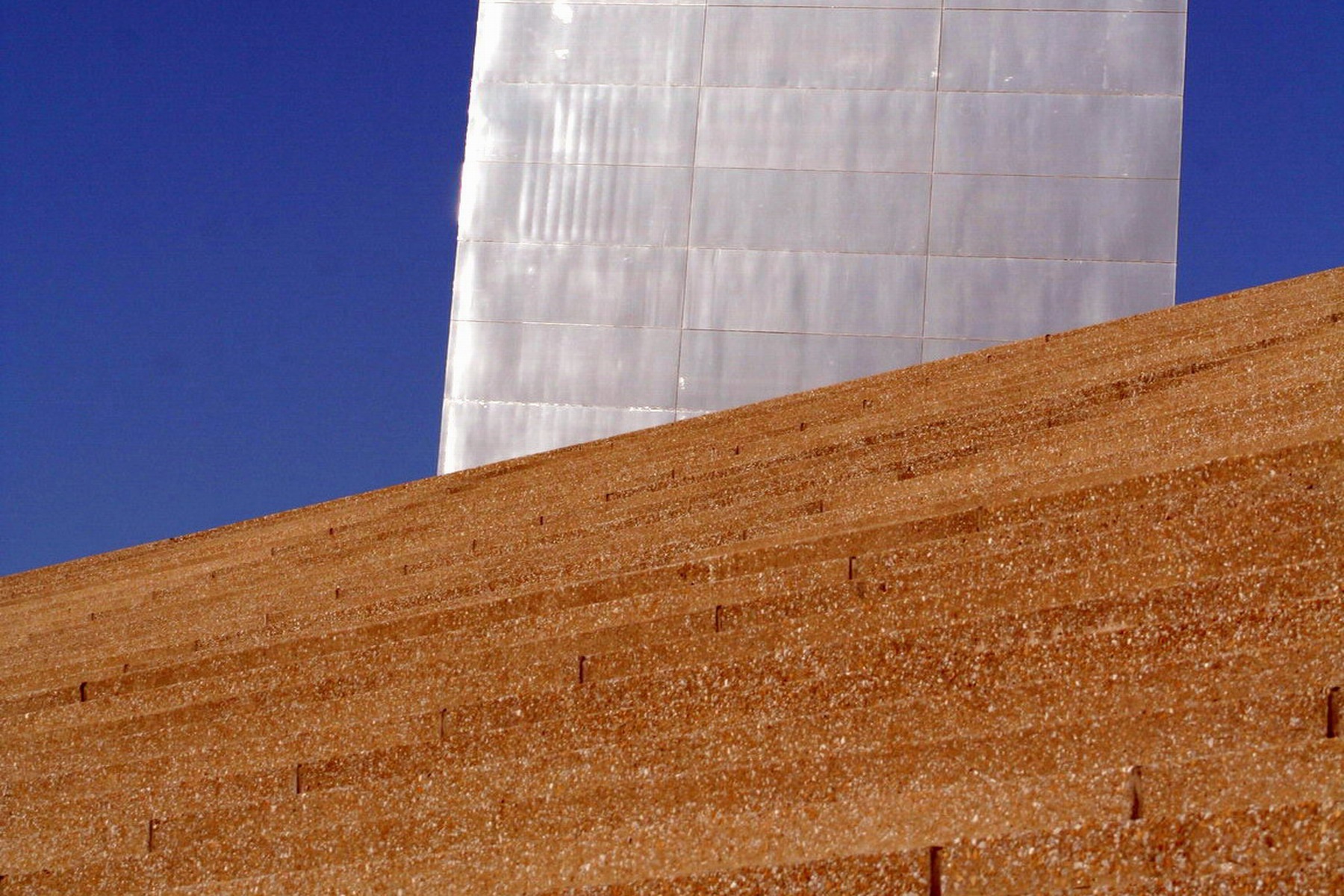
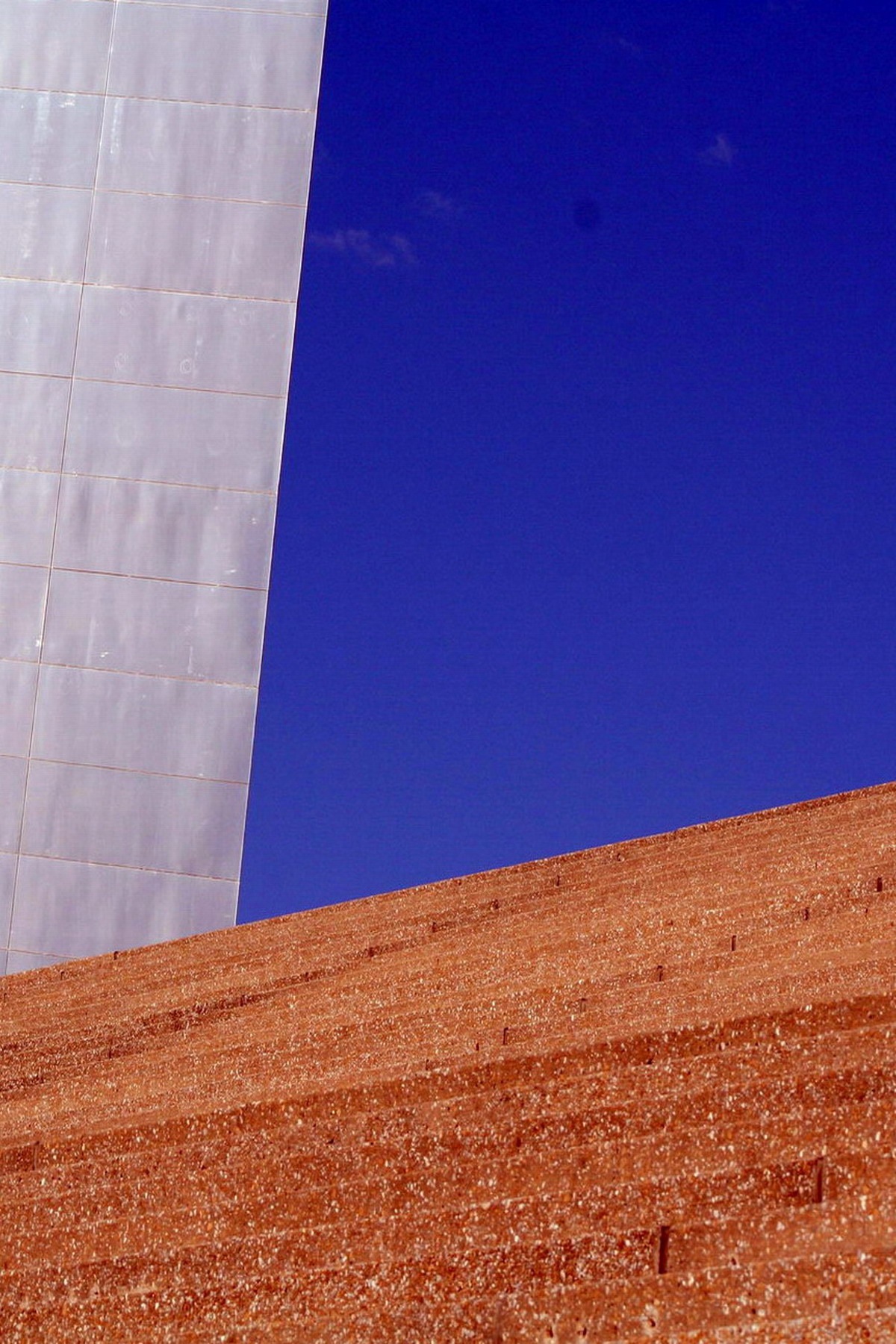
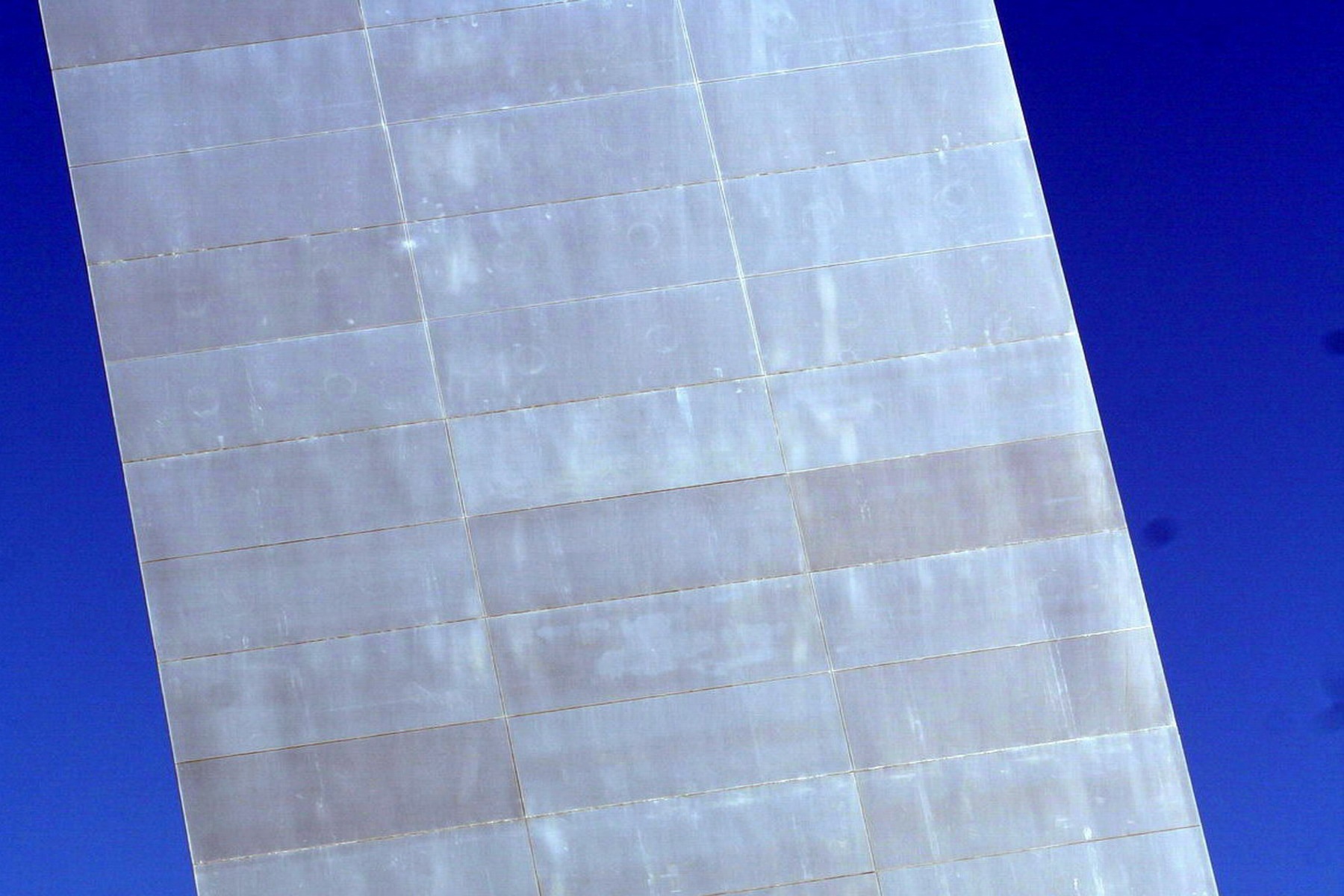
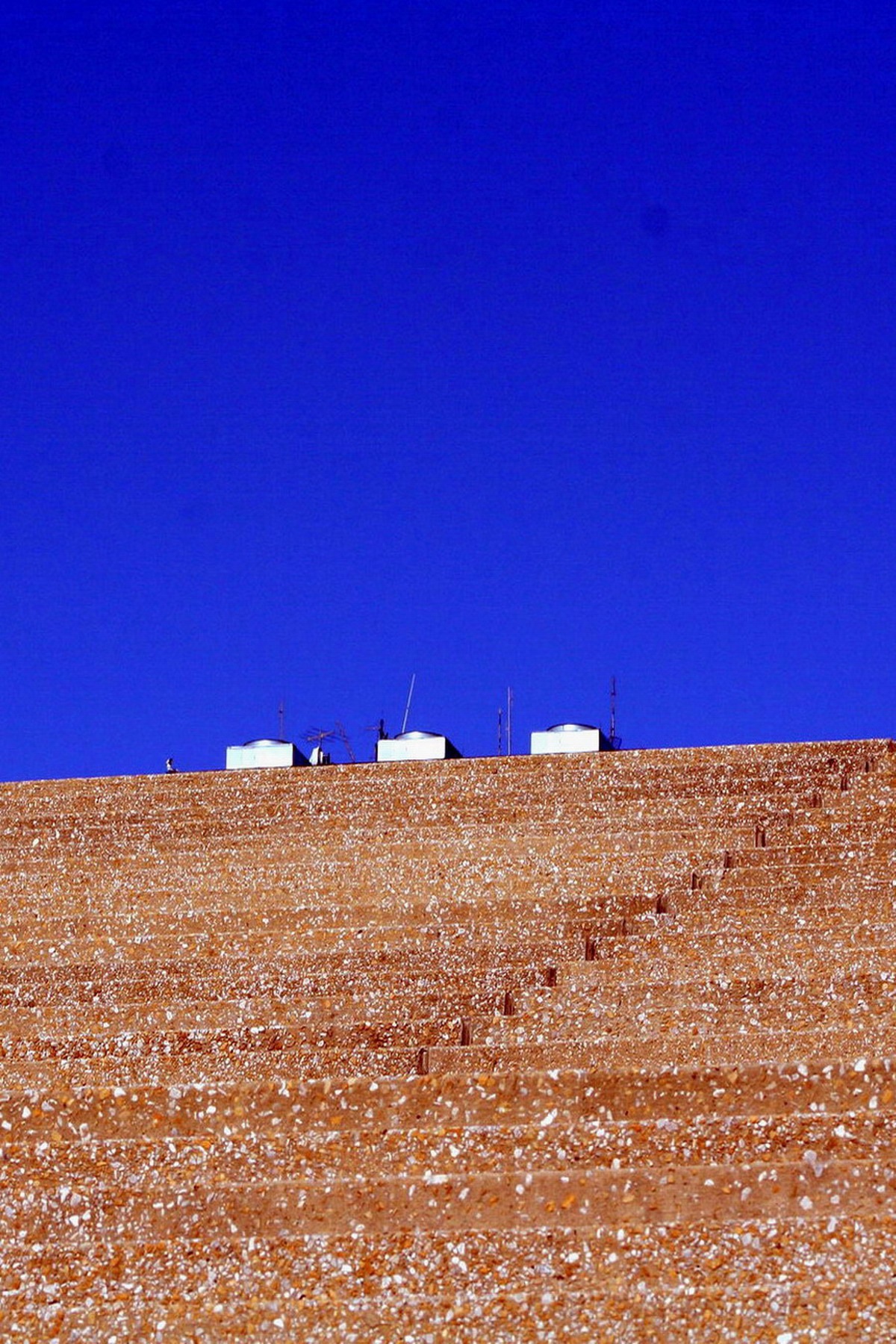
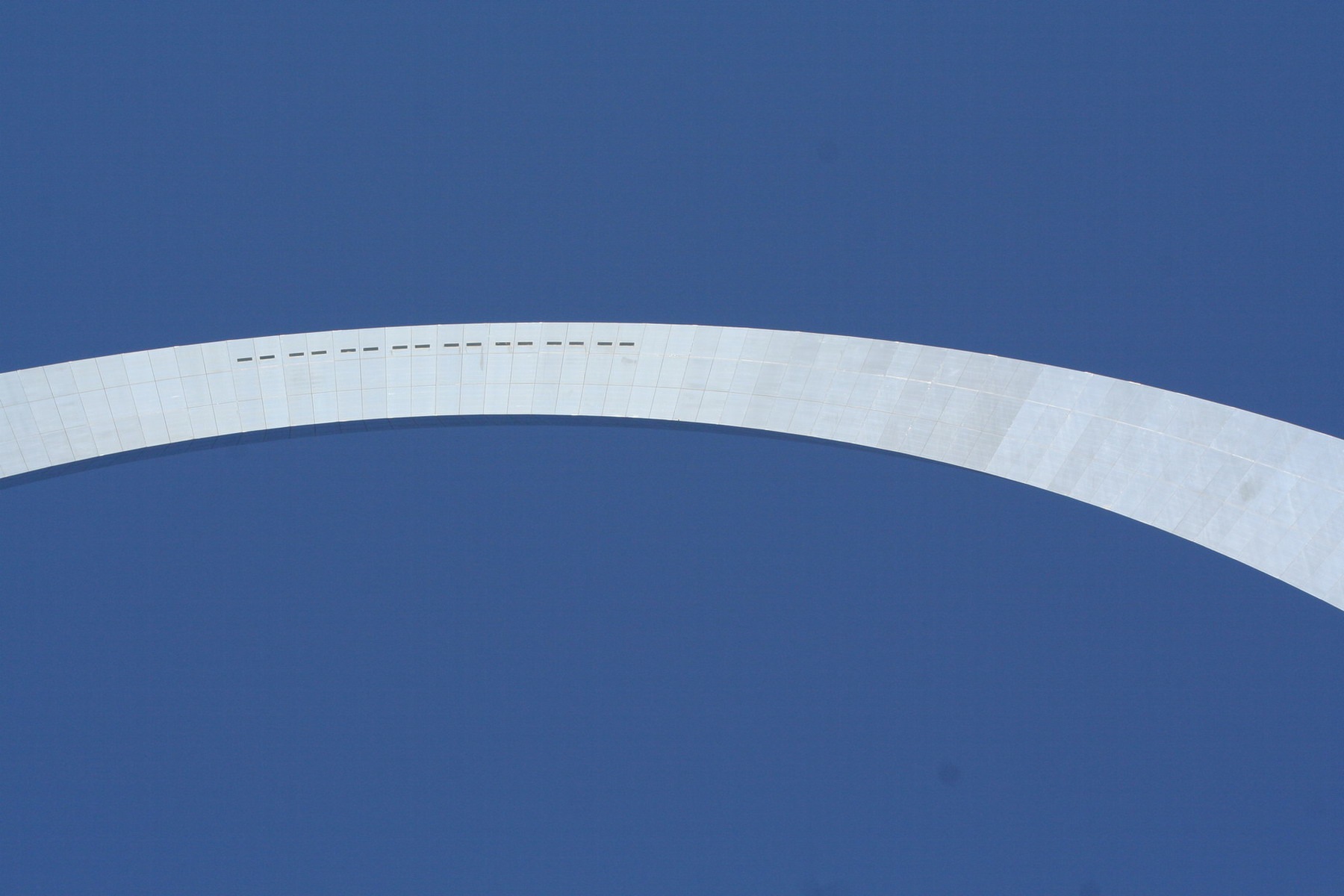
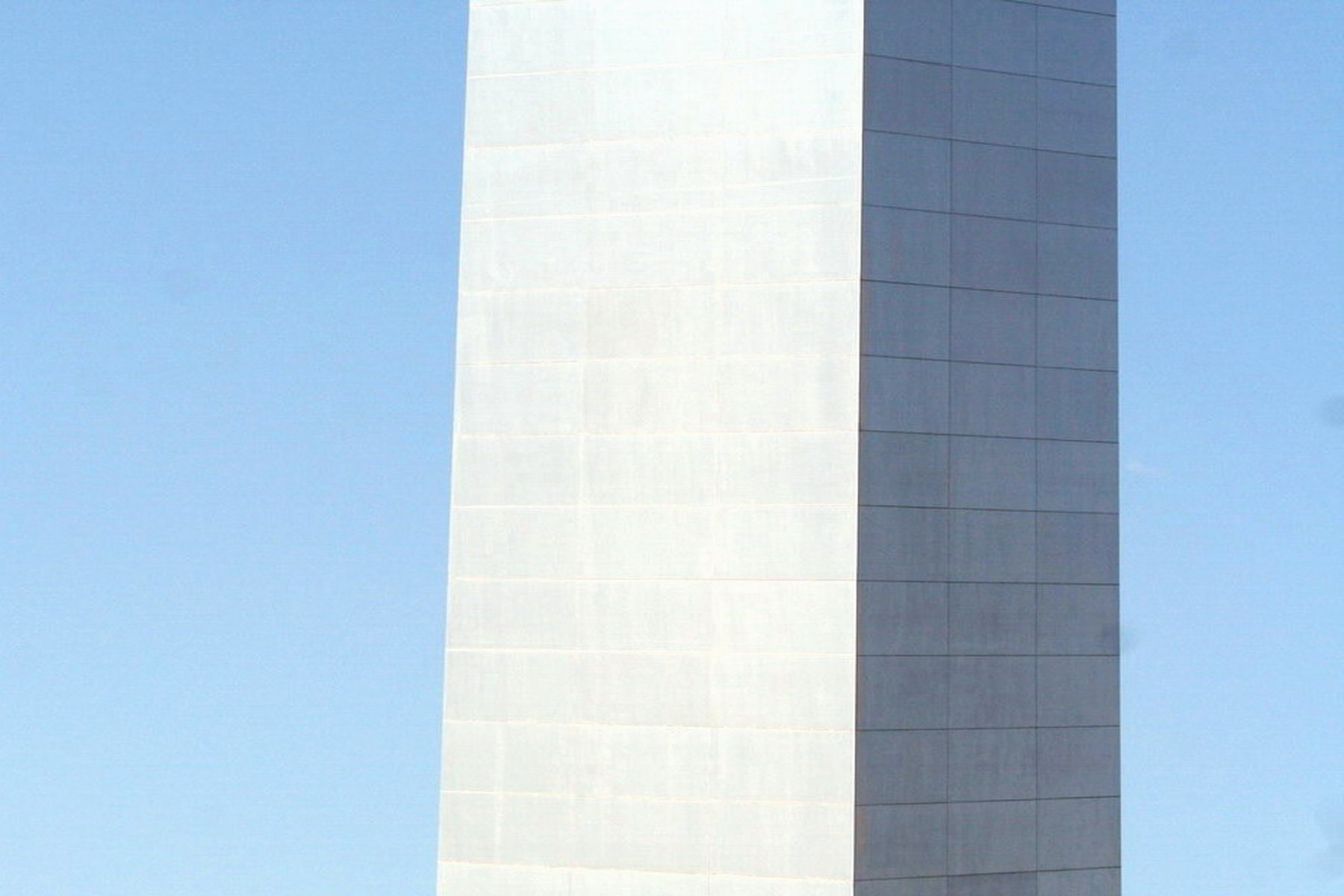
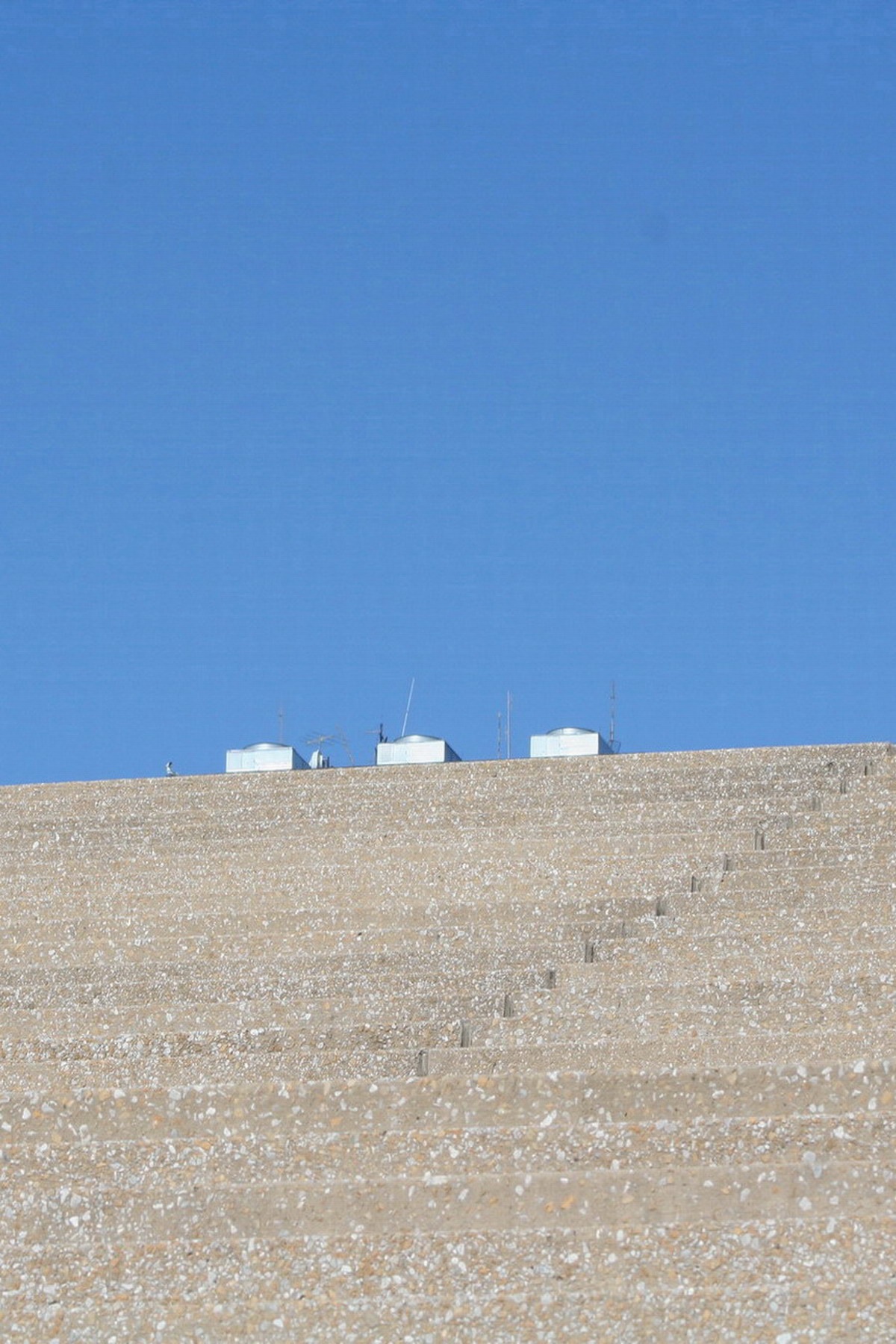
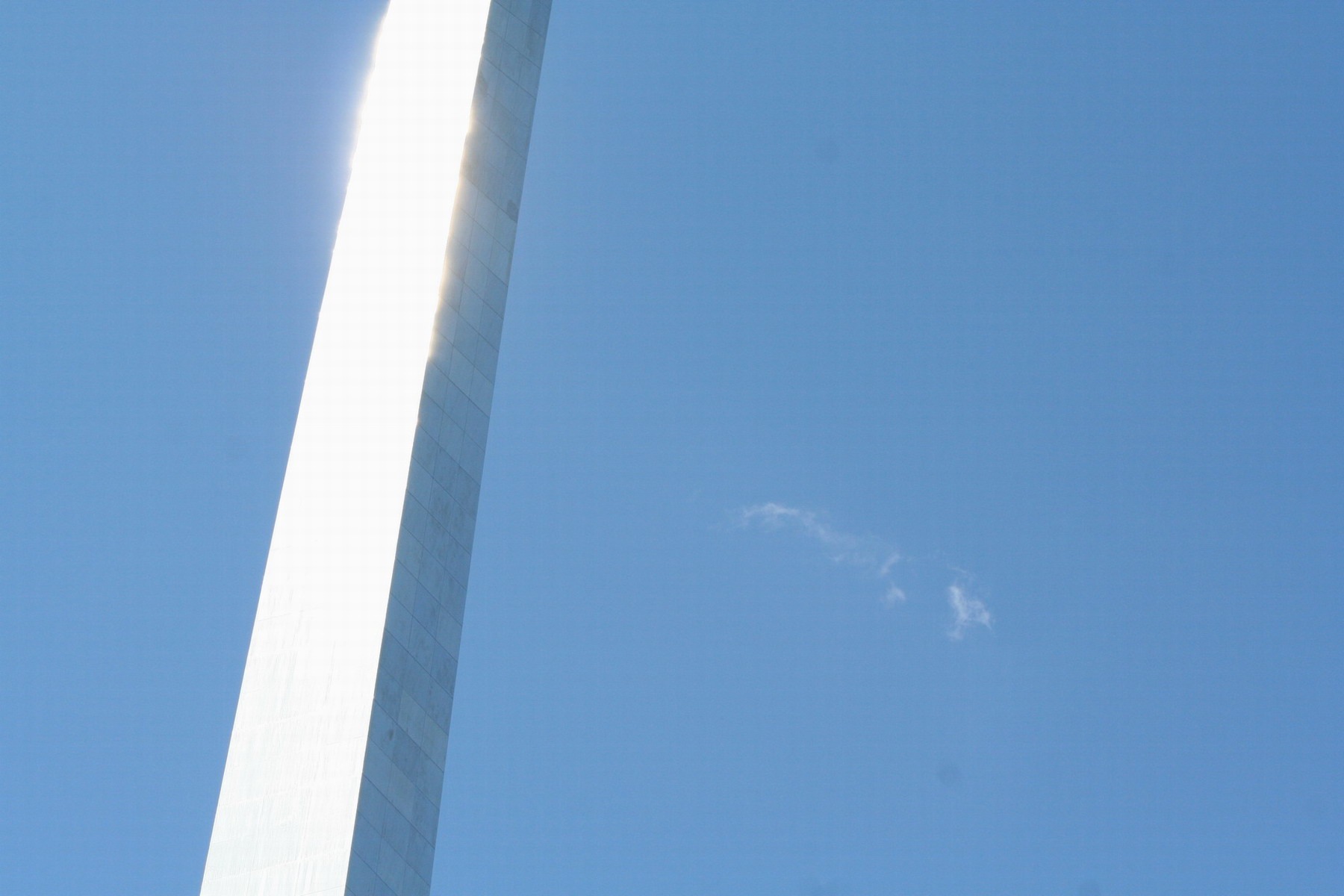
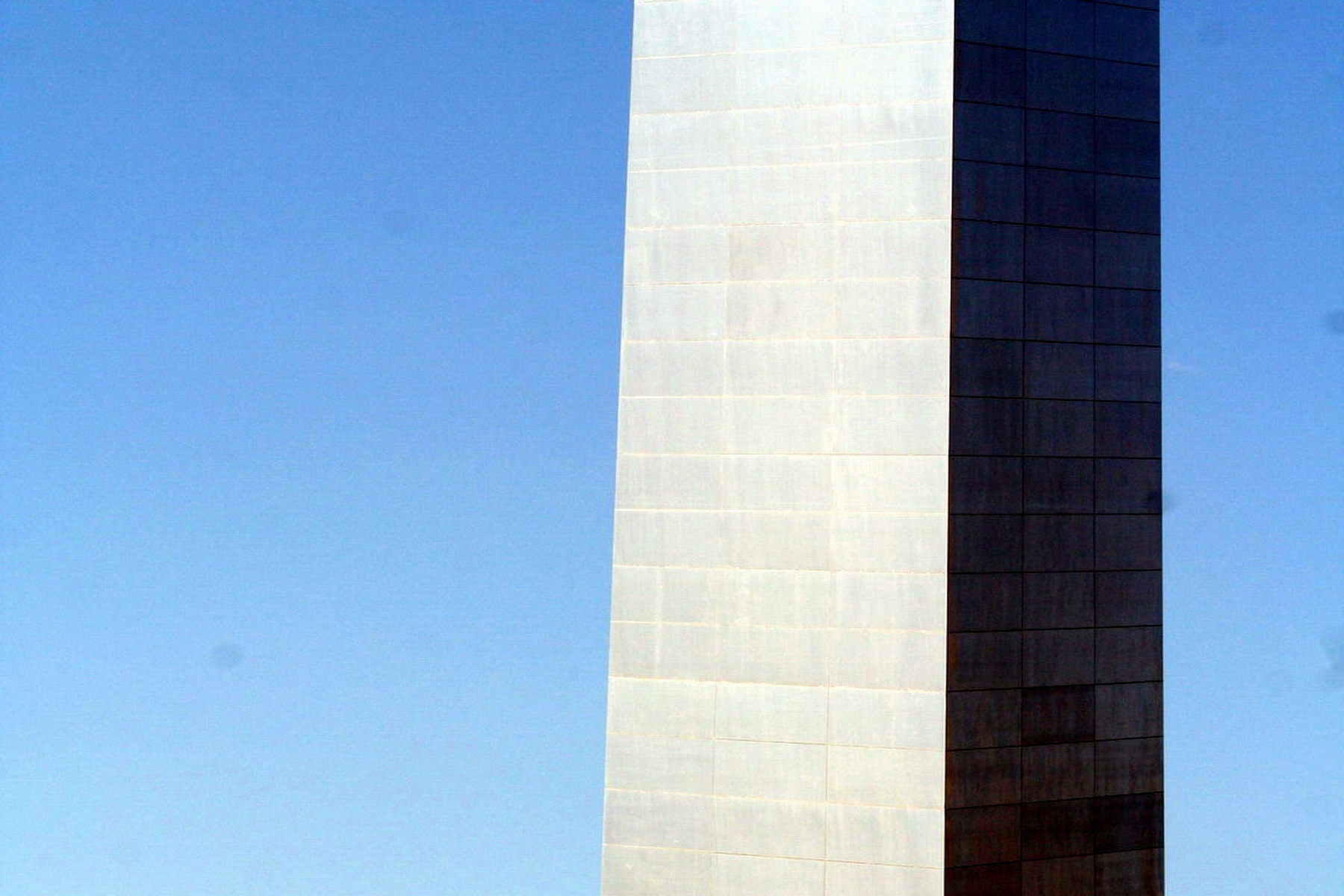
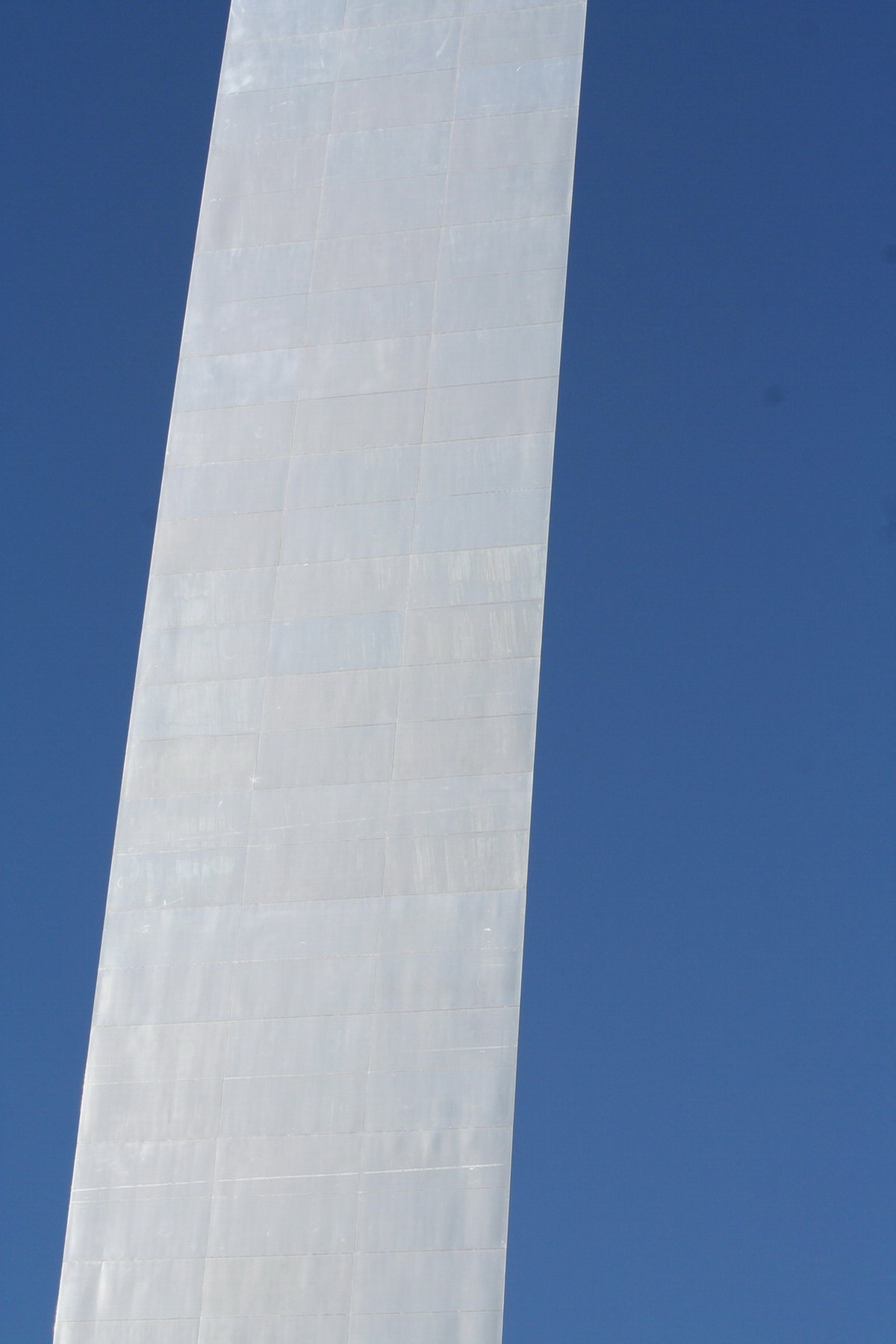
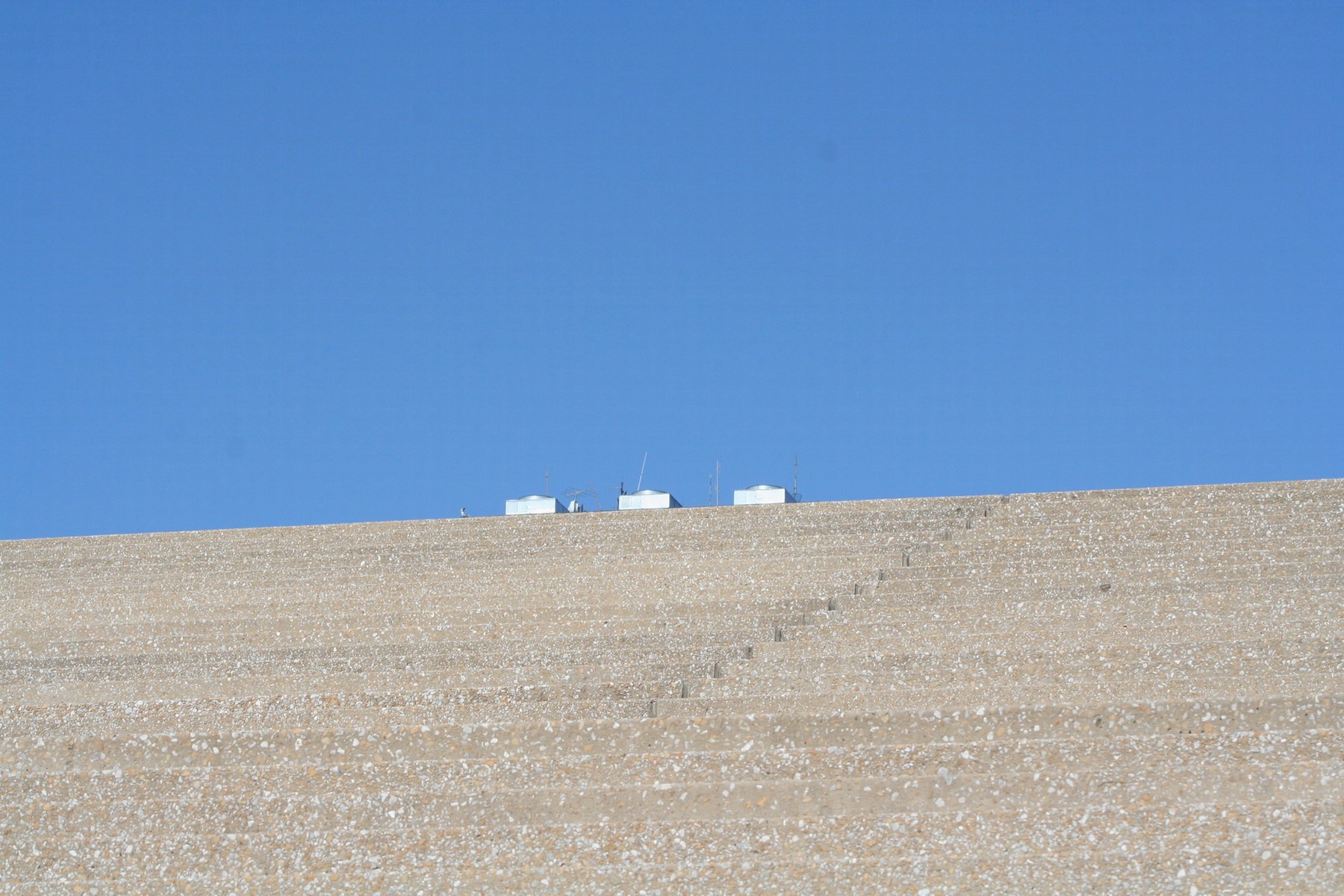
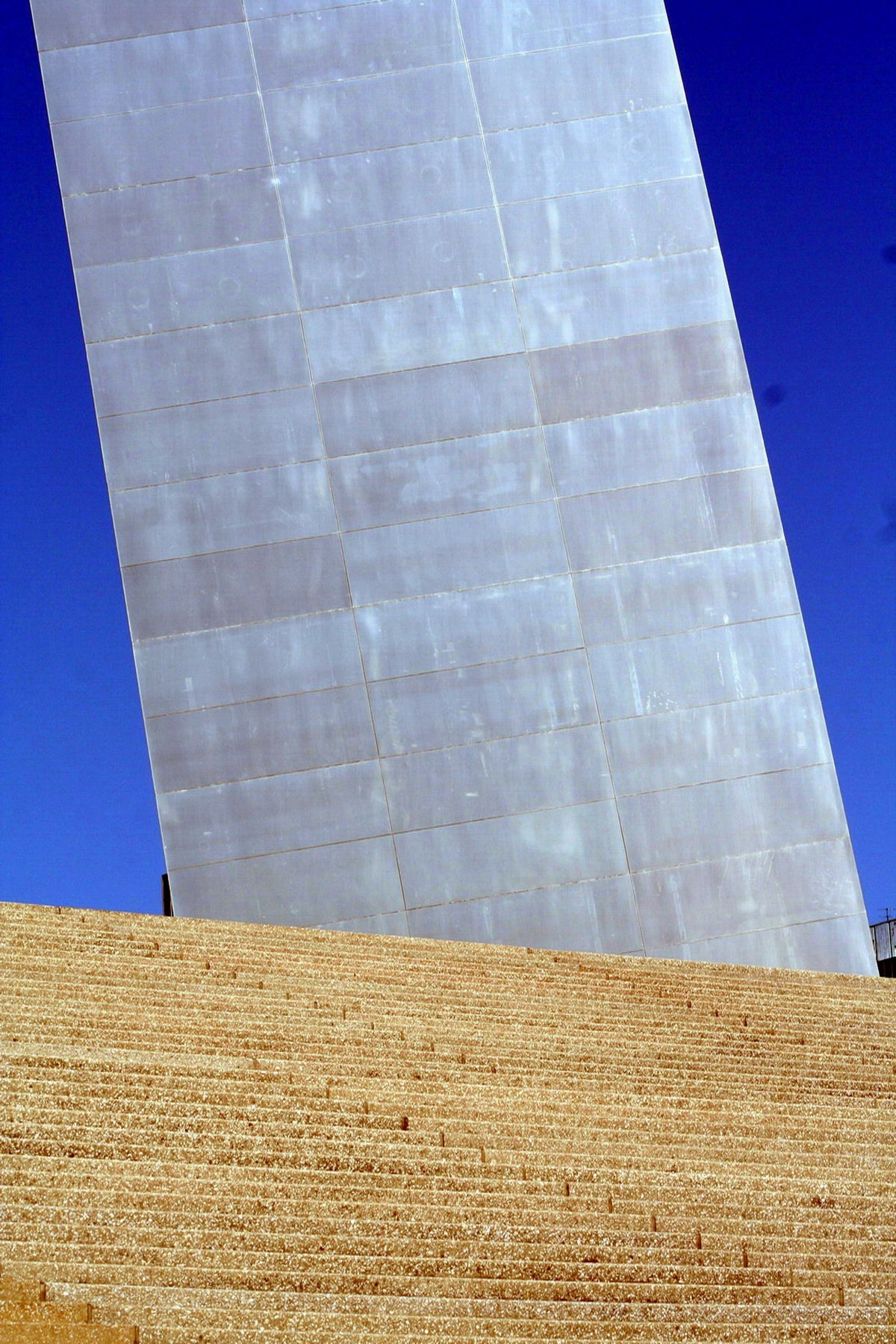
I have been up in The Gateway Arch only once. If recall serves the cars are small and remind me of bullets, although this took place long ago and I really cannot say how accurate my memory is today. The car or cars hold few people. The Gateway Arch as it is known is a part of the Jefferson National Expansion Memorial and sits upon very lovely park ground adjacent to the Mississippi River. I prefer to see The Arch from the outside, it possesses a certain overwhelming stature and majesty. The Arch was designed by the Finnish architect Eero Saarinen.  Opening in 1967, it would become known as the Gateway to the West. At that time it was the tallest known monument built by man. I came to St Louis in 1966 from the east coast. The Arch never really meant a thing to me in my early life here in St Louis. It was later when I was a happier person that I discovered The Arch. I say that I discovered The Arch and my camera rather simultaneously, although those facts are a bit loose. The initial photo was not taken by me but is from Wikipedia. I no longer have a photo of the entire Arch. I had fun one day photographing The Arch and then chopping up those photos as an artistic endeavor. I have always found this series to be quite meditative. I hope that you enjoy them.

0101c 48a910IMG_32715c766_155_14

– Liz Rice-Sosne

© 2014, essay and photographs, Liz Rice-Sosne, All rights reserved

unnamed-2LIZ RICE-SOSNE a.k.a. Raven Spirit (noh where), perhaps the oldest friend to Bardo, is the newest member of The Bardo Group Core Team. She is also our new Voices for Peace project outreach coordinator and our go-to person for all things related to haiku.  She says she “writes for no reason at all. It is simply a pleasure.” Blogging, mostly poetry, has produced numerous friends for whom she has a great appreciation. Liz is an experienced blogger, photographer and a trained shaman. We think her middle name should be “adventure.”

Posted in Essay, Photography/Photographer, Spiritual Practice, Terri Stewart

Sacred Space in the Frame

This month is interNational Photography month! Here at The Bardo Group, we will be playing with this theme all month long. On Sundays, we will be focusing on where the practice of photography intersects with our own experience and expression of spirituality.

Thomas Merton has a photograph he titled “Sky Hook.” He wrote about it, “It is the only known picture of God.” It is definitely not what you would expect! No heavenly skies, no angels, no beard. What was Merton thinking…a simply construction hook hanging from the sky towards the earth. (You can see the photo many places on the internet, but I couldn’t find a place with clear permissions.)

Often we see photos that prompt us to stop, look, and to appreciate what we have seen but also to wonder about something more. That something more can be something bigger or something smaller. My new friend and photographer, Paul Jeffrey, takes photos for the United Methodist Church for the General Board of Global Ministries—yes! He is a photographer-missionary. He typically focuses on the beauty and stories found in people. There is a photo of a young child in a box (all kids like to sit in boxes, no matter where they are in the world!)  He recently shared this photo with us in a small group and talked about the story. He said there was a huge reaction to the photo. Such a beautiful, young child abandoned in a box! What the photo does not show is that the family was just out of the frame.

How we frame our photographs tells a story.

What if Merton’s photo had the construction equipment in it? What if Jeffrey’s photo had the family in it? Would it tell a different story? Would that story be better? Worse? More effective? Less effective? What does this say about how we frame the stories of our own lives?

Framing is a spiritual practice. Or at least knowing what we are cutting from the frame. If we willingly cut off parts of the frame to focus our attention onto another part, that is fine. For the moment. But if we willingly cut of parts of the frame and never return to the whole, something is lost. I am thinking, in particular, of people who do things like cutting science out of their lives or people who cannot see the whole spectrum of society. When we get caught up in our own particularity, we forget the universal journey. And we forget that the child in a box has a loving, concerned family.

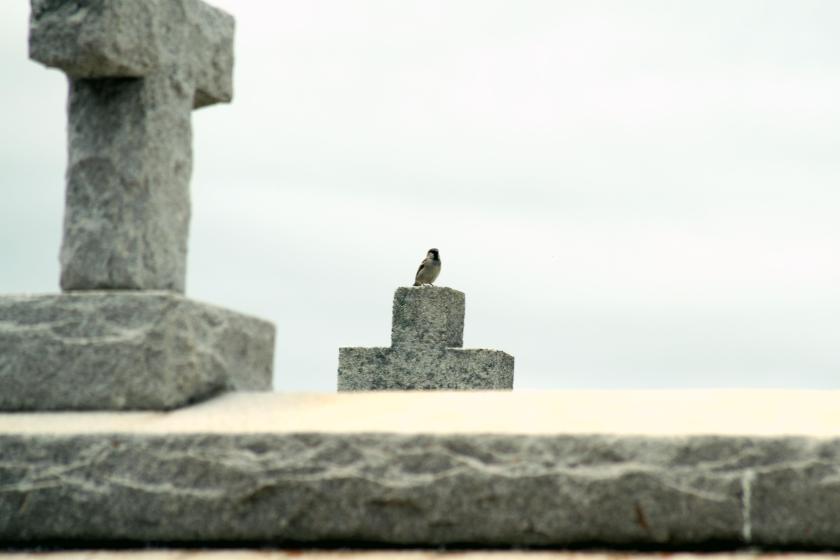
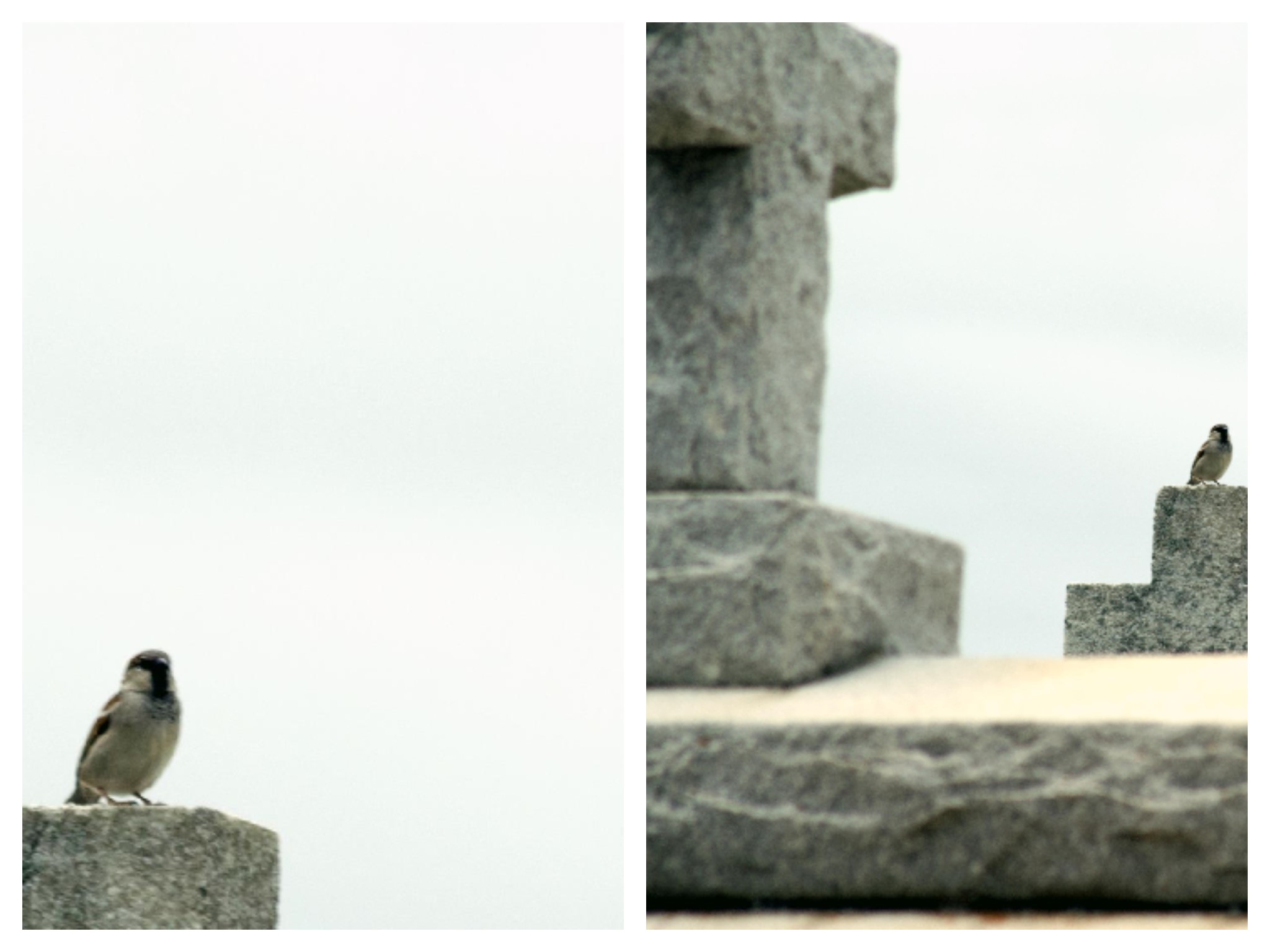
Below is a collage of one of my photos that I framed in two different ways. They tell completely different stories, in my opinion!

birdcollage

You don’t even have to be a photographer to understand the importance of framing. Hold your hands up around your face, blocking parts of your viewing field, and you will be able to frame your vision. Sitting right where you are!

In photography, we can say, “Where does framing help tell the story? Where does it hurt the story?”

In our lives we can say,

Where has framing helped you tell your own story? Where has it hurt you?

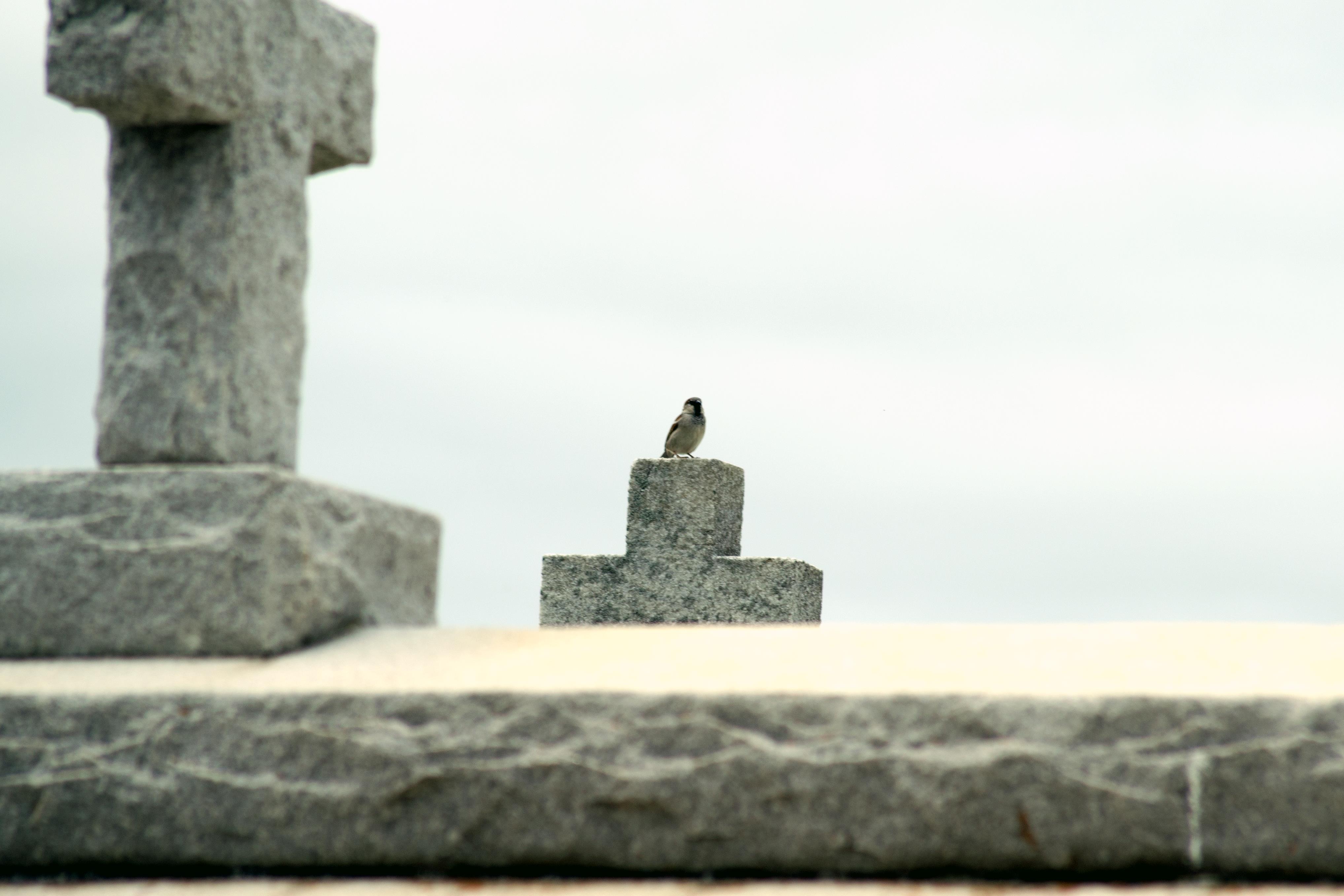
I’d love it if you would share your blog and perhaps a photo comparing two different ways of framing. That would be wonderful! 

birdatcemetary

    Shalom and Amen!

Post by Terri Stewart, 2014
CC License (CC BY-NC)

terriTerri Stewart ~ a member of our Core Team,  comes from an eclectic background and considers herself to be grounded in contemplation and justice. She is the Director and Founder of the Youth Chaplaincy Coalition that serves youth affected by the justice system. As a graduate of Seattle University’s School of Theology and Ministry, she earned her Master’s of Divinity and a Post-Master’s Certificate in Spiritual Direction with honors and is a rare United Methodist student in the Jesuit Honor Society, Alpha Sigma Nu. She is a contributing author to the Abingdon Worship Annual.

Her online presence is “CloakedMonk.” This speaks to her grounding in contemplative arts (photography, mandala, poetry) and the need to live it out in the world. The cloak is the disguise of normalcy as she advocates for justice and peace. You can find her at www.cloakedmonk.com,www.twitter.com/cloakedmonk, and www.facebook.com/cloakedmonk.  To reach her for conversation, send a note to cloakedmonk@outlook.com.
Posted in Charles W Martin, Photography/Photographer, poem, Poems/Poetry

my mother’s love…

copyright cwmartin 2012

sometimes
when a fever
runs high
and
i
am alone
in my bed
all my fears
swirling in my head
creating such
dread
i
would swear
i feel your gentle hands
wiping my brow
and
speaking softly
that all
will be well
and
that i
am
not
alone

Poem inspired by Soul Dipper (http://souldipper.wordpress.com/2012/01/31/love-embedded-a-mothers/)

678ad505453d5a3ff2fcb744f13dedc7-1product_thumbnail.php41V9d9sj5nL._SY344_PJlook-inside-v2,TopRight,1,0_SH20_BO1,204,203,200_CHARLES W. MARTIN (Reading Between the Minds) — earned his Ph.D. in Speech and Language Pathology with an emphasis in statistics. Throughout Charlie’s career, he maintained a devotion to the arts (literature/poetry, the theater, music and photography). Since his retirement in 2010, he has turned his full attention to poetry and photography. He publishes a poem and a photographic art piece each day at Read Between the Minds, Poetry, Photograph and Random Thoughts of Life. He is noted as a poet of social conscience. Charlie has been blogging since January 31, 2010. He has self-published a book of poetry entitled The Hawk Chronicles and will soon publish another book called A Bea in Your Bonnet: First Sting, featuring the renown Aunt Bea. In The Hawk Chronicles, Charlie provides a personification of his resident hawk with poems and photos taken over a two-year period. Charlie’s lastest book, When Spirits Touch, Dual Poetry, a collaboration with River Urke, is available through Amazon now.

Posted in Charles W Martin, Photography/Photographer, poem, Poems/Poetry

living faith…

living faith

when belief
becomes tangible
blood flows
through veins
in the same way
but
an invisible element
now pulses
with each heartbeat
not
measurable by
any
scientific means
but
all the same
real
there is
a calmness
and
peaceful demeanor
ever-present
that sense
that
someone
is holding
you close
each hour
of the day

– Charles W. Martin

© 2014, illustration and poem, Charles W. Martin, All rights reserved

678ad505453d5a3ff2fcb744f13dedc7-1product_thumbnail.php41V9d9sj5nL._SY344_PJlook-inside-v2,TopRight,1,0_SH20_BO1,204,203,200_CHARLES W. MARTIN (Reading Between the Minds) — earned his Ph.D. in Speech and Language Pathology with an emphasis in statistics. Throughout Charlie’s career, he maintained a devotion to the arts (literature/poetry, the theater, music and photography). Since his retirement in 2010, he has turned his full attention to poetry and photography. He publishes a poem and a photographic art piece each day at Read Between the Minds, Poetry, Photograph and Random Thoughts of Life. He is noted as a poet of social conscience. Charlie has been blogging since January 31, 2010. He has self-published a book of poetry entitled The Hawk Chronicles and will soon publish another book called A Bea in Your Bonnet: First Sting, featuring the renown Aunt Bea. In The Hawk Chronicles, Charlie provides a personification of his resident hawk with poems and photos taken over a two-year period. Charlie’s lastest book, When Spirits Touch, Dual Poetry, a collaboration with River Urke, is available through Amazon now.

Posted in Charles W Martin, poem, Poems/Poetry, poetry

regardless of word origin…

regardless of origin

hand-carved words
adorn the page
imprints of lives
some with short
precise strokes
others with long
flowing lines
some sit anchored
on the page
while others seem
to move about
like gypsies
moving from
paragraph to paragraph
a few words
are encased in sadness
always showing tear drops
above their i’s
or
before and after
they speak
while others
seem to swirl
with a joyful flare
but alas
all words
have
their ending

678ad505453d5a3ff2fcb744f13dedc7-1product_thumbnail.php41V9d9sj5nL._SY344_PJlook-inside-v2,TopRight,1,0_SH20_BO1,204,203,200_CHARLES W. MARTIN (Reading Between the Minds) — earned his Ph.D. in Speech and Language Pathology with an emphasis in statistics. Throughout Charlie’s career, he maintained a devotion to the arts (literature/poetry, the theater, music and photography). Since his retirement in 2010, he has turned his full attention to poetry and photography. He publishes a poem and a photographic art piece each day at Read Between the Minds, Poetry, Photograph and Random Thoughts of Life. He is noted as a poet of social conscience. Charlie has been blogging since January 31, 2010. He has self-published a book of poetry entitled The Hawk Chronicles and will soon publish another book called A Bea in Your Bonnet: First Sting, featuring the renown Aunt Bea. In The Hawk Chronicles, Charlie provides a personification of his resident hawk with poems and photos taken over a two-year period. Charlie’s lastest book, When Spirits Touch, Dual Poetry, a collaboration with River Urke, is available through Amazon now.

Posted in Charles W Martin, Humor, poetry

predators…

predators

as i walked up
the steps
to aunt bea’s
i heard
her
gasping
and
saying
oh
my
goodness
i hurried in
and
found her
staring
at the tv
she said
she’d been watching
this sci-fi movie
where
a woman
had given birth
to a creature
that wreak havoc
on her
and
every
helpless soul
in her world
even though
she’d
given it
the gift
of life
aunt bea
said
kind of
reminded me
of
our
elected
officials

678ad505453d5a3ff2fcb744f13dedc7-1product_thumbnail.php41V9d9sj5nL._SY344_PJlook-inside-v2,TopRight,1,0_SH20_BO1,204,203,200_CHARLES W. MARTIN (Reading Between the Minds) — earned his Ph.D. in Speech and Language Pathology with an emphasis in statistics. Throughout Charlie’s career, he maintained a devotion to the arts (literature/poetry, the theater, music and photography). Since his retirement in 2010, he has turned his full attention to poetry and photography. He publishes a poem and a photographic art piece each day at Read Between the Minds, Poetry, Photograph and Random Thoughts of Life. He is noted as a poet of social conscience. Charlie has been blogging since January 31, 2010. He has self-published a book of poetry entitled The Hawk Chronicles and will soon publish another book called A Bea in Your Bonnet: First Sting, featuring the renown Aunt Bea. In The Hawk Chronicles, Charlie provides a personification of his resident hawk with poems and photos taken over a two-year period. Charlie’s lastest book, When Spirits Touch, Dual Poetry, a collaboration with River Urke, is available through Amazon now.

Posted in Charles W Martin, Nature, poem, Poems/Poetry, poetry

first kiss…

first kiss

morning doves takes flight
kissing the sky with their wings
sky’s cloudy cheeks blush

678ad505453d5a3ff2fcb744f13dedc7-1product_thumbnail.php41V9d9sj5nL._SY344_PJlook-inside-v2,TopRight,1,0_SH20_BO1,204,203,200_CHARLES W. MARTIN (Reading Between the Minds) — earned his Ph.D. in Speech and Language Pathology with an emphasis in statistics. Throughout Charlie’s career, he maintained a devotion to the arts (literature/poetry, the theater, music and photography). Since his retirement in 2010, he has turned his full attention to poetry and photography. He publishes a poem and a photographic art piece each day at Read Between the Minds, Poetry, Photograph and Random Thoughts of Life. He is noted as a poet of social conscience. Charlie has been blogging since January 31, 2010. He has self-published a book of poetry entitled The Hawk Chronicles and will soon publish another book called A Bea in Your Bonnet: First Sting, featuring the renown Aunt Bea. In The Hawk Chronicles, Charlie provides a personification of his resident hawk with poems and photos taken over a two-year period. Charlie’s lastest book, When Spirits Touch, Dual Poetry, a collaboration with River Urke, is available through Amazon now.

Posted in General Interest, Naomi Baltuck, Photo Essay, Photography/Photographer

Another Man’s Shoes

I’ve always told my kids it’s nice to share, but not everything.  Bea was asthmatic, and every cold she caught seemed to morph into pneumonia. Since pre-school, they’d had it drilled into their heads not to drink from someone else’s cup.  And, of course, when you’re traveling, don’t drink the water!

Years ago, while traveling in Italy

…we had a long train ride from Naples….

https://i0.wp.com/i1176.photobucket.com/albums/x334/nbaltuck/Pirate%202013/Italy/1cd5c4ef-9448-47ae-9966-eb5d6f2e909a_zps5bbc941c.jpg

…to La Spezia.


We were delighted to have a compartment to ourselves.  The kids sketched and I knitted, while Thom read aloud to us from the YA novel, Donata, Daughter of Venice.

When the train stopped in Rome…

…a middle-aged couple came in, lugging bags, suitcases, groceries, and a 2 liter water bottle.  I smiled politely, and we scooted over to make room, but I was privately disappointed to have to share our quiet space.  They stowed their stuff, Thom tucked away our read-aloud, and I determined to catch up on my travel journal.

The man introduced himself as Giorgio, and his wife as Leah.  Giorgio spoke very good English, but it was different.  It sounded to me like he was speaking English with an Italian-Australian accent, an unexpected blend of cultures.  As we left behind Rome Giorgio told us he was born in Italy, but lived in Australia. Their daughter studied in Pisa, had met someone, and now they were returning to the Old Country to attend her wedding to a nice Italian boy.  Then Giorgio kindly offered us a drink of water from his bottle…which I politely refused.  We couldn’t afford to get sick while on vacation.

“Please,” insisted Giorgio, perhaps assuming my reluctance was due to shyness.  He filled six little paper cups with water, one for each of us.  I took the cup, wishing there was a potted plant I could discreetly pour my little helping of hospitality into.  Cups in hand, both kids watched intently, to take their cue from the Queen Mum of The Land of Do Not Share.  I lifted the cup to my lips.  Yes, and then I sipped, ignoring everything I knew about contagion, as well as the shocked stares of my children, and the smarty pants expression on my husband’s face.

Giorgio shared much more than water.  As the train rattled along, he told us, step by step, how to cook his favorite Italian dishes.  He told us we really couldn’t leave Italy not knowing how to make our own tomato sauce, or white cream sauce, or garlic sauce.

“Brown, but don’t burn the garlic,” he said.  He dictated recipe after recipe, and I wrote it all down in my journal.  Canneloni, parmigiana eggplant, chicken breast filet.  “It is not difficult!” he assured me.  Leah nodded in solemn agreement.

We passed a field of sunflowers.  With tears in his eyes, he pointed and said, “Itsa beautifulla!”

I heard that heartfelt expression many times on our train ride.  When we passed farms, olive groves, or little villages, his eyes would mist up.  Overwhelmed, he shook his head and said again, “Itsa beautifulla!”

“You must miss Italy,” I said.  “Why did your parents leave?”  Giorgio said his family wanted to escape the pain and aftermath of post-war Italy…

…for a new life in Australia.  He said Italians made up the one of the largest minorities in Australia.  Like the Irish, who came to build the railroad in America, Italians provided cheap labor in a rapidly developing country.  Just as the Irish faced discrimination, and were confronted with “No Irish Need Apply,” the Italians were told, “If you don’t like it, go back to Italy.”

Giorgio was a teenager, wanting desperately to fit in.  Money was tight, but his father must’ve understood, because he bought him handsome new cream-colored shoes and matching trousers.  To show off his new shoes, Giorgio and his brother walked out on the town.   A gang of boys started following.  They laughed at the shoes, tossed ethnic slurs, kicked dirt on the brothers and the prized shoes.  Devastated, Giorgio went home.  In his backyard, he took a knife and shredded the shoes beyond repair.  His father couldn’t understand, but Leah did.

Giorgio was seventeen and Leah was fourteen.  Both were born in Italy, the children of Italian immigrants to Australia. Once they found each other, they never looked back.  Well, hardly ever.  In time, Australians came to respect Italians as hard workers, and recognized the contribution they made to the country, much as we now celebrate Irish-Americans, at least on St. Patrick’s Day.

When Giorgio and Leah got off the train in Pisa…

…we felt we were saying goodbye to friends.  We finally had the compartment to ourselves, but we didn’t whip out our read-aloud book.  We needed time to think about Giorgio and Leah, and the story we had been privileged to share.

Of course, Thom and the kids teased me about sharing a cup with total strangers.  But you’ll never know what you’re missing if you aren’t willing to share a compartment on a train, accept a drink of water from a stranger’s paper cup, or walk a mile in another man’s shoes.

All words and images copyright Naomi Baltuck

NaomiPHOTO1-300ppi51kAqFGEesL._SY300_NAOMI BALTUCK ~ is a Contributing Editor and Resident Storyteller here410xuqmD74L._SY300_ at Bardo. She is a world-traveler and an award-winning writer, photographer, and story-teller whose works of fiction and nonfiction are available through Amazon HERE. Naomi presents her wonderful photo-stories – always interesting and rich with meaning and humor – at Writing Between the Lines, Life from the Writer’s POV. She also conducts workshops such as Peace Porridge (multicultural stories to promote cooperation, goodwill, and peaceful coexistence), Whispers in the Graveyard (a spellbinding array of haunting and mysterious stories), Tandem Tales, Traveling Light Around the World, and others. For more on her programs visit Naomi Baltuck.com