Thanks to our rich connection with Zimbabwean poet in exile, Mbizo Chirasha, I have the pleasure and privilege of expanding The Poet by Day to include African artists, to feature their efforts in support of human rights and just governance. More to come in 2020 from poets and other artists all over Africa. I hope readers will enjoy the the lyrical difference in English, the passionate action, and the creativity demonstrated. The Poet by Day jamiededes.com and The BeZine support crossing borders and honoring shared humanity. One world. One race: the human race. Read on ….
USDA logo for Supplemental Nutrition Assistance Program / Public Domain
“Almost 1.4 million veterans live in households that participate in SNAP (formerly food stamps), CBPP analysis of data from the Census Bureau’s American Community Survey finds. In every state, thousands of low-income veterans use SNAP to help put food on the table. Florida has the largest number of veterans participating in SNAP (120,000), followed by California and Texas (97,000 apiece). In Oregon, Rhode Island, West Virginia, and Washington, D.C., at least 10 percent of veterans live in households that received SNAP in the last year. SNAP Helps Almost 1.4 Million Low-Income Veterans, Including Thousands in Every State MORE, Center on Budget and Policy Priorities, byBRYNNE KEITH-JENNINGS and LEXIN CAI
the unconscionable dance in the canyons of power, lined with megalithic buildings, the edifice complex of the spin-meister’s lie, that the demigods can do anything – anything – walking this asphalt valley
a parade, flailing lemmings trussed and trusting their die-cut dreams to the pitiless whim of the military/ industrial/medical alliance, whose war-cries are of greed and arrogance, believing they’ll live forever, today’s sovereignty, tomorrow’s guarantee. But it’s
all delusion – cultures die and the hope-crushing architects of cuts and austerity measures are like the rich man in the Lazarus story, there’ll be some kind of backlash, some kind of hell to pay …
Rich Lazarus! richer in those gems, thy tears,Than Dives in the robes he wears:He scorns them now, but oh they’ll suit full wellWith the purple he must wear in hell”Richard Crenshaw (c.1613-1649), English cleric, teacher, metaphysical poet, Steps to the Temple. Sacred Poems, Delights of the Muses (1646)
New SNAP Rule Would Cost Many of Nation’s Poorest Their Food Aid
by Robert Greenstein, Center on Budget and Policy Priorities Statement
The emphases are mine. / J.D.
On December 4, the Trump Administration issued a draconian rule in the Supplemental Nutrition Assistance Program (SNAP, or food stamps) that will cut off basic food assistance for nearly 700,000 of the nation’s poorest and most destitute people. Those affected — SNAP participants ages 18 through 49 who aren’t raising minor children in their homes — are among the poorest of the poor, according to U.S. Department of Agriculture (USDA) data. Their average income is just 18 percent of the poverty line. Their average monthly SNAP benefits are about $165 per month.
A longstanding, harsh provision of SNAP limits these 18- through 49-year-olds to just three months of benefits, while not employed for at least 20 hours a week, out of every three years. Because of its severe nature, this provision of law also allows states to seek, and USDA to grant, waivers of this three-month cut-off for areas where insufficient jobs are available for these individuals, such as when unemployment is elevated.
From the provision’s enactment in 1996 until now, both Democratic and Republican presidents alike have operated under a common set of criteria in granting waivers from the three-month cut-off. And Democratic and Republican governors alike have sought and secured these waivers. Thirty-six states currently have waivers for parts of their state where unemployment is highest.
Now, the Trump Administration is abandoning this longstanding, bipartisan practice, however, and replacing it with a much more restrictive rule that will increase hunger and destitution. The new rule sharply restricts states’ ability to protect unemployed adults from the harsh time limit. It does so by substantially narrowing the criteria that states have most commonly used to qualify for waivers, thereby greatly shrinking the number of areas that can qualify for relief. As a result, the Trump Administration itself estimates that the rule will cut off basic food aid to nearly 700,000 unemployed or underemployed individuals.
Most of these individuals are ineligible for any other form of government financial assistance because they aren’t elderly, severely disabled, or raising minor children. For many of them, SNAP is the only assistance they can receive to help make ends meet.
What’s more, the final rule is more severe than the proposed rule, which itself was very harsh. States currently can request waivers when they experience rapidly rising unemployment, as typically occurs at the onset of economic downturns based on the Department of Labor’s determination that the state qualifies for extra federal unemployment benefits. But under the final rule, states must rely on historical data that would not reflect the onset of economic downturns until many months later. Moreover, far fewer areas will qualify for waivers during a widespread, national recession. A state with spiking unemployment reaching levels as high as 9 percent would not qualify for a waiver if national unemployment were also high, such as at 8 percent. This will limit a core strength of SNAP — its responsiveness to changes in economic conditions so that individuals who lose their source of income can quickly qualify for temporary food assistance. Instead of mitigating a recession’s harm, the new rule will exacerbate it.
Another Flawed “Work Requirement” Proposal
Adding to these concerns, although participation in a work or training program counts toward fulfilling the 20-hours-a-week requirement, states are not required to provide work or training slots to these individuals — and most states don’t. Furthermore, pounding the pavement and searching hard for a job does not count toward meeting the requirement. If you can’t find a 20-hour-a-week job on your own, you’re cut off SNAP anyway.
The Administration’s portrayal of the new rule as a reasonable “work requirement” thus is misleading — as noted, most states don’t offer any job, training opportunity, or slot in a work program to most people subject to the three-month limit. And people who are “playing by the rules” and looking hard for a job are cut off nonetheless.
In addition, the history of the three-month cut-off shows that some people who should qualify for an exemption from it because they suffer from a significant health condition often don’t get an exemption — and lose their SNAP benefits anyway, because they can’t satisfy the paperwork and other bureaucratic hurdles involved in securing an exemption. That’s especially troubling now, because the Administration is giving states little time to prepare for this sweeping change. Properly identifying which destitute individuals in formerly waived areas should be subject to the three-month time limit and which should be exempt (due to conditions that affect their ability to work) can require both training staff and allocating additional administrative resources.
Rule Hits People of Color, Those With Limited Education and in Rural Areas Hardest
Cutting off basic assistance doesn’t appear to help individuals get jobs, as research into the SNAP time limit, and similar rules in Medicaid, demonstrates. The rule will hit hardest those with the greatest difficulties in the labor market. That includes adults with no more than a high school education, whose unemployment rate is much higher than the overall unemployment rate; people living in rural areas where jobs are often harder to find; and people who are between jobs or whose employers have cut their hours to less than 20 hours a week, which is common in the very-low-wage labor market even when the economy is strong.
People of color are likely to lose benefits disproportionately under the rule, given their much higher unemployment rates and continued racial discrimination in labor markets. The African American unemployment rate has long been roughly double the non-Hispanic white unemployment rate. Studies have found that white job applicants are much likelier to receive callbacks after job applications or interviews than equally qualified Black applicants.
Here’s how the new rule will harm these groups. Under the new rule, an area can qualify for a waiver only if its average unemployment rate over a recent 24-month period has been 20 percent higher than the national average for the same time period and was 6 percent or higher. But a local area with an overall 5.8 percent unemployment rate can have an African American unemployment rate closer to 10 percent, as well as an unemployment rate around 10 percent for people of all races who are age 25 or over who lack a high school diploma or GED.
The Administration and House Republican leaders sought, but failed, to secure these policy changes as part of the farm bill that Congress passed on a bipartisan basis last year. The Administration is now implementing through executive action what it failed to secure through legislation.
Robert Greenstein, UDSA photograph / Public Domain
Instead of punishing those facing destitution and other difficult circumstances, the Administration should seek to assist them by pursuing policies such as more and better job training and employment programs, a higher minimum wage, and a strengthened Earned Income Tax Credit. Denying them basic food and nutrition is not the route that a fair and compassionate administration of either party should take.
Note: The Center on Budget and Policy Priorities (CBPP) is a progressive American think tank that analyzes the impact of federal and state government budget policies founded by Robert Greenstein, the author of this feature. CBPP is 501(c)(3) nonprofit organization, the Center’s stated mission is to “conduct research and analysis to help shape public debates over proposed budget and tax policies and to help ensure that policymakers consider the needs of low-income families and individuals in these debates.
See a procession of young mothers chattering their way From water fountains in grenade torn sandals And blood laced bras Decade of Bullets, Mbizo Chirasha
Is fading the memory of its son,
Who for words must ride the night
Fleeing ears that hear thunder on a babies purity guggle,
Zvegona, my homestead,
Ancestors are watching
Elders on a scheming mission
Trading lies with more lies
The road to Zvegona
Your Sideroads sigh
Your song is silent
Only hiccups of mothers greet the sun
Yearning for the return of the bearded child
Who lives on the strings of truth
Truth refused a seat at the council of baboons on the lagoons
Goons settling scores on the assumptions that a boy has a price,
Well, the boy true has a price
But not one you can pay with looted coins
The boy has shaved his hair not his brains
The boy has slipped his boots on and truth has raised its flag
And the spirits of truth sing his Achilles heels on,
So Zvegona, the village of the lucky poet,
Grow thistles and thorns
Feed cattle and goats
The boy has shaved his beard
Ready for a walk back, to shave the land of all pretentious shenanigans
Uprooting the weeds and weevils
Repair the kraal too,
Where roosters shall announce light unto the land,
Currently bent double under the gargantuan weight of lying tongues.
Zvegona, you are my yesterday
Zvegona, you are my tomorrow in whatever form, shape or …….
The first New Look Brave Voices Poetry Journal will be out by the 15th of December 2019. It is a Christmas gift. Our deadline for articles [and poetry] is the 10th of December 2019. We look forward to contributions and features with a length of 1500 words. You can send these in the body of mail with photos as attachments. Please include your publishable photos and a fifteen line bio to bravevoicespoetry@gmail.com
We’ve received letters of support to go in Mbizo’s applications for grants and safe harbor, but the Go-Fund-Me effort is still not to goal, which would provide for the immediate need for pantry staples, computer, and so forth. Without predictable computer access, Mbizo has not yet been able to do his interview with the Canadian radio show, though the offer still stands.
International Human Rights Festival, the entity that sponsored Mbizo’s Go-Fund-Me, has attracted $480 and raised the goal to $750. They have cut him some partial funding for now. Meanwhile, folks, I suggest that if enough of us donated the price of one morning latte, we’d make the goal. What do you say? A whole bunch of tidbits would combine for a whole lot of success. You can make your donation anonymously HERE.
If you are able and interested in helping in any way, you can contact Mbizo directly at: girlchildcreativity@gmail.com
– Jamie Dedes
“We remain resilient in the quest for justice, freedom of expression and upholding of human rights through Literary Activism and Artivism. ALUTA CONTINUA.” Mbizo Chirasha
MBIZO CHIRASHA is a recipient of PEN Deutschland Exiled Writer Grant (2017), Literary Arts Projects Curator, Writer in Residence, Blogs Publisher, Arts for Human Rights/Peace Activism Catalyst, Social Media Publicist and Internationally Anthologized Writer, 2017 African Partner of the International Human Rights Arts Festival Exiled in Africa Program in New York. 2017 Grantee of the EU- Horn of Africa Defend Human Rights Defenders Protection Fund. Resident Curator of 100 Thousand Poets for Peace-Zimbabwe, Originator of Zimbabwe We Want Poetry Movement. He has published a collection of poetry, Good Morning President, and co-created another one Whispering Woes of Gangesand Zembezi with Indian poet Sweta Vikram.
Photo copyright unknown, but it’s not ours. / J.D. / quotation Kristen Tea @ motherwiselife.org
“To paraphrase Tolstoy, you many not be interested in war, conflict, environmental injustice, and human rights abuses, but they are interested in you. They stalk everyone.” / Jamie Dedes
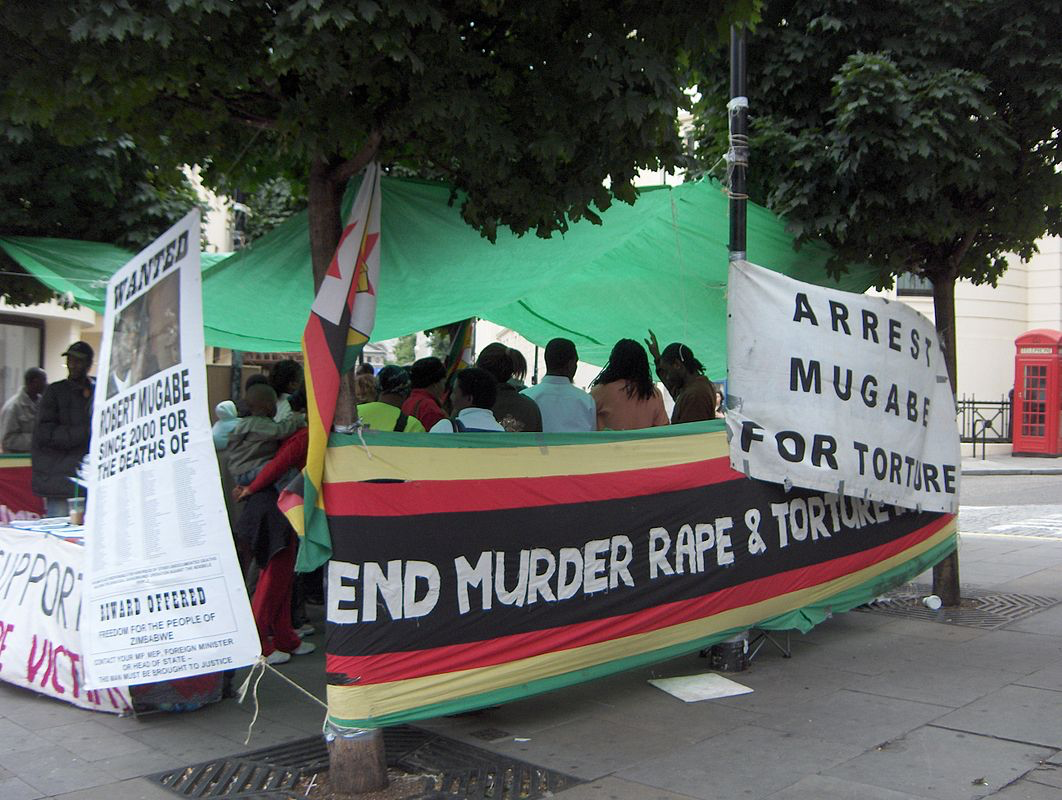
A demonstration in London against Robert Mugabe. Protests are discouraged by Zimbabwean police in Zimbabwe. / Photo courtesy of woWings under CC BY-SA 2.5 license.
– Mbizo Chirasha
I was born in this month – the month of bitterness, violence and numbness. In this month the Soweto died in a reckless killing by the apartheid regime. What a fuss , horrible. Yes we live to forgive – with memories haunting peasant iron-hoe skulls. We celebrate the DAY OF AFRICAN CHILD.
In the year of the blood ballot, in my country, a country once the honey hive and the breadbasket of the African continent, blood flooded villages, death rained our valleys, tears dripped the aged and wrinkled of the war tired poor patriots – CODE named the Re-RUN- JUNE 27 2008. Those who were perceived as reckless voters had their not-voting-good hands chopped off. Grief engulfed the land whose belly is pregnant with uranium, gold, diamond, emerald, and copper. The masses are hungry, tired of abuse and corruption. Tired of the MADNESS!
I was born in a sweet – bitter month – June. My mother remembers that the night of my coming to this earth. It was raining. It was after a brutal pungwe, after vanamukoma varova vatengesi namatanda, vanamukoma vamboimba. After a dinner of village goat meat, lashes and songs. What a PARADOX!. Bullets shelled that night resonating with claps of thunder. As war rained, winter rained rained. A Life was born – a booming voice, charcoal black veil, a tight fist clutching talents, hopes, dreams, words. WORDS!
I feel to recollect some of the poems i shared some years ago.
POEMS
DEAR COMMISSAR.
Dear commissar
my poetry is
political baboons puffing wind of vendetta
splashes of sweet flowing buttock valleys of pay less city labourers
rough crackling red clay of sanctions smashing poverty corrupted face of my village
presidential t shirt tearing across bellies of street hustlers
mute bitter laughter of political forests after the falling of political lemon trees
Dear commissar
my poetry is
foot signatures of struggle mothers and green horns
bewitched by one party state cocaine
new slogan hustlers boozing promises after herbal tea of change rhetoric
street nostrils dripping stink and garbage
tears chiseling rocky breasts of mothers who lost wombs
in the charcoal of recount
Dear commissar
my poetry is
rhythm of peasant drums dancing the new gimmick
unknowingly
political jugglers eating voter drumsticks after another ballot loot.
ZIMBABWE
harare tonight you sleep a full sleep, may be
after a sunset of a nationalist and democrat table talk
cactus and roses blooming together
your sunshine eaten by rough talk and hate verbs
pavements designed by banana peels and potholes extended from
robot less highways
that beggar still linger around the freedom corner/julius nyerere avenue
the blind woman grioting around liberation street/herbert chitepo
Bulawayo your sacredness is bound
by bones of mzilikhazi and breath of lobengula
place of killing , dissidents and innocents
died when bullet wind swept your nights
tell me how many times you coughed blood
a place of kings , Ntabazinduna
Kwekwe
your intestines pregnant with gold ,copper , iron and more
heart of the nation
where soils heave with wealth
crocodiles depleted your dignity
leopards stole the color of your rhythm
flex your muscles and claim your heartbeat
Masvingo Ezimbabwe
great zimbabwe,pride robbed
changamire and mutapa turning their in magic stones
inflation eroded your pride
corruption rode your back
blood corroded your dignity
cry for a ceremonial cleansing
land of sacred , land of rituals
land of silence
Mutare
mist of inyanga sneeze glee and laughter in your back
while chimani mani cough out threats and thoughts
lungs of marange choking with diamonds
corrupted fields
defamed wealth
here in the land of the east , i see
the scarred face of the sun
chopped breasts of the moon
villagers tired of toyi toyi
patriots damned by hunger
peasants freezing in propaganda
revolutions eating kindergartens
butcheries of human flesh
winter elections erected poverty.
Gweru
i see uniform less children trudging through
winter corridors, barefooted
you are colder than joburg,though emotions
boiled during elections
cockroaches breeding other cockroaches in
once midlands hotel
emptiness , hunger ,cold and thoughts
city of progress , rewrite your progress
Rushinga
death threatened even the dead and their shadows
when struggle returned back to war
on the road again fighting enemies of the state their sons
perfume of human flesh roasting in charcoal of violence
March was cruel than april
this season was a parody of nazi hitler
Kariba
i like how zambezi vomit fish
crocodiles eating rot and sun
hippos dancing the moonshine
zambia whispering copper in your ears
you are regaining your light.
zimbabwe
let fabrics of madness bleach in acid of reason.
FREEDOM DISCORD
children will not go down with the sinking sun
sacrificed on altars of ambition
crucified buy forces of expediency
tear graffiti scrawling
on debris of their slums of poverty and hovels of crime
we are children born out of the hot sun of Sahara and burning sands of Kalahari
we belong to the semen and condom drunk streets of home
womb of our past explode with souls of martyrs and bones of freedomites choked by ropes of stigmatization
we are morphine -fuelled and marijuana
doped youngsters whose praise
and freedom is robbed by slogan fraudsters
we are dogs breakfasting
from cucumbers and feasting condoms for supper
children of pandemic genocided villages
slaves of sugar and blood
never fondled the breasts of freedom
licked the tears of our mothers
have no dignity to celebrate
we are souls blighted in sufferings
bring us nanobitas of democracy
not shigellas of autocracy.
MBIZO CHIRASHA is a recipient of PEN Deutschland Exiled Writer Grant (2017), Literary Arts Projects Curator, Writer in Residence, Blogs Publisher, Arts for Human Rights/Peace Activism Catalyst, Social Media Publicist and Internationally Anthologized Writer, 2017 African Partner of the International Human Rights Arts Festival Exiled in Africa Program in New York. 2017 Grantee of the EU- Horn of Africa Defend Human Rights Defenders Protection Fund. Resident Curator of 100 Thousand Poets for Peace-Zimbabwe, Originator of Zimbabwe We Want Poetry Movement. He has published a collection of poetry, Good Morning President, and co-created another one Whispering Woes of Gangesand Zembezi with Indian poet Sweta Vikram.
“Mother Africa survived the trauma of clanging chains of captivity during slave trade, shackles of colonialism, and winced from beatings of hard bolt nut clenched fists of apartheid. Children and grandchildren of Mother Africa watched helplessly her sorrowful dance to the acoustics of sufferance. Still, Africa remains resilient … smashing punches from kindred’s of neocolonialism: global village, digital revolution and consumerism. Mama Africa’s groin is ripped apart by her triplets: totalitarian regimes, economic malaise and moral decadence. Today Mother Africa of pyramids, Africa of Nefertiti , Africa of Lumumba, Africa of Mandela, Africa of Kambarage , Africa of Lithium , Africa of diamond and Africa of uranium wallow in murky waters of poverty, chronic civil wars, and deadly epidemics.” Mbizo Chirasha, Editor, Brave Voices Poetry Journal.
This is the first of a three-part series. The links to the others are at the bottom of the post.
When I was a junior in high school (circa 1966), our civics/history teacher said that Africa was a continent of much promise because of its diverse populations, its biodiversity, mineral resources, endless beauty, and its arts and wisdom traditions. She was right, of course. As a consequence, we spent several months of that school year studying the promise of Africa and its peoples.
For years after, Africa haunted me: Mosi-oa-Tunya, birds hitching rides on giraffes, white rhinos, the rhythms of kebero drums and the swing-and-sway of folk dance, the injera, the wat, and the niter kibby. But our teacher’s great vision of Africa’s promise was largely unfulfilled. Blame it on the fall-out from old-and-new waves of colonialism, apartheid, and corporate land-grab and land-rape. What could have been a place of hope and high expectation is rife with turmoil, poverty, and suffering. It is a place where poets who speak out against totalitarian regimes, greed, and violence put themselves at great risk in doing so. Today, I have the pleasure of featuring Mbizo Chirasha, one such poet. He is dedicated to gender equity, environmental justice, and human rights and he is on the run . / Jamie Dedes, Managing Editor, The BeZine
INTERVIEW
JAMIE:What were the events in your life that lead you to socially engaged poetry?
MBIZO: My father was a storyteller, an African traditionalist, a singer and a village griot. I grew up listening to the sound of thewind of the drum. Ritual and ancestral ceremonies were the norm and usually accompanied by spiritual song, dance, drum and chants. Iwas introduced to words at a tender age and more over tosounds of chirruping birds, syntactic over night hooting of owls, the rhythmic dove cooos, the dance and the smile of white moon. I am a grandchild of African proverb.
I am a child of war. I was born during the Zimbabwean struggle for independence. My ears sedimented to the clap of gun shots and the thunder of death, the thud of grenades, and heave of the Pungwe River’s songs. I read Achebe, Ngugi, Marechera, Hamutyineyi, Neto, Senghor, Miriam Ba, Tsodzo, Chiundura Moyo, Makari, Soyinka and more in my early teens. I became a school griot when I was seven.
JAMIE:Why is your life at risk?
MBIZO: I write the truth to any form of leadership: cultural, social and political, My literary arts activism and my human rights and arts for justice activities put me at risk.
I write feature articles that speak against dictatorship, injustice and tyranny. Political leadership in Zimbabwe does not like the truth. They want praise, which I think is a bad sign. We have violent goons among leaders who thrive on silencing writers, artists, activists and human rights defenders.
I am the Founder of the Zimbabwean We Want Poetry campaign, a global literary activism campaign that exposed and is exposing political rot, poor governance and corruption in Zimbabwe specifically and in greater Africa.
That campaign has led to the founding of the Brave Voices POETRY JOURNAL and the Freedom Voices Poetry Writing competition. This in turn has lead to the publication of more than 10,000 poems on various social media platforms.
My poetry in books and journals is critical to fighting systems that oppress masses, systems that violate human rights, systems that loot the economy and subject masses to abject poverty .
My latest poetry collection, A Letter to the President, the title itself does not sit well with politicians, zealots, and charlatans who survive on political and economic strife, but the collection is a must read.
It never mentions names but it speaks truth against injustice, corruption, violence and expediency and it got me in trouble: death threats, tailing, and haunting after the grand launch.
I don’t hesitate to write the truth. We have suffered under dictatorial leadership in Zimbabwe. We want the new leadership to reform and to refrain from abductions, corruption, violence and looting. We need the purpose to live, to belong and to love our beautiful country. We want political violence stopped. The abduction of artists and activists must stop.
JAMIE:What is the status of your situation now?
MBIZO: Exile has never been good but resilience is key. In exile you are both foreign to yourself and foreign to the land. Accommodation, security, resources, communication, and other foundations of personal welfare and trust become first priorities and they are not easy to come by because one is not in his usual haven. The stalking is constant and exhausting. You sleep with an open eye or walk with your eyes above your shoulders.
JAMIE:You put in an application to ICORN* in 2017. What was the response?
MBIZO: I am not happy because the reply was really bad,I don’t know whether they want you to loose a leg, a hand, or to die for them to accept your application to be safe.
* International Cities of Refugee Network; ICORN’s mission is “protecting and promoting writers and artists at risk.” I’ve read Mbizo’s paperwork. Responses to Mbizo’s 2017 application for assistance repeatedly indicate that his paperwork is in process but no action has been taken by ICORN on Mbizo’s behalf over the two years since he filed for safe haven.
JAMIE:What organizations have come forward to help you?
MBIZO: The main and major organization that have stood by me since 2017
are the following
a) PEN GERMANY 2017
b) EU-AFRICA DEFEND DEFENDERS FUND
c) ANDREAS WEILAND( WRITER/TRANSLATOR)
d) ELKE LANGE- SPAIN /GERMANY
e) INTERNATIONAL HUMAN RIGHTS ARTS FESTIVAL/THOMAS BLOCK
f) FREEMAN CHARI OF DIASPORA FUNDS
g) TRACY YVONNE BREAZILE
h) HADAA SENDOO FROM MONGOLIA
i) MICHALE DICKEL- WRITER IN ISRAEL
JAMIE:What is your plan now and how can we as part of the greater poetry community assist?
MBIZO: I continue with writing for justice, human rights, the truth, and with activism and literary activism. In this moment of madness, trials and hardships, poets must unite. Help me lobby resources, lobby institutions that offer assistance to writers-at-risk: PEN, UN Human Rights, Writers Centres, and Artists for Justice Centres for safety retreat.
We must all keep writing for truth, justice, and good governance.
Editor’s note: I want to get a letter-writing campaign going for Mbizo to help him attain safe haven. More on that in Part 3 on Monday. Tomorrow (Sunday), you’ll have the opportunity to read four of Mbizo’s poems. Stay with us in solidarity for free-and-open civil discourse, social justice and responsible governance. May all sentient beings find peace.
MBIZO CHIRASHA is a recipient of PEN Deutschland Exiled Writer Grant (2017), Literary Arts Projects Curator, Writer in Residence, Blogs Publisher, Arts for Human Rights/Peace Activism Catalyst, Social Media Publicist and Internationally Anthologized Writer, 2017 African Partner of the International Human Rights Arts Festival Exiled in Africa Program in New York. 2017 Grantee of the EU- Horn of Africa Defend Human Rights Defenders Protection Fund. Resident Curator of 100 Thousand Poets for Peace-Zimbabwe, Originator of Zimbabwe We Want Poetry Movement. He has published a collection of poetry, Good Morning President, and co-created another one Whispering Woes of Gangesand Zembezi with Indian poet Sweta Vikram.
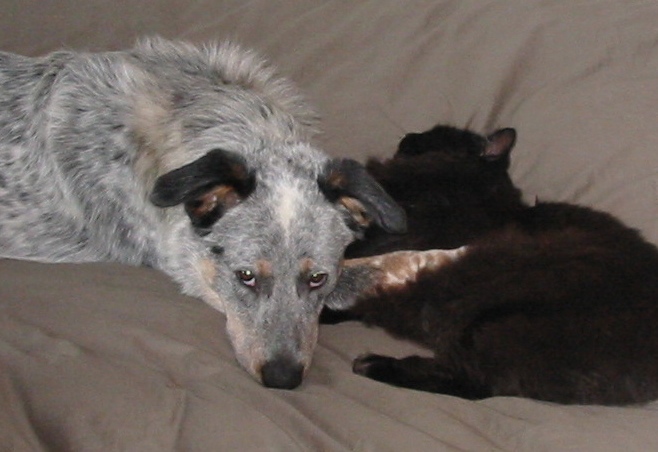
Animals sometimes make friends with their deadliest enemies. I wonder why? I have two cattle dogs and a big black persian mix cat. As long as the cat doesn’t run the dogs leave him alone. My dog ‘Buddha’ actually nuzzles him with affection.
Editor’s Note: The deadline for submissions to the December issue is November 15. Forward submission to bardogroup@gmail.com. Submissions via comments or Facebook will not be considered. Details HERE.
“How do you perceive that word, spirit? How do you measure it? What sort of entity is it? What value is it to living things? What value is it to human beings, who are perhaps most responsible for its consequences? The answers appear to be as numerous as its definitions …
Spirit – noun
1. the principle of conscious life; the vital principle in humans, animating the body or mediating between body and soul.
2. the incorporeal part of humans: present in spirit though absent in body.
3. the soul regarded as separating from the body at death.
4. conscious, incorporeal being, as opposed to matter: the world of spirit.
5. a supernatural, incorporeal being, especially one inhabiting a place, object, etc., or having a particular character: evil spirits.
6. a fairy, sprite, or elf.
7. an angel or demon.
8. an attitude or principle that inspires, animates, or pervades thought, feeling, or action: the spirit of reform.
9. (initial capital letter) the divine influence as an agency working in the human heart.
10.a divine, inspiring, or animating being or influence. Num. 11:25; Is. 32:15.
11.(initial capital letter) the third person of the Trinity; Holy Spirit.
12.the soul or heart as the seat of feelings or sentiments, or as prompting to action: a man of broken spirit.
13.spirits, feelings or mood with regard to exaltation or depression: low spirits; good spirits.
14.excellent disposition or attitude in terms of vigor, courage, firmness of intent, etc.; mettle: That’s the spirit!
15.temper or disposition: meek in spirit.
16.an individual as characterized by a given attitude, disposition, character, action, etc.: A few brave spirits remained to face the danger.
17.the dominant tendency or character of anything: the spirit of the age.
18.vigorous sense of membership in a group: college spirit.
19.the general meaning or intent of a statement, document, etc. (opposed to letter ): the spirit of the law.
20.Chemistry. the essence or active principle of a substance as extracted in liquid form, especially by distillation.
21.Often, spirits. a strong distilled alcoholic liquor.
22.Chiefly British, alcohol.
23.Pharmacology. a solution in alcohol of an essential or volatile principle; essence.
24.any of certain subtle fluids formerly supposed to permeate the body.
25.the Spirit, God.
The spirit is incorporeal. It is not bound by mind, body, ‘fact’ and opinion. It is beyond simple definition. can it be beyond commercial value? I do hope so, and is it perhaps beyond measurement. For me, it is part of the individual human ‘heart’, the non-physical heart. It is that part of a human body that echos throughout our universe long after the body is dead and perhaps even long after life on Earth is extinguished.
It is called upon, like the artist’s muse, so often when the mind and body are under stress, under pressure that it cannot sustain for too long; when conflict and threat to livelihoods and even life itself, sharpens the mind. It can come into its own, when ego, pride and prejudice are dispensing their know desires for individual, selfish survival; when individuals begin to fear the loss of their survival and start thrashing about and fighting for their gene pool; when the search for truth is no longer possible by simple logic, ‘reasoning’, science, well articulated, but biased speeches … this is when we have our greatest need to resort to the spirit. Whether that spirit is your God, or an established religious faith and and its set of scriptures, prescriptions for the easement of stress and improvement of self, or whether it is music, poetry or the writings of great minds, or simply great visual art, it is, from my perspective, all very valid. Humans need a spiritual guide, wither it’s external or internal. Without this, the wayward spirit can lead us further from the truth. When our spirit is strong, we can conquer the World.
May we all be able to poem, paint and play until our hearts are healed, to help us further pursue the quest for truth, through the spirit.
P.S. You may like to consider the future of digital technology in art. Can you envisage A.I. (artificial intelligence) being as capable as the human spirit in the part it plays in its creative inspiration for art?
JOHN ANSTIE (My Poetry Library and 42) ~ is a British writer, poet and musician – a multi-talented gentleman self-described as a “Family man, Grandfather, Occasional Musician, Singer, Amateur photographer and Film-maker, Apple-MAC user, Implementation Manager, and Engineer”. He has participated in d’Verse Poet’s Pub and is a player in New World Creative Union as well as a being a ‘spoken-voice’ participant in Roger Allen Baut’s excellent ‘Blue Sky Highway‘ radio broadcasts. He’s been blogging since the beginning of 2011. He is also a member of The Poetry Society (UK).
Recent publications are anthologies resulting from online collaborations among two international groups of amateur and professional poets. One of these is The Grass Roots Poetry Group (Petrichor* Rising. The other group is d’Verse Poet Pub, in which John’s poetry also appears The d’Verse Anthology: Voices of Contemporary World Poetry, produced and edited by Frank Watson.
* Petrichor – from the Greek pɛtrɨkər, the scent of rain on the dry earth.
El Tigre building in Destu, Spanish Basque Country / Public Domain photograph
“Those trains brought me to Hemingway’s World War I minimalist opus “In Our Time.” His broken shapes and no words for them. It got all still as our train stopped. I found myself bleakly staring at eternity unbound.” Linda Chown
The Big Burn-Out
In Deusto those burnt out train husks
ETA exploded black in a rage for justice
haunt the tracks like unheard whispers
hollowed out like old love gone offstage
There was an awe in my looking
almost a respect as I was
remembering the political anger
in which I was basted all my little life.
It was a mirror of those police,
big faceless men holding their lines.
This is no self pity but a gripping knowing
how big life living is. How solemn and fervent our times.
Those trains brought me to Hemingway’s
World War I minimalist opus “In Our Time.”
His broken shapes and no words for them.
It got all still as our train stopped.
I found myself bleakly staring at eternity unbound.
where the hell-burn bristles
a huge expanse of empty
where cold dances like repression
life bites and slaughter slays.
the chaos of Chernobyl seethes
in a fraught den wrapped in commission
and hiding lasting lies which don’t stick
party politics belittles
while routine purges lacerate life’s nobility
Orange hibiscus hovers
Blue iris irradiates
LINDA E. CHOWN grew up in Berkeley, Ca. in the days of action. Civil Rights arrests at Sheraton Palace and Auto Row. BA UC Berkeley Intellectual History; MA Creative Writing SFSU; PHd Comparative Literature University of Washington. Four books of poetry. Many poems published on line at Numero Cinq, Empty Mirror, The Bezine, Dura, Poet Head and others. Many articles on Oliver Sachs, Doris Lessing, Virginia Woolf, and many others. Twenty years in Spain with friends who lived through the worst of Franco. I was in Spain (Granada, Conil and Cádiz) during Franco’s rule, there the day of his death when people took to the streets in celebration. Interviewed nine major Spanish Women Novelists, including Ana María Matute and Carmen Laforet and Carmen Martín Gaite.
With this post we close our month-long Climate Action blog-series presented in solidarity with the world’s youth and with the many organizations that held events this past month. Our gratitude to and appreciation for the contributors to this series and our readers and followers. Together we rise in support of our beautiful blue-green Earth and our ability to survive and thrive here.
In the spirit of love (respect) and community
and on behalf of The Bardo Group Beguines, Jamie Dedes
Founding and Managing Editor
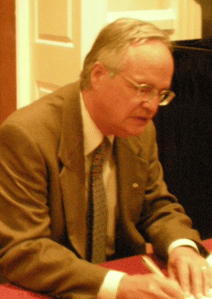
Gus Speth. Event “The Carbon Age: From Crisis to Stability” at the Carnegie Institution for Science. Courtesy of ShashiBellamkonda under CC BY 2.0
James Gustave (Gus) Speth (born March 4, 1942 in Orangeburg, South Carolina) is an American environmental lawyer and advocate. Speth has been a leader or participant in many task forces and committees aimed at combating environmental degradation, including the President’s Task Force on Global Resources and Environment; the Western Hemisphere Dialogue on Environment and Development; and the National Commission on the Environment. Among the many acknowledgements for his work are the National Wildlife Federation’s Resources Defense Award, the Natural Resources Council of America’s Barbara Swain Award of Honor, a 1997 Special Recognition Award from the Society for International Development, the Lifetime Achievement Award of the Environmental Law Institute, and the Blue Planet Prize.
Dear Earth, you are a sacred aqueous Isle in a dark and endless sea of universe. You may never reveal your strategy. We may be bound by genetic code to the presupposing chemical destiny of one great astrophysical master plan for all living things. We, who represent your malaise, your chronic infestation; we, like a fleeting itch in your long life, will never comprehend it. But, in truth you know too well that we can never understand more than one percent of all there is to know. You contain the knowledge that is beyond us. We are but a rash on your skin.
One day, we know you will raze all of our delusions, prepare us for the day when a blinding light will inoculate you and inform us of a moment when extant humans will, at last be prepared to distinguish the l i e s f r o m truth and
so we a r e m e r e a t o m i c p a r t i c l e s inside a temporal chalice
Poetry, Music, Art
for
Peace, Sustainability, Social Justice
Poetry. It’s better than war! —Michael Rothenberg, co-founder of 100,000 Poets (and friends) for Change
It is time once again for The BeZine live 100TPC event, this year at the end of a week when over 7 million people around the world participated in various climate crisis strikes to demand action now, according to 350.org.
Today, under the banner of 100,000 Poets (and friends) for Change (100TPC), for the 9th year, people the world over are gathered to stand up and stand together for PEACE, SUSTAINABILITY and SOCIAL JUSTICE. There are over 700 100TPC events worldwide scheduled for 28 September 2019, and many others throughout the year. This year, a large number of these events focus on the climate crisis, the urgency of which has been well expressed by Greta Thunberg:
When our house is burning we cannot just leave it to the children to pour water on the flames – we need the grownups to take responsibility for sparking the blaze in the first place. So for once, we’re asking grownups to follow our lead: we can’t wait any longer. —Greta Thunberg, 15 March 2019 (age 16, Swedish)
Our themes for your contributions, as every year, are Peace, Social Justice, and Sustainability. As I wrote in the introduction to the September 2019 issue of The BeZine, these three issues intertwine with each other. With a month of climate actions, this week just past of focused action through 350.org, and Greta Thunberg’s #ClimateStrike, #FridaysForFuture, and #schoolstrike4climate efforts, the climate crisis has been a central focus of many this month. The BeZine blog has been running daily posts related to the climate crisis throughout September.
Even so, we welcome your work on any of the three themes. We need action and change in all of these areas, we need it now, and we need to keep calling for action and deep, cultural change, every day.
Right now, the youth are urgently calling on adults and governments to act, and especially on issues of sustainability. Thunberg boldly told the gathered world leaders at the UN:
People are suffering. People are dying. Entire ecosystems are collapsing. We are in the beginning of a mass extinction. And all you can talk about is money and fairytales of eternal economic growth. How dare you! —Great Thunberg, 23 September 2019
While Thunberg may be the most well-known youth on the issue of the climate crisis, other youth have worked on related issues, especially clean water. Clean water should be a human right—it is an issue of social justice, wars are fought over water, and sustainable practices are needed to clean our waters and keep them clean.
Autumn Peltier (age 14), an Anishinaabe living in Canada, is one of those other youth, who, as did her aunt before her, lives her life as a water protector:
No one should have to worry if the water is clean or if they will run out of water. No child should grow up not knowing what clean water is, or never know what running water is. —Autumn Peltier, 22 March 2018 (age 13 at the time, Canadian Anishinaabe)
Seventeen year-old Xiye Bastida, a Mexican American living in New York, speaks to the need for deep-rooted change:
We need to change our culture and change our narrative. For too long, the narrative has been that this is some big distant thing that will happen in the year 2100. But pollution is here. Heatwaves are here. Wildfires are here. Melting ice caps are here. Floods are here. Category 5 hurricanes are here. It’s here already. —Xiye Bastida, 19 September 2019 (age 17, Mexican-American from New York City)
Mari Copeny, a 12 y.o. African American also known as “Little Miss Flint,” at the age of 8 brought attention to (and grant money for) the water crisis in Flint, MI, by writing to then President Barack Obama. Now aged 12, she calls on us to not just act today, nor this week, nor this month:
No, our fight to save the planet didn’t start today with the #ClimateStrike and it doesn’t end today either. Many of us have been putting in the work for years to save our planet. Don’t just amplify our voices today, but every day and support our solutions to save us. —Mari Copeny on Twitter, 20 September 2019 (age 12, African-American from Flint, MI, also known as “Little Miss Flint”)
I return to Thunberg, who proclaims “change is coming”:
You are failing us. But the young people are starting to understand your betrayal. The eyes of all future generations are upon you. And if you choose to fail us I say we will never forgive you. We will not let you get away with this. Right here, right now is where we draw the line. The world is waking up. And change is coming, whether you like it or not. —Greta Thunberg, 23 September 2019
Last year on our 2018 Live 100TPC page, Jamie Dedes, our managing editor, wrote about 100TPC:
Think on this when you are tempted to lose all hope for our species. Remember that—not just today, but everyday—there are ripples and waves and tsunamis of faith and courage crossing borders in the form of poetry, stories, art, music, friendships and other acts of heroism. Hang tough. And do join with us—The Bardo Group Beguines—todayto share your own creative work and to enjoy the work of others. All are welcome no matter where in the world you live.
I say, think of these youth, their messages, and their leadership—”ripples and waves and tsunamis of faith and courage.” Think of these precious, perceptive youth—
—Michael Dickel, Contributing Editor
these precious perceptive youth, a poem
“Providing food, shelter, clothing and education is not enough any more, because all of this would have no meaning in the end, if your children do not have a planet to live on with health and prosperity.” —Abhijit Naskar, The Constitution of The United Peoples of Earth
this perfect blue-green planet, her youth
dream among the strains of their hope,
dream of us like our sun and moon,
coordinating … if only we would,
sowing the rich soil with right-action,
cultivating a greening of our compassion,
acting on a commonsense vision
the fruits of our being-ness plant their
ideals, shared values, a call for accountability,
for a re-visioning unencumbered by insanity,
rich fields to harvest, color, sound, textures,
rough and smooth, the deep rootedness of
their stand and stand for, their wise demands
casting a spell that we might see with one eye,
splendor hidden behind our irresponsibility,
their effervescent call, blossoming unity, vision –
bright spinning planet gently graced with these
wildflowers, these precious perceptive youth.
Dedicated to the young people of the world who teach us many lessons as they reach across borders in their stand for climate action.
TO SHARE YOUR POEMS, ART, PHOTOGRAPHY AND MUSIC VIDEOS FOR OUR “LIVE” VIRTUAL 100TPC TODAY, PLEASE USE MISTERLINKY FOR URL LINKS. JUST CLICK ON THE ICON BELOW. YOU CAN ALSO SIMPLY PASTE YOUR COMPLETE WORK OR THE URL TO IT INTO THE COMMENTS SECTION.
REMEMBER THE THEMES ARE PEACE, SUSTAINABILITY, AND SOCIAL JUSTICE.
as of OCTOBER 2, 2019, this event is closed for sharing
YOU CAN STILL READ
thank you everyone who participated
we’ll open an all-new virtual event next year, Sept. 28, 2010
Click on Mister Linky above to add a link to your work!
“One ought, every day at least, to hear a little song, read a good poem, see a fine picture, and, if it were possible, to speak a few reasonable words.” Johann Wolfgang von Goethe, Wilhelm Meister’s Apprenticeship
Tomorrow is our day to hear songs, read good poems, see satisfying videos, share art, and be moved to celebrate together and to foster peace, sustainability and social justice:
“One thing I learned from organizing 100 Thousand Poets for Change [100tpc] this year is that change will certainly come. It just might come at the very last minute. Wow! People all around the world are signing up right now, like crazy! We have 700 actions so far! Keep it coming!” Michael Rothenberg, Cofounder of 100,000 Poets for Change on September 21, 2019.
To find an event near you go to 100tpc.org.
And . . .
DON’T FORGET ABOUT THE BeZINE 100TPC VIRTUAL EVENT
Banner artwork courtesy of The Bardo Group Beguines team member, Corina Ravenscraft, (Dragonkatet [Dragon’s Dreams])Don’t forget to share your work tomorrow at The BeZine virtual 100TPC. A post will go up on The BeZine blog with complete and easy directions for participation. Michael Dickel and I will keep the event going for 24 hours at least. All you need is access to a computer. You don’t have to go anywhere to share, to read, and to be inspired.
Once in a while you exceed yourself. Are you blue, because we thought no more of you as the driving force for life on Earth or potency behind the waves of bitches and whelps giving us thrilling moments or contemplative of a thriving, muddy, salty, riverine universe of life waiting for you to draw the tidal covers repeatedly over the fruits of our sustenance.
A force of nature, fully formed yet so much smaller than the mother of your birth, you hold sway, in countless ways you touch our lives and drive us through our days. Humble, unassuming, even unnoticed by those who hurtle, mindlessly, and make no time for the wisdom of our insignificance or feel the difference between our age and yours.
As necessity tramples over truth most days, we hide in fear of the darkening, of the madness that ensues. Does not the hunter choose your waning dark to spike the nervous memory, remind us of the feral wolf pack? We may not ever tame you, but your mother is dying a slow and painful death.
Oh super blood blue moon, does not your God and our God sing the same tune?
Before, no sand swept through, no water splashed—a beach at driving distance, yes, but a long, long walk away. Before the three-year old’s stories, which I only half listened to: he was born in clouds before dinosaurs were alive; he died; “But now,” he said, “I’m becoming alive again.”
I thought a story he told me one morning came from his dreams.
He knew a dinosaur, he told me, with bright blue feathers in the day. At night it turned wooly and gray, to keep warm. The dinosaur had a name, Pollaydowen.
I thought, what an amazing imagination my three-year old son has, what colorful dreams.
He had other stories, about his house in space and all of the animals that lived there with him, a farm he had at this house. He went on and on with details—listing every animal we saw at the zoo, on farm visits, in books, on videos, on the internet; listing all of the plants and flowers he had heard of; listing creatures great and small in his lakes and seas.
How did he know all of them?
He insisted we should visit his house in space.
Then changes came suddenly, not slowly, as even the most pessimistic predictions had held. One day, news report said the sea covered beaches even at the lowest tides. The next week, waves washed across roads. Houses washed away. Whole neighborhoods of people could barely evacuate before the surf swallowed the land and their belongings.
The water washed sand over everything. The ozone layer shredded. Paint bubbled and peeled on cars, houses, government buildings. Everything and everyone aged.
Soon, sand dunes blew across the road in front of our house. The house looked like fifty years of neglect had settled in on it over the past few weeks.
That last day, my wife and I heard my son speaking in his room. And we heard another voice.
We went in. A bright blue flash turned toward us.
“We have to go,” my three-year old calmly explained, “now.”
“These sands end time here, the last to flow through the hour-glass,” the blue lizard-creature, Pollaydowen, added.
As we left the house, we trekked through hills of sand.
We returned once, to see what had happened.
I left this note for you who might find it, scratched in the walls, just in case anyone remains. We have an ark.
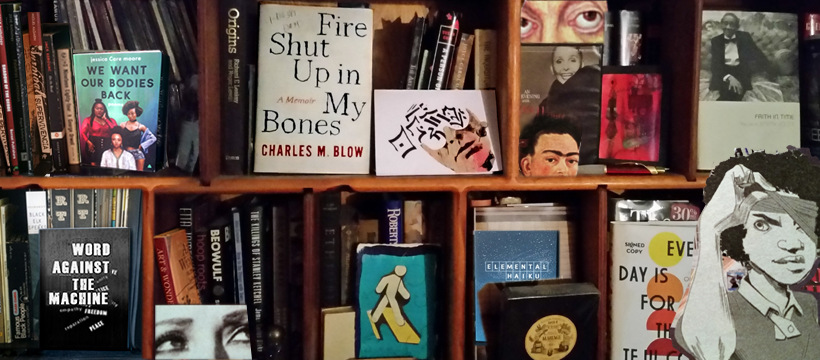



 watercolor 11/2019
 upholding of human rights through Literary Activism and Artivism. ALUTA CONTINUA.” Mbizo Chirasha
 MBIZO CHIRASHA




 JOHN ANSTIE (

 With this post we close our month-long Climate Action blog-series presented in solidarity with the world’s youth and with the many organizations that held events this past month. Our gratitude to and appreciation for the contributors to this series and our readers and followers. Together we rise in support of our beautiful blue-green Earth and our ability to survive and thrive here.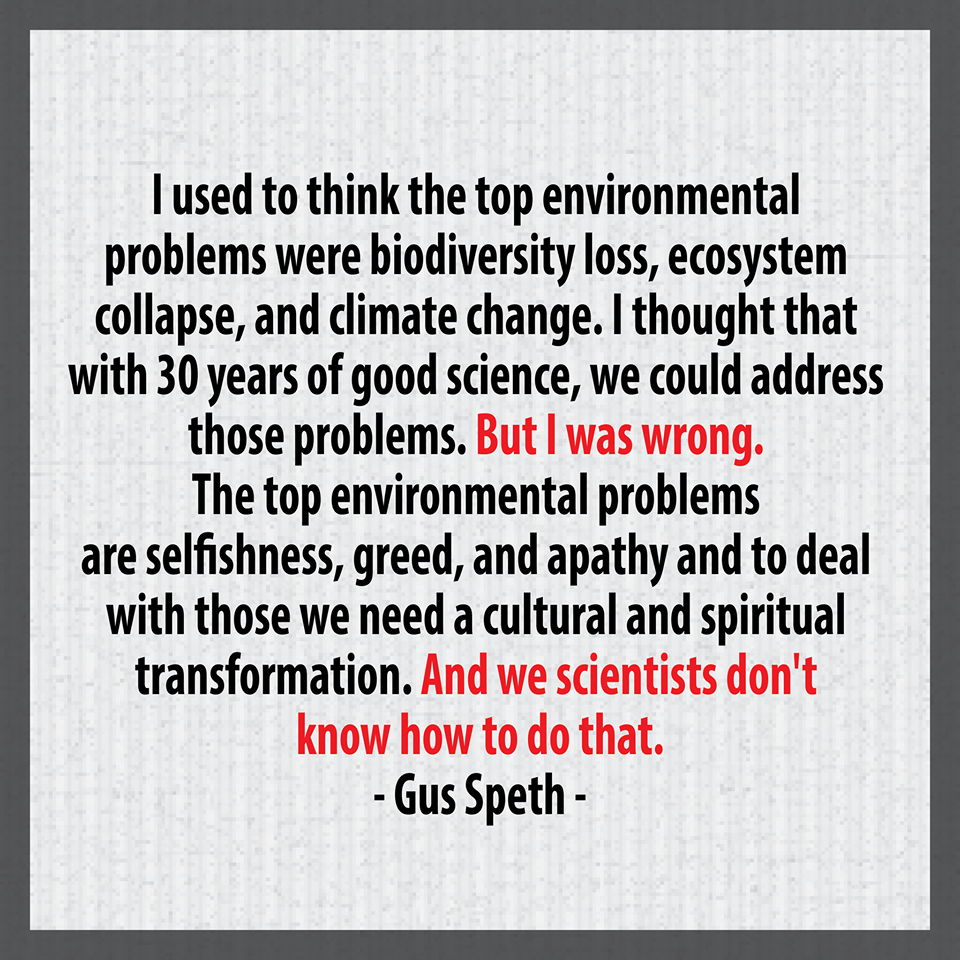


 The BeZine
