Movement, big or little, is a part of human nature. There are social movements…
And musical movements…
We use movement to express ourselves…
To test ourselves…
Out of playfulness…
…or out of necessity.
We celebrate forward movements…
The world keeps turning and so must we…
Don’t forget to have fun along the way.
…or to stop and smell the roses.
It’s okay if you move at your own pace…
…or to give and receive a little lift along the way…
But…
…just…
…keep…
…moving!
All images and words Copyright 2012 Naomi Baltuck
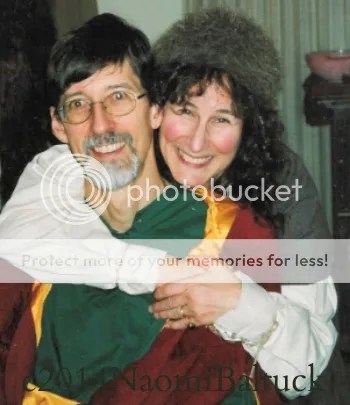
NAOMI BALTUCK ~ is a Contributing Editor and Resident Storyteller here at Bardo. She is a world-traveler and an award-winning writer, photographer, and story-teller whose works of fiction and nonfiction are available through Amazon HERE. Naomi presents her wonderful photo-stories – always interesting and rich with meaning and humor – at Writing Between the Lines, Life from the Writer’s POV. She also conducts workshops such as Peace Porridge (multicultural stories to promote cooperation, goodwill, and peaceful coexistence), Whispers in the Graveyard (a spellbinding array of haunting and mysterious stories), Tandem Tales, Traveling Light Around the World, and others. For more on her programs visit Naomi Baltuck.com
Words by William Shakespeare, from King Richard II. Act ii. Sc. 1.
All images copyright 2014 Naomi Baltuck
NAOMI BALTUCK ~ is a Contributing Editor and Resident Storyteller here at Bardo. She is a world-traveler and an award-winning writer, photographer, and story-teller whose works of fiction and nonfiction are available through Amazon HERE. Naomi presents her wonderful photo-stories – always interesting and rich with meaning and humor – at Writing Between the Lines, Life from the Writer’s POV. She also conducts workshops such as Peace Porridge (multicultural stories to promote cooperation, goodwill, and peaceful coexistence), Whispers in the Graveyard (a spellbinding array of haunting and mysterious stories), Tandem Tales, Traveling Light Around the World, and others. For more on her programs visit Naomi Baltuck.com
I am interrupting my series on Sacred Space in the Body. I wish I could say that it was for a lofty reason, but the truth of the matter is that I wrote a sermon that took all the words out of my body and left me with nothing! And this is a beautiful post about resting and sabbath that I co-created with my FB friend and photographer, Tom Ganner. Originally published at BeguineAgain.com. I’ll be back on track with Sacred Space in the Elder Body next week.
Today’s theme of sacred space in rest is offered by photographer Tom Ganner. Tom is a photographer from Haines, Alaska. I met him last year when I went on a cruise. He toured us around Haines to all the “photography” spots. He was so gracious! I encourage you to look at his photography (http://www.timenspace.net/) and if you are in the area, take his tour!
“Rest is not idleness, and to lie sometimes on the grass under trees on a summer’s day, listening to the murmur of the water, or watching the clouds float across the sky, is by no means a waste of time.”
― John Lubbock, The Use Of Life
The high point of my summer has been two weeks with my grandson. I regret I have to take him down to Juneau today to return him home to Colorado. He says he wants to come back next year. Photo created up Haines Pass near Three Guardsmen. — with Oliver in Haines, AK.
“When we live without listening to the timing of things, when we live and work in twenty-four-hour shifts without rest – we are on war time, mobilized for battle. Yes, we are strong and capable people, we can work without stopping, faster and faster, electric lights making artificial day so the whole machine can labor without ceasing. But remember: No living thing lives like this. There are greater rhythms, seasons and hormonal cycles and sunsets and moonrises and great movements of seas and stars. We are part of the creation story, subject to all its laws and rhythms.”
― Wayne Muller, Sabbath: Finding Rest, Renewal, and Delight in Our Busy Lives
Another ho-hum day in paradise with grandson Oliver at David’s Cove. — in Haines, AK.
“The meaning of the Sabbath is to celebrate time rather than space. Six days a week we live under the tyranny of things of space; on the Sabbath we try to become attuned to holiness in time. It is a day on which we are called upon to share in what is eternal in time, to turn from the results of creation to the mystery of creation; from the world of creation to the creation of the world.”
― Abraham Joshua Heschel, The Sabbath
I wish I was more thankful for things before I lost my vision.
Driving, reading, colors, remembering faces, seeing the stars, being independent, my job, looking at photographs, watching my nephews grow up, seeing what I will look like older, nature, television, writing something down on a piece of paper, an art gallery, seeing the wonders of the world.
Perhaps I am more thankful now. Perhaps my lack of vision gave me more to be thankful for.
Yes my feet burn on the hot pavement. I still have legs.
The annoying sounds during the meditation. I still have hearing.
I have a migraine today. I am still alive!
Using my white cane down the busy street, I am present and aware.
A Mini-Gallery of Photographs from Wendy Rose Alger, Fine Art Photographer
WENDY ROSE ALGER ~ is a fine art photographer born in 1972 in Chicago, Illinois. Wendy now resides in the San Francisco Bay Area in California. She studied photography at the Academy of Art University in San Francisco where she learned manual SLR and how to use a darkroom. These days Wendy uses a digital camera. With a digital camera she can forego a dark room and check her photographs in the camera. Thanks to her digital camera, adaptive technologies, and a variety of computer applications for photography, she is able to pursue her passion despite the vision limitations that result from retinitis pigmentosa. Her website is Wendy Rose Alger, where you can view a more complete gallery of her photographs.
Last July I visited the Hampshire College campus in Massachusetts. I was there to spend a few days with my daughter Bea…
…who was studying at the amazing Yiddish Book Center at the college.
Hampshire has a lovely campus in the middle of rural farm country. And it was 97 degrees.
I’m from The Emerald City and I know green when I see it. Believe me, that countryside was green.
It was midday, and the campus was deserted, except for mad dogs and Englishmen. Oh, yeah, and Bea and me. We were walking to the dorm to sit in front of the AC and have lunch (did I mention it was 97 degrees?). Then out of nowhere came a couple of dairy cows, fresh off the farm, looking like two giant Oreo cookies on the hoof. Completely out of context, they looked larger than life.
One doesn’t often see cows going faster than a mosey, but these two came galloping toward us–no, frolicking is the only word for it. They came frolicking across the manicured lawn.
They seemed giddy with the sense of freedom. No cattle lows here. In fact, I could almost hear one calling to her girlfriend, “Woo hoo! C’mon,c’mon,c’mon, come ON!!“
Oh, they were fresh, and they were frisky! Across the campus they bounced, udders swaying, heads bobbing. Like young girls taking the bus downtown for the first time. Or mothers in a frenzy of activity when Baby goes down for a nap. Grownup sisters on their first overnight after the kids are weaned. Old ladies and their girl herd down at the senior center on Bingo Night.
A student heading out to the parking lot saw them. Before ducking into the safety of her car, she shouted, “Get inside! Mad cows on the loose!” But Bea and I weren’t afraid. If this was Mad Cow Disease, we wanted to catch it. I swear, those cows were laughing and shoulder bumping!
They were on their first jump over the moon. New sights, new smells, new tastes. Maybe the grass really was greener on the other side of the fence. How would they ever know if they didn’t give it a try?
“You’re going to stick your head into a garbage can? Then I’m going to stick my head into a garbage can too!” Thelma and Louise on the hoof!
Out from under Farmer Brown’s thumb! You go, girls!
I knew then and there, I would never wait for someone to open the gate of the corral. If it’s locked, I’ll jimmy it.
Whether your middle name is Hamburger Helper or you’re just tethered to a milking machine, life is short. You can put in your time on the farm, but if you wait patiently for someone to put you out to pasture, chances are it ain’t gonna happen.
It’s up to you to kick up your heels while you still can.
You hear what I’m saying? Get Moooving!
All words and images copyright 2013 Naomi Baltuck
NAOMI BALTUCK ~ is a Contributing Editor and Resident Storyteller here at Bardo. She is a world-traveler and an award-winning writer, photographer, and story-teller whose works of fiction and nonfiction are available through Amazon HERE. Naomi presents her wonderful photo-stories – always interesting and rich with meaning and humor – at Writing Between the Lines, Life from the Writer’s POV. She also conducts workshops such as Peace Porridge (multicultural stories to promote cooperation, goodwill, and peaceful coexistence), Whispers in the Graveyard (a spellbinding array of haunting and mysterious stories), Tandem Tales, Traveling Light Around the World, and others. For more on her programs visit Naomi Baltuck.com
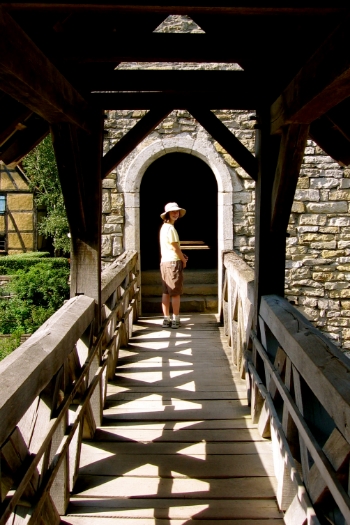
When my daughter Bea was studying at the Yiddish Book Center in Massachusetts, I went to visit her. We zipped down the turnpike to Old Sturbridge Village.
The village is a living museum including 59 restored buildings, a working farm and water-powered mills. There were craftsmen…
…artisans…
…tradesmen…
…and re-enactors.
We were invited to look through a window in time…
We saw village life as it was lived between the 1790s and the 1830s.
I enjoyed the opportunity to see the old buildings from the inside out.
Everywhere we went there were whispers, hinting at the inside story.
Upon reflection, one thing was clear…
Just as we do today, those people worked hard…
…fell in love…or not…
…cherished their children…
…and valued their friends.
Some things never change.
All images and words copyright Naomi Baltuck
NAOMI BALTUCK ~ is a Contributing Editor and Resident Storyteller here at Bardo. She is a world-traveler and an award-winning writer, photographer, and story-teller whose works of fiction and nonfiction are available through Amazon HERE. Naomi presents her wonderful photo-stories – always interesting and rich with meaning and humor – at Writing Between the Lines, Life from the Writer’s POV. She also conducts workshops such as Peace Porridge (multicultural stories to promote cooperation, goodwill, and peaceful coexistence), Whispers in the Graveyard (a spellbinding array of haunting and mysterious stories), Tandem Tales, Traveling Light Around the World, and others. For more on her programs visit Naomi Baltuck.com
One of the most difficult things that humans do is make meaning from their current situation. In seminary, we were asked to do an assignment called, “This I Believe.” I still treasure the product of that assignment and will share it below. A few questions I pondered and hoped to be thoughtful about included:
What is belief?
How is belief lived out?
Does belief evolve over time?
If belief evolves over time, what does that mean?
Could belief be the only particular window into the world?
Or is belief a particular window into the world?
windows
as i look behind
i see a path of aged stone
worn away at the edges
cementing to its neighbor
existing since the
apple flew from the tree
as i look ahead
i see tangles and brambles
and flowers and warmth
and my foot reaches out
as the stone peeks
through the grasses
for a moment
while i hesitantly
test the ground
of all being
as i place my foot
down on the rock
the path is solid and
the tangles and brambles
dissolve into nothing
as the daisies lean towards
the sun gesturing
for me to proceed
as i look up
i see a mansion
welcoming me with
the scent of lavender
and love
calling out like
mama greeting me
after a long summer
away at camp
as i reach the door
i turn the handle
shaking and trembling
with fear and awe
standing at the portal
that leads to
a new place of belonging
as i step forward
realizing this is home
my ragged teddy bear
is waiting for me
on the worn chair
joy glinting off his
button eye
Papa! Mama!
i am home!
“In the garden, child.”
as i look out
i suddenly notice
the windows
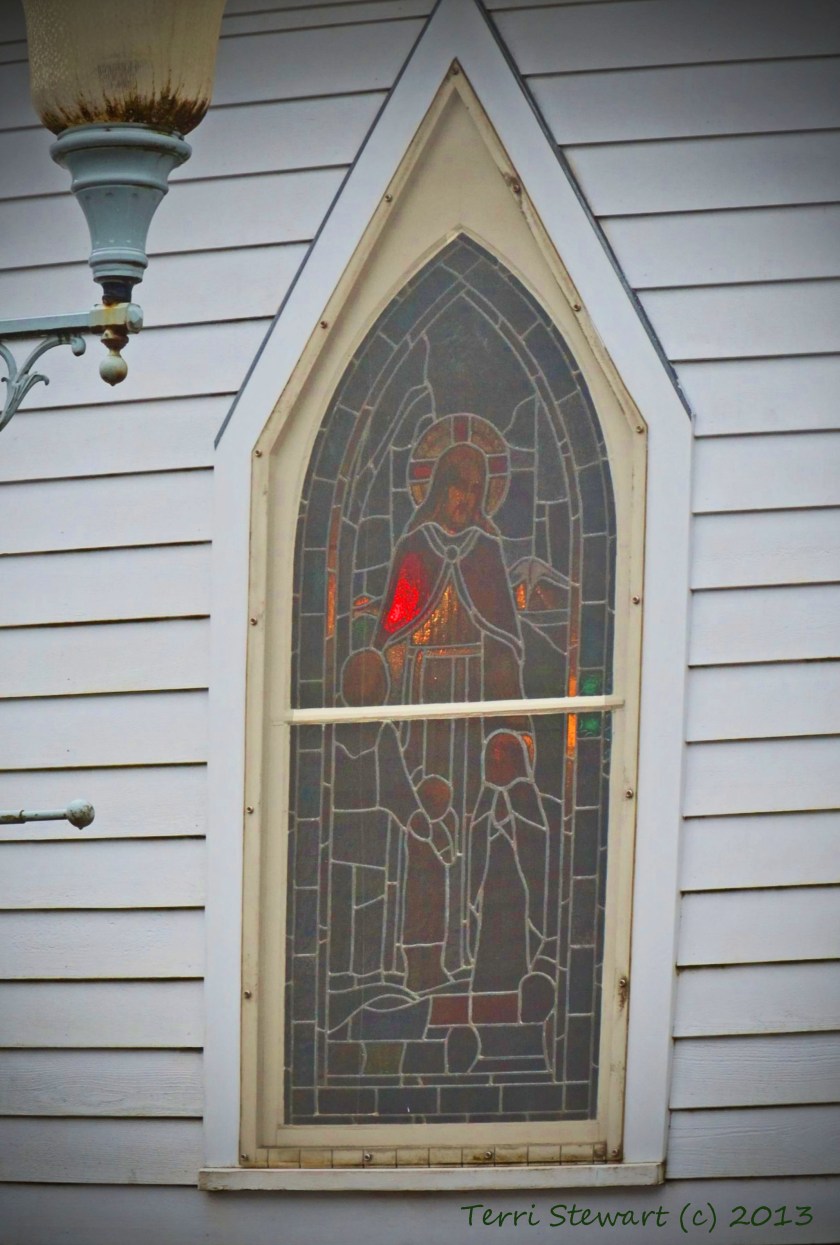
each stained to create
a beautiful invitation
of loving encouragement
and lively warmth
leading to the garden
as i run from window
to window i am stunned
by the rainbow of promise
that dances before
my eyes
until i see him
and i am caught
by his image
as love overwhelms me
and my heart dances
and the garden glistens
through the
tears in my eyes
as i peek into the garden
i see Papa waiting for me
and my hand reaches out
to touch the beauty of
him and passes
through the glass
holding me in surprise
while i walk through the
window into the light
enraptured with him
i run to Papa
and leap into His arms
knocking Him back and
He receives me with
a chuckle and twirls
me headily through the
clouds with laughter
born of love and
grace.
by Terri Stewart
Shalom and Amen!
Poem, Terri Stewart, May, 2009
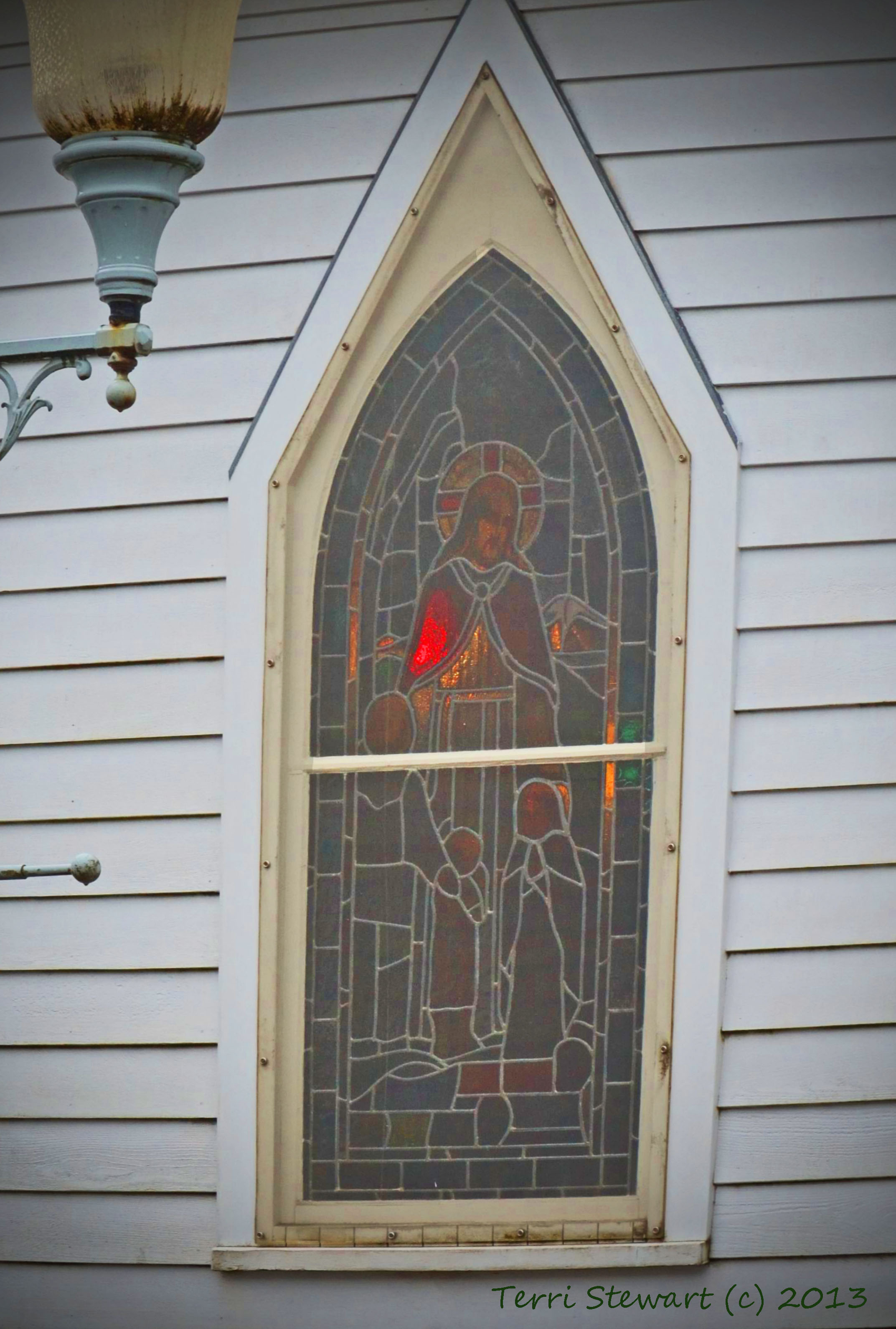
Photo, Terri Stewart, 2013
Post, Terri Stewart, updated from 2013 at http://www.BeguineAgain.com
…
CHARLES W. MARTIN (Reading Between the Minds) — earned his Ph.D. in Speech and Language Pathology with an emphasis in statistics. Throughout Charlie’s career, he maintained a devotion to the arts (literature/poetry, the theater, music and photography). Since his retirement in 2010, he has turned his full attention to poetry and photography. He publishes a poem and a photographic art piece each day at Read Between the Minds, Poetry, Photograph and Random Thoughts of Life. He is noted as a poet of social conscience. Charlie has been blogging since January 31, 2010. He has self-published a book of poetry entitled The Hawk Chronicles and will soon publish another book called A Bea in Your Bonnet: First Sting, featuring the renown Aunt Bea. In The Hawk Chronicles, Charlie provides a personification of his resident hawk with poems and photos taken over a two-year period. Charlie’s lastest book, When Spirits Touch, Dual Poetry, a collaboration with River Urke, is available through Amazon now.
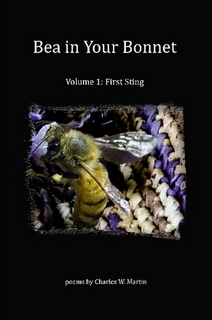
Charlie’s long awaited Aunt Bea Collection is out. He says, “Bea In Your Bonnet: First Sting is a collection of germinal poems featuring Aunt Bea. Aunt Bea’s voice is one I’ve heard almost every day of my life. Family observations, lessons, and advice given to me and every other family member who had the good sense to listen. Her homespun philosophy most likely will not be found in any collegiate textbooks or for that matter in any local town crier newspaper catering to city dwellers. Indeed, she has a different way of viewing the world; a bit old fashion, sassy, and steely at times but a viewpoint which has engaged my imagination and heart. I sincerely hope you too will find some morsel of wisdom in her personal observations and interpretations of life’s events, but do watch out for her stingers.”
Have you ever visited a museum or found yourself and your camera lost in the beauty of nature and sought to describe your feelings and the experience in words?
Perhaps the art was one of the great classical works of a Rembrandt or the impressionism of Van Gogh. Maybe it was a piece of abstract impressionism or a Warhol print. Or a photo by a famous photographer such as Ansel Adams or Annie Liebowitz. Or the work of a fellow blogger, a friend, or even your own picture that you managed to capture there in the backyard, the forest, the desert, or city. Portrait, still life or landscape…all have the possibility of tickling the muse.
Ekphrasis is a term for writing that is inspired by a work of art, whatever media or subject that may be. A familiar example is Keats’ Ode on a Grecian Urn.
Ode on a Grecian Urn
Thou still unravish’d bride of quietness, Thou foster-child of silence and slow time, Sylvan historian, who canst thus express A flowery tale more sweetly than our rhyme: What leaf-fring’d legend haunts about thy shape Of deities or mortals, or of both, In Tempe or the dales of Arcady? What men or gods are these? What maidens loth? What mad pursuit? What struggle to escape? What pipes and timbrels? What wild ecstasy? (Excerpt: Public Domain)
A much lengthier poem, Keats goes on to describe this unknown work to us, but even more so, to share its effect on him, the poet.
Since we are in the midst of celebrating International Photography Month, I thought for today it would be appropriate to use some of the photographs offered up by our fellow Bardo authors and readers as an inspiration for today’s prompt. Consider, as well, using one of your own to get that pen or pencil to paper engaged, or your fingers dancing on the keyboard.
Should you choose to share your work here, here’s how to do it:
• Write your poem, flash fiction or essay and post it to your blog or website. • Copy the direct URL of your post and paste it into the Mr. Linky at the bottom of this page. If you prefer, simply add the link to comments. • Include the photo that gave you inspiration or the link in your post. Also credit the photographer.
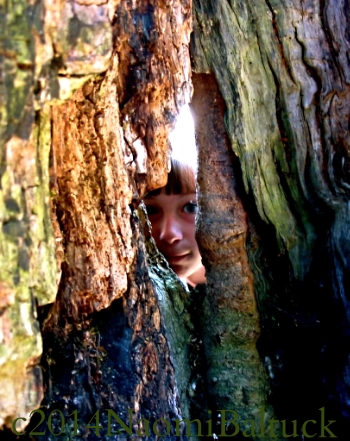
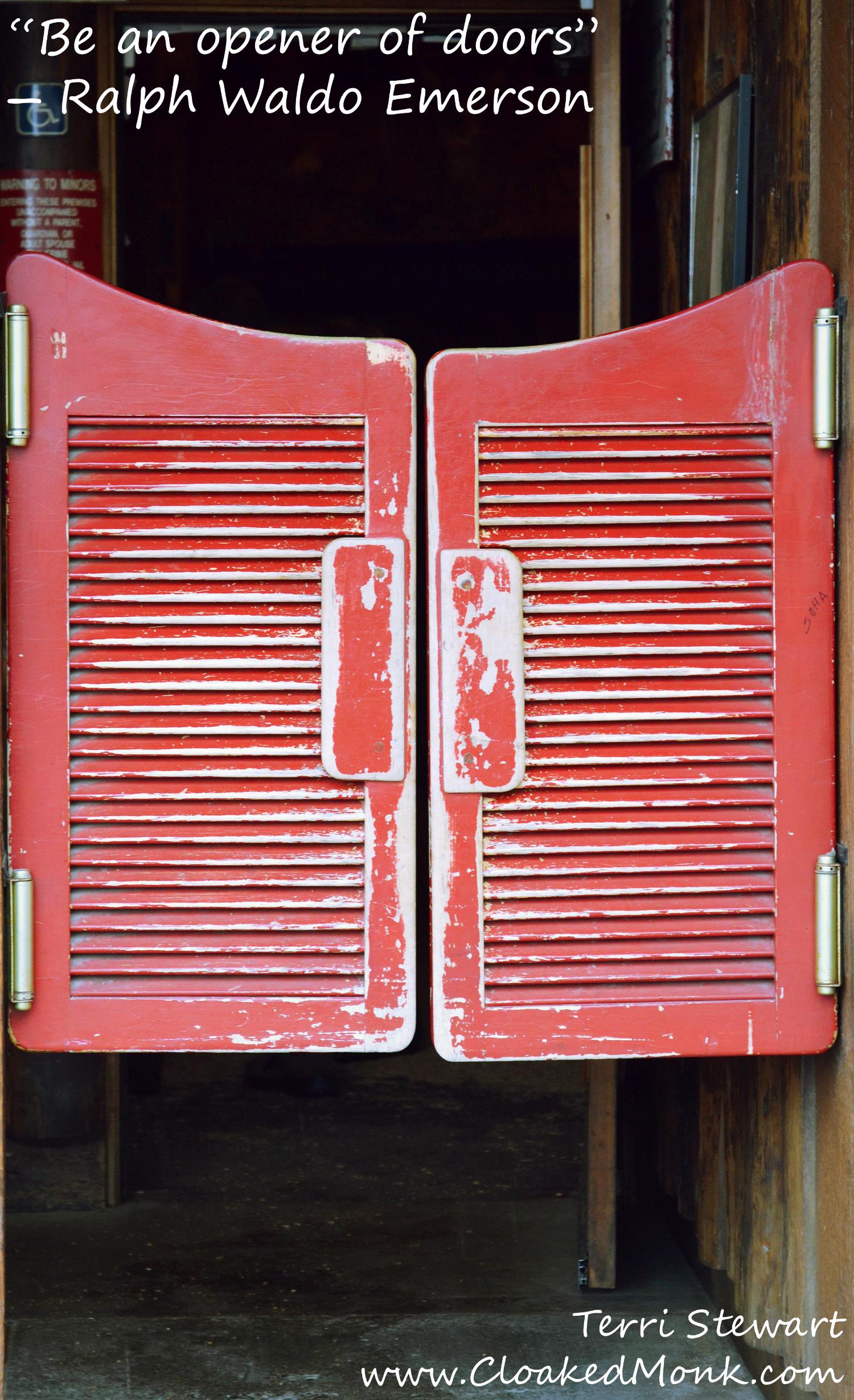
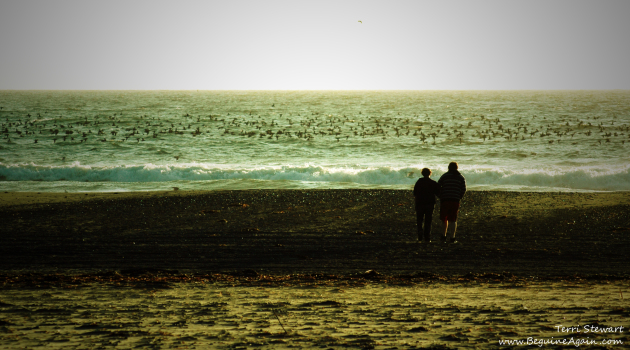
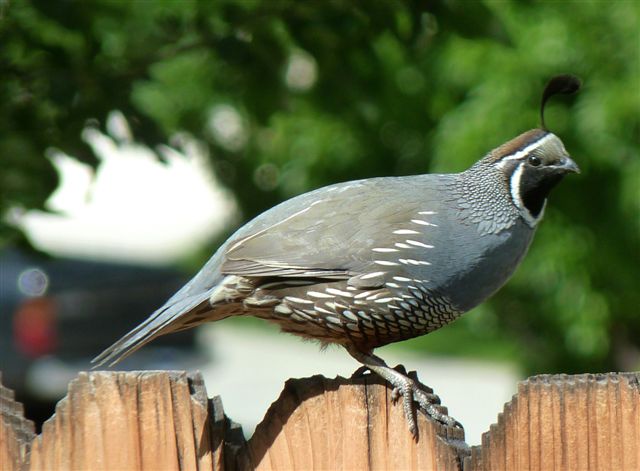
Here are a few photos to choose from, if you like:
Many thanks, Terri and Naomi, for sharing your talent.
– Victoria C. Slotto
2014, essay, Victoria C. Slotto, All rights reserved; photographs as indicated
To join in today just click on the MisterLinky button below to add a link to your work or you may just leave the link in the comment secion below. You have seventy-two hours to link something in. Victoria and Jamie will visit and comment and we hope that you will visit others and provide support and comment as well.
Writers’ Fourth Wednesday prompt is hosted by Victoria from January through October. Victoria’s next Fourth Wednesday writers’ prompt will post at 12:01 a.m. PST on June 25. Please join us. Mister Linky will remain open for seventy-two hours so that you can link your response to this blog.If you find Mister Linky too cumbersome to use, please feel free to leave your link in the comments section on Wednesday. Victoria and Jamie will read and comment and we hope you will read each other’s work as well, comment and encourage.
To help us continue our close of interNational Photography Month, what could be better than this lovely iris and poetic musing from Marilynn Mair, mandlinist, bandolimist, writer, photographer and wannabe Brasileira? Marilynn is Professor of Music at Roger Williams University in Bristol, Rhode Island. In some circles she is known as the First Lady of Mandolin.
Sixty, maybe seventy years ago my father gave a turquoise blown-glass dinnerware set to his mother, my Grandma Rose. She called it her “mowt-blown china.” At antique stores I’ve seen similar glassware, said to be from Mexico.
Grandma gave it to my brother Lew, who gave it to me. Every time I used those dishes, I felt a connection to Daddy and Grandma too.
More fragile than china, they came out mostly for birthdays, Valentine’s Day, or sci-fi dinner parties.
Thom and I were newlyweds when I gave him a mug bearing an excerpt from Rilke that we’d borrowed for our marriage vows. “For one human being to love another is perhaps the most difficult of all our tasks, the ultimate, the last test and proof, the work for which all other work is but preparation.”
Thom had already learned that lesson the hard way. Before we met I’d had a fear of commitment. I was so afraid of getting stuck or worse, abandoned, that I rarely went on more than a couple dates with anyone. I carried my own walking papers in my back pocket and I wasn’t afraid to use them.
Then came Thom. Poor Thom. Dear Thom. Courageous Thom.
He could take it on the chin, and grin.
He was wise enough to perceive the pattern and understand what I was doing even before I did. He was gentle and patient. He taught me how to fight fairly and work things out instead of just dumping guys in general, and him in particular. He taught me that it was okay to ask for what I want, how to negotiate, and not to expect others to be able to read my mind. He taught me that I could be myself and still be loved. He taught me that there were men out there who can be counted on, and that I could count on him. Thom deserves combat pay for sticking it out long enough for me to realize I didn’t want to make him go away after all. And so I stopped trying. Best decision I ever made.
So what do these vessels have to do with Thom and me, or anything at all?
Almost thirty years ago a dear friend, who may or may not have been related, was visiting and washed the dishes.
Putting them away, she stacked the elegant glass cup inside the Love Mug. Try as we might, we could not pry them apart. We tugged and twisted, but were so afraid of breaking either piece that we gave up. I couldn’t bear to throw them out, so they lived here for the next twenty-five plus years.
It is both appropriate and a little poetic that the same person, without whom there would be no story, was also present for its unexpected conclusion.
A year or two ago, I rediscovered the inextricable pair in the back of the cupboard. I decided, once and for all, to mend it or end it. It was like asking a husband to choose between the life of the mother or the child, which is why I’d put it off for so long. I finally opted to save the heirloom glass, if possible, which was stuck inside the mug. I told that dear person, who shall remain unnamed, that I’d take a hammer to the mug, if necessary; if the glass were to break as well, so be it.
But I’ve learned a little grease applied judiciously can go a long way. We drizzled oil in between and pulled, hoping the glass would slide out. It did not.
We went back to simple lessons learned in high school science. Heat expands and cold contracts. While soaking the outside of the mug in boiling water, we filled the glass with ice water. Still the glass stuck tight. So it came down to the last resort. Holding the mug by the handle, I whacked it on the countertop, hoping it would shatter. Pop! Out came the glass, in perfect shape, and I had my morning coffee in the Love Mug.
There are several morals to this story.
First of all, no one can tease me any more for hanging on to the glass and the mug all those years. Pay attention to your instincts!
Secondly, you might actually learn something in science class that you can apply to real life (and don’t forget that bit about the grease.)
Thirdly, breaking up is hard to do, but sometimes you just reach a breaking point, where you need to mend it or end it.
Fourthly, once you try everything you can think of, try everything you can’t think of. Sometimes you have to try everything all at once. But if it’s something worth saving, it’s worth the effort.
Love is like that. Thank goodness.
All images and words c2014 Naomi Baltuck
NAOMI BALTUCK ~ is a Contributing Editor and Resident Storyteller here at Bardo. She is a world-traveler and an award-winning writer, photographer, and story-teller whose works of fiction and nonfiction are available through Amazon HERE. Naomi presents her wonderful photo-stories – always interesting and rich with meaning and humor – at Writing Between the Lines, Life from the Writer’s POV. She also conducts workshops such as Peace Porridge (multicultural stories to promote cooperation, goodwill, and peaceful coexistence), Whispers in the Graveyard (a spellbinding array of haunting and mysterious stories), Tandem Tales, Traveling Light Around the World, and others. For more on her programs visit Naomi Baltuck.com
pull apart the fibers of the soul weave the strains into strings pull them tight against a curved body of wood stroke them with passion now that’s jazz or you might prefer to create a single sheet of soul the drum heads that pound like hearts inside the breast of mankind now that’s jazz but maybe you’d like to compress them into a reed then wet the reed with life making the soul’s song with fluttering fingers now that’s jazz oh but some of you will want to forge them into metal so you can hear gabriel’s horn at your door now that’s jazz jazz announcing the presence of god playing bass holding the whole thing together
Editorial Note:With this poem, The Bardo Group honores its own International Jazz Day. Jazz music began its evolution in the late nineteenth century the Southern United States with a combination of European harmony and African musical elements: improvisation, blue notes, syncopation, swing notes and polyrhythms. It has since developed in diverse directions and has been joyfully adopted by cultures the world over.
CHARLES W. MARTIN (Reading Between the Minds) — earned his Ph.D. in Speech and Language Pathology with an emphasis in statistics. Throughout Charlie’s career, he maintained a devotion to the arts (literature/poetry, the theater, music and photography). Since his retirement in 2010, he has turned his full attention to poetry and photography. He publishes a poem and a photographic art piece each day at Read Between the Minds, Poetry, Photograph and Random Thoughts of Life. He is noted as a poet of social conscience. Charlie has been blogging since January 31, 2010. He has self-published a book of poetry entitled The Hawk Chronicles and will soon publish another book called A Bea in Your Bonnet: First Sting, featuring the renown Aunt Bea. In The Hawk Chronicles, Charlie provides a personification of his resident hawk with poems and photos taken over a two-year period. Charlie’s lastest book, When Spirits Touch, Dual Poetry, a collaboration with River Urke, is available through Amazon now.
SECOND LIGHT 20th ANNIVERSARY! The Bardo Group community extends to Second Light Network (women poets forty-years old or better) our best wishes, appreciation, and congratulations for its on-target focus, fine work and unrelenting commitment to poets, poetry, and to giving women in their third act a second chance. Special kudos to poet and founder, Dilys Wood, and all those who provide regular support to us here at The Bardo Group especially poets Myra Schneider who keeps us informed, provides us with wonderful poetry and instructive feature articles and Ann Stewart who so ably assists us with the details of coordination.
Jackie Kay (b. 1961), Scottish poet and novelist is judge for the 2014 Second Light Network Long and Short poetry competition, photo by Slowking4 under CC A – Noncommercial Unported License
SECOND LIGHT POETRY COMPETITION DEADLINE: TUESDAY 17th JUNE. Judge: Multi-award-winning JACKIE KAY. Long and Short Poems by Women. (‘Long’ = 50+ lines). 1st Prize £300 (in each category). More cash & book prizes + publication in ARTEMISpoetry + London reading. Enter by post or online.
Amongst Jackie Kay’s many poetry awards and prizes are the Forward, Saltire, Scottish Arts Council (for The Adoption Papers) and a shortlisting for Costa. She also writes award-winning fiction both for adults and children, and for stage and TV. She is Professor of Creative Writing at Newcastle University. She was awarded an MBE in 2006, and made a fellow of the Royal Society of Literature in 2002.
£300 First Prize for each of Long (no upper limit) and Short (max 50 lines) poems
£100 Second Prize (1 poem from either category)
£50 Third Prize (1 poem from either category)
Commended poets: book prizes
Winning & Commended Poets published (in full or extract) in ARTEMISpoetry
A reading will be organised for winners in London in Autumn 2014.
Entry: £6 each per long poem. Short poems: £4 each or £9 for 3, £14 for 8. Enter by post (2 copies) or online.
Complete details HERE. PLEASE NOTE THAT ALTHOUGH SECOND LIGHT NETWORK OF WOMEN POETS IS BASED IN ENGLAND, MEMBERSHIP IS OPEN WORLDWIDE AND SUBMISSIONS TO ARTEMISpoetry and to various anthologies and competitions are considered from women anywhere in the world. You do not need to be a member to submit your work to be considered for publication.
A BEA IN YOUR BONNET, FIRST STING: If Charlie Martin has felt his ears ringing this month, it’s probably because we’ve been reading – and talking about – his newest collection and are delighted with it. It was worth the wait. It’s filled with humor, irony and folksy wisdom.
Charlie says, “Bea In Your Bonnet: First Stingis a collection of germinal poems featuring Aunt Bea. Aunt Bea’s voice is one I’ve heard almost every day of my life. Family observations, lessons, and advice given to me and every other family member who had the good sense to listen. Her homespun philosophy most likely will not be found in any collegiate textbooks or for that matter in any local town crier newspaper catering to city dwellers. Indeed, she has a different way of viewing the world; a bit old fashion, sassy, and steely at times but a viewpoint which has engaged my imagination and heart. I sincerely hope you too will find some morsel of wisdom in her personal observations and interpretations of life’s events, but do watch out for her stingers.”
******
“YOU BRING TO THE ACT OF PHOTOGRAPHY all the pictures you have seen, the books you have read, the music you have heard, the people you have loved.” Ansel Adams (1902-1984), American photographer and environmentalist
interNATIONAL PHOTOGRAPHY MONTH: We’ve spent a good portion of our May posts on photography in honor of this celebration. We’ve explored photography as art, journalism, documentary, story, creative outlet, means to enter sacred space and as spiritual practice. In case you’ve missed any of these delicious and sometime provocative posts, here are the links/subjects covered:
TIDBITS: Niamh Clune reports that she is busy busy expanding Plum Tree Books children’s division. Liz Rice-Sosne (noh where) and Jamie Dedes (The Poet by Day) have both moved to new digs and are recuperating from exhausing work and the many complications (anticipated and unanticipated) that are always involved in such endeavors. Both will be back online more frequently soon, as will Liliana Negoi (Endless Journey and in Romaniancurcubee în alb şi negru) who has been up to some truly interesting things, which we hope she’ll share with us.
Priscilla Galasso (scillagrace) who did a fabulous job on our first ever Wordless Wednesday.
Naomi Baltuck (Between the Lines: Life from the Writer’s POV) for her wonderful stories told with many photographs and few words. Naomi says that she has some 30,000 photographs in her collections from travel and everyday life, which her brother is helping her organize.
Corina Ravenscraft, dragonkatet (Dragon’s Dreams) who did such a touching photo of Planet MoM. Check it out if you haven’t as yet.
WRITER’S FOURTH WEDNESDAY/Coming up 28 May: Writers’ Fourth Wednesday prompt is hosted by poet, novelist and writing coach, Victoria C. Slotto, from January through October. Victoria’s next Fourth Wednesday writers’ prompt will post at 12:01 a.m. PST on May 28. Please join us. Mister Linky will remain open for seventy-two hours so that you can link your response to this blog.If you find Mister Linky too combersom to use, please feel free to leave your link in the comments section on Wednesday. Victoria and Jamie will read and comment and we hope you will read each other’s work as well, comment and encourage.
THE BEST FOR LAST:
POETS AND ARTISTS OF EVERY ILK GATHER FOR POSITIVE CHANGE AROUND THE WORLD: As part of the planning process for 100,000 Poets for Change in Septermber, we are interviewing one of the founders of the event, Michael Rothenberg, poet, songwriter, editor and environmentalist. (Terri Carrion, poet, writer and photographer is the other founder.) We will complete the interview and deliver it here sometime in June. It’s a work in progress right now. The Bardo Group is officially partnered with 100,000 Poets for Change. We will sponsor a virtual event. Liz Rice-Sosne (noh where) hosts.
Thank you to all who share their extraordinary and diverse works here, to those who read and comment, and to those who spread the word and reblog posts. Thanks to the Core Team for their consistency, commitment, and professionalism. You rock!
This month is interNational Photography month! Here, at The Bardo Group, we will be playing with this theme all month-long. On Sundays, we will be focusing on where the practice of photography intersects with our own experience and expression of spirituality.
Last week, I wrote about the symbolism in our religious traditions of light and used photography and light to show how we can point to something that transcends our understanding. Plato would say that the photo of sunset points towards the form of sunset—that perfected form of sunset-ness.
Plato’s Theory of Forms “described the common nature of all things in the world, not just of a table, for instance but of all the tables that ever were and ever will be. This Platonic form of the ideal table is eternal and changeless. It has an essential tableness, as it were, that exists whether the table is where you ate lunch in the school cafeteria or the one at a Paris café where you fell in love. In Plato’s famous allegory of the cave in “The Republic,” the things that we see on a daily basis, like the table in front of you, are merely shadows of the ideal form.” (https://www.archetypes.com/article/plato)
Any object can point towards the perfected idea of that object. And what we see in front of us is essentially a shadow of its ideal self (as no perfected form can be reached—saving this philosophical and theological discussion for another time!).
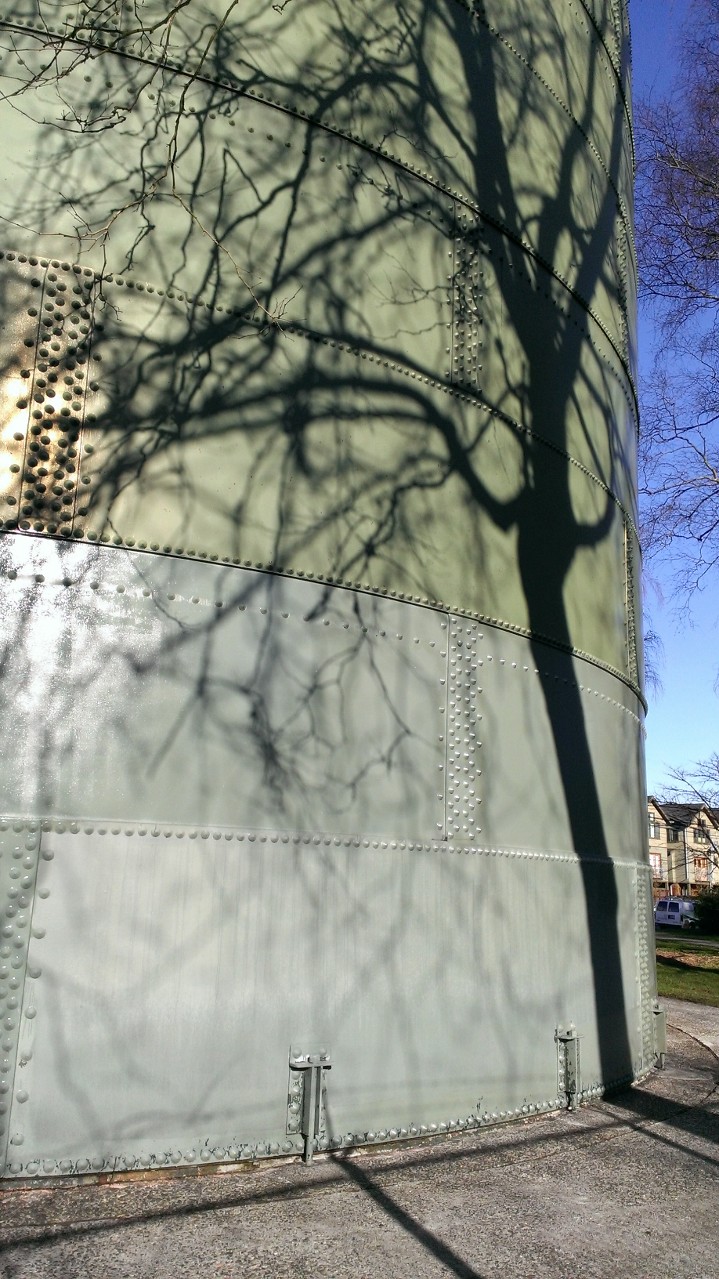
In photography, shadows are only achievable when there is light. Without light, no shadows. And sometimes, shadows can lead to beautiful pictures. When we handle shadows correctly.
Pointing Towards the Form of Tree-ness by Terri Stewart
And isn’t that true of life? We need to handle our own shadows correctly in order to have a more perfected life? Our shadows, like Plato’s cave, leave us living lives that are not quite ideal. Often, our shadow grows out of shame. Shame comes from unresolved trauma—something that we have not dealt with entirely. For me, shame is often connected to my body image. I remember, 30 years ago, sitting at the dinner table all of 5’3” and 120 pounds and being told, “No wonder I was fat.” And then crying into my plate. Logically, I know that 5’3” and 120 pounds was just fine. But that shame experienced at that moment is seared into my brain and I can recall the rush of tears that made me ashamed of my body. That feeds into self-sabotage of my embodied self in some ways and can lessen my general enjoyment of life unless I deal with it and learn to look at my shadow and bring it into the light!
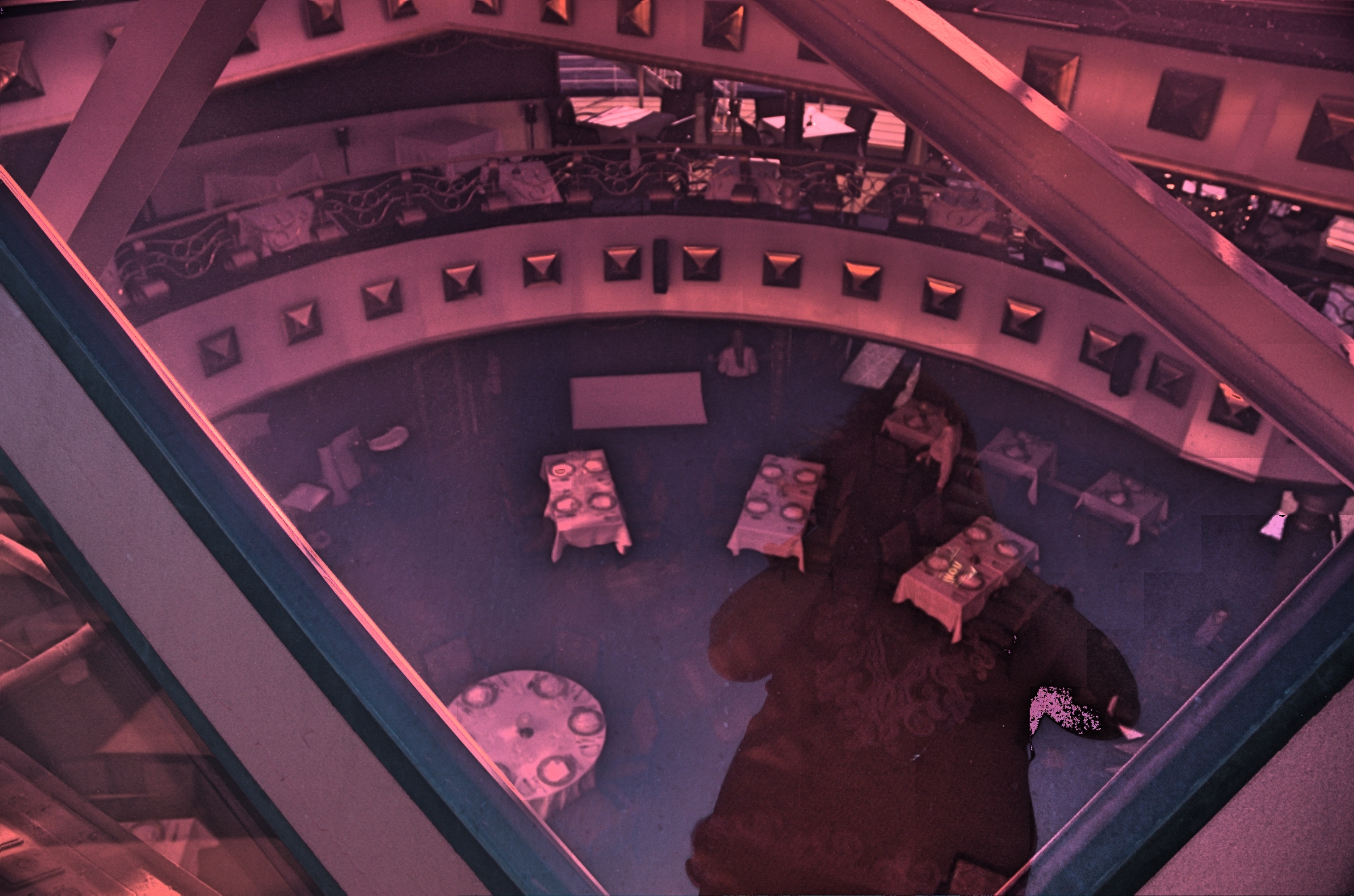
I can use photography to examine both myself and my shadow. Selfies aren’t all selfish. You can use them to take photos of your shadow self, bringing yourself more and more into the light and into a fuller realization of our perfected selves.
Pointing Towards the Form of Terri-ness by Terri Stewart
Someone said that photography is painting with light. It is also learning how to cope with shadows and darkness. Do you have a shadow—in your photos? Can you peek into it and see how it points towards the fullness of life?
Shalom and Amen!
Post by Terri Stewart, 2014
Photography, CC License (CC BY-NC)
Terri Stewart ~ a member of our Core Team,comes from an eclectic background and considers herself to be grounded in contemplation and justice. She is the Director and Founder of the Youth Chaplaincy Coalition that serves youth affected by the justice system. As a graduate of Seattle University’s School of Theology and Ministry, she earned her Master’s of Divinity and a Post-Master’s Certificate in Spiritual Direction with honors and is a rare United Methodist student in the Jesuit Honor Society, Alpha Sigma Nu. She is a contributing author to the Abingdon Worship Annual.
Her online presence is “CloakedMonk.” This speaks to her grounding in contemplative arts (photography, mandala, poetry) and the need to live it out in the world. The cloak is the disguise of normalcy as she advocates for justice and peace. You can find her at www.cloakedmonk.com,www.twitter.com/cloakedmonk, and www.facebook.com/cloakedmonk. To reach her for conversation, send a note to terris@beguineagain.com
honey
i wish i could convert
my life’s composite image
into one of those digital negatives
cause then
i could upload the whole thing into photoshop
and get busy fixing it
first thing i would do
is put you on the background layer of my life
so every layer of my life
would include you
that would clear up a hell of a lot
next i’d take that healing tool
and run it over my heart a couple times
maybe more
depending on which layer of my life i’m looking at
next i’d use that sharpening tool
on my head
just to clear up
some of life’s little mysteries
like how can kindness be used
as a weapon against you
and why do lies sound
better than the truth
and how can god not act
when soulless men kill his children
before they have even begun
to breathe in the beauty of life
then i’d bring into focus
all the lies that have been told
so folks would see them
for what they are
i’d add a little color to some folks
just to have them feel
what i have felt
oh and of course
i would definitely
use the eraser
well honey
you know how
i
would
use
that
CHARLES W. MARTIN (Reading Between the Minds) — earned his Ph.D. in Speech and Language Pathology with an emphasis in statistics. Throughout Charlie’s career, he maintained a devotion to the arts (literature/poetry, the theater, music and photography). Since his retirement in 2010, he has turned his full attention to poetry and photography. He publishes a poem and a photographic art piece each day at Read Between the Minds, Poetry, Photograph and Random Thoughts of Life. He is noted as a poet of social conscience. Charlie has been blogging since January 31, 2010. He has self-published a book of poetry entitled The Hawk Chronicles and will soon publish another book called A Bea in Your Bonnet: First Sting, featuring the renown Aunt Bea. In The Hawk Chronicles, Charlie provides a personification of his resident hawk with poems and photos taken over a two-year period. Charlie’s lastest book, When Spirits Touch, Dual Poetry, a collaboration with River Urke, is available through Amazon now.
Charlie’s long awaited Aunt Bea Collection is out. He says, “Bea In Your Bonnet: First Sting is a collection of germinal poems featuring Aunt Bea. Aunt Bea’s voice is one I’ve heard almost every day of my life. Family observations, lessons, and advice given to me and every other family member who had the good sense to listen. Her homespun philosophy most likely will not be found in any collegiate textbooks or for that matter in any local town crier newspaper catering to city dwellers. Indeed, she has a different way of viewing the world; a bit old fashion, sassy, and steely at times but a viewpoint which has engaged my imagination and heart. I sincerely hope you too will find some morsel of wisdom in her personal observations and interpretations of life’s events, but do watch out for her stingers.”
In this video, photographer and Moving Walls exhibition co-curator Susan Meiselas, an American documentary photographer, discusses documentary photography’s potential to connect and move audiences by “expanding the circle of knowledge” about human rights and social justice issues.
The video also features a variety of work by photographers supported by the Open Society Institute Documentary Photography Project. The project funds photographers who go beyond documentation, using images to foster civic engagement, organizing, advocacy, outreach, public awareness education, and media attention.
“The Synergy of Images and Words” from Steve McCurry, (b. 1950) American photojournalist. McCurry says, “If you wait people will forget your camera and the soul will drift up into view.”
McCurry’s work has been published widely with frequent credits in Vanity Fair and National Geographic. His most recent books are “The Iconic Photographs:” and “The Unguarded Moment.” In 1985 Houghton-Mifflin Company published his “The Imperial Way” with text by Paul Theroux.
Steve McCurry is a WordPress blogger as well as a world-class photographer.
When my daughter Bea and I were in England, I took her to the picturesque little town of Rye.
Rye was a Cinque Port, charged in 1155 by Royal Charter to provide ships for the royal navy, and rewarded with tax-exempt status and other privileges.
Rye was situated on the coast until The Great Storm of 1287 silted the harbor, and transformed the coastal port into a river port, two miles inland.
The town’s history is colorful, with smuggling, and raids by and against the French, just across the Channel. It’s also said to be the most haunted town in England. There’s the ghost of the girl who fell in love with a smuggler and was murdered by him for her indiscretion. Turkey Cock Lane is haunted by the ghost of the monk bricked up alive behind a wall for trying to elope with a local lass. The mysterious boy wrapped in a shroud, and a pair of duelers reenacting their last fatal sword fight are just a few of the ghosts who frequent The Mermaid Inn. So many stories!
Every house has a story. In Rye, as with everywhere else in England, they like to give their houses a name. White Vine House was very pretty.
On a narrow cobbled lane called Mermaid Street stands The Mermaid Inn, which dates back to 1156.
It was remodeled in anticipation of a visit from Queen Elizabeth I. On a previous trip, I stayed at The Mermaid in a room with a plaque on the door boasting that the Queen Mum had once spent the night in that very room. I think I can truthfully say I have slept in the same bed, looked out the same window and, at least for a little while, sat on the same throne as Queen Elizabeth II’s mum!
The Mermaid Inn was so famous that the house across the street was known simply as “The House Opposite.”
We discovered an unusual house, with two front doors. The owners called it, “The House With Two Front Doors.” (Well, of course, they did!) They even had the name painted on it in shiny gold paint.
The neighbors who lived next to The House With Two Front Doors also had a house with one distinguishing feature, a bench built into one side of the porch. Maybe they thought the neighbors were getting too high and mighty, with their spiffy gold-painted signs and their highfalutin name. In what seems a clear case of one downmanship, they too gave their house a name, and put up their own sign to let passersby know they were looking at “The House With the Seat.”
I want to know all the stories–big ones like The Great Storm that changed the whole coast of England overnight, compelling but heartbreaking ones like the Mary Stanford Lifeboat Disaster, in which the entire heroic rescue crew was drowned in a storm, trying to save survivors of a shipwreck who had already been saved. Some of my favorite tales are the Tempests in the Teapots. Those you won’t find in tour guides or history books, but you might be fortunate enough to stumble upon one. A local told us stories about watching the filming of Cold Comfort Farm in Rye. Afterwards we took afternoon tea in the teahouse where one scene was filmed.
Stories live all around us. Some fall into our lap like ripened fruit from a tree. Others are hiding in nooks and crannies, waiting to be ferreted out. Often we are left to speculate over the missing details–not unlike trying to read tea leaves in the bottom of the tea cup. Who hid in the priest hole over the fireplace at The Mermaid Inn? Who was left to mourn the seventeen lads lost in the Mary Stanford disaster? Do the occupants of The House With Two Front Doors and those of The House With the Seat ever sit down together for a cup of tea?
All images and words c2013 by Naomi Baltuck
NAOMI BALTUCK ~ is a Contributing Editor and Resident Storyteller here at Bardo. She is a world-traveler and an award-winning writer, photographer, and story-teller whose works of fiction and nonfiction are available through Amazon HERE. Naomi presents her wonderful photo-stories – always interesting and rich with meaning and humor – at Writing Between the Lines, Life from the Writer’s POV. She also conducts workshops such as Peace Porridge (multicultural stories to promote cooperation, goodwill, and peaceful coexistence), Whispers in the Graveyard (a spellbinding array of haunting and mysterious stories), Tandem Tales, Traveling Light Around the World, and others. For more on her programs visit Naomi Baltuck.com




 NAOMI BALTUCK ~ is a Contributing Editor and Resident Storyteller here
 at Bardo. She is a world-traveler and an award-winning writer, photographer, and story-teller whose works of fiction and nonfiction are available through Amazon HERE. Naomi presents her wonderful photo-stories – always interesting and rich with meaning and humor – at Writing Between the Lines, Life from the Writer’s POV. She also conducts workshops such as Peace Porridge (multicultural stories to promote cooperation, goodwill, and peaceful coexistence), Whispers in the Graveyard (a spellbinding array of haunting and mysterious stories), Tandem Tales, Traveling Light Around the World, and others. For more on her programs visit Naomi Baltuck.com


















 The BeZine