Volume 8 Social Justice Issue 3
Volume 8 Social Justice Issue 3
Volume 8 September 15, 2021 Issue 3

Social Justice
and
Hunger
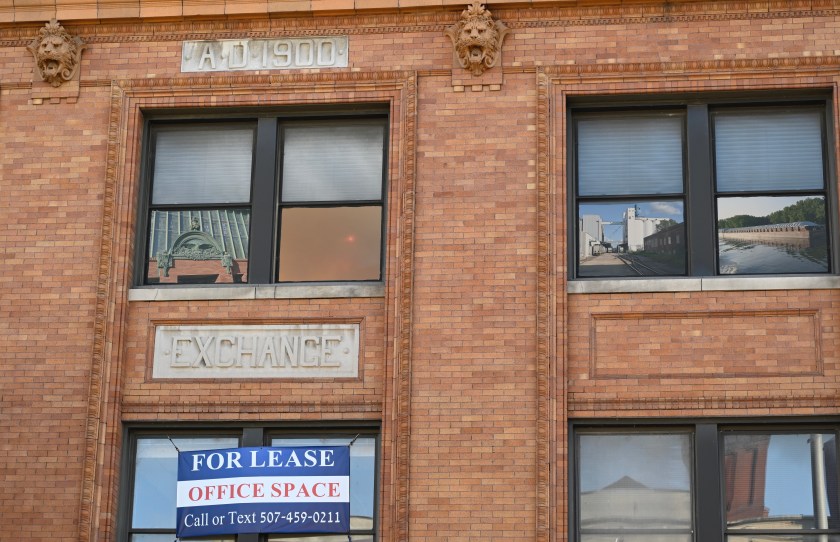
Cover art: Exchange 1900–2021
Digital Landscape from Photos (Winona, MN, USA, and Jerusalem, Israel)
©2021 Michael Dickel
The theme for the fall issue of 2021 is Social Justice and Hunger. The divide between those who have too much and those who don’t have enough widens daily, linked to social justice, climate change, and war, hunger remains one of the largest causes of death globally. It has been with us for untold centuries—Biblical commandments include feeding the hungry, clothing the naked, caring for orphans. Many times, the causes my derive from beyond our activities.
However, most of the time, human activity causes hunger. And when hunger comes from other causes, human activity can help alleviate hunger. At the root of all economies, people need to be able to access food and protection from the elements. All of our systems leave too many people on the streets with inadequate clothing and shelter, and not enough to eat.
In these pages, we address this issue from a variety of perspectives, while calling for social justice for all.
May peace prevail on earth.
—Michael Dickel, Editor
Your Portfolio Archive currently has no entries. You can start creating them on your dashboard.

Spiritual Practice


Art: Peace, Kat Patton ©2021
One hundred thousand
Poets for change,
so many voices and
carefully chosen words, seem
to be decaying into the void
of the anechoic chamber.
Earthly Fathers praying
for the Establishment,
that sets the stage
and casts its values
in concrete, steel,
plastic … and carbon.
Leaders of the World,
whose balance sheets and
rational, numerate intellect
measure only a notion
of success. What is that?
What is success?
For aren’t we just that,
a wealth of rich and
creative intelligence
that is the only hope
for our universe
to understand itself?
Heavenly Mothers ask us:
why digitise and monetise
and worship at the alter
of the great god, Thworg,
when we are imbued with
richness beyond measure?
Escape to the stars, if you must,
but answers will be found not
in the vanity of space-time travel,
but here, with unaided vision
they lie in the green and blue,
right before your disbelieving eyes.
Permit your heart to rule
even if only one day a week, when
the visceral, and the common sense
can overrule logic and intellect, and
that subliminal noise in our head
will slowly awaken the conscience.
Maybe, one day we’ll be more than
Seven Thousand Million Poets for Change!
No more sleepwalking through life
The time will come. Greatness beckons.
It’s in the wind, this beating heart,
a movement beyond the gaze of mortals …
©2017 John Anstie
All rights reserved
In our journeys, we have met people with amazing talents. Many have computer or skilled trades; but are unable to get employment.  Businesses are leery to hire them.  Because of cultural differences, or individuals who identify as GLBTQY are not always welcome or safe inside of intuitions.  Some have beloved pets they do not want to put away.  Some have difficulty finding work because of previous jail time.  One woman; former military has a degree in psychology; giving up the bottle has been challenging.

Our church tries to help with obtaining ids, shelters, recovery houses, but because of the challenges of the individual, the cycle continues.  Our church feeds over 440 people a month.  We provide bagged food for them as well.  Our weekly brunch continues to have new faces at our door.  We implore our church members to make casseroles, beans, soup and other hot items for them.

We distribute clothes from our thrift store. We rarely have hygiene items for them.  Even if we did, we cannot provide a place for them to clean up.  Our local grocery store will not allow them to use the restroom.  We are not able to open ours to them because of previous drug use, or sexual abuse in our church bathroom.

Betty was homeless on the streets of Portland and Dallas for 5 years. She was following her former partner whose alcohol abuse kept them out of shelters.  Portland had coffee houses and other places for the homeless to obtain a meal, provide recreations and showers so they did not have to be on the streets.  People who had food stamps could barter for other goods and services.  She advised there was a place every block that would serve 3 meals a day to the individuals.  Betty created a cookbook there; the proceeds went directly to the food pantry.  That is what we are trying to do with ours

My family and I moved to San Francisco to escape an abusive marriage.  Me and my 2 kids were lucky, there was Raphael House; they had a door you could close and call your own.  I was fighting crack and alcohol abuse.  With my kids love, I got clean and sober when we came back to Dallas.
From Cookbook, Pending Publication benefiting St Matthews Food Pantry
©2021 Gayle Bell
All rights reserved
Hope can surprise you, it can survive the odds against it…
The soul is nothing more than love, limitless, endless…. —Amy Tan, The Hundred Secret Senses
I offer her cho chos but she never accepts
even when I beg
She has a teacher’s enunciation
when she does talk

The street residents call her mom
The church outreach workers tell me
 she’s been out here a long time

I slipped a bogo burger in her bag
when she went to the fast-food restroom to freshen up
She hugged me and wished me blessings
This, I said is my church tithe
I felt it was better placed

She favors my mamma
Transitioned these 4 years
before Mother’s Day

She is a coloring mix of Aztec and afro
always has a pixie smile
Some inner joke perhaps about
those who think they have better
Some punch line
who will inherit the earth
©2021 Gayle Bell
All rights reserved
R yells to God and the angels
that revolve in his head
He’s on that rock
That hard place
J likes the bottle
they watch each other’s back

B talks to the unseen
eloquent when he touches Earth
Clothes torn dusty funk smelling
doesn’t want your help
no thank you
No medicine, no white coats

Ms. V mother to the streets
Soft spoken and clean
Wont stay in a shelter
wont stay in any where
Compassionate hearts have tried
She’ll sometimes click and cuss you out
hug you tight the next day

BR is a hustler to his soul
born from too little and way to late
Once knew soft arms and a home
that’s the way that is

My partner was tough enough
on the streets of Portland
Following dreams and a piece of tail
M & R got that boulder on their back
he makes her walk the streets
S was running from spirits
pissed herself sometimes laying under a tree

Sometimes we roam the park
Give out cans of franks and beans crackers
anything we have in our pantry

Her and I
Go to church and feed them
casseroles beans whatever people bring
100 plus hungry mouths
come through my line
I smile say God Bless You Be Safe

I am supposed to say something
wise or meaningful
How the streets keep some
let some go
But I don’t have it to give
©2021 Gayle Bell
All rights reserved
Other girls remember baking cookies—
I remember Joseph Stalin dying
and the holocaust with McCarthy.
My Raggedy Ann doll had charcoal
eyes hot with a black cold light
All my years I've tried to choose
a way out but my heart
is two-fold:I'm with the people
and with the fires in my first by myself sight
©2021 Linda Chown
All rights reserved
In This, Dying
And we wake to a slue of death
Every day now come the morning.
Someone’s blood gets blown dead
And i can’t stop seeing those tribes,
Long woven beards and fields of opium
Waving and thickening in Afghan sun
Charlie Watts a panacea of balance
And substance, he was a golden child gone.
Don Everly widening in the time of his dying.
Such a classical hillbilly he was. Susie wake up.
It’s that we’ve shot our loads. In deliberate.
In our wicked lust to have more of more
©2021 Linda Chown
All rights reserved
And all the lives we ever lived and all the lives to be
       Are full of trees and changing leaves,
                 Virginia Woolf, To the Lighthouse
Soft bird,  as though we’ve only just begun,
The way our arms reach upwards as though
Hanging in a William Blake painting
In which closeness is everything
The spiritual become all physical
A radiant yellow cloud of pulsing light
In spite of all the bad light around
This beauty only makes a luscious sound
Soft bird,  you and I continue to soar
Onward and upwards forever more.
©2021 Linda Chown
All rights reserved
This natural national revolution
has taken my breath away
and given me my heart back
in a democratic moment
when sharing is the name of the game
all these different people becoming one
in the winter Washington sun
where we’ll make new rules new ways
to give more that many an authentic say.
©2021 Linda Chown
All rights reserved
How wonderful it is that
nobody need wait a single moment
 before starting to improve the world.

   Anne Frank
It is like how to explain the paucity of beauty
On a hillside, how to hold silence stiller
Clumps of marjoram, Greek symbol of happiness, make a plenty.
Forthwith in this troubled land where the President of France
Was face cuffed, where thousands of sick boys
Play murderous games and sing aloud to blood.
How to hold silence stiller to make a plenty,
When I was then her she held life in this staring.
In the city she saw the moon sail and marjoram
Grew while she stood trying to understand Anne Frank
Who was too a little girl staring like she was and going
To feel her roots and her eyes pulverized all dying
We must hold silence riper and green the marjoram.
©2021 Linda Chown
All rights reserved
I don’t much like reading any more
as I’ve read more than enough
explanations accusations rationalizations
incarnations of old disputations
empty words for empty stomachs
nothing to sink teeth into for many
while exorbitant feasts for a few
yes, I’m even tired of these words
writing reading listening while
wild fires forage famines feast
diseases prevail over
results of my every action
reactions to human infestation

		    rushing toward entropy

	crisis the turning
	teshuva the return to

		healing requires movement

			(re)direction turning inertia
				toward tikkun olam
teshuva — to return, usually used in the sense of returning to (the Jewish) faith, from Hosea 14:2–3: “Return, O Israel, to the Lord your God, for you have stumbled in your iniquity. Take words with yourselves and return to the Lord. Say, "You shall forgive all iniquity and teach us good, and let us render bulls our lips.”
———
tikkun olam — the healing (or repair) of the world (or creation), according to Kabbalah, this is our purpose as humans.


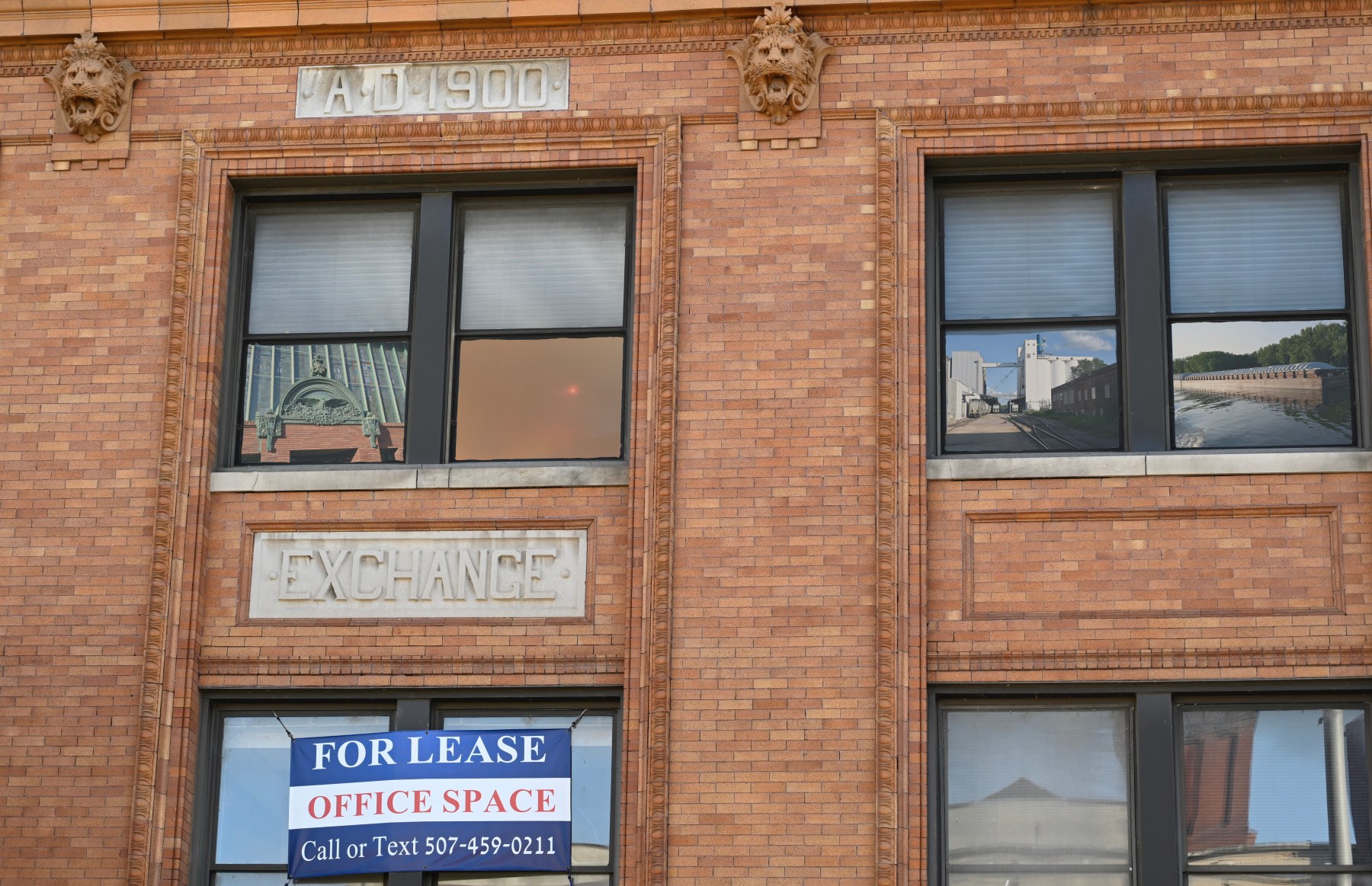

©2021 Michael Dickel
All rights reserved
The price of everything
goes up when you're unemployed
It's not a slight shift in a continuance
of shifting incomes and outcomes

It's a weighted hook
sinking endlessly
into a bottomless
unexplored part of the ocean

Unimportance is a concept
for the man who
hasn't conversed with his consequences
in the crepuscular hours

I'm at a point
where I can't
even afford
sleep for dinner

Time is of the essence
and sleeping allows
its capture
to escape

I have a pillow but can't figure out how to use it
I unscrewed the armrests from my desk chair
because my arms shouldn't rest
Motion is existence, work is the reward

I'd rather be starving
as a poet than rich as anything else
I care too much about the process
I have entirely stopped caring about its yield
©2021 John Maurer
All rights reserved
The universe was the first Rube Goldberg machine
The first overly complicated boondoggle of a way to get nothing at all done
What would be the purpose of having a purpose if you did have one?
Would you still think it's comforting once you realized you couldn't fulfill your fate?

I'm not depressed, I'm fundamentally unhappy, and there's a difference
I'm not incapable of appreciation; I just can see that there isn't a thing to appreciate
Even god committed suicide, my parents sent me to a school to teach me only that
You aren't bad at math, it just doesn't add up; don't blame the equation, it's the variables

In order for the universe to love you, it had to hate all of your ancestors
Not to say they were much better than you, but they probably were
They may have eaten dirt, but at least they did it honestly
While you eat off of the tasting menu and still have bulimia while almost everyone starves
©2021 John Maurer
All rights reserved
You can die of consumption the same as starvation
The equinox is not without solstice in the same way
Too far in any direction is too far, that is clear
Yet turning around testifies to a waste of time
This is a fallacy; an error does not make a solution moot
The noctambulist wishes it did

I will rest when I have no questions left
So when my tongue gets cut out
This is Hammurabi’s code
For how many have I sliced with my own serrated voice
This is truly the meaning of Socratic
Following laws you don’t believe in
For reasons you can’t or at very least won’t reveal
©2021 John Maurer
All rights reserved
Welcome to the warehouse, temple
of consumer excess. Fill your carts
with ten-pound boxes of sugar
cereal, hundred-pound bags of flour.
Batteries by the dozens; soap
in ten-gallon jugs too big to lift.

Enough food fills the shelves to feed
a small country, but it parades out
the doors for the SUVs to
swallow while shoppers waddle through the
exit sucking in pizza, ice
cream, and hot dogs too big for their buns.
First published in 2008 in Pairs of Poems and on protestpoems.org
©2008 F. I. Goldhaber
All rights reserved
All life is sacred and begins at conception, but we must
	deny life-saving medical care to the poor;
	deprive needy children of food, shelter, clothing;
	beat, bomb, shoot, hang to death men, women, children.

Deeply held religious beliefs require tax exemptions, and
	forbid paying for women's reproductive health;
	deny funds for science education/research;
	allow financing of civilian-killing drones.

Children are a gift from god, a reward from him, but we must
	rip children from their mother's breasts, their father's arms;
	warehouse them in tent cities despite extreme heat;
	cage, torment, and traumatize them while they're alone.

Religious freedom must always be protected, but we must
	ignore Muslims', Jews', Sikhs', Pagans', Hindus' rights;
	reject religions that conflict with our beliefs;
	obligate others to observe our holy days.

The bible is god's word, taken literally, but we must
	claim verses we disagree with are old fashioned;
	invent prohibitions never mentioned in text;
	judge harshly those who follow actual scripture.

States retain sovereignty and powers not assigned, but
	must not be allowed to legalize cannabis;
	can't protect the Internet from telecom greed;
	can't pass sanctuary laws to protect migrants.

We must save sex workers from human trafficking, but we must
	eliminate safe ways for them to find clients;
	force them onto the street, vulnerable to pimps;
	allow police to rape, rob, arrest, murder them.

The homeless crisis is a city emergency, but we must
	criminalize public camping, sitting, sleeping;
	protest attempts to open neighborhood shelters;
	fight rent control and minimum-wage increases.

Congress must cut taxes and frivolous spending, but must
	slash payments only for the rich, adding trillions to the debt;
	spend more on defense than seven countries combined;
	take food away from babies, seniors to compensate.

The hoax pandemic became an emergency that requires
	huge corporate bailouts, no strings attached;
	loans to small businesses, with myriad conditions;
	pittance pay outs that won't cover rent to minimum-wage slaves.

All life is sacred and begins at conception, but we must
	only make testing available to the rich and celebrated;
	sacrifice seniors and children to save the stock market;
	prevent "prioritizing human life over economic stability".
©2021 F.I. Goldhaber
All rights reserved
Have you ever known hunger?
Have you ever chosen to
feed a child instead of eat?
When did you last know aching
emptiness that lasted days?
Millions of children in the
U.S. go hungry daily,
many more throughout the world
while billionaires steal the food
from their mouths to buy yachts, huge
mansions, fancy cars, private
jets, and their own Congressmen.
We subsidize the very
rich who eliminate jobs,
bust unions, ruin cities,
devastate education,
neglect infrastructure, and
take away your right to vote.
What they squander on one meal
at a fancy restaurant
could feed a poor family
of four for a month or more.
But, they begrudge the working
poor, the disabled, and the
unemployed whose jobs they stole,
a few hundred to spend at
the discount grocery store
to stop the rumbling in their
young children's empty bellies.
Forget about nutrition
that's an unaffordable
luxury available
only to those deemed worthy:
those who got rich taking from
the public coffers, building
their wealth with government-paid
subsidies and government
funded airports, roads, and ports.
They pocket their tax breaks and
complain about "handouts" and
nonexistent welfare queens.

Walk a few miles in a poor
man's shoes and skip eating for
a day or three. Try finding
a job when you're dizzy with
hunger. Give your meal to a
child who only eats at school
and goes without on weekends.
First published in Subversive Verse October, 2014
©2014 F.I. Goldhaber
All rights reserved
Nursing a baby, the worried trees trouble her.
Her breast pokes through her unbuttoned blouse
and the wind blows the branches about incessantly
Tiny lips suck on her nipple, declaring
with tiny bites, that this is the first
free meal, as walls shake, windows rattle,
the oak slaps against the house.

Nursing a baby, she nudges the rocking chair
back and forth, her only input to the hunger
at her chest, the storm working up its rage.
She moves to a chorus of creaks, scraps of sound,
discovering in the urge of her muscle, her bone,
an endless way of going nowhere.

Nursing a baby, she bends her head over the
child's to protect it from the lightning,
covers tiny ears from errant thunder.
The infant sucks on regardless of the weather,
regardless of the constant sway of the body
all around her. She is nursing a mother.
To do that, you feed off her and nothing else.
©2021 John Grey
All rights reserved
In your sleep without end,
you're just a bit player
in the use of moss and grass,
roots passing through your skull
on the way to light and glory.

I'm more attuned
to the dead squirrel I buried in the garden.
His decay grows my tomatoes.
His bones are the shoulders
on which every pumpkin heaves.

Flowers come through you singing
but no one hears the song.
Whatever I pick,
place on the table,
is a rodent's epiphany,
the fine tuning of a short life
of hunger and fear.

I'm sorry that it all can't fall into place
the way a sermon would have it.
It's not the grit of ancestors that grows us
but the nasty side effects of sharing this world with others.
Sure, I bring you flowers from my garden.
But who plucks the heresy of your blooms?
©2021 John Grey
All rights reserved
This is an anonymous submission by a Palestinian, after the shooting of a young woman near an IDF checkpoint — via Ester Karen Aida
I feel angry at the tyranny of injustice and darkness on our lives.
I feel angry at the lack of hope.
I feel angry because the value of human life has become zero. Decided by a distressed or terrified soldier at a checkpoint.
I feel angry that most of the peoples of the earth enjoy freedom and my people are occupied and enslaved.
I get angry when my life or death is decided by an extremist and spiteful.
I feel angry at the spread of racism and hatred.
I am angry that I am being targeted because of my national and religious affiliation.
I don't hate people but I feel let down.
I hope that the humanitarian principles of freedom, justice and sympathy will prevail throughout my country, a freedom that does not differentiate between a person and a person because of their national, religious or sexual affiliation.

—B.S.
Another anonymous submission by a Palestinian — via Ester Karen Aida
We will keep knocking on the doors of your hearts.
©2021 the anonymous writers
All rights reserved
Chest of treasures under the tall forest
he listens to the murmur of the flood
his hand comforting the ancient wound.

Lost in this quest for a kingdom
he remains entranced by the sounds
of a single life beneath the dense foliage.

Longing for a knowledge revealed
he is still for fear of causing a tremor
in the hidden world below.

His warm palm upon the secretive hearth
they share a private moment in the fire
as the torrent continues to nurture a life.

Lame warrior disarmed of his singular steel
he may soon perish for lack of other nectar
his ear poised to the sound of his desire.
Walking on forgotten asphalt
alone in the distance they attempt a smile
upon the hill yet yesterday a mob.

Gentle drops venture from above
chancing a journey among blinding rays
she wonders whether it will be sun or rain.

He offers a glance as she continues
thoughtful of the uncertain morrows
a faint sign of welcome in her eyes.

A vague siren screams down below
distracting a sparrow from its daily duties
but it persists in its call.

The field lives in the midst of a dense forest
hoping to soon again shake
with the thunder of another fourth in July.
©2021 Fabrice Poussin
All rights reserved
Memories flee of those grand’ ole days
when upon a war’s end they embraced
strangers strolling on a frozen avenue
littered with joy and relief for the uniforms.

Riots overtook the tree lined grassy knolls
where eternal learners cried for a renewal
to only fall in tiny pools of crimson rivers
dreams shattered for another generation.

Animals hungry for a senseless fight gather
their teeth and claws drooling with pasty slime
leaving trails of a hateful contagion behind
a poison few can avoid in darkest times.

No one sits on porches any longer
most stay glued to strange images of dissent
while balustrades rot in perpetual abandon
where have all the hearts gone, she asked.

Alone as if trapped between infinite scrapers
she seeks traces of joyful moments sadly lost
in times of such terminal turmoil
those absent seek only reason to breed death of the gentle.
©2021 Fabrice Poussin
All rights reserved
Breakthrough rays ignite a furnace of light
down a long night’s stop-and-go road
where Sherry’s public transit odyssey
leaves off with a screech-ridden stop.
Just beyond the golden archway sounds
the soft steps of the woman’s worn rubber
soles, ending where another day begins.
Her shift starts with a swift punch of the
rusted metal clock and her empty stomach
fills with a deep breakfast breath before
her first words Welcome to Burger King.
Her job isn’t much more than a candle
she hopes to transform to a torch, lighting her
path out of the broken-down car she sleeps in
with her toddling joy, a little boy named Noah.
Besides she knows her day’s soggy take homes
will fill his tumbling tummy at least
one more day.
A bumbling bee zooms
from the second he awakes,
taking off in a frenzy towards
a new day’s discoveries.
Into the school van he’s buckled
in tight to keep him from flying
off into the still-black night sky.
Riding along his route he drifts past
the pre-K place a way ‘til he’s passed
the dreamland state no one knows
Where is Noah? They ask too little,
too late.
His buzzing is long gone
now heard only in his mom’s dreams
wishing at least to share the treat
of her soggy take homes at least
one more day.
©2021 Katherine Shehadeh
All rights reserved
in the dense, hot city, they huddle in corners
near-perpendicular rays find them
they scuttle, like spiders, scrawny limbs
on bloated bodies, seeking shade

it evades them as all comforts do
they pray knowing prayer is futile
but they have nothing else in this world
where plenty abounds, food, clothing

a mockery of their rags, empty bellies
time approaches for choice of gang
when grandmothers can no longer cope
always knowing someone will come

drag them away to darker corners
where, for the right money, anything
might happen, unspeakable things
no child should ever know
©2021 Adrienne Stevenson
All rights reserved
Scattered seeds caress the ground
stalks wither in harvest's wake
breezes blow the chaff around

—it swirls, then falls without sound
uncaptured by the reaper's rake
scattered seeds caress the ground

Silent gleaners then are found
scraping to ease hunger's ache
breezes blow the chaff around

Hungry mouths; eyes opaque
losing hope and ever bound
scattered seeds caress the ground

Greedy misers still abound
they cannot eat all they take
breezes blow the chaff around

Brash philosophers expound
dreams wither; hearts break
scattered seeds caress the ground
breezes blow the chaff around
©2021 Adrienne Stevenson
All rights reserved
And when we have burned up our resources, what then?
Humanity, for all its shining intelligence
seems just barely bright enough
to cauterize its own habitat
scorching Earth

My optimism evaporates faster with each passing day
the seething cauldron of our hubris and greed
boils, then quenches my passion
nearly extinguishes
my spirit

Envision the world after the next hundred years are spent
We won't be here to suffer the damage done
if people still inhabit the planet
in appreciable numbers
they will hunger
and thirst

Turning back the clock is not an option for anyone, anywhere
though our current swindlers would wish it so
beating down, smothering thoughts
corroding all they touch
condemning
us all
©2021 Adrienne Stevenson
All rights reserved
When we say we’re for equal rights,
That must mean we’re feminists.

If we’re for civil rights,
Apparently we are black.

We have to label ourselves with
A rainbow, if we want to support LGBTs,

Yellow ribbons to show
We care about veterans.

And, don’t forget your pink ribbon
For breast cancer survivors.

When will all the labeling stop, so
De-stigmatizing can begin?

When will all the niceties finally fall apart, so
Messy realities can cover over superficialities?

Why can’t rights just be rights?
When will justice, mean just justice?

We’re not all black feminist lesbian veteran breast cancer survivors,
But we can all be the Americans America needs us to be.
©2021 Samantha Terrell
All rights reserved
There’s a Winslow Homer
Painting of a small ship with
Gloucester on the side, and
That’s the name of the boat,
Not its heading – although in this case,
It was both; and,
It’s Gloucester, Mass.,
Not Gloucester, England.

Of course, Homer was a famous artist,
Who shares a name with a famous author,
Who painted words
Instead of portraits – but, similarly,
Depicted humanity and war and our
Struggle with good and evil.
And, don’t forget, “the
Devil’s in the details.”

For instance, did you notice the
Masterful artistic line
Winslow used in each of the
Sailing lines on the Gloucester?
(A rope on a boat is a “line,”
You know –  not a “rope.”)
We could carry on and on about lines –
	like, bread lines make it hard to learn sailing and art –
But no one likes a literary trope.
©2021 Samantha Terrell
All rights reserved

Photo: Untitled III, Miroslava Panayotova ©2020
Her bulky handbag clutched to her chest, eyes darting left then right, the pale young woman scurried to catch the green light. Safely across the busy street, she reined up sharply: no sign of him. The damp browed uncertainties of the long night subsided, but Allison’s relief was short lived. It was almost 8:30; she had no time to waste.
Once inside the lobby the young woman flew around the corner, and fumbled to unbutton her coat, then slammed to a halt. There he was half-hidden at the end of the hallway like a pile of soiled clothes. Could she slip quickly past him up the stairs?
Move quickly, that was her best defense, say she hadn’t noticed if they asked. If they found out that she’d not reported seeing him, there’d be hell to pay. But when it came down to it, she couldn’t fill in the form, with the HB pencil sharp as a knife: November 28, “Seen again in the hall.”
Without even looking his way, she could visualize him in detail. She had spied him often enough as he moved along his territory or crept along the halls. He wasn’t much taller than she, no more than five foot four: thin, frail, wiry, and bent. His grey face was cut by dirty creases, his yellow teeth crooked and broken.
He was always hung in the same outfit, probably all he owned. Layers of clothes: the baggy striped shirt gaping at the front exposing grey underwear and a pale wizened chest. Over that a faded black vest and a huge jacket stained with dried food, the pockets ripped, and the buttons dripping off. The comical trousers, hoisted around his waist were squeezed tightly by a broken belt. Carelessly laced shoes protruded out of baggy unevenly rolled pant legs. He wore no socks.
The first day she had dismissed him as a drunk. Annoyed he had crept up from Vancouver’s skid row where the druggies shuffled the streets begging for money, she was angry that he was invading her street. He staggered along oblivious to the busy people pushing by him, occasionally stopping to look in shop windows. He obviously had no money; he should get a job.
Days later when she studied him more closely, Allison realized he was not as old as he had seemed, probably not over 55, not even as old as her own father, and when she considered what job he could do she knew no one would hire him. If men who looked after themselves like her father couldn’t find work, this old guy was off the radar.
She had worried about what he was up to. At any moment he would stagger into the busy street. She wanted to ask if he needed help but as she moved forward, the gaunt figure swung around towards her and she recoiled. She had better leave him alone, other people were watching: a couple across the street turned away, a young woman pulled her curious toddler out of his path.
Then, a few days later the derelict crept further into her life. She had ducked into the bakery near her office to buy an apple turnover for coffee break, an indulgence against the rain that shrouded the city. The girls at work would ask if she’d given up her diet, which she had not, but after all it was only one day, only one treat. As she waited to be served she spied him, a shadow in the brightly lit, white shop. He was hovering in front of the glass display, supported by an older guy — obviously neither a shop worker nor a friend — who urged the ragged man to choose something. Allison watched as the shop clerk filled a brown bag with buns and cookies for another customer. When the well-dressed man indicated they were still not ready to order, Allison reluctantly made her purchase and left satisfied the poor guy would have something to eat that day. Later sitting in her office, hot coffee in hand, the image of the old man drifting the streets without socks scratched her mind.
But then, it was not long since she had stood outside. Not in rags, of course, but almost penniless. Thinking only to escape her parent’s small town fate, she had thought nothing of the cost of living on her own in Vancouver. The family had cheerfully waved her goodbye, her face still grinning as the bus rumbled towards the city. But when she arrived hours later tired and hungry, she moved off the bus reluctantly, feeling abandoned in the dirty terminal.
Uncertain where to look for a room, she lugged her huge battered suitcase along the unfamiliar streets, searching for a welcome. At last she found a third floor room where she existed at the whim of a sour faced landlord, fearing eviction if she made a noise. A worn sign tacked to the paint pealed wall on the first floor landing instructed, “No visitors after 10. One bath a week.”
And then the task of finding work. Always arriving too late, looking disheveled and confused while other applicants appeared confident and happy. The whispered conversations in waiting rooms with other girls, and older women some with desperate smiles, some who had been looking much longer than she had. Her Mother scribbled her anxious letters advising her to give up and come home, but Allison held off for one more week, living on noodles, and one more week. And then finally she had landed a job.
The relief, the joy, was overwhelming. What gratitude she had felt towards the woman who told her the news, the man who showed her to her desk, her new boss. And best of all when she settled down in relief was to know that she would be helping people; working for the government health services. She, of course, would just be typing and filing but the office where she worked helped needy people. People like her father who perhaps she should have stayed with, should have supported more.
Not much money when you added up the cost of a room and food and clothing and the bus, but a start. If she were careful with her money, she’d have enough to send some home. Sometimes she could even treat herself to a coffee and donut at Tim Horton’s.
That had been the worst thing about those first weeks. Walking the streets in the rain, her wet feet aching, glancing longingly in restaurant windows, watching the women drink coffee, and carelessly ordering what they liked. How she envied them. She had longed to go inside, to the warmth, to order a coke and fries. But of course she didn’t. An extra treat could mean having to give up her search one day earlier. Having to go home and live off her family.
Watching the little man — later they always labeled him “Lurchy man” — from across the street as he lingered outside the restaurants her chest ached, for him and for all she had hoped for when she came to Vancouver. True on a sunny day with money in your purse the city was as beautiful as in the brochures. But on rainy nights, the damp creeping up the stairs, family far away, the dread of lay-offs and unpaid bills chilled the dream. After she sent some money home to her folks, she never had enough left to stop worrying.
So why had she added the dirty street man to her worries? If they knew at the office what she had done, how she had drawn him in, they’d blame her for everything. It was just that she couldn’t avoid him. She felt him behind her stumbling along searching the ground. What if he found some money? That would make him happy. Even a quarter would help; a couple of loonies and he could buy a cup of coffee. Then one morning shivering with the damp as she moved ahead of the ghostly figure, Allison had surreptitiously dropped a few coins near the wall. Later when she left for home the money was gone. She was glad; she had done something.
But then he came inside the building. She caught him in the hall. Terrified by his sudden emergence from around a gloomy corner Allison stumbled up the stairs and blurted out her fears to the receptionist. “Creepy isn’t he,” the girl said. Other staff had already complained; Allison’s response brought action.
The next day a meeting was called to discuss “potentially aggressive drop-ins.” Everybody was to attend. Not that anyone thought the distorted little man was a threat but his presence inside the building caused unease. “Better to prevent an incident,” Allison’s boss commented.
Allison was relieved there was to be a meeting. Something had to be done for the old guy; maybe he’d come into their building for help.
The meeting room was so crowded some people had to stand by the wall; even the clerical staff had been invited. The social worker, who reminded Allison of a sitcom star whose name she couldn’t recall, introduced himself and suggested everyone else do the same. The room buzzed warm and friendly. Staff members joked about seeing one another in the hall or commented they hadn’t gotten together since the Christmas party. After the introductions the social worker who insisted she call him “Ted” explained about drop-outs and distributed a faded photocopy of rules on how to deal with aggressive clients. The manager, a woman from the third floor, explained with a smile that the funny little fellow who had staked out their street had probably found the building warm and decided to camp out for the winter. The staff shuffled their annoyance. “He can’t stay here,” they rightly insisted.
A solution had been found. Staff would record the man’s appearance and if he kept returning the police would be notified.
“What will they do with him?” someone asked, curious.
“Just see he moves on, doesn’t come back in here.”
Allison wondered where he was to move on to. She wasn’t expected to ask questions she knew but she blurted, “Can’t we find him a place to go?”
The faces turned to her. The social worker smiled kindly.
“He’s not one of ours,” the man explained. “Sometimes they just like to get attention, to get noticed. If he asks for something we can provide — a glass of water, information, give it to him, but otherwise move him to the door.”
“But he has no place to sleep,” Allison cried recklessly.
“We do what we can but some people fall through the cracks.”
Allison knew the expression. She pictured a sieve teeming with wiggling people, like in the old coloured pictures of Hell in her Sunday school class. The sinners writhing and contorting as deformed devils prodded at them with spears. So this was how it happened nowadays.
A notebook for logging the man’s appearance “Or any other strangers loitering around” was passed like a chalice around the table. The murmurs in the room shimmered like bees in a hot field.
Allison wondered if her uncle Fred would fall through the cracks. He’d been out of work for two years—longer even than her dad. He didn’t bother to look anymore. Sometimes he hadn’t even shaved when she dropped by in the afternoon. But no, she wouldn’t let that happen. She’d send more money home, look after him. Someone else would have to worry about the old street guy.
Sitting amidst the comfortable buzz of the staff, joking, talking now about fire safety, a huge ball caught in Allison’s throat. Moving hot like lava through her body, it crushed her ribs, and burnt into her stomach.
“What’s the matter, Allison?” someone asked impatiently.
The desperate girl squeezed out a smile, mumbled an excuse, and hurried out the door to the washroom. Stumbling into the cubicle, Allison banged the door closed, and collapsed onto the seat squeezing her gawky body tight as a bud to suffocate the sound.
©2021 Melodie Corrigall
All rights reserved
“Get out of the rubbish.”
She pulled the rope. The coon hound ignored her. She pulled and walked forward, using her weight to pull the dog, ninety pounds against forty. She won, and the blue tic shoulders, black ears, and brown muzzle shot forward to the next oasis of dented cans and ill-fitting lids anchored with dusty bricks, with twine-tied square paper bundles, with creek-smoothed rocks. It was rubbish day. In the pre-dawn, the dog pulled and she pulled back, making jerky progress in the dim alley.
Day old bread. That’s what she’d feed it. Use what she earned Saturday mornings, vacuuming dead skin from faded carpets for the old invalid lady next door. That would buy thirty loaves at ten cents a loaf. Enough for a small horse. A small horse could live in the garage. And it wouldn’t make much noise. The rusty two door left plenty of room, only took up half, less than half even. She’d move the bicycles. Bikes could go in the cellar. Or under a carport. Nobody would mind. The horse would be so warm. And soft.
She saw steam rising from the underbrush the dog had burrowed into. Good. Business accomplished. Pivoting, she pulled. The dog pulled back, she pulled harder, the rope loop tightened. The dog choked, making horrible gasping noises, but would not budge. She took a step, changing the angle of the rope and put her body into it. She and the dog moved in the direction of home.
Hay and manure. She could handle that. She was strong. The flat edged shovel would be perfect for manure. And the rake —not the spring rake, the Fall leaf rake with the wide strong teeth—would be for hay. And a brush for the horse itself. The one she used for her wool school uniform ought to work. Horse hair must be like sheep hair. More or less.
A nervous squirrel darted across the alley and the dog lunged madly. She fell as the rope wrapped round her forearm tightened, burned and bruised. Her knee showed red craters, with a centerpiece of gravel like peppercorns in her pale cold skin. She brushed the gravel off, keeping her sleeve out of the beads of blood.
Warmed by a surge of relief that her grip on the rope had held, that she was spared having to chase the hound, she gathered and looped the rope around her shoulder and changed her grip. A glance at her forearm. A scarlet welt was rising. She pulled her sleeve down. Two steps toward home, the choking hound resisted heavily, now pulling up, eyes bulging, drooling, focused on the chittering high in the bare tree branches.
It will need a blanket. The thought, the enormity of the requirement, stopped her. Then she remembered the Presbyterian rummage sale. Before Thanksgiving. The last hour of the sale, it was fifty cents a bag. Each of them got a bag to fill, if five dollars could be scraped up. If you stuffed it really full, you might get enough clothes for the year ahead. Presbyterians clothes always seemed new. Clean, folded, some with dry cleaning tags. But it was smart to be thorough. Check the zippers. The buttons. Look for stains. Smell the armpits. Check the crotch. Hold it up, check the sleeve length, the torso width, the leg length. Choose carefully. Prudently.
A blanket, a warm blanket, would fill an entire bag, but it would be worth it. What if there aren’t any blankets?She considered. Maybe six or seven scarves or sweaters pinned together would work. The Presbyterians sent whatever didn’t sell at the rummage sale off to their mission in Africa. She’d seen the neatly labeled boxes, clear block letters, wrought by a thick, indelible marker pen. Did they need sweaters in Africa? She shivered.
The dog walked in front now. It and she turned right into the yard, passing between the garage and the fence, staying dead center on the frozen dirt path, avoiding flecks of chipping paint on either side.
She opened the side door, went down four wooden steps into the cellar. The smell of wet wool hung thick as the rows of mittens and socks strung on sagging lines. The dog stood quivering while she took off the rope, then it sped upstairs, nails clicking on the kitchen linoleum, heading to a spot hugging the radiator, the only warm place in the house till next Spring.
Shoes left on newspaper spread to catch the alley filth, she went upstairs in stocking feet. Breakfast in bowls round the packed kitchen table. She squeezed in at the end of the bench, said grace quietly, crossed herself and picked up a spoon.
“What happened to your knee?” Hissed into her right ear. Nothing, her faint elbow jab said.
“It would live in the garage,” she said to him, knowing it was not a good time.
Unshaven, smelling of stale nicotine and night sweat, he did not sit at the table. He wasn’t eating. Coffee, black two sugars.
“I have it all figured. Food and all. I can pay for the bread. Day old. Ten cents a loaf.”
Spoons scraped the bowl bottoms. Hurried grace …and may the souls of the faithfully departed Rest in peace. Amen. Dishes clattered into the kitchen sink. From the bathroom a tangle of splashy wet tooth brushing sounds. But not her. Not yet.
“The garage is big enough.” Her spoon was down.
“Can’t.” He shook his head as if it might fall off, as if his neck were almost cut through. “Zoning.”
Her breath stopped. It felt like another name read from the altar. The Italians from Saint Clare’s, the Irish from Saint James’, the Poles from Saint Mary’s—every Sunday, week after week, all reading names of the lost, the missing, the taken. She put her bowl and spoon in the sink, pulled her knee sock up over the dried blood.
Over her shoulder she saw him reach down and stroke the hound.
©2021 J. D. Hurley
All rights reserved
Admitting defeat and saying yes, I need help to feed my children wasn’t hard enough. There were forms to fill out which needed to be taken to an office located inside an intimidating building. The ribald man I asked for directions pointed the wrong way – possibly on purpose. Following a narrow hallway, I pushed open a door and found myself in the parking lot. I gazed around, looking for some back entrance. The potent heat and stench from the blacktop overwhelmed me; my grip on the handle loosened. I had to walk all the way around to reenter through the front, to be rescreened, requestioned, and once more have the wand waved over me because of the pins in my leg.
My shift at the Waffle House started in an hour. I considered giving up, trying a different day, but the hunger tears running down the pale brown skin of Isabel and Miquel’s cheeks that morning guided me. I had to try. Meinko wasn’t supposed to work that day, could have taken her entire lunch hour; retired three years ago. Instead, she waved me in and asked, “How can I help?”
Relieved at finding someone to listen, I blubbered like a frat boy caught trying to dine and ditch. Once she calmed me, I explained how I’d been waiting on my husband’s return, then any word from him. How I accepted the obvious truth, that he’d been disappeared. Meinko’s voice was a comfort though her questions were probing. She typed until her computer said I qualified for SNAP, HEAP, and other assistance. I looked at the clock; I’d make it to work on time.
My gratitude was effusive.
“Come to my house,” she said, handing me a bus schedule with an address on the back. As if reading my mind, she opened her desk drawer and slid me a twenty. “Bring your babies.”
The dust was finer, lighter on her farm than the soot of the city. Cara, her daughter, watched my angels while Meinko and I walked the perimeter of her fields. She’d fought the state to keep a bypass from being built. She’d lobbied for thick trees to be planted as a buffer between her property and the Monsanto killing chemicals her neighbors insisted on using. “A strong back,” she said, tapping my spine. “A good vocabulary and belief in a just God. You’ll need those to make it here.” I clung to those words as I rose up, vertebrae by vertebrae — not just for myself, but for my children.
She and I visited often, shared nourishment from her vegetables, apples, blueberry bushes she covered in netting so fine it resembled a spider’s vast web. I learned to tend tomatoes on the square of patio of our apartment, studied the definitions included on the word-a-day calendar she presented to me for one Christmas. She corrected my occasional misuse and misunderstanding of a cultural reference I’d heard. Meinko encouraged me to take the free classes whenever I could, for both knowledge and making connections.
Like the snake oil preachers before them, natural gas drillers infiltrated our tiny corner of a large state. Greed took over most of her neighbors and they succumbed to deals saner men would balk at. Meinko was the lone holdout. Her place was surrounded by vacated homes. She still said no.
The day they started to drill, she and I held hands, watched the rough boys with tanned necks and red forearms burrow under the earth’s skin. A foreman walked up, said there was nothing to fear. We all felt the shivers under our feet.
Cara came to my apartment a week later, her face as pale as the icing I swirled onto cupcakes at my new job.
“What happened?” I drew in my breath. It took her a long time to say.
Meinko had gotten up to get a drink. The faucet screamed. The well casing had cracked. On tap was gassy oil. It was too much.
“There’s only so many battles — ” Cara cupped her hands over her face.
I hugged her close and something aural occurred, but in my heart. It was my turn. I needed to take up Meinko’s fight. Spread my knowledge. Petition. Pray a different disaster might be prevented.
©2021 T. L. Sherwood
All rights reserved

Art: Flying Faerie, Kat Patton ©2020
Chosen by Corina Ravenscraft
©2021 EALLIN (http://www.Eallin.com) for Caritas Internationalis
All rights reserved
Grace Petrie from her album ‘There’s No Such Thing as a Protest Singer’, expressing a youthful and ever valid point of view. —John Anstie
©2016 Grace Petrie
All rights reserved
Art: Winona Railroad Siding, Michael Dickel ©2021
The end of last year, 2020, amongst so many momentous events of the last decade, in my little part of the world, marked the tenth anniversary of the start of my blogging experience along with some serious social media activity! That’s a long time in some lives, but it seems like a very short time for me. It has nonetheless been a huge journey, not only on a creative level, but also in terms of our history. Much writing, editing, publishing and the production of a poetry anthology, becoming a core member of a quarterly blog (The BeZine), becoming a founding member of a new, but small chamber choir and an invitation to join one of the UK’s top barbershop choruses, with whom I won a gold medal in 2019. Much change politically, socially and economically.
In this same decade, seven precious new lives were added to my family, one of whom was tragically lost. In the past year or so, we have lost some good friends to a serious virus.
The events of the past year and a half – not forgetting one or two other (some would argue astonishing) historical political changes in the decade – would have sounded like a science-fiction future; perhaps even armageddon. Our non-fiction past tells us that, over the most recent century or two, only during armed conflicts have we witnessed heavier losses in such a short time all over the World. But something marks out this period as different. In some ways it has many parallels in history, but in others, it does not. Yes, there have been plagues before, but not the level of advances in medical science that have never been more evident than now. Throughout the administration and management of the pandemic, somehow, perhaps a little unexpectedly, it also seems to have had the effect of widening inequity between the ’haves’ and the ’have nots’. For most of the latter it has been traumatic; for a some of the former, they seem to have thrived during a period of social stress. Rather like in times of war, there are always those who do more than contribute, they profit handsomely from it. And we shouldn’t forget those in political power, who can’t resist basking in the glory of the battle against the virus, rather than giving all the credit to the medical professionals and scientists, who are the heroes.
We have better medical science, better communication and thereby a greater ability to cooperate and collaborate to solve the challenges we face. But then, what marks out this year as different. It is the politics of division, and jumped up political partisans headed by egocentric soldiers of fortune, whose sole purpose seems to have been to stir trouble, divide and conquer. On top of this, economic policies and our obsession with consumption, growth and of servicing debt has had a massive toll on our security. This starts with personal debt that enabled us to spend, spend, spend until some of us have accrued more debt than we can sustain and have become controlled by those whose money we borrow, and who thereby become the richer for it. So now we know why we have been encouraged to consume; lured into incessant materialism. The major banks have benefitted massively throughout the Covid-19 pandemic by the process of large companies having to shore up their balance sheets. In turn, the national debt of the country has burgeoned and will eventually be shouldered, as ever, by the ‘little people’, that is us, the individuals, who cannot avoid paying their taxes. It will take many years to bring this debt, which was already burgeoning prior to the lockdown, back to a manageable level. In the mean time, during which millions have suffered privation, a few enterprising, greedy, exploitative, gold digging (circle those that apply in your own world) trans-national companies and a few well placed individuals have become significantly better off, it could be argued by a process of morally ‘unjust enrichment’.
Our health service, the treasured NHS, the UK’s largest remaining, but decreasingly publicly owned service, highly valued by us, the people, but, worryingly, also highly valued by the aforesaid international corporate community, particularly those healthcare companies and corporations, who have been lusting over getting their hands on its assets for decades – has been and, as I write, still is being overwhelmed by the demands of the number of cases of Covid-19 on top of all the usual seasonal afflictions that need to be treated in hospitals.
I have it first hand from a friend, a consultant in respiratory medicine, who has been at the front line of the fight against Covid-19 since it started, and who found herself becoming a counselling shoulder for junior doctors and colleagues from other disciplines, who themselves were traumatised by the unfolding crisis. She is now faced with the moral, ethical and psychologically challenging task of treating patients suffering from the serious effects of Covid-19, a majority of whom are self declared ’anti-vaxxers’. I wonder if they realise how lucky they are and how much they owe to these remarkable, caring professionals.
In the past year, we have witnessed significant loss of life, of living and livelihood, of community, togetherness and society. Furlough and business support packages have been kind to some but not to others. Added to all this, divisive politics has had a toxic effect on our sense of common purpose and our faith in the systems of governance and democracy itself. It could be argued that this has been engineered and sponsored by those, who fear a loss of control, a loss of income on many different levels, but there are those currently in power, who have begun to demonstrate not only a greater degree of blatant corruption but also such an arrogant sense of entitlement that they feel they can get away with it. Our economy, our mental and physical health, our morale have been beggared, not only by natural forces, but also, under the smokescreen of viral pandemic, by mismanagement and by opportunist manipulation of circumstances to the benefit of the few and at the cost of the many. Can this, can it ever, by any stretch of the imagination, be called fair? Could it be called social justice? Speaking at least for myself, I feel an insatiable, deep hunger for some humanity, some corrective social justice.
We should, I confess, nonetheless afford some concession and equity to the ‘haves’ as well as the ‘have nots’. There are those of us ‘little people’, who have undeniably benefitted from this ‘age of plenty’ and virtually uninterrupted economic growth over the past several decades, probably since World War Two. However, had we collectively foreseen the effect that our hunger for material things, admittedly driven by our gullibility for the ubiquitous marketing and advertising slogans that have etched their deceptions into our consciousness, then we might have avoided this parlous political and economic situation, if not the pandemic … but then that would be the subject of another essay.
But most of us mere mortals didn’t foresee this coming. We enjoyed it whilst we had it and now we are in danger of losing it, but for one thing.
We do seem to have lost so much in the past decade, but I feel the spirit of Peace, Sustainability and Social Justice still persists not only amongst a sizeable, silent majority but also amongst a precious few outspoken individuals in the world. It remains as our guiding light at The BeZine and, let’s hope, with many of those who regularly read these pages. We soldier on. We still retain hope that common sense, a common purpose, the common conscience will prevail. Here at the BeZine, this may be thanks to the life and spirit of one of those tireless and outspoken campaigners, the BeZine’s creator and co-founder, Jamie Dedes.
©2021 John Ansties
All rights reserved

“The more you can escape from how horrible things really are, the less it’s going to bother you…and then, the worse things get.”
― Frank Zappa
I admit it. Life is a lot easier when I choose to ignore the things which make me unhappy or uncomfortable. I’m not particularly proud of it, but I admit that I do it. I think we all tend to do this to some extent. It’s a self defense mechanism which allows us to feel better about ourselves, our behavior, our actions (or in-actions). The problem is when we spend so much time in willful ignorance that others suffer, whether they’re other people, animals or plants.

Reality can be a cold bitch. Humans can be unimaginably cruel and so many times, we’re willing to look the other way. Why? Perhaps we feel helpless to do anything about the situation. Maybe we’re afraid of being ridiculed, ostracized for doing something differently. It takes tremendous courage to be the only one to stand up and say, “No. I will not do this because it is wrong.” It takes conviction and strength of heart. And sometimes, it takes a willingness to suffer, yourself, in order to make a point.

The compassionate soul cannot abide injustice and suffering in the world – it wants to help – in any way it can. As a compassionate soul, I have to consider certain things about my lifestyle and how they affects others. In recent years, my diet has come under my personal scrutiny because of revelations about where some of my food comes from; specifically, factory farming. It finally penetrated the veil of willful ignorance I had built so that I could continue to eat what I wanted when I wanted and not have to feel bad about it.
Am I a Vegan? No, but I’m trying to be a more compassionate consumer. I used to have bacon every week. Now it’s once a month or less. I used to eat eggs and chicken several times a week. Now I eat eggs maybe once a month and chicken once a week. I’ve almost completely stopped eating red meat. I’m also in the process of working on dairy. The thing is, you have to be able to live with your conscience and find what works for you. At the same time, I understand that not everyone shares my view. I’m not out to convert or guilt trip anyone. But I do wish that more people would take a long, hard look at how their actions possibly contribute to unnecessary suffering.

The video below IS safe for work. It doesn’t show the blood, or violence, in factory farming, but it does show us how we, as consumers, are manipulated into embracing willful ignorance. It’s a very thought-provoking 7 minutes. I hope you’ll watch it and let me know what you think. It’s okay to be upset or disturbed by what the presenter says. Believe me when I tell you that there are many, many other videos with far more upsetting and disturbing visuals/themes regarding factory farming. You can Google the phrase and see for yourself. Or not. Be warned: once you see it, you can’t “un-see” it. That’s how it works. It’s definitely “Food for thought”.