We have a saying in my family, “Nothing to it, but to do it.” It’s meant to be a motivator, a call to action, and can be applied in many different situations. When it comes to the craft of creating, however, sometimes that motivation of knowing that “it needs to be done, so get to it”, isn’t enough. Some of us want to wait for the perfect time or inspiration in order to begin. Others of us start, only to become frustrated with how our efforts are proceeding.
It can be hard to create (whether it’s visual arts like painting or photography, or writing poetry, or coming up with a few bars for a new song) if/when you wait for the perfect inspiration to hit you or if you keep revising something in the quest for the perfect color, the perfect frame, word or note, etc.
Perfection is an illusion, anyway. But there are a couple of different schools of thought when it comes to applying “perfection” to the creation of one’s art. Some people feel that seeking perfection can lead to trying harder and ending up with something as close as you can get to perfect.
Others think that it can demoralize a person to the point of giving up (or not starting at all, which is worse).
Both approaches have their merits, and while both points of view can lead to success, I think they take very different types of people to make them work. Some people work better under pressure than others. Some enjoy more of a challenge than others do.
Which camp describes you? Does the search for perfection in your craft motivate you? Do you find that striving to reach your personal best leads to success in your creative endeavors? Or do you feel that all that pressure tends to backfire and leads to being paralyzed with inaction? Do revisions make you shudder? Do you “edit” as you go?
Regardless of which attitude toward “perfection” that you have, it’s important to realize that the true meaning of the word only belongs to the Divine. We may come close. In fact, finding peace and acceptance of ourselves as part of the Divine is necessary, realizing that we are perfect, exactly as we are. Can/Will you apply that same perspective to your art?
It may seem as if I am advocating the acceptance of ‘mediocrity’. I am not. By all means, aim for the moon, you may at least hit the stars! But also realize that everyone probably has a different idea of ‘perfection’, and, barring editors, publishers and the like, you have to be able to stop at a point in the creation and decide when it’s done, or when it’s “good enough”.
In the end, the matter of whether our creation(s) have achieved “perfection” is completely up to us. Only the artist knows and can decide when something is done, and whether or not it’s done to the satisfaction of the creator. Remember: YOU, as the artist/creator are the only one you have to satisfy. Maybe in many cases, “good enough” IS perfect. 😉
* * * * * * * * *
About dragonkatet Regarding the blog name, Dragon’s Dreams ~ The name comes from my love-affairs with both Dragons and Dreams (capital Ds). It’s another extension of who I am, a facet for expression; a place and way to reach other like-minded, creative individuals. I post a lot of poetry and images that fascinate or move me, because that’s my favorite way to view the world. I post about things important to me and the world in which we live, try to champion extra important political, societal and environmental issues, etc. Sometimes I wax philosophical, because it’s also a place where I always seem to learn about myself, too, by interacting with some of the brightest minds, souls and hearts out there. It’s all about ‘connection(s)’ and I don’t mean “net-working” with people for personal gain, but rather, the expansion of the 4 L’s: Light, Love, Laughter, Learning.
A few weeks ago, I started exploring finding sacred space in our bodies. I took a brief look at the need for sacred space because of the large influence of Western Christianity on our society and the world.
The upshot is that Western Christianity, whether we are Christian or not, has exerted a large influence on the social constructs of the world. This influence has taught that our bodies are to be reviled! Part of the process of reclaiming our bodies as sacred space has been to examine the historical underpinnings and how it is lived out in modern advertising and culture today. From the dualism of Plato to the rejection of sexuality by Augustine and the shaming of our bodies, we have and are experiencing a crisis of embodiment.
When we do not experience our own embodiment, we can divorce ourselves from hurting others. This is most tragically being lived out on the world stage in the crisis between Israel and Palestine. One most tragic headline is the kidnapping of three Israeli teens. These teens, kidnapped and killed, were mere tools on the world-stage. Because their lives, their bodies, did not matter. The work of Liberation Theologians and Philosophers is needed now more than ever to release us from thinking our own bodies and the bodies of others are less than worthwhile. It is tragic.
What is the solution? Unfortunately, the only way to experience our own bodies as sacred is to do interior work that can be difficult. Sociologist Brené Brown describes this problem as one of shame. We live in shame of ourselves and it then extends to others and leads to lives of scarcity rather than abundance. The interior work that we have to do to overcome shame is in three parts: (1) mindfulness, (2) joy, and (3) gratitude. It’s that easy. (Just joking!)
I would call it “being present.” You must remain present to the now in order to experience mindfulness, joy, and full gratitude. When we pop out of being present and drop into either looking too far into the past or too far into the future, we will lose it. Can you remember that moment of pure joy, maybe looking at something beautiful – a sunset, a child, a loved one, a flower – and then you start thinking of the “what ifs?” By losing being present, joy is lost, gratitude is lost, mindfulness is lost. We become lost and then the other becomes lost. By remaining present, our interior lives are expanded outwards to overflowing! Our bodies become sacred and other bodies become sacred. All of life, in every part of the cosmos, becomes sacred.
That is the Kingdom of Love made manifest! And remember, you are beautiful!
I am not quite done with the reading I wanted to do to create the final posting in the series of Sacred Space in the body, so I am going to share this recent post I wrote over at BeguineAgain.com.
…I was, I AM, I will always be…
Really, that’s the definition of the Holy Name that G*d passes on to Moses. This infinitive form of the verb “to be,” makes me think of even more! Reaching my fingers back through time and forward to the future.
Couple that with the declaration in the book of Genesis,
Let us make humans in our own image! Male AND female G*d created them
Lawrence T. Richardson expanded a bit on this. Instead of our traditional understanding that would be more of male OR female, G*d created them, it is male AND female. He is a transgender, queer-identified pastor, someone who has been created both male and female and claims both. Pastor Richardson talks of transgender people being the epitome of G*d since they are both male AND female rather than either/or. Now, I don’t really agree that there is a hierarchy of being most made in the image of G*d, but I do agree that the great I AM is embodied in all people.
One of the things I love about physics is the discussion of matter in regular plain-old Newtonian physics. Matter is neither created nor destroyed. Therefore, the dust that we experience has always been, is, and will always be. The things we breathe and touch that make us sneeze fits, have always been, are, and will always be. We are all connected through earthly and cosmic stardust (to dip into Carl Sagan’s language a bit). We, through our connection to the divine and through our connection to physical matter have always been, are, and will always be.
How can I not feel holiness, sacredness, the divine if we are not all connected?
stardust shimmers
ten thousand light years ago
birthing new life
It is at moments when I reflect on all that was, is, and shall be, that I feel fully connected and grounded in the Sacred Space in All That Is.
from the Hubble Telescope Infrared Horsehead Nebulae
Photograph from the Hubble Telescope, Creative Commons License
…
REV. TERRI STEWART is Into the Bardo’s Sunday chaplain, senior content editor, and site co-administrator. She comes from an eclectic background and considers herself to be grounded in contemplation and justice. She is the Director and Founder of the Youth Chaplaincy Coalition that serves youth affected by the justice system. As a graduate of Seattle University’s School of Theology and Ministry, she earned her Master’s of Divinity and a Post-Master’s Certificate in Spiritual Direction. She is a contributing author to the Abingdon Worship Annual. (The 2014 issue just released!)
Her online presence is “Cloaked Monk.” This speaks to her grounding in contemplative arts and the need to live it out in the world. The cloak is the disguise of normalcy as she advocates for justice and peace. You can find her at www.cloakedmonk.com, www.twitter.com/cloakedmonk, and www.facebook.com/cloakedmonk. To reach her for conversation, send a note to terri@cloakedmonk.com
Four weeks ago (plus one week off), I started exploring finding sacred space in our bodies. I took a brief look at the need for sacred space because of the large influence of Western Christianity on our society and the world. Additionally, the groundwork was laid for a holistic view of our bodies as sexual beings and the unity of being.
Today, the images, poems, and points address the issue of men and body liberation. The team who created this, myself, Denise Ritthaler, and Bjorn Peterson, used scripture, quotes, images, factoids, and music to make the point for healing our body image and considering our bodies sacred space. I am additionally adding an update of men and shame from Brené Brown.
Each subset of males see’s their body as either limiting or freeing. Either an asset or a liability.
Disappointment or embarrassment with body image is not talked about.
Men objectify others (esp. women) in the very ways they hope that they themselves are not objectified.
Men disguise their bodies (weights, tattoos, fashion)
Two examples come to us from Saul Williams and Brett Dennen. Mr. Williams talks about the inescapability of the realities that are attached to black, male bodies (explicit) while Mr. Dennen addresses the shame and guilt attached to the privilege of being Western-European-American and male.
WARNING: EXPLICIT: Saul WIlliams
Brett Dennen
In both cases, the artist laments the body as that which separates him from larger community and peace. The body is either used to marginalize or is a symbol of appropriation and bodily harm. The body is mournful, life-stealing, and restrictive.
Sociologist and author Brené Brown, PhD, offers this list of shame that men experience: (page 91-92, “Daring Greatly,” an abbreviated version of the list is below)
Shame is failure.
Shame is being wrong. Not doing it wrong, but being wrong.
Shame is a sense of being defective.
Shame happens when people think you’re soft.
Revealing any weakness is shaming.
Showing fear is shameful.
Shame is being seen as “the guy you can shove up against the lockers.”
[Men’s]worst fear is being criticized or ridiculed–either one of these is extremely shaming.
But the body is sacred! Kelly Brown Douglass: Divine incarnation affirms the holiness of all bodies. Sally McFague: Spirit and Matter are intrinsically related. Mayra Rivera: God’s transcendence in our embodiment “summons” us to a new ethic. Galatians 5:2 “Do not submit again to a yoke of slavery.”
Again, what’s theology got to do with it?
Body/Spirit dualism allows objectification (Kelly Brown Douglas)
Objectification leads to disembodiment in the sense of our body as unholy other
When we are disembodied, we can no longer connect to creation (Sally McFague)
When we are disembodied, we can no longer connect to the other (Mayra Rivera)
When we are disembodied, we can no longer connect to the other within our self (extrapolated from Mayra Rivera)
We can neither connect to immanence nor transcendence
Without immanence (experiencing our bodies) or
transcendence (experiencing the other),
we lose our sense of sacred.
And we become a befuddled mess. I hope that by experiencing the beauty and wisdom of our bodies presented here and in the other presentations, you will rebel against popular imagery and embrace the holistic sense of the life cycle.
Can I get an Amen?
Next week, I will look at this for one more week focusing on the good news that comes to us from the sources of spirituality and sociology. More Brené Brown! This next piece hasn’t been written, but I have ideas! Can you help me out by offering my the body-positive messages and quotes you receive from your spiritual paths and traditions?
P.S. From Brené Brown on women and shame (I wish I had read this book before I started this series rather than in the middle of it!) (From pages 85-86,”Daring Greatly,” abbreviated version)
Look perfect. Do perfect. Be perfect. Anything less is shaming.
Being judged by our mothers.
Being exposed–the flawed parts that you want to hide from everyone are revealed.
No matter what you achieve, what you’ve come from and survived will always keep you from feeling like you’re good enough.
Even though everyone knows there is no way to do it all, everyone still expects it. Shame is when you can’t pull off looking like it’s under control.
Never enough at home. Never enough at work. Never enough in bed. Never enough with my parents. Shame is never enough.
No seat at the cool table. The pretty girls are laughing.
I recall that when I was a fit, young and vaguely ambitious man – a man always in a hurry – I didn’t have time … nay, I didn’t make time … to open my mind, my eyes and my ears a little more often. I didn’t make time to read more widely, to see things more clearly and to listen more attentively to those, who had something meaningful to say. I guess my thinking was muddled by the testosterone coursing my veins. Whilst I did have a thirst to understand the world, scientifically, and humanity, philosophically, my quests to do so, particularly for the latter, were brief and too often supported by sound bites and misunderstandings, both of which I think are inextricably linked.
The trouble is that life is too full of sound bites – quotations and neat little epithets – and light bites – pictures and particularly imagery – all of which bear influence far more than we consciously give them credit, in those brief moments we spend giving them glancing attention. It is tempting to use these bites to act as the cornerstones of our thinking, easy meat for our cluttered memory banks and agitated minds, which can provide, at a moment’s notice, a convenient prop to any conversation that occasionally transcends our mundane and ordinary existence. But it is likely that they will be cited too often and probably well beyond their use by date! Look no further than our Facebook News Feed, and count the number of quotations to see how popular these bites of information are!
All of this would be well and good, if it weren’t for the fact that life is far more complicated than we’d like it to be. It is for this reason that these bites are so convenient, easy to digest and recall. In my early adult years, I was kept far too busy working to survive and support my family, feed my material ambitions and improve my financial status. This trail I blazed didn’t only inhibit, but also prevented me from spending more time delving deeper into life’s mysteries and, more importantly, examining my own conscience and coming to terms with myself. In a perverse sort of way, it serves the paymasters, marketeers and our representative political leaders well for us not to have time to think and ask questions that really need to be asked, like “does it really have to be this way?”.
Streams of Light ~ Catherine Drea, Foxglove Lane Studio, under CC A-SA License
That each of us is unique, almost goes without saying. That we are all connected, doesn’t. A problem arises when I realised that each of us has a built-in human instinct, a genetic coding, not just to do our best for the furtherance of our race as a whole, but primarily to ensure our own survival; a built-in selfishness, if you like. How that selfishness is channelled is crucial to what happens next. If we are fortunate enough to have been born with the right genetic coding, into the right environment and economic circumstances, then the temptation to use this to our own personal advantage, for a vast majority of human beings, is almost impossible to resist; we cannot control that urge, because we are never fully in control of our lives. Only a few exceptional human beings ever manage to resist this selfish urge.
These facts may seem to be a deviation from the theme of this essay, but at its core is a truth that each of us is a victim of our circumstances. If those circumstances place us within that ninety-nine percent of the population, who are not independently wealthy enough to determine their own lives and become their own ‘masters’, by virtue of their financial means, then we need to become worker bees. Now there is nothing wrong with this position, nothing at all, in fact there is much to recommend it … unless, and I repeat unless we allow our own conscience to be overruled by someone else’s conscience, so completely imbued with the ‘culture’ that envelopes us in our working, religious or political environment that we permit someone else to dictate the way we think, consciously or unconsciously. This is a perennial conundrum.
I place myself firmly in that section of humanity, commonly referred to as the ninety-nine percent, who are dependent on working for their living or on the performance of others for it – whatever that living may be. We are always in danger of allowing our lives to be controlled by ‘others’, directly, for example by corporate masters, or indirectly, by the advertisers and marketing men, who strive to fill our brains with ‘needs’ we didn’t know we had and anxieties about our status, health, looks and dietary needs … that we wouldn’t otherwise think we had. This forces some of us, maybe more than a few, who are gullible enough, into spending endless amounts of our hard earned income on products that purport to make us better, richer, more attractive, more talented, more admired people. Primarily, this makes the creators of products ‘for the promised land’ wealthier and even more powerful.
So beware of sound bites (notably from politicians, but increasingly from marketing people) and light bites (dazzlingly attractive imagery, primarily from those corporate marketing men) – or the combination of both – and beware the effect they will have on your mind, your thinking and your conversations with others: you know, those casual conversations, which are based on our original instincts for survival, but which have been perverted by those clever PR people, so that, deep down, they make you feel you have to be the one who has the edge; who has the bigger house in the better area of town, the more upmarket car, the better class of friends and acquaintances, the more exotic holidays. All of this is just what those marketing people – and politicians bent on ensuring economic ‘growth’ – continually like to nurture in our minds. This is a kind of envy and an ‘addiction’, which leads us to keep on buying and upgrading. Political leaderships like to play the same tricks, for their own reasons, plying us with those little bites of information, extolling their virtues and wooing us for our votes.
Image by Randi G Fine
So, I am trying to stand out from the crowd, but not in a show-off kind of way. Rather, I want to be a free thinker. I am trying to achieve a deeper understanding of the human condition and my own conscience; in other words, I am trying to come to terms with myself, discover more about what lies beneath the superficial surface of life, over which it is easier to skate too hastily towards our terminus. I realise that it is a journey that could transport me to places, from which I’ll not wish to turn back and which will bring me previously unimagined joy and fulfilment. I suspect there will be some discomfort on the way, but one thing is for sure. I wish someone had offered me this advice when I was a young man … or perhaps they did and I never listened!
[This was, in part, inspired by the fact that The Bardo dedicated most of the month of May to International Photography Month. The subject of light (and shade), particularly important in black and white photography, is ever present in our consciousness, but at no other time in history has photography, as well as digital sound, been so important in the world of politics, commerce and art, as it is now. The mood of this essay has turned out slightly darker – or should I say ‘more in the shadows’ – than perhaps it should. I hope that this doesn’t push a potentially younger audience further away from the Bardo, because there is so much here, from my fellow contributors, that is of so much value to all ages. I’d like to make special mention of Catherine Drea, and to thank her for allowing this blogazine to have access to her very special collection of beautiful photographs on Foxglove Lane Studio]
P.S. On the subject of ‘bites’ in a piece that could run parallel to this, extolling the virtues of short poems, I thoroughly recommend reading a post on ‘Poetry and Zen‘ over at Jim Murdoch’s excellent blog, “The Truth About Lies”]
*****
JOHN ANSTIE (My Poetry Library and 42) ~ is a British writer and poet, a contributing editor here at Bardo, and multi-talented gentleman self-described as a “Family man, Grandfather, Occasional Musician, Singer, Amateur photographer and Film-maker, Apple-MAC user, Implementation Manager, and Engineer”. He has participated in d’Verse Poet’s Pub and is a player in New World Creative Union as well as a being a ‘spoken-voice’ participant in Roger Allen Baut’s excellent ‘Blue Sky Highway‘ radio broadcasts. John has been blogging since the beginning of 2011. He is also a member of The Poetry Society (UK).
*****
John has also been involved in the recent publication of two anthologies that are the result of online collaborations among two international groups of amateur and professional poets. One of these is The Grass Roots Poetry Group, for which he produced and edited their anthology, “Petrichor* Rising“. The other group is d’Verse Poet Pub, in which John’s poetry also appears The d’Verse Anthology: Voices of Contemporary World Poetry, produced and edited by Frank Watson.
* Petrichor – from the Greek pɛtrɨkər, the scent of rain on the dry earth.
Three weeks ago, I started exploring finding sacred space in our bodies. I took a brief look at the need for sacred space because of the large influence of Western Christianity on our society and the world. Additionally, the groundwork was laid for a holistic view of our bodies as sexual beings and the unity of being.
Today, the below video points to the issue of the elderly and body liberation. The team who created this, myself, Denise Ritthaler, and Bjorn Peterson, used scripture, quotes, images, factoids, and music to make the point for healing our body image and considering our bodies sacred space.
Again, what’s theology got to do with it?
Body/Spirit dualism allows objectification (Kelly Brown Douglas)
Objectification leads to disembodiment in the sense of our body as unholy other
When we are disembodied, we can no longer connect to creation (Sally McFague)
When we are disembodied, we can no longer connect to the other (Mayra Rivera)
When we are disembodied, we can no longer connect to the other within our self (extrapolated from Mayra Rivera)
We can neither connect to immanence nor transcendence
Without immanence (experiencing our bodies) or
transcendence (experiencing the other),
we lose our sense of sacred.
And we become a befuddled mess. I hope that by experiencing the beauty and wisdom of aging presented here, you will rebel against popular imagery and embrace the holistic sense of the life cycle.
I was born without a religion, like all people. Religion was something that was introduced in my life slowly, first through the baptism which I was given when I was several months old (I’m a Christian…at least in theory:)), then through the habits with which my grandmother accustomed me (the proverbial Sunday church during the first few years of my life) and the prayers which she taught me. And that’s about as far as religion ever managed to get into my life. Let me highlight again the use of words: religion, not faith. These two are two very different things.
In time religion got out of my life. I slowly became…allergic, let’s say, to church and priests and dogmas and rules to be followed only on paper. I got tired of the saying “do what the priest says, not what the priest does”. It all felt fake, lacking substance, excessively focused on form instead of essence. It was too much about the ritual and too little about faith, too much about objects and too little about people, too much about fear and too little about awareness. And, above all, it was inconstant. The god preached by priests and their religion was one day loving and caring and next day angry and vengeful – which to me seemed more like a bipolar human being behavior, lacked of balance, of poise. The god I had in mind was a being made of a totally different substance, and the patterns provided by religion were somehow too small for it, unable to embrace it.
So my atoms rebelled against the concept of religion as it was and still is, because often religion was and is just a pretext for ignorance and for aspects that have nothing in common with a supposed god. Not just once church felt like a pyramid where the top stone couldn’t care less about the lower stones and just enjoys its high placement, considering it’s only natural for it to be there. (Although, that top stone should be careful, because if the lowest layer of stones, the basis, is broken and unable to hold the entire weight, the rest of the pyramid collapses in a blink.) So, the religion preached by such a church was no religion for me – or for the god I had in mind. Actually, it shouldn’t be a religion for anyone at all. (Yeah, I know, I’m doomed, I’ll burn in hell for the blasphemy I’m writing here :P. BUT, those of you willing to throw the stone, keep in mind that I’m talking about RELIGION, not about GOD :)).
Now, the interesting part in all this is that, while religion followed the exit path, there came in faith. Faith not necessarily in a god above us all, but in a universal connection between all living things, seen or unseen. Faith in the capacity of human kind to learn and grow and understand its role, no matter how limited, in this world of ours. Faith in the beauty of the energy flowing through each and every one of us. Now, maybe this universal, interconnected energy, responds to the name of “god” for some people. Maybe, for others, it’s nothing more than a proof of physics 101, or not even that. But I’ve seen totally unreligious acts of kindness done by people from all corners of the world – and that matters beyond, FAR beyond any religious concept at all.
So, just a rhetoric question to end this small rambling of mine: why can’t humanity be the god of humanity?!
LILIANA NEGOI (Endless Journey and in Romaniancurcubee în alb şi negru) ~ is a member of our core team on Into the Bardo. She is the author of three published volumes of poetry in English, which is not her mother tongue but one that she came to love especially because of writing: Sands and Shadows,Footsteps on the San – tanka collection and The Hidden Well. The last one can also be heard in audio version, read by the author herself on her SoundCloud site HERE. She is also the author of a novel, Solo-Chess, available for free reading HERE. Many of her creations, both poetry and prose, have been published in various literary magazines.
The first post in this series is HERE. Music, the language of the soul
The cultural Intifada*…From stones to musical instruments.
The story of Ramzi Abu Radwan.
They impressed the world And all they had in their hands were stones They lit like lanterns, and came like messengers From “children of the stones” Nizar Quabbani (1923-1998), Syrian poet and publisher
The first Intifada is the Palestinian uprising against the Israeli occupation that started on December 1987 in Jabalia** refugee camp and spread throughout the rest of Gaza, the West Bank and East Jerusalem. It lasted six years until the signing of Oslo Accords in 1993.
It was an unarmed, spontaneous yet exploding uprising, men with their faces covered with keffiyehs***, women and children with nothing but stones, slingshots and Molotov cocktails faced tanks and live ammunition of well-trained, heavily equipped Israeli soldiers.
One of those children, a kid wearing blue jeans and a red jacket whose picture reached the world newspapers became a legendary symbol of the Intifada, a skinny kid throwing stones at an army jeep, his eyes welled with tears, on his face a mixture of anger, fear and defiance. This kid, whose picture was reproduced in posters all over the world as an icon of the uprising, never knew that his destiny will change forever and he will become a visionary artist.
This was Ramzi Aburadwan, born in Bethlehem in 1979, he spent his childhood and first teenage days in a refugee camp in Ramallah where his family was forced to live after the Nakbah****, his best friend died on their way home from school during a military operation, he was eight when a journalist took a picture of him hurling stones and was later called “the iconic child of the Intifada”.
Ramzi was introduced to music at the age of 17, when a woman invited him to attend a course, he immediately loved it and this was the beginning of his journey with music.
After a year of study in the Edward Said National Conservatory of Music at Birzeit University, he received a scholarship to study in a Conservatoire in France; on 2005 he went back to Palestine after graduation with dreams and promises of a brighter life for children.
The multi-talented Aburadwan founded Al Kammanjati*****, a nonprofit organization that offers children especially from refugee camps music lessons, its aim is to keep them in touch with their cultural heritage, develop and nurture their skills and create an intimately entertaining atmosphere away from the violence and frustrations of their daily life under occupation. It gave them a precious chance to travel, play with different orchestras and meet young musicians from all over the world. Classical music is also introduced as a valuable weapon in the so called “the cultural Intifada” a peaceful way of resistance to save Palestinian culture and identity through letters, art and musical notes, something Palestinians began to understand with time because of Israeli policy of extensive judaisation of the land and fierce attempts to bury and distort Palestinian history and heritage.
He takes part in the West Eastern Divan Orchestra directed by Israeli-Argentine born conductor and pianist Daniel Barenboim who said about him:
“Aburadwan has transformed not only his life, his destiny but that of many, many, many other people, this is an extraordinary collection of children all over Palestine that have all been inspired and opened to the beauty of life”
Al Kammanjati was honoured by “prince Klaus award” from the Netherlands in 2006.
* Intifada: Arabic word for “uprising”-Bethlehem, Ramallah: Palestinian cities in the West Bank.
**Jabalia: a refugee camp in the North of Gaza.
***Keffiyeh: a traditional black and white Middle Eastern cotton scarf, later considered a symbol of Palestinian nationalism and solidarity
***Bethlehem, Ramallah: Palestinian cities in the West Bank.
****Nakbah: Arabic word for “catastrophe” refers to the mass expulsion of more than 750.000 Palestinians from their lands in 1948 and creating a state of Israel on the occupied land.
**** *Al Kammanjati: Arabic word for “the violinist”
A concerto for stone and violin:
The story of this generous musician and fighter inspired me to write this poem
A Poem for Ramzi Abu Radwan
The meditation of stone
In my hand
Is my song of freedom
That even your bullets
Can never pierce
Look at me
I am the child of the Intifada
These Palestinian hands
That were uprooted from my village
Like olive trees
And grew up in a camp
Small and scratched
will braid another song
From strings of a violin
Years pass
And the weeping violin
In my exiled soul
Will always remain
My song of freedom
That even your oppression
Can never silence
IMEN BENYOUB ~ is a multilingual, multi-talented writer, poet, and artist from Guelma, Algeria. Imen currently lives in East Jerusalem. She is a frequent guest here on The Bardo Group blogand withOn the Plum Tree and Plum Tree Books Facebook page as well.
I once was the target of a nasty online attack. I dove right into the fight and fought the good fight, then extricated myself. This was long ago but it remains an unnerving and unpleasant memory. For the most part I believe that kindness is the way to go. I made a comment not too long ago in another place where I thought I had no contact with these individuals. The comment was inane really. OMG – the same attacker – same persons all over again in a new place. I respond to an attacks. I do not hold back. And I do not let people walk on me. This time however, I chose not to respond. I could have done so and I truly “felt” like responding. Cattiness, meanness, exclusivity don’t play into my vocabulary particularly well. Had I chosen to respond, those traits would have been encountered immediately. Instead I wrote a poem, diffusing my own anger. I stepped back and ignored the persons comments.
Like most, I have encountered provocation numerous times. Planned behavioral changes within have given me the tools to navigate life, to navigate provocation. The second time that I found myself in this situation (mentioned above) I knew to ignore the nastiness. I would have found myself in the midst of the same sort of fight. This situation makes me think about kids today who are bullied online. I cannot imagine the hell into which kids are placed. For that is exactly what I experienced, a barrage of attackers. I also know that at 8 or 14 years of age one does not possess the cognitive abilities to make the choice to ignore their bully. When one is being bullied one fears being seen as weak. These feelings may elicit a response from the bullied. Then the fight begins and the bully keeps pushing and bullying. Then there may be no clear way out. This second occasion of bullying made me think clearly about consequences (something a child cannot do). I knew that no response was the most powerful response. Instead of responding I chose to deal with my emotions by writing in a creative manner. Writing about what you are experiencing emotionally can release the negativity within. Now, the poem below is not meant to be a fine poem … just a release valve. And that valve indeed opened and let escape some of the steam and pressure of that second experience. The results were all positive. There was no negative fallout.
dear poet within
i am having
a hard time
finding you
you seem
to be lost
why have you been
drawn into
a swirl of negative
energy a small swirl
when there is so much
that is positive
try to find yourself
do not get lost
find the massive
positive that exists
extricate yourself
from this one small
negative spin
from one very
small negative person
it wasn’t worth
it then
it isn’t now
. LIZ RICE-SOSNE a.k.a. Raven Spirit (noh where), perhaps the oldest friend to Bardo, is the newest member of The Bardo Group Core Team. She is also our new Voices for Peace project outreach coordinator and our go-to person for all things related to haiku. She says she “writes for no reason at all. It is simply a pleasure.” Blogging, mostly poetry, has produced many friends for whom she has a great appreciation. Liz is an experienced blogger, photographer and a trained shaman. We think her middle name should be “adventure.”
Last week, I started exploring finding sacred space in our bodies. I took a brief look at the need for sacred space because of the large influence of Western Christianity on our society and the world. Additionally, the groundwork was laid for a holistic view of our bodies as sexual beings and the unity of being.
Today, I will be speaking to the point of women and body image. I will be using images, factoids, and spoken word to make the point for healing our body image and considering our bodies sacred space
The problem: Pretty
According to society and the media, pretty is not:
Dark skin
Dark hair
Freckles
Fat
Crooked noses
Old
Or short
Pretty is:
Pale
I’d like to point out that even women I consider quite beautiful such as Beyonce, often have their skin “lightened” in Photoshop for magazine covers. I am sure this is the editor’s choice.
Tall
Skinny
Young
Sexualized
Vanity Fair magazine did a survey of who the most beautiful woman is in 2009 and Angelina Jolie won by a wide margin. I believe that she fits all of these categories, especially the sexualized presentation of women.
Often, in the media, sexualized women are used for no apparent reason. In this advertisement that popped up one day while I was working on research for this presentation, there is this woman presenting her legs and high heels…for an advertisement about school grants.
Popular media has a freedom to make fun of what pretty isn’t…whether it is fat, short, old, or freckled. Here Tyra Banks is being called fat. She is a role model for young women across America whether we like it or not. If people are associating fat with her and calling her ugly and disgusting, what does that do to our young women that admire her?
And now a personal story…
This is my my child Colin and his cousin Casey, my niece. These two kids both consider themselves fat at this time. Colin was afraid to wear “skinny jeans” because he thinks they make him look fat so he hides his body behind baggy basketball shorts and sweatshirts. Casey is in the same boat. They already don’t like their bodies.
Even models are not thin enough. Ralph Lauren ran this ad with this image in Japan. They then fired Filippa Hamilton for “breach of contract” which she says is because she was too big.
Here, Dove bravely shows us the evolution of beauty:
Here is the list of the Maxim Hot 100. Women and girls measure themselves against this list and this standard of beauty thinking it will bring
Happiness
Fulfillment
Joy
Wealth
Desire
And Self Worth
This is death dealing to our young women.
Teenagers who THINK they are overweight are at a higher risk of suicide.
Over 35 million people in the U.S. have an eating disorder of some kind…anorexia, bulimia, or binge eating. A huge percentage of these people are women. Up 95% of the people with anorexia or bulimia are women and 65% of people with a binge eating disorder are women. Or girls.
Eating disorders cause early onset of disease and illness.
This is being driven down to an earlier age…over 80% of 10 year olds fear being fat.
Again, this is death dealing. Young women are dying from eating disorders.
Just to contrast, Measuring against this standard of beauty actually brings
Depression
Sexual Disorder
Self Hatred
Self Mutilation
Eating Disorders
And Suicide
Popular music is no better. Here is an offensive song by the Macc Lads called “Ugly Women.” The lyrics include:
Thank God for ugly women, all the boilers bags and trolls, Just so they could get a shag they invented alcohol.
Speaking of self-mutilation and to that which Kathy Makkai spoke of so poignantly in her poem, nearly 1.2 cosmetic surgeries done for non-medical reasons were done in 2008.
Ridiculously, this is now being marketed in children’s books. There is a book called, “My Beautiful Mommy” available on amazon.
But there is good news! Our young women are changing and the world is moving into a place where we can consider our bodies and body image, sacred space.
Again, what’s theology got to do with it?
Body/Spirit dualism allows objectification (Kelly Brown Douglas)
Objectification leads to disembodiment in the sense of our body as unholy other
When we are disembodied, we can no longer connect to creation (Sally McFague)
When we are disembodied, we can no longer connect to the other (Mayra Rivera)
When we are disembodied, we can no longer connect to the other within our self (extrapolated from Mayra Rivera)
We can neither connect to immanence nor transcendence
Without immanence (experiencing our bodies) or
transcendence (experiencing the other),
we lose our sense of sacred.
And we become a befuddled mess. My hope and prayer is that you will hear the prophetic words of Kathy Makkai and the Girl’s Making Media and declare your body and your body image sacred space.
I am going to resurrect and modify a presentation I did a few years ago with Terra Morgan, Bjorn Peterson, and Denise Ritthaler. In this presentation, we develop the case for a theology of Liberation of the Body. Although we use references, occasionally, from Christianity, the topics transcend that particularity. And unfortunately, this dialogue has framed much of western culture’s understanding of our bodies.
This will be a four part series looking at:
The case for a Liberation of the Body & Liberation of our sexual being
Liberation of women and particularly body image
Liberation of elder bodies
Liberation of men
(Note: This already is too gendered and separated! But it is the beginning of our thoughts on the topic).
And we just barely touch the iceberg!
Why do I consider this sacred space? I consider that we are in relationship with three things:
us and bodies
us and the world
us and the divine
If we are not at peace with our bodies, our own selves, our angst and anger will spill into our treatment of the world and into our understanding of the divine. If we believe the Divine is within, and within us we hurt ourselves, then the Divine is also hurt. If we believe the Divine is outside of us, and has caused this, the Divine becomes capable of vengeance and capricious pain. Either way, it seems a difficult place to hold. Throw in the world and how we use it, and we are done for. So in an effort to move into peacefulness within ourselves and then in relationship with the world, let us consider our bodies as sacred space worth liberating.
Additionally, since nobody has really written “Let’s liberate our bodies!” what you will experience may be music, images, factual stuff, poetry…it’s all fair game!
Do you want the geeky stuff? Here it is!
The Theological Problem: Liberation of the Body
We are talking about liberating the body in a variety of forms. It is a theological problem that has developed from Platonism which brings us the realm of forms and particulars. In forms we have transcendence, the soul, and reason. This is the optimal way of being in the world. In the particulars, we have our senses, opinions, and our body. This is not the preferred way of being in the world. Separating ourselves into dualistic (tri-istic?) bits ignores that we are one integrated body and only one way to experience our senses.
Platonism impacts Christianity through an interpretation of Jesus’ ascetic personal practices. Then Paul, who was Greek and had a greater influence from Platonic sources, brought a more extreme sexual ethic into his writings.
Then, through the source of tradition, we then have Augustine who tells us that the body is sinful and that the soul and reason are to be preferred. This places God as “out there.” Away from the body because clearly, God is not sinful, therefore, even though the Divine is incarnational, the Divine has nothing to do with the body.
Maya Rivera, theologian, says, “This privileges “sameness over difference, of the One over the multiplicity, of the universal over the particular…in such systems there is no place for real otherness. Totalities reduce persons to categories.” (Rivera, 57)
However, Neale Donald Walsh reminds us of the inseparability.
“Your mind holds the past,
your body holds the present,
your soul holds the future.
Put another way,
the mind analyzes and remembers,
the body experiences and feels,
the soul observes and knows.”
So who are we really?
We are the body of the Divine participating in one diverse reality that would cast us all as other.
And who is the Divine?
God is love in the recognition that we and all of creation exist together and yet the Divine is so much more. The source, the center, the spring of existence. The Divine is other, existence is other, and we are other to ourselves. And yet, we are all each an incarnational part of Love’s cosmic creation.
This approach to liberation of the body is through a demonstration of what it means for humans as sexual beings, humans as women and their body image, humans as the elder body, and humans as men. (Note: I would also consider that this is entirely too gendered, but it is a starting point.)
…
Liberation of the Sexual Body
We are all sexual beings. Whether or not we have sex, we are sexual beings. In Western culture (and many others around the world), our sexuality is frowned upon. The appreciation for eros is limited. In ancient Greek, we have three words for love – agapos, philos, and eros. Each one describing a different aspect of love. Eros is believed to be that type of love that is the seat of creativity. In sexuality, we see this as the drive to have children – create! Some scholars believe that eros is the seat of all our creative desires. But our religious authorities rarely express this. This is because of a theological battle endured 1600+ years ago between Augustine and Pelagius.
If we had only chosen Pelagius! But the foundation is there to have a theology based in free-will and the idea that we are indeed born in a state of being good rather than in a state of being a worm. And it was good! Very, very good!
graphic created by Terri Stewart
The Unity Church developed a philosophy of “The 12 Powers.” Spiritual abilities that we are perfectly able to express and that are present in every person. These powers hold that the body is good, very very good! This connects very nicely to the Chakras as described in so many ways and visualized to the right.
But through it all, from the beginning to now, the body, mind, and spirit has been connected to our bodies. Pelagius knew that and we can see it. And our creative, generative bodies can also experience being liberated through the concept of liberating our own bodies to give and receive love. We are created, we create. That is the Divine circle of our eros bodies.
One way to experience a liberated body grounded in eros-creativity is through music and movement. I encourage you to listen to the below, simple music and to move your body however you will–without shame or reservation. Reach an arm to the sky! Roll your head from side-to-side! Sway! Thou shalt do what thou shalt do! And this is the end of part 1, laying the groundwork for a Liberation of the Body and using cultural items to show that we are already liberated! Let’s claim our sexual, eros selves as liberated beings.
Ara, Flora, and Taylor. Girls Making Media: Episode 4, “Body Image.” Written and presented by Ara, Flora, and Taylor. Produced by WomanKraft. Youtube.com. http://www.youtube.com/watch?v=u4GoHhnNhm4
Takayanagi, Paul, Journal of Religious Gerontology, Volume 10, The Institute of Spirituality and Aging: Identifying and Promoting Spiritual Values of Elders, The Hawthorne Press, Inc. 1996
Cole, Thomas, R., The Journey of Life: A Cultural History of Aging in America, The Body As an Instrument of Control, “Women, Aging and Ethics”, New York: Cambridge University Press, Inc. 1992.
The Robert Wood Johnson Foundation, Last Acts – Rallying Points To Improve Care and Caring Near End of Life, National Resource Center on Diversity, “Diversity Notes”, September 2002.
Book FHR.com, “Better Access For Disabled Passengers at Prestwick Airport”, posted by Graham Greenaway October 9, 2008, http://www.fhr_net.co.uk/travel- news/1467/better_access_for- disabled_passengers_at_prestwick_airport
George William Heigho II — born July 10, 1933, died March 19, 2010.
Today I want to honor my dad and tell you about how I eventually gave him something in return for all he’d given me.
My dad was the most influential person in my life until I was married. He was the obvious authority in the family, very strict and powerful. His power was sometimes expressed in angry outbursts like a deep bellow, more often in calculated punishments encased in logical rationalizations. I knew he was to be obeyed. I also knew he could be playful. He loved to build with wooden blocks or sand. Elaborate structures would spread across the living room floor or the cottage beach front, and my dad would be lying on his side adding finishing touches long after I’d lost interest. He taught me verse after verse of silly songs with the most scholarly look on his face. He took photographs with his Leica and set up slide shows with a projector and tripod screen after dinner when I really begged him. He often grew frustrated with the mechanics of those contraptions, but I would wait hopefully that the show would go on forever. It was magic to see myself and my family from my dad’s perspective. He was such a mystery to me. I thought he was God for a long time. He certainly seemed smart enough to be. He was a very devout Episcopalian, Harvard-educated, a professor and a technical writer for IBM. He was an introvert, and loved the outdoors. When he retired, he would go off for long hikes in the California hills by himself. He also loved fine dining, opera, ballet, and museums. He took us to fabulously educational places — Jamaica, Cozumel, Hawaii, and the National Parks. He kept the dining room bookcase stacked with reference works and told us that it was unnecessary to argue in conversation over facts.
Camping in Alaska the summer after his senior year in High School: 1951.
My father was not skilled in communicating about emotions. He was a very private person. Raising four daughters through their teenaged years must have driven him somewhat mad. Tears, insecurities, enthusiasms and the fodder of our adolescent dreams seemed to mystify him. He would help me with my Trigonometry homework instead.
Playing with my dad, 1971.
I married a man of whom my father absolutely approved. He walked me down the aisle quite proudly. He feted my family and our guests at 4 baptisms when his grandchildren were born. I finally felt that I had succeeded in gaining his blessing and trust. Gradually, I began to work through the more difficult aspects of our relationship. He scared my young children with his style of discipline. I asked him to refrain and allow me to do it my way. He disowned my older sister for her choice of religion. For 20 years, that was a subject delicately opened and re-opened during my visits. I realized that there was still so much about this central figure in my life that I did not understand at all.
Grandpa George
In 2001, after the World Trade Center towers fell, I felt a great urgency to know my father better. I walked into a Christian bookstore and picked up a book called Always Daddy’s Girl: Understanding Your Father’s Impact on Who YouAre by H. Norman Wright. One of the chapters contained a Father Interview that listed dozens of questions aimed at bringing out the father’s life history and the meaning he assigned to those events. I decided to ask my father if he would answer some of these questions for me, by e-mail (since he lived more than 2,000 miles away). Being a writer, this was not a difficult proposition for him to accept. He decided how to break up the questions into his own groupings and sometimes re-phrase them completely to be more specific and understandable and dove in, essentially writing his own memoirs. I was amazed, fascinated, deeply touched and profoundly grateful at the correspondence I received. I printed each one and kept them. So did my mother. When I called on the telephone, each time he mentioned how grateful he was for my suggestion. He and my mother shared many hours reminiscing and putting together the connections of events and feelings of years and years of his life. On the phone, his repeated thanks began to be a bit eerie. Gradually, he developed more symptoms of dementia. His final years were spent in that wordless country we later identified as Alzheimer’s disease.
I could never have known at the time that the e-mails we exchanged would be the last record of my dad’s memory. To have it preserved is a gift that is priceless to the entire family. I finally learned something about the many deep wounds of his childhood, the interior life of his character development, his perception of my sister’s death at the age of 20 and his responsibility in the lives of his children. My father is no longer “perfect”, “smart”, “strict” or any other concept or adjective that I could assign him. He is simply the man, my father. I accept him completely and love and respect him more holistically than I did when I knew him as a child. That is the gift I want to give everyone.
I will close with this photo, taken in the summer of 2008 when my youngest daughter and I visited my father at the nursing home. I had been widowed 6 months, had not yet met Steve, and was anticipating my father’s imminent passing. My frozen smile and averted eyes are fascinating to me. That I feel I must face a camera and record an image is somehow rational and irrational at the same time. To honor life honestly is a difficult assignment. I press on.
PRISCILLA GALASSO ~ started her blog at scillagrace.com to mark the beginning of her fiftieth year. Born to summer and given a name that means ‘ancient’, her travel through seasons of time and landscape has inspired her to create visual and verbal souvenirs of her journey. Currently living in Wisconsin, she considers herself a lifelong learner and educator. She gives private voice lessons, is employed by two different museums and runs a business (Scholar & Poet Books, via eBay and ABE Books) with her partner, Steve.
The fog is lifting, revealing a lovely spring day.
There is a Navaho word, Harzo, which can be translated as a life in Balance and Beauty. Balance and Beauty are complex concepts, changing as they move across tribes and cultures. I’m not Navaho and only understand Harzo as it has been explained to me by friends and colleagues. My felt sense of Harzo comes from living in the mountains of New Mexico as a grad student. There one is surrounded by Beauty and Vastness, and reminded of the insignificance of one’s self. It is not that we are unimportant, rather, we are simply part of the unimaginable Vastness of Nature.
One of the challenges many urban folks face is no longer recognizing our place in Beauty. We are drawn to the picturesque, yet so often we are unable to experience ourselves as part of the Beauty of Nature. Perhaps this difficult is rooted in our use of English. I am told by those who speak our tribal languages that most Indigenous languages in North America are verb based. The landscape and the living beings who live there are understood to be complex, evolving processes, rather than things. One is simply a process within a context of other and greater processes.
Walking in Beauty encourages us to recognize our relatedness to one another and All-That-Is. It is a good road that teaches empathy and reciprocity. As we live we begin to understand there is Beauty before, behind, and all around us. We also learn that we are unimaginably complex, filled, as is the world, with nuances of light and dark, and that, too, is beautiful.
Beauty exists even in the darkest of times and the most violent of places. Walking in Beauty implies remaining open to its presence and influence even when we are afraid or suffering. This can be a difficult task. My Navajo friends families’ held stories of The Long Walk, a trail of misery and suffering, a time when the Beauty of the Navajo homelands was lost, although the memory of Beauty and home was not. Eventually the Navajo went Home to their land bordered by the four sacred mountains, the place of Beauty. Sadly, that place remains under siege.
I imagine most of us have stories about the loss of Beauty, about exile and suffering, and about the journey Home. As I write this, a development project threats the natural beauty of our neighborhood, and perhaps the cohesiveness of the community itself. It is an old story: greed and avarice distract a few powerful people from the Beauty of place. So often, development is simply a code word for the further acquisition of power and the endless search for more wealth. Perhaps greed is simply a part of human nature, sometimes held in check by a collective focus on the good of the whole, and other times freed to wreck havoc on the world. It can only exist when we forget we are totally and irrevocably interconnected, when attachment and empathy fail, and when culture condones placing one’s desires over the good of the whole.
The sun has broken through and the sky is a brilliant blue. Over the lake a layer of clouds, white and bubbly, hangs. Trees and gardens are abloom, and the scent of lily-of-the-valley and lilac saturates the air. The day is beautiful. May we walk through this day in Beauty, together.
MICHAEL WATSON, M.A., Ph.D., LCMHC (Dreaming the World) ~ is a contributing editor to Into the Bardo, an essayist and a practitioner of the Shamanic arts, psychotherapist, educator and artist of Native American and European descent. He lives and works in Burlington, Vermont, where he teaches in undergraduate and graduate programs at Burlington College,. He was once Dean of Students there. Recently Michael has been teaching in India and Hong Kong. His experiences are documented on his blog. In childhood he had polio, an event that taught him much about challenge, struggle, isolation, and healing.
What a gift it is–those moments when I remember to notice life in detail. To stop and watch the diamonds scattered across the grass in early morning hours, to catch the sun, back-lighting the soft white fuzz of my dogs or breath in the scents of earth and jasmine in our garden. I wish that I could learn to be aware in each and every moment–that I could learn to silence the mindless conversations I have with myself, to let go of fears about the future or regrets about the past, to ignore gnawing worries about what others think.
Photo: David Slotto
An exercise I’ve used before that has been the source of many poems is this: at the end of every day (or even as the day progresses) jot down, in detail, some things that you notice. I usually try to create a list of ten. Here’s an example:
1. In the West, large white clouds hang heavy on the mountains. Someone has painted their underbellies with a wash of Payne’s gray.
2. Sparky lies curled at my feet, head erect like a Sphinx, but his eyes are at half-mast.
3. A hummingbird perches on the feeder outside my window. I think he’s in love with his reflection.
What are you noticing today? Is there a poem waiting for you to bring it forth?
Writers’ Fourth Wednesday prompt is hosted by Victoria from January through October. Victoria’s next Fourth Wednesday writers’ prompt will post at 12:01 a.m. PST on May 28. Please join us. Mister Linky will remain open for seventy-two hours so that you can link your response to this blog.If you find Mister Linky too combersom to use, please feel free to leave your link in the comments section on Wednesday. Victoria and Jamie will read and comment and we hope you will read each other’s work as well, comment and encourage.
“Museums are an important means of cultural exchange, enrichment of cultures and development of mutual understanding, cooperation and peace among peoples”. Internation Council of Museums
Image: George Andrews
Yesterday the world community celebrated International Museum Day. The International Council of Museums (ICOM) established this event to occur each year on or about May 18th. In 2013, 35,000 museums from 143 countries on five continents participated, welcoming guests to their venues, without charge.
The theme for this year’s celebration, as established by the ICOM is “Museum collections make connections.”
Until last year I had the great pleasure of serving as a docent at the Nevada Museum of Art (NMA), Nevada’s only accredited art museum. The role of the docent is, as the name implies, to lead the public in tours of the museum’s offerings, and to teach participants about various exhibits. This requires numerous hours of on-going training in the rotating exhibits and offers opportunities to meet (in the case of an art museum) artists, curators and collectors of art.
When I attended a National Docent Symposium a few years ago, I became more aware of how many types of museums were represented: those dealing with history, collections such as cars (the National Automobile Museum is here in Reno), zoos, botanical gardens, sports, entertainment, children discovery centers, occupations, science cultures…the list goes on and on.
Photo: Palm Springs Life
I found the greatest joy in introducing children to the world of art—to watch them respond to the principles and elements of art such as color and texture, to learn to use art as a launching pad for story-telling and poetry, to learn to use their senses to jump into a painting and explore what it might taste like, smell like, feel like. I planned age-based activities and each tour was followed by an art experience.
In keeping with this year’s theme, museums offer a chance to experience other cultures and to understand the point of view of the forces behind the exhibits. They teach responsibility for the environment, diversity, and offer families the opportunity to share.
In honor of the spirit behind International Museum Day, please consider paying a visit to a museum of your choice. Perhaps the idea of becoming a docent will appeal to you if you are looking for a volunteer opportunity. Docents are educators, though it is not necessary to have a background in education, or even in your field of interest, thanks to the intense initial training program and on-going education.
It was hard for me to resign my position. It was a passion for me. But life circumstances change and sometimes the time commitment becomes unattainable. I find it dangerous to visit NMA now—I want to jump back into the role that is no longer realistic. But when I tour with friends or my husband, I find the docent in me taking over. I devise questions I would ask the school children, activities I would have them do.
To learn more about museums in your area just google “Museums (your town).” You will be surprised. And rewarded.
Writers’ Fourth Wednesday is hosted by Victoria from January through October. Tomorrow Victoria’s Fourth Wednesday writers’ prompt will post at 12:01 a.m. PST. Please join us. Mister Linky will remain open for seventy-two hours so that you can link your response to this blog. Victoria and Jamie will read and comment and we hope you will read each other’s work as well, comment and encourage.
“Music is…a higher revelation than all wisdom and philosophy” Ludwig Van Beethoven.
Sarajevo under siege…a city in ruins that wakes up on the sound of shelling and bombing and sleeps on that of mourners. This beautiful city, so rich in history, architecture and art suffered the horrors of a four years siege considered the longest in modern history, and became Europe’s capital of hell since the war broke in 1992, to coincide with another atrocious civil war that broke in my own country and lasted almost ten years, what we Algerians know as “the dark decade”.
At 4 pm on May 27, people were queuing in front of a bakery in Sarajevo for bread; a mortar shell dropped in the middle and killed 22 people instantly. A man witnessed the massacre and was so appalled by the sight of blood and torn bodies so he decided to do something.
This man was Vedran Smailović, a widely recognized and talented cellist who went everyday for 22 days to the bombed site the exact time of the massacre and played cello, in honour of those who died in front of him and all of the victims, all those hiding from snipers’ bullets, the refugees, the hungry, the wounded, the destroyed homes and for his smouldering, exhausted city that struggled to survive.
This man sent a prayer of peace through his music, that the city of his heart might witness a brighter future, and he became the symbol of peace all over Bosnia, playing in graveyards and bombed sites, despite the shelling and fired bullets, Smailović was engulfed by light, the light of hope he was spreading all over the battered city. No crowd applauding to his performance, just Angels protecting him.
It’s been years since the dreadful siege and the civil war in my country ended, but did Sarajevo recover from its dark past? Did my people ever forget? the victims, the mass graves, and the fear they lived in all those years…
We are never entirely healed of our memory.
Al Yarmouk refugee camp in Damascus Syria, another Sarajevo, another siege, people dying from a severe lack of food, water and medical supplies, massive destruction of homes and buildings, for weeks the Government forces besieged the camp and starved its people on purpose, the majority of them Palestinians who were exiled from their country in 1948, they found themselves caught against their will in a merciless war that made Damascus, a beautiful and rich city…Middle East’s capital of hell.
History repeats itself, it always strikes me how it does, and not always in the gentlest way, I believed it with all my being when I saw young men with a battered piano in the middle of rubble playing music and singing for peace and freedom, I said: if Vedran Smailović could see those proud and defiant guys whose souls are connected to his, one of them a pianist who started playing since he was six, he used to repair musical instruments with his father and studied music in the university of Homs*, the others, just ordinary people praying for the end of the war, and dreaming of a safe united country again in their own way.
They sang: “Oh displaced people, return; the journey has gone for too long. Yarmouk we are a part of you and that will never change.”
Smailović would have loved what those Palestinians did, because he, of all people will understand the meaning of creating beauty amid destruction, and defying death with the language of the soul…Music
(I would secretly thank that man who set up his piano in front of armed police, a day after protesters in Kiev brought down the statue of Lenin, and played Chopin…he inspired me to write this post)
*Homs: a Syrian city
Editorial note: A partial translation of the song and apologies for any inaccuracy. “from among the ruins and under the ashes, the [Palestinian] phoenix sings for life and will rise again for the cause of freedom …”
IMEN BENYOUB ~ is a multilingual, multi-talented writer, poet, and artist living in Guelma, Algeria. She is a regular contributor to Into the Bardo and to On the Plum Tree and Plum Tree Books Facebook page.
This poem was my response to a challenge; about the triumph of the human spirit over adversity. But most particularly, it is about not bearing life’s burden on your own, but rather learning how to ask for help, how to share concern or worry. For some things in life, you cannot just ‘tough it out’. However strong you think you may be, there are some challenges in life that you cannot, nay should not tackle alone, because everyone has their limits; there is always a barrier, either physical or emotional or both, that will inhibit the progress of any man or woman; will put a stop to their journeys.
Perhaps this is because, once you show your vulnerability, far from becoming prey to vultures and demons, you will also attract the support of true human beings, those who are true team players, those who care. And anybody who endeavours to achieve things that not everyone would attempt, has that spirit. It is often a spirit born of near death experience, but may also be a response to physical and emotional pain.
It is both these things that four men from the British armed forces set out to overcome in a seemingly impossible challenge. These four servicemen, who were all injured in combat in Afghanistan, set out to enter the record books as the first disabled team to walk unassisted to the North Pole. It involved a great deal of preparation and training for all of them.
The men are: Capt Martin Hewitt, 30, whose right arm is paralysed after being shot; Capt Guy Disney, 29, whose right leg was amputated below the knee after he was hit by a rocket-propelled grenade (RPG); Sgt Stephen Young, 28, who suffered a broken back in a roadside bombing; Pte Jaco Van Gass, 24, who had his left arm amputated and suffered significant tissue loss to his left leg after being hit by an RPG.
For the first few days of their trek, they were also accompanied by Prince Harry, who supported their campaign both before and after it was completed. The documentary, shown on BBC1 in the summer of 2011, was called “Harry’s Arctic Heroes“.
In this expedition, these four men represented every soldier, airman and sailor who is ever injured in conflicts, but particularly those who lose their faculties in some way, be it the loss of a limb or sight.
The poem also has a ‘dark’ side, as it shakes a metaphor at dealing with our mortality, not least by reference to ‘The Dream of Gerontius’. The journey ‘North’, in this sense, is figurative and is my way of demonstrating that metaphor to the ultimate journey that we and all animals make as an integral part of our lives. “Looking South” represents the looking back on our lives, which in the case of these four injured servicemen, was their life so far. And for a majority of those, who deal with life’s challenges, some significant moments also represent a looking back on our lives… so far.
If you stand in the wind and allow it to bend you so you flex and withstand it, don’t let it uproot you, then you’ll find it can’t hurt you in spite of extraordinary pain.
If your instinct for flight is taken away your options for fighting in an instant are gone, like a parent removing your permission to play…
…with the most bitter of tears.
If there’s anything surer than the moment you hear a deafening sound of silence and the fear rushes in like air to a vacuum.
There’s nothing more certain, never so clear, as if a vision of your life were etched in white light closing your eyes and blinding your sight…
…but opening them on the inside.
It seems you were born for this moment; that this is your time. You appear to have arrived at the moment when pain can no longer touch you.
That stress and the anguish of screaming self-doubt have momentarily left you, your inside looking out; outside looking in; thoughts perfectly scrambled…
…like the dream of Gerontius.
Circumventing your demons, overcoming your fear this vision of whiteness tears at your heart and your soul; bedazzling lightness of mind; supernal disclosure;
a revelation that you’ll never be left on your own. You will never be able to embark on this journey without your assistants; your brothers in arms…
…but they’re not the Invisible Choir
Your angels are next to you; there at your shoulder if you look. Maybe a Prince or a pauper, but either will brook you; all you need is to ask; as long as you let them know.
Then, when you stand there, sharing legs, shoulders, arms, looking South when you know that there’s no further North, surveying a World, that will sing your arrival…
…knowing now that you truly have life.
Looking south can’t say how I feel Looking south at the great, white sea Looking south just seems so unreal Looking south making known that I’m free. Looking south a muse at my heels Looking south nothing more to flee Looking south my brotherhood sealed Looking south fearless of what’s to be. Looking south my soul is healed Looking south
JOHN ANSTIE (My Poetry Library and 42) ~ is a British writer and poet, a contributing editor here at Bardo, and multi-talented gentleman self-described as a “Family man, Grandfather, Occasional Musician, Singer, Amateur photographer and Film-maker, Apple-MAC user, Implementation Manager, and Engineer”. He has participated in d’Verse Poet’s Pub and is a player in New World Creative Union as well as a being a ‘spoken-voice’ participant in Roger Allen Baut’s excellent ‘Blue Sky Highway‘ radio broadcasts. John has been blogging since the beginning of 2011. He is also a member of The Poetry Society (UK).
*****
John has also been involved in the recent publication of two anthologies that are the result of online collaborations among two international groups of amateur and professional poets. One of these is The Grass Roots Poetry Group, for which he produced and edited their anthology, “Petrichor* Rising“. The other group is d’Verse Poet Pub, in which John’s poetry also appears The d’Verse Anthology: Voices of Contemporary World Poetry, produced and edited by Frank Watson.
* Petrichor – from the Greek pɛtrɨkər, the scent of rain on the dry earth.
My mother makes a very satisfactory leader of my Fan Club. She is, undoubtedly, First Fan, as many mothers are. The hallmark of her grace is in the way she embodies this position, not simply as a role, but as a genuine expression. I never get the feeling that she encourages me out of obligation. I believe she really likes me. What a stroke of good fortune!
This morning I got an e-mail from her titled “catching up on the blogs”. I felt her heart bubbling over like she had just emerged from an afternoon reading a favorite novel. She had associations, appreciations, memories, connections to share, like her synapses were fireworks going off. From a reader to a writer, this has got to be the highest praise. She started off by remarking, in all caps, that there has to be a book in this somewhere and that she wants an autographed first edition. Aw, Mom!
My mom is not a literary push over. She has a degree in English from Radcliffe (now coed with Harvard). She devours books regularly and always has. Her typical posture these days is sitting in her high-backed rocker with knitting in hand, book strapped in on her reading stand, mind and fingers flying. She used to hide away in her bedroom with a bag of snacks and emerge an hour or so later with renewed energy to tackle her household obligations, sporting a kind of secret glow. Get her talking about one of her recent historical sagas, and she will enthusiastically engage for hours! I love seeing her pull thoughts that have been carefully laid aside like unmatched socks and bundle them together with a flourish of discovery and pride.
She recently told me that her doctor mentioned her good prospects for living another 20 years. That would make her 97; she wasn’t sure she’d want to live that long. But think of all the books you could still read! Or that could be read to you, if the cataracts cause the eyes to fail. I can still hear my father’s voice reading to her behind the bedroom door. His partnership to her intellectually was so rich, until Alzheimer’s whittled his brain away. I wonder if she feels the same phantom guilt I have in enjoying a healthy body and a sound mind after our husbands’ deaths. Well, I suppose consciousness is a responsibility to approach with reverence. We live, we feel, we think, we read, we make connections still. May we both bring life and light to the world like fireworks, Mom, as long as we are able.
PRISCILLA GALASSO ~ started her blog at scillagrace.com to mark the beginning of her fiftieth year. Born to summer and given a name that means ‘ancient’, her travel through seasons of time and landscape has inspired her to create visual and verbal souvenirs of her journey.
Currently living in Wisconsin, she considers herself a lifelong learner and educator. She gives private voice lessons, is employed by two different museums and runs a business (Scholar & Poet Books, via eBay and ABE Books) with her partner, Steve.

 It can be hard to create (whether it’s visual arts like painting or photography, or writing poetry, or coming up with a few bars for a new song) if/when you wait for the perfect inspiration to hit you or if you keep revising something in the quest for the perfect color, the perfect frame, word or note, etc.

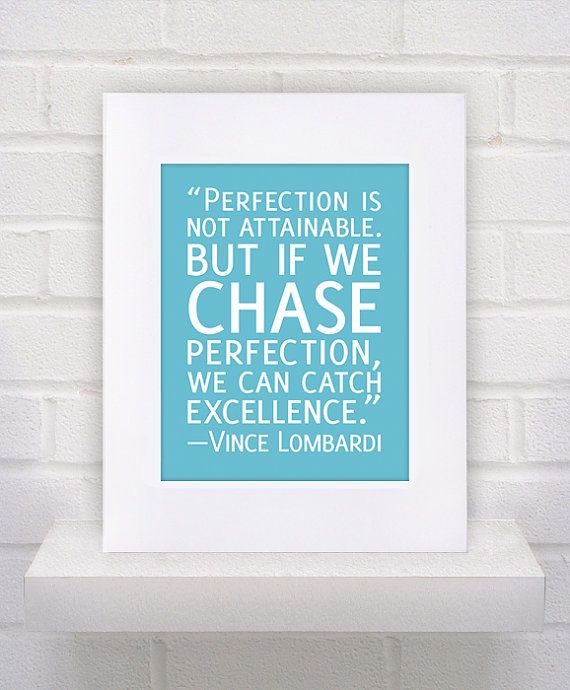


 Both approaches have their merits, and while both points of view can lead to success, I think they take very different types of people to make them work. Some people work better under pressure than others. Some enjoy more of a challenge than others do.

 Which camp describes you? Does the search for perfection in your craft motivate you? Do you find that striving to reach your personal best leads to success in your creative endeavors? Or do you feel that all that pressure tends to backfire and leads to being paralyzed with inaction? Do revisions make you shudder? Do you “edit” as you go?
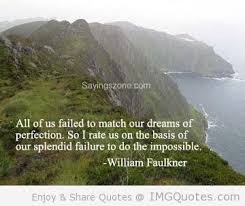 It may seem as if I am advocating the acceptance of ‘mediocrity’. I am not. By all means, aim for the moon, you may at least hit the stars! But also realize that everyone probably has a different idea of ‘perfection’, and, barring editors, publishers and the like, you have to be able to stop at a point in the creation and decide when it’s done, or when it’s “good enough”.
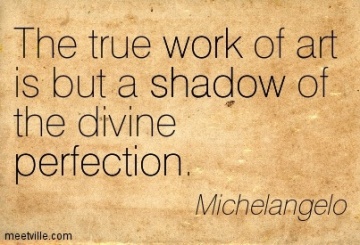 In the end, the matter of whether our creation(s) have achieved “perfection” is completely up to us. Only the artist knows and can decide when something is done, and whether or not it’s done to the satisfaction of the creator. Remember: YOU, as the artist/creator are the only one you have to satisfy. Maybe in many cases, “good enough” IS perfect. 😉

 About dragonkatet Regarding the blog name, Dragon’s Dreams ~ The name comes from my love-affairs with both Dragons and Dreams (capital Ds). It’s another extension of who I am, a facet for expression; a place and way to reach other like-minded, creative individuals. I post a lot of poetry and images that fascinate or move me, because that’s my favorite way to view the world. I post about things important to me and the world in which we live, try to champion extra important political, societal and environmental issues, etc. Sometimes I wax philosophical, because it’s also a place where I always seem to learn about myself, too, by interacting with some of the brightest minds, souls and hearts out there. It’s all about ‘connection(s)’ and I don’t mean “net-working” with people for personal gain, but rather, the expansion of the 4 L’s: Light, Love, Laughter, Learning.


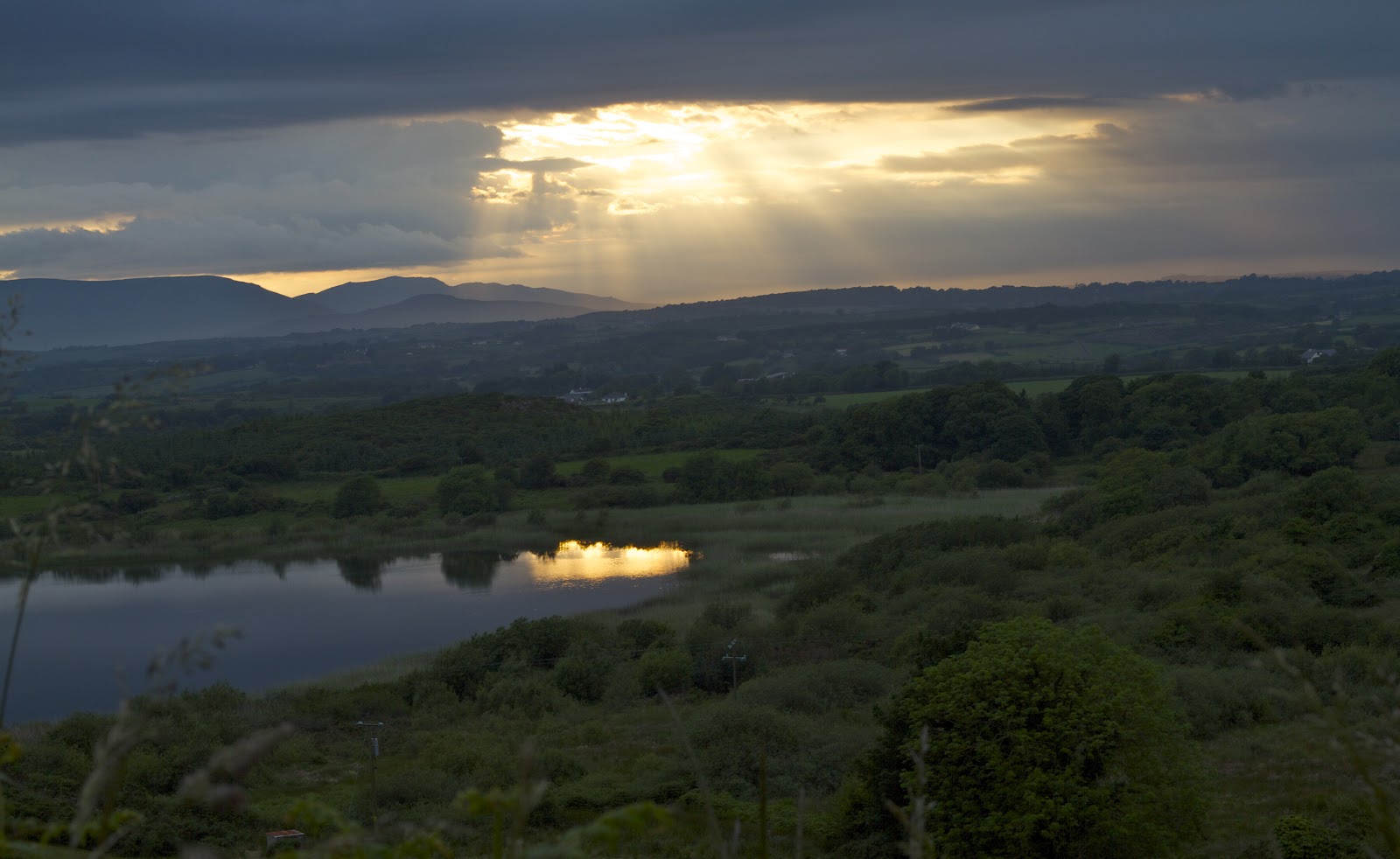


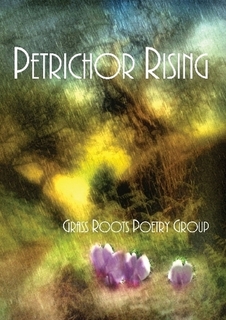
 John has also been involved in the recent publication of two anthologies that are the result of online collaborations among two international groups of amateur and professional poets. One of these is The Grass Roots Poetry Group, for which he produced and edited their anthology, “

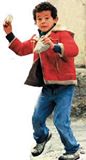
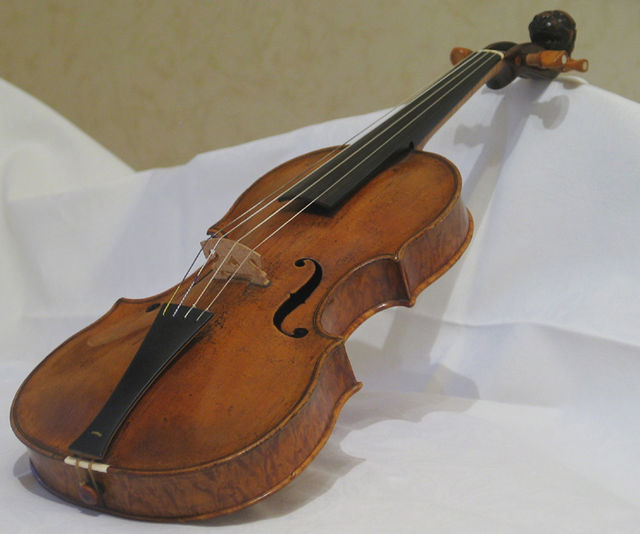



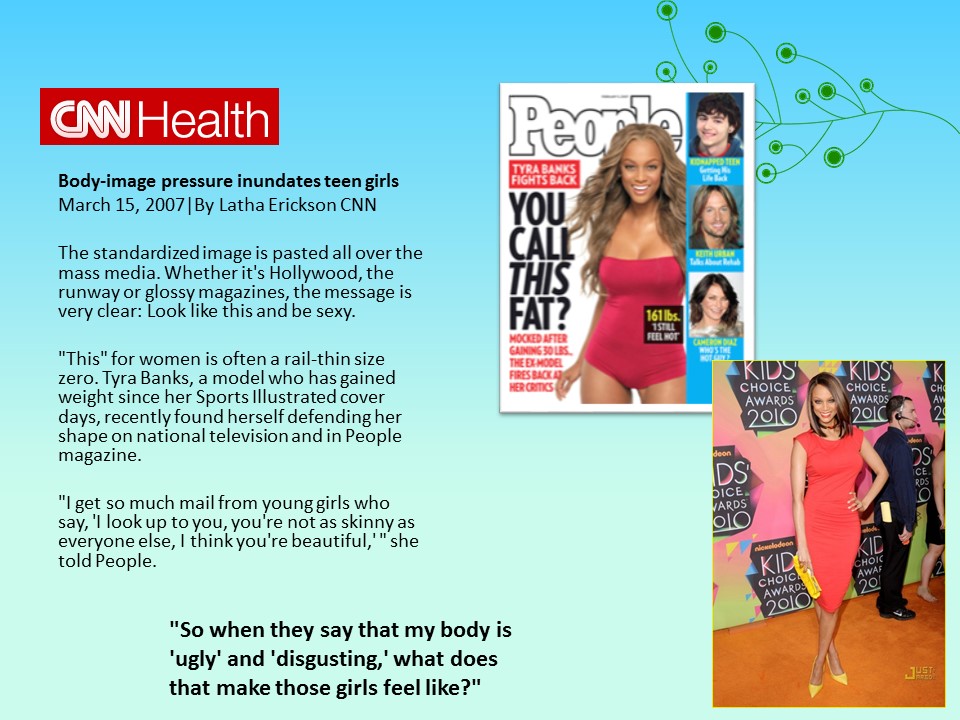
 This is my my child Colin and his cousin Casey, my niece. These two kids both consider themselves fat at this time. Colin was afraid to wear “skinny jeans” because he thinks they make him look fat so he hides his body behind baggy basketball shorts and sweatshirts. Casey is in the same boat. They already don’t like their bodies.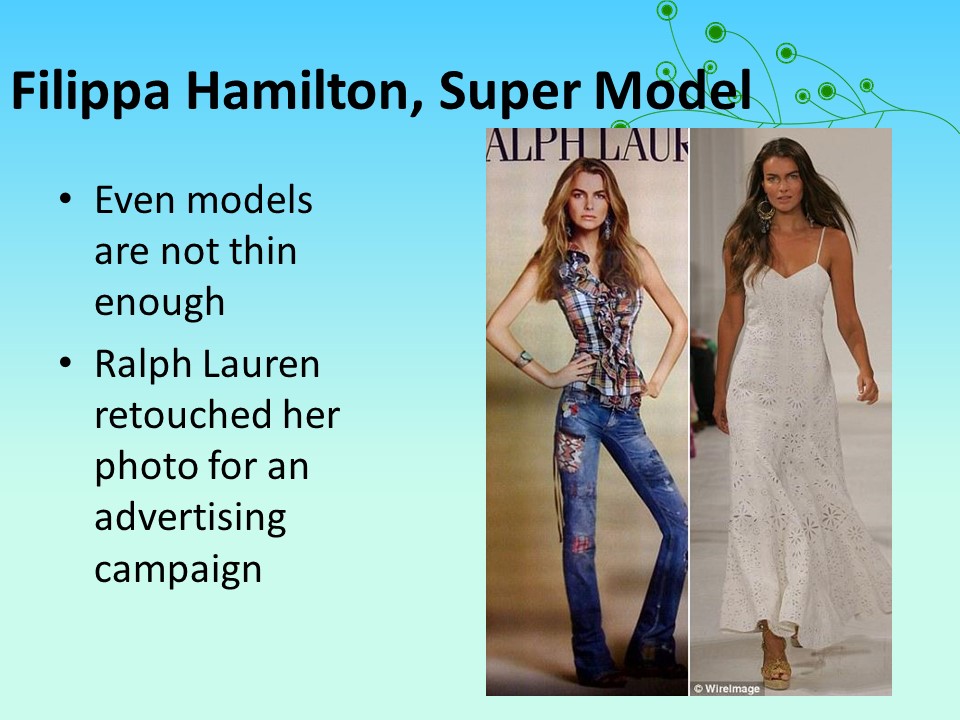
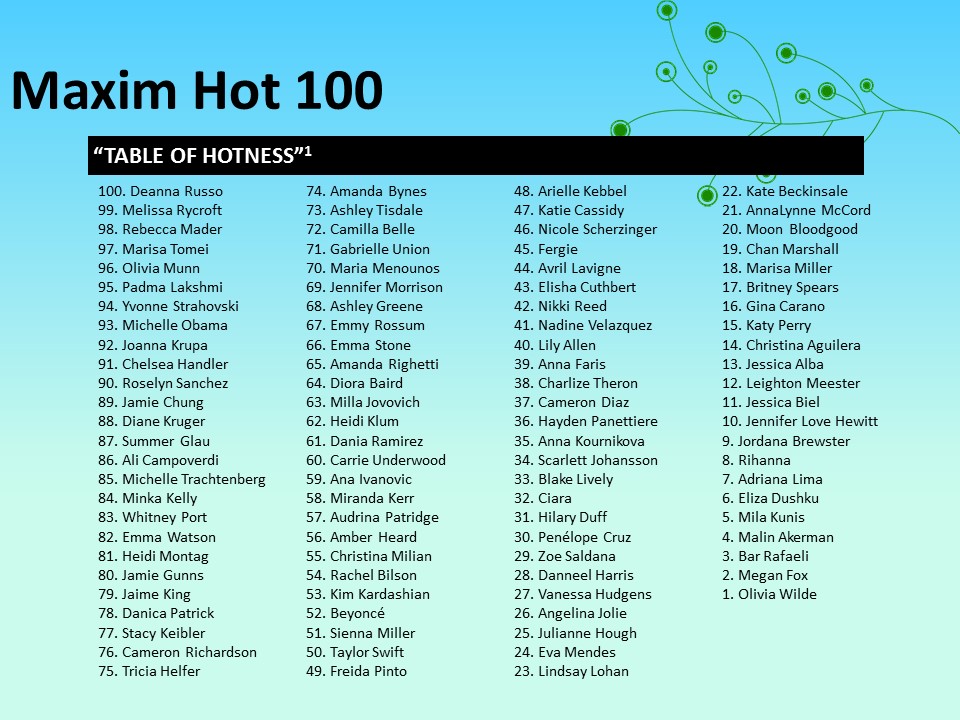
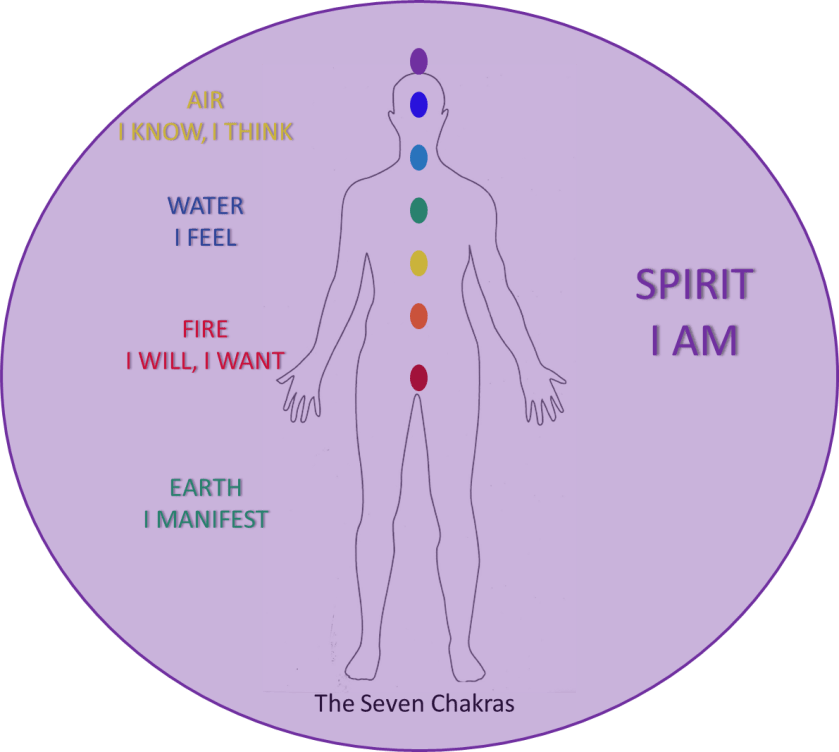
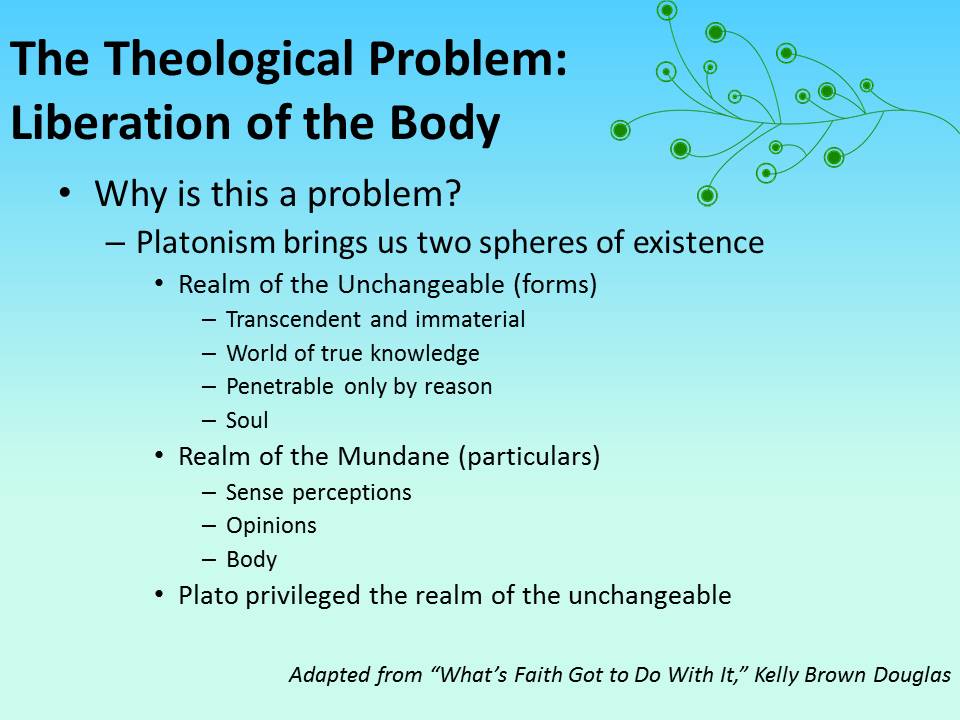
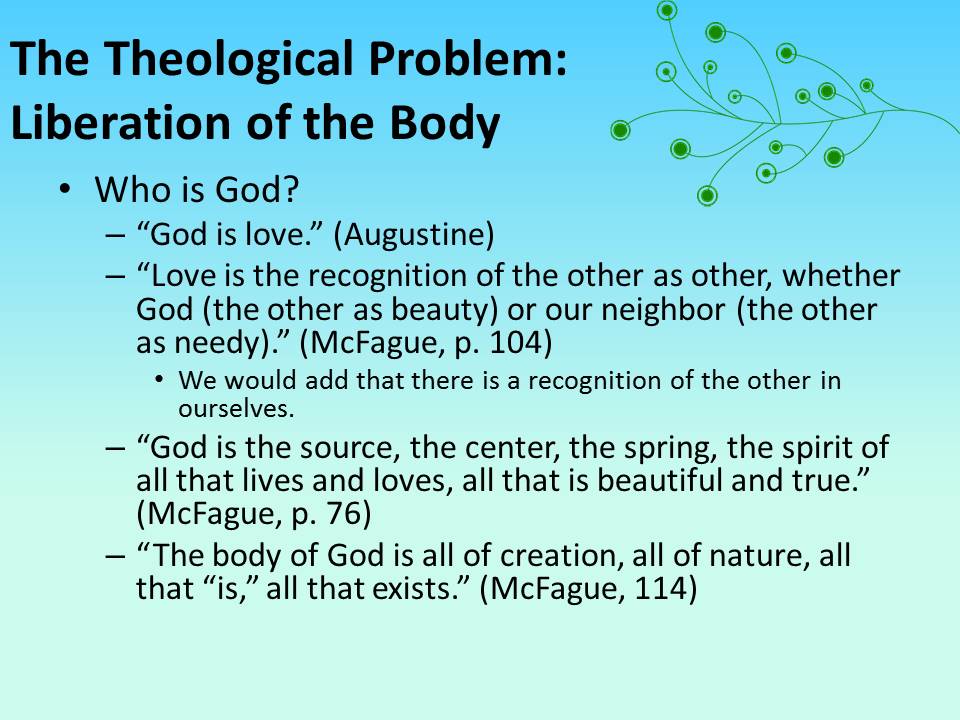
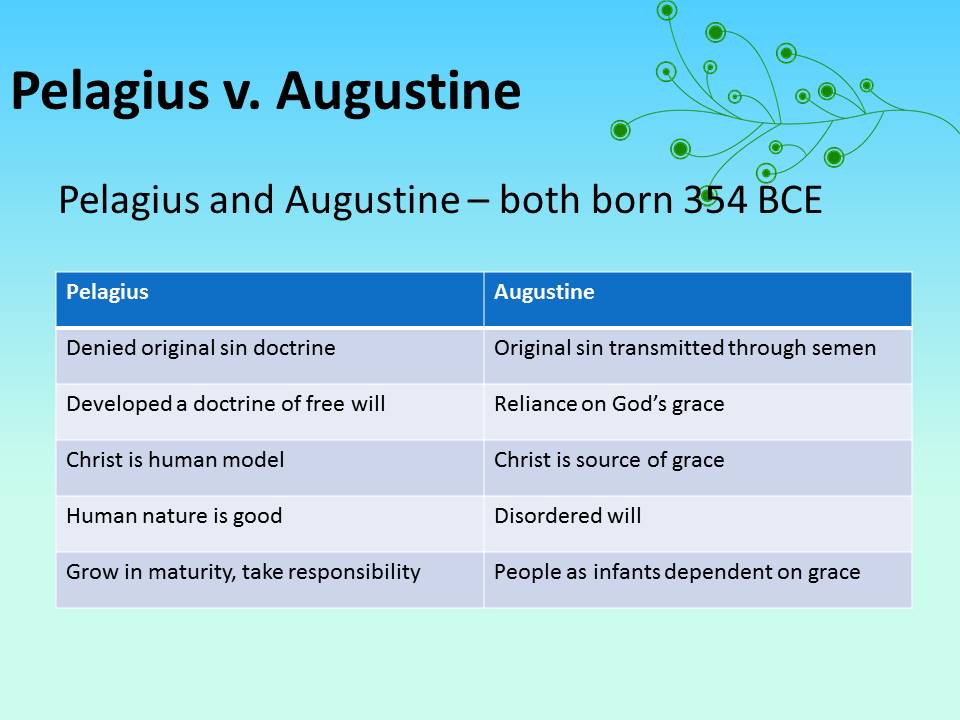
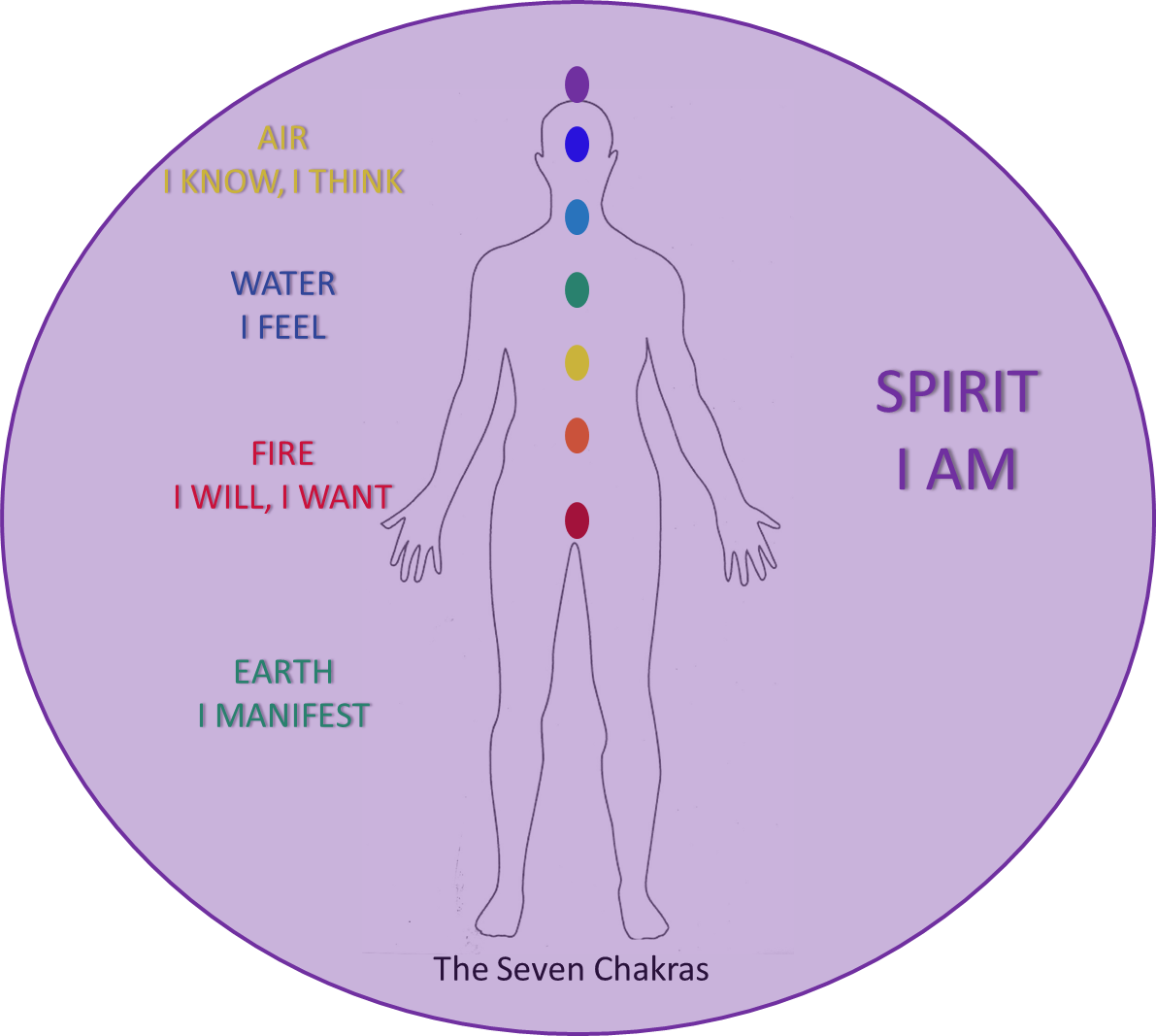


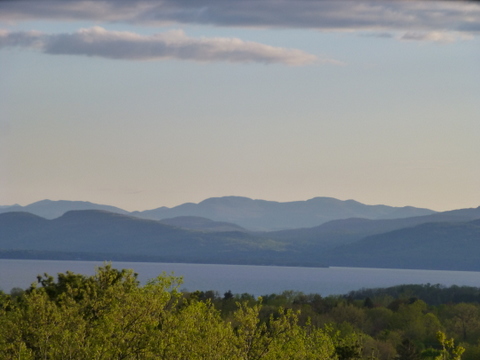
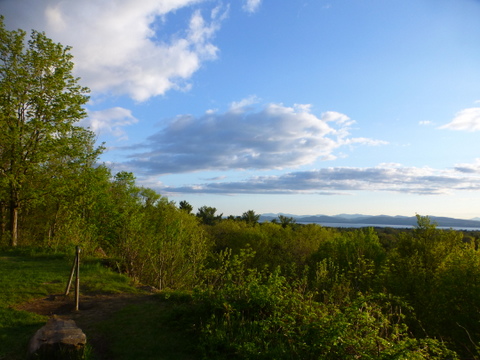
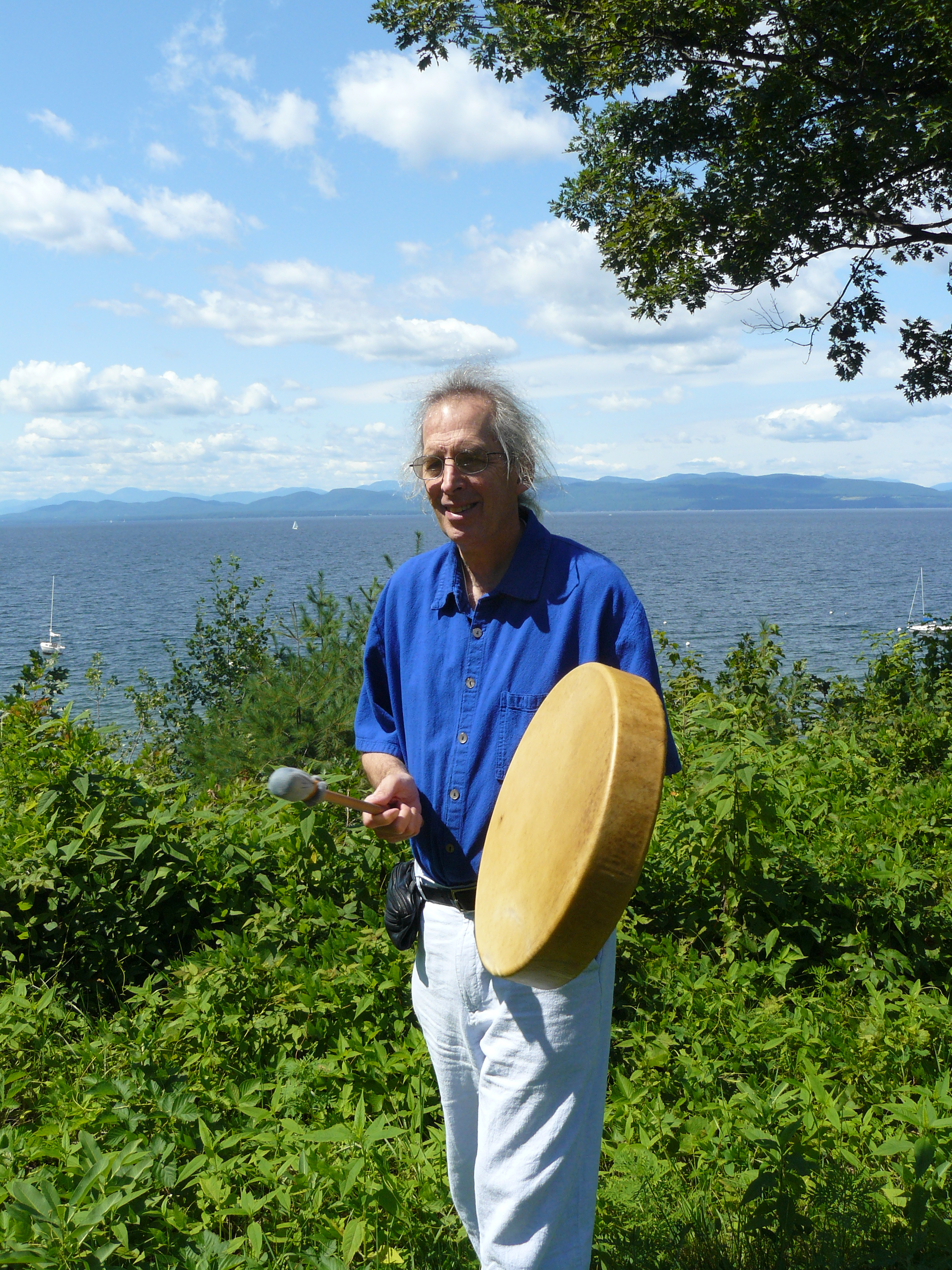
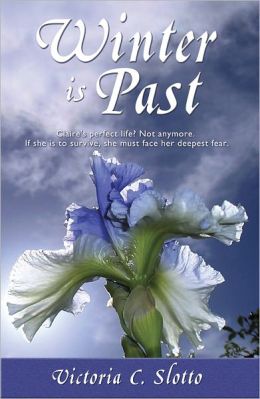

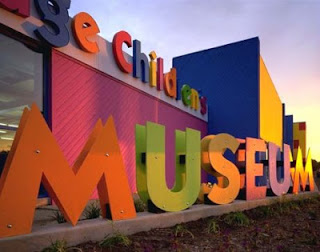



 The BeZine
