The BeZine Blog

Posted in Photography/Photographer, Priscilla Galasso, Wordless Wednesday

interNational Photography Month: Wordless Wednesday

“A picture is worth a thousand words.”  So said sources from the early 20th century, and advertising and marketing departments were quick to adopt this maxim.  Images became icons; symbols got recognition and replicated themselves.  In our viral age, this happens in a nanosecond.  We are bombarded with so many images in a day that we simply filter out most of them.  Junk mail, pop-ups, video clips and trademarks pass in and out of our field of vision at an alarming rate. 

When was the last time you looked at an image for more than 10 seconds?  When was the last time you stood in a museum or gallery in front of an image for more than 10 minutes?  Was that image a photograph? 

Suppose we create a virtual photographic museum here on Bardo.  Share with us a photo that you have taken that will draw us into some full minutes of contemplative focus.  It may be a photograph that tells an entire story in itself.  It may be a place to which we’re drawn, compelled to step into the frame.  It may be a portrait of a face that speaks volumes of stories.  (What’s interesting to note is that we, like infants, will look long into the faces of people, especially those to whom we feel strongly connected.) Perhaps one of these photographs will inspire a story or essay in the writers amongst us for a future time….for now, let it be wordless.  Here are some from my collection to “prime the pump”.


YOU ARE INVITED TO SHARE YOUR PHOTOGRAPHS WITH US.

PLEASE LINK THEM TO THIS SITE USING MISTER LINKY BELOW

OR LEAVE THE LINK IN THE COMMENTS SECTION

THE LINK WILL STAY OPEN FOR 72 HOURS AND PRISCILLA WILL VISIT AND COMMENT

WE HOPE YOU WILL ALSO VISIT ONE ANOTHER TO COMMENT AND ENCOURAGE

004PRISCILLA GALASSO ~ started her blog at scillagrace.com to mark the beginning of her fiftieth year. Born to summer and given a name that means ‘ancient’, her travel through seasons of time and landscape has inspired her to create visual and verbal souvenirs of her journey.

Currently living in Wisconsin, she considers herself a lifelong learner and educator. She gives private voice lessons, is employed by two different museums and runs a business (Scholar & Poet Books, via eBay and ABE Books) with her partner, Steve.

Posted in Essay, General Interest, John Anstie, poem, Poems/Poetry, poetry

Looking South

(For some, the ultimate journey)

This poem was my response to a challenge; about the triumph of the human spirit over adversity. But most particularly, it is about not bearing life’s burden on your own, but rather learning how to ask for help, how to share concern or worry. For some things in life, you cannot just ‘tough it out’. However strong you think you may be, there are some challenges in life that you cannot, nay should not tackle alone, because everyone has their limits; there is always a barrier, either physical or emotional or both, that will inhibit the progress of any man or woman; will put a stop to their journeys.

Perhaps this is because, once you show your vulnerability, far from becoming prey to vultures and demons, you will also attract the support of true human beings, those who are true team players, those who care. And anybody who endeavours to achieve things that not everyone would attempt, has that spirit. It is often a spirit born of near death experience, but may also be a response to physical and emotional pain.

It is both these things that four men from the British armed forces set out to overcome in a seemingly impossible challenge. These four servicemen, who were all injured in combat in Afghanistan, set out to enter the record books as the first disabled team to walk unassisted to the North Pole. It involved a great deal of preparation and training for all of them.

The men are: Capt Martin Hewitt, 30, whose right arm is paralysed after being shot; Capt Guy Disney, 29, whose right leg was amputated below the knee after he was hit by a rocket-propelled grenade (RPG); Sgt Stephen Young, 28, who suffered a broken back in a roadside bombing; Pte Jaco Van Gass, 24, who had his left arm amputated and suffered significant tissue loss to his left leg after being hit by an RPG.

For the first few days of their trek, they were also accompanied by Prince Harry, who supported their campaign both before and after it was completed. The documentary, shown on BBC1 in the summer of 2011, was called “Harry’s Arctic Heroes“.

In this expedition, these four men represented every soldier, airman and sailor who is ever injured in conflicts, but particularly those who lose their faculties in some way, be it the loss of a limb or sight.

The poem also has a ‘dark’ side, as it shakes a metaphor at dealing with our mortality, not least by reference to ‘The Dream of Gerontius’. The journey ‘North’, in this sense, is figurative and is my way of demonstrating that metaphor to the ultimate journey that we and all animals make as an integral part of our lives. “Looking South” represents the looking back on our lives, which in the case of these four injured servicemen, was their life so far. And for a majority of those, who deal with life’s challenges, some significant moments also represent a looking back on our lives… so far.

If you stand in the wind
and allow it to bend you
so you flex and withstand it,
don’t let it uproot you,
then you’ll find it can’t hurt you
in spite of extraordinary pain.

If your instinct for flight
is taken away
your options for fighting
in an instant are gone,
like a parent removing
your permission to play…

…with the most bitter of tears.

If there’s anything surer
than the moment you hear
a deafening sound
of silence and the fear
rushes in like air
to a vacuum.

There’s nothing more certain,
never so clear,
as if a vision of your life
were etched in white light
closing your eyes
and blinding your sight…

…but opening them on the inside.

It seems you were born
for this moment;
that this is your time.
You appear to have arrived
at the moment when pain
can no longer touch you.

That stress and the anguish
of screaming self-doubt
have momentarily left you,
your inside looking out;
outside looking in;
thoughts perfectly scrambled…

…like the dream of Gerontius.

Circumventing your demons,
overcoming your fear
this vision of whiteness
tears at your heart and your soul;
bedazzling lightness
of mind; supernal disclosure;

a revelation that you’ll never
be left on your own.
You will never be able
to embark on this journey
without your assistants;
your brothers in arms…

…but they’re not the Invisible Choir

Your angels are next to you;
there at your shoulder if you look.
Maybe a Prince or a pauper,
but either will brook you;
all you need is to ask;
as long as you let them know.

Then, when you stand there,
sharing legs, shoulders, arms,
looking South when you know
that there’s no further North,
surveying a World,
that will sing your arrival…

…knowing now that you truly have life.

Looking south
can’t say how I feel
Looking south
at the great, white sea
Looking south
just seems so unreal
Looking south
making known that I’m free.
Looking south
a muse at my heels
Looking south
nothing more to flee
Looking south
my brotherhood sealed
Looking south
fearless of what’s to be.
Looking south
my soul is healed
Looking south

© 2011 John Anstie
John_in_Pose_Half_Face3

JOHN ANSTIE (My Poetry Library and 42) ~ is a British writer and poet, a contributing editor here at Bardo, and multi-talented gentleman self-described as a “Family man, Grandfather, Occasional Musician, Singer, Amateur photographer and Film-maker, Apple-MAC user, Implementation Manager, and Engineer”. He has participated in d’Verse Poet’s Pub and is a player in New World Creative Union as well as a being a ‘spoken-voice’ participant in Roger Allen Baut’s excellent ‘Blue Sky Highway‘ radio broadcasts. John has been blogging since the beginning of 2011. He is also a member of The Poetry Society (UK).

*****

product_thumbnail-3.php

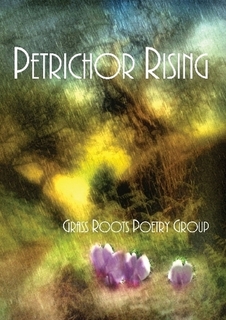
51w-rH34dTL._BO2,204,203,200_PIsitb-sticker-arrow-click,TopRight,35,-76_AA300_SH20_OU01_John has also been involved in the recent publication of two anthologies that are the result of online collaborations among two international groups of amateur and professional poets. One of these is The Grass Roots Poetry Group, for which he produced and edited their anthology, “Petrichor* Rising. The other group is d’Verse Poet Pub, in which John’s poetry also appears The d’Verse Anthology: Voices of Contemporary World Poetry, produced and edited by Frank Watson.

Petrichor – from the Greek pɛtrɨkər, the scent of rain on the dry earth.

Posted in Art, General Interest, Gretchen Del Rio

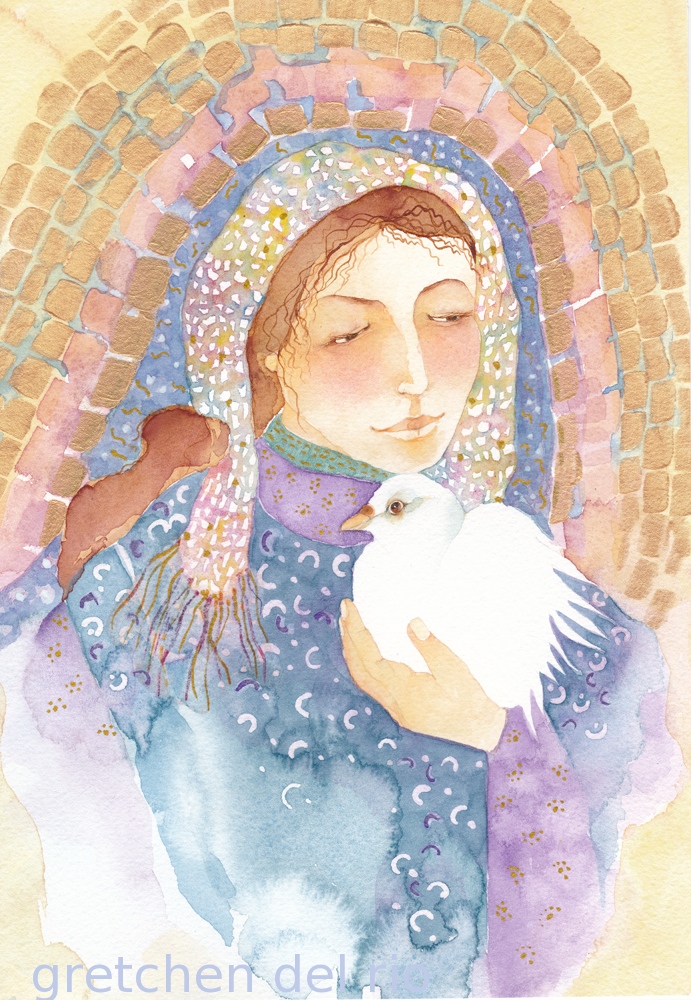
gaia

Gaia, the essential mother, by Gretchen Del Rio.

Gretchen Del Rio's avatarGretchen Del Rio's Art Blog

watercolor 7x10  4/2014 watercolor 7×10 4/2014

Nature – the gentlest Mother is,
impatient of no child
 
………………emily dickinson

View original post

Posted in Art, Corina L. Ravenscraft, Environment/Deep Ecology/Climate Change, poem, Poems/Poetry, poetry

~ Planet MoM ~

"Planet MoM" © Corina L. Ravenscraft 2014
“Planet MoM” © Corina L. Ravenscraft 2014

M is for the multitudes She nurtures.
O is for the only world we have.
T is terrestrial preservation – Hers.
H is for the home we have to save!
E is ecosystems, all connected.
R is for respect that She is due.

E is for environments, protected.
A is for awakened points of view.
R is for the rescue of our parent.
T is teaching all to love Her, too.
H is the Heaven or Hell they will inherit.

For all She gives us, it’s the least that we can do.


~ © Corina L. Ravenscraft 2014 ~

effecd1bf289d498b5944e37d8f4ee6fAbout dragonkatet Regarding the blog name, Dragon’s Dreams ~ The name comes from my love-affairs with both Dragons and Dreams (capital Ds). It’s another extension of who I am, a facet for expression; a place and way to reach other like-minded, creative individuals. I post a lot of poetry and images that fascinate or move me, because that’s my favorite way to view the world. I post about things important to me and the world in which we live, try to champion extra important political, societal and environmental issues, etc. Sometimes I wax philosophical, because it’s also a place where I always seem to learn about myself, too, by interacting with some of the brightest minds, souls and hearts out there. It’s all about ‘connection(s)’ and I don’t mean “net-working” with people for personal gain, but rather, the expansion of the 4 L’s: Light, Love, Laughter, Learning.

Posted in General Interest, Photography/Photographer

Photographs “are made with the eye, heart and head.” French Photographer Henri Cartier-Bresson: The Decisive Moment

This slideshow requires JavaScript.

Cartier-Bresson’s, The Decisive Moment, the 1952 US edition of Images à la sauvette. The book contains the term “the decisive moment” now synonymous with Cartier-Bresson:

“There is nothing in this world that does not have a decisive moment.”

“It is an illusion that photos are made with the camera… they are made with the eye, heart and head.” – Henri Cartier-Bresson (1908-2004), French photograph said to be the father of photojournalist

Posted in Essay, Photography/Photographer, Spiritual Practice, Terri Stewart

Sacred Space in Photography: Perspective

This month is interNational Photography month! Here at The Bardo Group, we will be playing with this theme all month-long. On Sundays, we will be focusing on where the practice of photography intersects with our own experience and expression of spirituality.

Perspective is how we look at things. In a lot of ways it can be correlated with our privilege. When we have a lot of privilege in terms of social, economic, and political capital, we tend to see things from an empowered or “power over” perspective. When we have don’t have a lot of privilege, we tend to see things from a “power under” perspective. So our perspective on life or power placement has a lot to do with how we encounter others.

In my religious tradition, and in most spiritual movements (in my understanding), there is a movement to put power down and to empower those who have little power. Just a sampling:

  • Christianity has the beatitudes as a starting point,
  • Islam has the practice of charity,
  • Judaism has the call to care for the widow, the orphan, and the stranger among us,
  • Buddhism feels it is important to support the poor and needy,
  • Hinduism practices that all life forms are respected and should be treated well.
  • Baha’i faith which embraces loving kindness for all life forms and truth in all sacred scriptures (thank you to readers for adding on!)

And it goes on! So it seems that in the great religious traditions, the practice of caring for those who are among “the lost, the least, and the lonely” is of paramount importance. I think the challenge is moving from a position of “power over” to a position of “power with.” This involves a change of perspective. (See, I’m getting to the photographic point!)

I think that if our spiritual practices support our daily living, we will have more effective daily living! If we need to work on finding different perspectives from “power over,” then one way to do it is through photography as a spiritual practice.

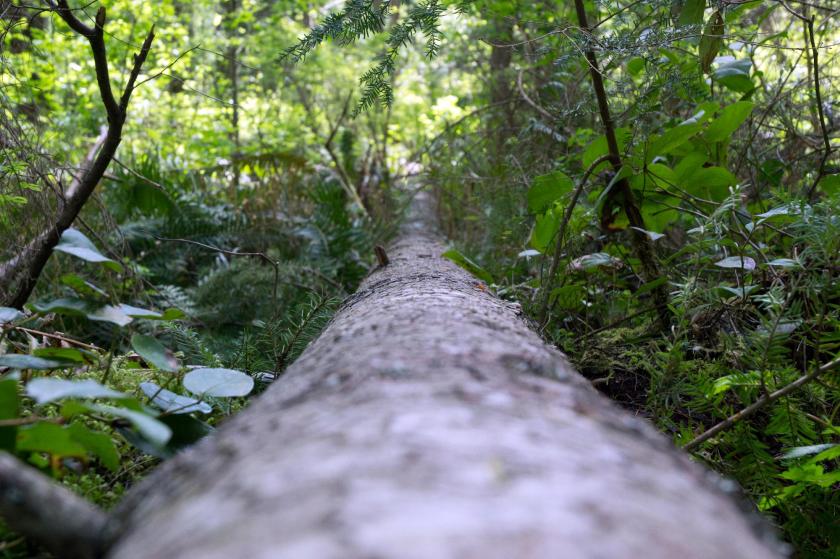
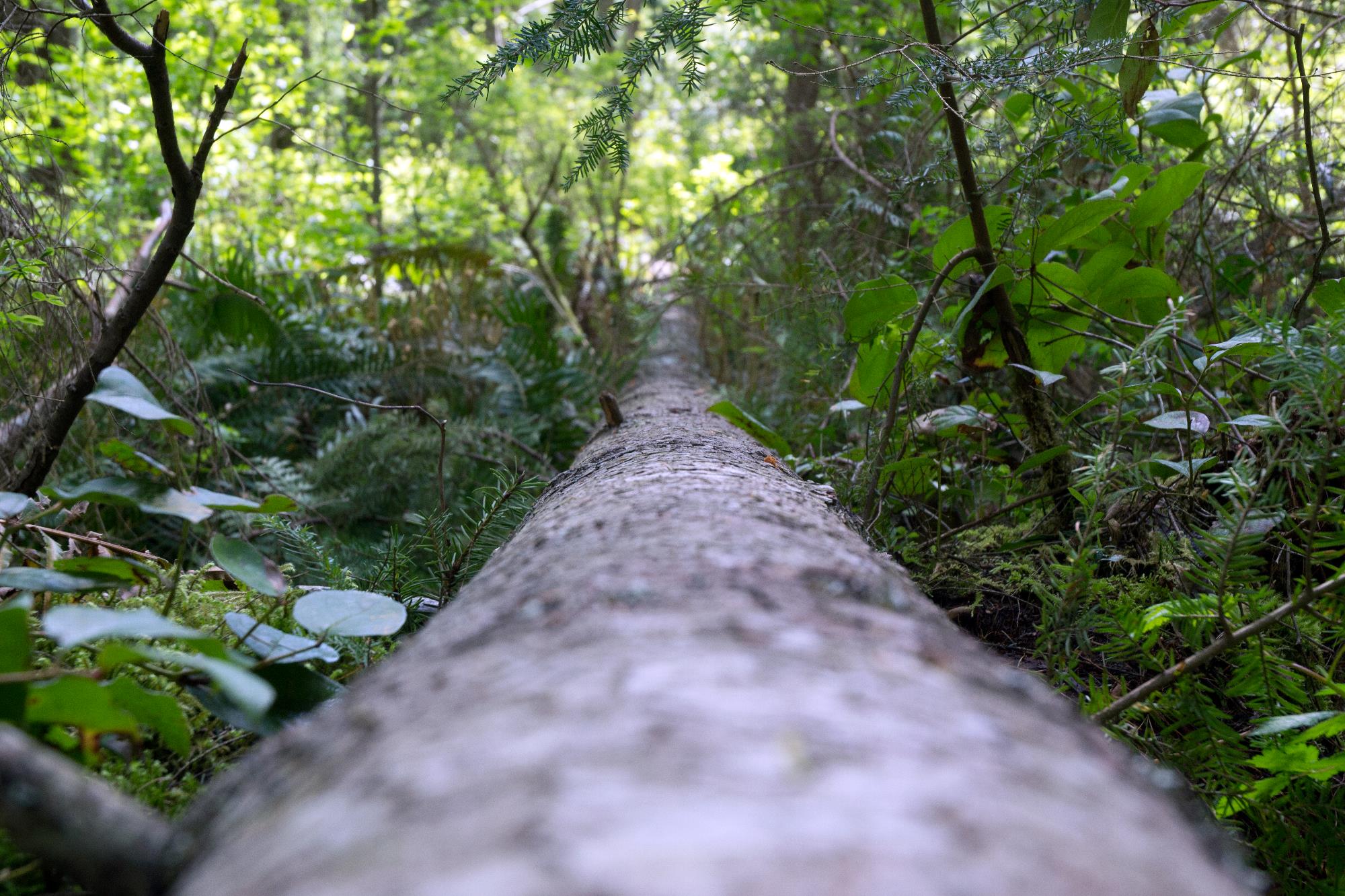
How we see things tells a story. Perspective is a spiritual practice and can be embodied in our photography practice. How does it change your view if, instead of being up high as an adult, you crouched down or laid down? One recent photo I took is a great example for perspective. One of my friend’s comment was: “I wish I had a mouse on a skateboard!” Which brought an even new viewpoint because I definitely would not have thought of that! However, once she said that, I now have a perpetual picture of a mouse playing on the below log.

perspective

To get this photo, I had to crouch way down onto the log and become one with the dirt. It looks way cool from here. The photo from standing up is not nearly as fun. It loses the “going on forever” perspective.

Over time, I’ve gotten better at thinking of doing this—of finding new perspectives. The same is true in my life—almost to a fault! I might over-identify with some of my people who are among the lost, the least, and the lonely. Sometimes. But by noticing new perspectives in photography, it models for me new perspectives in my spiritual life and then new perspectives in my lived life.

  • See the world in a new way
  • See the divine in a new way
  • See others in a new way

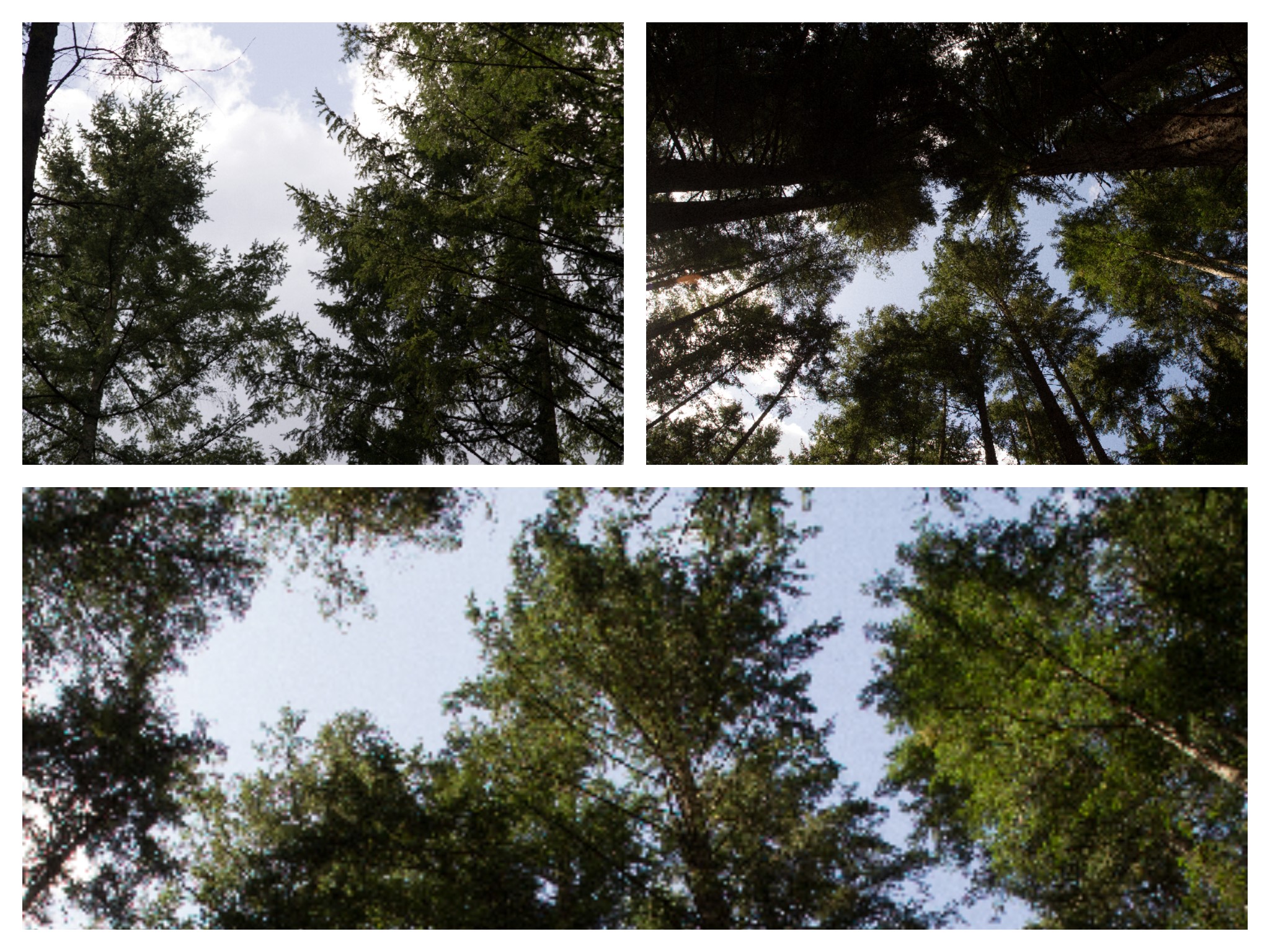
Below are three photos of trees—the same trees with different perspectives (on the same hike). I think each one tells a different story.

treecollage

Applying this to the ideas of perspective & our story as embodied in relationships of power over, power with, or power under—how can we develop the flexibility to enter into another perspective?

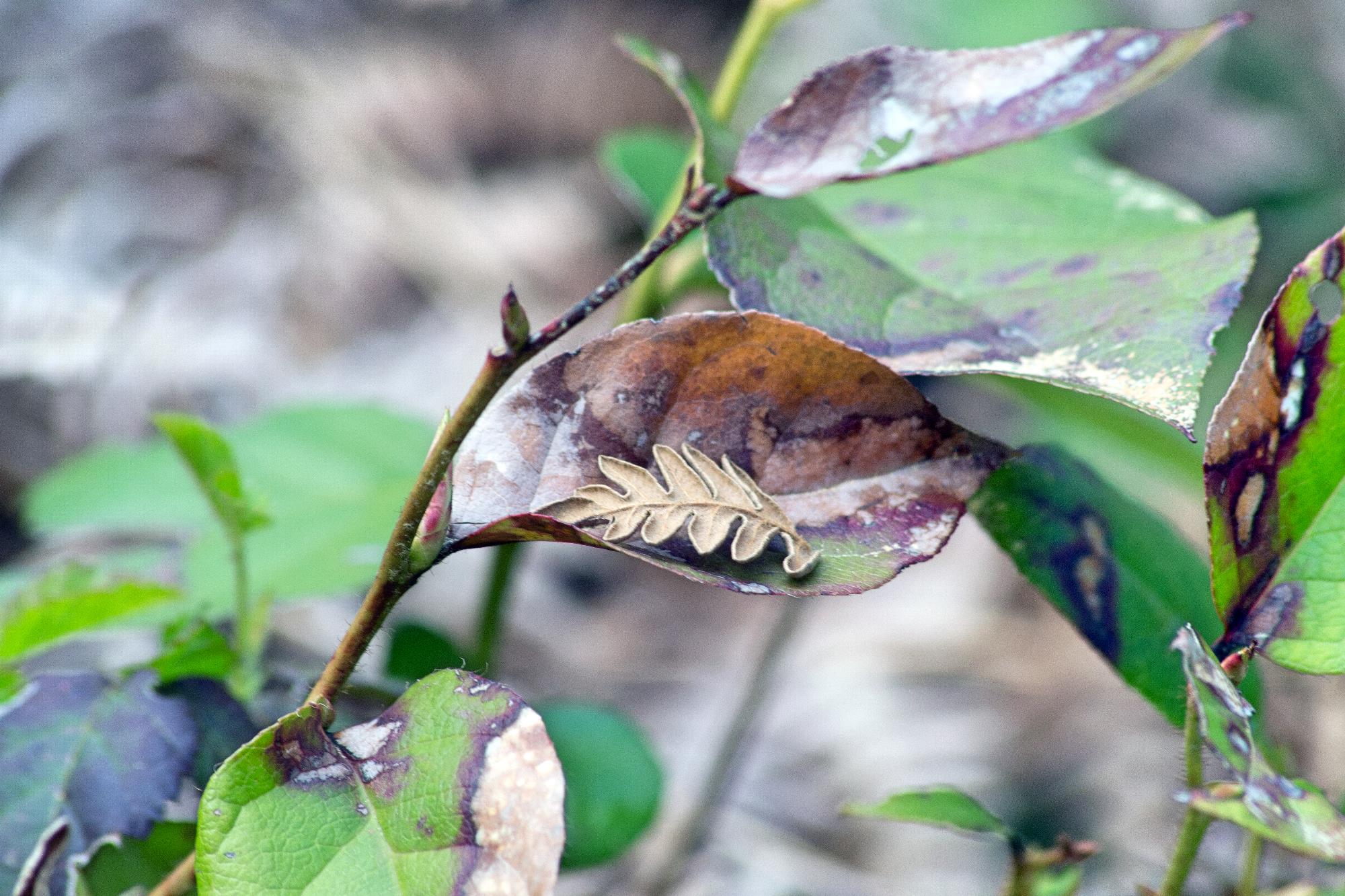
You never know what you will see when you begin to enter into another perspective. I found this lovely leaf cradling a little tiny leaf. How beautiful! And it makes me remember the way we should cradle one another.

leafinleaf

Who will you cradle today by seeing something with a new perspective?

Shalom and Amen!

Post by Terri Stewart, 2014
Photography, CC License (CC BY-NC)

terriTerri Stewart ~ a member of our Core Team,  comes from an eclectic background and considers herself to be grounded in contemplation and justice. She is the Director and Founder of the Youth Chaplaincy Coalition that serves youth affected by the justice system. As a graduate of Seattle University’s School of Theology and Ministry, she earned her Master’s of Divinity and a Post-Master’s Certificate in Spiritual Direction with honors and is a rare United Methodist student in the Jesuit Honor Society, Alpha Sigma Nu. She is a contributing author to the Abingdon Worship Annual.

Her online presence is “CloakedMonk.” This speaks to her grounding in contemplative arts (photography, mandala, poetry) and the need to live it out in the world. The cloak is the disguise of normalcy as she advocates for justice and peace. You can find her at www.cloakedmonk.com,www.twitter.com/cloakedmonk, and www.facebook.com/cloakedmonk.  To reach her for conversation, send a note to cloakedmonk@outlook.com.


Posted in Essay, General Interest, Priscilla Galasso

I Love My Mom

This morning I got an e-mail from her titled “catching up on the blogs”.  I felt her heart bubbling over like she had just emerged from an afternoon reading a favorite novel.  She had associations, appreciations, memories, connections to share, like her synapses were fireworks going off.  From a reader to a writer, this has got to be the highest praise.  She started off by remarking, in all caps, that there has to be a book in this somewhere and that she wants an autographed first edition.  Aw, Mom!

My mom is not a literary push over.  She has a degree in English from Radcliffe (now coed with Harvard).  She devours books regularly and always has.  Her typical posture these days is sitting in her high-backed rocker with knitting in hand, book strapped in on her reading stand, mind and fingers flying.  She used to hide away in her bedroom with a bag of snacks and emerge an hour or so later with renewed energy to tackle her household obligations, sporting a kind of secret glow.  Get her talking about one of her recent historical sagas, and she will enthusiastically engage for hours!  I love seeing her pull thoughts that have been carefully laid aside like unmatched socks and bundle them together with a flourish of discovery and pride. 

She recently told me that her doctor mentioned her good prospects for living another 20 years.  That would make her 97; she wasn’t sure she’d want to live that long.  But think of all the books you could still read!  Or that could be read to you, if the cataracts cause the eyes to fail.  I can still hear my father’s voice reading to her behind the bedroom door.  His partnership to her intellectually was so rich, until Alzheimer’s whittled his brain away.  I wonder if she feels the same phantom guilt I have in enjoying a healthy body and a sound mind after our husbands’ deaths.  Well, I suppose consciousness is a responsibility to approach with reverence.  We live, we feel, we think, we read, we make connections still.  May we both bring life and light to the world like fireworks, Mom, as long as we are able. 

© 2014, essay Priscilla Galasso, photo Dharam Kaur Khalsa.  All rights reserved


004PRISCILLA GALASSO ~ started her blog at scillagrace.com to mark the beginning of her fiftieth year. Born to summer and given a name that means ‘ancient’, her travel through seasons of time and landscape has inspired her to create visual and verbal souvenirs of her journey.
Currently living in Wisconsin, she considers herself a lifelong learner and educator. She gives private voice lessons, is employed by two different museums and runs a business (Scholar & Poet Books, via eBay and ABE Books) with her partner, Steve.

Posted in General Interest, Mental Health, Photography/Photographer

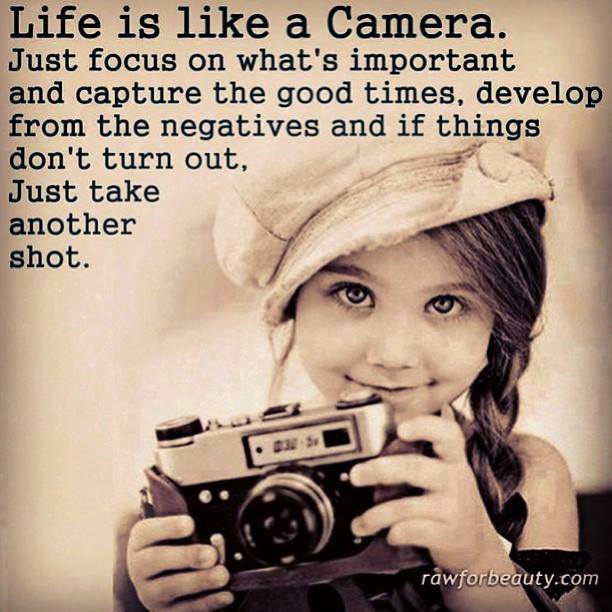
Life is like a camera …

10174913_10152114069673030_5496555897153827500_n

photographic inspiration for a

HAPPY interNATIONAL PHOTOGRAPHY MONTH!


and a joy-filled life!


You are invited to share your photography

with us here on May 14 for Wordless Wednesday

hosted by Priscilla Galasso (scillagrace)


Posted in Joseph Hesch, poem, Poems/Poetry, poetry

Touching Horizon

I’ve always been one to stare
at the sunrise and sunset, the days
slipping out of and into their
respective bedsteads.
But true horizons are funny things.
They are 360-degree dreams
like Dorothy’s Kansas,
flat and unattainable except
in books or feel-good movies.

Perhaps I stand and scan
those horizons, those reclining
brushstrokes of something
always out of reach,
the encircling collection
of a great artist’s vanishing points,
of all our todays and tomorrows,
because I wish to grasp that
there is a beginning and
there is an end to everything.

And in my life there are things
I can never touch, ever,
until they reach out
to touch me first.

– Joseph Hesch

© 2014, poem, Joseph Hesch, All rights reserved

Hesch Profileproduct_thumbnail-3.phpJOSEPH HESCH (A Thing for Words) is a writer and poet from Albany, New York , an old friend of Bardo and a new core team member. Joe’s work is published in journals and anthologies coast-to-coast and worldwide. He posts poems and stories-in-progress on his blog, A Thing for Words.  An original staff member at dVerse Poets Pub website, Joe was named one of Writers Digest Editor Robert Lee Brewer’s “2011 Best Tweeps for Writers to Follow.” He is also a member of the Grass Roots Poetry Group and featured in their 2013 poetry anthology Petrichor Rising.

Posted in Jamie Dedes, poem, Poems/Poetry, poetry

The View From My Place

1354462638grfgkThe winds in May are still rusty from winter
and our crystal spring arrives stop-and-go,
not here in full force yet this year, not dense
enough to clear the rust or make the iris

dance, though the poppies are present and
there are star lilies and peonies to tempt my
eye and my wallet at the grocery. They stand
alongside the strawberries, buxom and red
and on sale this morning. A sprightly breeze

blew me home with promises of summer
tenderness, of willow branches sashaying
and of wild grasses amassed in tangles that
attract the artist’s vision and able brush.
My purple orchid is thriving and the bees are

as fat as baby mice, clever and cute. On the
mossy margins of the northern side there
are human infants with their midnight tears
waiting to be dried by serious fathers who walk
deep purple streets in slow comforing rhythms,

their newborns gently held, heads wobbling
like little drunks dripping saliva on their dads’
49er sweatshirts, while moms catch a rare nap.
Watching quietly from my place in life, I poem.

© 2013, poem, Jamie Dedes, All rights reserved
Photo courtesy of morgueFile

Note: A recording of John Anstie reading this poem can be heard on John’s SoundCloud site HERE. John’s other readings may be heard HERE.

Photo on 2014-03-31 at 17.16 #3JAMIE DEDES (The Poet by Day)~ I am a mother and a medically retired (disabled) elder. The graces of poetry, art, music, writing and study continue to evolve as a sources of wonder and solace, as a creative outlet, and as a part of my spiritual practice.

Posted in General Interest, Niamh Clune

A Nairobi Lesson!

Recently, a friend of mine, Patricia Tilton, reviewed a lovely little book for children on her blog: My Paper House by Lois Peterson about a little girl who comes from Kibera in Nairobi.

Reading her review, memories of my first impressions of the frantic, noisy, city of Nairobi inspired me to write something for my Insights Corner. At the time, I was doing a consultancy for Oxfam. I rode in my air-conditioned Toyota Landcruiser (until it was stolen) through the then-failing traffic system with its drive-on-the-left, traffic lit, roundabouted road infrastructure ~ a testament to Pre-Uhuru British colonialism.

Heat bounced off the pot-holed, tarmacked roads, causing them to soften and shimmy.

I remember driving through the parts of town where the rich lived. Roads were lined with mansions and gated-compounds guarded by Askaris. Pepper trees and Bougainvillea grew everywhere. I knew I was in Africa because of the glaring, daring colours ~ flowers and vibrant Kangas worn by local women. Only they can wear such colour. Their blue-black skin makes that of a white person’s seem bleached, devoid of life.

The relentless sun forces everything to exude its fragrance. house nairobihouse nairobi

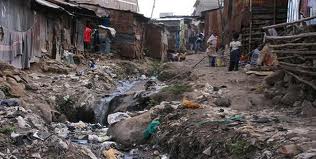
I drove to another part of town. Glinting corrugated tin roofs bounce the sun back into your eyes ~ mirroring something of the reality of contrasts in that part of the world. The Kibera slums occupy a space not quite as large as Central Park. Kibera is jammed full of ramshackle tin huts. Beneath those roofs, men, women and children live in unimaginable poverty. Urine and feces run in open ruts across the ground. There is nowhere to walk, no streets, street lights, or running water. The walking paths (if you can call them that) are filled with rubbish and human waste.

1,000,000 men, women and children live there. There are approximately 1300 people per toilet. If a toilet is occupied, a person squats over a plastic bag (which is a rare commodity) tries to tie it, then jettisons it into space (“flying toilet”).

Kibera is a breeding ground for Diptheria, Malaria and Typhus. Many children don’t live to see five years.

Kibera is an eye-sore, stinking, outrageous and offensive in every way imaginable.slums

Yet, I learned something from my visit (which does not make it right, justify its existence or create a holier-than-thou chance to evangelise in search of a raison d’etre.)

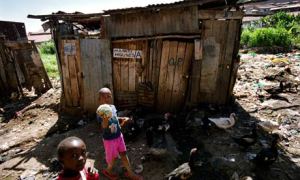
A child of about nine years old approached me. “Mama!” she said. “Give me that.” I looked at what she pointed to. I had a plastic container that I considered rubbish and would (being ecologically minded) recycle. “Give me that,” she said again in English.

I gave it her, and she smiled her thanks. She seemed delighted. I learned later that this little raggedy girl lived on rubbish. Every day of her life, she foraged in Nairobi rubbish dumps to find anything of value that she might then sell on for a few shillings. I had given her something that, for me, was worthless trash, but to her, meant she could eat Ugali that day.

Interestingly, my house-girl (I didn’t invent the terminology or the servant-driven economy) had a plastic container just like it on the window-sill of her hut (of which she was intensely proud). Once, it had been filled with succulent strawberries, now, it was Crosby’s bead box. And she thought it beautiful.

Insight? Apart from the outrage I felt/feel that this goes on in the world and we, collectively, do nothing about it, I looked into that little girl’s eyes. I saw a look of achievement, hope, pride. I did not see failure or despair. She had survived that day. She wanted to survive, thrive, live. Only 8% of girls in Kibera are educated. Just think what this child might achieve if she were given the chance!

Sometimes all we need is a chance. That little girl would grab the taken-for-granted thing and run with it ~ for years and years ~ propelled by its value.

– Niamh Clune

© 2014, essay, Niamh Clune, All rights reserved; photo #1 courtesy of Mwanamwiwa; photo #2 The Guardian News Service; photo #3 © Nairobi Slumbs Schools Project Trust;

430564_3240554249063_1337353112_n-1orange-petals-cover_page_001DR. NIAMH CLUNE (Plum Tree Books Blog) ~ is the author of the Skyla McFee series: Orange Petals in a Storm, and Exaltation of a Rose. She is also the author of The Coming of the Feminine Christ: a ground-breaking spiritual psychology. Niamh received her Ph.D. from Surrey University on Acquiring Wisdom Through The Imagination and specialises in The Imaginal Mind and how the inborn, innate wisdom hidden in the soul informs our daily lives and stories. Niamh’s books are available in paperback (children’s books) and Kindle version (The Coming of the Feminine Christ). Dr. Clune is the CEO of Plum Tree Books and Art. Its online store is HERE.  Niamh’s Amazon page is HERE.

Posted in Victoria C Slotto, Writing

Writer, READ!

Photo: NPR.org
Photo: NPR.org

Every writer knows the importance of reading and the impact it has on our own skills. Because I write literary fiction and poetry, I gravitate towards the same in my reading choices. However, I’ve discovered that it’s critical to pay attention to what is going on in life at the moment and plunge into different genres to achieve some sort of balance.

Here’s an example. A few years ago, I began to read the novel “Still Alice,” by Lisa Genova. Beautifully written and intense, it’s the fictional story of a brilliant woman’s descent into dementia. The reading group I attend here in the desert was to discuss it at its next meeting. However,I knew I didn’t have the psychic energy to continue. Although I had worked with dementia my entire nursing career and have,myself, written a flash fiction piece from the first person point of view of a woman with dementia, I was at the time immersed in dealing with a loved one with Alzheimer’s–my now 93-year-old mother. I simply couldn’t bear the sadness.

Since then, I have read the book two times; I took it to my Reno book club and led the discussion. I recommend it to many since it puts you in the mind of the person who has dementia as she progresses through the disease. (The author is a neuroscientist with keen insight into the subject.)

Now I enjoy reading the classics,trying to uncover what it is that makes them so timeless. In between, I’ll download something mindless–a good mystery or, rarely, a romance. It’s important to read great writing to enhance our own skills, but even when it’s less than stellar–isn’t it fun to critique?

One of the downsides of writing has, indeed, become the tendency to evaluate writing instead of simply enjoying the experience. But, read on, take note of style winners and losers and learn!

Happy writing. Enjoy the process.

© 2014, poem, Victoria C.Slotto, All rights reserved

2940013445222_p0_v1_s260x42034ff816cd604d91d26b52d7daf7e8417VICTORIA C. SLOTTO (Victoria C. Slotto, Author: Fiction, Poetry and Writing Prompts) ~ is an accomplished writer and poet. Winter is Past, published by Lucky Bat Books in 2012, is Victoria’s first novel. A second novel is in process. On Amazon and hot-off-the-press nonfiction is Beating the Odds: Support for Persons with Early Stage Dementia. Victoria’s ebooks (poetry and nonfiction) are free to Amazon Prime Members. Link HERE for Victoria’s Amazon page.

Editorial note: Congratulations, Victoria, on that the long awaited publication of print copies of Jacaranda Rain, Collected Poems, 2012, Beautifully done.

Writers’ Fourth Wednesday is hosted by Victoria from January through October. Tomorrow Victoria’s Fourth Wednesday writers’ prompt will post at 12:01 a.m. PST. Please join us. Mister Linky will remain open for seventy-two hours so that you can link your response to this blog. Victoria and Jamie will read and comment and we hope you will read one-anothers’ work as well, comment and encourage. 

Posted in General Interest, Liz Rice-Sosne, Photo Essay, Photography/Photographer

The Saint Louis Arch . . . A Meditation.

St_Louis_night_expblend_cropped

Credit Wikipedia

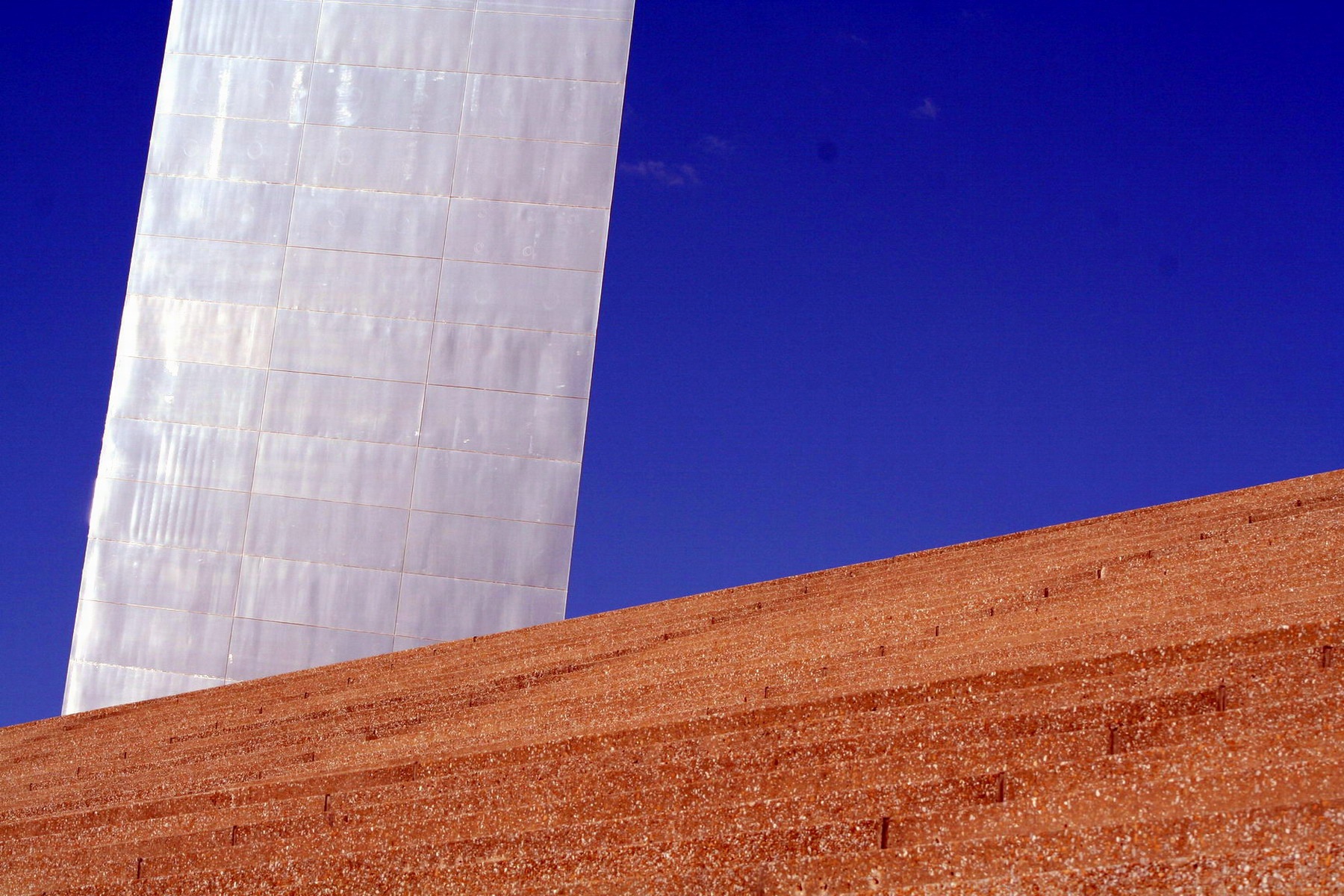
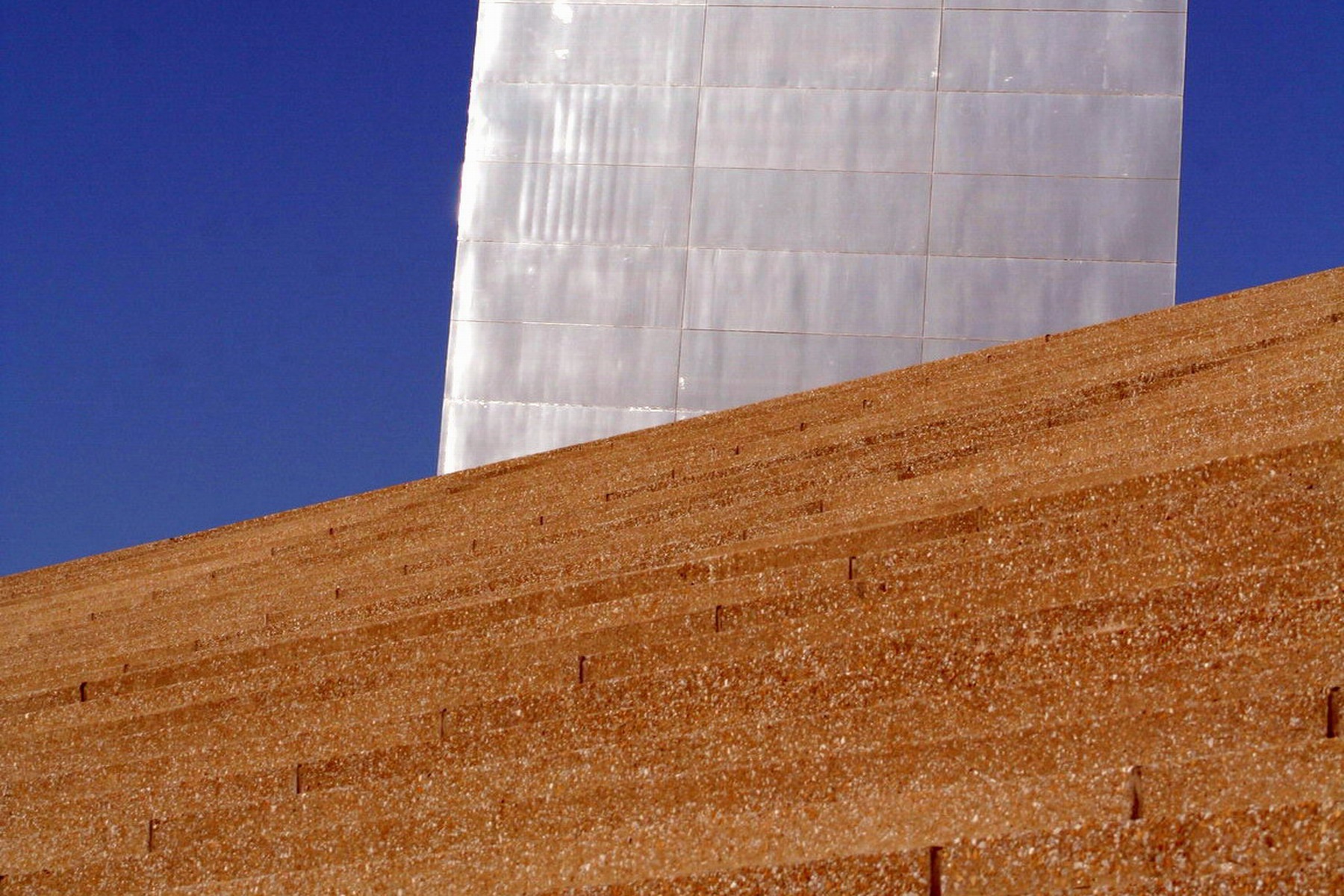
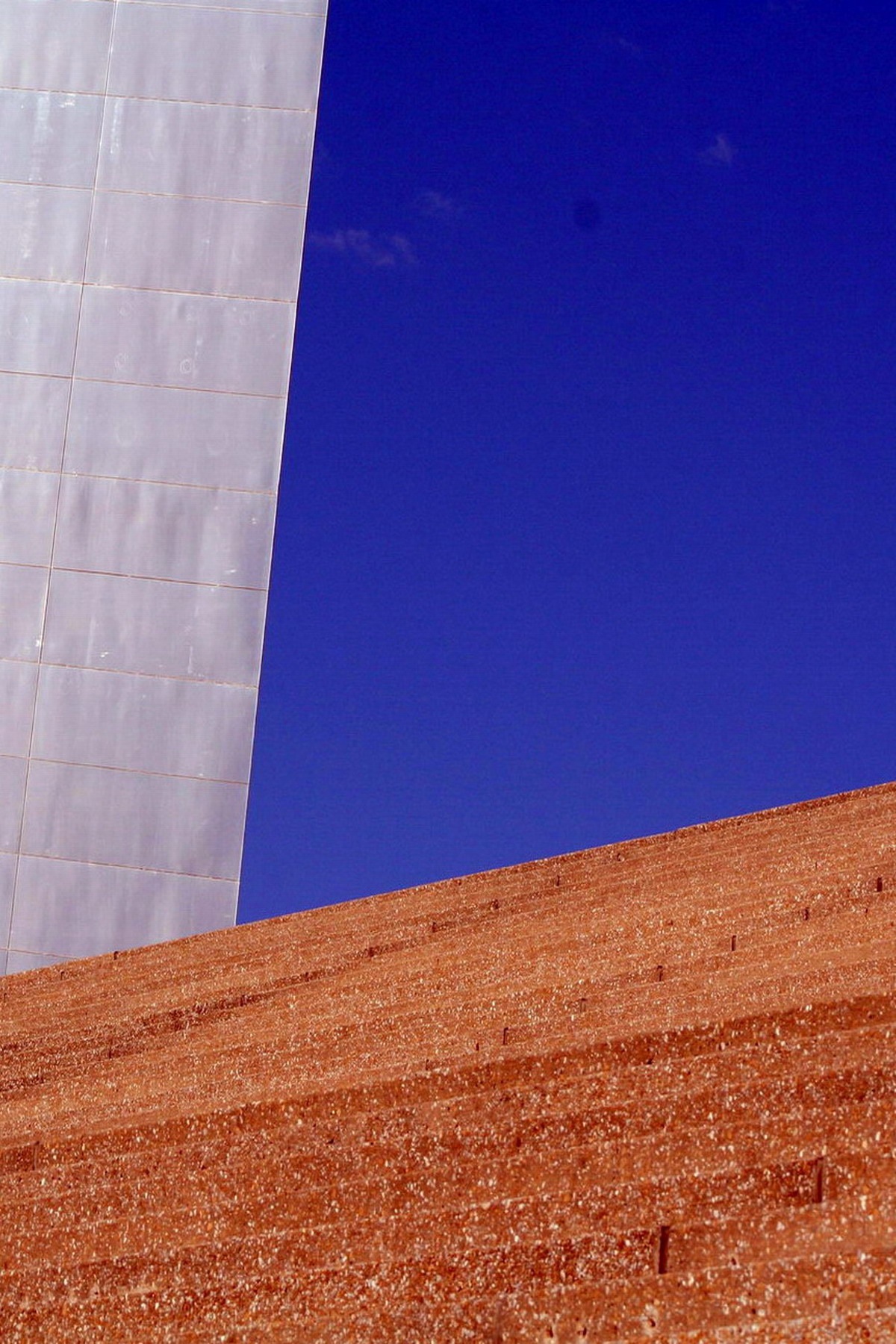
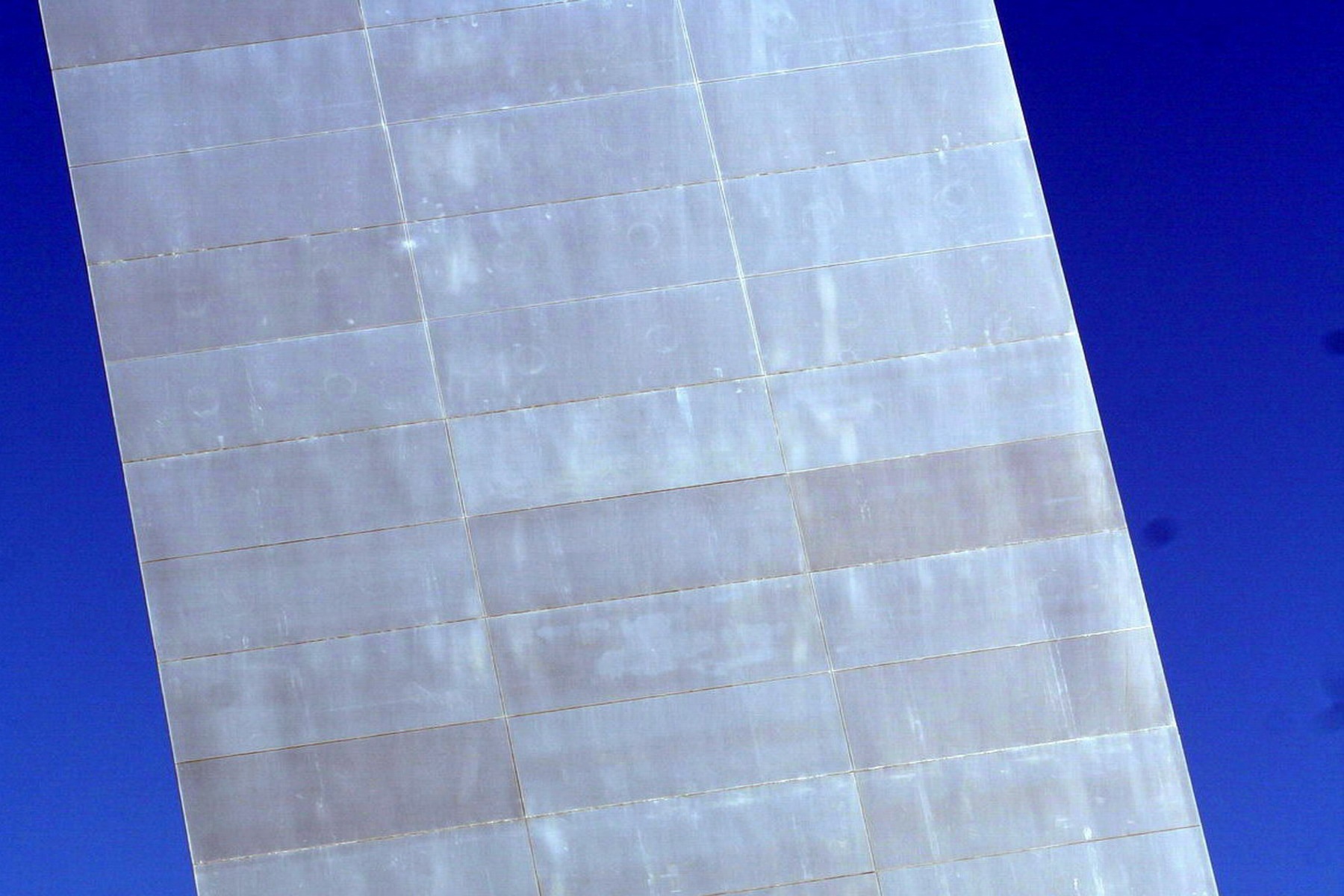
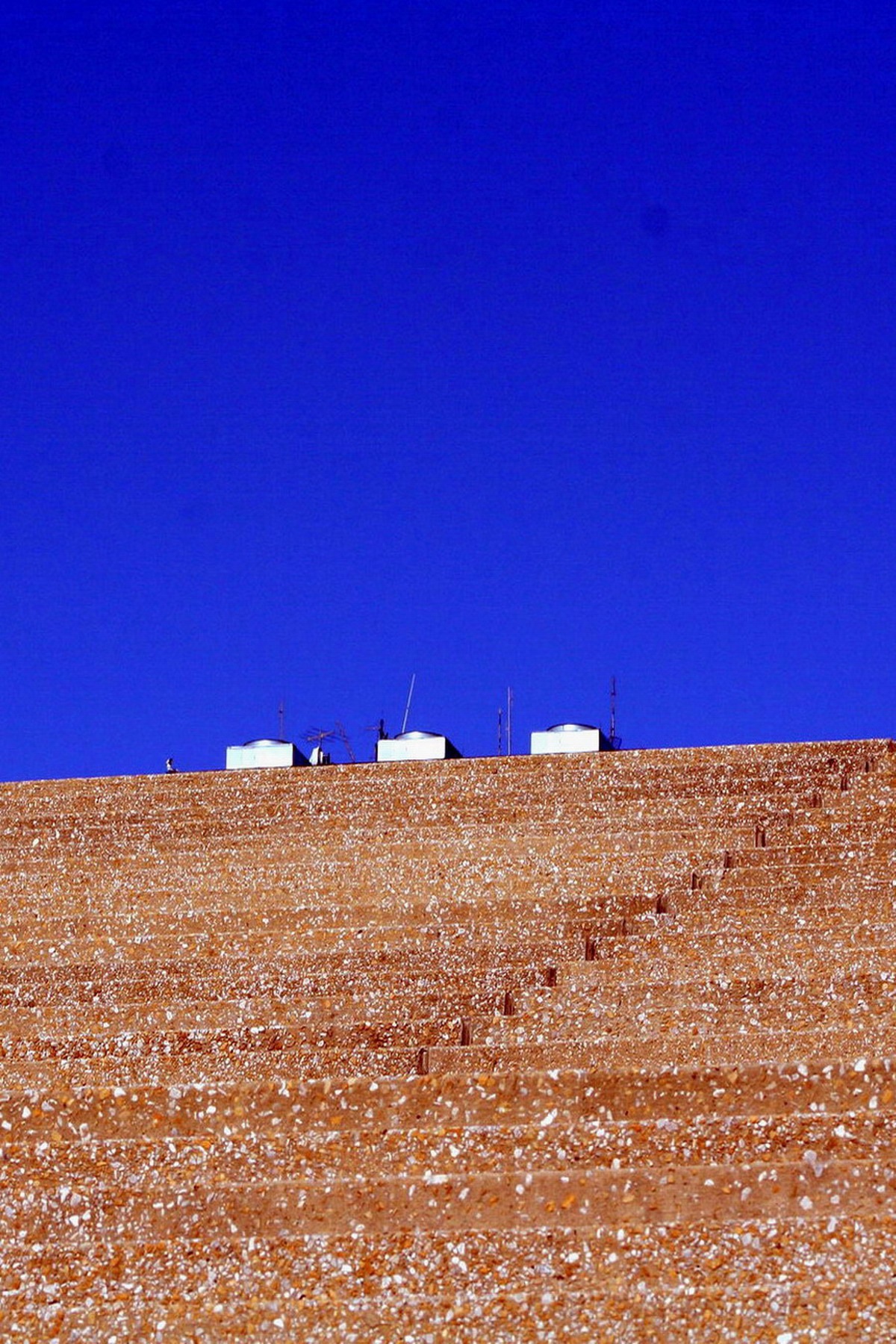
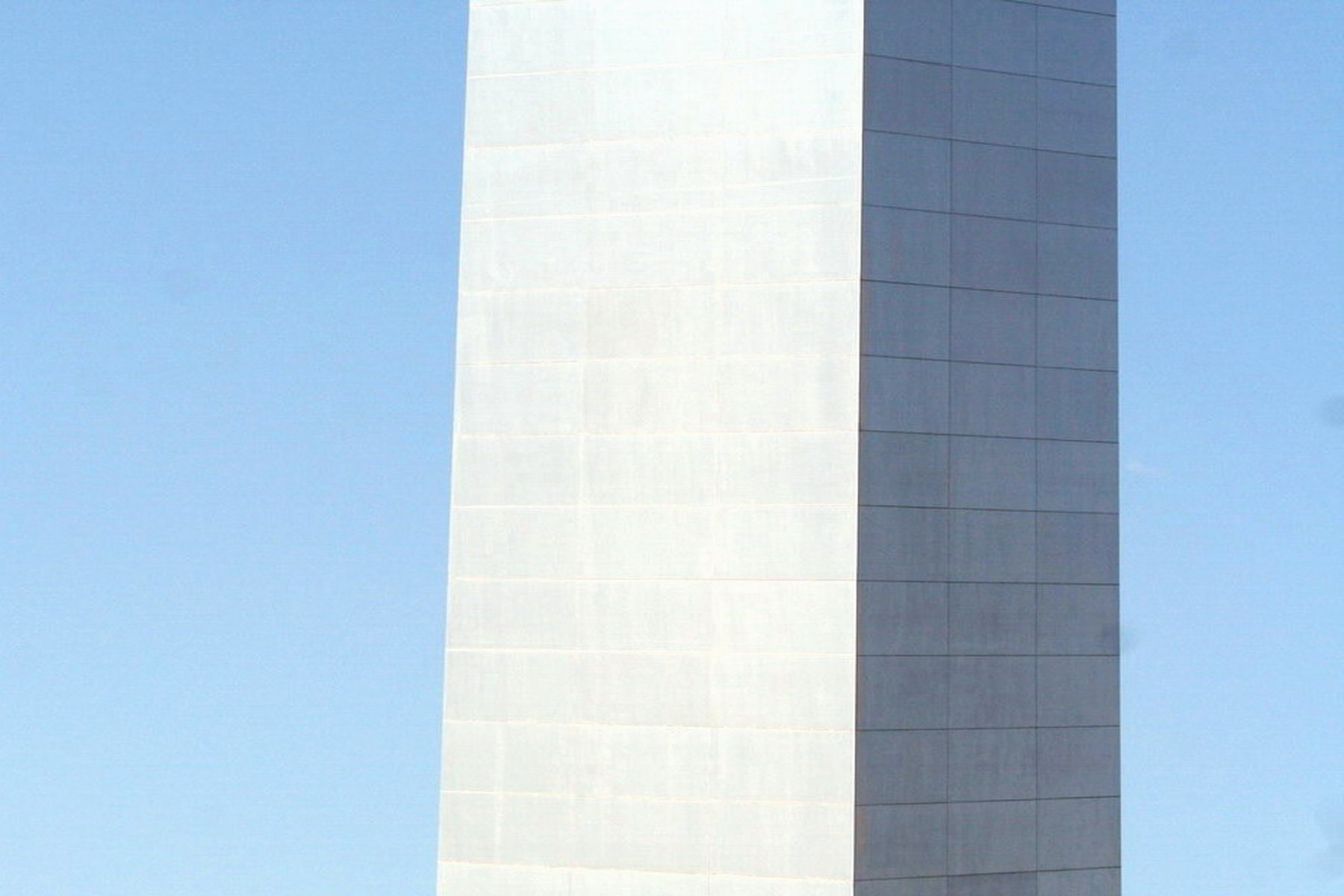
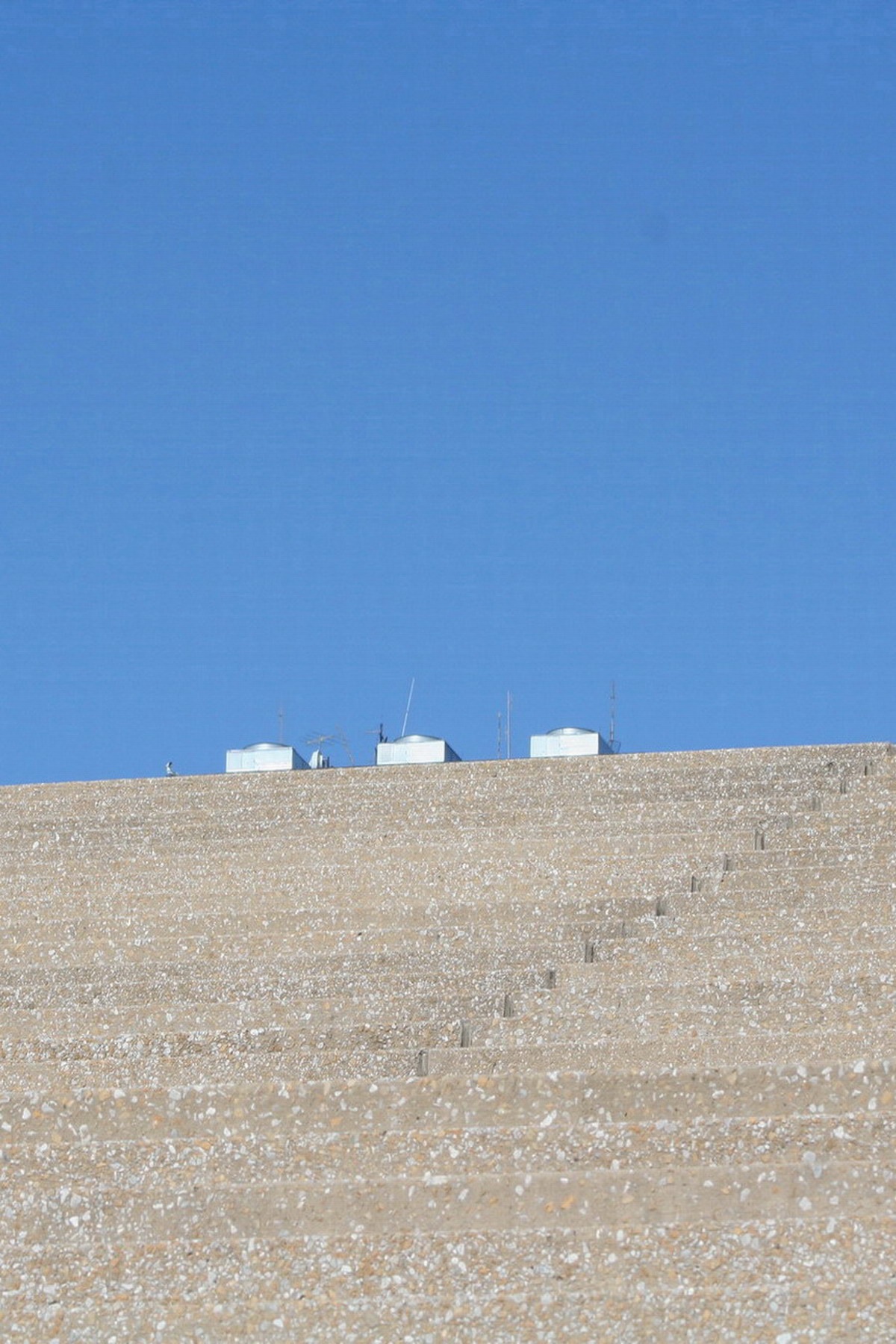
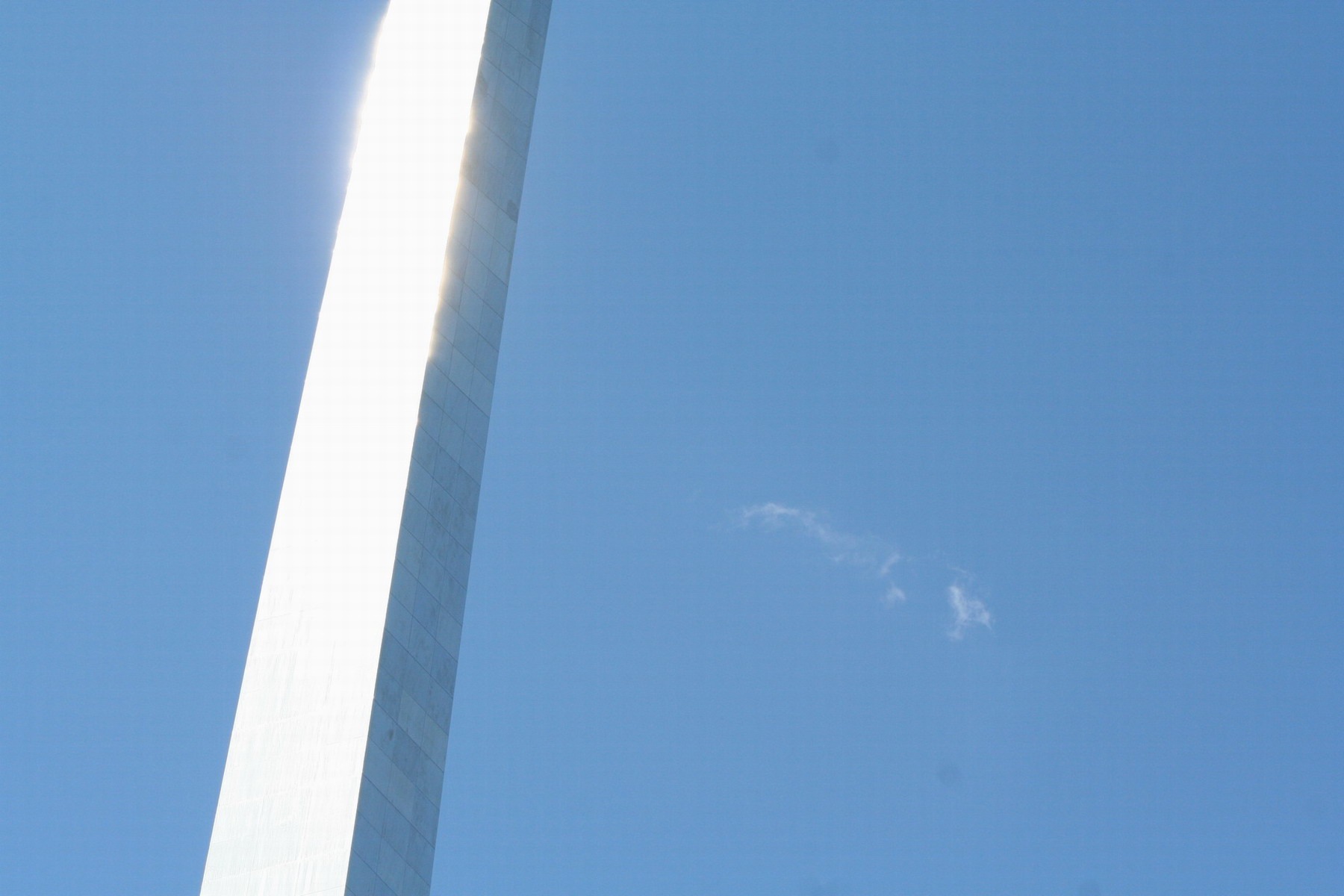
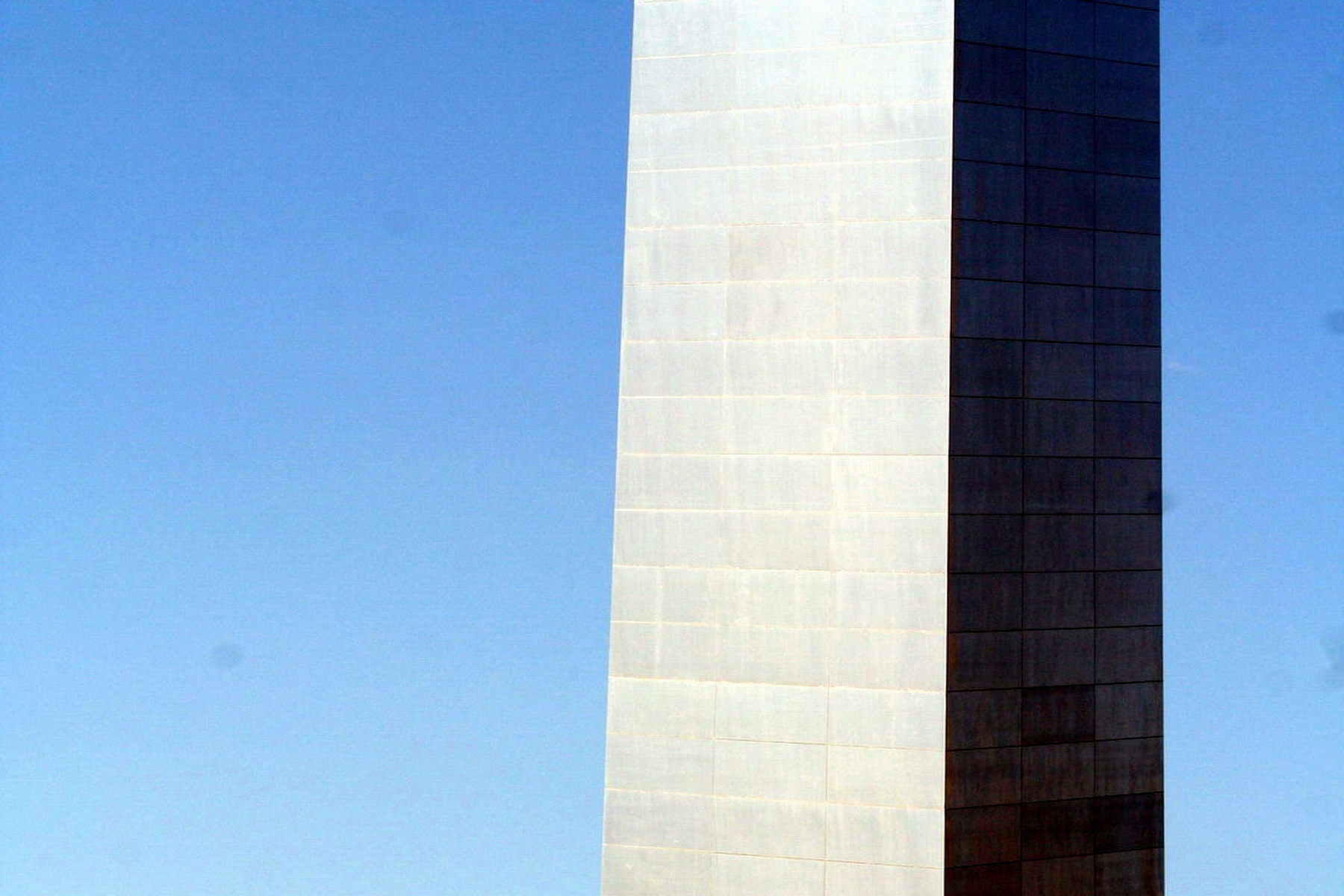
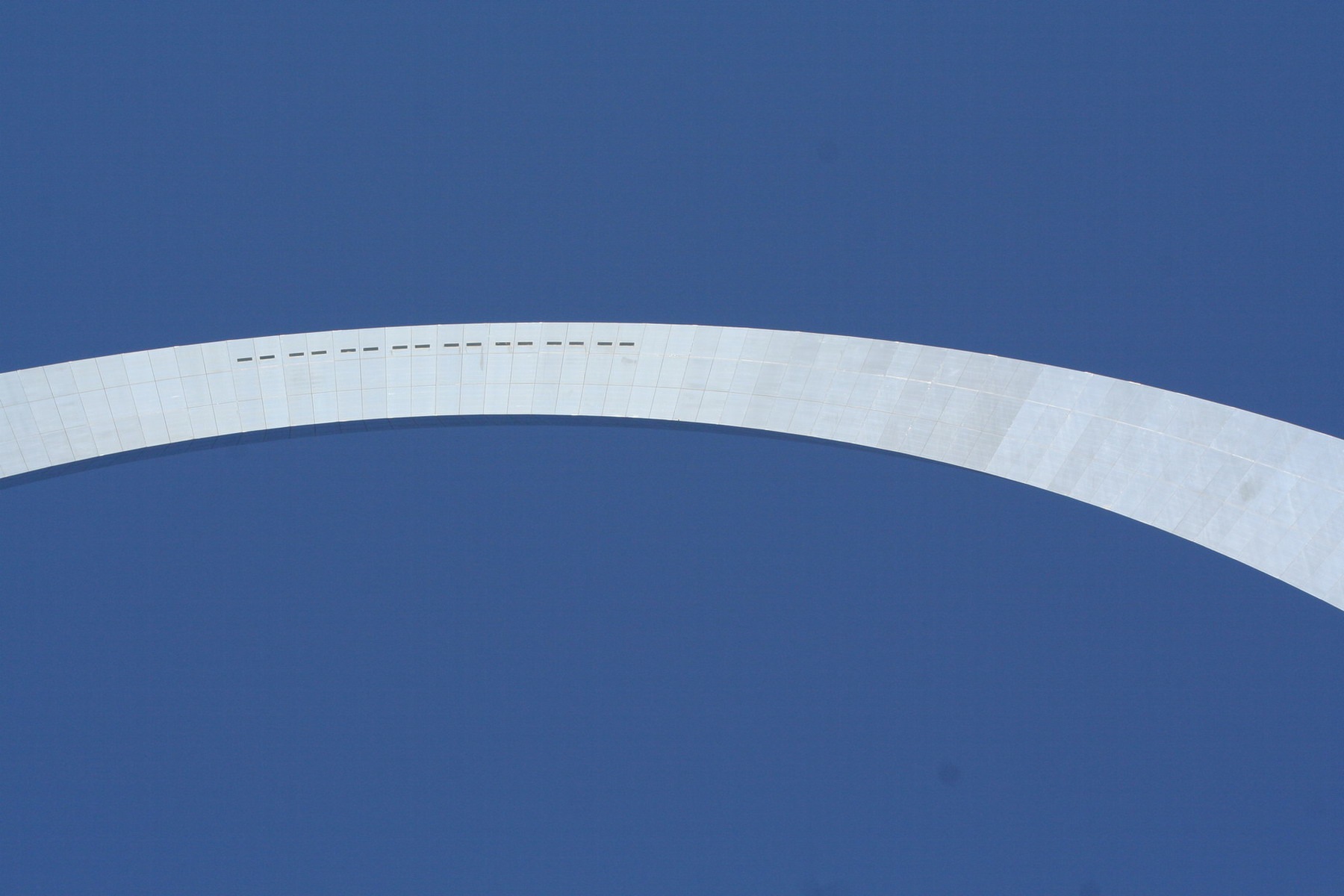
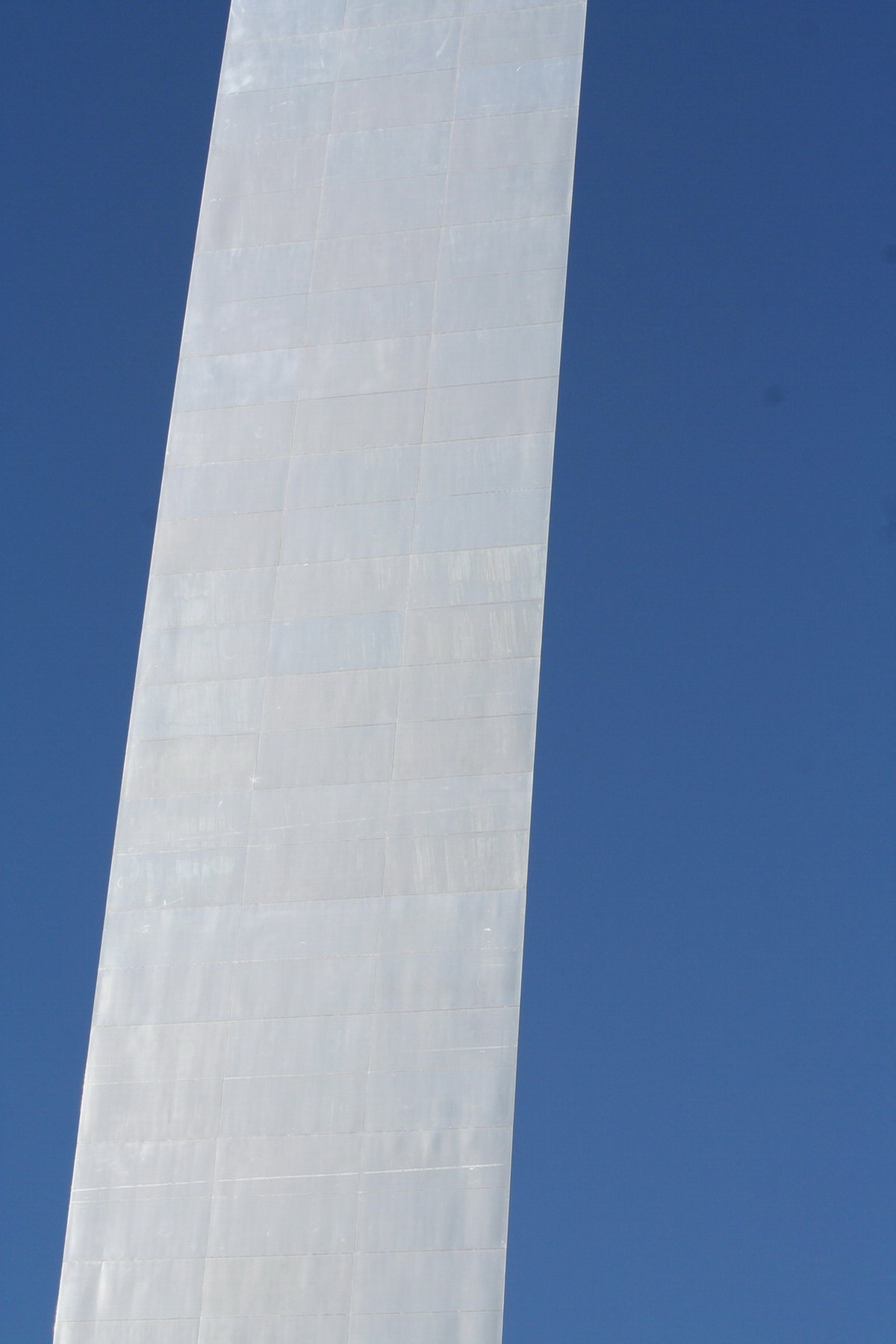
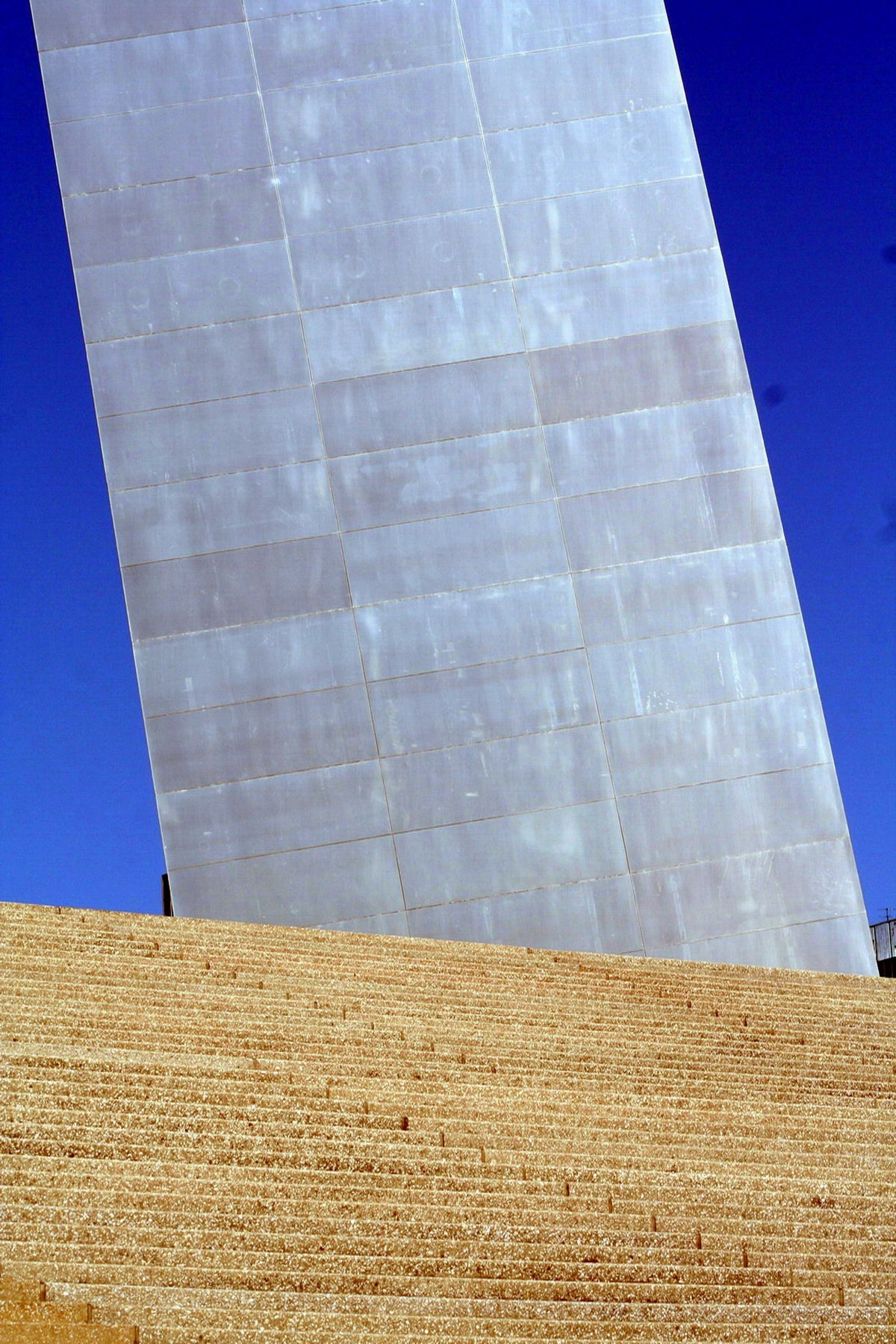
I have been up in The Gateway Arch only once. If recall serves the cars are small and remind me of bullets, although this took place long ago and I really cannot say how accurate my memory is today. The car or cars hold few people. The Gateway Arch as it is known is a part of the Jefferson National Expansion Memorial and sits upon very lovely park ground adjacent to the Mississippi River. I prefer to see The Arch from the outside, it possesses a certain overwhelming stature and majesty. The Arch was designed by the Finnish architect Eero Saarinen.  Opening in 1967, it would become known as the Gateway to the West. At that time it was the tallest known monument built by man. I came to St Louis in 1966 from the east coast. The Arch never really meant a thing to me in my early life here in St Louis. It was later when I was a happier person that I discovered The Arch. I say that I discovered The Arch and my camera rather simultaneously, although those facts are a bit loose. The initial photo was not taken by me but is from Wikipedia. I no longer have a photo of the entire Arch. I had fun one day photographing The Arch and then chopping up those photos as an artistic endeavor. I have always found this series to be quite meditative. I hope that you enjoy them.

0101c 48a910IMG_32715c766_155_14

– Liz Rice-Sosne

© 2014, essay and photographs, Liz Rice-Sosne, All rights reserved

unnamed-2LIZ RICE-SOSNE a.k.a. Raven Spirit (noh where), perhaps the oldest friend to Bardo, is the newest member of The Bardo Group Core Team. She is also our new Voices for Peace project outreach coordinator and our go-to person for all things related to haiku.  She says she “writes for no reason at all. It is simply a pleasure.” Blogging, mostly poetry, has produced numerous friends for whom she has a great appreciation. Liz is an experienced blogger, photographer and a trained shaman. We think her middle name should be “adventure.”

Posted in Essay, Photography/Photographer, Spiritual Practice, Terri Stewart

Sacred Space in the Frame

This month is interNational Photography month! Here at The Bardo Group, we will be playing with this theme all month long. On Sundays, we will be focusing on where the practice of photography intersects with our own experience and expression of spirituality.

Thomas Merton has a photograph he titled “Sky Hook.” He wrote about it, “It is the only known picture of God.” It is definitely not what you would expect! No heavenly skies, no angels, no beard. What was Merton thinking…a simply construction hook hanging from the sky towards the earth. (You can see the photo many places on the internet, but I couldn’t find a place with clear permissions.)

Often we see photos that prompt us to stop, look, and to appreciate what we have seen but also to wonder about something more. That something more can be something bigger or something smaller. My new friend and photographer, Paul Jeffrey, takes photos for the United Methodist Church for the General Board of Global Ministries—yes! He is a photographer-missionary. He typically focuses on the beauty and stories found in people. There is a photo of a young child in a box (all kids like to sit in boxes, no matter where they are in the world!)  He recently shared this photo with us in a small group and talked about the story. He said there was a huge reaction to the photo. Such a beautiful, young child abandoned in a box! What the photo does not show is that the family was just out of the frame.

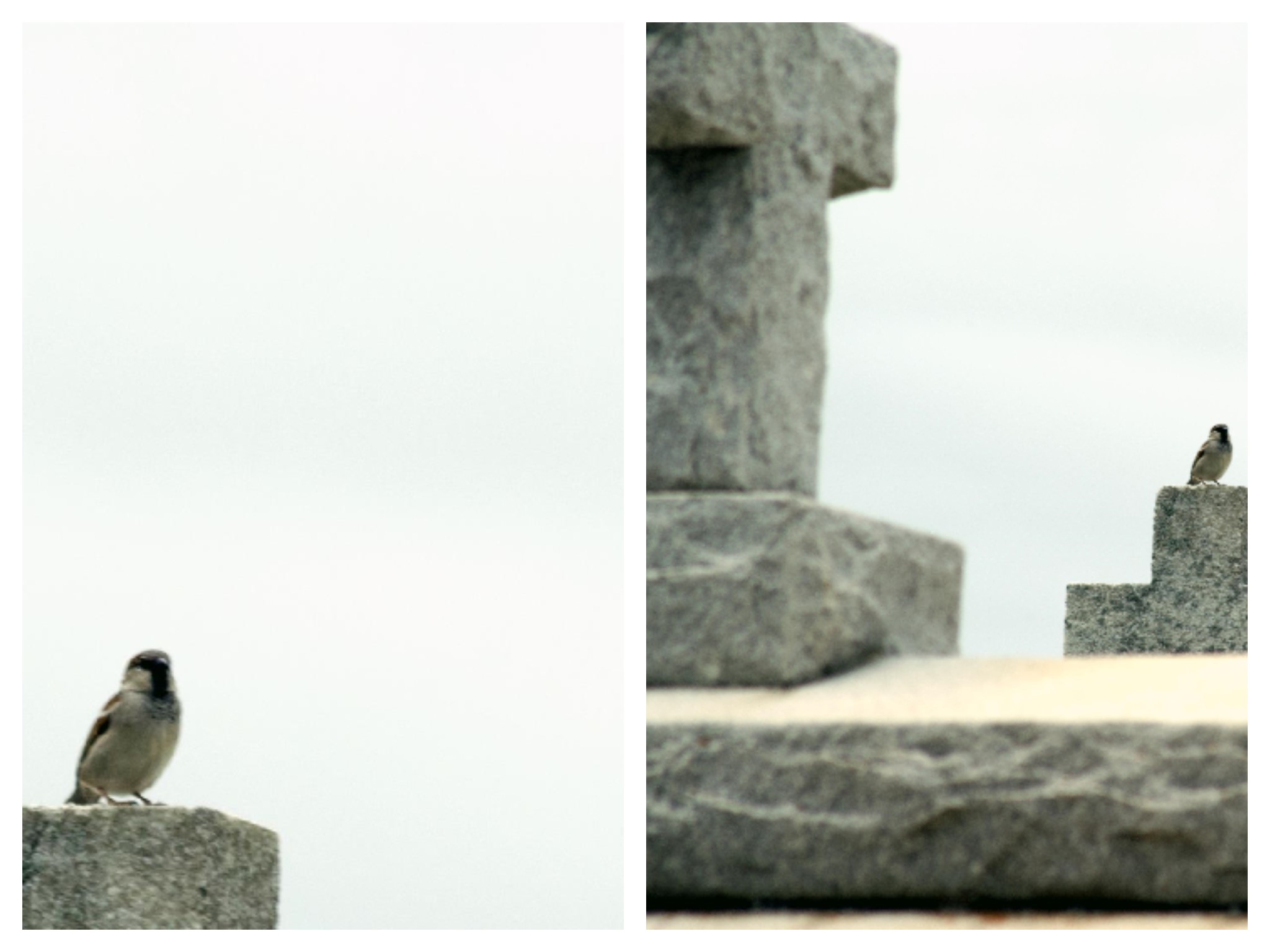
How we frame our photographs tells a story.

What if Merton’s photo had the construction equipment in it? What if Jeffrey’s photo had the family in it? Would it tell a different story? Would that story be better? Worse? More effective? Less effective? What does this say about how we frame the stories of our own lives?

Framing is a spiritual practice. Or at least knowing what we are cutting from the frame. If we willingly cut off parts of the frame to focus our attention onto another part, that is fine. For the moment. But if we willingly cut of parts of the frame and never return to the whole, something is lost. I am thinking, in particular, of people who do things like cutting science out of their lives or people who cannot see the whole spectrum of society. When we get caught up in our own particularity, we forget the universal journey. And we forget that the child in a box has a loving, concerned family.
Below is a collage of one of my photos that I framed in two different ways. They tell completely different stories, in my opinion!

birdcollage

You don’t even have to be a photographer to understand the importance of framing. Hold your hands up around your face, blocking parts of your viewing field, and you will be able to frame your vision. Sitting right where you are!

In photography, we can say, “Where does framing help tell the story? Where does it hurt the story?”

In our lives we can say,

Where has framing helped you tell your own story? Where has it hurt you?

I’d love it if you would share your blog and perhaps a photo comparing two different ways of framing. That would be wonderful! 

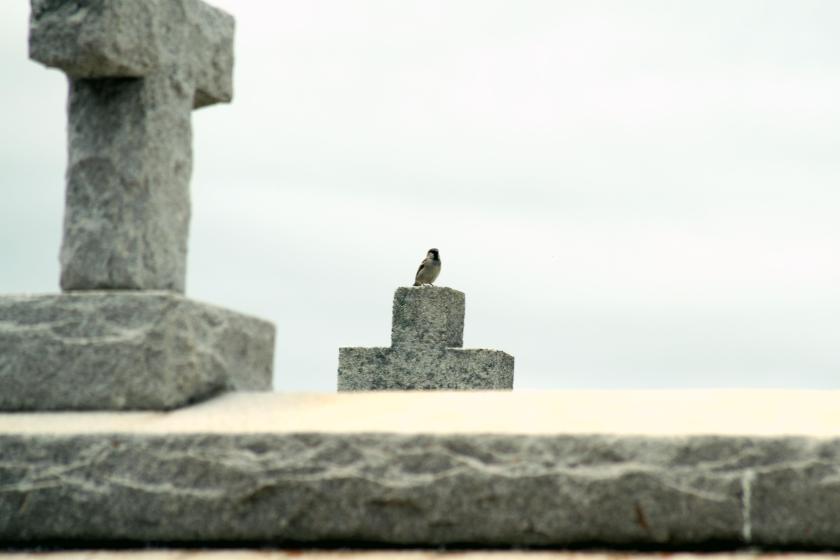
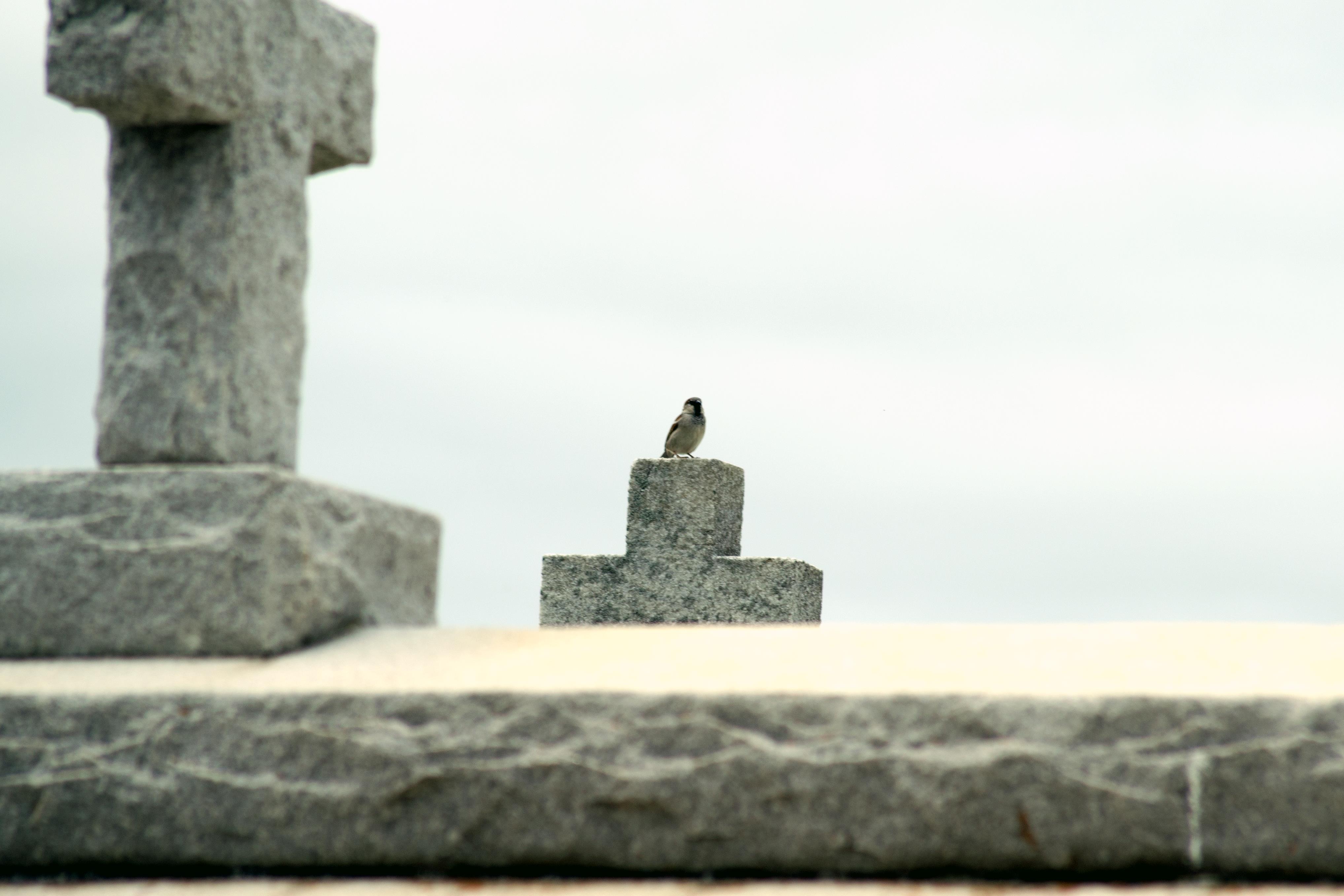
birdatcemetary

    Shalom and Amen!

Post by Terri Stewart, 2014
CC License (CC BY-NC)

terriTerri Stewart ~ a member of our Core Team,  comes from an eclectic background and considers herself to be grounded in contemplation and justice. She is the Director and Founder of the Youth Chaplaincy Coalition that serves youth affected by the justice system. As a graduate of Seattle University’s School of Theology and Ministry, she earned her Master’s of Divinity and a Post-Master’s Certificate in Spiritual Direction with honors and is a rare United Methodist student in the Jesuit Honor Society, Alpha Sigma Nu. She is a contributing author to the Abingdon Worship Annual.

Her online presence is “CloakedMonk.” This speaks to her grounding in contemplative arts (photography, mandala, poetry) and the need to live it out in the world. The cloak is the disguise of normalcy as she advocates for justice and peace. You can find her at www.cloakedmonk.com,www.twitter.com/cloakedmonk, and www.facebook.com/cloakedmonk.  To reach her for conversation, send a note to cloakedmonk@outlook.com.
Posted in Corina L. Ravenscraft, Essay, find yourself, General Interest

A Day of Renewal

April showers bring May flowers, and I’m so glad! 🙂 The rains wash away the dirt and dust, and the new plants and flowers burst forth with a clean, green scent and gorgeous palette of colors!

Chicago Peace Rose from my yard

Spring is a well-known time for renewal, and I recently discovered that May 4th has been designated as “Renewal Day”. Webster’s defines the word “Renewal” as:

re·new·al

noun \ri-ˈnü-əl, –ˈnyü-\

: the act of extending the period of time when something is effective or valid : the act of renewing something.

: the state of being made new, fresh, or strong again : the state of being renewed.

This can apply to countless things in life, but it is definitely life-affirming. It’s an active process, not something that just passively happens. When you think of the word “renewal”, what comes to mind? Your driver’s license? Your wedding vows? The Oil of Olay skin care product? What about renewing yourself?

The author of the book, “The Seven Habits of Highly Effective People”, Stephen Covey, says of balanced self-renewal: “Renewal is the principle–and the process-that empowers us to move on an upward spiral of growth and change, of continuous improvement.”

Image borrowed from http://www.holistic-mindbody-healing.com

Three of the most important aspects of life that need renewing from time to time are related to self: body, mind and spirit. Like so many truths about life, there needs to be a balance of all three. Too often, we become conditioned to the routine of every day survival and forget that sense of wonder and passion we once held for life. People talk about finding your “inner child” again, and while that’s a good start, I mean the capacity to actually enjoy the life we’re given, each and every, single day. Because each day is a new chance to start over. We can renew ourselves every day!

It’s so easy to become inattentive. We neglect our bodies because we simply don’t have the time to exercise, eat right, etc., or we don’t pay attention to what we allow to enter our minds because we’re so tired that it’s just easier to veg-out. The spirit often suffers even more, unless it’s somehow made a regular part of every-day life.

  • When was the last time you felt completely at ease with and positive about your body?
  • When was the last time you were truly amazed by something or someone out in the world, or learned something new that fascinated you?
  • How about the last time that you honestly felt connected with the planet, the universe, the Divine?
Image borrowed from http://www.namaste.tv/blogs/blog/7619089-the-active-process-of-renewal.jpg

All three (body, mind, spirit) are intricately joined, and balance between them is important. It can be hard to find the energy sometimes, to look for the things which replenish and renew us, but it’s necessary. If you’re not getting at least a little joy, happiness or even satisfaction out of life, then you’re not living, you’re existing. There’s a huge difference between the two.

So what is it that renews your body, mind and spirit? It’s different for each individual, of course, but a good place to start is to find something that evokes a positive feeling or emotion. What’s something that fuels your passion? What makes you smile? Sometimes it’s necessary to break out of your comfort zone, break out of your routine and try something new. Make a commitment to renewing yourself, even if it’s just part of you. You’ll be glad you did.

Energy and renewal

P.S. You don’t have to wait for an “official” designated “Day of Renewal” to do it. Every day you wake up is another chance to renew yourself. 😉

– Corina Ravenscraft

© 2014, essay and rose photograph, Corina Ravenscraft, All rights reserved

effecd1bf289d498b5944e37d8f4ee6fAbout dragonkatet Regarding the blog name, Dragon’s Dreams ~ The name comes from my love-affairs with both Dragons and Dreams (capital Ds). It’s another extension of who I am, a facet for expression; a place and way to reach other like-minded, creative individuals. I post a lot of poetry and images that fascinate or move me, because that’s my favorite way to view the world. I post about things important to me and the world in which we live, try to champion extra important political, societal and environmental issues, etc. Sometimes I wax philosophical, because it’s also a place where I always seem to learn about myself, too, by interacting with some of the brightest minds, souls and hearts out there. It’s all about ‘connection(s)’ and I don’t mean “net-working” with people for personal gain, but rather, the expansion of the 4 L’s: Light, Love, Laughter, Learning.

Posted in General Interest, Naomi Baltuck, Photo Essay, Photography/Photographer, story, Story Telling, Photo Story

The Very Picture

The king was plagued with the heavy burden of responsibility. “Drought and famine, war and rebellion, disease and disaster, one after the other!  I must find a way to quiet my troubled heart, so I can sleep at night!”  He offered a reward to the artist who could paint him a picture of perfect peace.  Artists came from all over the kingdom, each bringing his own vision of peace.


One painted a sheltered mountain valley.
Another a pristine lake, still and calm, a perfect mirror to reflect a clear blue sky.
There was an orchard in full bloom.
Fluffy clouds with silver linings.


Cheerful sunny days.

And so many sunsets!

The king studied them all, and at last he decided.  He chose a painting of a waterfall, tumbling down a mountainside, beneath a dark, angry sky.

“But your majesty,” said his counselor. “Why this painting? This is a portrayal of chaos.”

“Look closely,” said the king.  He pointed to a sheltered spot behind the waterfall, where there was a ledge between the jagged rocks. Upon that ledge a mother bird had built her nest.  Snuggled beneath her wings, safe and warm, were her precious chicks.

“I understand now,” said the king. “Peace happens not only where there is an absence of strife and suffering.   In the midst of chaos, if there is calm in your heart, will you know the true meaning of peace.”

(Mrs. Bradford Ripley and Her Children, 1852. By Robert Walter Weir, Detroit Institute of Art)

(Sculpture for his friend Robert Arthur by Samuel Murray, Detroit Institute of Art)

Copyright 2013 Naomi Baltuck

NaomiPHOTO1-300ppi51kAqFGEesL._SY300_NAOMI BALTUCK ~ is a Contributing Editor and Resident Storyteller here410xuqmD74L._SY300_ at Bardo. She is a world-traveler and an award-winning writer, photographer, and story-teller whose works of fiction and nonfiction are available through Amazon HERE. Naomi presents her wonderful photo-stories – always interesting and rich with meaning and humor – at Writing Between the Lines, Life from the Writer’s POV. She also conducts workshops such as Peace Porridge (multicultural stories to promote cooperation, goodwill, and peaceful coexistence), Whispers in the Graveyard (a spellbinding array of haunting and mysterious stories), Tandem Tales, Traveling Light Around the World, and others. For more on her programs visit Naomi Baltuck.com

Posted in General Interest, Photography/Photographer

interNational Photography Month, join us in celebrating this art form

“When words become unclear, I shall focus with photographs. When images become inadequate, I shall be content with silence.” Ansel Adams (1902-1984), American photographer

As with interNational Poetry Month, we are recreating National Photography Month, an event sponsored by the American Photography Association, into our own event that crosses borders. This was a spur-of-the moment decision of the core team and the hope is share work, ideas, and perhaps some instruction on photography as record, story, spiritual practice/meditation and fine art. We’ll also have at least one Wordless Wednesday to allow everyone to link in their own work. While there will be quite a few posts on or including exemplary photography, there will still be posts dedicated to poetry, essay and other arts.

Annie Leibovitz by Robert Scoble under CC A 2.0 generic license

To begin this evening, we share a short video, So There You Go, featuring the world-renown American portrait photographer, Annie Leibovitz (b.1949).

“Born in Waterbury, Connecticut, on October 2, 1949, Leibovitz is the third of six children. She is a third-generation American whose great-grandparents were Jewish immigrants from Central and Eastern Europe. Her father’s parents had emigrated from Romania.  Her mother, Marilyn Edith, née Heit, was a modern dance instructor of Estonian Jewish heritage; her father, Samuel Leibovitz, was a lieutenant colonel in the U.S. Air Force. The family moved frequently with her father’s duty assignments, and she took her first pictures when he was stationed in the Philippines during the Vietnam War.

At Northwood High School,  she became interested in various artistic endeavors, and began to write and play music. She attended the San Francisco Art Institute, where she studied painting. For several years, she continued to develop her photography skills while working various jobs, including a stint on a kibbutz in Amir, Israel, for several months in 1969.” bio courtesy of Wikipedia

Posted in Disability, Essay, Michael Watson

Still Here: Blogging Against Disabilism

Lone-CyprusToday is Blogging Against Disabilism Day. Disabilism is a Gimp term for the ideology and practice of discriminating against people with disabilities. Discriminatory practices of all forms appear to be on the rise in North America. In the U.S., where all programs that protect minorities are under attack, there has been a growing chorus of calls for the dismantling of the Americans With Disabilities Act.

Contrary to much of the Disabilist propaganda, life remains very difficult for most people with disabilities. Much architectural infrastructure remains inaccessible, and the unemployment rate for persons with disabilities is double the rate of the non-disabled. It is likely most people with severe disabilities have given up looking for employment and are thus not counted amongst the unemployed.

The 90’s were, throughout the Western World, a time of disability activism. In the U.S., many of the activists were Polio survivors. At the time, the everyday world was, far much of the disabled community, simply inaccessible. If one used a wheelchair, one simply could not get on a bus! (The playwright and disability theorist, Kaite O’Reilly recently discussed both the disability civil rights movement in the U.K. and the workings of Disabilism in a marvelous lecture. I encourage you to watch.)

Until our civil rights movement, people with disabilities were largely invisible. When I am in a wheelchair in a crowded space, say a museum, I remain invisible, as people literally trip over me. When I am in India, I am a very visible anomaly: a professional person navigating the world on crutches. (An Indian colleague recently told me that disability cannot be discussed at the moment in India. It is too hot a topic.) Most disabled people in India stay home.

Back in the early 90’s Bill T. Jones, the MacArthur Award winning choreographer, created a piece entitled, Still Here.  The dance gives expression to the lived experience of persons with life threatening conditions, including disabilities. It created a furor! In 1997, Bill Moyers interviewed Bill T. Jones about Still Here. It is one of my favorite hours of t.v.. Not long ago I wrote a post about Still Here and its continued resonance for Native people and folks with Disability. The sad thing is that there are a great many people in North America who would like us Gimps and Natives to be gone, or to at least stay home and out of the way.

Beyond the idea of Disability as label or stigma, is Disability as lived experience. I have spent much of the past few months addressing Polio related issues. Working with a Polio knowledgeable therapist has helped me revisit the illness and its aftermath, understand some of the new challenges I, and other Polios, face, and acknowledge some of the losses associated with Polio. The therapist has given me information to read and poked sore areas of my psyche with skill and kindness.

I am deeply appreciative of the resources, kindness, and training she, and other Polio clinicians have showered on me. I am also grateful to all those who helped me understand the ways the trauma of Polio, and the able-bodied gaze, have shaped my thinking and life. At times. I find myself both relieved and filled with sadness and grief; there are so many losses.

There was a time when I was able, a before and after Polio, although that was many decades ago. My therapist likes to remind me that those without disabling conditions are temporarily abled; disability is always possible. Perhaps that possibility keeps many anxious and avoidant of persons who are clearly disabled. One may pass but probably one cannot hide from one’s disability or from the losses it brings to life. Nor can one hide from Disability itself; Disability stalks everyone.

Oddly, I have the sense of Polio as present and immediate, even in a world where it is thought, like winter’s snow, to have melted away almost to extinction. Polio is a virus, a piece of RNA that infects cells, reproduces itself in enormous quantities, and leaves the cells weakened or dead. It can present as little more than a stomach upset, or leave a person paralyzed or dead.Whether we acknowledge it or not, Polio remains an active presence in our world, especially in the lives of survivors and their families.

As I write, a flock of geese flies over, headed north, and the radio news announces a polio outbreak in Afghanistan in which at least 25 persons have been made ill. I have been rereading Anne Finger’s Elegy for A Disease, and the book lies open on the sofa. It is both a personal and a social history of the disease, an illness with a long history of influencing human lives. I have the sense Polio is sitting with me as I write and ponder, an alive, thoughtful presence, vibrant and well in spite of our efforts to eradicate it. Polio doesn’t seem to be going anywhere.

We Gimps are Still Here as well. We, too, are not going anywhere.

– Michael Watson, Ph.D.

IMPORTANT NOTE: In acknowledging of this day, its importance, and of the challenges disability bring to the lives of the disabled and their families, we are opening Mister Linky for you to share links with us and with readers to your own posts on disability or to a post you’ve read that has moved you to a greater understanding. These do not have to be recent posts. As an alternative, please feel free to leave a link in the comments section.

© 2013, essay (includes the one below), Michael Watson, All rights reserved

michael drumMICHAEL WATSON, M.A., Ph.D., LCMHC (Dreaming the World) ~ is a contributing editor to Into the Bardo, an essayist and a practitioner of the Shamanic arts, psychotherapist, educator and artist of Native American and European descent. He lives and works in Burlington, Vermont, where he teaches in undergraduate and graduate programs at Burlington College,. He was once Dean of Students there. Recently Michael has been teaching in India and Hong Kong. His experiences are documented on his blog. In childhood he had polio, an event that taught him much about challenge, struggle, isolation, and healing.