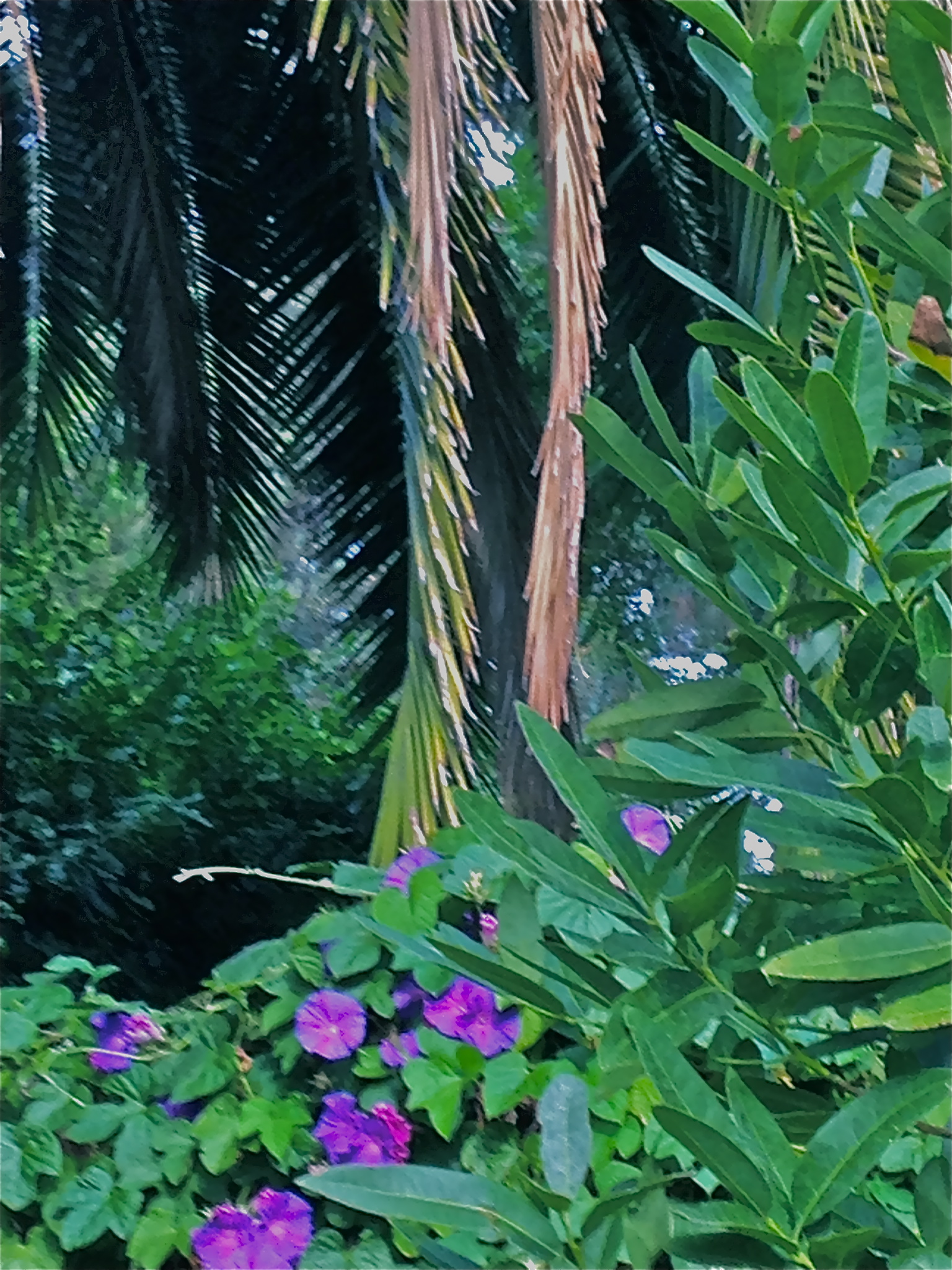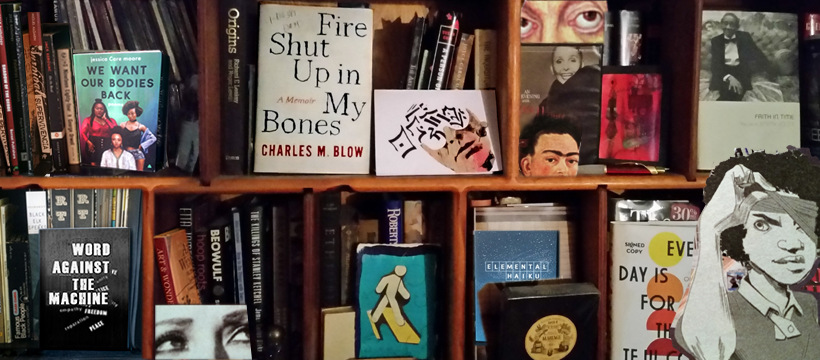
Publishe by The European Nature Trust, February 2014
“When one ugs at a single Living thing in nature one finds it attached to the rest of the world.” John Muir (1838-1914), Scottish-American naturalist, writer and environmentalist
Publishe by The European Nature Trust, February 2014
“When one ugs at a single Living thing in nature one finds it attached to the rest of the world.” John Muir (1838-1914), Scottish-American naturalist, writer and environmentalist


– Corina Ravenscraft
 dragonkatet (Dragon’s Dreams) ~ Regarding the blog name, Dragon’s Dreams ~ The name comes from my love-affairs with both Dragons and Dreams (capital Ds). It’s another extension of who I am, a facet for expression; a place and way to reach other like-minded, creative individuals. I post a lot of poetry and images that fascinate or move me, because that’s my favorite way to view the world. I post about things important to me and the world in which we live, try to champion extra important political, societal and environmental issues, etc. Sometimes I wax philosophical, because it’s also a place where I always seem to learn about myself, too, by interacting with some of the brightest minds, souls and hearts out there. It’s all about ‘connection(s)’ and I don’t mean “net-working” with people for personal gain, but rather, the expansion of the 4 L’s: Light, Love, Laughter, Learning.
Thanks to Gayle Walters Rose (Bodhirose) for sharing this with us for Wilderness Week.
“Wolves will travel to drink from a river. But could the presence of wolves lead a river to change its behavior?
George Monbiot: For more wonder, rewild the world In his TED Talk, George Monbiot poetically explains how reintroducing wolves to Yellowstone National Park after a 70-year absence set off a “trophic cascade” that altered the movement of deer, sent trees soaring to new heights, attracted scores of new animals to the area (think: beavers, rabbits, bears, bald eagles and more), and stabilized the banks of rivers making them less susceptible to erosion. Above, see that story set to music — and howls — by SustainableMan.org, who took the audio track from the talk and laid it over beautiful nature footage. It’s a glorious glimpse of how deeply the natural world is interconnected.
If you love this short video, definitely check out Monbiot’s whole TED Talk too. In the talk, he shares some ways we can get more involved in the re-wilding of the world … and why it matters to all of us.”
The credits for the video above: SustainableMan.org; info courtesy of TED Talk.
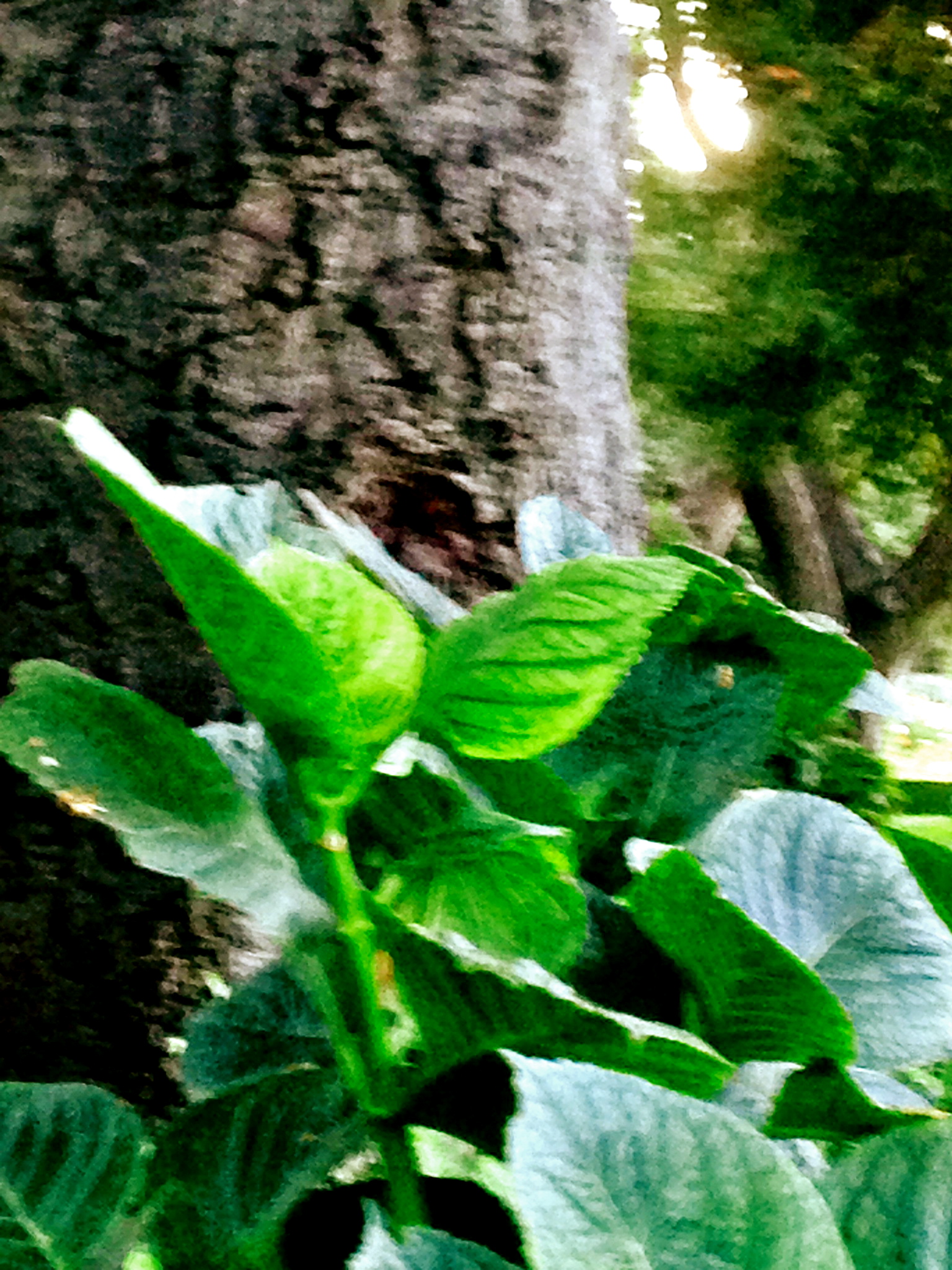
Tell me, what is it you plan to do
with your one wild and precious life? Mary Oliver
A flock of starlings startled me this morning
flying randomly between city sky scrapers
before settling into formation
and heading toward the mountains.
Tell me, what is it you plan to do
with your one wild and precious life?
A perfect fence, white pickets,
with perfect shadows.
Is it there to hold in or keep out?
Or is it just there?
Tell me, what is it you plan to do
with your one wild and precious life?
In May, along the river walk,
an abundance of pink wild roses, snarly branches,
rival our well-planned gardens
with their playfulness.
Tell me, what is it you plan to do
with your one wild and precious life?
My sister’s husband deferred retirement
so they would have more money.
She died the month before their trip to the Amazon.
He cancelled their plans and never went back to work.
Tell me, what is it you plan to do
with your one wild and precious life?
–Victoria C. Slotto
Note: I think this is a good example of how the wilderness can inspire poetry. Can you share something you’ve written that was inspired by a trek into the wilderness. You can link your own work to this post via Mister Linky below. Victoria C. Slotto
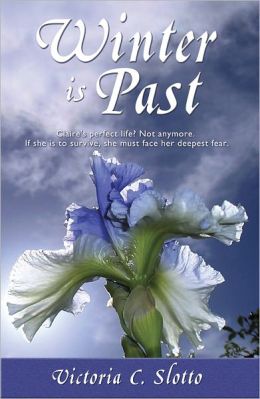
 VICTORIA C. SLOTTO (Victoria C. Slotto, Author: Fiction, Poetry and Writing Prompts) ~ is an accomplished writer and poet. Winter is Past, published by Lucky Bat Books in 2012, is Victoria’s first novel. A second novel is in process. On Amazon and hot-off-the-press nonfiction is Beating the Odds: Support for Persons with Early Stage Dementia. Victoria’s ebooks (poetry and nonfiction) are free to Amazon Prime Members. Link HERE for Victoria’s Amazon page. Victoria’s poetry collection is Jacaranda Rain, Collected Poems, 2012, Beautifully done.


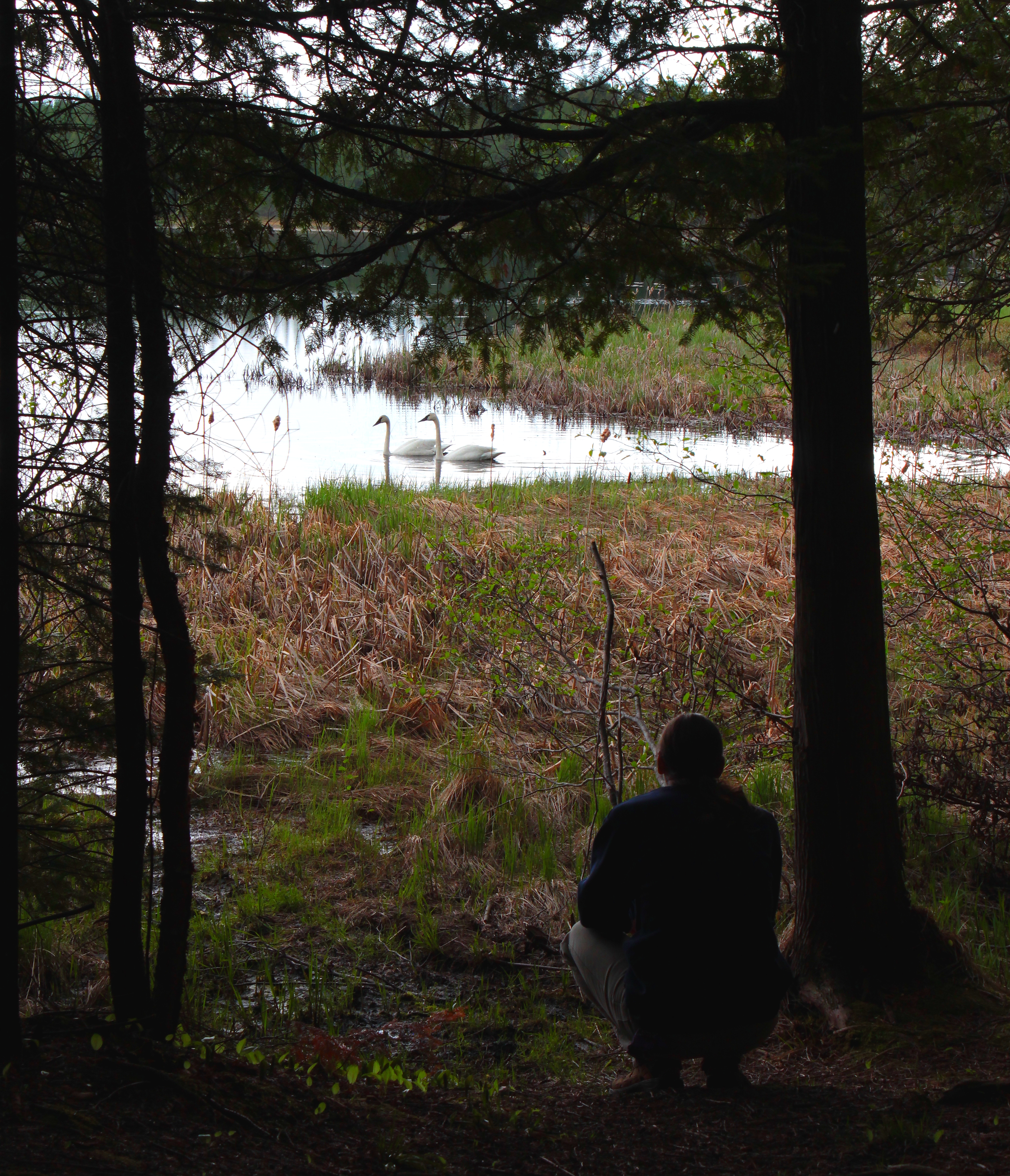


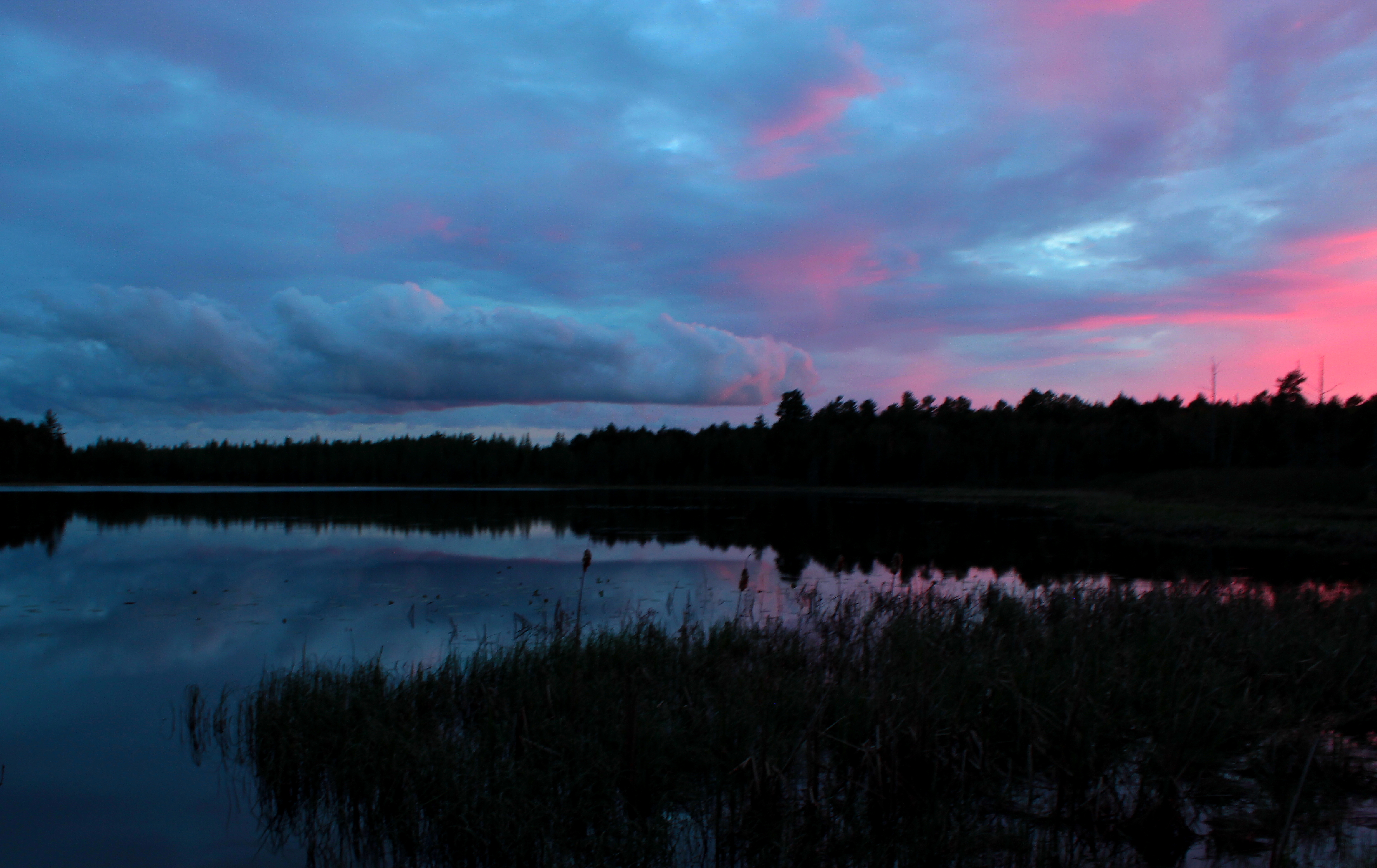 Steve & I are planning to attend the National Wilderness Conference in Albuquerque, New Mexico this October. We are eager to explore the sacred space of our common ground, the Earth, with like-minded people who are also interested in fostering the understanding of our life in proximity with each other and with the life around us. I look forward to feeling the refreshment of wilderness in my soul and encountering new ways of expressing the spiritual aspect of this quality of life in art, morality and intellectual discourse.
 .
© 2014, essay and photographs, Priscilla Galasso, All rights reserved
.
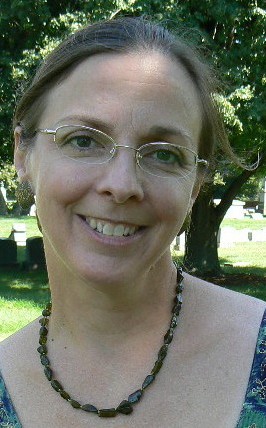 PRISCILLA GALASSO ~ started her blog at scillagrace.com to mark the beginning of her fiftieth year. Born to summer and given a name that means ‘ancient’, her travel through seasons of time and landscape has inspired her to create visual and verbal souvenirs of her journey. Currently living in Wisconsin, she considers herself a lifelong learner and educator. She gives private voice lessons, is employed by two different museums and runs a business (Scholar & Poet Books, via eBay and ABE Books) with her partner, Steve.
During the week of August 31 – September 6, The Bardo Group will post essays, photos and poems on Wilderness to coincide with the 50th anniversary of the Wilderness Act being signed into law in the U. S. More information is at the end of this post-scroll down!
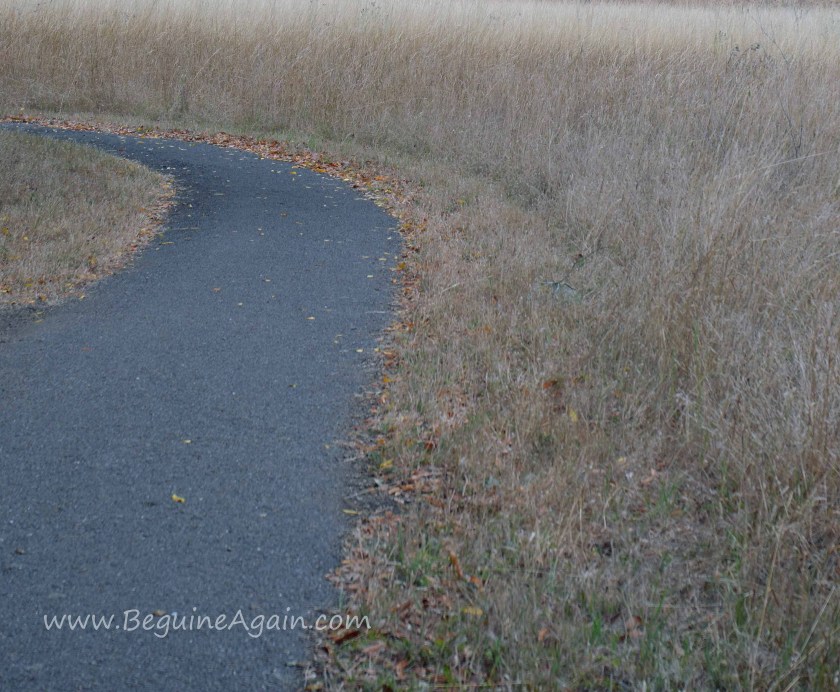
Throughout religious history, wilderness has been associated with sacred space. Mt. Zion, Mt. Tabor, Mt. Olympus, the wilderness outside Jerusalem, Heart Butte, Sacred Bear Butte, and the list goes on. Sacred places which attract people questing for beauty and for a glimpse into something beyond us. All over the world, people religious live in the wilderness–the Celtic “thin places.” Places where the realm between what is and what could be seem unified in a spiritual wild-zone. Thin places offer the potential for transformation. I’d like to invite you to travel into the wilderness of “The Earthquake Trail” with me and Colin (my son).
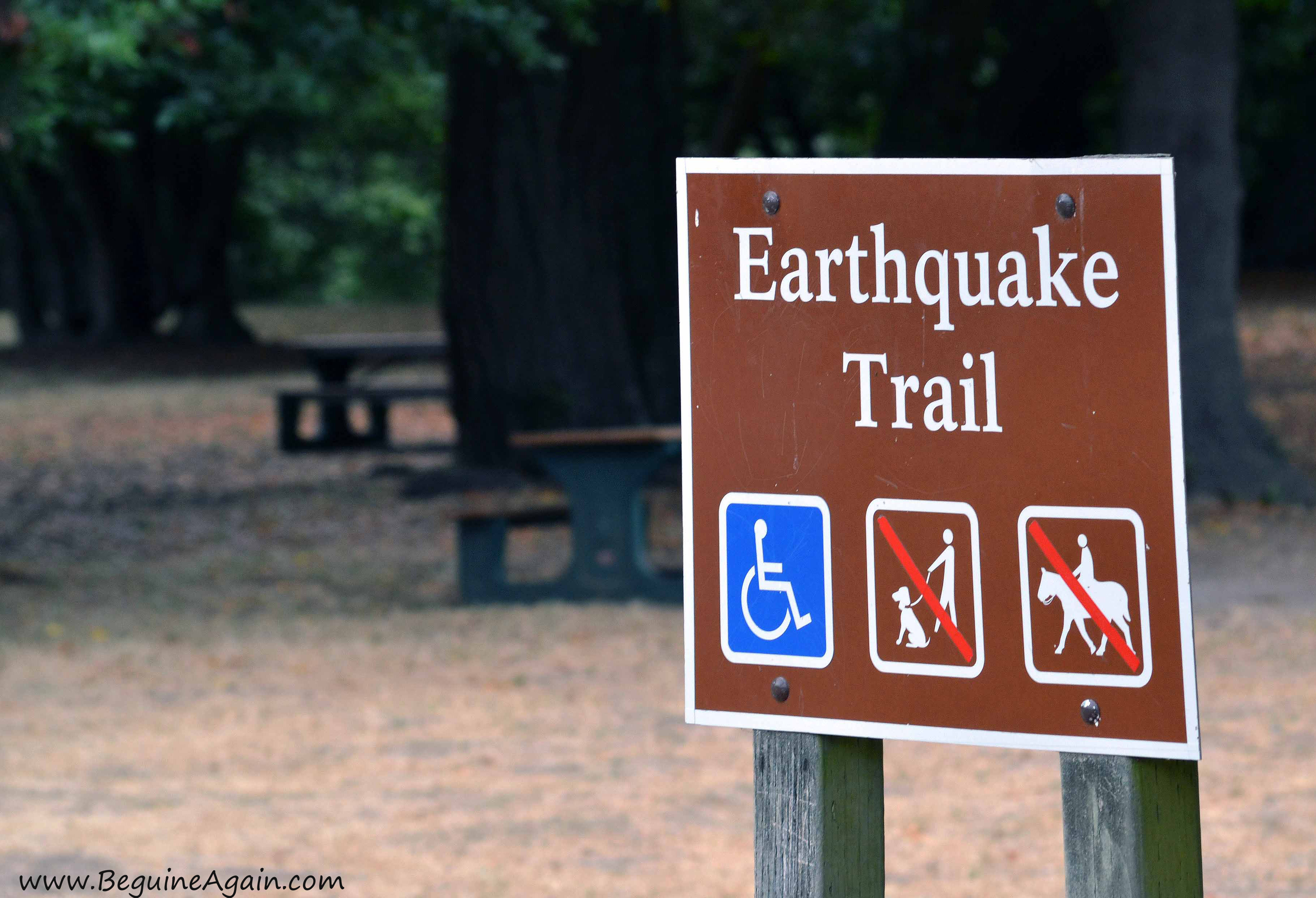 The Earthquake Trail is north of San Francisco and goes directly over the San Andreas fault. We went there after my son had surgery and had his post-surgery “clearance” checkup. This surgery was necessary for Colin to continue his path to a transformed, fulfilled, abundant life. It seems appropriate that we visit a place where sudden transformation has and will occur. And as the sign so appropriately points out, “Prepare yourself for the uncertainty of walking in the fault zone.“
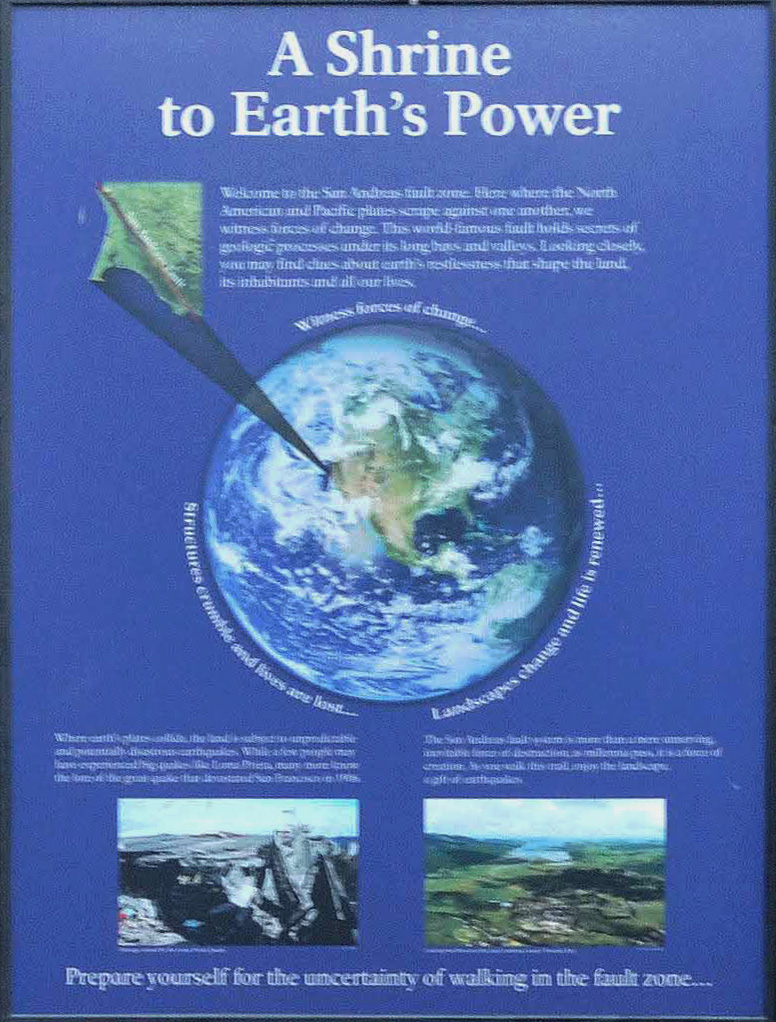 It seems to me, that is what the wilderness experience is about. Confronting uncertainty and coming through it with a greater appreciation for the faults that lie within ourselves…and with others. But most importantly, recognizing the power that our faults have when they rage out of control and the beauty they hold when they illustrate our uniqueness.
 There is life in the fault zone. New life of grains, older life of majestic trees, even dried moss hanging on lifelessly-for now-waiting to be reborn during the moist days ahead. And most majestically, the California Condor–a bird rebounding from extinction in the wild. Life is abundant here, in the fault zone.
 Prickly thistles adding color and leaves hanging in the balance–proving even the most uncomfortable plant can provide beauty and buoyancy.
 But no matter where we are, there comes a point when we have to make a choice. Do we stay here? Or do we go deeper? Will we cross the bridge? Ford the stream?
 Once we cross, as before, there are boundaries. Places that are “in” and are “out.” Boundaries can be places of support and beauty as we grow and become comfortable with our faults.
 But our boundaries are not always healthy. Sometimes they need to be reset. Transformation happens in an upsetting of power that tumbles our soul pell-mell through the wilderness. What used to be a contiguous, easy, fence breaks and a new boundary is set. Opening up space for abundant love.
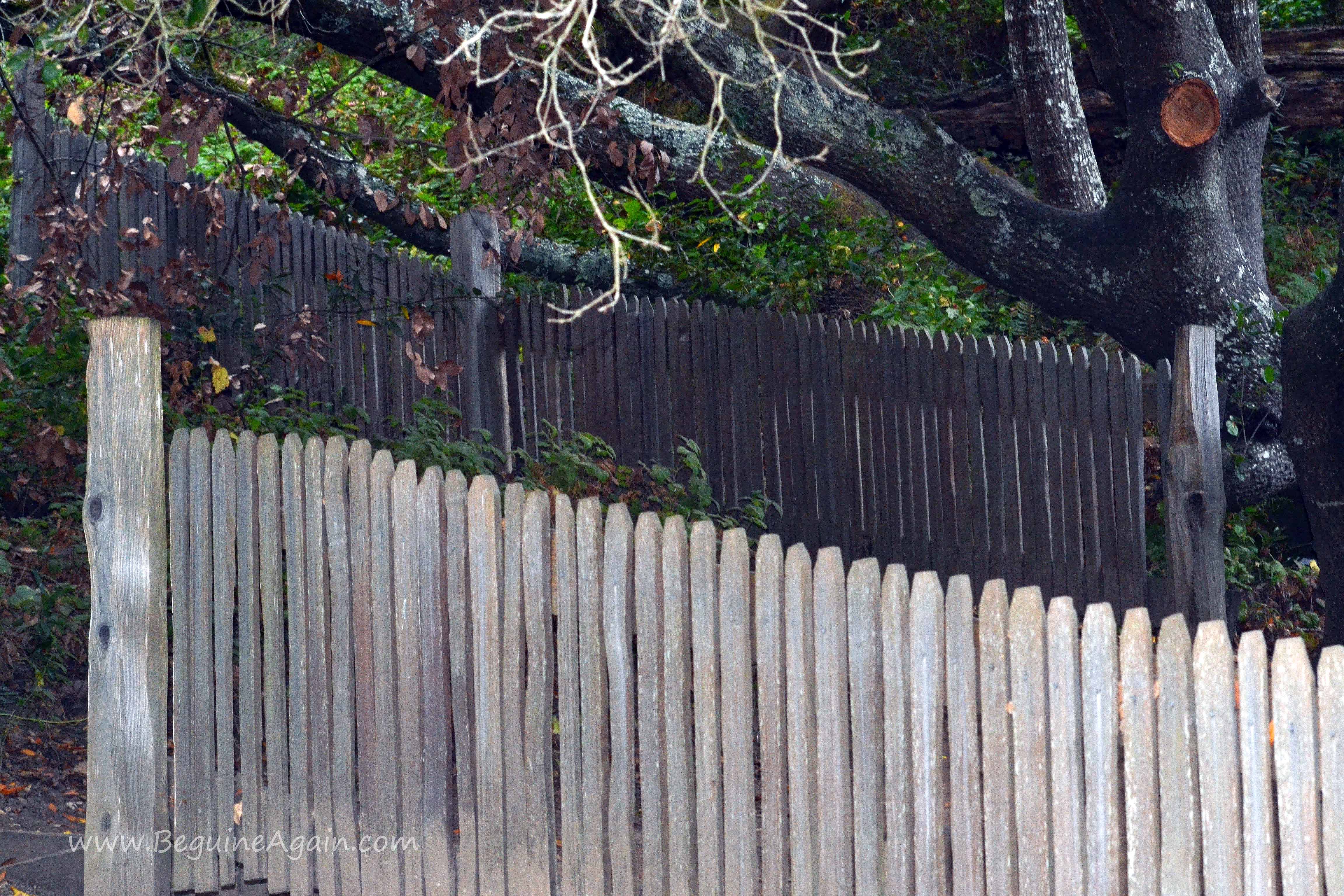
And this happens within the wilderness and ancient trees that dwarf our understanding of life. But always stretching it upward and onward.
 Inviting us to further journey along the path.
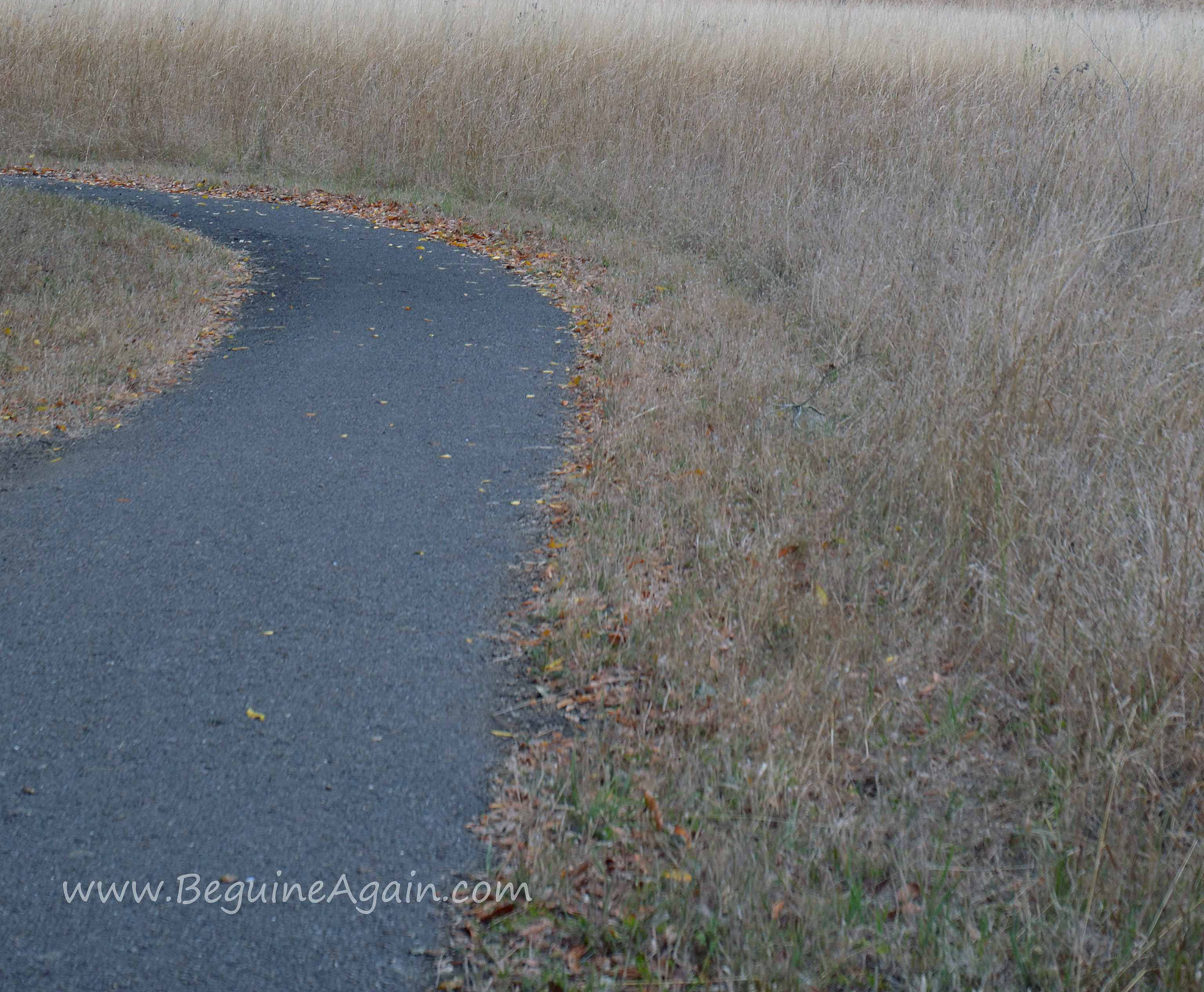 Following the inspiration that calls to us. No matter which way the wind blows. Finding sacred space in the fault zone.
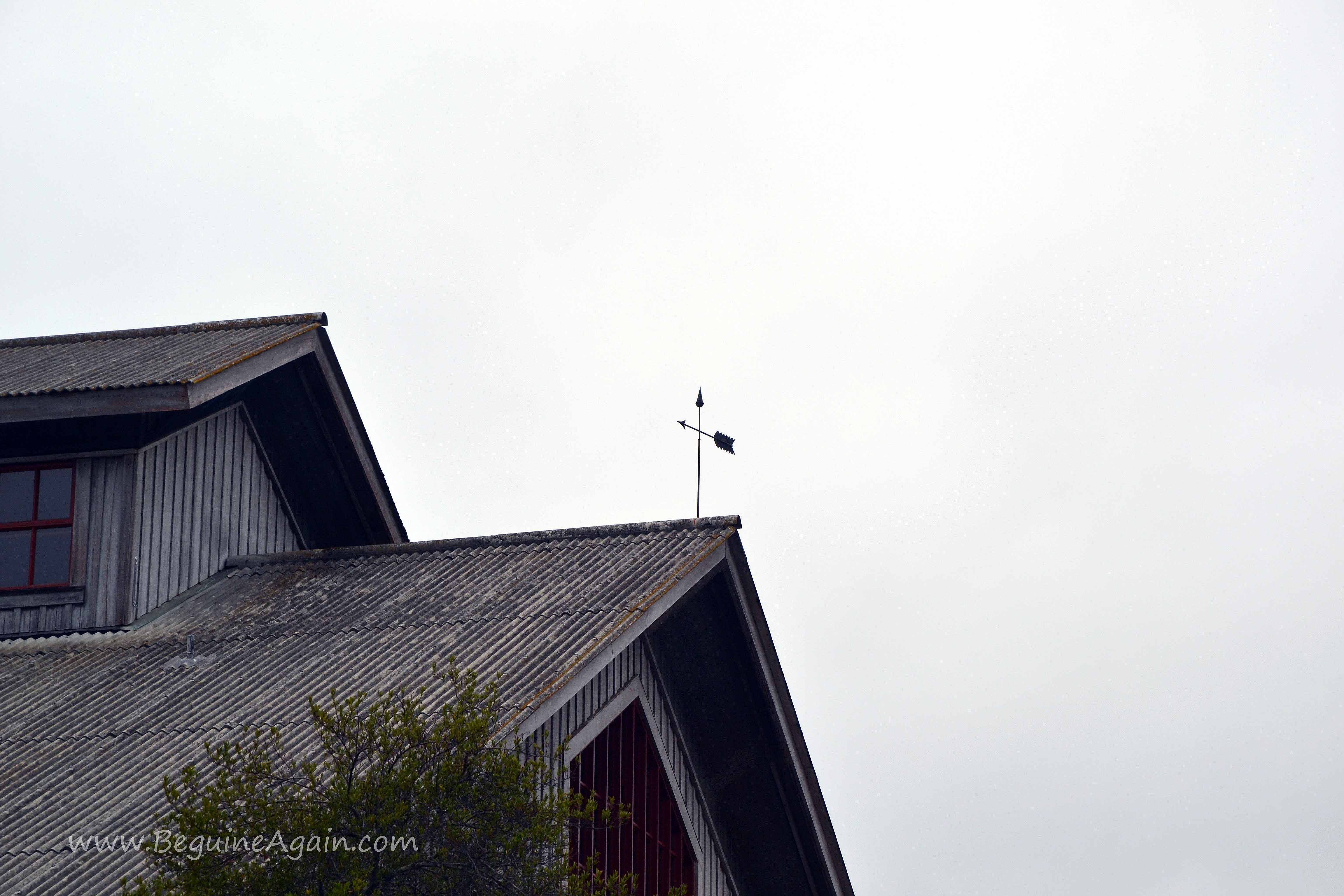
Shalom and Amen!

Simulcast at http://www.BeguineAgain.com
You are encouraged to add your voice to ours on this site via Mister Linky or by sharing a link to your work in the comments section of any post that week. Although this is an U.S. event, we recognize that there are places all over the world that are still wild and that are protected by naturalists, scientists, governments and concerned citizens. Hence, we invite participation from everywhere. We think it would be a good thing for us to share information and insights about the world’s many wild places though poems, essays, photographs, music and videos. Please mark your calendars and plan to join us.


dry grass burns
like a funeral pyre
in the river bed
the river
is dead
cattle kneel
as if in prayer
bowing a parched head
the river
is dead
it flows not
nor holds any life
older brother said
the river
is dead
mother earth
will shed no more tears
filling river beds
the river
is dead
man hears not
wealth’s his only thought
a thirst for silver
but death’s
the river
 CHARLES W. MARTIN (Reading Between the Minds) — earned his Ph.D. in Speech and Language Pathology with an emphasis in statistics. Throughout Charlie’s career, he maintained a devotion to the arts (literature/poetry, the theater, music and photography). Since his retirement in 2010, he has turned his full attention to poetry and photography. He publishes a poem and a photographic art piece each day at Read Between the Minds, Poetry, Photograph and Random Thoughts of Life. He is noted as a poet of social conscience. Charlie has been blogging since January 31, 2010. He has self-published a book of poetry entitled The Hawk Chronicles and will soon publish another book called A Bea in Your Bonnet: First Sting, featuring the renown Aunt Bea. In The Hawk Chronicles, Charlie provides a personification of his resident hawk with poems and photos taken over a two-year period. Charlie’s lastest book, When Spirits Touch, Dual Poetry, a collaboration with River Urke, is available through Amazon now.
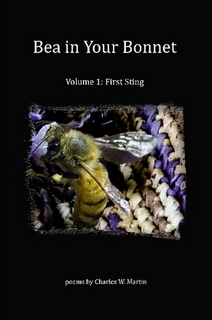 Charlie’s long awaited Aunt Bea Collection is out. He says, “Bea In Your Bonnet: First Sting is a collection of germinal poems featuring Aunt Bea. Aunt Bea’s voice is one I’ve heard almost every day of my life. Family observations, lessons, and advice given to me and every other family member who had the good sense to listen. Her homespun philosophy most likely will not be found in any collegiate textbooks or for that matter in any local town crier newspaper catering to city dwellers. Indeed, she has a different way of viewing the world; a bit old fashion, sassy, and steely at times but a viewpoint which has engaged my imagination and heart. I sincerely hope you too will find some morsel of wisdom in her personal observations and interpretations of life’s events, but do watch out for her stingers.”

Narrated by Academy Award Nominee Joaquin Phoenix and featuring music by the critically acclaimed platinum artist Moby, EARTHLINGS is a documentary film about humankind’s complete economic dependence on animals raised for pets, food, clothing, entertainment and scientific research. Using hidden cameras and never-before-seen footage, EARTHLINGS chronicles the day-to-day practices of the largest industries in the world, all of which rely entirely on animals for profit.

 JAMIE DEDES (The Poet by Day)~I am a medically retired (disabled) elder and the mother of married son who is very dear. I started blogging shortly after I retired as a way to maintain my sanity and to stay connected to the arts and the artful despite being mostly homebound. My Facebook pages are: Jamie Dedes (Arts and Humanities) and Simply Living, Living Simply.
With the help and support of talented bloggers and readers, I founded The Bardo Group because I feel that blogging offers a means to see one another in our simple humanity, as brothers and sisters and not as “other.” I am the poetry liaison and a member of the Core Team. Terri Stewart (Beguine Again) is in the lead position and the Beguine Again collaborative and The Bardo Group are coordinating a consolidation of the two groups.
“Good work, like good talk or any other form of worthwhile human relationship, depends upon being able to assume an extended shared world.” Stefan Collini (b. 1947), English Literary Critic and Professor of English Literature at Cambridge




dragonkatet (Dragon’s Dreams) ~ Regarding the blog name, Dragon’s Dreams ~ The name comes from my love-affairs with both Dragons and Dreams (capital Ds). It’s another extension of who I am, a facet for expression; a place and way to reach other like-minded, creative individuals. I post a lot of poetry and images that fascinate or move me, because that’s my favorite way to view the world. I post about things important to me and the world in which we live, try to champion extra important political, societal and environmental issues, etc. Sometimes I wax philosophical, because it’s also a place where I always seem to learn about myself, too, by interacting with some of the brightest minds, souls and hearts out there. It’s all about ‘connection(s)’ and I don’t mean “net-working” with people for personal gain, but rather, the expansion of the 4 L’s: Light, Love, Laughter, Learning.
If you would like to share your work with us (and I hope you will) use Mr. Linky at the bottom of this post, or add your link in the comments.
To access Mister Linky (below in green):
• Write your submission and post it on your blog.
• Copy and paste the URL to your submission along with your identifier in the spaces provided by Mister. Linky.
• Visit and comment on other participants, as time allows.
• Enjoy the process. It is not a challenge, but rather an invitation.
I’m fortunate to live in a mostly rural area in the Sierra Nevada, about 30-40 minutes from beautiful Lake Tahoe. And I’m ashamed to say I’m lucky if I get there once a year. I’m glad for this opportunity to change that in the near future.
VICTORIA C. SLOTTO (Victoria C. Slotto, Author: Fiction, Poetry and Writing Prompts) ~ is an accomplished writer and poet. Winter is Past, published by Lucky Bat Books in 2012, is Victoria’s first novel. A second novel is in process. On Amazon and hot-off-the-press nonfiction is Beating the Odds: Support for Persons with Early Stage Dementia. Victoria’s ebooks (poetry and nonfiction) are free to Amazon Prime Members. Link HERE for Victoria’s Amazon page. Victoria’s poetry collection is Jacaranda Rain, Collected Poems, 2012, Beautifully done.
Writers’ Fourth Wednesday prompt is hosted by Victoria from January through October. Victoria’s next Fourth Wednesday writers’ prompt will post at 12:01 a.m. PST on September 24. Please join us. Mister Linky will remain open for seventy-two hours so that you can link your response to this blog. If you find Mister Linky too cumbersome to use, please feel free to leave your link in the comments section on Wednesday. Victoria and Jamie will read and comment and we hope you will read each other’s work as well, comment and encourage.
Please feel free to link your response to Victoria’s post tomorrow to. Mister Linky will stay open for 72 hours.



Illustrations: Anais Nin, Writing Is Like Sex* (https://www.facebook.com/writingislikesex); Epic Novels, Literary Word Count Info Graphics; Tim H. Vine, Rejection slip bingo
JOHN ANSTIE (My Poetry Library and 42) ~ is a British writer and poet, a contributing editor here at Bardo, and multi-talented gentleman self-described as a “Family man, Grandfather, Occasional Musician, Singer, Amateur photographer and Film-maker, Apple-MAC user, Implementation Manager, and Engineer”. He has participated in d’Verse Poet’s Pub and is a player in New World Creative Union as well as a being a ‘spoken-voice’ participant in Roger Allen Baut’s excellent ‘Blue Sky Highway‘ radio broadcasts. John has been blogging since the beginning of 2011. He is also a member of The Poetry Society (UK).
*****
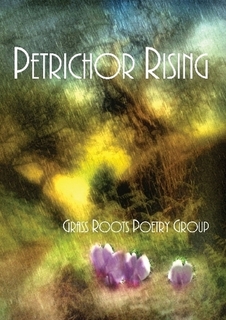
 John has also been involved in the recent publication of two anthologies that are the result of online collaborations among two international groups of amateur and professional poets. One of these is The Grass Roots Poetry Group, for which he produced and edited their anthology, “Petrichor* Rising“. The other group is d’Verse Poet Pub, in which John’s poetry also appears The d’Verse Anthology: Voices of Contemporary World Poetry, produced and edited by Frank Watson.
* Petrichor – from the Greek pɛtrɨkər, the scent of rain on the dry earth.
This magnificent mountain in the Peruvian Andes is Huanya Picchu.
To me it looks like a great green ghost, its strong stone arms wrapped protectively around the ancient Incan city of Machu Picchu .

Machu Picchu, meaning “Ancient Mountain,” was built in the 15th century, at the peak of Incan culture. One of the greatest artistic, architectural, and land use achievements of the world, it was chosen as a World Heritage Site in 1983.

No one can say for certain, as the Incas had no written language, but it is thought to have been a royal estate, perhaps a summer retreat, or maybe a religious center.

It was so remote that the Spanish conquerors never found it, but it was by no means isolated.

It was connected to the vast Incan Empire by a royal highway called The Inca Trail, linking Machu Picchu to 25, 000 miles of roadway, the Incan version of the Internet. Special runners called “Chasquis” traveled as far as 240K in a day to keep the king connected, or to deliver delicacies to his dinner table. Runners could rest at stations along the way, or relay messages by tag-team.

Much of The Inca Trail survives to this day. This section leads to the Sun Gate. 
Another steep trail leading in the other direction hugged the cliffside. This Incan drawbridge made it impossible for outsiders to invade the city…

…unless you count tourists.

The grand view was worth the walk.

Machu Picchu is surrounded on the other three sides by steep cliffs and a raging river, making it practically impregnable.

Magnificent. Dramatic. Ingenious. Grand.

Machu Picchu’s grandeur can be found in the details. Like the integration of natural elements into its design, shaping the city to fit into its surroundings. Terraces not only took on the curve of the mountain, but prevented landslides and provided a hanging garden for growing crops.

Its location was a matter of sacred geography. It was situated among mountains with religious significance to the Incas…

…and is perfectly aligned for key astronomical events.

This instrument cut into the bedrock was used for astronomical observations.

The Incans worshipped the mountains as gods, and this was reflected in their building.

Everywhere we turned, we saw natural features incorporated into the design.

Architecture mirrored nature’s design.

Walls were built around huge boulders, which remained cradled in the earth where they had slept since the mountains were born.

This did not prevent Incan engineers from using natural features to provide creature comforts, such as running water.

On our second visit, the clouds lifted. We arrived in time to see the morning sun turn gray stones gold.


We tried to imagine what it might have been like to have lived there half a millennium ago…


The dry stone walls were constructed without mortar, with some stones fitted so tight a blade of grass couldn’t squeeze between them. Even so, the ancients must’ve worked hard to keep the jungle at bay…

…just as they do today. There were redshirts perched on ladders, whose full time job was to keep the weeds from taking over. 
The backstairs whispered ancient secrets, but we couldn’t quite make them out.

We could only wonder at the world around us.

The flora…


And fauna.
 Each one…

…a tiny miracle.
Great civilizations come and go….

…and life goes on.

As hard as we try to unlock them…

…Machu Picchu’s walls hold onto their secrets.

In the grand scheme of things, what does it matter if we don’t know all the answers?
It is a privilege to be there…

…following in the footsteps….

…of the ancient ones.

All images and words copyright 2013 Naomi Baltuck

 NAOMI BALTUCK ~ is a Contributing Editor and Resident Storyteller here
 at Bardo. She is a world-traveler and an award-winning writer, photographer, and story-teller whose works of fiction and nonfiction are available through Amazon HERE. Naomi presents her wonderful photo-stories – always interesting and rich with meaning and humor – at Writing Between the Lines, Life from the Writer’s POV. She also conducts workshops such as Peace Porridge (multicultural stories to promote cooperation, goodwill, and peaceful coexistence), Whispers in the Graveyard (a spellbinding array of haunting and mysterious stories), Tandem Tales, Traveling Light Around the World, and others. For more on her programs visit Naomi Baltuck.com
Click here for more interpretations of The Weekly Photo Challenge: Reflections.
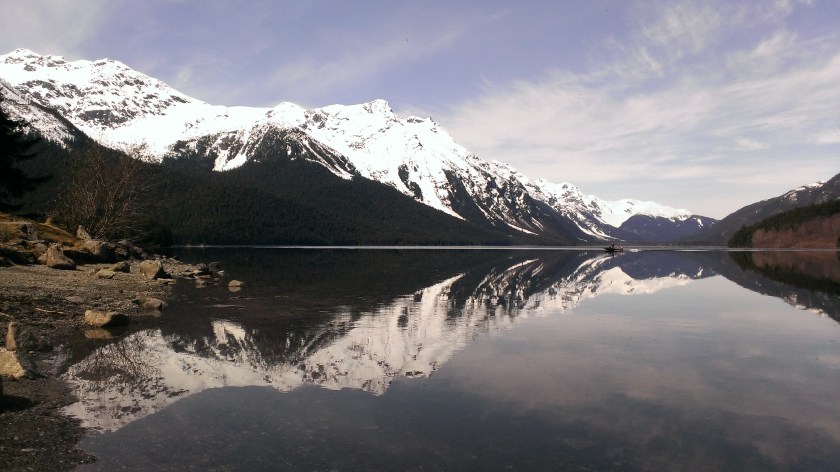
It seems that Perfection is the hot topic this week! I was inspired last week to talk about perfection and its historical evolution in meaning based on a post by Corina on Perfection and Creation. And lo! Another post popped up! This time by Liliana, titled On Perfection. All this thinking on perfection inspired me to think of moments of visual perfection.
Are these moments the best photograph? No. The best looking “insert blank”? No. The best, most perfectest representation? No. But what they are is a moment captured that pulls on…well, it just pulls. Like tug-of-war, except that I cannot see the other team! That team is somewhere over the horizon.
Therefore, I’d like to offer the following photos and gleaned ideas about perfection as a setting of sacred space.
“Perfection is achieved, not when there is nothing more to add, but when there is nothing left to take away.” ― Antoine de Saint-Exupéry

“Perfection of character is this: to live each day as if it were your last, without frenzy, without apathy, without pretense.”― Marcus Aurelius

“If everything is imperfect in this imperfect world, love is most perfect in its perfect imperfection. ” ― Gunnar Björnstrand

“Absolute perfection is here and now, not in some future, near or far. The secret is in action – here and now. It is your behavior that blinds you to yourself. Disregard whatever you think yourself to be and act as if you were absolutely perfect – whatever your idea of perfection may be. All you need is courage.” ― Nisargadatta Maharaj

“Perfection is not a destination; it’s a never-ending process…Enjoy!” ― Jim Bouchard

“Perfect should never be a goal. Perfect just happens if you let it.” ― Wendy Wunder

“One in All
All in One–
If only this is realized,
No more worry about your not being perfect (175)” ― Edward Conze, Buddhist Scriptures

“No one has ever seen God; if we love one another, God abides in us and his love is perfected in us.” ― 1 John 4:12, Christian Scriptures

“The true perfection of man lies not in what man has, but in what man is.” ― Oscar Wilde

“There is something perfect to be found in the imperfect: the law keeps balance through the juxtaposition of beauty, which gains perfection through nurtured imperfection.” ― Dejan Stojanovic

“The more difficulties one sees in the world the more perfect one becomes. The more you plough and dig the ground the more fertile it becomes. The more you cut the branches of a tree the higher and stronger it grows. The more you put the gold in the fire the purer it becomes. The more you sharpen the steel by grinding the better it cuts.” Abdu’l-Baha (Star of the West, vol. 14, no. 2, p. 41.), Bahai Teaching

“The power of thought is the light of knowledge, the power of will is the energy of character, the power of heart is love. Reason, love and power of will are perfections of man.” ― Ludwig Feuerbach

Shalom and Amen!
~Terri
All Photos by Terri Stewart, simulcast at http://www.BeguineAgain.com
Here in the room the breaths come
maybe every ten seconds apart,
snoring sounds from a mouth agape,
now voiceless, beneath eyes mostly closed,
but probably unseeing.
She doesn’t hear the talk in the room.
We think. We hope.
Above the bed, a little plastic bag
of morphine perches like blessed fruit
from a swirly silver branch atop
the six-wheeled tree they’ll roll
out of the room whenever her spirit does.
Here in the room we watch, we wait,
hearing only the sounds of the family,
of the bubbling O2 humidifier,
the beeps of monitors and machines,
the murmurs and shoe-squeaks from staff
in the hallway on the fifth floor
as the hospital awakens this morning.
And punctuating it all come
the snorting gasps of a life dwindling away
every ten–no, fifteen–seconds.
We think. God help her, we hope.
– Joseph Hesch
© 2014, All rights reserved
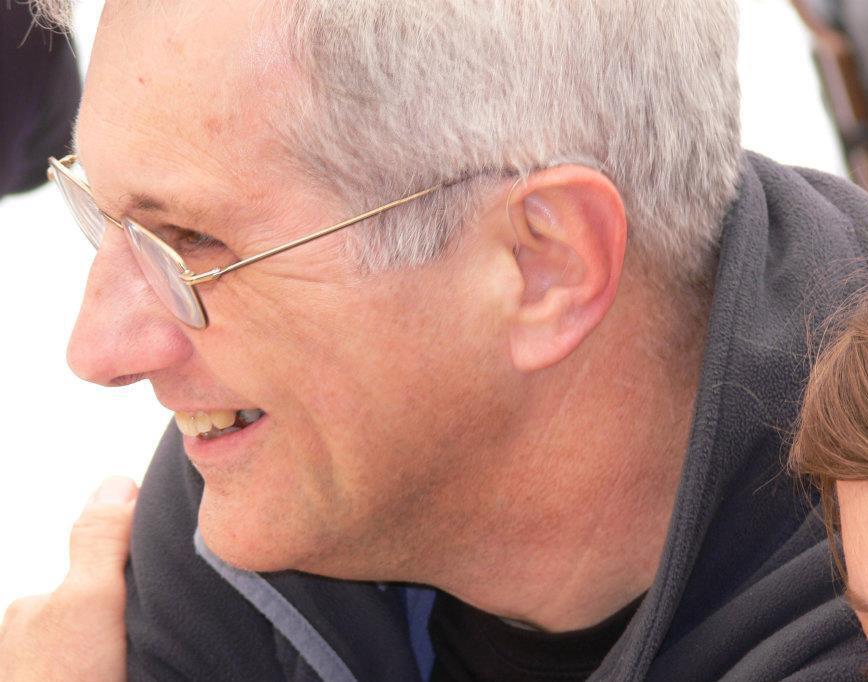 JOSEPH HESCH (A Thing for Words) is a writer and poet from Albany, New York , an old friend of Bardo and a new core team member. Joe’s work is published in journals and anthologies coast-to-coast and worldwide. He posts poems and stories-in-progress on his blog, A Thing for Words. An original staff member at dVerse Poets Pub website, Joe was named one of Writers Digest Editor Robert Lee Brewer’s “2011 Best Tweeps for Writers to Follow.” He is also a member of the Grass Roots Poetry Group and featured in their 2013 poetry anthology Petrichor Rising.
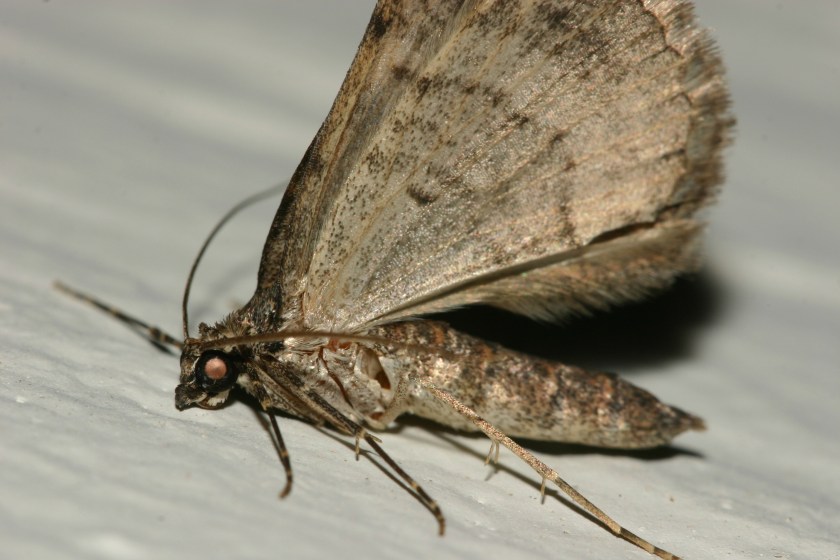
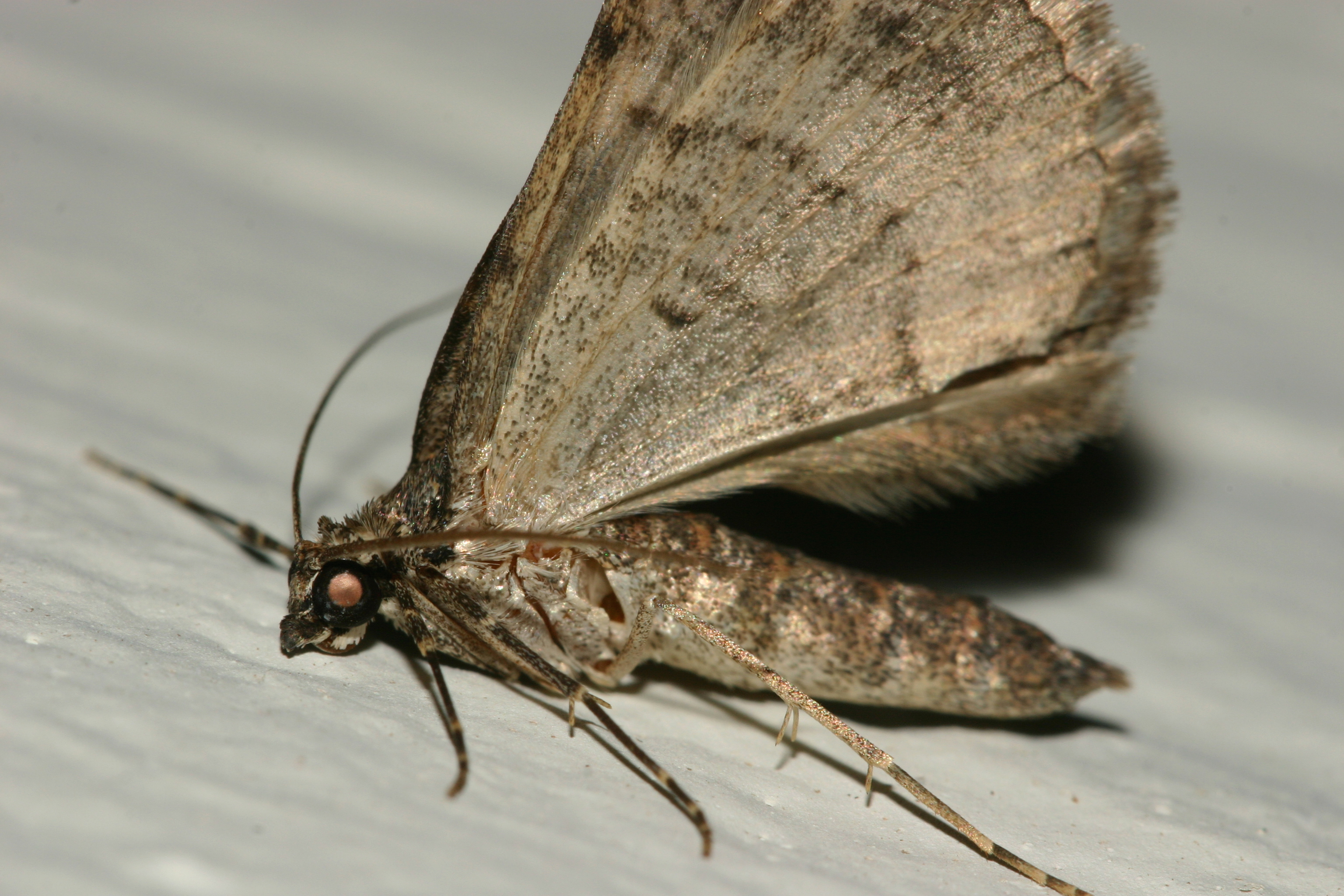 I was gazing at a darn moth the other day, bumping its head against an old mattress, testing the resistance of the now worn-out and arguably colored satin to the heaviness of its evanescence, when it just hit me: we are just a bunch of pathetic liars. We pretend to be so preoccupied with achieving perfection, we lie to each other and to ourselves that this is what we want, that this is our ultimate aim and goal and that this should be the official target of any sane human being. We build our whole lives around the obsession of becoming “perfect”. But to claim this while being aware that we cannot achieve perfection because first of all we don’t even know what perfection is, is the biggest proof of hypocrisy of all. Because, in the end, what IS perfection?
The photo used here was taken from http://www.morguefile.com. The essay belongs to Liliana Negoi.
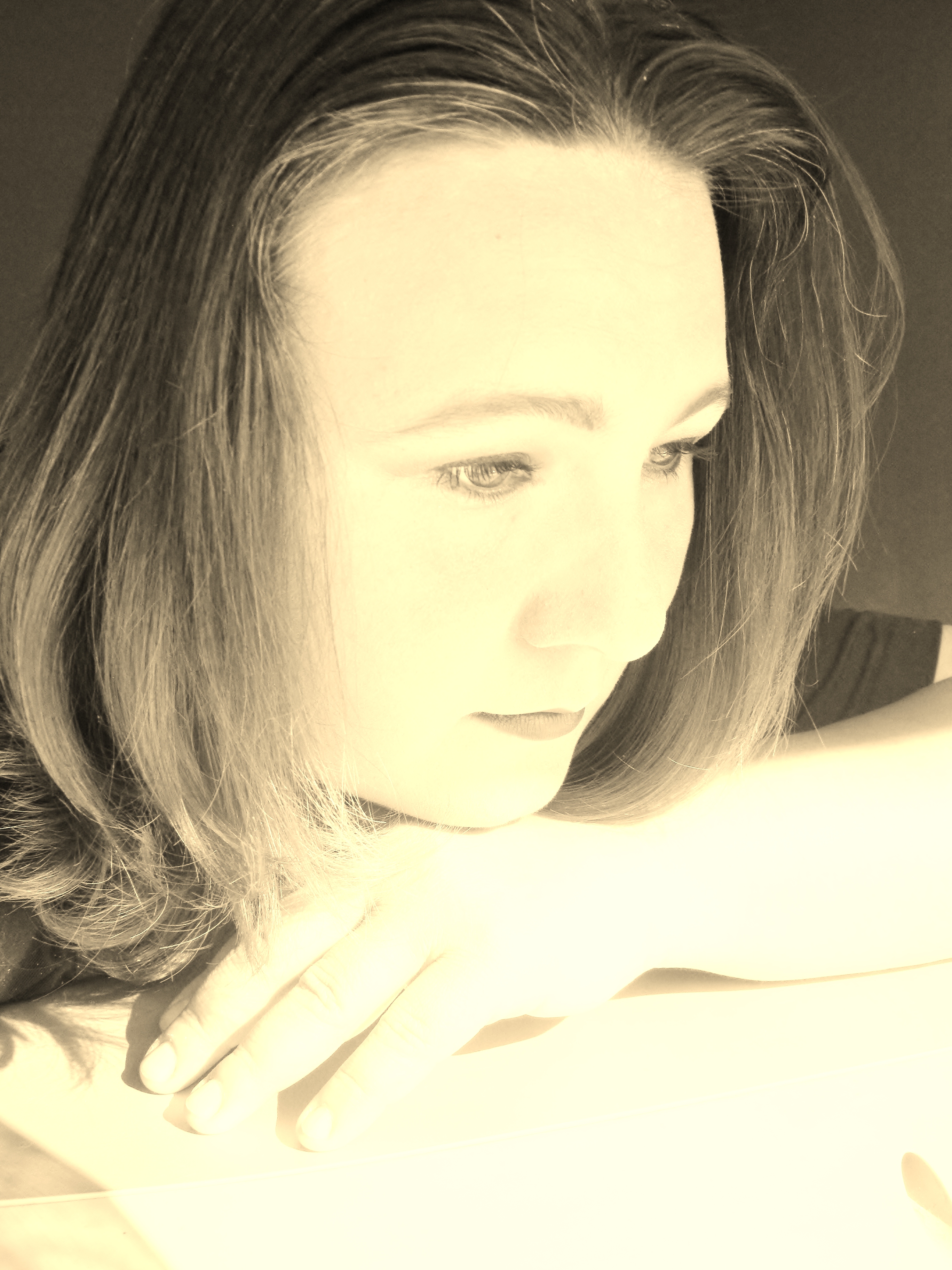 LILIANA NEGOI (Endless Journey and in Romanian curcubee în alb şi negru) ~ is a member of our core team on Into the Bardo. She is the author of three published volumes of poetry in English, which is not her mother tongue but one that she came to love especially because of writing: Sands and Shadows, Footsteps on the San – tanka collection and The Hidden Well. The last one can also be heard in audio version, read by the author herself on her SoundCloud site HERE. She is also the author of a novel, Solo-Chess, available for free reading HERE. Many of her creations, both poetry and prose, have been published in various literary magazines.
Originally published in ARTEMISpoetry, Issue 12, May 2014 and posted here with the permission of the poet, Anne Stewart, and the publisher, Second Light, network of women poets
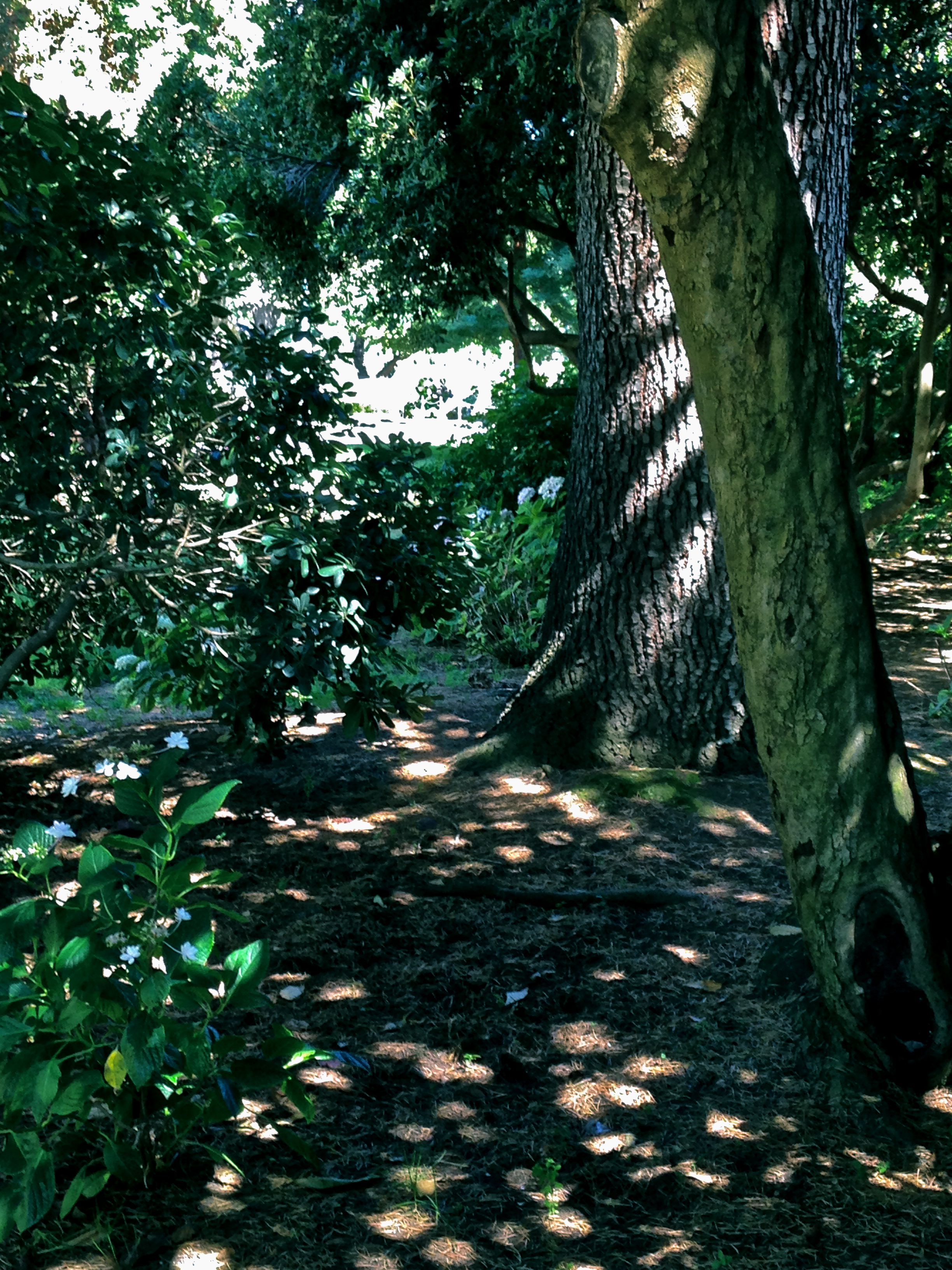
– Anne Stewart
© 2014, poem, Anne Stewart, all rights reserved; ©2014, photograph, Jamie Dedes, all rights reserved
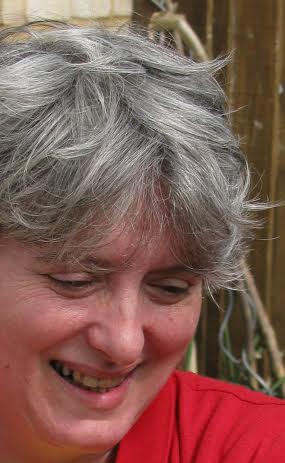
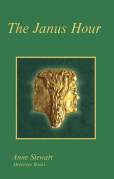 ANNE STEWART (poetry p f page) ~ Anne’s poetry is much published in anthologies/magazines. Her awards include the Bridport Prize and Poetry on the Lake’s Silver Wyvern (Italy, 2014). Her first collection is The Janus Hour (Oversteps Books, 2010). “ … varied, dominated by its music and a sense of quest for survival, for the light behind the clouds. Mercurial, like a Fellini film.” Katherine Gallagher. A review of the book is HERE.
Anne is the founder of poetry p f and she’s the Poetry Society’s ‘Kent North West’ Stanza Rep, a Past President (2011 – 2013) of Shortlands Poetry Circle and Administrator for Second Light Network, whose website, Second Light Live, she designed and runs. She co-edited (with Dilys Wood) the pre-launch issue, Issues 1 to 4, 8 and 11 of ARTEMISpoetry, a biannual journal devoted to women’s poetry, and contributes reviews/articles on a regular basis. She was the visiting poet at a London care-centre for two and a half years.
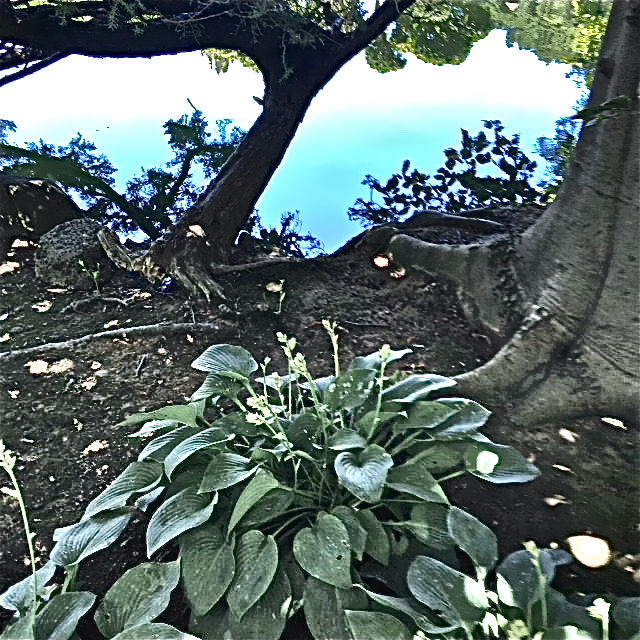 I watched it all over my friend’s dear shoulder,
– Jamie Dedes
© 2014, poem and photograph, Jamie Dedes, All rights reserved
JAMIE DEDES (The Poet by Day)~I am a medically retired (disabled) elder and the mother of married son who is very dear. I started blogging shortly after I retired as a way to maintain my sanity and to stay connected to the arts and the artful despite being mostly homebound. My Facebook pages are: Jamie Dedes (Arts and Humanities) and Simply Living, Living Simply.
With the help and support of talented bloggers and readers, I founded The Bardo Group because I feel that blogging offers a means to see one another in our simple humanity, as brothers and sisters and not as “other.” I am the poetry liaison and a member of the Core Team. Terri Stewart (Beguine Again) is in the lead position and the Beguine Again collaborative and The Bardo Group are coordinating a consolidation of the two groups.
“Good work, like good talk or any other form of worthwhile human relationship, depends upon being able to assume an extended shared world.” Stefan Collini (b. 1947), English Literary Critic and Professor of English Literature at Cambridge
 The BeZine