The BeZine Blog

Posted in Poems/Poetry, Spiritual Practice, Terri Stewart

Sacred Space in Mental Illness

A while ago, I was a Spiritual Director at a women’s prison. While I was there, one of my clients had a mental illness. Entering into Spiritual Direction was interesting because it challenged me to think about G*d in ways I had never thought of. Here, I had a client who was clearly seeking “something more” but was afraid of “voices” in her head. Huh. In traditional language about the divine, I often speak of a “call” or a “nudge” or “voice” that comes from elsewhere. Now that elsewhere can be internally or externally, but it is still quite separate from the logical thought processes of my mind. The question became, what do I do if I am afraid of trusting any voice other than the logical thought process? How do I imagine the divine?

The product of my imaginings were twofold. My imaginings produced a poem called “ghost town” that is an exploration of what it means to be a seeker with a mental illness. This led to the realization that the only trustworthy things were concrete, visible, and available. And this is okay. It too, is sacred space.

And so I offer to you, “ghost town.”

ghost town

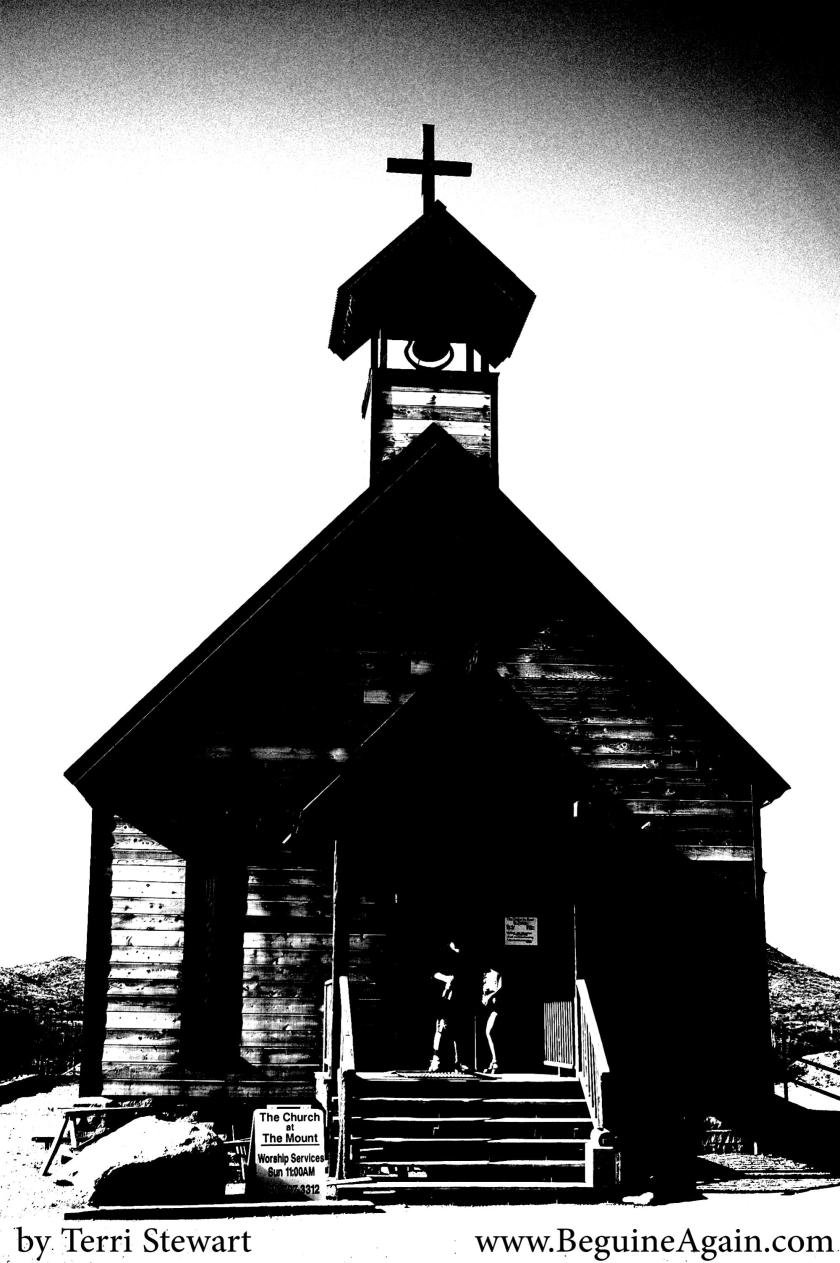
From a Ghost Town in AZ
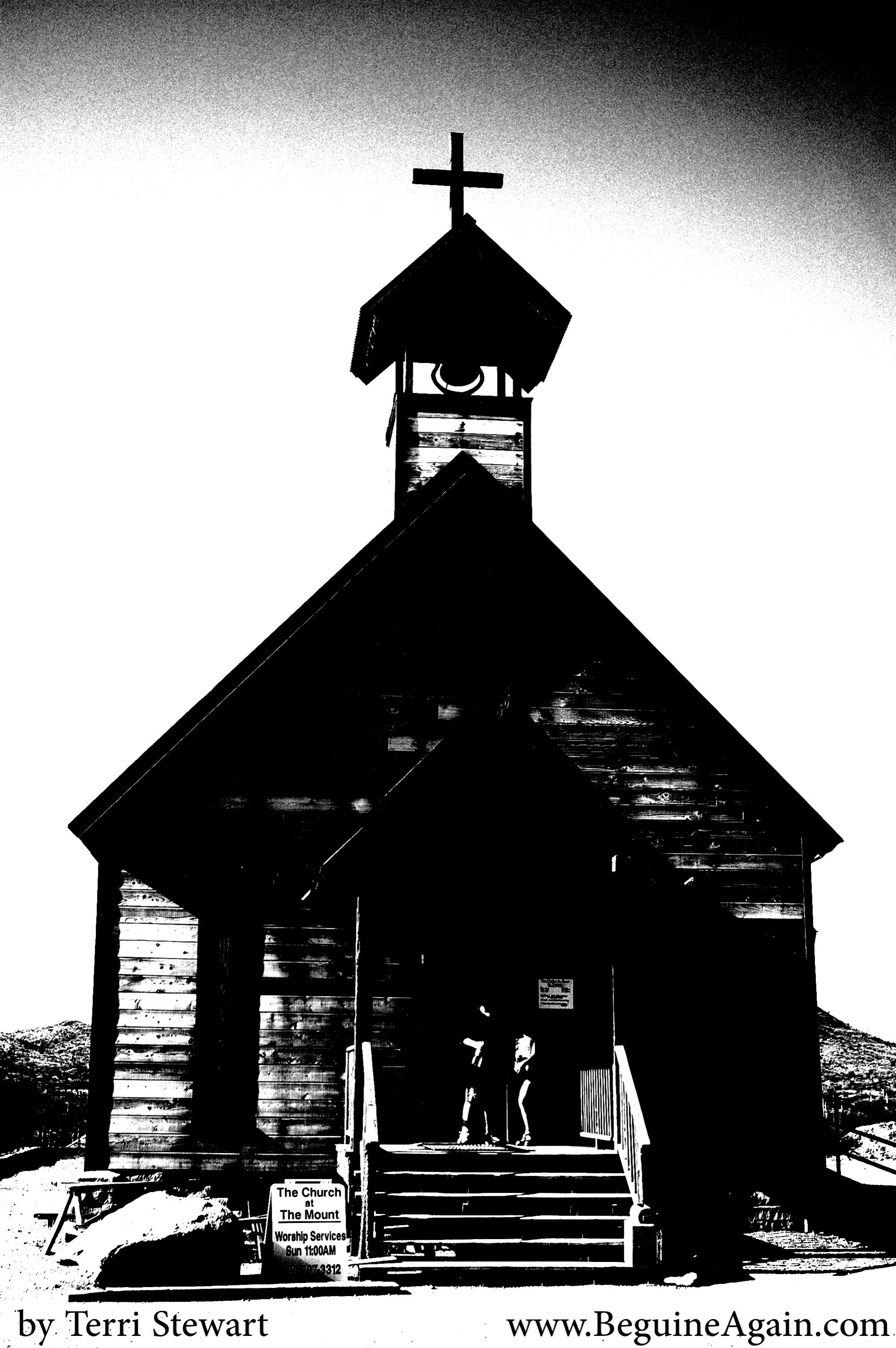
An Actual Ghost Town in AZ

small, still voice of wind,
tossing my tumbleweed-thoughts
that roll through a ghost town.

here, my safety has been
abandoned to the rats and mice
that hide from revelation,
distrusting that light
so much that they will not stay
and visit. the locks and guns
have been jammed by mud-caked
memories of injustice,
in the sheriff’s office.

the hollow-hallow notes of the
player-piano silent
except for the collapsing
frame that drops pieces of itself
crashing onto the discordant keys,
creating a nightmare sound of
happiness twisted into grief,
twisted into a mockery of joy,
in the saloon.

the telegraph does not speak
into the future, the wires
have frayed and disconnected
from the source of consolation,
reality has dissolved letters of love
or news of the war and the
beloved sears & roebuck catalog,
in the post-office.

the ghost town disgusts me.
especially when the wind is
blowing and changing all that
i know into something unknown
ripping the roof apart and causing
the cacophony of noises to come
in from all directions telling
me, what?  untrustworthy voice!

so small and still or
so big and booming

telling me to tear the walls apart
bare-handed until my fingers
become bloody stubs and
yet you insist that i see you,
listen to you, the wind destroying
the small community of barn owls
and bats that i have built in my
ghost town.  i do not want to hear
you.  the owls and bats are my
saving grace.

Terri Stewart, Dec. 2010

terrisignoffblog

Posted in Essay, General Interest, John Anstie

John Stuart Mill – On the freedom of the individual

We are facing more threats to human freedoms than most of us can imagine, in an age of social mobility and easy worldwide communication. These threats come from, on the one hand, extremism, in all its forms, which is mostly visible because of a wide news coverage. On the other hand, a more subtle threat has, for a few decades now, been passing underneath our radar, because it is, more worryingly still, not being given any time by the main stream media – a fact, which I find utterly demoralising and disturbing, when we consider the implications and potential impact of these multinational corporation driven ‘free trade’ agreements, which represent nothing if not a new era of tyranny – corporate tyranny – which, if signed by the European Union, is likely to enable the enhancement of already excessive corporate power, which will not only degrade our hard won democracy, but will also enable large corporations to sue national governments if they pass legislation that adversely affects their commercial interests, at the expence of the taxpayer! (see the 38 Degrees missive and this revealing video).

I would like to take a breather from all of this to give this another perspective and offer you a voice from history, that is John Stuart Mill’s view on the liberty and freedom of the individual.

“The sole end for which mankind are warranted, individually or collectively, in interfering with the liberty of action of any of their number, is self-protection. That the only purpose for which power can be rightfully exercised over any member of a civilised community, against his will, is to prevent harm to others. His own good, either physical or moral, is not sufficient warrant. He cannot rightfully be compelled to do or forbear because it will be better for him to do so, because it will make him happier, because, in the opinion of others, to do so would be wise, or even right…The only part of the conduct of anyone, for which he is amenable to society, is that which concerns others. In the part which merely concerns him, his independence is, of right, absolute. Over himself, over his own body and mind, the individual is sovereign.”

Whilst his nineteenth century language is a little convoluted and archaic, the message is clear enough and sums up the crucial need for our individual freedoms. As ever was the case at any time in history, it is still true today that there are some very clever and powerful people in this world, who are hell bent on control of the most crucial resources on Mother Earth and therefore on a great majority of the world’s population. That we should respond with all the force of the massive voice and resources we currently have at our finger tips in the internet and the world wide web, is without question; that we appear not to be doing so at the moment, is not without question. In fact, it is this apparent lack of awareness, this lack of response from around the world that is the most worrying of all!

Please tell me I’m wrong about this.

~~~~~~~~~~~~~~~~~~~~~~~~~~~~~~~~

John_in_Pose_Half_Face3

JOHN ANSTIE (My Poetry Library and 42) ~ is a British writer and poet, a contributing editor here at Bardo, and multi-talented gentleman self-described as a “Family man, Grandfather, Occasional Musician, Singer, Amateur photographer and Film-maker, Apple-MAC user, Implementation Manager, and Engineer”. He has participated in d’Verse Poet’s Pub and is a player in New World Creative Union as well as a being a ‘spoken-voice’ participant in Roger Allen Baut’s excellent ‘Blue Sky Highway‘ radio broadcasts. He’s been blogging since the beginning of 2011. He is also a member of The Poetry Society (UK).

*****

product_thumbnail-3.php

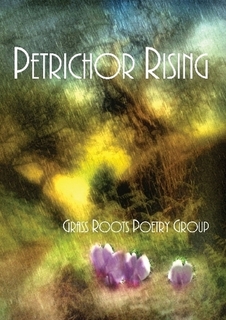
51w-rH34dTL._BO2,204,203,200_PIsitb-sticker-arrow-click,TopRight,35,-76_AA300_SH20_OU01_John has also been involved in the recent publication of two anthologies that are the result of online collaborations among two international groups of amateur and professional poets. One of these is The Grass Roots Poetry Group, for which he produced and edited their anthology, “Petrichor* Rising. The other group is d’Verse Poet Pub, in which John’s poetry also appears The d’Verse Anthology: Voices of Contemporary World Poetry, produced and edited by Frank Watson.

Petrichor – from the Greek pɛtrɨkər, the scent of rain on the dry earth.


Posted in Art, Niamh Clune, story

Painshill Park & The Honey Bee Festival

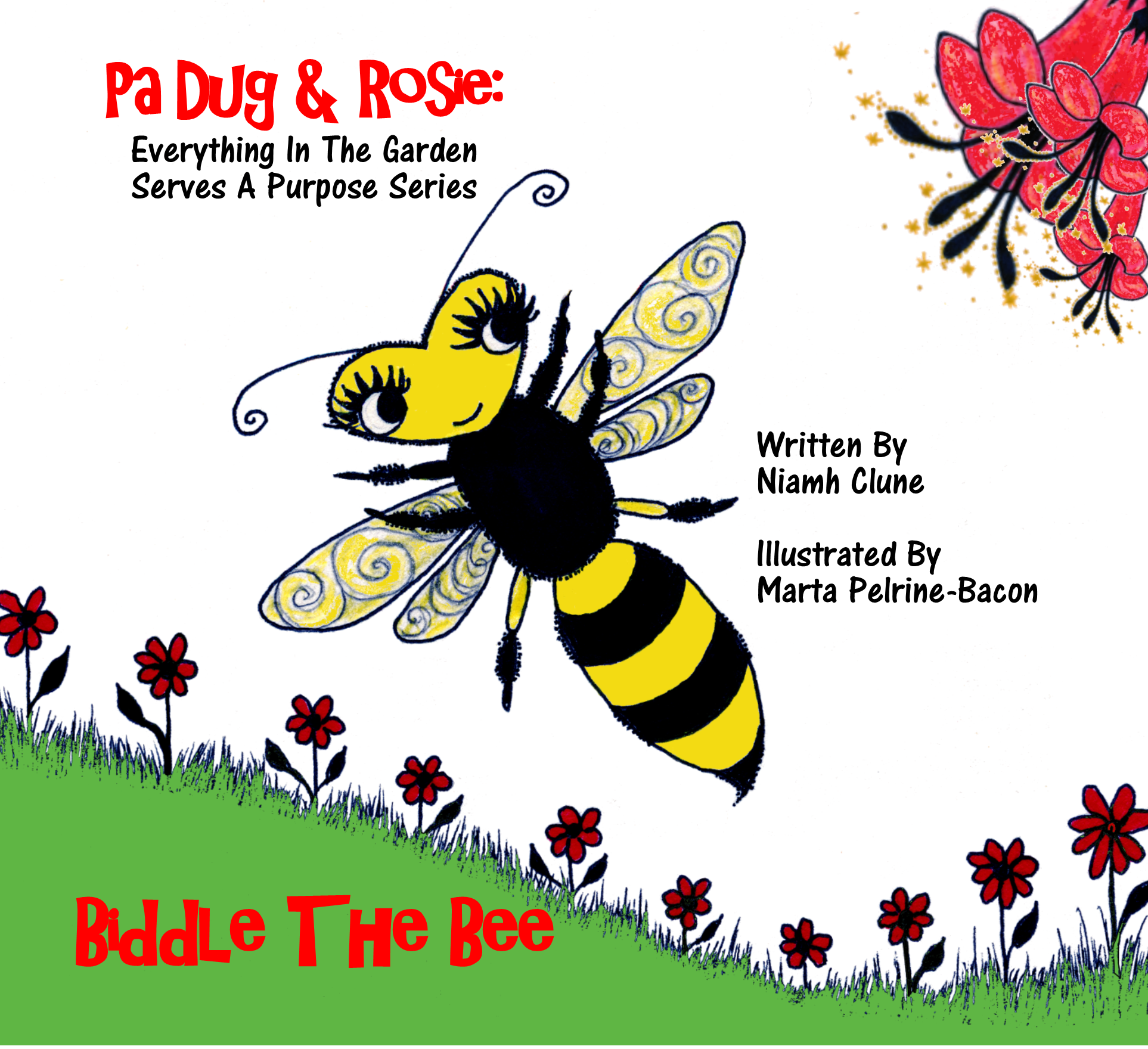
Reading Biddle The Bee at Painshill Park during the honey bee festival http://www.amazon.co.uk/Biddle-Bee-Everything-Garden-Purpose/dp/0992618827

painshill


It was such a treat to read my Biddle The Bee story at The Painshill Honey Bee Festival at the weekend.Painshill Park is a beautiful, 18th century garden near Cobham, Surrey, UK. The landscape garden was originally created by the Honourable Charles Hamilton between 1738 and 1773. Over 80,000 visitors a year now visit Painshill Park with its iconic follies.

The Honey Bee Festival is hosted every year by members of The British Beekeepers Association. Sandra Rickwood and Marion Cooper of the Weybridge Branch of British beekeepers invited me to participate and read my story of Biddle The Bee. Marion Cooper helped with the final editing of the book, and I can honestly say that beekeepers are very particular that all the facts in a story should be absolutely correct! Biddle The Bee has their seal of approval! Phew!!

www.amazon.com/Biddle-Bee-Dug-Rosie-Everything-ebook/dp/B00GLXM9TA

Biddle The Bee http://www.amazon.co.uk/Biddle-Bee-Everything-Garden-Purpose/dp/0992618827
And Papa jumped up, “Let’s waggle and jive! Let’s be like the bees when they’re in the hive. They buzz to the left, and buzz to the right! They’re dancing a map of their nectar flight, And showing each other just where they have been, To find the best nectar for feeding the queen!”
 My tongue is so long, like a straw, made to shloop! I prod and I poke; I probe and I scoop. I suck up the nectar for my honey tummy. I cook it; I mix it ~ sweet honey, so yummy!  I keep it and store it in my winter pantry, For when food is scarcezzzzz, and nectar is scanty!”
My tongue is so long, like a straw, made to shloop! I prod and I poke; I probe and I scoop. I suck up the nectar for my honey tummy. I cook it; I mix it ~ sweet honey, so yummy! I keep it and store it in my winter pantry, For when food is scarcezzzzz, and nectar is scanty!”

Biddle The Bee is one of a series of Pa Dug & Rosie books, all about how everything in the garden serves a purpose. In my attempt to bring poetry to science, I am thrilled to be involved in raising awareness of the wonderful bee who is under serious threat internationally from pesticides and loss of habitat. Bees are an incredible civilization unto themselves and many things upset their rhythm. As part of my research for this story, I visited an apiary. The fact that bees crawled all over me didn’t phase me a bit!  I trusted them, and they were remarkably calm ~ even when being handled.

Painshill Park is such a beautiful place. Songs from the book were sung, and children wrestled with deliberate tongue-twisters such as: “But the bee buzzed by on busy business!” Well! if you were aged between 3 and 7, you’d have fun pronouncing this! And, of course, we danced the Waggle Jive!!! Children love the musicality and rhythm of the rhyme and hearing it read with me imitating all the different voices…doing the bee voice is fun; doing this at my age is even more fun! And, of course, the little ones LOVE the pictures ~ Originals courtesy of Marta Pelrine Bacon and coloured with added graphics by yours truly!

Find Biddle The Bee HERE in Kindle (GREAT FOR CLASSROOMS). HERE (where the print version is cheaper than Amazon!)

Niamh Clune © 2014, words and illustrations, all rights reserved

430564_3240554249063_1337353112_n-1NIAMH CLUNE (Plum Tree Books Blog) ~ is the author of the Skyla McFee series: Orange Petals in a Storm, and Exaltation of a Rose. She is also the author of The Coming of the Feminine Christ: a ground-breaking spiritual psychology. Niamh received her Ph.D. from Surrey University on Acquiring Wisdom Through The Imagination and specialises in The Imaginal Mind and how the inborn, innate wisdom hidden in the soul informs our daily lives and stories. Niamh’s books are available in paperback (children’s books) and Kindle version (The Coming of the Feminine Christ). Dr. Clune is the CEO of Plum Tree Books and Art. Its online store is HERE.  Niamh’s Amazon page is HERE.

Posted in Art, find yourself, General Interest, Guest Writer

We cultivate love . . .

vulnerability-quote-webVulnerability is

1. The bearing of ones’ soul.
2. The exposing of our frailties
3. The peeling of our layers
4. The kiss and tell of our heart
5. The revealing of our inner being

Vulnerability feels like

1. Pain from an open wound
2. A throbbing in our head
3. A punch in our stomach
4. A thump in our brain
5. A thief stealing our soul

Love Feels Like
1. A quenched thirst
2. A harmonious gratifying touch
3. A warm breeze on our skin
4. Lips soft and sweet
5. An enchanted heart dancing

What does vulnerability mean to you?
What does vulnerability feel like to you?
What does love feel like to you?

Take the vulnerability test Brené Brown has offered us …..

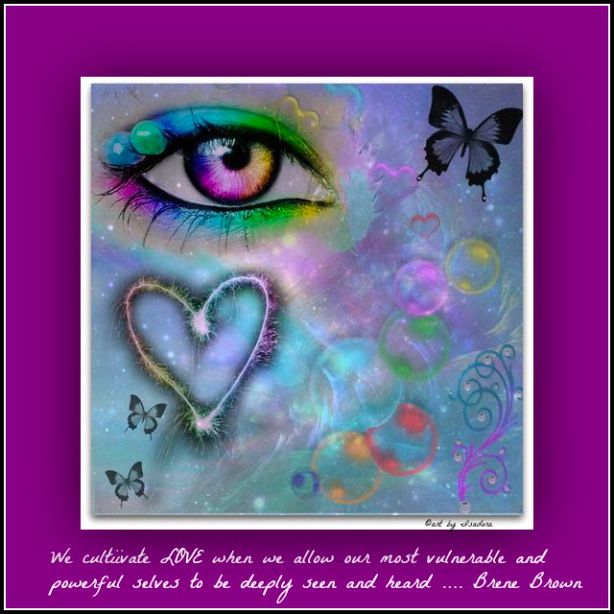
“We cultivate LOVE when we allow our most vulnerable and powerful selves to be deeply seen and heard. ” Brené Brown, Ph.D., LMSW (b. 1965), American scholar, author, and public speaker, research professor at the University of Houston Graduate College of Social Work

Write these three sentences down and list your five answers.

Vulnerability is ….

Vulnerability feels like ….

Love Feels like ….


© 2014, essay, illustration and portrait (below), Isadora De La Vega, All rights reserved

unnamedISADORA DE LA VEGA (Inside the Mind of Isadora) ~ is a guest blogger here for the first time today. She was a copper-and-silversmith award-winning jeweler for twenty-eight years, exhibiting in more than 200 galleries across the U.S. and in Puerto Rico. Now semi-retired, Isadora maintains a web-site, Isadora Art Jewelry, for liquidating her remaining art jewelry. She is also the president and co-designer of Copper Whimsea’s by Al.

Isadora is a wife, mother of three, grandmother of eight, and a novice writer and a photographer. You can find her written work at Inside the Mind of Isadora and her photography at Isadora Art and Photography. She started her blog to hone her writing skills and never thought she would touch people in so many ways with her words and images. She is delighted to be able to do that and says, “I’m even happier that I am accomplishing the goal I had set for myself: touching peoples’ hearts.

Posted in justice, Peace & Justice, Terri Stewart

Prayer as Action for Peace

Editorial note: This was originally written by Terri Stewart for Saturday, September 7, 2013, in response to a call for worldwide prayer and fasting to focus on peace in Syria. With all that is going on in the Middle East and given the Ukraine crises, the many conflicts in Africa and the deaths and dislocations resulting from drug wars in Central and South America, this seems a good time to post it again in the spirit of peace, love and community …

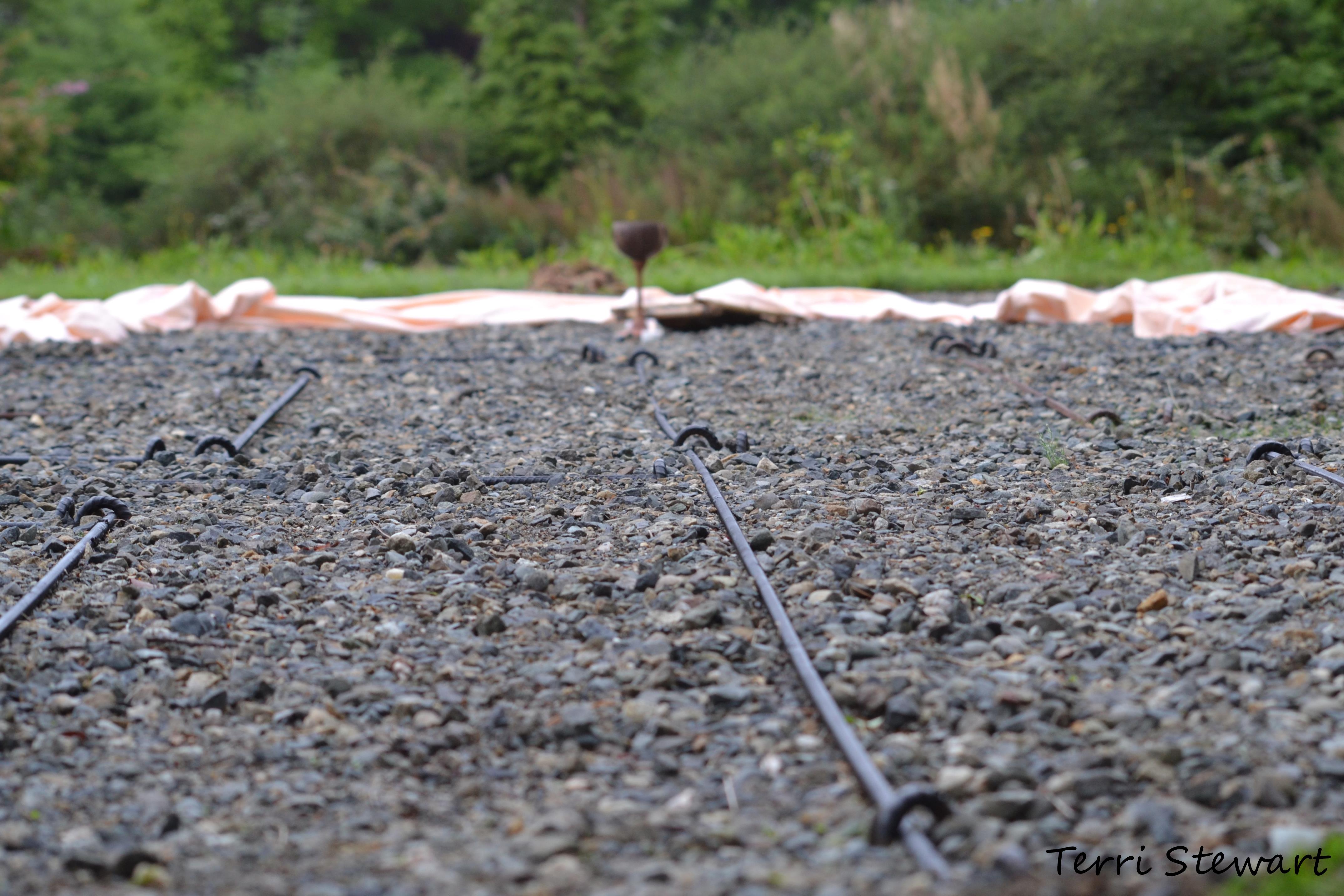
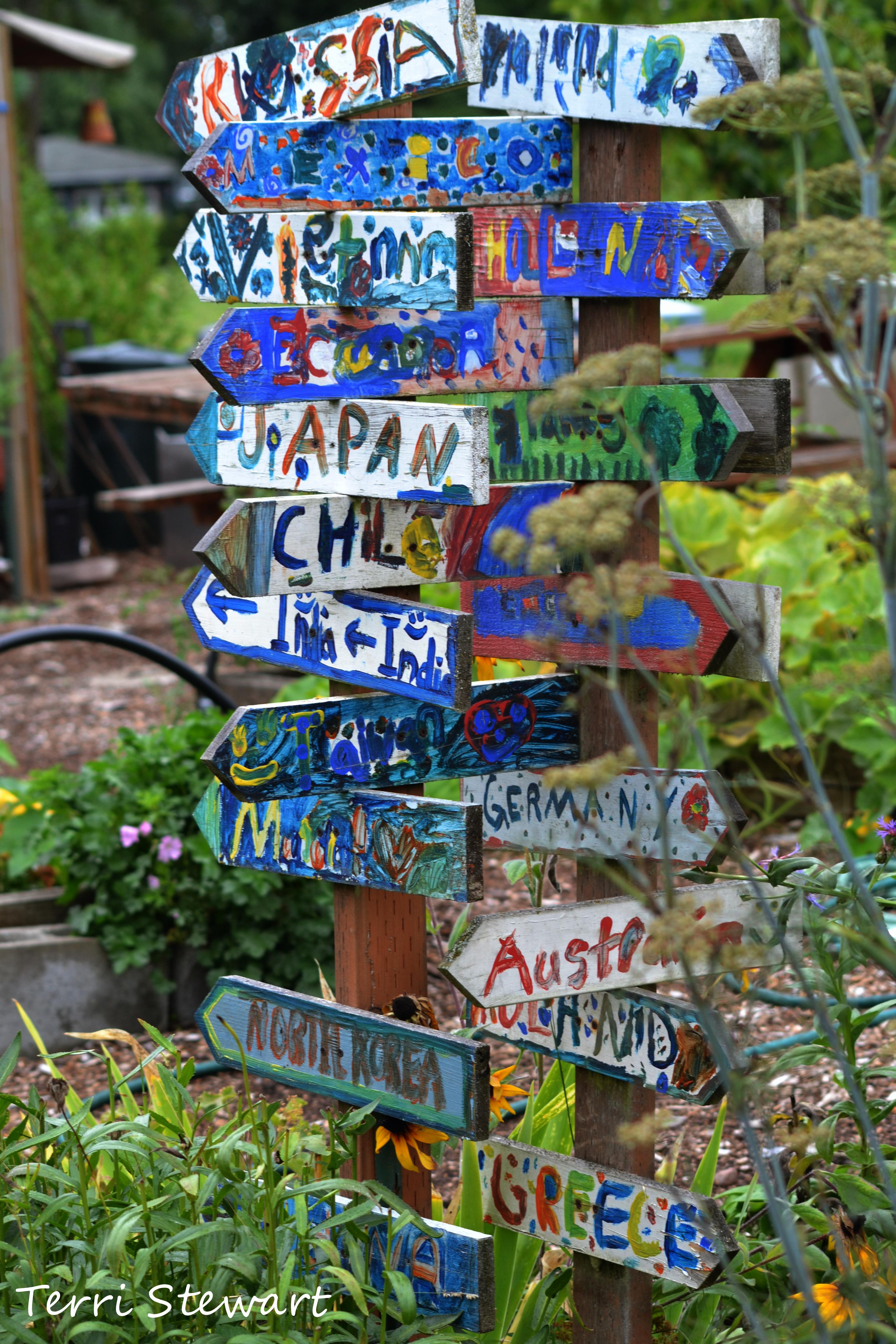
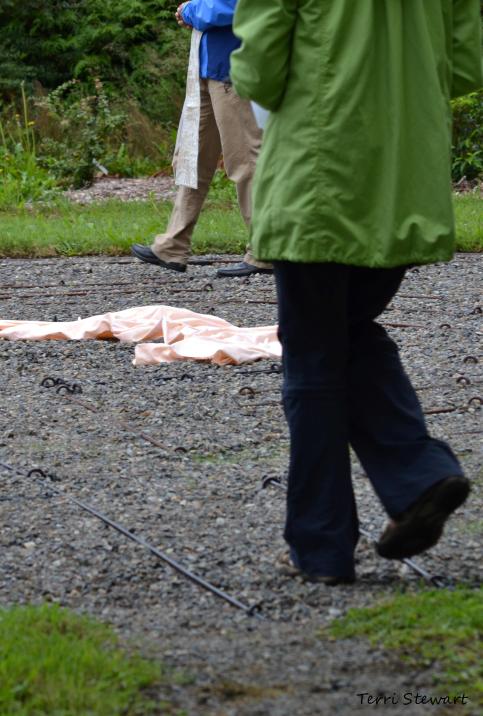
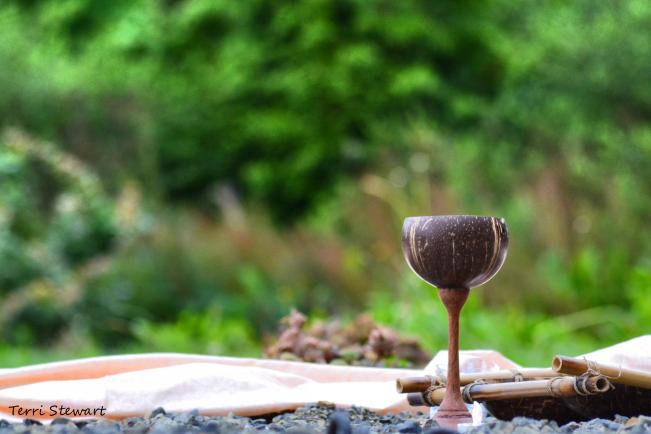
I have seen many things happening–prayer vigils, personal meditation practices, marches, and communications with elected officials. We decided to offer a Labyrinth Walk for Peace at Bothell UMC in Bothell, WA in the morning. I gathered inter-faith prayers, we walked, prayed, and focused on bringing peace to the world. What follows is prayers and photos from that journey that became deeply personal for each attendant. There was a certain transition that occurred for me as I took in my surroundings and noticed Farmer Brown’s Garden. I began to see, literally, a connection between peacefulness and being fed. You will see.

Entering Sacred Space

prayers-for-peace-3

Sufi Prayer for Peace

Send Thy peace, O Lord, which is perfect and everlasting, that our souls may radiate peace.
Send Thy peace, O Lord, that we may think, act,
and speak harmoniously.
Send Thy peace, O Lord, that we may be contented
and thankful for Thy bountiful gifts.
Send Thy peace, O Lord, that amidst our worldly strife we may enjoy thy bliss.
Send Thy peace, O Lord, that we may endure all,
tolerate all in the thought of thy grace and mercy.
Send Thy peace, O Lord, that our lives may become a
divine vision, and in Thy light all darkness may vanish.
Send Thy peace, O Lord, our Father and Mother,
that we Thy children on earth may all unite in one family.
– Sufi Prayer

The Journey Begins

prayers-for-peace-6

An Islamic Prayer for Peace

In the Name of Allah, the beneficent, the merciful: Praise be to the Lord of the Universe
who has created us and made us into tribes and nations that we may know each other,
not that we may despise each other.

If the enemy incline towards peace, do thou also incline towards peace, and trust in God,
for the Lord is one that hears and knows all things.
And the servants of God Most Gracious are those who walk on the Earth in humility,
and when we address them, we say, “Peace.”
– U.N. Day of Prayer for World Peace 2

Walking Together in Ubuntu
prayers-for-peace-5

A Hindu Prayer for Peace

Supreme Lord, let there be peace in the sky and in the atmosphere.
Let there be peace in the plant world and in the forests.
Let the cosmic powers be peaceful.
Let the Brahman, the true essence and source of life, be peaceful.
Let there be undiluted and fulfilling peace everywhere.
– The Atharva Veda

All Are Invited to Be Fed
prayers-for-peace-1

Cheyenne Prayer for Peace

Let us know peace.
For as long as the moon shall rise,
For as long as the rivers shall flow,
For as long as the sun shall shine,
For as long as the grass shall grow,
Let us know peace.
– Cheyenne Prayer

Feeding the World in Spirit and Deed
Farmer Brown’s Garden at Bothell UMC

prayers-for-peace-7

A Jewish Prayer for Peace

Grant us peace. Your most precious gift,
O Eternal Source of Peace, and give us the will to proclaim its message to all the peoples of the earth.
Bless our country, that it may always be a stronghold of peace, and its advocate among the nations.
May contentment reign within its borders, health and happiness within its homes.
Strengthen the bonds of friendship among the inhabitants of all lands.
And may the love of Your name hallow every home and every heart.
Blessed is the Eternal God, the source of Peace.
– From The Gates of Prayer: The New Union Prayer Book, by the Central Conferences of American Rabbis

Growing Spiritually and Growing Food

prayers-for-peace-9

Buddhist Prayer for Loving Kindness

May all beings be peaceful.
May all beings be happy.
May all beings be safe.
May all beings awaken to
the light of their true nature.
May all beings be free.
– Metta Prayer

Loving Kindness through Loving Care

prayers-for-peace-8

A Christian Prayer for Peace

Blessed are the peacemakers, for they shall be called the children of God.
But I say to you that hear, love your enemies; do good to those who hate you;
bless those who curse you; pray for those who abuse you.
To those who strike you on the cheek, offer the other also;
and from those who take away your cloak, do not withhold your coat as well.
Give to everyone who begs from you, and of those who take away your goods,
do not ask them again. And as you wish that others would do to you, do so to them.
– U.N. Day of Prayer for World Peace 2

Becoming the Light Unto the World

prayers-for-peace-10

A Non Traditional Prayer for World Peace

Spirit of Life and Love, be present with all who are suffering terribly from violence.
Lift up the hearts of those who fear. And inspire courage among the peacemakers.
Be present with political leaders, ensuring a retreat from violence
and a procession towards the peace table.
Guide the hands of all those who are caring for the injured, the hungry and the grieving.
And, open our own hearts to compassion.
Remind us of our complicity and responsibility.
And lead us towards generous engagement—always towards a vision of peace.
–Adapted from the Unitarian Universalist Tradition

Shalom and Amen,

Terri

© 2013, post and photos, Terri Stewart, All rights reserved

terriREV. TERRI STEWART is Bardo’s Sunday chaplain, senior content editor, and site co-administrator. She comes from an eclectic background and considers herself to be grounded in contemplation and justice. She is the Director and Founder of the Youth Chaplaincy Coalition that serves youth affected by the justice system. As a graduate of Seattle University’s School of Theology and Ministry, she earned her Master’s of Divinity and a Post-Master’s Certificate in Spiritual Direction. She is a contributing author to the Abingdon Worship Annual. (The 2014 issue just released!)

Her online presence is “Cloaked Monk.” This speaks to her grounding in contemplative arts and the need to live it out in the world. The cloak is the disguise of normalcy as she advocates for justice and peace. You can find her at www.cloakedmonk.com, www.twitter.com/cloakedmonk, and www.facebook.com/cloakedmonk.  To reach her for conversation, send a note to cloakedmonk@outlook.com

Posted in General Interest, Nature, poem, Poems/Poetry, poetry

Summer Dreams

photo-24Seasons for all themselves don’t mean
What they once did. I’ve not grown
Out of them, rather more into and a part
Of them with a deepening I’ve not had.
Not to be dramatic, only matter of fact.
A time when each season meant differences
In things needing to be done is done for me.

Those needings now need to be hired out
To those whose labor is not tenuous
But filled with stamina and a resilience
More nimble than my unsteady willingness
To mount a ladder and repair a rotted soffit.
I am not enfeebled by a long way yet. It’s just
My work’s more now a tooled thought inside.

I.

Autumn is my season of perfect cadences.
In it the heart and mind are at peace.
The slender line of equinox orchestrates
In harmony circumspect participation
Of the four elements that make us part of
An earth fully aware the year is growing late.
Each day a ballet full of import in the air.
Walking, my feet in step with my breathing.

The feel of the first chill-quicken’d bite
In my lungs, holds my concentration close
To what matters. – The wideness of the sky,
The attitudes of clouds, the ‘V’ of flocks flowing
Rather than just in flight, how trees enflamed
Allow a lone evergreen among them to be seen,
The moment, at sunset, when the countryside
Gives the day over to night in sighs
And all the secret names of things are revealed
Then quickly forgotten by the feel of a world
About to relax and make itself ready.

II.

Winter has become a year all its own.
It tastes on my tongue of a cello
Playing cascades of suites by Bach,
Continuing one after another without stop,
Each deep lowing expresses the joy
Of a universe still expanding in awe.
Yet, still I’m rooted firm to earth’s orbit,
Knowing it would be simple to only let go
And suddenly traveling at light’s speed,
Leave all fears behind, bound by gravity.

I think it’s what it must have been like
To be Einstein embraced in his reveries,
Questioning the knowns and doubts,
Accepting the unknown and finally,
Having no doubt about coming back,
Slipped the thin atmosphere surrounding
The world delicately drifting in space.

III.

Spring’s a flowery mutation all primed up;
A glandular mix of the sacred, the profane
And the pagan; Mardi gras madness—beads
Thrown out to bearing breasts with drunken ease;
Carnival gluttony stumbling into Lenten ash, and
Sacrifice. Ending lined up for the confessional
Ritual of Good Friday, still hungry yet, for more.

Yes, the rest’s more like a note left by winter,
The ground saturated with meltdown, into mud;
For me a season of cynics and sarcastic smiling.
When I was young in the sixties and it was all
For politics and sex, love bruising imaginations
Cut to the heart with the hot knife of living,
All caught up in the under currents of renewal
Expecting the world would change by our love.

Though, too, to be honest, my appreciation of
This season, is how it binds the rest with promise.
Always, some part of its fertile dance is woven
Into the cloth of days unfolding of what’s to be;
Always, with the thread of hopes to come.

IV.

Summer’s world is seen from the pitcher’s mound
Long before the crowd arrives. Slightly raised,
Closer to Home than any base, surrounded
By the green grass and raked red clay of possibility.
It is warm roundness and all light rolled out
Into lengths of days. An awakening of all there is;
Opens with clear fields of vision, mowed wind gusts
And dark thunder. A dry in your throat that is not
Thirst, but unquenchable anticipation.

Summer is body time – inside, outside, under
The fingernails dirty. It is Walt Whitman singing
America, while imagining the sweating bodies
Of young men, watching them swim naked,
Diving off a Brooklyn pier. It is a season
Demanding no quarter and giving none back
Except the secrets of Pleasure’s alchemy
Turning spun gold into the smell of memories.

It is a world of short close nights tipping
On a horizon’s infinity, gentle and tender. Full
Of all one can take from this earth if one chose
To leave it– more than, much more than that.
It is the season we first learn how dreams
Become the things they are, books opening,
Revealing every page at once; all the things
We can do and cannot do and can do them anyway.
Above all other importants. Above all else,
Summer dreams it is summer; it dreams itself.
What it is about, with a great consciousness
—All of its sinews, bones, muscles and blood in focus,
To see the object of all its exertions at night’s end
And the next day’s beginning; deep breaths filling
The heart, mind and soul with a pure, deep sleep;
The un-desperate, quiet sleep of summer dreams.

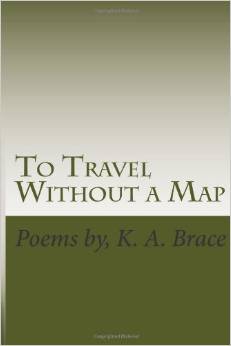
Mr. K.A. Brace
Excerpt from: To Travel Without a Map: Poems; Mr. K. A. Brace, 9781493643004: Amazon.com: Books

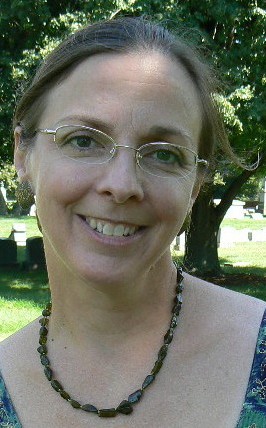
© 2014, poem, portrait (below) and bookcover art, K.A. Brace, All rights reserved; flower photograph, Jamie Dedes, All rights reserved

annotating_1390673386_98Unknown-3K.A. BRACE (The Mirror Obscura) ~ With this work we introduce a new guest poet. K.B. (as he is popularly know among bloggers) is 61, lives in Nashville, Tennessee with his three dogs and four cats. He is a graduate of The State University of New York at Buffalo where he received both a Bachelor and Masters of Arts degree in English. While at the University he worked with Mac Hammond and Irving Feldman and was winner of The Arthur Axlerod Award for Poetry. After graduating he entered the hospitality industry and did not write for the next 35 years during which time he never considered himself not a poet stating that “a poet is one who has written a poem and may never write another.” Coinciding with his turning 60 he suddenly began writing again and is in the midst of finishing his eighth collection of poetry. He works assiduously for at least 10-12 hours 7 days a week at his writing. To Travel Without a Map is his first publication of a book length collection. His style is eclectic and his interest in modern myths and the tiny filaments of our humanity that connects us to one another are the centerpieces of his work. His poems are always surprising both in their crafting and their messages. He considers himself a ‘readers’ poet.

To Travel Without a Map: Poems; Mr. K. A. Brace, 9781493643004: Amazon.com: Books

Posted in General Interest, Islam

Eid mubaraq

We can think of no better way to extend warmest good wishes to our Moslem friends and writers than a reblog of Sharmishtha Basu’s sweet poem and art.
Kul ‘am wa enta bi-khair!

Sharmishtha Basu's avatarRealm of Empress Musie

7 islam hands that give

May all the blessings of God shower down upon you, your world and loved ones.

View original post

Posted in Bardo News, Environment/Deep Ecology/Climate Change, Essay, General Interest, Nature, Photo Essay, Photography/Photographer, Priscilla Galasso

BARDO NEWS: Wilderness Week coming up….

Editor’s Note: Please join us for this event sponsored by The Bardo Group and hosted by Priscilla Galasso (scillagrace).

.

004PRISCILLA GALASSO ~ started her blog at scillagrace.com to mark the beginning of her fiftieth year. Born to summer and given a name that means ‘ancient’, her travel through seasons of time and landscape has inspired her to create visual and verbal souvenirs of her journey. Currently living in Wisconsin, she considers herself a lifelong learner and educator. She gives private voice lessons, is employed by two different museums and runs a business (Scholar & Poet Books, via eBay and ABE Books) with her partner, Steve.

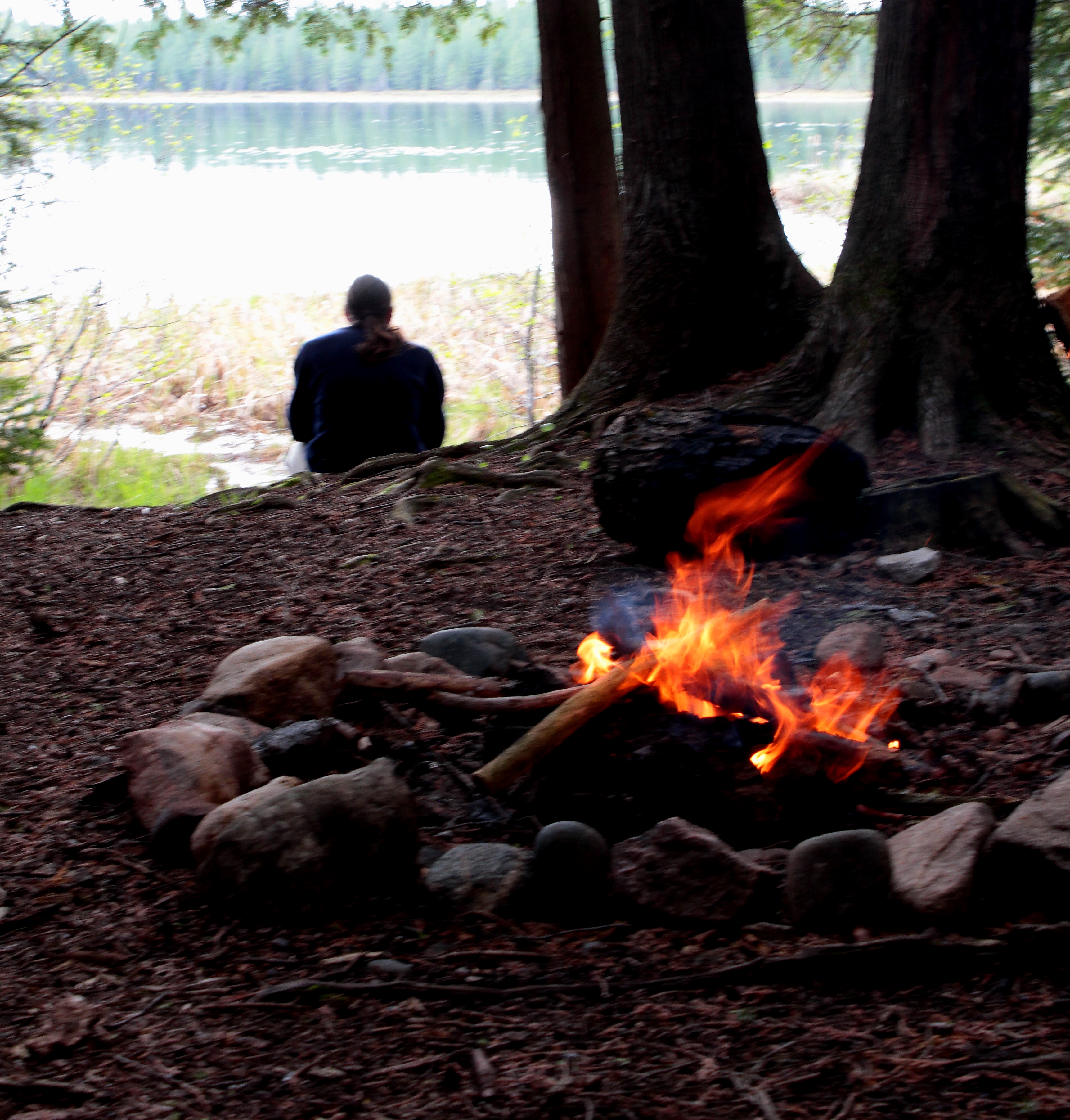
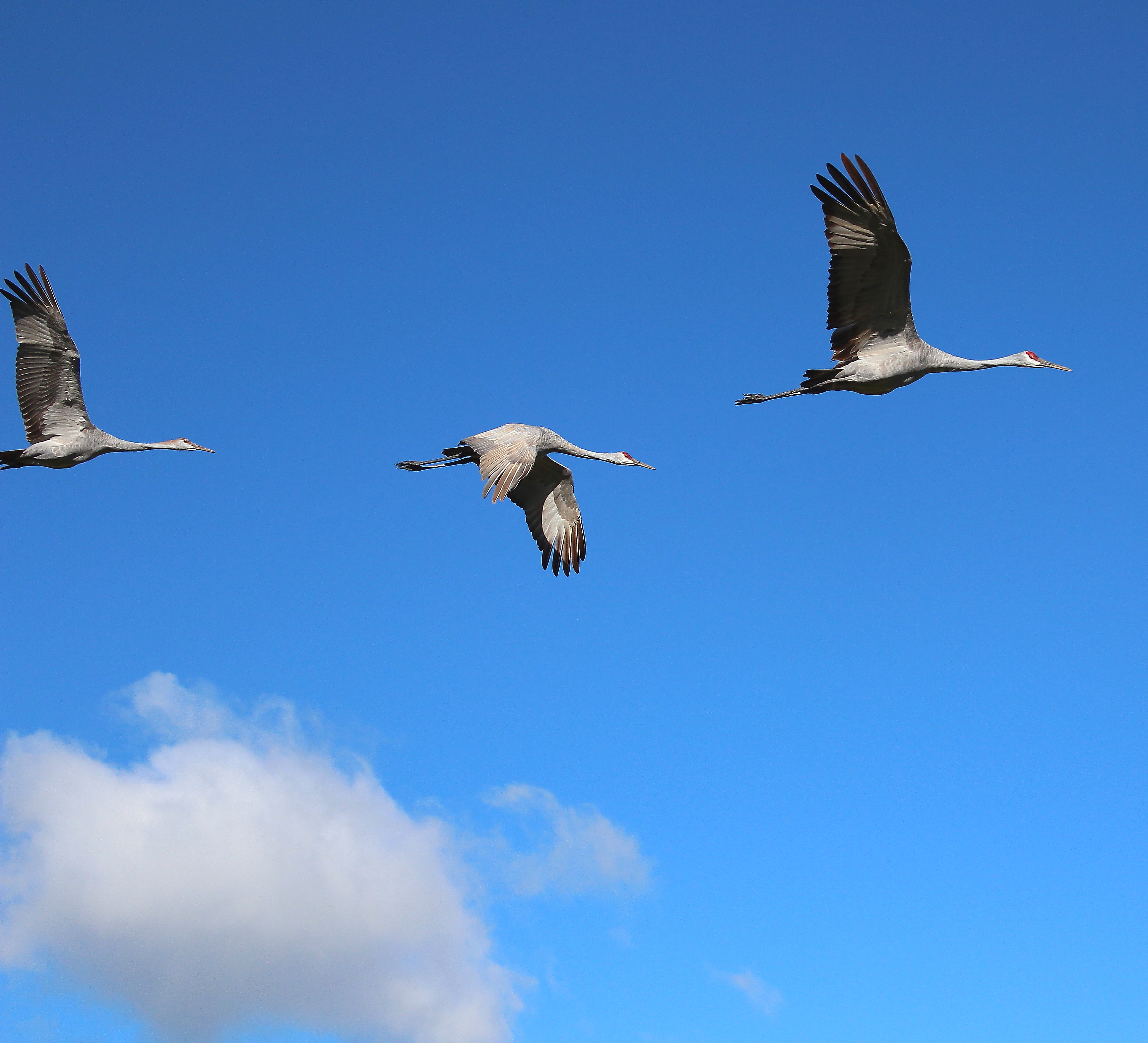
During the week of August 31 – September 6, The Bardo Group will post essays, photos and poems on Wilderness to coincide with the 50th anniversary of the Wilderness Act being signed into law in the U. S.   You are encouraged to add your voice to ours on this site via Mister Linky or by sharing a link to your work in the comments section of any post that week.  Although this is an U.S. event, we recognize that there are places all over the world that are still wild and that are protected by naturalists, scientists, governments and concerned citizens. Hence, we invite participation from everywhere. We think it would be a good thing for us to share information and insights about the world’s many wild places though poems, essays, photographs, music and videos. Please mark your calendars and plan to join us.  

“…in Wildness is the preservation of the World. Every tree sends its fibers forth in search of the Wild. The cities import it at any price. Men plow and sail for it. From the forest and wilderness come the tonics and barks which brace mankind…I believe in the forest, and in the meadow, and in the night in which the corn grows. We require an infusion of hemlock, spruce or arbor vitae in our tea…” Henry David Thoreau, “Walking” 1862


wilderness signBen Jonson exclaims: ‘How near to good is what is fair!’ So I would say, How near to good is what is wild! Life consists with wildness. The most alive is the wildest. Not yet subdued to man, its presence refreshes him. One who pressed forward incessantly and never rested from his labors, who grew fast and made infinite demands on life, would always find himself in a new country or wilderness, and surrounded by the raw material of life. He would be climbing over the prostrate stems of primitive forest-trees. Hope and the future for me are not in lawns and cultivated fields, not in towns and cities, but in the impervious and quaking swamps.” Henry David Thoreau, “Walking” 1862 wilderness campFind some solitude and some wild land and let your spirits explore! 

cranesWe’re looking forward to hearing from you!

© 2014 photographs by Priscilla Galasso, All rights reserved

Thank you to all who share their extraordinary and diverse works here, to those who read and comment, and to those who spread the word and reblog posts. Thanks to the Core Team for their consistency, commitment, and professionalism. You rock!

In the spirit of peace, love and community,

THE BARDO GROUP

The Bardo Group, Facebook Page

bardogroup@gmail.com

Posted in Essay, Spiritual Practice, Terri Stewart

Sacred Space in our Bodies

A few weeks ago, I started exploring finding sacred space in our bodies. I took a brief look at the need for sacred space because of the large influence of Western Christianity on our society and the world.

The upshot is that Western Christianity, whether we are Christian or not, has exerted a large influence on the social constructs of the world. This influence has taught that our bodies are to be reviled! Part of the process of reclaiming our bodies as sacred space has been to examine the historical underpinnings and how it is lived out in modern advertising and culture today. From the dualism of Plato to the rejection of sexuality by Augustine and the shaming of our bodies, we have and are experiencing a crisis of embodiment.

When we do not experience our own embodiment, we can divorce ourselves from hurting others. This is most tragically being lived out on the world stage in the crisis between Israel and Palestine. One most tragic headline is the kidnapping of three Israeli teens. These teens, kidnapped and killed, were mere tools on the world-stage. Because their lives, their bodies, did not matter. The work of Liberation Theologians and Philosophers is needed now more than ever to release us from thinking our own bodies and the bodies of others are less than worthwhile. It is tragic.

What is the solution? Unfortunately, the only way to experience our own bodies as sacred is to do interior work that can be difficult. Sociologist Brené Brown describes this problem as one of shame. We live in shame of ourselves and it then extends to others and leads to lives of scarcity rather than abundance. The interior work that we have to do to overcome shame is in three parts: (1) mindfulness, (2) joy, and (3) gratitude. It’s that easy. (Just joking!)

I would call it “being present.” You must remain present to the now in order to experience mindfulness, joy, and full gratitude. When we pop out of being present and drop into either looking too far into the past or too far into the future, we will lose it. Can you remember that moment of pure joy, maybe looking at something beautiful – a sunset, a child, a loved one, a flower – and then you start thinking of the “what ifs?” By losing being present, joy is lost, gratitude is lost, mindfulness is lost. We become lost and then the other becomes lost. By remaining present, our interior lives are expanded outwards to overflowing! Our bodies become sacred and other bodies become sacred. All of life, in every part of the cosmos, becomes sacred.

That is the Kingdom of Love made manifest! And remember, you are beautiful!

terrisignoffblog

Posted in Art, First Peoples, folk tale, General Interest, Nature, Spirit Animals, story, Story Telling, Photo Story

“Who Speaks for Wolf” … a Native American Learning Story …

Our thanks to Gretchen Del Rio (Gretchen Del Rio’s Art Blog) and Mary Burns (Seeker of Truth and Beauty) for this lovely video.

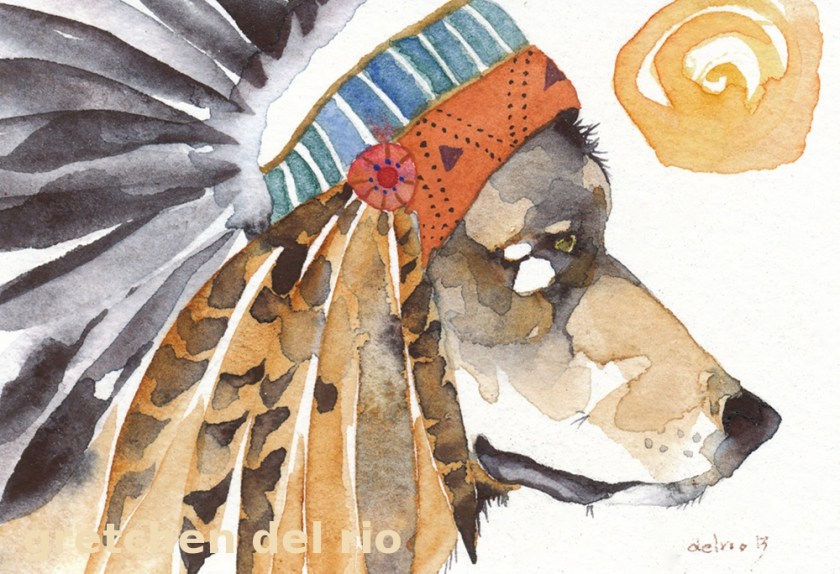
Gretchen is much appreciated by us for her beautiful spirit as expressed through her spirit animal paintings. Below is one of her watercolors, War Bonnet, which notes that “Wolf is on the warpath. Many of his kind have been destroyed.”

If you haven’t already “met” Gretchen and Mary, we recommend a visit to their blogs.

Original watercolor by Gretchen Del Rio (c) all rights reserved; posted here with permission

21A6GA4TWSL._AA160_T

The book, Who Speaks for Wolf was
written by Paula Underwood and
illustrated by Frank Howell.

Posted in General Interest, Naomi Baltuck, Nature, Photography/Photographer

The Mistery of Life

One of the most breathtaking places I’ve ever been is Switzerland, and not just because of the high altitude.

How can someplace be so wild and rugged…

…and yet so tidy and tame and settled?

You can take an escalator to the top of the mountain…

…and just when you think you’re alone in the most remote place in the world…

…you stumble upon a chalet where you can buy a cup of Ovaltine.

Or you hear cowbells and realize you are not alone after all.

When you’re looking straight up at the sky, where no mountain ought to be–surprise!–you realize its just playing peek-a-boo from behind the clouds.

We went for a hike, but the landscape seemed so domestic that we felt we should really call it  a stroll.

We stopped to make a friend or two along the way.

And belted out the words to The Sound of Music because…why not?

Unlike the deliberate and well-defined cable car ride up to our little village, there was no clear threshold, no magic doorway from domestic to wild.  The landscape changed so gradually we hardly noticed.

No cowbells here.

And then a shroud of mist descended so swiftly.

The path was obscured and maps were useless.

We couldn’t see the landmarks described in the guidebook.

It would soon be dark.  We had no choice but to put one foot ahead of the other…

…keep walking…

…enjoy the mystery and adventure…

…And trust that sooner or later we would get where we were going.

That’s life.

All images and words copyright 2014 Naomi Baltuck.


NaomiPHOTO1-300ppi51kAqFGEesL._SY300_NAOMI BALTUCK ~ is a Contributing Editor and Resident Storyteller here410xuqmD74L._SY300_ at Bardo. She is a world-traveler and an award-winning writer, photographer, and story-teller whose works of fiction and nonfiction are available through Amazon HERE. Naomi presents her wonderful photo-stories – always interesting and rich with meaning and humor – at Writing Between the Lines, Life from the Writer’s POV. She also conducts workshops such as Peace Porridge (multicultural stories to promote cooperation, goodwill, and peaceful coexistence), Whispers in the Graveyard (a spellbinding array of haunting and mysterious stories), Tandem Tales, Traveling Light Around the World, and others. For more on her programs visit Naomi Baltuck.com

Posted in Charles W Martin, Peace & Justice, Photography/Photographer, Poems/Poetry, Poets Against War Week

your eye for an eye…

your eye for an eye

there are no brave souls
only those who seek vengeance
so death’s army grows

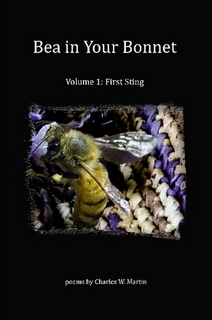
678ad505453d5a3ff2fcb744f13dedc7-1CHARLES W. MARTIN (Reading Between the Minds) — earned his Ph.D. in Speech and Language Pathology with an emphasis in statistics. Throughout Charlie’s career, he maintained a devotion to the arts (literature/poetry, the theater, music and photography). Since his retirement in 2010, he has turned his full attention to poetry and photography. He publishes a poem and a photographic art piece each day at Read Between the Minds, Poetry, Photograph and Random Thoughts of Life. He is noted as a poet of social conscience. Charlie has been blogging since January 31, 2010. He has self-published a book of poetry entitled The Hawk Chronicles and will soon publish another book called A Bea in Your Bonnet: First Sting, featuring the renown Aunt Bea. In The Hawk Chronicles, Charlie provides a personification of his resident hawk with poems and photos taken over a two-year period. Charlie’s lastest book, When Spirits Touch, Dual Poetry, a collaboration with River Urke, is available through Amazon now.

product_thumbnail.phpCharlie’s long awaited Aunt Bea Collection is out. He says, “Bea In Your Bonnet: First Sting is a collection of germinal poems featuring Aunt Bea. Aunt Bea’s voice is one I’ve heard almost every day of my life. Family observations, lessons, and advice given to me and every other family member who had the good sense to listen. Her homespun philosophy most likely will not be found in any collegiate textbooks or for that matter in any local town crier newspaper catering to city dwellers. Indeed, she has a different way of viewing the world; a bit old fashion, sassy, and steely at times but a viewpoint which has engaged my imagination and heart. I sincerely hope you too will find some morsel of wisdom in her personal observations and interpretations of life’s events, but do watch out for her stingers.”

Posted in Victoria C. Slotto, Writers' Fourth Wednesday, Writing

Writers’ Fourth Wednesday–Allegory


Image: Wikipedia
Image: Wikipedia

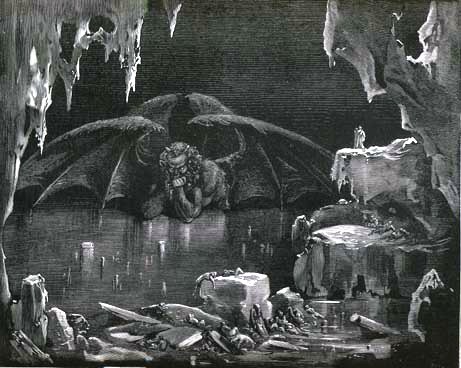
The great Italian poet, Dante Alighieri (1265-1321) is best known for his Divine Comedy, an extensive poem in which the reader, guided by Virgil and Beatrice, journeys on a pilgrimage to hell, purgatory and heaven. This vast work, in poetic form that is divided into Cantos, is one of a number of literary gems that we categorize as an allegory.

Put simply, an allegory is an extended metaphor. As we all know, metaphor is a commonly used device in our poetic toolbox—an image that stands in for, or symbolizes something else. In choosing to write an allegorical poem, Dante recognized that everything in his poem needed to be metaphorical.

His skill may be seen in the subtlety of his use of these representations. In the Middle Ages, playwrights, painters and other artists turned to allegory. Biblical scholars recognized passages of both the Hebrew Bible and the New Testament as allegorical. Characters named Lust or Greed inhabited the stage of morality plays.

Dante was not so obvious about it. He introduced us to lust, for example, in the characters of Paolo and Francesca, who share the story of their fall into adultery with the pilgrim. In addition, Dante created punishments for each circle of hell that fit the sin leading the lost soul to damnation. For example, in his hell, those who sinned by lust spent eternity whirling around in a dark wind.

Artists in all genres have turned to allegory. Consider such contemporary works as “Star Trek,” “Avatar,” or the “The Lord of the Rings.”

To give an example of an allegorical poem, I am choosing one of my own in order to escape accidental copyright infringement. You may remember it from a previous post on my blog:

glory garden

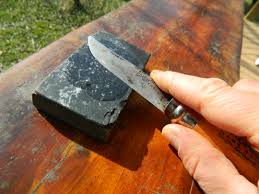
Alternate Uses for a Steak Knife

I know better
than to dig blindly
in the tool box.

The knife—
sharp as it was
the day he died

ten years ago.
A bit of rust next
to the handle

crusted with dirt.
I can see him
digging

beside the Sago
Palm, uprooting
stubborn weeds,

opening boxes,
slicing through
years of crap

to get at truth.
Then he would
sharpen the blade.

Listen carefully,
hear the song
of steel meeting flint.

That last time,
could he guess that
I would bleed?

In writing this, I could have chosen the title “Grief,” or “Mourning my Father.” Instead, I elected to trust the reader to figure out for himself the meaning hidden within the symbolism that I offered.

For today’s prompt, let’s visit allegory. Here are a few ways you might approach it:

• Write your own allegorical poem or short prose. Remember: extended metaphor. But I suggest you keep it briefer than Dante’s!
• Write about an already-written allegory. You might check out Dante or do a Google search on allegory.
• In our age, many have different understandings of what the hell or heaven means. Or purgatory, for that matter. Maybe you’ll enjoy writing your own allegory about this topic.
• Find a piece of allegorical art—they’re out there—and write an ekphrasis about it.
• Try a short piece of poetic, allegorical narrative.
• Check out the Bible or another sacred text for allegory and use that as a starting point.

If you’re able to join us: Write your poem or prose; Post it on your blog or website; Click on Mr. Linky at the bottom of this post and enter your name and the direct URL of your post; Visit other poets’ work if you like and offer a comment while you’re at it.  Have fun.


Photo: Wikipedia
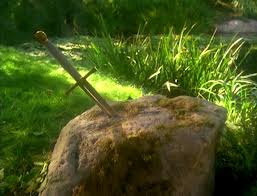
Photo: Wikipedia, Excalibur

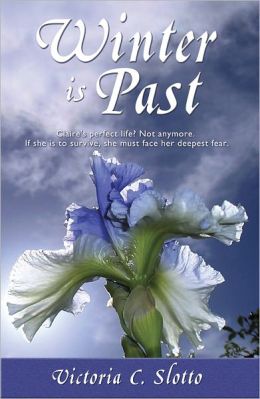
2940013445222_p0_v1_s260x42034ff816cd604d91d26b52d7daf7e8417VICTORIA C. SLOTTO (Victoria C. Slotto, Author: Fiction, Poetry and Writing Prompts) ~ is an accomplished writer and poet. Winter is Past, published by Lucky Bat Books in 2012, is Victoria’s first novel. A second novel is in process. On Amazon and hot-off-the-press nonfiction is Beating the Odds: Support for Persons with Early Stage Dementia. Victoria’s ebooks (poetry and nonfiction) are free to Amazon Prime Members. Link HERE for Victoria’s Amazon page. Victoria’s poetry collection is  Jacaranda Rain, Collected Poems, 2012, Beautifully done.

Writers’ Fourth Wednesday prompt is hosted by Victoria from January through October. Victoria’s next Fourth Wednesday writers’ prompt will post at 12:01 a.m. PST on August 27. Please join us. Mister Linky will remain open for seventy-two hours so that you can link your response to this blog. If you find Mister Linky too cumbersome to use, please feel free to leave your link in the comments section on Wednesday. Victoria and Jamie will read and comment and we hope you will read each other’s work as well, comment and encourage. 


Posted in General Interest

Join us for Writers’ Fourth Wednesday …

Get ready, get set, gooooooo …. for Writers’ Fourth Wednesday …

Posted in General Interest, Peace & Justice, Video

WRITING PEACE: An exhibition for thinking and sharing peace across time and space. A project of UNESCO…

Given the events of the past few weeks, it seemed a good idea to share this thought from UNESCO’s 2012 event. For more, HERE is UNESCO’s PDF on Writing Peace.

Of equal interest (thought provoking) is VISUALIZING UNIVERSALISM: The Unesco Human Rights Exhibition, 1949-1953 HERE. Also in PDF form, it includes 110 photographs from UNESCO’s archives.

UNESCO

UNITED NATIONS EDUCATIONAL, SCIENTIFIC AND CULTURAL ORGANIZATION

“Its purpose is to contribute to peace and security by promoting international collaboration through education, science, and culture in order to further universal respect for justice, the rule of law, and human rights along with fundamental freedom proclaimed in the UN Charter. It is the heir of the League of Nations’ International Commission on Intellectual Cooperation.
UNESCO has 195 member states and nine associate members.” Wikipedia

UNESCO’s priorities for the 21st Century:

“Since wars begin in the minds of men, it is in the minds of men that the defenses of peace must be constructed.” UNESCO philosophy

Of related interest:

Please mark your calendars to join with The Bardo Group and 100,000 Poets (Artists and Muscians) for Change for our virtual event here on September 27, 28, 29, and 30.

Posted in Corina L. Ravenscraft, General Interest, Humor

The longest word in the dictionary…

It’s not “Floccinaucinihilipilification” (which is “the act or habit of estimating or describing something as worthless, or making something to be worthless by said means.” – Oxford English Dictionary).

Mary Poppins/Julie Andrews image borrowed from http://sergioleoneifr.blogspot.com

It’s also not “Supercalifraegilisticexpialidocious“, believe it or not (sorry, Mary Poppins).

Nope, the longest word in the dictionary is SMILES (because there’s a mile between the S’s)… 😀 Hahaha…ha?

Image Jim Carrey laughing from Tumblr.com

Last month, June 15th was listed as “Smile Power Day“. But I say, why can’t it be every day? A smile is one of those things that can change all kinds of things for the better! It can:

  • Add years to your life

  • Make you a happier person

  • Make someone else a happier person

  • It’s a mood change for the giver and the receiver

  • Improves relationships

  • In business, it sends a great customer service message

There is great power in a smile. It’s contagious, too. And it’s an evolutionary trait! Did you know that your smile can be a predictor of how long you will live? Or that every, single person is born smiling? I bet there are other things you didn’t know about smiling.

In this TED Talk video, Ron Gutman talks about “The Hidden Power of Smiling”. Laughter may be the best medicine, but it all starts with a smile. 😉

http://youtu.be/U9cGdRNMdQQ

So go out and smile today! Make a conscious effort to do it more today (and every day!). Spread the wealth and do something good for your health and those around you. I’ll venture to say you won’t regret it. 🙂

effecd1bf289d498b5944e37d8f4ee6fAbout dragonkatet Regarding the blog name, Dragon’s Dreams ~ The name comes from my love-affairs with both Dragons and Dreams (capital Ds). It’s another extension of who I am, a facet for expression; a place and way to reach other like-minded, creative individuals. I post a lot of poetry and images that fascinate or move me, because that’s my favorite way to view the world. I post about things important to me and the world in which we live, try to champion extra important political, societal and environmental issues, etc. Sometimes I wax philosophical, because it’s also a place where I always seem to learn about myself, too, by interacting with some of the brightest minds, souls and hearts out there. It’s all about ‘connection(s)’ and I don’t mean “net-working” with people for personal gain, but rather, the expansion of the 4 L’s: Light, Love, Laughter, Learning.

Posted in Essay, Poems/Poetry, Spiritual Practice, Terri Stewart

Sacred Space in All That Is

I am not quite done with the reading I wanted to do to create the final posting in the series of Sacred Space in the body, so I am going to share this recent post I wrote over at BeguineAgain.com.

…I was, I AM, I will always be…

Really, that’s the definition of the Holy Name that G*d passes on to Moses. This infinitive form of the verb “to be,” makes me think of even more! Reaching my fingers back through time and forward to the future.

Couple that with the declaration in the book of Genesis,

Let us make humans in our own image! Male AND female G*d created them

Lawrence T. Richardson expanded a bit on this. Instead of our traditional understanding that would be more of male OR female, G*d created them, it is male AND female. He is a transgender, queer-identified pastor, someone who has been created both male and female and claims both. Pastor Richardson talks of transgender people being the epitome of G*d since they are both male AND female rather than either/or. Now, I don’t really agree that there is a hierarchy of being most made in the image of G*d, but I do agree that the great I AM is embodied in all people.

One of the things I love about physics is the discussion of matter in regular plain-old Newtonian physics. Matter is neither created nor destroyed. Therefore, the dust that we experience has always been, is, and will always be. The things we breathe and touch that make us sneeze fits, have always been, are, and will always be. We are all connected through earthly and cosmic stardust (to dip into Carl Sagan’s language a bit). We, through our connection to the divine and through our connection to physical matter have always been, are, and will always be.

How can I not feel holiness, sacredness, the divine if we are not all connected?

stardust shimmers

ten thousand light years ago

birthing new life

It is at moments when I reflect on all that was, is, and shall be, that I feel fully connected and grounded in the Sacred Space in All That Is.

from the Hubble Telescope Infrared Horsehead Nebulae
from the Hubble Telescope
Infrared Horsehead Nebulae

Shalom and Amen,

Terri

Originally published at http://www.BeguineAgain.com

Photograph from the Hubble Telescope, Creative Commons License

terri

REV. TERRI STEWART is Into the Bardo’s  Sunday chaplain, senior content editor, and site co-administrator. She comes from an eclectic background and considers herself to be grounded in contemplation and justice. She is the Director and Founder of the Youth Chaplaincy Coalition that serves youth affected by the justice system. As a graduate of Seattle University’s School of Theology and Ministry, she earned her Master’s of Divinity and a Post-Master’s Certificate in Spiritual Direction. She is a contributing author to the Abingdon Worship Annual. (The 2014 issue just released!)

Her online presence is “Cloaked Monk.” This speaks to her grounding in contemplative arts and the need to live it out in the world. The cloak is the disguise of normalcy as she advocates for justice and peace. You can find her at www.cloakedmonk.com, www.twitter.com/cloakedmonk, and www.facebook.com/cloakedmonk.  To reach her for conversation, send a note to terri@cloakedmonk.com

Posted in Fiction, Jamie Dedes

Time of Orphaning

file0001349463653It’s tough when you are orphaned at seventy. I say that without rancor or irony. I’d known Mrs. O’Donall and her daughter for fifteen years, which at the time of this story was the entire length of my life.

The ladies – as everyone called them – were fixtures in our parish. Each morning they arrived at St. Anselm’s at precisely six-fifty for daily Mass. Their consistency was such that my mom said she could tell time by them. They generally made their way into church arm-in-arm and always sat in the first pew.

While the younger lady was fragile, tentative and wide-eyed, the older one was stern, sturdy and quick-minded. With her daughter in tow, she worked on the Annual Church Carnival Planning Committee and in the Women’s Auxiliary as well, relied upon to help the nuns clean the sacristy, press altar cloths and arrange flowers. Over time they left cleaning the sacristy to younger women.

Those two were always proper and powdered, wearing red lipstick and hats and gloves as if it was still the forties or fifties. Everyone called Miss O’Donall “Baby,” though she was seventy. In fact I never knew her real name until I read it in the in the church bulletin: “Patricia O’Donall of County Cork, Ireland and the widow of John is survived by their only daughter, Margaret O’Donall . . . ” Margaret, I thought. Well that doesn’t seem to suit her. Maggie maybe. I could see her being called Maggie.

****

Mrs. O’Donall was ninety-one when the call came and “a nice ripe old age it ‘tis,” said my mother. She was preparing stuffed cabbage for after the funeral. The gathering would be in the church hall and the funeral at St. Charles Cemetery, which is where everyone in our parish gets buried. It has green lawns, tree-lined walks and stone fences. Odd that the dead are buried in a more beautiful place than the ones in which they had lived.

The O’Donall place was owned by the church. It was a four story walk-up on 97th Street next to an empty lot and so old it had dumb-waiters with ropes on pulleys and rusty hot-water radiators that hissed and rattled. The halls and stairwells smelled of rancid oils and the walls were marked with I’d guess was about fifty-or-so years of grime and fingerprints. The old ladies lived on Mrs. O’Donall’s husband’s pension combined with Baby’s savings left from her working days.

I was at their place often, whenever they needed me to run errands or to help lug groceries up the stairs. Their apartment had one bedroom. Mrs. O’Donall slept in the bedroom and Baby slept in the livingroom on a daybed. They kept their place as scrubbed and as sparkling as they could get an old place like that, with paint peeling and the linoleum worn and yellowing and starting to curl. You could smell the mothballs they used in their closet.

Their furniture “had seen better days,” as my Gram would say. They had small replicas of the Irish tricolor and the American flag on the buffet, odd splashes of color in the midst of pragmatic tan and brown. The end tables and the backs and arms of the chairs and sofa were protected with crocheted doilies in the old way, crochet hooks and cotton being as constant in the old ladies hands as their prayer beads and almost as revered. You could count on them to ply their craft like you could count on having to study for the SATs and on your parents giving you a curfew. Whatever the ladies gifted you from crib to coffin would be crocheted. “And so you should be honored,” my mother had said, “that the ladies made something with their own hands for your birthday.” That was the last year before Mrs. O’Donall died. They gave me two white crocheted collars for my cardigans, but no one wears that kind of collar anymore.

****

Uncle Tom and Uncle Andy, my mother’s brothers, took Baby in charge throughout the days of the wake and during the funeral, taking turns to help her up-and-down the stairs at home and holding onto her so that she didn’t trip into the grave at the funeral. She wasn’t normally doddering, but it did seem she was in shock. Mom made sure Baby ate some dinner at night and helped her into bed and my aunt on my father’s side, Claire Marie, got Baby up each morning and made her Red Rose tea and steel-cut oatmeal with raisins, brown sugar and milk. She drank the tea but barely touched the oatmeal.

We all worried about how Baby would fare when the flurry of activity subsided and she was left alone with silence and the reality of her mother’s death. She was the subject of the Women’s Auxiliary as they wondered if they should create a rotation of its members to check on her each day and make sure she didn’t feel abandoned. They wondered if they should also call the county social services. “I don’t want to be mean,” said Mrs. St. John, “but we all have husbands and children to care for. Where’s the time?”

“Where’s the time indeed,” said my mother with five kids and a husband “who is really just another child after all and more helpless than the rest.” So in the end county social services was called and a Miss Antonio came to talk with my mom and Mrs. St. John. My mother opened the door to her knock and found the lady dressed in a snappy red pants suit and carrying a brown leather briefcase. “Not Irish, but she’s a nice young lady and got herself an education too.”

In the end Miss Antonio’s considered opinion was that Baby was too frail to live on her own and too emotionally unstable for her judgement to be trusted. Amid Baby’s tears and confusion, Miss Antonio and some others from county social services packed a bag with the “basics” and moved Baby to an old people’s home. Her furniture and other things were sold or otherwise disposed of.  Mom said that money from the sale went into some sort of trust account for Baby’s care along with her remaining savings.

After a couple of days, some of the women in the Auxiliary and one of the nuns visited Baby. They said she was grieving but that the home was nice and she’d be happy and safe there.  I wanted to see it for myself. I wanted to see if Baby was really okay in that place. About two weeks after the move, Mom finally said I could go visit.

****

The following Sunday after ten-o’clock Mass, I made the twelve-block hike in the summer heat, arriving sweaty and dry-mouthed. I was surprised to find that the home didn’t look like a home at all. It was more like a government building, a school or something. Institutional. I went to the front desk and asked to see Miss Margaret O’Donall. The receptionist – who didn’t look much older than I – politely pointed to the stairs and said, “Next floor. First room on your right.”

Baby’s room was nothing like her old apartment and wasn’t very homey. There was a small night-stand with a lamp by a single bed, its metal frame painted black. There was an oak dresser with a mirror attached and a padded arm chair. The floor was bare and the window barred. The bed was neatly made with a worn white chenille bedspread.

The room’s saving grace was a big maple outside the window. Someone had placed the chair so that Baby could sit and look at the tree and the birds and squirrels. You could see patches of blue between the buildings, though their high rising blocked any view of the horizon.

Whenever I visited Baby during the months that followed I’d find her sitting by that window. Staring. Silent. Almost breathless. After awhile she’d realize I was there. “Oh, our bonnie Bonnie,” she’d say, “Mother will be so glad to see you.” When the winter came, she asked me to buy her crochet cotton and hooks and she started crocheting again and all winter long Baby made bed jackets. “You know Mother,” she said, “she always feels the chill.”

That spring Baby joined Mrs. O’Donall. I went to the home one day to find her bed stripped and her things packed in two paper shopping bags. I brought everything home to my mom and she let me keep the bed jackets. It’s been two years and I’m still not sure what I should do with them, but I don’t want to let them go. I don’t want to erase my memory of Baby. I don’t want to forget how hard it is when the time of orphaning comes, even if it doesn’t come until I am old.

© 2014,  Jamie Dedes, All rights reserved; This short story is a fiction and any resemblence to anyone living or dead is coincidence. Photo credit ~ courtesy of morgueFile

Photo on 2014-03-31 at 17.16 #3unnamed-18JAMIE DEDES (The Poet by Day)~I am a medically retired (disabled) elder and the mother of married son who is very dear. I started blogging shortly after I retired as a way to maintain my sanity and to stay connected to the arts and the artful despite being mostly homebound. My Facebook pages are: Jamie Dedes (Arts and Humanities) and Simply Living, Living Simply.

With the help and support of talented bloggers and readers, I founded and host The Bardo Group because I feel that blogging offers a means to see one another in our simple humanity, as brothers and sisters and not as “other.”

“Good work, like good talk or any other form of worthwhile human relationship, depends upon being able to assume an extended shared world.” Stefan Collini (b. 1947), English Literary Critic and Professor of English Literature at Cambridge