Posted in Art, Corina L. Ravenscraft, General Interest

Pressed Flower Power and Sunny Spinach Pie

It is SUCH a blessing to have a mother who is an artist! My mother recently hosted a workshop where we made flower presses and feasted on home-made goodies. I had never given much thought to the process of dried and pressed flowers before, but I learned quite a bit! Did you know that back in Victorian times, pressed flowers were considered one of the “acceptable” past-times for women? They would trade them, make “Old Maid” cards with them, use them to decorate serving trays by putting them on the bottom of the tray and then placing a piece of glass over them to keep them in place and protect them! You can do the same kind of thing today, of course, or they can be used for bookmarks, hand-crafted greeting cards, even decoupage gift boxes. There are scads of good ways to use these free gifts of nature. 🙂

Bought Flower PressMy mom got the idea after buying some blotter paper on sale and seeing the different types of flower presses available out there in the world. She got a couple off of e-bay and decided that they were really simple to make, so she cut up some scrap wood she had in the garage, and bought some hardware and invited us all to come learn about the process.

Materials for Flower Press

She made it easy for us by providing all of the materials. Each press has two pieces of wood for a top and bottom, four long bolts with washers on each side and four wing-nuts, and then as many pieces of blotter paper and cardboard between as you can fit into the press.

Finished PressPress Close-Up

There were several of us who attended, and we each got busy sanding the edges off our own presses. We had to use wood rasps/files to get the big splinters and rough pieces off, and then we graduated to sand paper. Each top and bottom had holes (pre-drilled, thanks to Mom) in all four corners to line up for the bolts and wing-nuts.

Cutting PatternsAfter that, it was cutting out the cardboard patterns to go between the blotter papers (which had already been graciously cut and provided). You can use any paper (even regular copy paper) as your blotters but we suspect that the acid content may have something to do with preserving the original colors of the flowers.

Pressed HybiscusPressed Nellie Moser Clematis

The next step is to place your flowers between two blotters and stack them as you get more of them, so that eventually, your press is full of flowers! You then have to be patient and leave it alone for about 6 months, so that the flowers have a chance to fully dry and stay stationary. (This part will be the hardest part for me, as I am not known for my patience and I know I’ll want to keep checking on them). This is what my finished press looked like. I may paint it on the top and bottom, and I glued down the washers at the corners to keep them from sliding around when I added more flowers.

Pressed Jackmani Clematis

It’s important to get the flowers early in the day, after the dew is off of them, but before the sun has had a chance to wilt them. Moisture is bad, because it can cause your pressed flowers to mold. The thicker the flower, usually the longer it will take for it to dry, but don’t be afraid to try them all! You never know!

As for the “Sunny Spinach Pie”, I got the recipe from here and it looked so lovely that I decided to try and make it. I thought it would be the perfect dish to bring to our get-together. I ended up making two. The first one was what my boyfriend delicately called a “Pinterest Fail” (I’ll leave it to you to Google that phrase). It didn’t look very good but it tasted fine. The second one, however, came out a lot better. It was a success at the workshop, too. Everyone seemed to enjoy it.

Sunny Spinach PieWorkshops like this are a good chance to get together with other creative individuals, share the ‘creative energy’, good times, and learn something new at the same time. If you have a passion for a certain type of creative project, why not consider making it into a workshop and inviting others to participate? 🙂

~ © Corina L. Ravenscraft 2014 ~

effecd1bf289d498b5944e37d8f4ee6fAbout dragonkatet Regarding the blog name, Dragon’s Dreams ~ The name comes from my love-affairs with both Dragons and Dreams (capital Ds). It’s another extension of who I am, a facet for expression; a place and way to reach other like-minded, creative individuals. I post a lot of poetry and images that fascinate or move me, because that’s my favorite way to view the world. I post about things important to me and the world in which we live, try to champion extra important political, societal and environmental issues, etc. Sometimes I wax philosophical, because it’s also a place where I always seem to learn about myself, too, by interacting with some of the brightest minds, souls and hearts out there. It’s all about ‘connection(s)’ and I don’t mean “net-working” with people for personal gain, but rather, the expansion of the 4 L’s: Light, Love, Laughter, Learning.

Posted in Art, Disability, Photography/Photographer, Wendy Alger

About my friend, Wendy Alger, Fine Art Photographer

WENDY ALGER (b. 1972), Chicago, IL, U.S.A.

Fine Art Photography

“Photography. It’s like music … It’s like your favorite song, something you can listen to over and over and over again. You try to explain it to some and you can’t. That’s the feeling it gives me. It’s like traveling and you want to tell everyone how great it was … and I have that experience every time I pick up a camera.” Wendy Alger

My friend, Wendy Alger, is a talented photographer, now still active though legally blind. Wendy pursued the craft of photography as a hobby until another friend of hers suggested that she become a photographer. Wendy thought that sounded just right and a natural thing to do since both her parents were photography enthusiasts. Wendy’s dad supported her new goal and gave her one of his cameras and some lenses. And so the story begins …

At the time when this adventure started, Wendy owned an old ’68 Mustang. She’d drive around, listening to music. When something called out to her, she’d stop and take photographs. Thus Wendy began to learn what subjects appealed. “I photographed everything that felt right and compelled me to keep taking photographs.” Slowly, she discovered the artful photographer within and her own distinctive style. “I enrolled at the Academy of Art University in San Francisco and trained there, where I learned manual SLR. I also learned how to use a dark room.”

I am always surprised and delighted with the remarkable results Wendy manages despite the limitations of her sight due to retinitis pigmentosa. Quite a bit older than Wendy, I cut my own photo visionings using a Brownie and have not graduated much beyond that. My camera is digital, but it’s just a simple budget-wise P.H.D. (Push Here Dummy) camera.  Wendy, however, uses newer, better quality and more complex equipment than mine and tells me that these newer technologies facilitate the practice of her craft.  “I use a digital camera and I can check my pictures on the camera instead of in a dark room. Nowadays, my darkroom is a laptop, Photoshop and Photoshop Lightroom. This allows me to transform and print my images at home. I also use visual memory … I remember feeling to get through a photo session.”

Wendy’s long-term goal:

“To have my artwork displayed in the same building as Walker Evans in my lifetime – not after – during! My vision problems are not stopping me. I never even think about that. After I was diagnosed and as soon as I got the money I bought my digital camera.”

Here is a small gallery of Wendy’s recent work with a digital camera. The photo at the head of the post and the first one below are self-portraits. Wendy’s photographs are copyright protected. You can see more of her work HERE. She’s now in the process of updating her site.

– Jamie Dedes

© photographs, 2011 Wendy Rose Alger, All rights reserved

Photo on 2014-03-31 at 17.16 #3kif_0858-1JAMIE DEDES (The Poet by Day)~ I am a medically retired (disabled) elder and the mother of a married son. The graces of poetry, art, music, writing and reading continue to evolve as a sources of wonder and solace, as creative outlets, and as a part of my spiritual practice. My Facebook pages are: Jamie Dedes (Arts and Humanities) and Simply Living, Living Simply.

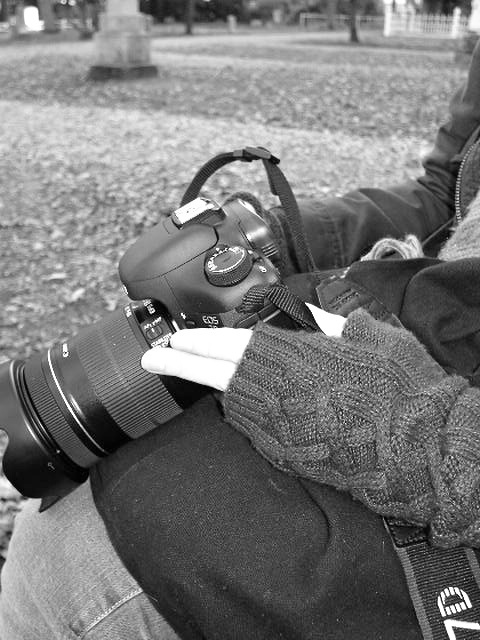
The photograph to your right, Portrait of a Photographer, which some will recognize as the photo I used for Wordless Wednesday, is a portrait of Wendy. I guess it might be more correct to say it’s a portrait of the camera not the photographer, though it was meant to capture the spirit in which Wendy works. I took the photograph some years ago when we spent an afternoon at Union Cemetery in Redwood City, Wendy pursuing art and me as chauffeur and tag-along doing the best I could. My own portrait here is a selfie captured using the photo feature on my MacBook. Happy interNational Photography Month.

Posted in Art, General Interest, Gretchen Del Rio

gaia

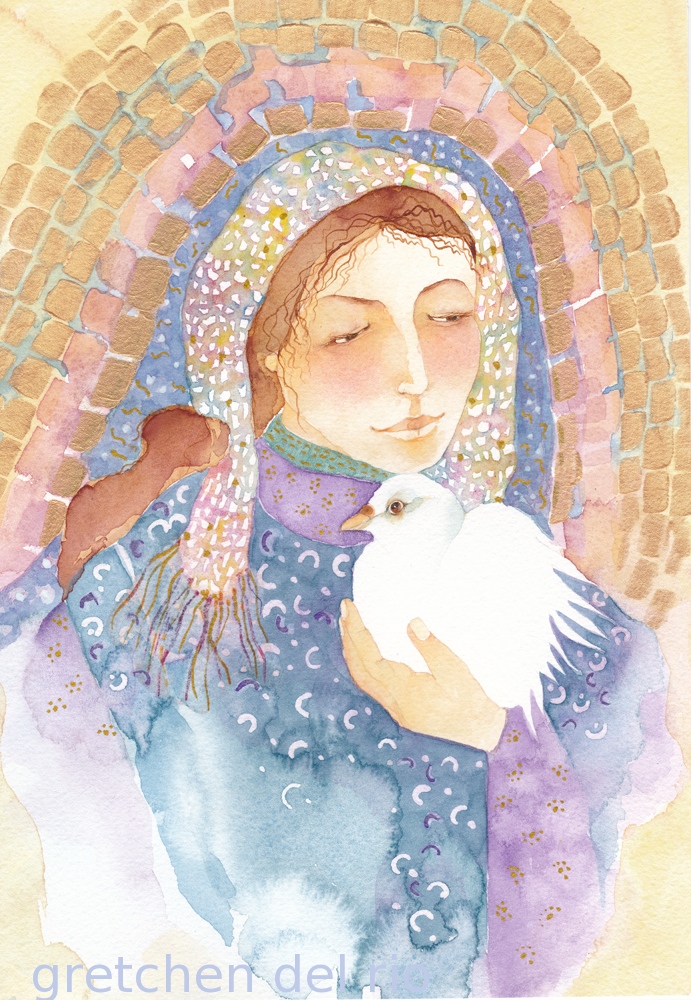
Gaia, the essential mother, by Gretchen Del Rio.

Gretchen Del Rio's avatarGretchen Del Rio's Art Blog

watercolor 7x10  4/2014 watercolor 7×10 4/2014

Nature – the gentlest Mother is,
impatient of no child
 
………………emily dickinson

View original post

Posted in Art, Corina L. Ravenscraft, Environment/Deep Ecology/Climate Change, poem, Poems/Poetry, poetry

~ Planet MoM ~

"Planet MoM" © Corina L. Ravenscraft 2014
“Planet MoM” © Corina L. Ravenscraft 2014

M is for the multitudes She nurtures.
O is for the only world we have.
T is terrestrial preservation – Hers.
H is for the home we have to save!
E is ecosystems, all connected.
R is for respect that She is due.

E is for environments, protected.
A is for awakened points of view.
R is for the rescue of our parent.
T is teaching all to love Her, too.
H is the Heaven or Hell they will inherit.

For all She gives us, it’s the least that we can do.


~ © Corina L. Ravenscraft 2014 ~

effecd1bf289d498b5944e37d8f4ee6fAbout dragonkatet Regarding the blog name, Dragon’s Dreams ~ The name comes from my love-affairs with both Dragons and Dreams (capital Ds). It’s another extension of who I am, a facet for expression; a place and way to reach other like-minded, creative individuals. I post a lot of poetry and images that fascinate or move me, because that’s my favorite way to view the world. I post about things important to me and the world in which we live, try to champion extra important political, societal and environmental issues, etc. Sometimes I wax philosophical, because it’s also a place where I always seem to learn about myself, too, by interacting with some of the brightest minds, souls and hearts out there. It’s all about ‘connection(s)’ and I don’t mean “net-working” with people for personal gain, but rather, the expansion of the 4 L’s: Light, Love, Laughter, Learning.

Posted in Art, Beauty, Essay, Paula Kuitenbrouwer, Spiritual Practice

Empty Space as an Aesthetic Significance

I’ve read an intriguing quote in Japanese Women Don’t Get Old or Fat by Naomi Moriyama;

‘The importance of ‘empty’ space in the presentation of Japanese cuisine can scarcely be exaggerated. Receptacles are never filled to the brim, but are left with a certain margin of emptiness- emptiness of an aesthetic significance comparable to that in a Zen ink painting‘.

(Chef Masaru Yammamoto).

Considering the importance of empty space is what I do when I draw or paint. Often an empty space is needed to guide the viewer to the place that needs his attention. Other times, empty space is filled with suspense. Because empty space can create guidance, tension and calm contemplation, it is full of possibility.

Isn’t possibility what emptiness is? The emptiness or absence of sound means a bird can fill it with its song. Emptiness as possibility works in compositions exactly the same. An empty place can be filled in or left open.

It is important to notice what exists in an empty space. If I paint a bird on the left side of my drawing looking at the right, what is the bird looking at? The empty space isn’t empty at all. It is full of possibilities. Is the bird looking at a mate? Or a prowling cat? Not filling up an empty space often works well; it adds more possibility, tension or imagination to a painting. Other times a large empty space is too dominating or too much a void, in that case, doing something with it is better. It is a place that offers calm contemplation, leave it open.

If you are a home educator, don’t teach you child that the whole page or canvas needs to be filled in. (The only reason why you should offer an art assignment in which nobody is allowed to leave the class room before his paper is completely covered, is when your students need to overcome shyness, self restrained, or inhibition).

If you are a creative therapist or an understanding friend, sit down with your client or friend, and analyse his doodle or drawing by asking what is going on in its empty space. Talk, investigate, and dream together. You will be surprised how many possibilities or interpretations will emerge.

If you are a parent and your young child is proudly showing you a painting, play with your child. Ask what is going on with the objects that are drawn, and what is happening within the empty space. Then built a story on what the child tells you. Your child will charm and entertain you with pure child fantasies. Empty spaces are full possibilities.

You thought empty space is boring or shows a lack of imagination? Or a bad composition? Certainly not always, often quite the opposite.

Returning to the book on Japanese food; I always dread the moment when I have to stop drawing in order to prepare a dinner. From now on, I will plan to continue my mindful meditation by bringing aesthetic principles into my kitchen.

– Paula Kuitenbrouwer

© 2013, essay and photographs and artwork (above and below), Paula Kuitenbrouwer, All rights reserved

birdcardsPAULA KUITENBROUWER ~ is a regular contributor to Into the Bardo and a Dutch nature artist living in The Netherlands and sharing her work with us on her blog, Mindful Drawing and on her website.   In addition to art, Paula’s main interest is philosophy. She studied at the University of Utrecht and Amsterdam. She has lived in Eastern Europe and in Asia. Paula says that in Korea, “my family lived next to a Buddhist temple. In the early morning we would hear the monks chanting. During my hours of sauntering with my daughter through the beautiful temple gardens, I felt a blissful happiness that I try to capture in my drawings.” Paula sometimes teaches children’s art classes. She lives with her husband and daughter and close to her father. You can view her portfolio of mindful drawings HERE.

Posted in Art, Niamh Clune, poem, Poems/Poetry, Writing

The Artist

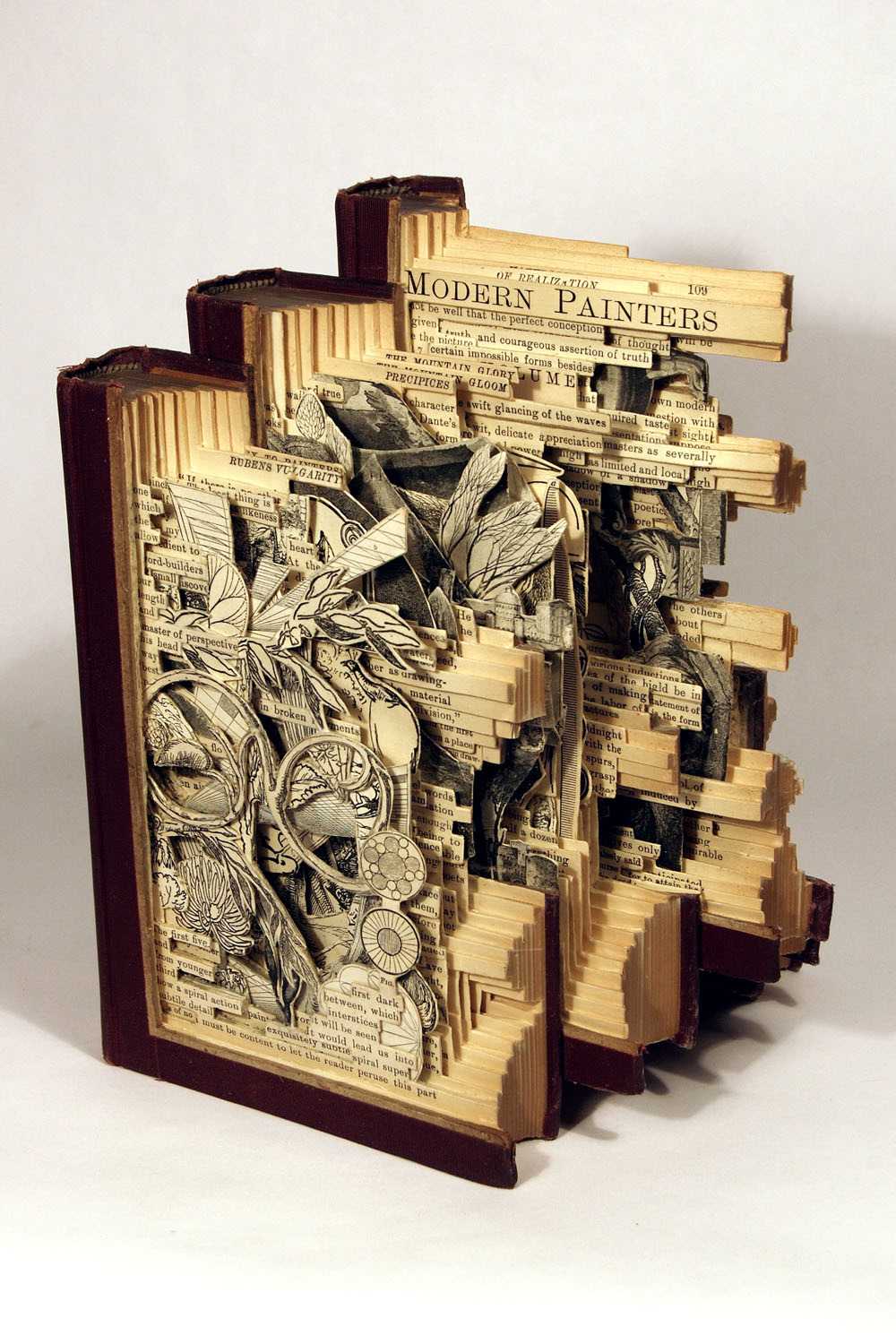
Book Art by Brian Dettmer

The Artist

You are the poem and the rhyme,
The reason for created time;
The song, the sung, the singer too;
The truth that is the deepest you.
So ask not why you paint the rose,
Or write of love’s heart-wrenching prose ~
And steal the light from Heaven’s hand,
To write a poem in the sand.


© Niamh Clune 2013

430564_3240554249063_1337353112_n-1orange-petals-cover_page_001DR. NIAMH CLUNE (Plum Tree Books Blog) ~ is the author of the Skyla McFee series: Orange Petals in a Storm, and Exaltation of a Rose. She is also the author of The Coming of the Feminine Christ: a ground-breaking spiritual psychology. Niamh received her Ph.D. from Surrey University on Acquiring Wisdom Through The Imagination and specialises in The Imaginal Mind and how the inborn, innate wisdom hidden in the soul informs our daily lives and stories. Niamh’s books are available in paperback (children’s books) and Kindle version (The Coming of the Feminine Christ). Dr. Clune is the CEO of Plum Tree Books and Art. Its online store is HERE.  Niamh’s Amazon page is HERE.

Posted in Art, Gretchen Del Rio

sacred buffalo

Here we have Gretchen del Rio’s delightful watercolor painting of Sacred Buffalo. Gretchen created it for a women’s collective – the International Council of Thirteen Indigenous Grandmothers – an organized movement to affirm the human connection to this beautiful Earth of ours and an alliance to protect our resources. You can read more about the painting and the group by following the link to Gretchen’s blog.  J.D.

Gretchen Del Rio's avatarGretchen Del Rio's Art Blog

‘When one sits in the hoop of the People, one must be responsible because all of creation is related and the hurt of one is the hurt of all and the honor of one is the honor of all.’

‘White Buffalo Calf Woman’


I was asked to create this painting for a collective of women coming together to support/embody the energy of white buffalo calf woman. I am very excited about what is happening here. ‘This is a calling of women of peace from all walks of life to join hands and come together as a collective to support a humble movement of the Original People of the world.’


THE MOMENT IS NOW

“When the council of original seed issued by the Mother called upon the four elements ~ air, water, earth and fire ~ to Unity ~ life came to be on planet Earth. Now today, the Mother is…

View original post 393 more words

Posted in Art, Essay, Imen Benyoub, memoir

very private thoughts

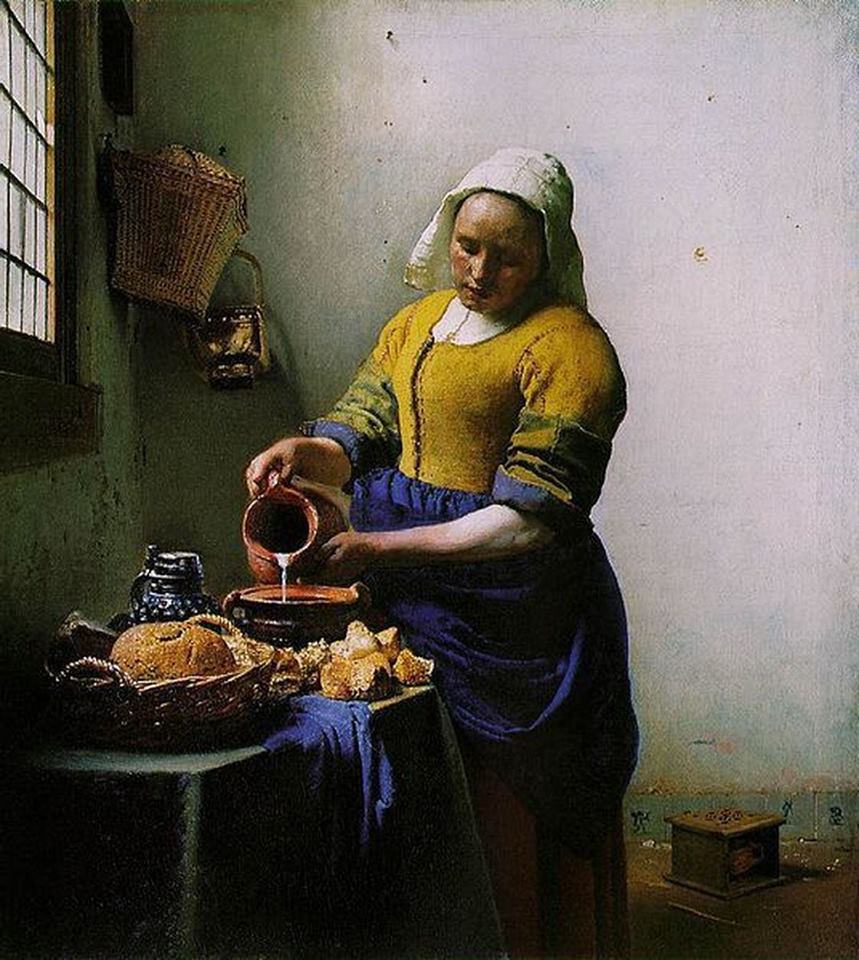
The Milkmaid, oil-on-canvas painting by Johannes Vermeer (1632-1675), Dutch

My first memory of art was in a dictionary, when I used to gaze dreamily at a portrait by Johannes Vermeer, The Milkmaid, a woman wearing a white cap, standing by a table covered with a blue cloth pouring milk…I was so fascinated by the painting, by the humble tranquil atmosphere and the basket of bread that resembled ours…and the dancing light on the maid’s face and arm. I knew nothing about this Vermeer but the few lines in the dictionary that never satisfied my curiosity: “a Dutch painter, born in Delft, his paintings, mostly about everyday life and domestic scenes were characterized by use of subtle light ”

Johannes Vermeer was my first inspiration, even his name had poetry or so I thought. After The Milkmaid I started a notebook and wrote about every painter I discovered. I made sure I kept it well hidden from my family.

My mother never understood why I spent most of my day holding that heavy dictionary just staring at paintings, I was a mercurial child and a picture could easily define and change my mood!! So my discoveries continued with Dutch art, some paintings by a mysterious looking guy called Rembrandt and another with an ironic look called Van Gogh.

My friends outside were so far from my world as a million star years. I remember their looks, half sarcastic half pitiful on a girl always lost in reverie, befriending ghostly figures in a dictionary and talking about places they never heard of.
I was always asking: how can this famous Van Gogh paint such a naïve painting like les douze tournesols? I can do it better!! What was le jeune homme au gilet rouge of Cézanne thinking?

Of course my childish mind always separated and catalogued them: the cheerful ones like the only painting by Rénoir that made me so fond of Paris le Moulin de la galette and those beautiful ballerinas in la classe de dance by Degas. The sad ones like femmes de Tahiti by Gauguin. Eespite the suggestive earthy colours of those exotic women I couldn’t miss the touch of melancholy on their faces. Géricault frightened me with his méduse so did the painting of Goya el tres de Mai that reminded me of my history classes about the Algerian revolution. Les mendiants made me cry and have nightmares (with all respect to Bruegel l’ancien). I hated the dismembered people and the cruelty of the act, but those who evoked me the most were those that made my fertile imagination drift even more.

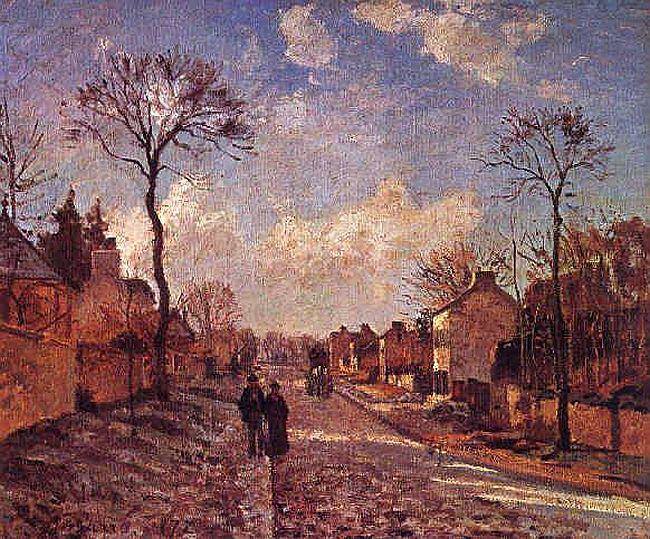
La route de Louveciennes,  oil on canvas by Camille Pissarro (1830-1903), French
La route de Louveciennes, oil on canvas by Camille Pissarro (1830-1903), French

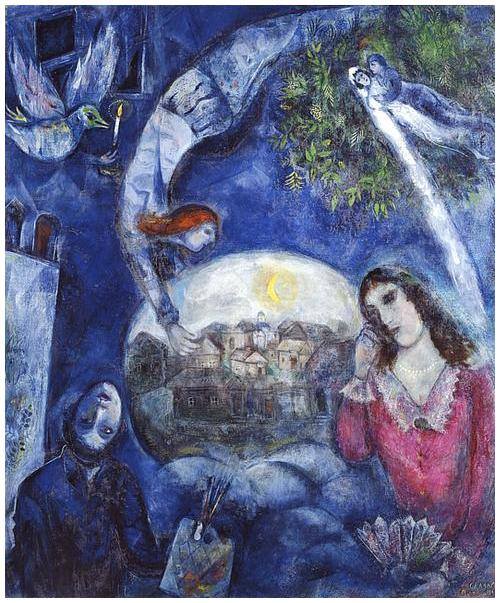
When I walk back home from school I close my eyes and imagine myself walking with the couple in la route de Louveciennes despite the difference between Pissaro’s perfect painting and my village disappointed me, it gave me extreme pleasure, only equaled by floating with Chagal.’s women in autour d’elle a name I found extremely romantic. Nothing matched that serene blue bathed in moonlight and those strange looking women I wanted so bad to look like.

I loved the fantasy in autour d’elle but another painting made me laugh and cemented the impression that this Picasso used squares and triangles only!! Because I always loved the light sprinkled on Rénoir’s canvas…Musiciens aux masques was as funny as humorous, because I never knew any instrument but the guitar, or who those three men were and never saw the dog under the table until recently.

I was drowning bit-by-bit in this world of colours, I knew Kandinsky, Caravaggio, Durer and Poussin and their names had a sensual sonority for my Arabic ear, not that I could pronounce them correctly because I could only manage the French ones. I continued to dream about the Louvre and cities I can visit when I become older. I continued to have my nocturnal conversations with Vermeer, Cézanne and Rénoir and make my own versions of la route de louveciennes and

Autour d'elle, oil on fabric by Marc Chagall (1887-1985), French artisit, Belarusian ethnic
Autour d’elle, oil on fabric by Marc Chagall (1887-1985), French artisit,

Vlaminck’s nature morte, this widened the gap between me and my friends who thought that I was weird and treated me suspiciously, my mother still couldn’t understand my attachment to this dictionary I wasn’t using to explain difficult words.

These memories came rushing back the moment I finished reading Tracy Chevalier’s novel Girl With a Pearl Earing, a gift from my beloved uncle who lives in Italy.I am still faithful to my Vermeer but through another equally mesmerizing painting la Joconde du Nord, and I know more about the art world now, my childish impressions and convictions are dramatically changed now. I can pronounce those names perfectly and I have wonderful friends who share my enthusiasm and passion.

But…despite internet and the thick art catalogues of le Figaro in my aunt’s library, despite the documentaries, TV shows and the long biographies I can read for hours, that dictionary still has the favour and a dear place in my heart, heavy, torn in places with its red cover and a single Arabic word written in black…

that was my first art class.

– Imen Benyoub

© 2013, essay and photograph(below), Imen Benyoub, All rights reserved
Illustrations courtesy of Imen Benyoub

pictureIMEN BENYOUB ~ is a milti-lingual, multi-talented essayist, poet, and artist living in Guelma, Algeria. She is a regular contributor to Into the Bardo.

Posted in Art, Humor, Music

A Cheeky Spin on Art History by “Hold Your Horses!,” a polyphonic rock band from Paris

A bit of Bardo on the light side. Warning: Artistic nudity.


Video posted to YouTube by 
logerproduction.  

This irreverent music video for 70 Million, the hit song by the Franco-American band, Hold Your Horses!, offers a wink at art history. The inventive seven-member group playfully recreated twenty-five iconic paintings – can you name them all? – from Da Vinci to Andy Warhol. Enjoy!

What follows is a video using the original paintings with the artist’s name on each. If you care to, you can check it out to see if you got all the paintings and artists right when you viewed the first video.

Video posted to YouTube by .
Posted in Art, Gretchen Del Rio, Jamie Dedes, mystic, Poems/Poetry

she leaps from the cleavage of time . . .

she’s present
returned to bite through the umbilical of tradition,
to flick her tongue
and cut loose the animus-god of our parents,
like a panther she roams the earth, she is eve wild in the night,
freeing minds from hard shells
and hearts from the confines of their cages,
she’s entwined in the woodlands of our psyches
and offers her silken locks to the sacred forests of our souls ~
naked but for her righteousness,
she stands in primal light,
in the untrammeled river of dreams
the yin to balance yang
the cup of peace to uncross the swords of war ~
through the eons she’s been waiting for her time
her quiet numinosity hiding in the phenomenal world,
in the cyclical renewal of mother earth,
whispering to us as the silver intuition of grandmother moon
watching us as the warm vigilance of father sun ~
she, omen of peace birthed out of the dark,
even as tradition tries to block her return,
her power leaps from the cleavage of time

)0(

– Jamie Dedes

Original water color by Gretchen Del Rio

©2013, poem, Jamie Dedes, All rights reserved 

Illustration ~ this lovely watercolor painting by Gretchen Del Rio with its girl-tree, panther and other spirit animals seemed the perfect illustration for my poem on the spiritual return of the feminine. The real back-story on the painting is just as interesting. Gretchen says, “I painted this for a 14 year old Navaho girl. It is for her protection and her power. She sees auras and is very disturbed by this. She is just amazing. Beauty beyond any words. You can see into the soul of the universe when you look at her eyes. She has no idea. I loved her the moment I saw her. My blessings for her well being are woven into the art.” Such a charming piece. I posted it full-size so that everyone can enjoy the detail. Bravo, Gretchen, and thank you. J.D.

Photo on 2012-09-19 at 20.00JAMIE DEDES ~ My worldly tags are poet and writer. For nearly six years I’ve blogged at The Poet by Day,the journey in poem, formerly titled Musing by Moonlight.  Through the gift of poetry (mine and that of others), I enter sacred space.

Attn.: Poets and Writers

Victoria C. Slotto’s Writers’ Fourth Wednesday is tonight.

7 p.m. P.S.T. here on Into the Bardo

See you then …

Posted in Art, Paula Kuitenbrouwer, Spiritual Practice

Mindfully Drinking Jasmine Tea

2013-05-09-at-11-02-47

To drink your Jasmine tea with awareness, you might like to….

220px-jasminum_sambac_grand_duke_of_tuscany

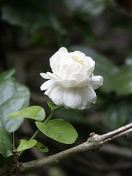
….admire the origin of your tea, the Jasmine shrub with its white flowers.

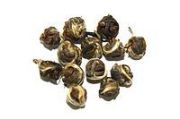
You can spend some thoughts on how the shrub lived and bloomed, and how the flowers smell. Your tea is scented with Jasmine flowers; do you see the whitish leaves? If you have bought Jasmine pearls, you could appreciate how they unfold.

200px-jasmine_pearls

Sniff the relaxing scent of Jasmine. Does this bring back memories? Happy memories? Do you like to let go something before you will enjoy your tea? Feel the warm tea mug and enjoy the drinking. Thoughts, scent, and taste…observe them all.

Do you get distracted or is your tea finished? Feel the tranquillizing effect of your mindful tea session by being grateful for this mindful moment.

mg_3971

2011-12-12-at-14-20-04

What are your thoughts on Jasmine tea and mindfully drinking scented tea? Is Jasmine growing in your garden? Have you painted its flowers? I invite you to add your link in the comment section.

– Paula Kuitenbrouwer

© 2013, essay and photographs and artwork (above and below), Paula Kuitenbrouwer, All rights reserved

birdcardsPAULA KUITENBROUWER ~ is a regular contributor to Into the Bardo and a Dutch nature artist living in The Netherlands and sharing her work with us on her blog, Mindful Drawing and on her website.   In addition to art, Paula’s main interest is philosophy. She studied at the University of Utrecht and Amsterdam. She has lived in Eastern Europe and in Asia. Paula says that in Korea, “my family lived next to a Buddhist temple. In the early morning we would hear the monks chanting. During my hours of sauntering with my daughter through the beautiful temple gardens, I felt a blissful happiness that I try to capture in my drawings.” Paula sometimes teaches children’s art classes. She lives with her husband and daughter and close to her father. You can view her portfolio of mindful drawings HERE.

Posted in Art, Meditation, Paula Kuitenbrouwer, Spiritual Practice

Mindfulness in the 1600s

the work of Paula Kuitenbrouwer, a reblog of one of Paula’s Sonnetagsfreude – or Sunday Happiness – posts, which are an initiative of Maria at Kreativeberg.  …Enjoy!

61onuaotpol-_sl500_

brother-lawrence

A Kid’s Herb Book by Lesley Tierra for my daughter, and for me The Practice of The Presence of God by Brother Lawrence.

Sunday Happiness* is about finding time to read. Our society slows down; we all get some time for reflection.

My daughter explores the mysterious world of herbs with this magical, herbal workbook. It is about making your own healing potions, secret remedies, and magical salves.

My book is about mindful meditation.
Brother Lawrence, a monk in the 1600s, promised himself he would live day and night, in good and bad times, in God. He spent many years practising the presence of God in his life. His key to this practice was that he strove to be consciously aware of God’s presence at all times, which seems a perfect synonymy of (Christian) mindfulness.
.
To me it means that with everything I do, I ask myself if I’m acting in the best consciousness and ethical conscientiousness. With means, I need to be aware and practice self-discipline, carefulness, and thoroughness. It is very easy to wander away from awareness and thoroughness, like with any meditation. If this happens, I bring myself back into the presence of God. It is a wonderful meditation, but not an easy one. Having said that, the more you do this, the longer the stretches of time of being in God, or being mindful, do occur.
.
I started to read this tiny book months ago, and I do return to it often, because Brother Lawrence’s promise still inspires. To purposefully enjoy God’s presence, or mindfulness, in your life, is like opening up to small miracles. Pouring tea becomes a meditation and so does watering the flowers on the balcony. It is still a bit hard to feel the presence of God while paying bills (and all others worldly and bureaucratic chores ), but to stay mindful, to stay open for the presence of God non stop is what it is about. And when I succeed, I feel a happy appreciation for the smallest things in life.

masterpiecejunebig_1920259a

Rembrandt’s master work of his son, Titus van Rijn, in a monk’s habit

Is this book only for Christians? Not at all. I recommend it to all people who are interested in the spiritual life. It is about mindfulness in the 1600s.

Thich Nhat Hanh says, in one of his many books that I’ve read, that if you need the address of God, he will give it to you; it is Here and Now. Brother Lawrence would probably have said: God’s address is being in the presence of God.

Namaste,
Paula

© 2013, essay and photographs/artwork (below), Paula Kuitenbrouwer, All rights reserved

birdcardsPAULA KUITENBROUWER ~ is a regular contributor to Into the Bardo and a Dutch nature artist living in The Netherlands and sharing her work with us on her blog, Mindful Drawing and on her website.   In addition to art, Paula’s main interest is philosophy. She studied at the University of Utrecht and Amsterdam. She has lived in Eastern Europe and in Asia. Paula says that in Korea, “my family lived next to a Buddhist temple. In the early morning we would hear the monks chanting. During my hours of sauntering with my daughter through the beautiful temple gardens, I felt a blissful happiness that I try to capture in my drawings.” Paula sometimes teaches children’s art classes. She lives with her husband and daughter and close to her father. You can view her portfolio of mindful drawings HERE.

Posted in Art, Photography/Photographer, Spiritual Practice

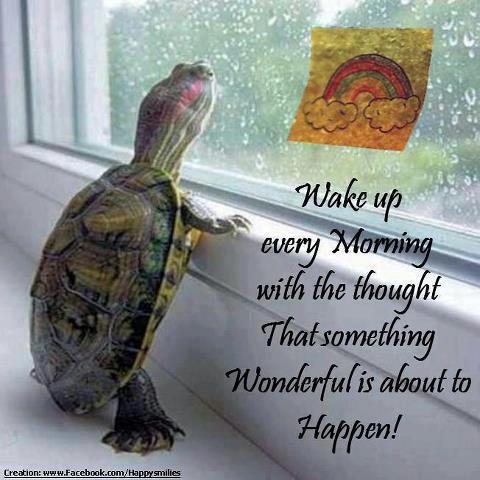
Wake up … and smile …

389780_465947996760474_1351227272_n
Our appreciation to Happy Smiles for this charming photo and inspirational thought.

Posted in Art, General Interest, Naomi Baltuck, Photo Essay, Photography/Photographer

Shadowplay

What is life?  The flash of a firefly in the night, the breath of a buffalo in the wintertime.  It is the little shadow which runs across the grass and loses itself in the sunset.  –Native American Blackfeet–


Every man has a different idea of beautiful…best to take the gesture, the shadow of the branch, and let the mind create the tree.–Wm. Faulkner

A man cannot jump over his own shadow–Yiddish proverb

Beware the dog–it’s shadow will not bite.  –Danish proverb–

Worry gives a small thing a big shadow.  –Swedish proverb–

If you stand straight, you need not fear a crooked shadow.–Chinese proverb–

Observe carefully, and you will find wisdom even in the shadows. –African proverb–

One can live within the shadow of an idea without grasping it.–Elizabeth Bowen–

The shadow is often more interesting than the object itself.–Ellen Thompson–

There are dark shadows on earth, but its lights are stronger in the contrast.–Charles Dickens–

Imagination is the real and eternal world, of which this vegetable universe is but a faint shadow.–Wm. Blake (1757-1827)

No hill is without gravestones, no valley without shadows. –South African proverb–

Like our shadows, our wishes lengthen as our sun declines.–Edward Young–

Count your nights by stars, not shadows; count your life with smiles, not tears.–Italian proverb–

All images c2013 Naomi Baltuck

https://i0.wp.com/i1176.photobucket.com/albums/x334/nbaltuck/IMG_5158-1.jpg


All words and images copyright 2012 Naomi Baltuck

NaomiPHOTO1-300ppi51kAqFGEesL._SY300_NAOMI BALTUCK ~ is a Contributing Editor and Resident Storyteller here410xuqmD74L._SY300_ at Bardo. She is a world-traveler and an award-winning writer, photographer, and story-teller whose works of fiction and nonfiction are available through Amazon HERE. Naomi presents her wonderful photo-stories – always interesting and rich with meaning and humor – at Writing Between the Lines, Life from the Writer’s POV. She also conducts workshops such as Peace Porridge (multicultural stories to promote cooperation, goodwill, and peaceful coexistence), Whispers in the Graveyard (a spellbinding array of haunting and mysterious stories), Tandem Tales, Traveling Light Around the World, and others. For more on her programs visit Naomi Baltuck.com

Posted in Art, Essay, Paula Kuitenbrouwer

Peaceful easel

the work of Paula Kuitenbrouwer

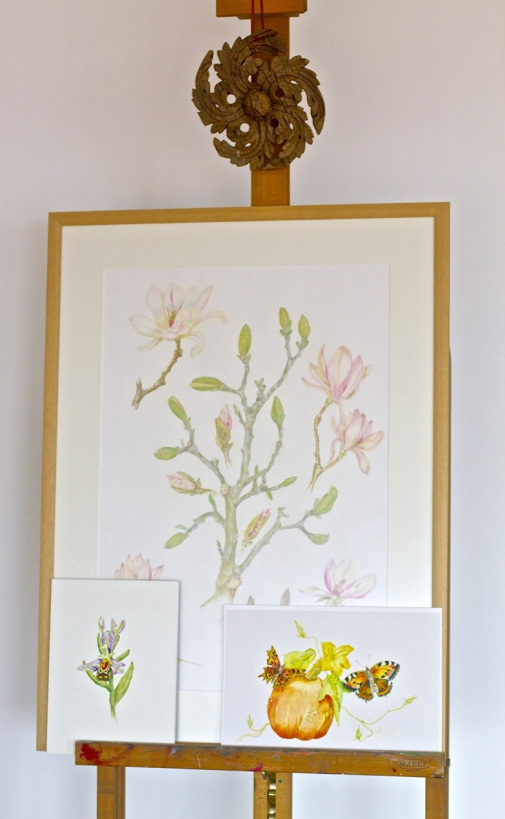
easelI feel gleeful looking at my easel …

rembrandt-artist-in-his-studio

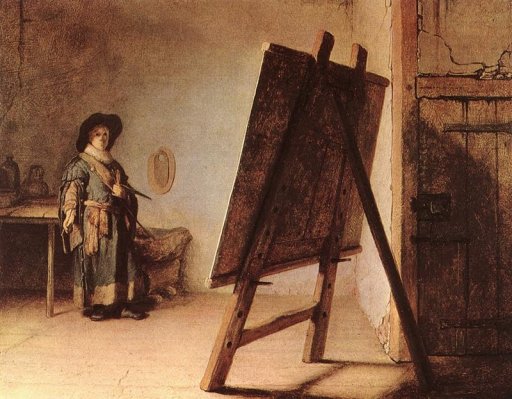
Rembrandt seems peaceful watching the canvas on his easel…

vr_12_12_p31_klimt-atelier-new_web-620x413

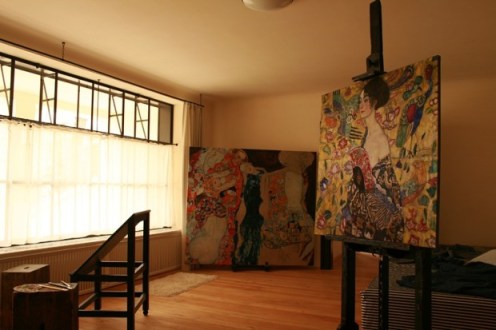
On the easel of Gustav Klimt are the paintings he dreamt…

The word ‘easel’ is an old Germanic synonym for donkey. In the Latin ‘Asinus’, we hear ‘ass’ (donkey).
An easel supports a canvas or painting. It is a humble piece of furniture; a few horizontal and vertical pieces of wood nailed together. Its plainness and instrumentality earned it its name ‘easel’ (i.e. donkey). An easel isn’t pretty nor noble, it carries our stuff like a donkey carries our stuff too.
.
It is said the easel was used by Egyptians. It took a long time before frescos and murals lost their glamour and artists started to work with painting boards and canvasses. Fast forward to the Renaissance, we see mobile easels changing dramatically the way painters work. Artists abandon their studios to work in the open air, catching the light, movement of the water, the clouds and waving grasses like no one has done before. The easel helps to create individual artists and new painting styles. Despite its achievements, its name has never been upgraded. Easels never look proud. To me they look often a tiny bit tragic and tired, like overloaded donkeys.

What are your thoughts on your easel?

Paula Kuitenbrouwer

© 2013, essay and photographs, Paula Kuitenbrower, All rights reserved

paulabirdcardsPAULA KUITENBROUWER ~ is a Dutch nature artist living in The Netherlands and sharing her work with us on her blog, Mindful Drawing and on her website.   In addition to art, Paula’s main interest is philosophy. She studied at the University of Utrecht and Amsterdam. She has lived in Eastern Europe and in Asia. Paula says that in Korea, “my family lived next to a Buddhist temple. In the early morning we would hear the monks chanting. During my hours of sauntering with my daughter through the beautiful temple gardens, I felt a blissful happiness that I try to capture in my drawings.” Paula sometimes teaches children’s art classes. She lives with her husband and daughter and close to her father. You can view her portfolio of mindful drawings HERE.

Posted in Art, Buddhism, Jamie Dedes, Poems/Poetry, Spiritual Practice

Wabi Sabi

Japanese tea house: reflects the wabi sabi aesthetic, Kenroku-n Garden
Japanese tea house: reflects the wabi sabi aesthetic, Kenroku-en Garden

if only i knew
what the artist knows

about the great
perfection in imperfection

i would sip grace slowly
at the ragged edges of the creek

kiss the pitted
face of the moon

befriend the sea
though it can be a danger

embrace the thunder of a waterfall
as if its strains were a symphony

prostrate myself atop the rank dregs on the forest floor,
worshiping them as a breeding ground for fertile seeds
and the home of a million small lives

if i knew what the artist knows,
then i wouldn’t be afraid to die,
to leave everyone

i would be sure that some part of me
would remain present
and that one day you would join me
as the dusky branch of a river or the
bright moment of the flowering desert

if i knew what the artist knows,
i would surely respond body and soul
to the echo of eternity in rough earthy things

i would not fear decay or work undone
i would travel like the river through its rugged, irregular channels
comfortable in this life; imperfect, impermanent, and incomplete

© 2013, poem, Jamie Dedes, All rights reserved,
Photo credit ~ from Pictures section of OpenHistory via Wikipedia under Creative Commons Attribution-Share Alike 3.o Unported license

Photo on 2012-09-19 at 20.00JAMIE DEDES ~ My worldly tags are poet and writer. For the past five years I’ve blogged at The Poet by Day,the journey in poem, formerly titled Musing by Moonlight.  Through the gift of poetry (mine and that of others), I enter sacred space.

Posted in Art, find yourself, Guest Writer, Music

Underpainting With Love and Kindess

work by Leslie White 
.
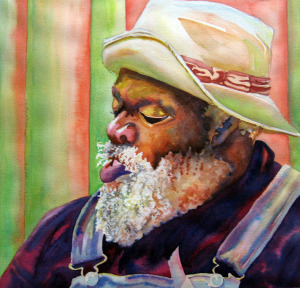
I could not believe my good fortune when I found a photo of Grandpa Elliot posted to the wet canvas photo reference library for artists.  It was a must-do for me..Several bloggers have made mention of underpaintings; the most recent being Amy from Souldipper found here. She asked me about an artist’s use of an underpainting.  I responded something like it is the foundation that we build our final work on. That made me think more on the subject as we were also talking about underpainting our lives with love and kindness.  Then I came across the photo of Grandpa Elliot who has actually underpainted his life with sharing music to millions in New Orleans and becoming part of the project, “Playing for Change”, a CD whose proceeds go to helping others.The other connection I can make about an underpainting is that it always, for me, sets the tone for where the light will fall in it. BINGO! I see the same in life with passing on kindness. Light is passed on through our kindness to others.  The above stage of my painting illustrates how I carved out areas where I wanted the light to fall.

grelliot

The above image is the finished result.

I can not think of a better way to start the weekend than this:

Video posted to YouTube by .

– Leslie White

leslieblue6LESLIE WHITE (lesliepaints) ~ is a guest writer here and an artist, teacher, book illustrator, and blogger. She’s been blogging since March 2009 and appreciated for the skill and beauty she shares. Her gifts to us are mini-lessons in a artistic technique. Often there is value added with life lessons, such as the one presented here.  Leslie shares information on new art products and techniques and enriches our understanding of and appreciation for art.  Her blog-posts go a long way toward encouraging others. She often enchantes us by sharing the work of her granddaughter and her students.


Posted in Art, Music, Video

An Homage to Van Gogh

Van Gogh paintings come to life through advanced digital editing techniques by Luca Agnani. The music is by Ludovico Einaudi. Thanks to Naomi Baltuck (Writing Between the Lines and Into the Bardo) for bringing the gift of this video to us.

The Wisdom of Vincent:

“The more I think about it, the more I realize there is nothing more artistic than to love others.”

“When I have a terrible need of – shall I say the word – religion. Then I go out and paint the stars.”

“But I always think that the best way to know God is to love many things.”

“The fishermen know that the sea is dangerous and the storm terrible, but they have never found these dangers sufficient reason for remaining ashore.”

*********

Vincent Van Gogh certainly painted and wrote (we have his letters to his brother) from sacred space and perhaps no one has acknowledged that more gracefully or gratefully than Don Mclean in his song ~

Starry Starry Night

Starry, starry night.
Paint your palette blue and grey,
Look out on a summer’s day,
With eyes that know the darkness in my soul.
Shadows on the hills,
Sketch the trees and the daffodils,
Catch the breeze and the winter chills,
In colors on the snowy linen land.

Now I understand what you tried to say to me,
How you suffered for your sanity,
How you tried to set them free.
They would not listen, they did not know how.
Perhaps they’ll listen now.

Starry, starry night.
Flaming flowers that brightly blaze,
Swirling clouds in violet haze,
Reflect in Vincent’s eyes of china blue.
Colors changing hue, morning field of amber grain,
Weathered faces lined in pain,
Are soothed beneath the artist’s loving hand.

Now I understand what you tried to say to me,
How you suffered for your sanity,
How you tried to set them free.
They would not listen, they did not know how.
Perhaps they’ll listen now.

For they could not love you,
But still your love was true.
And when no hope was left in sight
On that starry, starry night,
You took your life, as lovers often do.
But I could have told you, Vincent,
This world was never meant for one
As beautiful as you.

Starry, starry night.
Portraits hung in empty halls,
Frameless head on nameless walls,
With eyes that watch the world and can’t forget.
Like the strangers that you’ve met,
The ragged men in the ragged clothes,
The silver thorn of bloody rose,
Lie crushed and broken on the virgin snow.

Now I think I know what you tried to say to me,
How you suffered for your sanity,
How you tried to set them free.
They would not listen, they’re not listening still.
Perhaps they never will…

Starry Starry Night, Don Mclean, All rights reserved