Publishe by The European Nature Trust, February 2014
“When one ugs at a single Living thing in nature one finds it attached to the rest of the world.” John Muir (1838-1914), Scottish-American naturalist, writer and environmentalist
Publishe by The European Nature Trust, February 2014
“When one ugs at a single Living thing in nature one finds it attached to the rest of the world.” John Muir (1838-1914), Scottish-American naturalist, writer and environmentalist


– Corina Ravenscraft
 dragonkatet (Dragon’s Dreams) ~ Regarding the blog name, Dragon’s Dreams ~ The name comes from my love-affairs with both Dragons and Dreams (capital Ds). It’s another extension of who I am, a facet for expression; a place and way to reach other like-minded, creative individuals. I post a lot of poetry and images that fascinate or move me, because that’s my favorite way to view the world. I post about things important to me and the world in which we live, try to champion extra important political, societal and environmental issues, etc. Sometimes I wax philosophical, because it’s also a place where I always seem to learn about myself, too, by interacting with some of the brightest minds, souls and hearts out there. It’s all about ‘connection(s)’ and I don’t mean “net-working” with people for personal gain, but rather, the expansion of the 4 L’s: Light, Love, Laughter, Learning.
Thanks to Gayle Walters Rose (Bodhirose) for sharing this with us for Wilderness Week.
“Wolves will travel to drink from a river. But could the presence of wolves lead a river to change its behavior?
George Monbiot: For more wonder, rewild the world In his TED Talk, George Monbiot poetically explains how reintroducing wolves to Yellowstone National Park after a 70-year absence set off a “trophic cascade” that altered the movement of deer, sent trees soaring to new heights, attracted scores of new animals to the area (think: beavers, rabbits, bears, bald eagles and more), and stabilized the banks of rivers making them less susceptible to erosion. Above, see that story set to music — and howls — by SustainableMan.org, who took the audio track from the talk and laid it over beautiful nature footage. It’s a glorious glimpse of how deeply the natural world is interconnected.
If you love this short video, definitely check out Monbiot’s whole TED Talk too. In the talk, he shares some ways we can get more involved in the re-wilding of the world … and why it matters to all of us.”
The credits for the video above: SustainableMan.org; info courtesy of TED Talk.


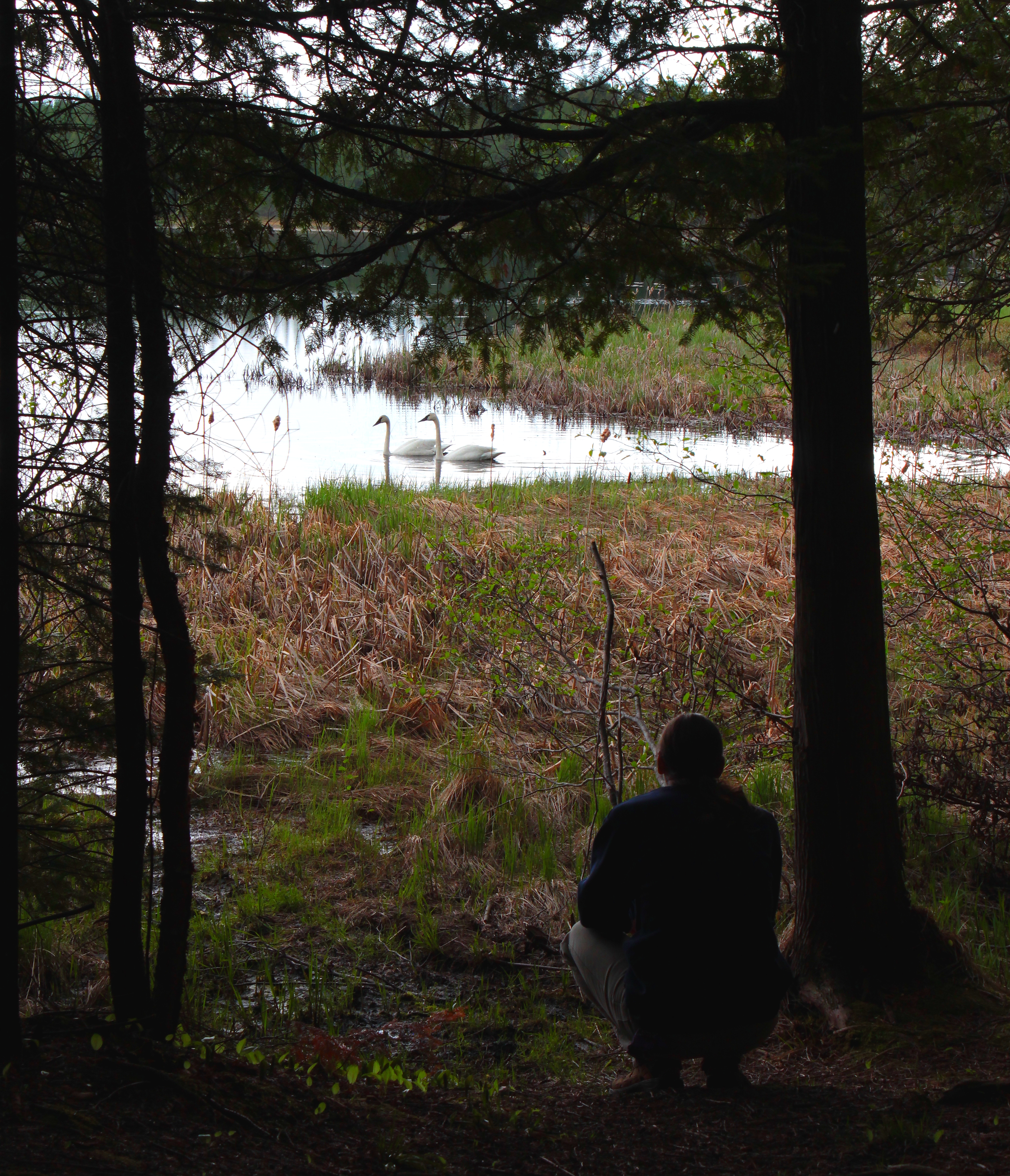


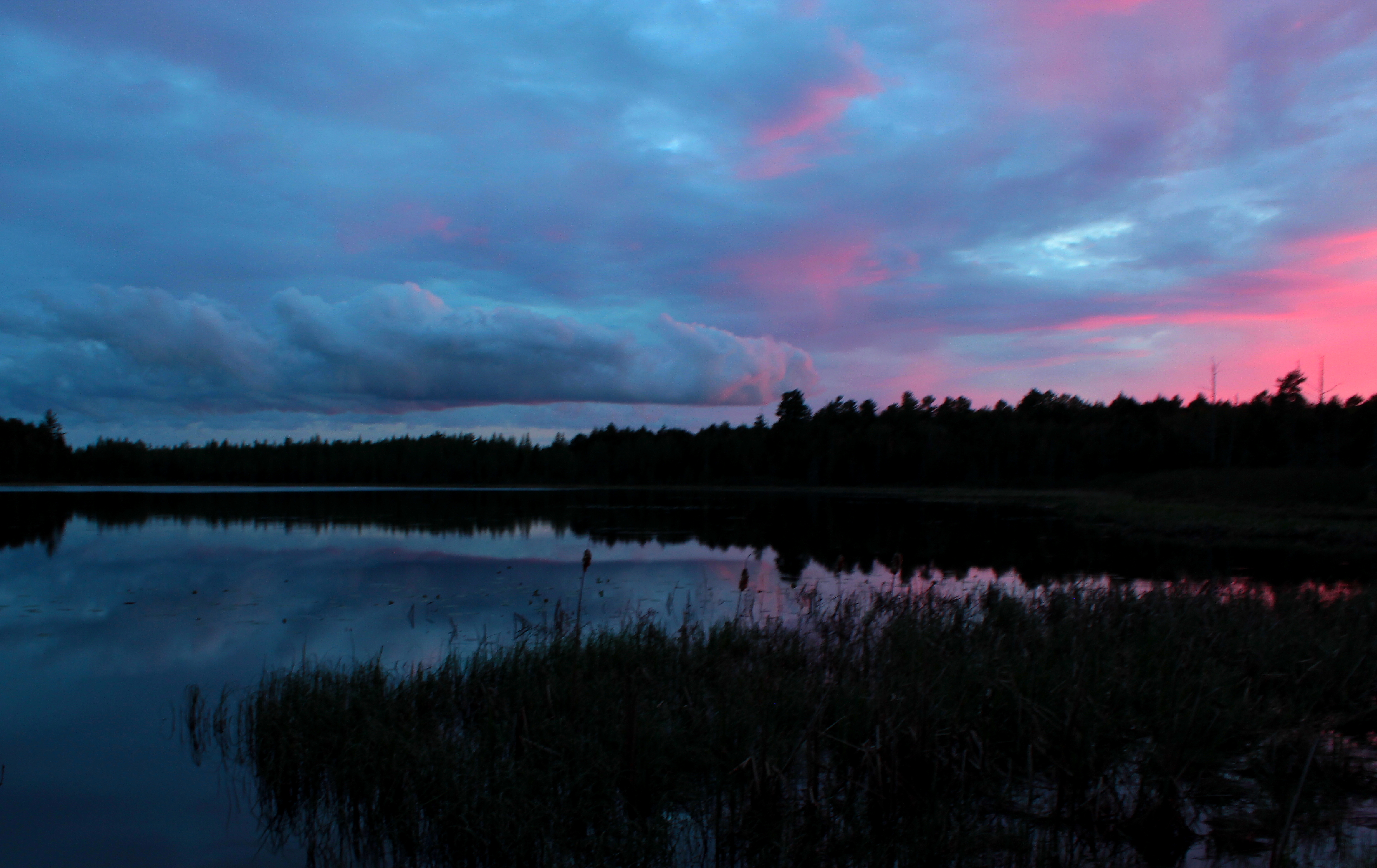 Steve & I are planning to attend the National Wilderness Conference in Albuquerque, New Mexico this October. We are eager to explore the sacred space of our common ground, the Earth, with like-minded people who are also interested in fostering the understanding of our life in proximity with each other and with the life around us. I look forward to feeling the refreshment of wilderness in my soul and encountering new ways of expressing the spiritual aspect of this quality of life in art, morality and intellectual discourse.
 .
© 2014, essay and photographs, Priscilla Galasso, All rights reserved
.
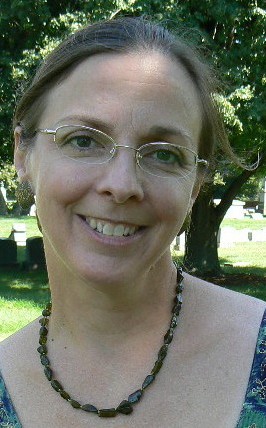 PRISCILLA GALASSO ~ started her blog at scillagrace.com to mark the beginning of her fiftieth year. Born to summer and given a name that means ‘ancient’, her travel through seasons of time and landscape has inspired her to create visual and verbal souvenirs of her journey. Currently living in Wisconsin, she considers herself a lifelong learner and educator. She gives private voice lessons, is employed by two different museums and runs a business (Scholar & Poet Books, via eBay and ABE Books) with her partner, Steve.




dragonkatet (Dragon’s Dreams) ~ Regarding the blog name, Dragon’s Dreams ~ The name comes from my love-affairs with both Dragons and Dreams (capital Ds). It’s another extension of who I am, a facet for expression; a place and way to reach other like-minded, creative individuals. I post a lot of poetry and images that fascinate or move me, because that’s my favorite way to view the world. I post about things important to me and the world in which we live, try to champion extra important political, societal and environmental issues, etc. Sometimes I wax philosophical, because it’s also a place where I always seem to learn about myself, too, by interacting with some of the brightest minds, souls and hearts out there. It’s all about ‘connection(s)’ and I don’t mean “net-working” with people for personal gain, but rather, the expansion of the 4 L’s: Light, Love, Laughter, Learning.
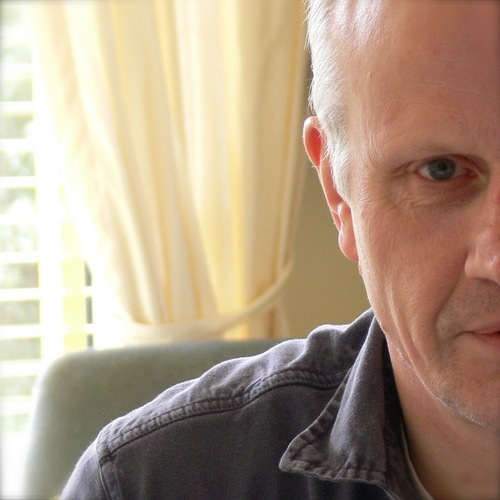
JOHN ANSTIE (My Poetry Library and 42) ~ is a British writer and poet, a contributing editor here at Bardo, and multi-talented gentleman self-described as a “Family man, Grandfather, Occasional Musician, Singer, Amateur photographer and Film-maker, Apple-MAC user, Implementation Manager, and Engineer”. He has participated in d’Verse Poet’s Pub and is a player in New World Creative Union as well as a being a ‘spoken-voice’ participant in Roger Allen Baut’s excellent ‘Blue Sky Highway‘ radio broadcasts. John has been blogging since the beginning of 2011. He is also a member of The Poetry Society (UK).
*****
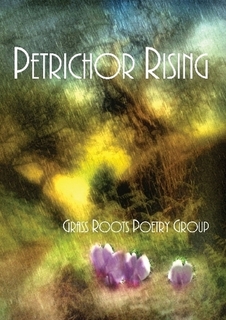
 John has also been involved in the recent publication of two anthologies that are the result of online collaborations among two international groups of amateur and professional poets. One of these is The Grass Roots Poetry Group, for which he produced and edited their anthology, “Petrichor* Rising“. The other group is d’Verse Poet Pub, in which John’s poetry also appears The d’Verse Anthology: Voices of Contemporary World Poetry, produced and edited by Frank Watson.
* Petrichor – from the Greek pɛtrɨkər, the scent of rain on the dry earth.
This magnificent mountain in the Peruvian Andes is Huanya Picchu.
To me it looks like a great green ghost, its strong stone arms wrapped protectively around the ancient Incan city of Machu Picchu .

Machu Picchu, meaning “Ancient Mountain,” was built in the 15th century, at the peak of Incan culture. One of the greatest artistic, architectural, and land use achievements of the world, it was chosen as a World Heritage Site in 1983.

No one can say for certain, as the Incas had no written language, but it is thought to have been a royal estate, perhaps a summer retreat, or maybe a religious center.

It was so remote that the Spanish conquerors never found it, but it was by no means isolated.

It was connected to the vast Incan Empire by a royal highway called The Inca Trail, linking Machu Picchu to 25, 000 miles of roadway, the Incan version of the Internet. Special runners called “Chasquis” traveled as far as 240K in a day to keep the king connected, or to deliver delicacies to his dinner table. Runners could rest at stations along the way, or relay messages by tag-team.

Much of The Inca Trail survives to this day. This section leads to the Sun Gate. 
Another steep trail leading in the other direction hugged the cliffside. This Incan drawbridge made it impossible for outsiders to invade the city…

…unless you count tourists.

The grand view was worth the walk.

Machu Picchu is surrounded on the other three sides by steep cliffs and a raging river, making it practically impregnable.

Magnificent. Dramatic. Ingenious. Grand.

Machu Picchu’s grandeur can be found in the details. Like the integration of natural elements into its design, shaping the city to fit into its surroundings. Terraces not only took on the curve of the mountain, but prevented landslides and provided a hanging garden for growing crops.

Its location was a matter of sacred geography. It was situated among mountains with religious significance to the Incas…

…and is perfectly aligned for key astronomical events.

This instrument cut into the bedrock was used for astronomical observations.

The Incans worshipped the mountains as gods, and this was reflected in their building.

Everywhere we turned, we saw natural features incorporated into the design.

Architecture mirrored nature’s design.

Walls were built around huge boulders, which remained cradled in the earth where they had slept since the mountains were born.

This did not prevent Incan engineers from using natural features to provide creature comforts, such as running water.

On our second visit, the clouds lifted. We arrived in time to see the morning sun turn gray stones gold.


We tried to imagine what it might have been like to have lived there half a millennium ago…


The dry stone walls were constructed without mortar, with some stones fitted so tight a blade of grass couldn’t squeeze between them. Even so, the ancients must’ve worked hard to keep the jungle at bay…

…just as they do today. There were redshirts perched on ladders, whose full time job was to keep the weeds from taking over. 
The backstairs whispered ancient secrets, but we couldn’t quite make them out.

We could only wonder at the world around us.

The flora…


And fauna.
 Each one…

…a tiny miracle.

Great civilizations come and go….

…and life goes on.

As hard as we try to unlock them…

…Machu Picchu’s walls hold onto their secrets.

In the grand scheme of things, what does it matter if we don’t know all the answers?
It is a privilege to be there…

…following in the footsteps….

…of the ancient ones.

All images and words copyright 2013 Naomi Baltuck

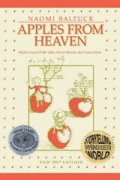 NAOMI BALTUCK ~ is a Contributing Editor and Resident Storyteller here
 at Bardo. She is a world-traveler and an award-winning writer, photographer, and story-teller whose works of fiction and nonfiction are available through Amazon HERE. Naomi presents her wonderful photo-stories – always interesting and rich with meaning and humor – at Writing Between the Lines, Life from the Writer’s POV. She also conducts workshops such as Peace Porridge (multicultural stories to promote cooperation, goodwill, and peaceful coexistence), Whispers in the Graveyard (a spellbinding array of haunting and mysterious stories), Tandem Tales, Traveling Light Around the World, and others. For more on her programs visit Naomi Baltuck.com
Click here for more interpretations of The Weekly Photo Challenge: Reflections.
Originally published in ARTEMISpoetry, Issue 12, May 2014 and posted here with the permission of the poet, Anne Stewart, and the publisher, Second Light, network of women poets
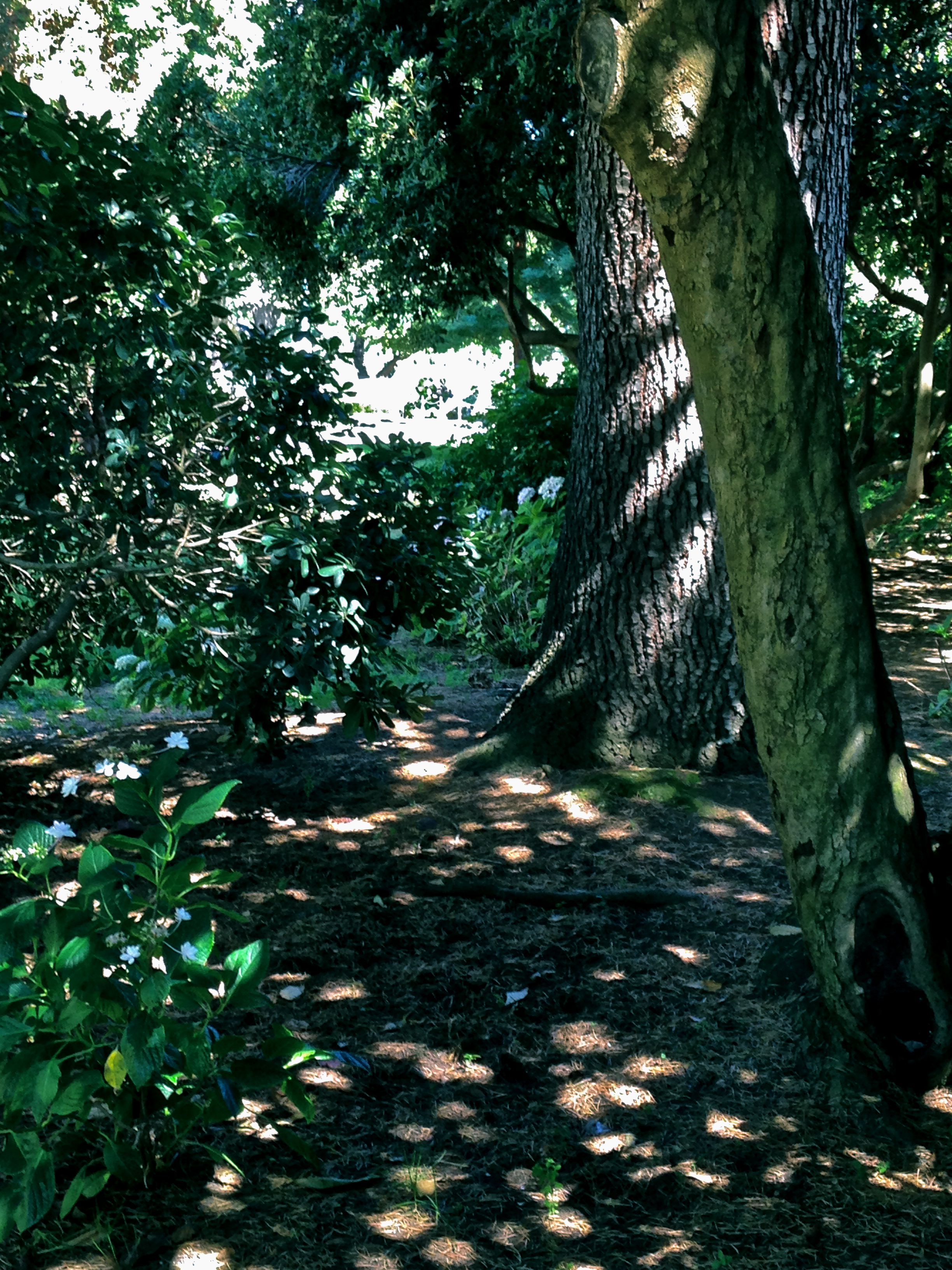
– Anne Stewart
© 2014, poem, Anne Stewart, all rights reserved; ©2014, photograph, Jamie Dedes, all rights reserved
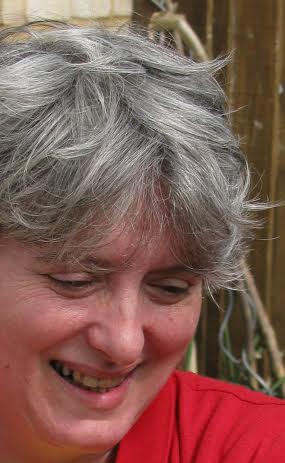
 ANNE STEWART (poetry p f page) ~ Anne’s poetry is much published in anthologies/magazines. Her awards include the Bridport Prize and Poetry on the Lake’s Silver Wyvern (Italy, 2014). Her first collection is The Janus Hour (Oversteps Books, 2010). “ … varied, dominated by its music and a sense of quest for survival, for the light behind the clouds. Mercurial, like a Fellini film.” Katherine Gallagher. A review of the book is HERE.
Anne is the founder of poetry p f and she’s the Poetry Society’s ‘Kent North West’ Stanza Rep, a Past President (2011 – 2013) of Shortlands Poetry Circle and Administrator for Second Light Network, whose website, Second Light Live, she designed and runs. She co-edited (with Dilys Wood) the pre-launch issue, Issues 1 to 4, 8 and 11 of ARTEMISpoetry, a biannual journal devoted to women’s poetry, and contributes reviews/articles on a regular basis. She was the visiting poet at a London care-centre for two and a half years.

~~~~~~~~~~~~~~~~~~
JOHN ANSTIE (My Poetry Library and 42) ~ is a British writer and poet, a contributing editor here at Bardo, and multi-talented gentleman self-described as a “Family man, Grandfather, Occasional Musician, Singer, Amateur photographer and Film-maker, Apple-MAC user, Implementation Manager, and Engineer”. He has participated in d’Verse Poet’s Pub and is a player in New World Creative Union as well as a being a ‘spoken-voice’ participant in Roger Allen Baut’s excellent ‘Blue Sky Highway‘ radio broadcasts. He’s been blogging since the beginning of 2011. He is also a member of The Poetry Society (UK).
*****
John has also been involved in the recent publication of two anthologies that are the result of online collaborations among two international groups of amateur and professional poets. One of these is The Grass Roots Poetry Group, for which he produced and edited their anthology, “Petrichor* Rising“. The other group is d’Verse Poet Pub, in which John’s poetry also appears The d’Verse Anthology: Voices of Contemporary World Poetry, produced and edited by Frank Watson.
* Petrichor – from the Greek pɛtrɨkər, the scent of rain on the dry earth.
suchled makes a good point about how we practice our religions. The post goes well with our Br. David Steindal-Rast post of the morning … Enjoy and weigh in.

 It can be hard to create (whether it’s visual arts like painting or photography, or writing poetry, or coming up with a few bars for a new song) if/when you wait for the perfect inspiration to hit you or if you keep revising something in the quest for the perfect color, the perfect frame, word or note, etc.


 Both approaches have their merits, and while both points of view can lead to success, I think they take very different types of people to make them work. Some people work better under pressure than others. Some enjoy more of a challenge than others do.
 Which camp describes you? Does the search for perfection in your craft motivate you? Do you find that striving to reach your personal best leads to success in your creative endeavors? Or do you feel that all that pressure tends to backfire and leads to being paralyzed with inaction? Do revisions make you shudder? Do you “edit” as you go?
 It may seem as if I am advocating the acceptance of ‘mediocrity’. I am not. By all means, aim for the moon, you may at least hit the stars! But also realize that everyone probably has a different idea of ‘perfection’, and, barring editors, publishers and the like, you have to be able to stop at a point in the creation and decide when it’s done, or when it’s “good enough”.
 In the end, the matter of whether our creation(s) have achieved “perfection” is completely up to us. Only the artist knows and can decide when something is done, and whether or not it’s done to the satisfaction of the creator. Remember: YOU, as the artist/creator are the only one you have to satisfy. Maybe in many cases, “good enough” IS perfect. 😉
About dragonkatet Regarding the blog name, Dragon’s Dreams ~ The name comes from my love-affairs with both Dragons and Dreams (capital Ds). It’s another extension of who I am, a facet for expression; a place and way to reach other like-minded, creative individuals. I post a lot of poetry and images that fascinate or move me, because that’s my favorite way to view the world. I post about things important to me and the world in which we live, try to champion extra important political, societal and environmental issues, etc. Sometimes I wax philosophical, because it’s also a place where I always seem to learn about myself, too, by interacting with some of the brightest minds, souls and hearts out there. It’s all about ‘connection(s)’ and I don’t mean “net-working” with people for personal gain, but rather, the expansion of the 4 L’s: Light, Love, Laughter, Learning.
“Thou art alive still while thy book doth live, and we have wits to read and praise to give.” –William Shakespeare–
Paris is a huge city, so crowded, so busy.

Sometimes it’s difficult to see beyond the milling throngs.

But the city is an open book.

Its stories are there for all to read…

In a gesture.

Or a smile.

Or a sigh.

Life is happening all around.




So many faces…

…and each one…

…tells a story.

All images and words copyright Naomi Baltuck
NAOMI BALTUCK ~ is a Contributing Editor and Resident Storyteller here at Bardo. She is a world-traveler and an award-winning writer, photographer, and story-teller whose works of fiction and nonfiction are available through Amazon HERE. Naomi presents her wonderful photo-stories – always interesting and rich with meaning and humor – at Writing Between the Lines, Life from the Writer’s POV. She also conducts workshops such as Peace Porridge (multicultural stories to promote cooperation, goodwill, and peaceful coexistence), Whispers in the Graveyard (a spellbinding array of haunting and mysterious stories), Tandem Tales, Traveling Light Around the World, and others. For more on her programs visit Naomi Baltuck.com
© 2012, poem and story adaption, Jamie Dedes, All rights reserved
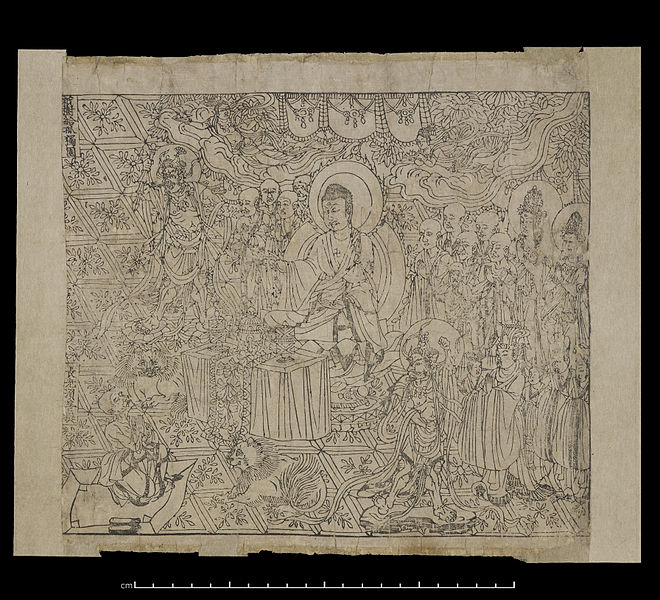
Illustration ~ the frontispiece piece of the Diamond Sutra “the oldest known printed book in the world” via Wikipedia and in the public domain

 JAMIE DEDES (The Poet by Day)~I am a medically retired (disabled) elder and the mother of married son who is very dear. I started blogging shortly after I retired as a way to maintain my sanity and to stay connected to the arts and the artful despite being mostly homebound. My Facebook pages are: Jamie Dedes (Arts and Humanities) and Simply Living, Living Simply.
With the help and support of talented bloggers and readers, I founded The Bardo Group because I feel that blogging offers a means to see one another in our simple humanity, as brothers and sisters and not as “other.” I am the poetry liaison and a member of the Core Team. Terri Stewart (Beguine Again) is in the lead position and the Beguine Again collabrative and The Bardo Group are coordinating a consolidation of the two groups.
“Good work, like good talk or any other form of worthwhile human relationship, depends upon being able to assume an extended shared world.” Stefan Collini (b. 1947), English Literary Critic and Professor of English Literature at Cambridge
From Gretchen Del Rio … another charming spirit animal …
 watercolor aceo 8/2014
Originally published by Second Light Live in ARTEMISpoetry and shared here with the permission of both publisher and poet.
Heaving her enormous bulk onto a bookshelf high
above my bed, then pushing until she was out of sight
took all my strength and it didn’t dislodge her from my mind.
But I rebelled against the weight of her disapproval,
shut myself away every morning in that small room
of my own, the room which is me, to let imagination
run wild as brambles and grasses in an untended garden,
coaxed visions into scribblings on paper until desk
and floor were littered, until unblinking as owl eyes,
words stared from my screen. Of course, the moment
I emerged I came face to face with her large a life
on the landing. For years this matron, large-bosomed
and with a voluminous knowledge gathered from decades
of managing a household, followed me around tutting
because I hadn’t blanched or basted, couldn’t pluck a duck.
She snorted at unruly children sliding down the stairs,
at dust rollicking along skirting boards, rounded on me
for failing to keep a properly stocked linen cupboard.
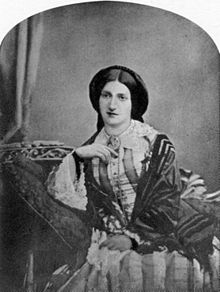
Then the day I found out this paragon was Isabella Beeton,
a young woman who instead of devoting her life to home
and family like other Victorian wives, travelled by train
with her publisher husband to his London office, wrote
books fat with information, mostly magpied from other books,
about household management, became a money-spinner,
an authority for later generations. I also learnt she’d suffered
several miscarriages, bore two children who died in infancy,
two who survived, died herself after the second –
thanks to Mr Beeton’s syphilis. Yet for years books
in her name continued to appear. The matron’s ghost
still persists in my mind but what troubles me is Isabella.
For all the thousands of pages this woman produced
in her short life, the real Mrs Beeton didn’t leave
a single word about what she thought, felt, endured.
.
– Myra Schneider
© 2014, poem and poet’s portrait (below), Myra Schneider, All rights reserved, posted here with Myra’s permission; Mrs. Beeton’s photograph is in the public domain.
.

 MYRA SCHNEIDER (Myra Schneider’s Poetry Website) ~ Myra’s long poems have been featured in Long Poem Magazine and Domestic Cherry. She co-edited with Dilys Wood, Parents, an anthology of poems by 114 women about their own parents. Myra started out writing fiction for children and teens. We first discovered Myra through her much-loved poem about an experience with cancer, The Red Dress, which she generously shared with readers here in our Perspectives on Cancer series in 2011.
Currently Myra lives in North London, but she grew up in Scotland and in other parts of England. She lives with her husband and they have one son. Myra tutors through Poetry School, London. Her schedule of poetry readings is HERE. A video of Myra’s interview at Poetry East in London is HERE. The sound leaves something to be desired, so ear-buds or earphones are helpful. Other videos are of poems: The Red Dress and Goulash. Myra’s Amazon UK page is HERE and US is HERE.
Myra’s eleventh poetry collection, The Door to Color, will launch this September by Enitharmon Press, UK at their gallery in London.
 We are a Jewish-Native household and events in the Middle-East have deep resonance for us. For the past two weeks we have watched and thought about the fighting in Gaza, our sadness, and sense of helplessness, growing daily.
Of course, it is impossible to know, with any certainty, the truth of things. Propaganda is unleashed by both sides. Still, there is something terribly familiar about the one-sided nature of the conflict. The history of the U.S., like that of Palestine, is usually told from the view of the dominant power. From our Indian perspective, the story is vastly different from that told in most history books.
We watched as the colonial powers invited landless Europeans to emigrate, and forced criminals and others who were disenfranchised to do so. Thus, they created an ever-growing hunger for land, a tidal wave that would eventually sweep over us. We were under constant pressure to move West, and to relinquish our ancestral lands. The colonists made promises and gave us land that would be ours “forever”. Then they brought in settlers who lived in enclaves, always encroaching on our land. When our people attempted to defend the land the colonial powers had seeded to us, the colonial government made war against us. They killed our children and elders, and raped and murdered our women. They sought to destroy our cultures by stealing the land, our traditional knowledge and life-ways, and our children. Because we hold this knowledge, many of us remember, and observe remembrance of, the Shoah, the Holocaust, and acknowledge our kinship with those who were the victims of that genocide.
Let us remember that, like the Jews who made their way to the Holy Land, many of those early emigrants to our lands were the dispossessed. The British attempted to depopulate Ireland, Scotland, and Wales. They used war, famine, and desperation to drive people from their traditional lands. They employed “Acts of Enclosure” to force their own people to flee to the cities, hungry and destitute; many families eventually found their way to our lands. Because they understood colonialism and genocide, because they understood trauma, many of these early immigrants married Native people. But soon, propaganda, hunger, greed, and the rising tide of immigration overwhelmed us.
Although they had killed ninety-nine percent of our people, forcing us to live on tiny reserves, starving and desperate, they continued their attack. They banned hunting, and our drums and our ceremonies, the heart of our cultures. This is not ancient history, it continues, as governments grab what little land we retain and willy-nilly destroy our sacred sites. It continues as Non-Natives rape and murder our women, and jail our young people, in vastly disproportionate numbers. When I see destruction of olive groves in Palestine, and hear reports of the rape of women and the murder of children, I am reminded of this. When I see the Bedouins forced into reservations, their traditional nomadic life forbidden to them, my heart breaks in recognition.
This is an old story. Those with superior numbers and weapons take land from people who have lived in a place for untold centuries. They use resistance to their domination as an excuse to make war on the people. As they do so, they often target children, women, and elders. Too frequently, women are raped and/or killed, children are murdered or traumatized, the land that feeds the stomachs and culture of the people is stolen. Thus the future of the people is threatened. These are acts of genocide. We cannot remain silent when we witness them. Our ancestors lived through this. They remember and whisper their experience in our minds. They are always with us, and they do not forget.
This post was originally shown on Dreaming the World.
– Michael Watson
© 2014, essay and photographs, Michael Watson, All rights reserved
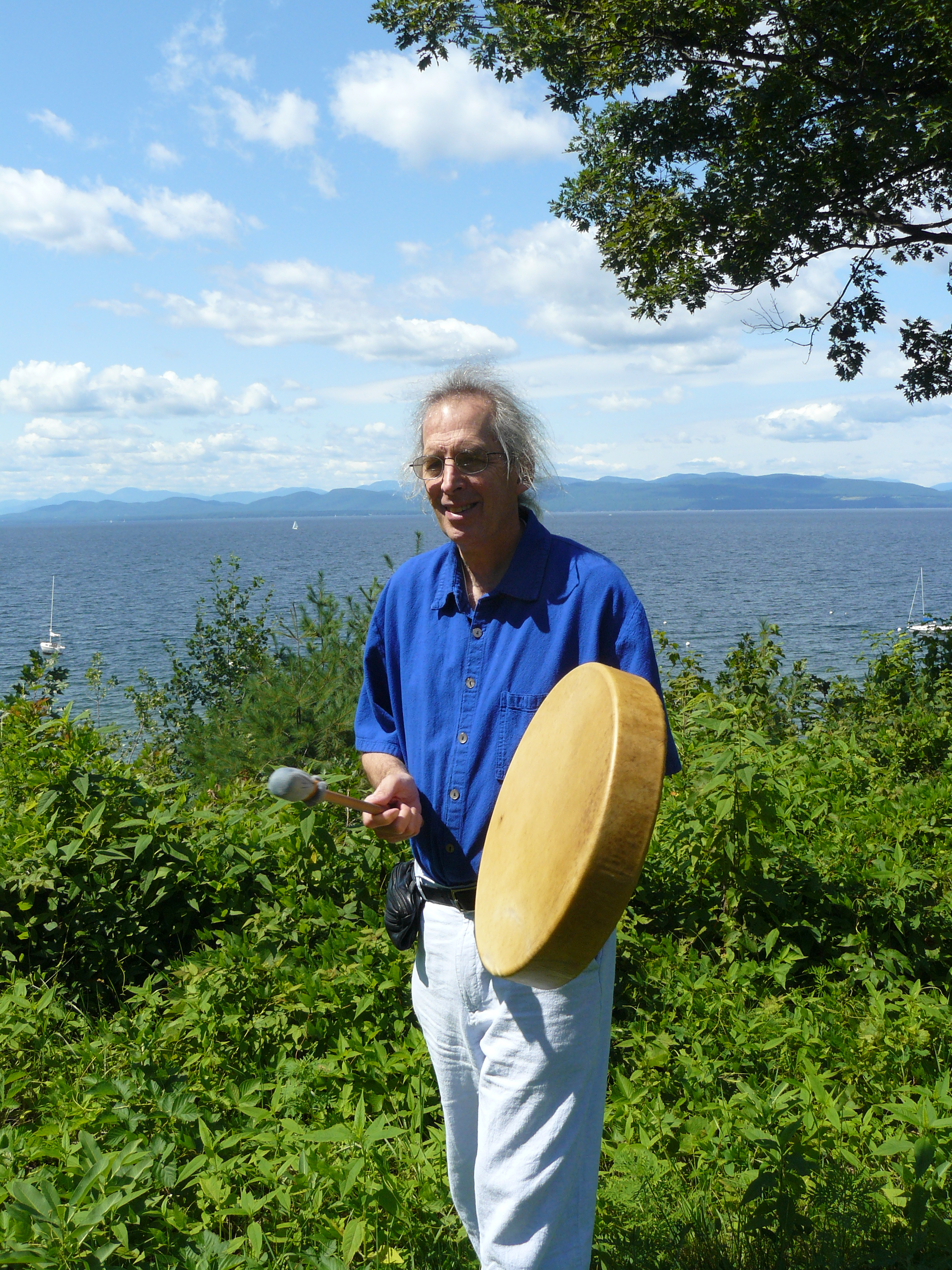 MICHAEL WATSON, M.A., Ph.D., LCMHC (Dreaming the World) ~ is a contributing editor to Into the Bardo, an essayist and a practitioner of the Shamanic arts, psychotherapist, educator and artist of Native American and European descent. He lives and works in Burlington, Vermont, where he teaches in undergraduate and graduate programs at Burlington College,. He was once Dean of Students there. Recently Michael has been teaching in India and Hong Kong. His experiences are documented on his blog. In childhood he had polio, an event that taught him much about challenge, struggle, isolation, and healing.I am pleased to announce today that I am passing the batton to Terri Stewart. The Bardo Group blog is in transition, but it will continue to post all work as usual and to host the scheduled special events. Terri has been a stalwart supporter and active contributor to and coordinator of and with this blog for several years now. She’s young, energetic, enthusiastic and smart and has the wherewithal to move forward to facilitate greater inclusion and encourage real social change.
.

 Hi all! I am delighted that Jamie asked me to envision a joining of our two communities. I don’t know what this will look like in its entirety, but I am excited about the prospect of joining the ethos that each community brings. I know The Bardo Group to be a place that focuses on the arts as a path to greater communication and peace. Beguine Again is a community that focuses on spiritual practices upholding the core value of nonviolence through the observance of mindfulness, prayer, joy, thoughtfulness, gratitude, sabbath, and inspiration.
.
.
.
TERRI STEWART has served for several years as The Bardo Group Sunday chaplain, senior content editor, and site co-administrator. She comes from an eclectic background and considers herself to be grounded in contemplation and justice. Terri is the founder of the online spiritual community for nonviolence, Beguine Again. She is the Director and Founder of the Youth Chaplaincy Coalition that serves youth affected by the justice system. As a graduate of Seattle University’s School of Theology and Ministry, she earned her Master’s of Divinity and a Post-Master’s Certificate in Spiritual Direction with honors and is a rare United Methodist student in the Jesuit Honor Society, Alpha Sigma Nu. She is a contributing author to the Abingdon Worship Annual. (The 2014 issue just released!)
Terri’s online presence is “Cloaked Monk.” This speaks to her grounding in contemplative arts and the need to live it out in the world. The cloak is the disguise of normalcy as she advocates for justice and peace. You can find her at http://www.cloakedmonk.com, http://www.twitter.com/cloakedmonk, and http://www.facebook.com/cloakedmonk. To Terri for conversation, send a note to terris@beguineagain.com.

 The BeZine