Posted in 000 Poets, 100, Musicians, The BeZine Table of Contents

100TPC Event Today … Link in your poems, art, stories, film, music, videos for peace, sustainability and social justice with an emphasis on poverty and hunger

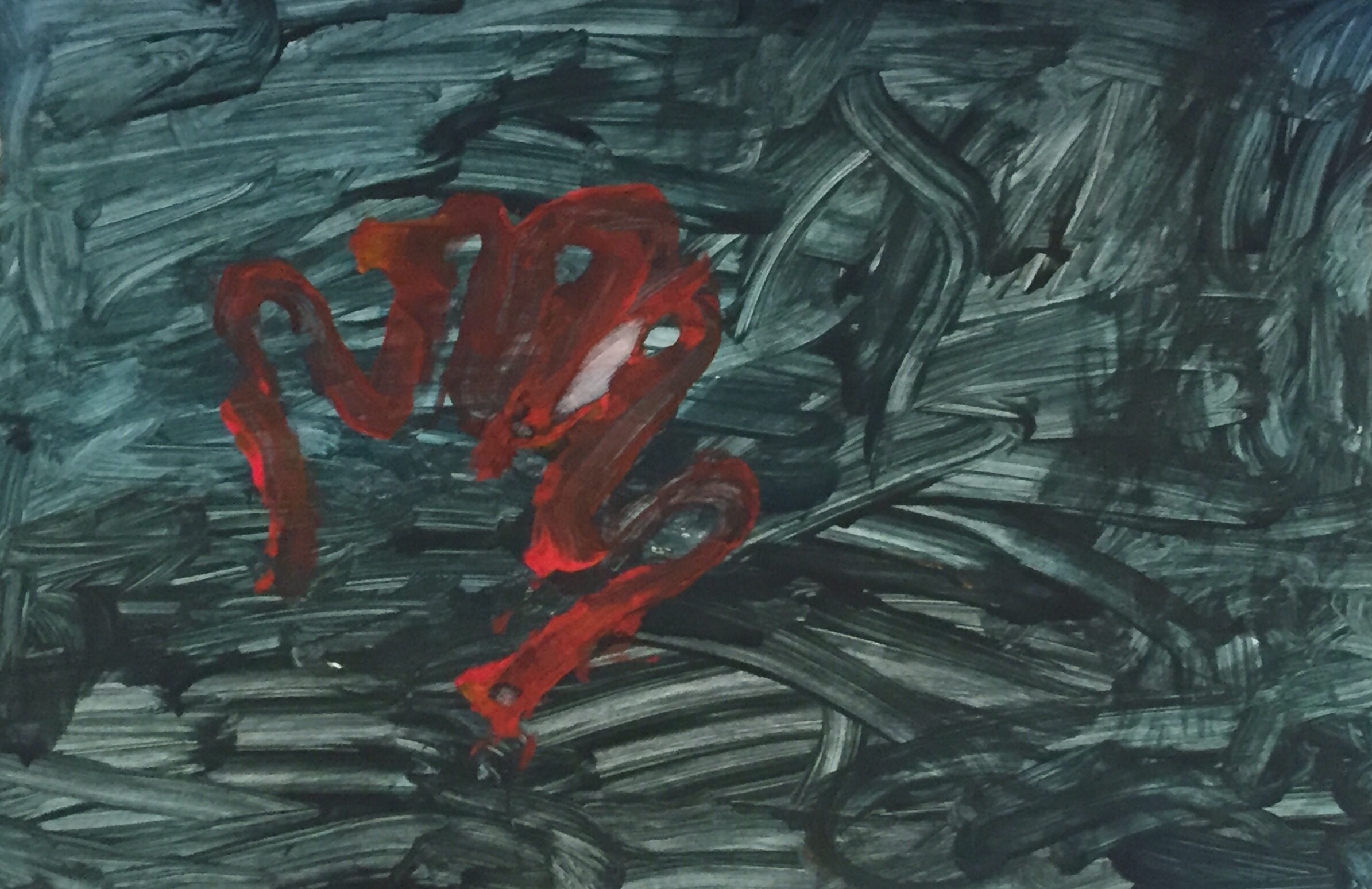
<img class="size-custom" title="Hand of Fire, Hand of Creation
Moshe Dekel (age 5)” src=”https://thebezine.com/wp-content/uploads/2015/09/img_0031.jpg” alt=”Hand of Fire, Hand of Creation
Moshe Dekel (age 5)” width=”2389″ height=”1548″>
Hand of Fire, Hand of Creation by Moshe Dekel (age 5)

Welcome to the 5th year of 100,000 Poets (Musicians, Artists, Mimes…) for Change, and the 2015 edition of The BeZine Online 100TPC Event! If you’ve done this before and you know the score, skip to the comments or Mister Linky at the bottom of the post and begin. If you are wondering, hey, what are you folks up to then check out some serious non-fiction here:

Our mission here today as poets, writers, artists, photographers, musicians and friends is a sort-of fission for change—a burning with and expression of the desire for peace, environmental and economic sustainability, social justice, inclusion, equity and opportunity for all. We seek through our art to do a bit of old-fashioned consciousness raising, to stimulate thought and action leading to the kind of change that is sustainable, compassionate and just, and to engage in the important theme of the issues facing humanity today—but all with a goal to alleviate suffering and foster peace. We don’t want to just “talk about it,” we want words, art and music that help us take action in some way for positive change wherever we are in our lives, in our world.

We see a complex inter-woven relationship between peace, sustainability, and social justice. We all recognize that when people are marginalized and disenfranchised, when they are effectively barred from opportunities for education and viable employment, when they can’t feed themselves or their families or are used as slave labor, there will inevitably be a backlash, and we’re seeing that now in violent conflicts, wars and dislocation. Climatologists have also linked climate change, with its severe weather changes and recent droughts, to the rise violence in the world, and even contributing to inequities in areas – like Syria – where a severe drought destabilized food production and the economy, contributing to the unrest that led to the civil war, according to one study.
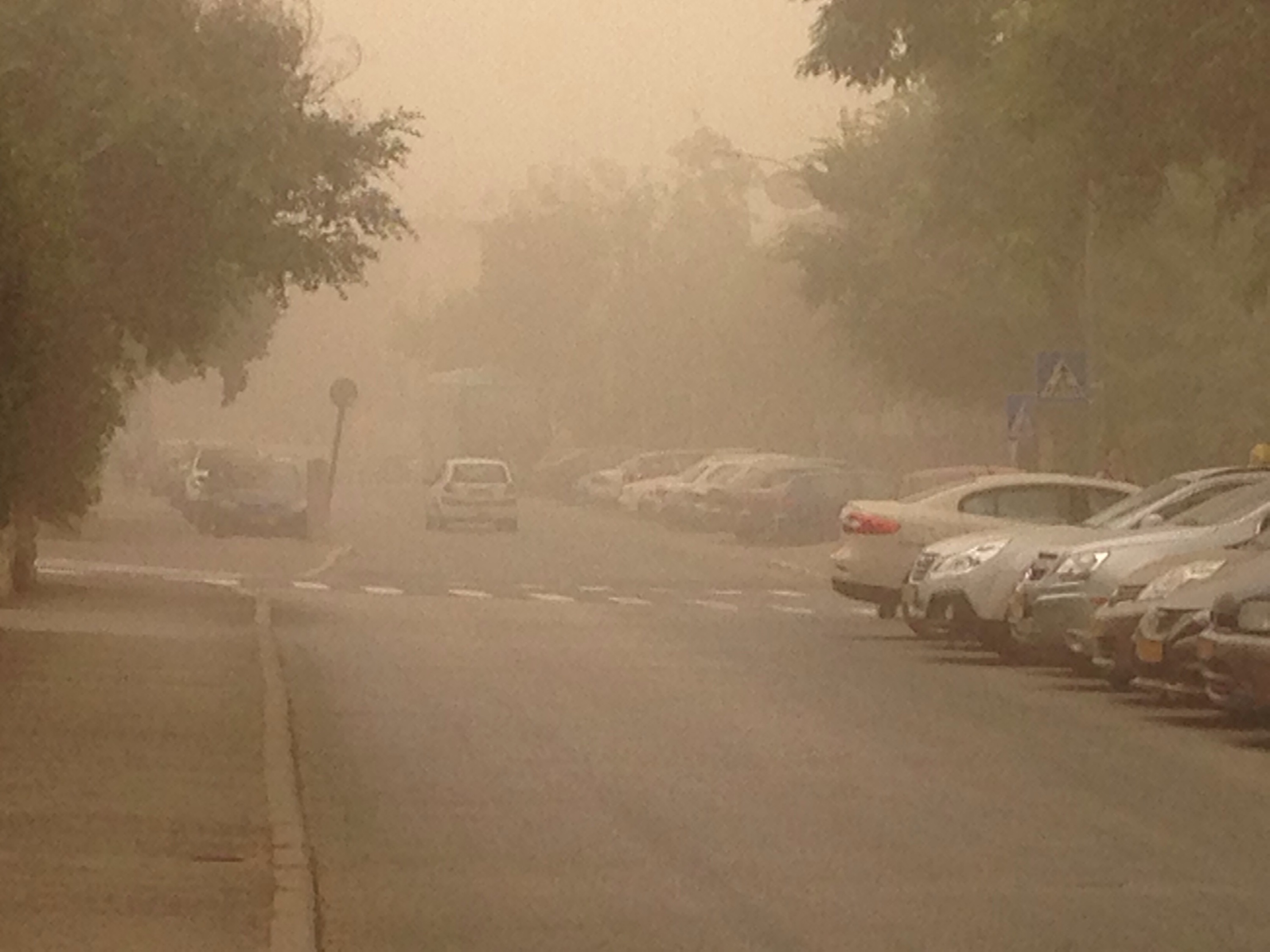
Jerusalem in an unprecedented dust storm that engulged much of the Mideast, linked by one climate scientist to the Syrian civial war and ISIS conflict
Jerusalem in an unprecedented dust storm that engulfed much of the Mideast, linked by one climate scientist to the Syrian civil war and ISIS conflict

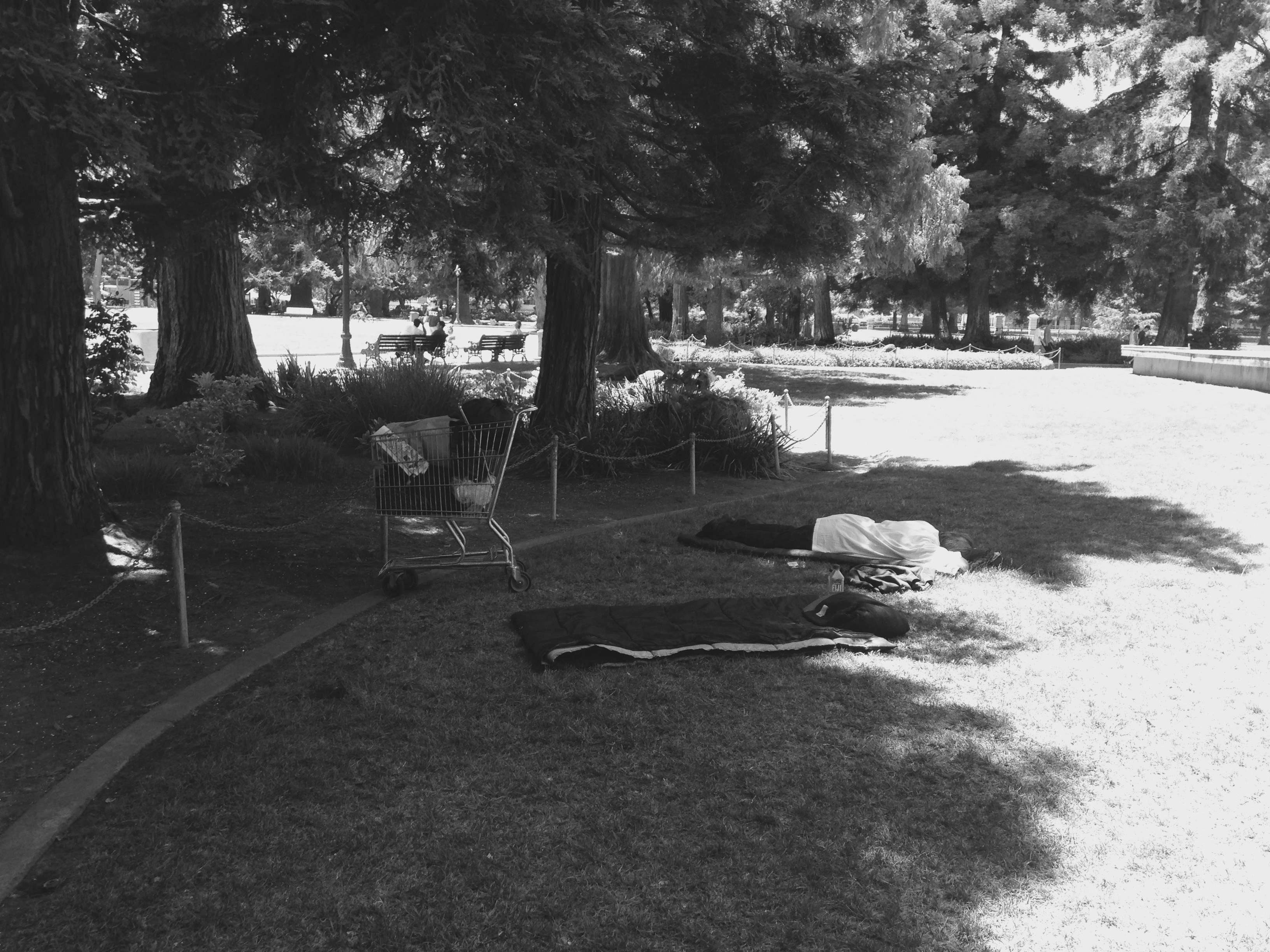
There are too many people living on the streets and in refugee camps, too many whose lives are at subsistence level, too many children who die before the age of five (as many as four a minute dying from hunger, according to one reliable study—more info), too many youth walking through life with no education, no jobs and no hope. It can’t end well…
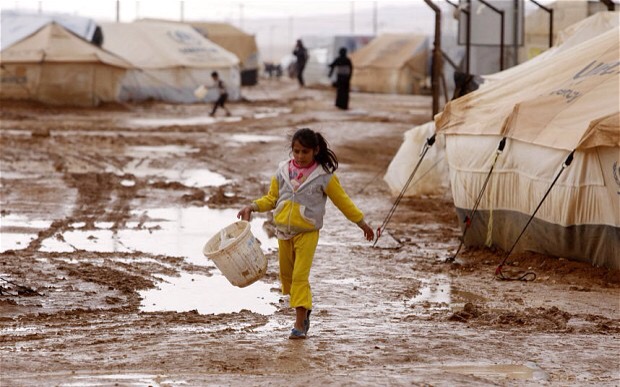
Syrian refugee camp, photo: The Telegraph
Syrian refugee camp
photo: The Telegraph

More than anything, our mission is a call to action, a call to work in your own communities where ever you are in the world, and to focus on the pressing local issues that contribute to conflict, injustice, and unsustainable economic and environmental practices. The kind of change we need may well have to be from the ground up, all of us working together to create peaceful, sustainable and just cultures that nurture the best in all the peoples of this world.

Poverty and homelessness are evergreen issues historically, but issues also embedded in social and political complexity. They benefit the rich, whose economic system keeps most of the rest of us as, at best, “wage slaves,” and all too many of us in poverty, without enough to provide for basic needs or housing (including the “working poor,” who hold low-paying jobs while CEOs are paid record-breaking salaries and bonuses in the global capitalist system). We are united in our cries against the structures of injustice, where the rich act as demigods and demagogues. We have to ask of what use will all their riches be in the face of this inconceivable suffering and the inevitable backlash from the marginalized and disenfranchised. We need fairness, not greed.

So, with this mission in mind, and with the complexity of the interrelationships of social justice, sustainability and peace as a framework, we focus on hunger and poverty, two basic issues and major threads in the system of inequality and injustice that need addressing throughout the world.

We look forward to what you have to share, whether the form is poetry, essay, fiction, art, photography, documentary, music, or hybrids of any of these—and we want to engage in an ongoing conversation through your comments on all of the above as you not only share your own work here today but visit and enjoy the work of others, supporting one another with your “likes” and comments, starting or entering into dialogues with writers, artists and musicians throughout the world and online viewers, readers, listeners.

Think globally, act locally, form community.

—Michael Dickel, Jerusalem (with G. Jamie Dedes, California, USA)

DIRECTIONS FOR PARTICIPATION

Share links to your relevant work or that of others in a comment or by using Mister Linky below. To use Mr. Linky, just click on the graphic. (Note: If you are sharing someone else’s work, please use your name in Mister Linky, so we can credit you as the contributor—we will give the author / artist name in the comments, from the link when we post the link in a comment.)

You may leave your links or works in the comment section below this post. If you are sharing the work of another poet or artist, however, please only use a link and not the work itself.

In addition to sharing, we encourage you to visit others and make connections and conversation. To visit the links, click on Mr. Linky (the Mister Linky graphic above) and then on the links you see there. (Some Mr. Linky-links can be viewed in the comments section after we re-post them.)

Thank you! 

All links will be collected into a dedicated Page here at The BeZine and also archived at 100TPC.

Thank you for your participation. Let the conversation begin …
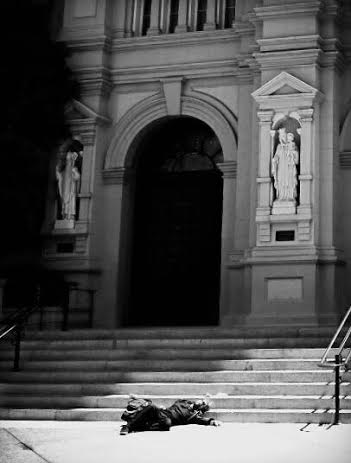
Posted in General Interest, The BeZine, The BeZine Table of Contents

The BeZine, 15 Sept. 2015, Vol. 1, Issue 11 (Poverty/100TPC) – Table of Contents with Links

15 September 2015

For the past five years, September has been the month of 100,000 Poets for Change (100TPC). All over the world, poets (musicians, artists, and, yes, mimes) have organized events on or near a Saturday in September each of those years, this year, on the 26th. For this, the fifth anniversary of 100TPC, there are over 500 events scheduled throughout the world. The readers of, contributors to and publishers of The BeZine have participated with a virtual event in the past and will again this year on the 26th.

Meanwhile, The BeZine’s theme for September also supports the 100TPC call for peace, sustainability, and social justice, with our focus on poverty in general and homelessness in particular. This focus relates to social justice in an obvious way. Yet, how could we speak of sustainability without social justice? If we still have poverty and homelessness, what is sustained other than inequality? And, without social justice could there be peace? For that matter, could peace be sustained without both justice and environmental plus economic sustainability? Our choice is not to put one of these three above the other, but to recognize that all of these three important themes, necessary areas of change, interrelate in complex ways. So we chose one aspect to focus on, and in so doing, this issue clearly points to all three themes through the lens of poverty.

We open by featuring three incredibly powerful poems by Sylvia Merjanian, Refugee, Second Chance, and Collateral Damage. Refugee and Collateral Damage come from her collection, Rumor (Cold River Press—proceeds go to help Syrian refugees). Second Chance debuts here. These poems show the relationship of war to poverty, oppression, and sexual abuse. In reading these, one senses the immense personal costs of war, especially to women and children. They provide an important window into the staggering worldwide refugee crisis, currently the largest human migration since World War II. Refugees are homeless in so many ways, even when they have a house to live in. And, the world seems to conspire to keep them destitute.

That war directly and indirectly causes poverty does not surprise. You might not know, until you read James Cowles’ essay, The Roots of Institutionalized Poverty, that something called The Compromise of 1877, which ended the post-Civil War Reconstruction Era, provided the political and economic structures of poverty that continued strong through the Civil Rights Era and, in many ways, still exist today. Certainly we know that poverty is not new in the United States, and neither is homelessness. In this issue you will hear music of the Depression Era that sounds too familiar today. The first time I personally participated in an editorial process and writing publication related to homelessness was in 1989, for the University of Minnesota student paper, the Minnesota Daily. We produced a special finals’ week issue, Ivory Tower, dedicated to the theme.

Poverty and homelessness are evergreen issues historically, but issues also embedded in social and political complexity. They benefit the rich, whose economic system keeps most of the rest of us as, at best, “wage slaves,” and all too many of us in poverty, without enough to provide for basic needs or housing (including the “working poor,” who hold low-paying jobs while CEOs are paid record-breaking salaries and bonuses). Our second feature, Jamie Dedes’ poem, Some Kind of Hell to Pay, cries out against the structures of injustice, where the rich act as demigods and demagogues, and it asks of what use will all their riches be in the Hellish realm of the inevitable backlash from the marginalized and disenfranchised.

photo credit: Sharon Frye

The poems, prose, photo essay, and art in the rest of the September BeZine will ask you to feel, to see with empathy, to hope defiantly, and always to resist the status quo. The writers often look beyond the borders of the U.S. or Western Europe to see the injustices of a world-wide economic system of war, greed and injustice that makes it difficult to live outside of its oppressive realities—and for those pushed out, the available choices do not sustain their lives, their dreams, or their spirits.

Yet, people live, they dream, and they hope with spirit—often in defiance, sometimes by dying (see John Anstie’s As if and Sharon Frye’s Jacob’s Ladder in this issue), sometimes by living despite all of the forces lined up against their lives. Victoria C. Slotto’s Homeless Man tells of a “destitute” man whose story reveals that he may in fact have the most rich life of any of us. Always, there is more than what we see.

Read these words. Think about the change that could help to heal creation as Michael Yost’s poem Who Am I to Judge and Michael Watson’s essay The Realm of the Unimaginable speak to. Remember the admonition to think globally but act locally. And, most of all, imagine.

Then, join us on 26 September 2015, on our blog. Add your own thoughts, your own poems, your own essays. Join in our virtual, worldwide 100TPC event from wherever you live. We will post a page with instructions on our blog on the 26th. The posts will go up live. And, after the 26th, we will organize and archive the event (see the 2013 and 2014 pages in the tabs at the top of the page).

—Michael Dickel, Jerusalem

My poem from the 1989 Minnesota Daily Ivory Tower

Soil

i
The plow cuts, disk or chisel?
How much of what lies below to bring up
leave exposed to dry in the wind?
What residue of last years’ crop
to leave upon the soil, cover over
to rot, return to the fertile land?

What fetish draws me along this furrow?
Street and curb meet here.  Step up or down into slime.
Dust, trash tossed around and dropped by the blind wind.
What fate ties strings to which embedded hooks,
Pulls my flesh forward forever forward towards the street?

The Spring fete begins, seeds in muck
anticipating dilettante dance of the chosen few.
Weed out the hungry whose appetite starves wind-pressed grain shafts;
water the rows of the obedient who face slick harvest,
brittleness in the searing sun and death with Winter.

I move, farmer in these city streets, man among the chaff,
I offer to fetch my elegant plow-tongue, to stop the wind,
describe the deep earth and the rotted residue, the dry grasses and newspaper
blown by, salvaged for shelter by the quick grasp of an old hand,
pulled on top of gray hair to keep rain out.

ii
I would pull the plow, but a voice from under the newspaper
covers my shoes in mud and mire.

    What d’you know ’bout
all this?
              He spit

from mown rye-stubble fields,
        fetid earthen face
          Cracked
crumbled
          creased

  Caressed once, long ago

     All you see’s a bum.
      Fuck you, you son of a whore.

At home I do not wash the dirt from me,
I scrape it off, place it in a box
with a key I open my belly and
secure the box within, sated.

The weeds fend for themselves

photo credit: Jamie Dedes

September 2015

Theme: Poverty

Lead Features

Rumor, Silva
Some Kind of Hell to Pay , Jamie Dedes

Articles/Creative Nonfiction

The Realm of the Unimaginable, Michael Watson
The Roots of Institutionalized Poverty in the Compromise of 1877,  James R. Cowles
Farming a Dancing Landscape, Priscilla Galasso

Poetry

As if, John Anstie

Why do you judge me?, Brian Crandall
Homeless, Brian Crandel
I Understand, Brian Crandall

Poverty Line, Sharon Frye
Jacob’s Ladder, Sharon Frye
Barometer of Bones (A Baltimore Teacher Remembers Freddie Gray), Sharon Frye

The Search, Joseph Hosch
Cold Comfort, Joseph Hesch

more Washington rumors, Charles W. Martin
five dollars and some change, Charles W. Martin

The H wor(l)d, Liliana Negoi

I Am Not Alone, Lana Phillips
Pulling Myself Up, Lana Phillips
Wounded Healer, Lana Phillips
Undeserving, Lana Phillips

~ Under ~, Corina Ravenscraft

Le Mendicant, Victoria C. Slotto
Homeless Man, Victoria C. Slotto

Who Am I to Judge, Michael Yost

Photo Story

Out in the World, Naomi Baltuck

Art

Mother and Child, Roy DeLeon, OSB

Special Feature
An Art Lesson with Leslie White … music by Grandpa Elliot
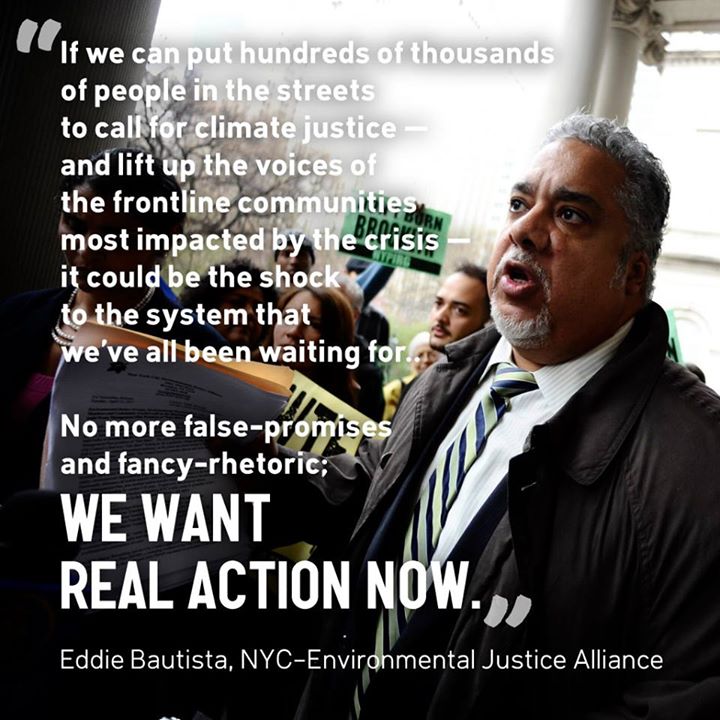
Music
nueva canción de Ameríca Latina
(the social justice music of Latin American) 

Sólo le pido a Dios (with translation and brief bio), Mercedes Sosa

from the Great Depression (1929-1941)

The Ghost of Tom Joad, Pete Seeger and Bruce Springsteen
I Ain’t Got No Home, Woody Guthrie
Hobo Bill’s Last Train Ride, Merle Haggard
Brother, Can You Spare a Dime, Rudy Vallee
Nobody Knows You When You’re Down and Out, Bessie Smith

Contemporary

Democracy, Leonard Cohen

BIOS WITH LINKS TO OTHER WORKS BY OUR CORE TEAM AND GUEST WRITERS

FOR UPDATES AND INSPIRATION “LIKE” OUR FACEBOOK PAGE, THE BARDO GROUP/BEGUINE AGAIN

MISSION STATEMENT

Back Issues Archive
October/November 2014, First Issue
December 2014, Preparation
January 2015, The Divine Feminine
February 2015, Abundance/Lack of Abundance
March 2015, Renewal
April 2015, interNational Poetry Month
May 2015, Storytelling
June 2015, Diversity
July 2015, Imagination and the Critical Spirit
August 2015, Music

Posted in General Interest

I’ll have a cup of racism for Sabbath, please!

Friday’s post by Terri Stewart on “Begine Again” is timely and thought provoking; hence, we’re sharing it here. The discussion in the comments section is interesting too. Please note the links in the text and the two additional links in the comments section. All are worth your time and attention. And, just a reminder that the next issue of “The BeZine” will be published online on August 15th. The theme is music. We’ve enjoyed the work of putting it together for you and know you’ll appreciate the result … So read on and stay tuned. J.D.

Posted in Contributing Writer

This is not a poem

Editor’s Note:  The gremlins are hard at work behind the scenes preparing the July issue of The BeZine – to be published on the fifteenth.  Meanwhile we present a poem by Michael Dickel, for your Sunday reading pleasure.  

Michael Dickel shared poetry from his newly published chapbook, War Surrounds Us (Is A Rose Press), in the last two issues of The BeZineWe welcome Michael today as a new member of our core team.

This is not a poem

(cubist poem in entangled form)

Fake Sunset Music Digital art ©2015 Michael Dickel Fake Sunset Music
Digital art ©2015 Michael Dickel

i

This is not a poem; it’s a fake.
Someone else’s words, images, metaphors
creeping on cat’s feet into my mind,
clawing their way to the top of my consciousness
as though they were mine, mined
from some experience unique at once,
universal twice, useless thrice.
This is not a poem. It is a fake:

a book of chords, some sketch of the words,
a chorus. Fake the melody, fake the rhythm
fake the music of sensory language
abstracted to censor sexual pleasure
of the mind. Or something like that.
Or nothing like that. Or nothing.

Fake spring flower sunset Digital art ©2015 Michael Dickel Fake Sunset Flower
Digital art ©2015 Michael Dickel

ii

This someone: creeping, clawing as though from a universal.
This—a book, a chorus, fake, abstracted of the mind or nothing—
is not, else is, on cat’s feet, their way. They were mine, some experience
twice useless, not a poem of chords. Fake, the music to censor or something like that.
It’s a fake: words into my mind, to the top, mined, unique. Thrice: it is a fake.
Some sketch, the melody, sensory language, sexual pleasure: like that. Or nothing.
Images of my consciousness at once sketch, fake the rhythm. Metaphors.

Fake music flower sunset Digital art ©2015 Michael Dickel Fake Sunset Flower Music
Digital art ©2015 Michael Dickel

iii

This is not a poem; it’s a fake:
A book of chords, some sketch of the words,

someone else’s words, images, metaphors,
a chorus. Fake the melody, fake the rhythm

creeping on cat’s feet into my mind,
fake the music of sensory language

clawing its way to the top of my consciousness,
abstracted to censor sexual pleasures

as though they were mine, mined
of the mind. Or something like that.

From some experience, unique at once,
or nothing like that. Or nothing.

Universal twice, useless thrice.
This is not a poem. It is a fake.


This poem originally appeared in Drash Pit, April 2013


Dust Storm Sunset Digital image ©2015 Michael Dickel Dust Storm Sunset
Photo ©2015 Michael Dickel

Posted in General Interest

A Brief Meditation on Grace and Comfort

We post once again one of the more popular features published on this site. It is written by Michael Watson, our resident shaman. It seems a good one to feature given the conflicts that currently abound. We hope you’ll enjoy it,  take it to heart … and stay tuned for the next issue of The B Zine, which will publish on February 6, 2015.  On behalf of all of us here, many blessings. Jamie Dedes

GardensAfter a cool, damp week the sun is out! June is in full bloom, our perennial gardens bursting with color. In the the kitchen garden rows of tender plants have appeared in the raised beds, and we are eating mesclun. Lovely!

Here in Vermont the trees are a dense, lush green. Plants need to take full advantage of our four to five months of warm weather, and go about the tasks of reproducing and storing energy with vigor. In just a few weeks, by late July, the foliage will begin to thin, already preparing for the autumn to come.

We have stopped filling the feeders as the birds have other food sources available to them. Now that the feeders are empty we will likely take them down and store them until October. Come the first chilly days of autumn the birds will remind us to bring out the food; we have a good working relationship!

I recently read a post on Australis Incognita, an interview with an Australian Aboriginal elder, Uncle Paul Chapman. The essence of the conversation is that we learn who we are in the world by paying attention to the landscape and Nature. There is an ancient Indigenous knowing that we can’t figure it out by turning totally inward, as that is out of balance. We learn from bridging the worlds of inner an outer, self and landscape.

Reading Uncle Paul’s words reminded me we are of the landscapes we inhabit; we even have our own internal seasons. I often suggest to students that after we watch for a while we may begin to notice that sometimes the inside and outside worlds are in sync, other times not. Lately I have found myself diving deeply into the interior, even as I engage the Natural world as it bursts into furious activity.

Lately, I seem able to stand with a foot in each world, shifting between them as need be, and am rewarded by moments of grace. Grace reminds me to be grateful for my life, family and friends, and the Beauty surrounding me, even as I feel disappointed and angry with much that is unfurling in the world. Grace encourages me to be concerned for my grandchildren, and curious as to how we humans will manage the road ahead.

In dark, difficult, times it is easy to forget that summer invariably follows winter, and life sprouts anew when given any opportunity. This will be so as long as there is life on our precious blue-green planet. May we take refuge and comfort in that.

Evening-Sky The sun has broken through and the sky is a brilliant blue. Over the lake a layer of clouds, white and bubbly, hangs. Trees and gardens are abloom, and the scent of lily-of-the-valley and lilac saturates the air. The day is beautiful. May we walk through this day in Beauty, together.

– Michael Watson

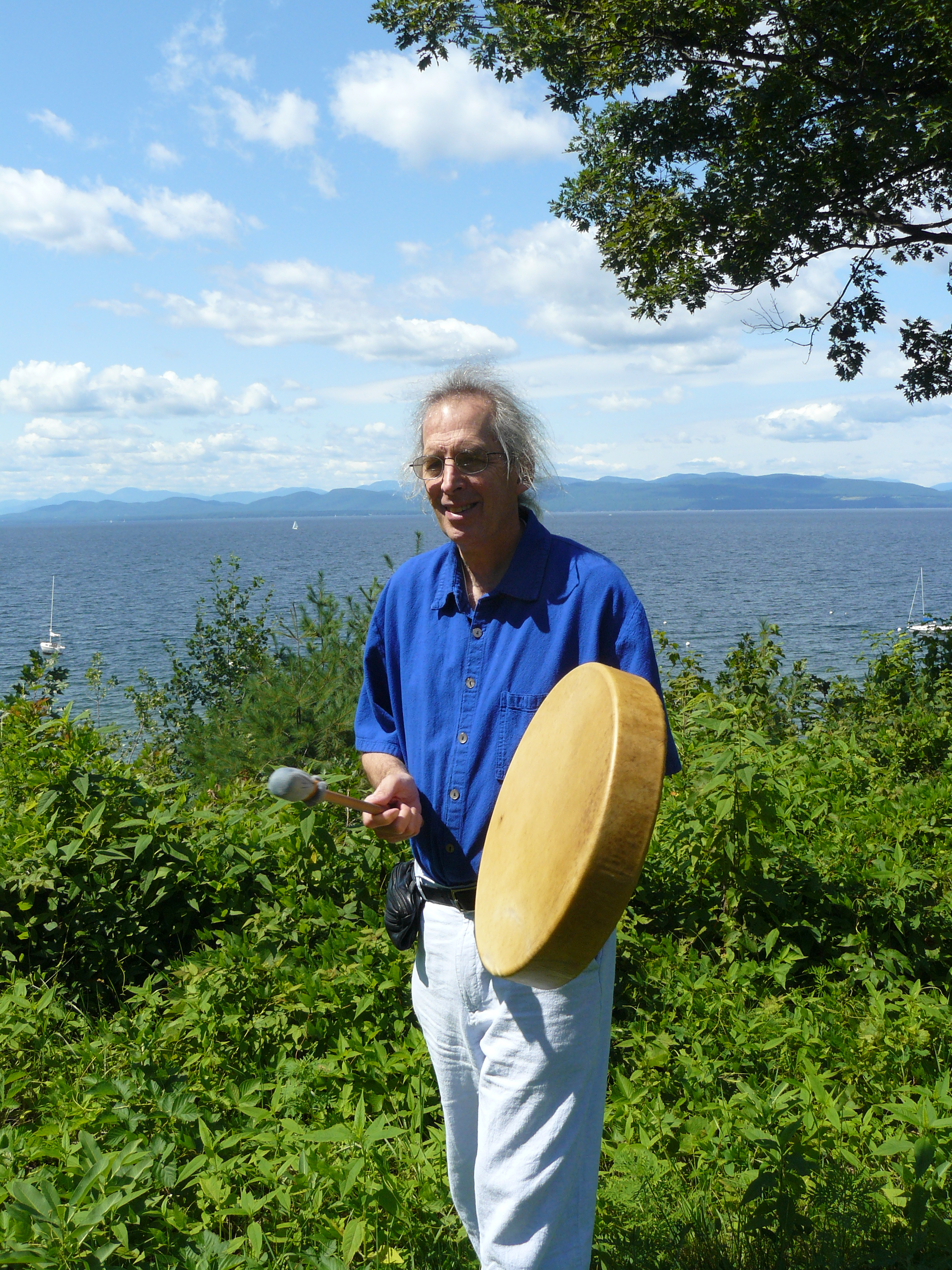
michael drumMICHAEL WATSON, M.A., Ph.D., LCMHC (Dreaming the World) ~ is a contributing editor to Into the Bardo, an essayist and a practitioner of the Shamanic arts, psychotherapist, educator and artist of Native American and European descent. He lives and works in Burlington, Vermont, where he teaches in undergraduate and graduate programs at Burlington College,. He was once Dean of Students there. Recently Michael has been teaching in India and Hong Kong. His experiences are documented on his blog. In childhood he had polio, an event that taught him much about challenge, struggle, isolation, and healing.

Posted in General Interest, justice, Peace & Justice, Video

A Mote of Dust Suspended in a Sunbeam

Carl Sagan (1934-1996)

American astronomer, astrophysicist, cosmologist, author and popularizer of natural and space science

CARL SAGAN was the David Duncan Professor of Astronomy and Space Sciences and Director of the Laboratory for Planetary Studies at Cornell University. He played a leading role in the American space program since its inception. He was a consultant and adviser to NASA since the 1950’s, briefed the Apollo astronauts before their flights to the Moon, and was an experimenter on theMariner, Viking, Voyager, and Galileoexpeditions to the planets. He helped solve the mysteries of the high temperatures of Venus (answer: massive greenhouse effect), the seasonal changes on Mars (answer: windblown dust), and the reddish haze of Titan (answer: complex organic molecules). MORE [The Carl Sagan Portal

Video posted to YouTube by CarlSaganPortal.

Earth as seen from Apollo 17.

“A mote of dust suspended in a sunbeam . . . ” Carl Sagan

Carl Sagan portrait courtesy of the Carl Sagan Planetary Society and in the Public Domain; Earth photo courtesy of NASA

This post is a part of our participation in 100,000 Poets – and Musicians, Artists and Activists –  for Change. Details HERE. Our theme is Peace and Justice.We invite you to participate in this global event by linking in your work with ours. We’ll be collecting all the links in a commemorative page shortly after we close this project on October 3. You may use Mister Linky below or include your link in the comments section. Thank you!

__________________________________

Posted in Environment/Deep Ecology/Climate Change, General Interest

“Disruption” ~ the backstory on the People’s Climate March …

This is the trailer. You can watch the full movie HERE.

Posted in Environment/Deep Ecology/Climate Change

The People’s Climate March

Tomorrow, in solidarity with this movement, we’ll present two posts: 1.) in the morning, Terri Stewart’s Creating Sacred Space by Honoring the Earth; and in the early evening, Michael Watson’s Dreaming. Please join us and add your energy to this Global Mobilization.

Posted in Essay, find yourself, General Interest, grief, Guest Writer, memoir, Mental Health

The Black Book

These were my mother’s words, written by her hand, words describing her loneliness, her longing for her new husband. What I was reading felt so private, so sacred, but it was also about me, my story, mine. I closed it quickly, feeling shame, and put it back in the box of photos my mother had handed me – the photos of my great-grandparents and grandparents and parents as children that she was going to throw away if I didn’t want them. She had incurable cancer and was cleaning out closets, or maybe her life. When I left a few days later, the box of photos was in the back of the car sans the small black journal.

fs_717690-e1407185075778Cecilia and Radney grew up in the same southeast corner of town, if we consider 17 and 18 grown up. She lived a block from the railroad where her father worked as a boiler maker’s helper in the roundhouse. This was the Polish neighborhood where she attended St. Stanislaus Catholic church with masses in Latin and Polish, and went to the Catholic school. He lived on the outskirts of town, on the few acres his father farmed, along with being an inspection supervisor at Motor Shaft. Radney played football at the public high school he attended. His family didn’t go to church, until this incident led his mother to religion at the Baptist church.

They met at the soda fountain at Johnson’s Drug Store. Cecilia worked there after she graduated from 8th grade, as high as Catholic education went for girls of her station in their town in 1940. She scooped ice cream behind the counter and Radney would stop there to have a soda on his long walk home from high school. It seems she (being a normal 17 year old girl) wanted love, and he (being a normal 16 year old boy) wanted sex. She fell in love and he got lucky. Sometime in adulthood I realized that they got married in February and I was born in August. He dropped out of high school so he could support his new family but was drafted into the army soon after I was born. We moved into to her parent’s home, then his parent’s home.

fs_717682-e1407185429741I don’t know anything about their wedding. When I would ask about her growing up years, my mother would get a strange look on her face, as if to ask why I would expect her to think about things that happened so long ago. Maybe her mind wouldn’t let her reach back into those years, maybe she thought it irrelevant. I knitted together a piece of detail from here and a piece of detail from there; not from stories they could have told, but public facts, printed on things like birth certificates and marriage licenses. Maybe that is why I longed to read what was written in that black book, to examine the personal side and analyze how it happened to me.

The family never talked about that year but it must have been a tough one. In 1943 a 17 year old Catholic girl didn’t date a 16 year old non-Catholic boy. Everyone knew Catholics were to marry Catholics. And to get pregnant and have to get married was unthinkable. Neighbors whispered and counted on their fingers. Oh, the shame that was heaped upon them. My chest tightens when I think about the conversations that took place when my grandparents were told, and when siblings found out. Did the Polish speaking parents and the English speaking parents meet to discuss options? Who planned the wedding and what was it like? Did they really love each other; did either feel trapped?

============

At some point I learned shame. They didn’t sit me down and teach it to me; I learned it through osmosis. Shame was so much a part of my being that I couldn’t name it until some thirty years later. People said I was a shy child, but shame can look like shyness when worn by a child. Those who know shame understand the hung head and the hiding behind trees instead of joining in the play. They didn’t know they were teaching me shame. My grandmas and aunts and cousins taught me their love as I lived among them, and my parents taught me their shame. For the first half of my life, the shame was stronger than the love.

They were good enough parents, they worked hard to provide for us and we had fun times as I was growing up. But early on when I was four and my father returned from the army and my mother became pregnant again, it tore open some wound in him. He took it out on us. If she wouldn’t have gotten pregnant, if I wouldn’t have been born, he wouldn’t have been trapped. I heard the screaming and hateful words; I felt the bruised and bloody body. He did unspeakable things and it was my fault. I learned to hang my head and hide, so no one would see my shame.

===============

Have you noticed when we carry something, like shame, for a long time, it becomes how we think about ourselves? We are what it is. I remember when I realized my name didn’t have to be Shame. It wasn’t a light bulb going off, but a gradual reprogramming in how my neurons fire. I began to realize that I wasn’t responsible for my own conception. Everyone else knew it and I knew other people weren’t able to conceive themselves, but I had to realize it about myself. It wasn’t my fault I was conceived. It wasn’t my shame so I could come out of hiding.

My place in the world became brighter and lighter, but my relationship with my parents is still murky. I gave up the anger at being hurt and not being protected, and I had a relationship with both until they died. But something is still missing. We couldn’t talk about it so I never heard their remorse or told them I forgave them. When I was leaving after my last two visits with my dying mother, when we both knew it could be the last visit, my mother stared deep within my eyes for several minutes. I waited for her to ask what she needed to know; I wanted to tell her I forgave her for what happened. I was stuck between wanting resolution, but also fearful that the memories of the incidents were so deeply buried in her that I would be opening a Pandora’s box when she was dying and I was leaving. I hugged her and told her she had been a good mother. She said she hoped so.

===================

fs_1111456How complex our minds are, that balance adult concerns on top of childhood memories and decisions. When I thought like a child, I believed my parents loved me because they told me so. But I also learned to fear love. I remember being at Grandma’s Baptist Sunday School when I was maybe 5. We were lined up in two rows and were led in singing “Jesus loves me, this I know. For the Bible tells me so. I am weak and he is strong…” I couldn’t sing it; I was mute. If my parent could love me and hurt me, I didn’t want any part of accepting the love of the even stronger Jesus.

After my mother’s death, I asked her husband if he knew where the black diary would be. He looked hard and wasn’t able to find it. She must have burned her words. I was heartbroken because I was hoping to know her better and maybe learn that she really did want me and love me. I was hoping her words would help me in my mental exercises of sorting out childhood decisions using my adult reasoning.

I was on my own to figure it out, but that is okay. I don’t feel bitterness toward my parents because I believe they loved me as best they could. But I have also decided I don’t need to let them define if I am loveable. I know who I am and know I belong at the table.

© 2014, text and all photographs, Patricia Bailey, All rights reserved

Sun Road 287PATRICIA BAILEY (A New Day: Living Life Almost Gracefully) ~ I retired from doing things I loved; teaching university students, directing a university major that was growing and meeting the learning needs of both traditional age and returning students, and helping people heal as a mental health therapist. In retirement I have found new and renewed activities that I love; photography, blogging, traveling, and quilting. It is important for me to have a purpose for my living, and my photography and blogging fulfill my need to touch and enrich the lives of others in a way that is healing and to help people grow and develop. Along the way I am drawing on the knowledge gained from getting a Masters in Social Work and a Ph.D. in Clinical Psychology. I am also continuing to learn about myself as I am writing and about the world as I view it through my lens. You can visit my blog at http://imissmetoo.me/

Posted in General Interest

Step by Step

Taking life as it comes: One Step at A Time with award-winning National Geographic photographer, Steve McCurry.

Posted in Film/Documentaries/Reviews, General Interest, Guest Writer, Video

The making of a 1949 Hollywood film in the little town of Much Wenlock (Shropshire, England)

51cm9ejq5ql1_thumb
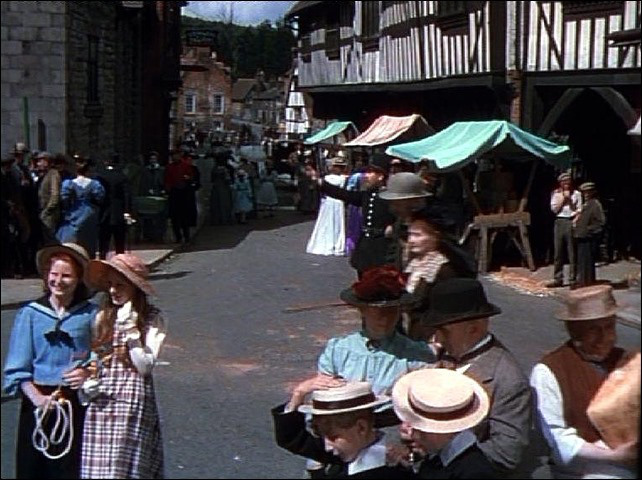
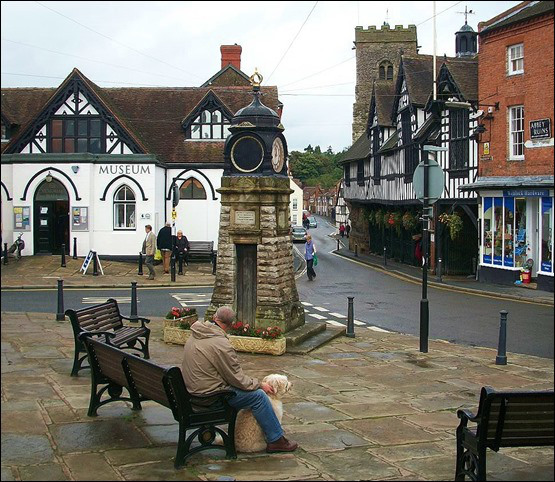
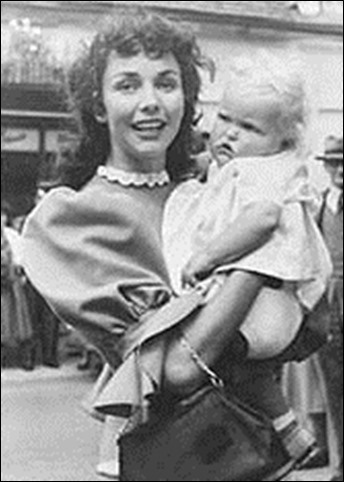
It’s hard to imagine, but in 1949 Hollywood descended on my little home town of Much Wenlock. Both its locations and inhabitants featured in David O. Selznick’s screen version of Mary Webb’s 1917 novel, Gone to Earth. The film’s star, Oscar-winner Jennifer Jones, certainly looks the part, and in this respect she well conjures the book’s central character, the untamed but doomed spirit that is Shropshire lass, Hazel Woodus.

As an American, Jones of course had to receive specialist drilling in the Shropshire dialect, a form of speech which these days is scarcely heard, but would have been the norm during Webb’s childhood. She writes it very clearly in the book’s dialogue, and Jones makes a good stab at it, but it perhaps sounds overdone to modern ears. People in England do not speak like this any more.
gonetoearth171_thumb

Mary Webb herself spent her adolescence in Much Wenlock, and for the rest of her too-short life lived in various parts of rural Shropshire. She knew country ways intimately. Her writing is rooted always in the landscapes of her own growing up – the upland wilds and rugged long-gone lead-mining and peasant farming communities, the small market towns. But although she observes the hardship and poverty with a keen eye, she has tended to be dismissed as a writer of the romantic and rustic, her work parodied in Stella Gibbons’ Cold Comfort Farm.

In her day, though, she had some very well known literary admirers including Rebecca West and John Buchan (Thirty-Nine Steps). I think her novels deserve a rediscovery. Her themes are still relevant today: male attitudes to women being one of them; human cruelty and wilful destructiveness for another.

In Gone to Earth, the central character, Hazel Woodus, is eighteen, motherless, and living in an isolated cottage with her coffin-making, bee-keeping father, Abel. Her only companion is a tame fox, Foxy, and her only guidance in life is dubiously received from her dead mother’s book of gypsy spells.

Two men want her: the Baptist Minister who marries her and tries to protect what he sees as her innocent spirit, and the fox-hunting landowner who wants only bodily possession. Hazel herself is torn between respectable conformity and her growing sexual awareness. And if I tell you that the term ‘gone to earth’ is the huntsman’s cry when a fox goes underground to escape the hounds, you will know that the story does not end well.

In other senses the book’s plot may be purely allegorical. Above all, it is about the pointless destruction of natural beauty and freedom. Webb was writing it at a time when three of her younger brothers were fighting in the World War 1 trenches.

muchwenlock051_thumb

muchwenlock101_thumb

Much Wenlock 1949 in outside and inside the medieval Guildhall: scenes from Gone to Earth, director Michael Powell

100_6020_thumbThe making of the film did not run altogether smoothly, and there are perhaps some parallels between Hazel as an object of male possession and control , and the position of the film’s star, Jennifer Jones. She had had an affair with the executive producer, David O. Selznik, and by 1949 they were married. He wanted Gone to Earth to be solely a showcase for her, and he did not think the film’s makers, the fabulous storytelling team of director Michael Powell, and screenwriter, Emeric Pressburger, (The Red Shoes, The Life and Death of Colonel Blimp) had done her justice. He even took them to court for not producing what was in the script. He lost the case, but he still had the right to make an alternative version.

feat11_thumb

100_4926_thumb

The upshot was that for the 1952 American release, renamed The Wild Heart , he chopped all the scenes that did not make the most of Jones, had new scenes shot, and to make sense of the makeover added a commentary by Joseph Cotton. The film was not well received, and so did not serve his purpose. Only recently has the original Powell and Pressburger version been fully restored.

feat41_thumb


Hazel goes to the Devil’s Chair

For more on Mary Webb:
images-31_thumb

“This year’s discovery has been Mary Webb, author of Gone to Earth. She is a genius, and I shouldn’t mind wagering that she is going to be the most distinguished writer of our generation.” — Rebecca West, review of Gone to Earth in the Times Literary Supplement, August 30, 1917

Mary Webb: neglected genius for the synopsis of Gone to Earth and also for details of her other works.

– Tish Farrell

© 2014, Tish Farrell, All rights reserved; photographs either as indicated above or in public domain

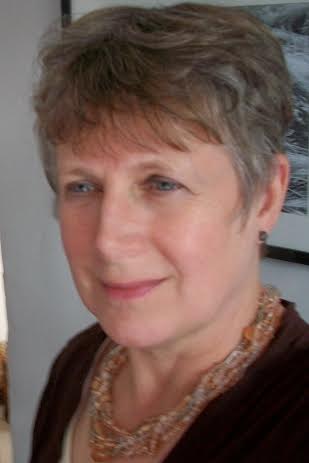
unnamed-6Unknown-951ts8NDtDUL._BO2,204,203,200_PIsitb-sticker-v3-big,TopRight,0,-55_SX278_SY278_PIkin4,BottomRight,1,22_AA300_SH20_OU01_TISH FARRELL (Writer on the Edge) ~  is an award-winning English writer of fiction and non-fiction for young adults. In the 1990s, after a career in Museum Education, she went to live in Kenya, East Africa. It was here that she began writing for the African Children’s Literature market. An anthropologist by training, she was dismayed at the lack of contemporary fiction that reflected young Africans’ lives in their increasingly urbanised world.

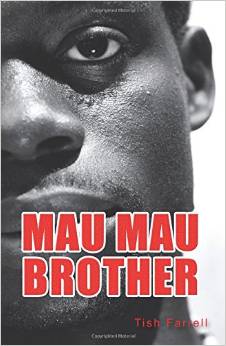
Her first short novel, Jessicah the Mountain Slayer, about a Nairobi street girl, and a picture book Flame Tree Market were published by Zimbabwe Publishing House, Zimbabwe and Phoenix Publishing, Kenya. Both books won awards at the 1996 Zimbabwe International Book Fair and have remained in print in both countries ever since.  In the United States her short fiction has appeared in the multi-award winning Cricket and Cicada Magazines. Now living back in England, she writes novelised short stories for reluctant teen readers for Ransom Publishing. The most recent title, Mau Mau Brother, tells the story of the 1950s Kenya uprising from the viewpoint of a Kikuyu boy. She has also just published a Kindle novella e-book, Losing Kui. This new edition was originally published by Cicada Magazine and is suitable for adults and young adults alike. Go here for more about her Books

Tish blogs about Africa, the ancient Shropshire town of Much Wenlock where she lives, writing, and much else besides at: http://tishfarrell.wordpress.com/   

Posted in General Interest

Mindful Monday: Interbeing with the Earth

Both Beguine Again (all week) and The Bardo Group blog ( Terri’s Sunday post 9/15 and Michael Watson’s post on 9/20) will feature related topics leading up to the largest global demonstration for climate change in history. This demonstration is scheduled for Sept 21. We’ve provided details on it in our last Bardo News (http://wp.me/p1gLT0-3i3) and today we share a post from Beguine Again.

Posted in General Interest, Guest Writer, poem, Poems/Poetry, poetry, Video

Do Not Judge Me, As My Sin Deserves

imagephoto-1.phpThis poem was written by Noris Roberts, a Venezuelan poet educated in Commercial Law at the Universidad Santa Maria in Caracas. Her collection The Mirror of the Soul was published in limited edition with proceeds going to a healthcare foundation for at-risk children. You will find her complete bio HERE.

The work is read by Victor David Santiago, poet, writer, musician and founder/editor of Subprimal Poetry Art.

© 2014 portrait, poem and video, Noris Roberts, All rights reserved

Posted in General Interest, memoir, Peace & Justice

Memories of September 11, 2001

Yesterday on our partner blog writers Ruth, Terri, Chrysty, Donna and James shared their memories of the 9/11 tragedy. You may want to read what they each have to say and to add your own voice there as well.

Posted in find yourself, General Interest, Video

Philosophy of Life

Posted in General Interest

Today is Internet Slowdown Day … it’s all about net neutrality …

slow

Images courtesy of Battle for the Net.

battle3

Related articles and links:

Posted in Art, General Interest, Gretchen Del Rio

weeps for the earth

Another gentle lovely from Gretchen Del Rio …

Gretchen Del Rio's avatarGretchen Del Rio's Art Blog

watercolor aceo 8/2014 watercolor aceo 8/2014

May the sun
bring you new energy by day
May the moon
softly restore you by night
May the rain
wash away your worries
May the breeze
blow new strength
into your being
May you walk
gently through the world
and know its beauty
all the days of your life
                                     Apache Blessing

View original post

Posted in Bardo News, Environment/Deep Ecology/Climate Change, General Interest, Peace & Justice, Poets/Writers

BARDO NEWS: “Beguine Again” + “The Bardo Group” merging; Poetry Kudos; 100,000 Poets, Musicians and Artists for Change event; the People’s Climate March gone global …

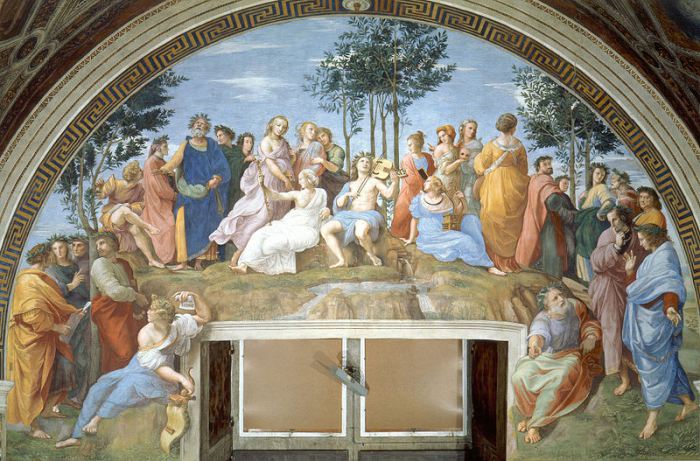
800px-rafael_-_el_parnaso_estancia_del_sello_roma_1511-1STATUS ON MERGING  Beguine Again and our collective, The Bardo Group, continue with sharing of ideas and some modifications to site links already in progress. At this point the intention is to continue with daily posts. The official transition date is October 1st. On Saturday, October 4, Terri Stewart will post a more complete status report. Jamie Dedes will remain as a part of the core team and as poetry liaison.

We move forward with 100,000 Poets, Musicians and Artists for Change. However, we have streamlined the plan given the weight of work that is now upon us. We won’t be able to publish a book this year – a dream for next year maybe – but we’ll still have daily post/s and in the spirit of the occasion, we invite readers to link in their own relevent work to the posts via Mister Linky or in the comments sections starting September 27 and through October 3 inclusive. Shortly after the event close, we’ll collect links into a Page like the one we did for Poets Against War, 2013 Collection HERE.

The Bardo Group chosen area of concern for this year’s event is Peace and Justice.

The founders of 100,000 Poets, Musicians and Artists for Change are enthusiastically rolling forward. Founders Michael Rothenberg, poet and editor of Big Bridge Press and zine,  and Terri Carrion, poet, writer and associate editor and visual designer of Big Bridge Press and zine, have pages set up for all participating organizations. THE BARDO GROUP event page is HEREWe take this opportunity to thank Michael and Terri for their vision and their work.

Michael and Terri have written: 

“The first order of change is for poets, writers, musicians, artists, activists to get together to create and perform, educate and demonstrate, simultaneously, with other communities around the world. This will change how we see our local community and the global community. We have all become incredibly alienated in recent years. We hardly know our neighbors down the street let alone our creative allies who live and share our concerns in other countries. We need to feel this kind of global solidarity. It will be empowering.”  MORE

KUDOS

unnamed-3

PEOPLE’S CLIMATE MARCH (HERE) The largest global demonstration for climate action in history is scheduled for September 21. In solidarity, Beguine Again will post spiritual practice relevant to the issues.

(c) 2014 Jamie Dedes


More than 100 organizations are taking part in an online recruitment drive to sign people up for the demonstration. In the first hours of the push, thousands of new sign-ups have already begun to flow in.

The People’s Climate March is expected to be the largest demonstration for climate action in history. The march takes place just two days before world leaders gather for an emergency Climate Summit at the United Nations. Marchers are demanding leaders go beyond rhetoric and commit to bold action at the summit.

More than 750 organizations around the world are supporting the People’s Climate March, from the largest transit workers union in New York City to a coalition of buddhist monks.

In total, the groups represent roughly 100 million people worldwide.

The scale of organizing for the march now rivals that of a major electoral campaign, with thousands of volunteers, daily phone-banks and canvasses in NYC, and a major online operation to turn out marchers. Updates from the field include:

Trains and hundreds of buses will be bringing people from across the country for the march. Including a dedicated train from San Francisco to New York, a dedicated train from D.C. to New York, and buses from multiple points outside of New York.

More than 45 labor unions have signed onto the march, pledging to turn out members in New York City and from surrounding areas.

Connecticut alone has over 40 different groups confirmed to attend.

Renowned artist Shepard Fairey, whose Obama Hope poster has become world famous, has donated a poster design for the march.

At a warehouse in Brooklyn, artists are creating giant sculptures, floats, and banners for the march.

The global campaigning group Avaaz has secured 10% of the subway ads in NYC for the month before the march. The ads were chosen after a poster design contest that netted over 400 entries worldwide. Groups are planning a major student recruitment push for college campuses as classes resume in September.

In New Delhi, thousands will take over the streets on September 20 to demand a renewable energy revolution.

In Australia, organizers are expecting hundreds of individual events to take place across the country, including a major march in Melbourne.

In London environment organisations and faith groups are combining forces to create a historic march through the city to the steps of Parliament.

In Berlin three parallel marches will combine forces in a colourful festival.

Events are already being planned in Ghana, Kenya, DRC, Nigeria, and Guinea, along with a major march in Johannesburg.

In Paris, local groups will create the “Paris Marche pour le Climat,” with parades, marches, and bicycle rides planned across the bridges of the Seinne.

Reports are also coming in of large mobilizations planned in: Kathmandu, Rio, Sao Paulo, Jakarta, Dublin, Manila, Seoul, Mumbai and Istanbul.

Organizers are confident that the sheer scale and diversity of the People’s Climate March events, from the headline demonstration in New York City to the simultaneous events worldwide, will show politicians that there is a massive, energized movement demanding immediate action to address the climate crisis.

In New York City, the message will be difficult to ignore: marchers have come to an agreement with the NYPD for the march to flow directly through the middle of Manhattan. The march will begin at Columbus Circle at 11:30am on Sunday, proceed over on 59th Street to 6th Avenue, down 6th Avenue to 42nd Street, then right on 42nd Street to 11th Avenue. The route passes by some of New York City’s most famous landmarks, from Rockefeller Center to Times Square.

10345735_10152431365537708_82281688518637424_n

The march and the Climate Summit in New York mark the beginning of a busy 18 months of crucial international negotiations. Climate negotiators will head to Lima, Peru, in December 2014 to make progress towards a global climate deal. Then, in September 2015 world leaders will meet back in New York to adopt the Sustainable Development Goals, the global post-2015 development agenda. Three months later, the world will gather in Paris to try and sign a new international climate treaty.

BLOGGERS AND WEBSITE OWNERS don’t forget that September 10 is Internet Slowdown. This is all about NetNutrality. Our site host, WordPress, is participating.

In the spirit of peace, love and community,

The Bardo Group