Posted in General Interest, Joseph Hesch, poem, Poems/Poetry, poetry

This, These, This

In the dark, ceiling-staring
into the nightly abyss,
I became not-alone.
Twilight dreams before sleep
projected a life of never be,
but would never leave
in the soft dawnlight glow
behind my hooded eyes.

I lie there thinking of
the living, the dead
and the one beneath
those covers who was neither.
With one more sigh,
t’was then I saw them,
short strings of expression
rising from my body,
five knots in the first,
seven on the next.

They repeated over and over,
a rope ladder I climbed
past soft women,
and hard worlds,
elevating my spirit
and body to a near-waking
breath and breath
exhalations of unrhyming song.

The blood-rush in my ears,
wave upon wave, sounded like
“Wish, which, wish,.”
To which I replied,
“This, these, this.”

© 2014, poem, Joseph Hesch, All rights reserved

Hesch Profileproduct_thumbnail-3.phpJOSEPH HESCH (A Thing for Words) is a writer and poet from Albany, New York , an old friend of Bardo and a new core team member. Joe’s work is published in journals and anthologies coast-to-coast and worldwide. He posts poems and stories-in-progress on his blog, A Thing for Words.  An original staff member at dVerse Poets Pub website, Joe was named one of Writers Digest Editor Robert Lee Brewer’s “2011 Best Tweeps for Writers to Follow.” He is also a member of the Grass Roots Poetry Group and featured in their 2013 poetry anthology Petrichor Rising.

Posted in General Interest, John Anstie, poem, Poems/Poetry, poetry

Midnigh Morvening

[A flight of fanciful imagination … by the power of a single word]

A couple of years ago, I wrote a very silly poem! It came to me one day as a result of a word that I used whilst having a conversation, as usual, with a close bunch of Twitter friends (or should that be a Twittersation!). The word, “morvening”, came out of my head, and I decided it would enable me to greet Jacquie Dick and Joe Hesch in the morning of New York and Albany at the same time and with the same word as greeting Marsha Berry in Melbourne’s evening, thus paying deference to their geography. Following a tweet from Jacquie with the suggestion that it sounded “sweetly medieval”, my imagination took flight and a poem was born! Thanks to Jacquie and the rest of the GRPG (Grass Roots Poetry Group) for playing along with my eccentricity, as they all did for some time by using the word themselves, as our common daily greeting.

It is always worthwhile taking an opportunity to say thank you to those particular friends, with whom I have been ‘close’ since 2011. I owe a lot to the GRPG, not least because of these sometimes silly, but always funny exchanges we shared initially on Twitter, in less than 140 characters (and later elsewhere), as we headed toward the publication of our anthology*. As diverse a group as you could imagine, I owe them a lot, because I somehow learned much from all of them; in fact I think they all learned from each other, in their own prticular ways. The experience added value to my prosodic life, that’s for sure.

Anyway, here’s my neologistic contribution to the literary world …

The light it was a brightening
on winter’s dawning day
it was the midnigh morvening
that showed us all the way

and how the beasties of the norn
did plague the Gothan bride,
but facing fiery teeth with Day
the Night stood by her side.

He stood e’er long with triptych scroll
and spake out loud and clear
“behold the midnigh morvening
and be ye of good cheer”

For all the trolls and beasts of nigh
will e’er be gone be’soon
the magic of the morvening
‘ll be written in the rune

And so ’twas wrote on old tryptych,
on every sleepless bed,
that on the midnigh morvening
the Night and Day are wed.

© 2012 John Anstie

[Poem first published on 19 February, 2012]


John_in_Pose_Half_Face3

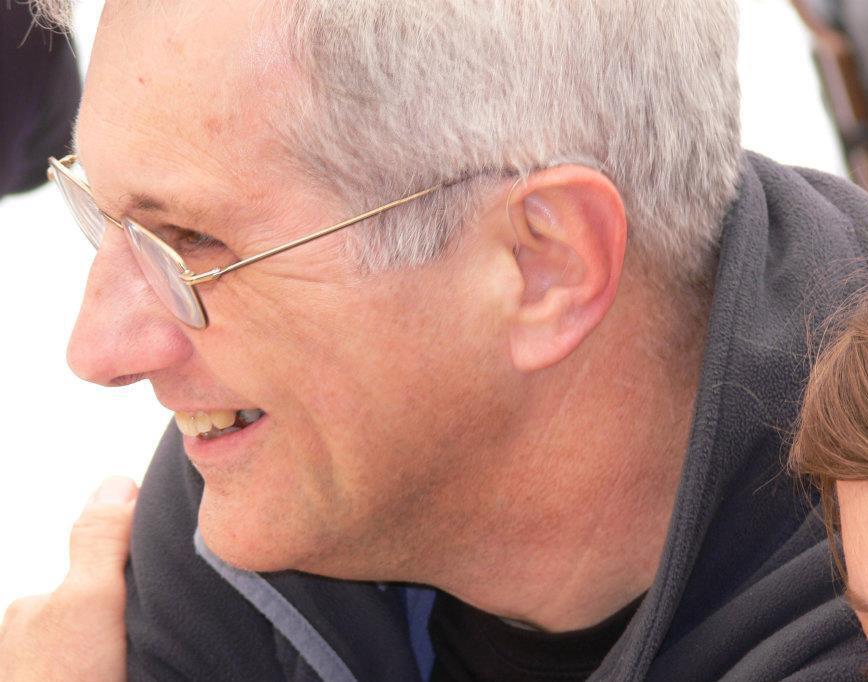
JOHN ANSTIE (My Poetry Library and 42) ~ is a British writer and poet, a contributing editor here at Bardo, and multi-talented gentleman self-described as a “Family man, Grandfather, Occasional Musician, Singer, Amateur photographer and Film-maker, Apple-MAC user, Implementation Manager, and Engineer”. He has participated in d’Verse Poet’s Pub and is a player in New World Creative Union as well as a being a ‘spoken-voice’ participant in Roger Allen Baut’s excellent ‘Blue Sky Highway‘ radio broadcasts. John has been blogging since the beginning of 2011. He is also a member of The Poetry Society (UK).

*****

product_thumbnail-3.php

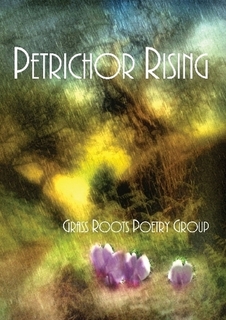
51w-rH34dTL._BO2,204,203,200_PIsitb-sticker-arrow-click,TopRight,35,-76_AA300_SH20_OU01_John has also been involved in the recent publication of two anthologies that are the result of online collaborations among two international groups of amateur and professional poets. One of these is The Grass Roots Poetry Group, for which he produced and edited their anthology, “Petrichor* Rising. The other group is d’Verse Poet Pub, in which John’s poetry also appears The d’Verse Anthology: Voices of Contemporary World Poetry, produced and edited by Frank Watson.

Petrichor – from the Greek pɛtrɨkər, the scent of rain on the dry earth.

Posted in General Interest, Jamie Dedes, poem, Poems/Poetry, poetry

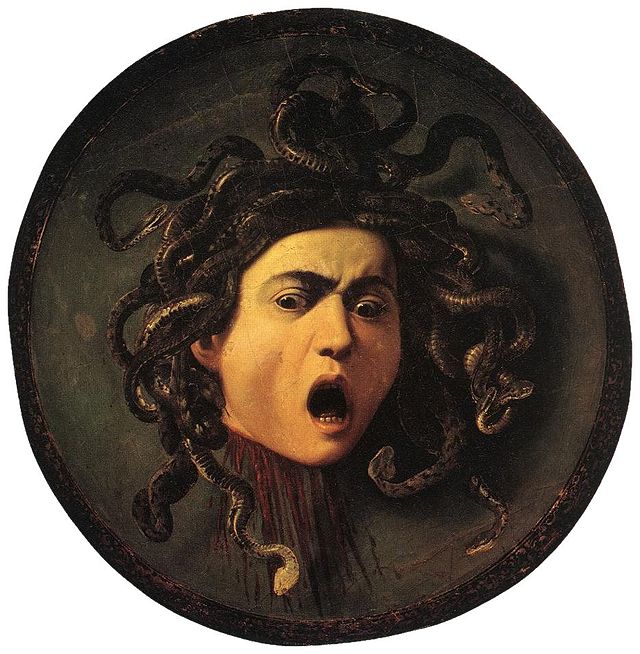
A Madwoman, A Madonna, A Medusa

640px-Medusa_by_Carvaggio-1What’s it to me?
A knotted and nasty old poet of introverted time
wearing five-dollar sweats
dressing in black on black,
silver earrings tinkling softly in the winter breeze
What’s it to me? …

A Madwoman, A Madonna, A Medusa
Traipsing neighborhood streets, city parks, country lanes
Nibbling on sharp yellow cheese and glossy red apples
Sitting down on some wayward curb to sigh in wonder at
noisy birds, children, wizened old men, whiskered grandmothers
Dogs walking their humans by the side of the road
Feral cats scratching a living of pigeon stuffed with stale bread

Muttering, muttering, whispering, watching, writing
Writing long poems and short about what it was to be us
through clocked days trapped in pointless, punctilious youth
Enjoying now the wild, gnarly randomness of life
and the music of our dusty blue souls jingling as we walk …
What’s it to me? What’s it to this so lately untamable me?

© 2013, poem and photographs, Jamie Dedes, All rights reserved; “Medusa” is in the public domain

Photo on 2014-03-31 at 17.16 #3unnamed-18JAMIE DEDES (The Poet by Day)~I am a medically retired (disabled) elder and the mother of married son who is very dear. I started blogging shortly after I retired as a way to maintain my sanity, to stay connected to the arts and the artful despite being mostly homebound. My Facebook pages are: Jamie Dedes (Arts and Humanities) and Simply Living, Living Simply.

With the help and support of talented bloggers and readers, I founded and host The Bardo Group because I feel that blogging offers a means to see one another – no matter our tribe – in our simple humanity, as brothers and sisters and not as “other.”

“Good work, like good talk or any other form of worthwhile human relationship, depends upon being able to assume an extended shared world.” Stefan Collini (b. 1947), English Literary Critic and Professor of English Literature at Cambridge

Posted in Joseph Hesch, Nature, poem, Poems/Poetry, poetry

Empty Nests

Raking up winter’s debris next to the house
I found the tiny basket, a fallen relic of lives
born, nurtured and winged off to make their own ways.
I almost overlooked it among the twists of twigs
and dry grass, but for the intricacy of its weave,
the palm of a hand knit to hold expectations.

Miniscule aquamarine mosaics peppered its walls, like
photos of a neighbor’s children, forgotten.
I plucked bits of fluff from within and
slipped them into my wallet between my
cracked but held-tight memories of little ones
who once cried and grew and flew here, too.

– Joseph Hesch

© 2014, poem, Joseph Hesch, All rights reserved

Hesch Profileproduct_thumbnail-3.phpJOSEPH HESCH (A Thing for Words) is a writer and poet from Albany, New York , an old friend of Bardo and a new core team member. Joe’s work is published in journals and anthologies coast-to-coast and worldwide. He posts poems and stories-in-progress on his blog, A Thing for Words.  An original staff member at dVerse Poets Pub website, Joe was named one of Writers Digest Editor Robert Lee Brewer’s “2011 Best Tweeps for Writers to Follow.” He is also a member of the Grass Roots Poetry Group and featured in their 2013 poetry anthology Petrichor Rising.

Posted in Niamh Clune, Poems/Poetry, poetry

Some Levity For Dog Lovers!

dog-cartoon-clipartA thin black cat
got suddenly fat
and jumped through a hoop
at the end of a loop
but the cat got stuck
and was suddenly struck
by the limits of girth
now too big a berth

His whiskers twitched,
his midriff itched.
He tried to wiggle ~
not even a little
could he prize himself free.
In cat misery,
he wailed up a storm
just as loud as can be

and the dog did chuckle
at the state of the muckle
of the cat in the middle
now caught in a riddle
what should a dog do
when a cat is in glue
should he try to unstick it,
or maybe just lick it?

Well! if you were a dog
what would be your action
to go where no dog
might venture a fraction
to wrest free the cat
from unsavoury bind
or laugh till you cried
and shove from behind?

Copyright poem Niamh Clune 2013; dog cartoon clipart courtesy of Karen Arnold, Public Domain Pictures.net

Editorial note: We’re serving up something on the light side today from Niamh’s growing collection of goodies for children and for the child in all of us.


430564_3240554249063_1337353112_n-1orange-petals-cover_page_001DR. NIAMH CLUNE (Plum Tree Books Blog) ~ is the author of the Skyla McFee series: Orange Petals in a Storm, and Exaltation of a Rose. She is also the author of The Coming of the Feminine Christ: a ground-breaking spiritual psychology. Niamh received her Ph.D. from Surrey University on Acquiring Wisdom Through The Imagination and specialises in The Imaginal Mind and how the inborn, innate wisdom hidden in the soul informs our daily lives and stories. Niamh’s books are available in paperback (children’s books) and Kindle version (The Coming of the Feminine Christ). Dr. Clune is the CEO of Plum Tree Books and Art. Its online store is HERE.  Niamh’s Amazon page is HERE.


Posted in Charles W Martin, Music, Photography/Photographer, poem, poetry

more than international…

more than international

pull apart
the fibers
of the soul
weave the strains
into strings
pull them
tight
against
a curved body
of wood
stroke them
with passion
now
that’s
jazz
or
you might
prefer
to create
a single sheet
of soul
the drum heads
that pound
like hearts
inside the breast
of mankind
now
that’s
jazz
but
maybe
you’d like to
compress them
into a reed
then
wet the reed
with life
making
the soul’s song
with fluttering fingers
now
that’s
jazz
oh
but some
of you
will want
to forge them
into metal
so you
can hear
gabriel’s horn
at your door
now
that’s
jazz
jazz
announcing
the presence
of god
playing bass
holding
the whole thing
together

Editorial Note: With this poem, The Bardo Group honores its own International Jazz Day. Jazz music began its evolution in the late nineteenth century the Southern United States with a combination of European harmony and African musical elements: improvisation, blue notes, syncopation, swing notes and polyrhythms. It has since developed in diverse directions and has been joyfully adopted by cultures the world over.

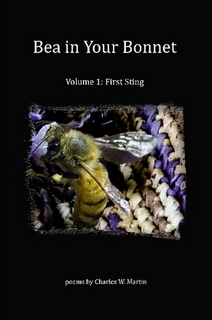
678ad505453d5a3ff2fcb744f13dedc7-1product_thumbnail.php41V9d9sj5nL._SY344_PJlook-inside-v2,TopRight,1,0_SH20_BO1,204,203,200_CHARLES W. MARTIN (Reading Between the Minds) — earned his Ph.D. in Speech and Language Pathology with an emphasis in statistics. Throughout Charlie’s career, he maintained a devotion to the arts (literature/poetry, the theater, music and photography). Since his retirement in 2010, he has turned his full attention to poetry and photography. He publishes a poem and a photographic art piece each day at Read Between the Minds, Poetry, Photograph and Random Thoughts of Life. He is noted as a poet of social conscience. Charlie has been blogging since January 31, 2010. He has self-published a book of poetry entitled The Hawk Chronicles and will soon publish another book called A Bea in Your Bonnet: First Sting, featuring the renown Aunt Bea. In The Hawk Chronicles, Charlie provides a personification of his resident hawk with poems and photos taken over a two-year period. Charlie’s lastest book, When Spirits Touch, Dual Poetry, a collaboration with River Urke, is available through Amazon now.

Posted in Charles W Martin, Photography/Photographer, poem, Poems/Poetry, poetry

photoshopping my life…

honey
i wish i could convert
my life’s composite image
into one of those digital negatives
cause then
i could upload the whole thing into photoshop
and get busy fixing it
first thing i would do
is put you on the background layer of my life
so every layer of my life
would include you
that would clear up a hell of a lot
next i’d take that healing tool
and run it over my heart a couple times
maybe more
depending on which layer of my life i’m looking at
next i’d use that sharpening tool
on my head
just to clear up
some of life’s little mysteries
like how can kindness be used
as a weapon against you
and why do lies sound
better than the truth
and how can god not act
when soulless men kill his children
before they have even begun
to breathe in the beauty of  life
then i’d bring into focus
all the lies that have been told
so folks would see them
for what they are
i’d add a little color to some folks
just to have them feel
what i have felt
oh and of course
i would definitely
use the eraser
well honey
you know how
i
would
use
that

– Charles W. Martin

© 2014, illustration and photo, Charles W. Martin, All rights reserved

678ad505453d5a3ff2fcb744f13dedc7-1CHARLES W. MARTIN (Reading Between the Minds) — earned his Ph.D. in Speech and Language Pathology with an emphasis in statistics. Throughout Charlie’s career, he maintained a devotion to the arts (literature/poetry, the theater, music and photography). Since his retirement in 2010, he has turned his full attention to poetry and photography. He publishes a poem and a photographic art piece each day at Read Between the Minds, Poetry, Photograph and Random Thoughts of Life. He is noted as a poet of social conscience. Charlie has been blogging since January 31, 2010. He has self-published a book of poetry entitled The Hawk Chronicles and will soon publish another book called A Bea in Your Bonnet: First Sting, featuring the renown Aunt Bea. In The Hawk Chronicles, Charlie provides a personification of his resident hawk with poems and photos taken over a two-year period. Charlie’s lastest book, When Spirits Touch, Dual Poetry, a collaboration with River Urke, is available through Amazon now.

product_thumbnail.phpCharlie’s long awaited Aunt Bea Collection is out. He says, “Bea In Your Bonnet: First Sting is a collection of germinal poems featuring Aunt Bea. Aunt Bea’s voice is one I’ve heard almost every day of my life. Family observations, lessons, and advice given to me and every other family member who had the good sense to listen. Her homespun philosophy most likely will not be found in any collegiate textbooks or for that matter in any local town crier newspaper catering to city dwellers. Indeed, she has a different way of viewing the world; a bit old fashion, sassy, and steely at times but a viewpoint which has engaged my imagination and heart. I sincerely hope you too will find some morsel of wisdom in her personal observations and interpretations of life’s events, but do watch out for her stingers.”

Posted in Essay, General Interest, John Anstie, poem, Poems/Poetry, poetry

Looking South

(For some, the ultimate journey)

This poem was my response to a challenge; about the triumph of the human spirit over adversity. But most particularly, it is about not bearing life’s burden on your own, but rather learning how to ask for help, how to share concern or worry. For some things in life, you cannot just ‘tough it out’. However strong you think you may be, there are some challenges in life that you cannot, nay should not tackle alone, because everyone has their limits; there is always a barrier, either physical or emotional or both, that will inhibit the progress of any man or woman; will put a stop to their journeys.

Perhaps this is because, once you show your vulnerability, far from becoming prey to vultures and demons, you will also attract the support of true human beings, those who are true team players, those who care. And anybody who endeavours to achieve things that not everyone would attempt, has that spirit. It is often a spirit born of near death experience, but may also be a response to physical and emotional pain.

It is both these things that four men from the British armed forces set out to overcome in a seemingly impossible challenge. These four servicemen, who were all injured in combat in Afghanistan, set out to enter the record books as the first disabled team to walk unassisted to the North Pole. It involved a great deal of preparation and training for all of them.

The men are: Capt Martin Hewitt, 30, whose right arm is paralysed after being shot; Capt Guy Disney, 29, whose right leg was amputated below the knee after he was hit by a rocket-propelled grenade (RPG); Sgt Stephen Young, 28, who suffered a broken back in a roadside bombing; Pte Jaco Van Gass, 24, who had his left arm amputated and suffered significant tissue loss to his left leg after being hit by an RPG.

For the first few days of their trek, they were also accompanied by Prince Harry, who supported their campaign both before and after it was completed. The documentary, shown on BBC1 in the summer of 2011, was called “Harry’s Arctic Heroes“.

In this expedition, these four men represented every soldier, airman and sailor who is ever injured in conflicts, but particularly those who lose their faculties in some way, be it the loss of a limb or sight.

The poem also has a ‘dark’ side, as it shakes a metaphor at dealing with our mortality, not least by reference to ‘The Dream of Gerontius’. The journey ‘North’, in this sense, is figurative and is my way of demonstrating that metaphor to the ultimate journey that we and all animals make as an integral part of our lives. “Looking South” represents the looking back on our lives, which in the case of these four injured servicemen, was their life so far. And for a majority of those, who deal with life’s challenges, some significant moments also represent a looking back on our lives… so far.

If you stand in the wind
and allow it to bend you
so you flex and withstand it,
don’t let it uproot you,
then you’ll find it can’t hurt you
in spite of extraordinary pain.

If your instinct for flight
is taken away
your options for fighting
in an instant are gone,
like a parent removing
your permission to play…

…with the most bitter of tears.

If there’s anything surer
than the moment you hear
a deafening sound
of silence and the fear
rushes in like air
to a vacuum.

There’s nothing more certain,
never so clear,
as if a vision of your life
were etched in white light
closing your eyes
and blinding your sight…

…but opening them on the inside.

It seems you were born
for this moment;
that this is your time.
You appear to have arrived
at the moment when pain
can no longer touch you.

That stress and the anguish
of screaming self-doubt
have momentarily left you,
your inside looking out;
outside looking in;
thoughts perfectly scrambled…

…like the dream of Gerontius.

Circumventing your demons,
overcoming your fear
this vision of whiteness
tears at your heart and your soul;
bedazzling lightness
of mind; supernal disclosure;

a revelation that you’ll never
be left on your own.
You will never be able
to embark on this journey
without your assistants;
your brothers in arms…

…but they’re not the Invisible Choir

Your angels are next to you;
there at your shoulder if you look.
Maybe a Prince or a pauper,
but either will brook you;
all you need is to ask;
as long as you let them know.

Then, when you stand there,
sharing legs, shoulders, arms,
looking South when you know
that there’s no further North,
surveying a World,
that will sing your arrival…

…knowing now that you truly have life.

Looking south
can’t say how I feel
Looking south
at the great, white sea
Looking south
just seems so unreal
Looking south
making known that I’m free.
Looking south
a muse at my heels
Looking south
nothing more to flee
Looking south
my brotherhood sealed
Looking south
fearless of what’s to be.
Looking south
my soul is healed
Looking south

© 2011 John Anstie

John_in_Pose_Half_Face3

JOHN ANSTIE (My Poetry Library and 42) ~ is a British writer and poet, a contributing editor here at Bardo, and multi-talented gentleman self-described as a “Family man, Grandfather, Occasional Musician, Singer, Amateur photographer and Film-maker, Apple-MAC user, Implementation Manager, and Engineer”. He has participated in d’Verse Poet’s Pub and is a player in New World Creative Union as well as a being a ‘spoken-voice’ participant in Roger Allen Baut’s excellent ‘Blue Sky Highway‘ radio broadcasts. John has been blogging since the beginning of 2011. He is also a member of The Poetry Society (UK).

*****

product_thumbnail-3.php

51w-rH34dTL._BO2,204,203,200_PIsitb-sticker-arrow-click,TopRight,35,-76_AA300_SH20_OU01_John has also been involved in the recent publication of two anthologies that are the result of online collaborations among two international groups of amateur and professional poets. One of these is The Grass Roots Poetry Group, for which he produced and edited their anthology, “Petrichor* Rising. The other group is d’Verse Poet Pub, in which John’s poetry also appears The d’Verse Anthology: Voices of Contemporary World Poetry, produced and edited by Frank Watson.

Petrichor – from the Greek pɛtrɨkər, the scent of rain on the dry earth.

Posted in Art, Corina L. Ravenscraft, Environment/Deep Ecology/Climate Change, poem, Poems/Poetry, poetry

~ Planet MoM ~

"Planet MoM" © Corina L. Ravenscraft 2014
“Planet MoM” © Corina L. Ravenscraft 2014

M is for the multitudes She nurtures.
O is for the only world we have.
T is terrestrial preservation – Hers.
H is for the home we have to save!
E is ecosystems, all connected.
R is for respect that She is due.

E is for environments, protected.
A is for awakened points of view.
R is for the rescue of our parent.
T is teaching all to love Her, too.
H is the Heaven or Hell they will inherit.

For all She gives us, it’s the least that we can do.


~ © Corina L. Ravenscraft 2014 ~

effecd1bf289d498b5944e37d8f4ee6fAbout dragonkatet Regarding the blog name, Dragon’s Dreams ~ The name comes from my love-affairs with both Dragons and Dreams (capital Ds). It’s another extension of who I am, a facet for expression; a place and way to reach other like-minded, creative individuals. I post a lot of poetry and images that fascinate or move me, because that’s my favorite way to view the world. I post about things important to me and the world in which we live, try to champion extra important political, societal and environmental issues, etc. Sometimes I wax philosophical, because it’s also a place where I always seem to learn about myself, too, by interacting with some of the brightest minds, souls and hearts out there. It’s all about ‘connection(s)’ and I don’t mean “net-working” with people for personal gain, but rather, the expansion of the 4 L’s: Light, Love, Laughter, Learning.

Posted in Joseph Hesch, poem, Poems/Poetry, poetry

Touching Horizon

I’ve always been one to stare
at the sunrise and sunset, the days
slipping out of and into their
respective bedsteads.
But true horizons are funny things.
They are 360-degree dreams
like Dorothy’s Kansas,
flat and unattainable except
in books or feel-good movies.

Perhaps I stand and scan
those horizons, those reclining
brushstrokes of something
always out of reach,
the encircling collection
of a great artist’s vanishing points,
of all our todays and tomorrows,
because I wish to grasp that
there is a beginning and
there is an end to everything.

And in my life there are things
I can never touch, ever,
until they reach out
to touch me first.

– Joseph Hesch

© 2014, poem, Joseph Hesch, All rights reserved

Hesch Profileproduct_thumbnail-3.phpJOSEPH HESCH (A Thing for Words) is a writer and poet from Albany, New York , an old friend of Bardo and a new core team member. Joe’s work is published in journals and anthologies coast-to-coast and worldwide. He posts poems and stories-in-progress on his blog, A Thing for Words.  An original staff member at dVerse Poets Pub website, Joe was named one of Writers Digest Editor Robert Lee Brewer’s “2011 Best Tweeps for Writers to Follow.” He is also a member of the Grass Roots Poetry Group and featured in their 2013 poetry anthology Petrichor Rising.

Posted in Jamie Dedes, poem, Poems/Poetry, poetry

The View From My Place

1354462638grfgkThe winds in May are still rusty from winter
and our crystal spring arrives stop-and-go,
not here in full force yet this year, not dense
enough to clear the rust or make the iris

dance, though the poppies are present and
there are star lilies and peonies to tempt my
eye and my wallet at the grocery. They stand
alongside the strawberries, buxom and red
and on sale this morning. A sprightly breeze

blew me home with promises of summer
tenderness, of willow branches sashaying
and of wild grasses amassed in tangles that
attract the artist’s vision and able brush.
My purple orchid is thriving and the bees are

as fat as baby mice, clever and cute. On the
mossy margins of the northern side there
are human infants with their midnight tears
waiting to be dried by serious fathers who walk
deep purple streets in slow comforing rhythms,

their newborns gently held, heads wobbling
like little drunks dripping saliva on their dads’
49er sweatshirts, while moms catch a rare nap.
Watching quietly from my place in life, I poem.

© 2013, poem, Jamie Dedes, All rights reserved
Photo courtesy of morgueFile

Note: A recording of John Anstie reading this poem can be heard on John’s SoundCloud site HERE. John’s other readings may be heard HERE.

Photo on 2014-03-31 at 17.16 #3JAMIE DEDES (The Poet by Day)~ I am a mother and a medically retired (disabled) elder. The graces of poetry, art, music, writing and study continue to evolve as a sources of wonder and solace, as a creative outlet, and as a part of my spiritual practice.

Posted in  Mya Schneider, General Interest, poetry, Poets/Writers, Writing

Myra Schneider asks, “Who is poetry for?”

1815_coversNote: This full-length feature article is presented as an appropriate wrap after celebrating interNational Poetry Month (April). The feature was originally published by ARTEMISpoetry (13 November 2013) and is delivered here with the permission of the publisher (Second Light Live) and the author, Myra Schneider. Although Myra discusses poetry in Britain, we feel her observations apply to other countries as well. Jamaica only just appointed a poet laureate for the first time in fifty years. This month in the U.S. King Features Syndicate partnered with the American Academy of Poets to present poetry to the general public along with the news, which hasn’t been done in the U.S. for more than a generation.

Some months ago at one of the twice-yearly poetry readings, which I help organize for Poetry in Palmers Green, a woman I didn’t know, turned to me as she was leaving and said apologetically: ‘I’m afraid I don’t write poetry.’ It was as if she had been attending under false pretences. I told her we welcomed everyone and felt it important our audience didn’t only consist of writers. The conversation reminded me sharply that in Britain poetry is in the main seen as a separate world. Who would go to a concert feeling uncomfortable that she/he didn’t play a musical instrument?

Why is it that contemporary poetry is often viewed as a minority art form when there is often no more potent way of expressing and communicating vital aspects of life and thought?

One problem is the poor coverage of poetry by the media. BBC Radio 4 broadcasts the poetry request programme Poetry Please. The medium of radio is, in fact, ideal for poetry and Radio 4, which includes readings twice a day from prose books, could offer much more. However, there are some green shoots. Radio has given serious attention to some contemporary translations of classical poetry, such as Amy Kate Riach’s translation of The Seafarer broadcast with sound effects and music on Radio 4, summer 2012. This programme also included a discussion of the poem led by Simon Armitage. This year a Radio 4 play was based on the life of the poet Clare Holtham, drawing on her writing. Radio 4 is also due to broadcast in January next year, as an Afternoon Play, Pam Zinnemann-Hope’s adaptation of her book-length poem On Cigarette Papers about the lives of her parents. More programmes with a poetry focus would be valuable.

Television rarely gives attention to poets and poetry. Serious drama, art and classical music, are all featured on both radio and television. Over recent years national newspapers have cut down the space they give to poetry. At one time there was a daily poem in The Independent and a weekly poem in The Observer. These have been dropped. The Guardian usually features a very short poem in its Saturday Review and a long review of one collection by a well-known poet. It used also to include two or three short reviews. Few bookshops hold good collections of poetry.

The mainstream media’s focus on a very small number of ‘hyped’ poets disguises the great range of lesser-known but strong writers whose poetry deserves to be heard. A large number of poetry collections are published each year but potential readers have no pointers about what is on offer amongst this confusing variety. If they go into a bookshop which does have an extensive poetry section (rare!) they may alight on books in which the poetry is obscure, erudite or both and others which are streetwise or jokey. They may remember some poems from the past which they liked as children but have no idea how to make their way into contemporary poetry. Unless they chance upon a book they can relate to they will probably give up.

There are, however, certain organizations and individuals who are concerned to take poetry to a wider audience. The Bloodaxe anthology, Staying Alive, and its sequels include in themed sections a wide range of accessible contemporary, twentieth century together with a few earlier poems, that is poems whose language and rhythm communicate their general sense. In comparison with the normal sales of poetry books, these anthologies have had huge and deserved success.

In London the Southbank Centre offers a fair number of readings by acclaimed poets from the UK and overseas. These draw in some non-poets as does Poet in the City’s themed readings. The Poetry Libraries in London and Edinburgh are invaluable resources with their comprehensive collections of books for children as well as adults. Both stock magazines and leaflets, provide information and put on intimate readings by a wide range of poets. Poems on the Underground and the charity, Poems in the Waiting Room, both long-running, bring poetry to the many who are unused to hearing or reading poems. The Poetry Society, which sees part of its role as bringing poetry to the public and is the main organizer of National Poetry Day, helps promote Poems on the Underground.

Of prime importance is the work done, on whatever scale, by individuals who have found ways to introduce poetry directly to non-poets. I want to mention some of the very different examples I am aware of.

Deborah Alma, who wrote about her Emergency Poet Service in ARTEMISpoetry 10, is in great demand at city centre events and venues such as pubs as well as at poetry and arts festivals. She travels as a poetry ‘doctor’ in her adapted ambulance and comments, ‘What I do by “prescribing” a poem for their “empty-nest-syndrome”, their stress or heart-break, is show them that poetry has something to say, that it can speak intimately…I try to tailor the poem to their reading habits and taste. I really do believe that poetry is for and about everyone. I might recommend a Bloodaxe anthology…It works! And it matters.’

Poet Kaye Lee, who attends a WEA Writing for Pleasure class, was asked by the tutor, whose interest was prose, to run a poetry session. She told me it was difficult because although one member of the group had requested poetry most of the others were antagonistic, considering it outlandish and too difficult. She started by reading and discussing several accessible list poems by Ruth Fainlight and other poets as a lead-in to writing and gradually won the group over. Keeping to the format of beginning with themed poems, she now runs one very popular session every term. Some members of the group are reading poetry for pleasure at home.

This year the Second Light Network invited a few book-groups to accept copies of Mary MacRae’s posthumous poetry collection, Inside the Brightness of Red, to study her work and to send in reviews. Some book-groups had previously avoided poetry books and a typical comment was: ‘Only twice in the last fifteen years…have we ventured into poetry. The few reviews coaxed from our group suggest that we might do well to dedicate more evenings to poetry in the future.’ Though Mary MacRae was widely admired by fellow-poets, she did not have a high public profile. Nevertheless, the many new readers targeted by this project were able to appreciate both the power of her work: ‘This is a luscious book of poetry. It oozes beauty and wistfulness and is a joy to have by the bed – a poem at bedtime.’ Such enthusiasm makes you wonder what it would take to bring more people and more poetry back together (‘a poem at bedtime’?).

While she was manager of Palmers Green Bookshop Joanna Cameron, a non-poet who loves poetry, ran a series of successful poetry readings. Much of the audience was made up of customers who didn’t write poetry. Later, Joanna was a founder member of Poetry in Palmers Green and she has brought many non-poets to the readings. She now lives near Cambridge where she is putting on readings for Oxfam. She believes it is important to be inclusive while offering a high standard of poetry. She told me she’s seen tightly buttoned men cry at events and heard people saying, ‘I didn’t know poetry could be like that’.

Coming from a background of working in casinos and playwriting, William Ayot became interested in poetry, both reading and writing it, in the 1990s. He included poetry in rehab work he did in prisons and for many years he has used poetry as part of teaching leadership in boardrooms and business schools all over the world. Unable to find a poetry group when he moved to Chester some years ago, he started Poetry on the Border. The series offers accessible poets to large audiences, many of whom are not poets. Recently he set up NaCOT (National Centre for Oral Tradition) and poetry, of course, has a role in this.

Poet John Killick has done major work using poetry with people who have dementia. He writes down a person’s words and then shapes them on the page. The resulting text is then approved by the person and released for circulation among care staff, relatives and a wider public. Anthologies of these poems have been brought out by the publisher, Hawker. John is now mentoring other poets to work in the same way. He also gives readings from these poems and his own at events which link poetry and health issues. Earlier in his career he used poetry in full time educational work with prisoners and he has done poetry residences in hospices.

Other poets are making valuable contributions in healthcare areas. Rose Flint has used poetry in hospital wards, special units and community groups. Another example is Wendy French who has worked in various health areas and been chair of Lapidus, an organization concerned with writing for personal development which very much involves poetry. Survivors Poetry offers poetry and poetry writing to those have suffered mental illness.

It goes without saying that bringing poetry to children is of paramount importance and the Poetry Society see it an essential part of their role to send poets into schools. The work of Sue Dymoke and Anthony Wilson, poets and university lecturers who support teachers by showing them exciting ways of introducing poetry to their pupils, is immensely valuable.

The Internet also offers routes into poetry. In the Guardian Poem of the Week Carole Rumens presents a poem with detailed description and comment. Helen Ivory posts a daily poem on Ink Sweat and Tears, a site which sometimes includes reviews of poetry. Oxford Brookes Poetry Centre posts a weekly poem. Some enthusiastic poets have blogzines in which they regularly introduce poets, together with one of their poems, in an informal but informative way. These sites are helpful to those beginning to read poetry and experienced writers are likely to gain insights from them too.
Blogzines I particularly I admire are posted by Kim Moore, Anthony Wilson and Jamie Dedes.

Kim Moore begins her posts with a lively account of her poetry week, then moves on to her chosen poet and poem. She told me she hoped to normalize poetry as having a part of a working week. In his daily Lifesaving Poems Anthony Wilson (mentioned above) presents a poem which is key to him and includes the personal circumstances in which he came across it as part of his commentary. Jamie Dedes, a retired journalist who lives in California, loves and now writes poetry. She often features articles, poems and interviews with poets in her daily blogzine, The Poet by Day.

It is very clear that themes of wide general interest as well as an informal approach provide inviting routes into poetry. This was underlined for me by Kim Moore. She was asked, as a local writer, to take part in a reading by a visiting poet on the subject of pregnancy and breastfeeding. The evening, she told me, was very popular and though none of her poems had any connection with the subject and no one in the audience whom she spoke to her had ever been to a poetry reading before, she sold nine copies of her debut pamphlet.

Although the media view poetry as a minority art I take heart from the fact that there are organizations and generous individuals committed to fostering an interest in it. I would like to think their number is growing and also that some of those who read this article might consider developing their own ‘open house’ approach.

How might we contribute? Possibly by boldly offering our own creative and/or critical work to various media. Would a long poem or sequence of yours, adapted, suit a Radio 4 ‘Afternoon Play’. Have you considered such a submission? Are we willing to post reviews of excellent collections we have read? Do we dare to invite a book group that we attend – one that never trifles with poetry – to look at a suitably accessible, intriguing individual collection of poetry or an anthology?

I know that the editors of ARTEMISpoetry would welcome and consider printing any information about schemes for widening the audience for poetry. After all, we are worth it.

Myra Schneider

© 2013, essay and portrait below, Myra Schneider, All rights reserved; © 2014, illustration, Second Light Live, All rights reserved

References:

Amy Kate Riach, The Seafarer, Sylph Editions, 2010
Bloodaxe Books, http://www.bloodaxebooks.com
The Poetry Library, Southbank, London, http://www.poetrylibrary.org.uk
The Scottish Poetry Library, Edinburgh, http://www.scottishpoetrylibrary.org.uk/‎
Poems on the Underground, http://www.tfl.gov.uk/corporate/projectsandschemes/2437.aspx
The Poetry Society, http://www.poetrysociety.org.uk
Poems in the Waiting Room, http://www.poemsinthewaitingroom.org‎
Kaye Lee, http://www.secondlightlive.co.uk
Second light Network of Women Poets, http://www.secondlightlive.co.uk
Mary Macrae, Inside the Brightness of Red, Second Light Publications, 2010
Joanna Cameron, joannacameron@live.com
Deborah Alma, Emergency Poet, emergencypoet.com
William Ayot, http://www.williamayot.com
John Killick, http://www.dementiapositive.co.uk
Wendy French, wendyfrench.co.uk
Rose Flint, http://www.poetrypf.co.uk
Lapidus, http://www.lapidus.org.uk
Survivors Poetry, http://www.survivorspoetry.org
Anthony Wilson, http://anthonywilsonpoetry.com
Sue Dymoke, http://suedymokepoetry.com/books
Guardian Poem of the Week, http://www.theguardian.com/books/series/poemoftheweek‎
Oxford Brooks Poetry Centre, ah.brookes.ac.uk
Ink Sweat and Tears, http://www.ink-sweat-and-tears.com
The Poet by Day, http://musingbymoonlight.com
Kim Moore, http://kimmoorepoet.wordpress.com

How might you contribute? Possibly by boldly offering you own creative and/or critical work to various media. Would a long poem or sequence of yours, adapted, suit a Radio 4 ‘Afternoon Play’. Have you considered such a submission? Are you willing to post reviews of excellent collections we have read? Do you dare to invite a book group that you attend – one that never trifles with poetry – to look at a suitably accessible, intriguing individual collection of poetry or an anthology?

IMG_0032-1Myra’s long poems have been featured in Long Poem Magazine and Domestic Cherry. She co-edited with Dilys Wood, Parents, an anthology of poems by 114 women about their own parents. She started out writing fiction for children and teens. We first discovered Myra through her much-loved poem about an experience with cancer, The Red Dresswhich she generously shared with readers here in our Perspectives on Cancer series in 2011.

Currently Myra lives in North London, but she grew up in Scotland and in other parts of England. She lives with her husband and they have one son. Myra tutors through Poetry School, London. Her schedule of poetry readings is HERE.

Posted in General Interest, Guest Writer, poem, Poems/Poetry, poetry

Burnt Mustard

In micro pots I scattered chilly seeds a week ago
sunflower a couple of days back
yesterday mustard

trying to push away a gift of space
suffusing the air with its acrid smell of loss

A vacuum sucks thoughts till I have none left
to appraise
I am
water draining through loam
spring cleaning myself
though that feels like being robbed

Arrivals are better at sustaining life
I hug and hold myself from draining out
through the tiny holes in the pots

There is a creamy curry in a blackened dish
spoilt by attention wandering through
spicy sunflower fields

There too a smell of burnt seeds preceded me
Strange
The mustard hasn’t sprouted
yet it has claimed the breeze

– Reena Prasad

(c) Reena Prasad, poem and portrait below

reeREENA PRASAD (Butterflies of Time, a canvas of poetry) ~ is a poet from India, now based in Sharjah. She has several poems published in English anthology collections (Change, Indus Valley, Love in Verses, Musings–a Mosaic, eight anthologies by Barry Mowles and Friends and ten of Brian Wrixon’s anthologies, also in online jounals: Carty’s Poetry Journal, Indian Ruminations, Indian Review and in online magazines such as Youth Ki Awaaz and Thanal Online. Her poems have found place among the winning entries in contests by Writer’s Cafe, Ekphrasis India and Poets Corner. She is a contributor to many international journals like

The Copperfield Review, First Literary Review-East, Angle Journal, Poetry Quarterly etc.

Posted in Imen Benyoub, Peace & Justice, Poems/Poetry, poetry

Elegy to Damascus


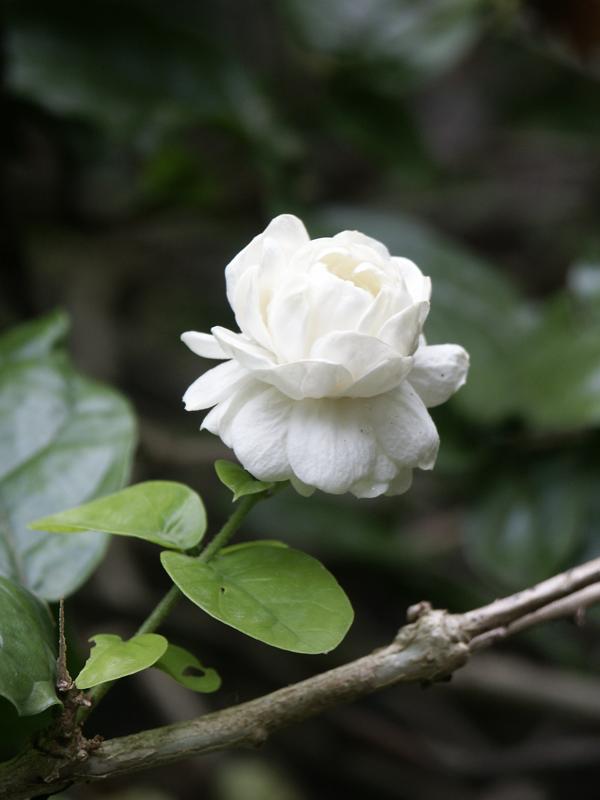
Arabian Jasmine (another name for Damascus is City of Jasmine)

He writes with a wounded language
He is a stranger
The alphabet bleeds when it’s heavy with memory
And poems will always taste
Of dry blood

Everything wounds him
In his naked solitude
Light wounds his face
A wing of a dove and a passing cloud
Wound his orphan shoulder

He writes and his wound becomes a full moon
That bleeds white in the darkness of his exile
It becomes a silk road where he travels alone
He rubs its sides with salt
And adorns it with statues
White as his pain

His wound is an unanswered prayer
His wound is a city
*****
Streets of Damascus, streets of the heart
Minarets and church bells mourn
O bride of the East with your veil soaked in blood

Your face is a dusty cracked mirror
Your womb is full of thorns

Somewhere
A poet dreams of his childhood house
His mother’s bread
His father’s prayer carpet
And the smell of henna and rose water
On the hands of a woman

He doesn’t know that his house is a graveyard
And Damascus is no longer pregnant with jasmine

– Imen Benyoub

 ©2014, poem, Imen Benyoub, All rights reserved

Photo credit ~ via Wikipedia by Scott Zone under CC A 2.0 Generic license

.

pictureIMEN BENYOUB ~ is a miltilingual, multi-talented writer, poet, and artist living in Guelma, Algeria. She is a regular contributor to Into the Bardo and to On the Plum Tree and Plum Tree Books Facebook page.

Posted in Corina L. Ravenscraft, Poems/Poetry, poetry, Poets/Writers, Writing

A Poem In Your Pocket Day

Is that a poem in your pocket, or are you just happy to see me? 😉

Image borrowed from http://www.publicdomainpictures.net

All month, we have been celebrating International Poetry Month. Today, we’re celebrating Poem in Your Pocket Day here at The Bardo. This event truly is a neat way to introduce and share poetry with just about anyone. One of the best things about pocket-sized poems, is of course, that they’re portable! No matter where you are, if you have a pocket, you can share, too. This page even has pre-made, down-loadable ‘pocket-sized’ poems in .PDF formats, so all you have to do is download them and print! Or here is another template from Scholastic.com that you can use on which to put your own poem. How easy is THAT? 😀

Image borrowed from http://jimmie.squidoo.com/hspoetry

Probably the hardest part of participating in this celebration is deciding what poem to share. If it’s too long, it might not fit on a smallish, pocket-sized piece of paper. (Although, you can always print it out and then fold it up). It should be a poem that means something to you, whether it’s one that you’ve written and want to share, or one by a favorite author. The point is to get out there and share what you love about poetry! I combined this day with a couple of the other ideas I suggested back at the beginning of the month, to post poetry in unexpected places and take a poem to lunch. I utilized Post-It notes for the first one (both because of their stick-to-it-ness properties and because they could fit in lots of unusual places). I even recruited some friends to help me place the poems all around campus. I decided to use Haikus, because they are short and easy to write on Post-Its, and I don’t think they (Haikus) are properly appreciated these days. 🙂 Post-It Haikus As you can see, I printed the haikus with the authors’ names on them and taped a small note to the bottom which said, “Celebrate National Poetry Month all April!” I chose orange because it’s a high-contrast, noticeable color. I only actually witnessed the result of one of the poems I had placed…on the inside door of a restroom stall where I work…(captive audience and all that…hahaha). The young woman came out of the restroom holding the post-it in her hand with a big smile on her face. One of my friends posted one on the inside of the elevator door, so that you didn’t see it until the doors closed and you were in the elevator on the way to your floor. “Unexpected places”, indeed. When I “took a poem to lunch” I invited my mother to go to lunch and asked her to bring a poem, too. I chose Emily Brontë’s poem, “No coward soul is mine” (which had to be folded up to fit into my pocket, by the way) and my mother brought “If” by Rudyard Kipling. It was a wonderful addition to our delicious lunch. In fact, we enjoyed it so well that I think we may even do it next month, too. 😉 Have fun today sharing the poems in YOUR pockets. You never know, you may just inspire someone else to do the same! And please join us by sharing your poem with all of us here, in the online world, by using Mister Linky. © 2014, essay, Corina Ravenscraft All rights reserved

PLEASE USE MISTER LINKY BELOW TO CONNECT

THE URL TO A POEM OF YOURS YOU’D LIKE TO SHARE

OR TO ANY POEM THAT YOU FIND ESPECIALLY MEANINGFUL

YOU MAY ALSO POP A FAVORITE POEM INTO THE COMMENT SECTION FOR THIS POST

IF YOU’D PREFER. Thank you! 

effecd1bf289d498b5944e37d8f4ee6fAbout dragonkatet Regarding the blog name, Dragon’s Dreams ~ The name comes from my love-affairs with both Dragons and Dreams (capital Ds). It’s another extension of who I am, a facet for expression; a place and way to reach other like-minded, creative individuals. I post a lot of poetry and images that fascinate or move me, because that’s my favorite way to view the world. I post about things important to me and the world in which we live, try to champion extra important political, societal and environmental issues, etc. Sometimes I wax philosophical, because it’s also a place where I always seem to learn about myself, too, by interacting with some of the brightest minds, souls and hearts out there. It’s all about ‘connection(s)’ and I don’t mean “net-working” with people for personal gain, but rather, the expansion of the 4 L’s: Light, Love, Laughter, Learning.

Posted in Joseph Hesch, poem, Poems/Poetry, poetry

Where Memory Becomes Forever

Shed
Out the big basement window, the wind
slathers the snow like cake icing
up against the trees as if they were
birthday candles, and smooths it over
the roof of old Cliff’s gingerbread shed,
where the rabbits would hide.

But I don’t see the path we’d carve
in those drifts, from this place to our place.
I can imagine high-stepping through
the knee-high purity of it all, though,
smell that clear and evocative smell,
as chaste as the expanse ahead of me.

If I were to fall, splat face-first into
the stinging reality of it all, I think
I’d roll onto my back and watch those
long trails of flakes and let them
redden my face. They’d be like kisses
from that place where memory becomes
forever.

– Joseph Hesch

© 2014, poem, photograph and portrait, Joseph Hesch, All rights reserved

Hesch Profileproduct_thumbnail-3.phpJOSEPH HESCH (A Thing for Words) is a writer and poet from Albany, New York , an old friend of Bardo and a new core team member. Joe’s work is published in journals and anthologies coast-to-coast and worldwide. He posts poems and stories-in-progress on his blog, A Thing for Words.  An original staff member at dVerse Poets Pub website, Joe was named one of Writers Digest Editor Robert Lee Brewer’s “2011 Best Tweeps for Writers to Follow.” He is also a member of the Grass Roots Poetry Group and featured in their 2013 poetry anthology Petrichor Rising.
Posted in Culture/History, General Interest, grief, Liz Rice-Sosne, memoir, poem, Poems/Poetry, poetry, Poets/Writers

November 22, 1963, Lives in Memory

Haibun

I had been to lunch in Third House.  It was a warm spring day, just the sort of day to leave lunch early and walk in the sunshine.  I ambled over to Second House and plopped down in front of the TV.  I had spent my sophomore year here and I had always loved it – it felt like home more than any other dorm.  However, that day I was a senior, an upperclassman of 17 years of age.  While at Dobbs’ I had lived in each of these Queen Anne houses.  Today I lived in First House.  They were rickety and old, painted a dull boarding school gray.  None the less I was quite comfortable for they represented home for me for three of my four years at school.  I comfortably seated myself on a couch in front of the television.  It might no longer be my dorm, but it still felt cozy and I felt confident, that day so long ago.  That confidence must have come from some of that upperclassman swagger that one acquires as they move though their grades (although, to be honest, I didn’t have much swagger).  It felt strange as I did not have many confident days in my youth.

wild grey geese above

flew in perfect formation

chaos left behind


Haibun

I flipped on the black and white TV, there was no color in those days. “Oh My God. What was happening?” I was in an instant state of shock. President Kennedy had been shot right in from of my eyes – in his limo in Dallas, Texas. “Was this true?” There was growing chaos everywhere on the television, then this horrific  event seemed to ebb out of the television and blanket me. It was thick and dark. I knew that I must get away. I had to get up, go back to the lunchroom and tell of the shooting. I thought of our beautiful first lady and what her sadness must be like. It was so hard to move. I made myself leave.

woodpecker knocking

high above in the maple

a chick all grown up


Haibun

I ran back to the lunchroom and shouted out the news. I do not remember another thing that afternoon. I do remember crying myself to sleep that night filled with such emptiness, dread and a sense of loneliness. Of late, I have been reading a good deal about the Kennedys. I will never believe that this assassination evolved out of the crazy thoughts of one lone Soviet sympathizer. I also suspect that the full truth of those moments in Dallas that November 22nd of 1963 will not be known by the public within my lifetime.

shells upon a beach

dry cool windy autumn day

creation of sand

unnamed-2LIZ RICE-SOSNE a.k.a. Raven Spirit (noh where), perhaps the oldest friend to Bardo, is the newest member of The Bardo Group Core Team. She is also our new Voices for Peace project outreach coordinator and our go-to person for all things related to haiku.  She says she “writes for no reason at all. It is simply a pleasure.” Blogging, mostly poetry, has produced numerous friends for whom she has a great appreciation. Liz is an experienced blogger, photographer and a trained shaman. We think her middle name should be “adventure.”

Posted in Liliana Negoi, poem, Poems/Poetry, poetry

lost

 – for a crippled angel –

green grows the light
through the old church’s
stained glass windows –
and red and golden and a weird shade of blue,
but mostly green,
trying to decompose into
rudimentary terms of human perception
the flawless logic of the sun

from beneath kisses of dust,
the icons stare at the bronze chandelier
hanging unlit
with an air of wise boredom
right in the middle of the ceiling –
people have forgotten
the names of those
who once alchemically turned their hearts
into each of the objects here…
people always forget,
everything

he looks around,
weighing with patience
the grains of silence filling the space,
aware of how,
should a single one of them be dislocated,
meanings would be gained
and meanings would be lost.
he then takes each of the bones of memories
and gently wipes it with his thoughts,
treasuring them
as if in those mystique relics
flew the very marrow of time.
he did that yesterday,
and the day before…
ever since he first came here

the wood is slowly rotting,
hosting tribes of insects
and wormholes,
and there’s no memory in its aura
of the first hands that joined on it
in prayer,
and even the prayers’ ghosts
have been exorcised by sand

nobody sees him.
people come and go,
failing with brilliance the test of faith –
but once in a while
some baby fixes his round eyes on him
and smiles,
acknowledging his existence.
that makes the infirmity easier to bear…

and light continues to flow
through the old glass,
like a fluid limb of the original word,
willingly fracturing itself
inside the blunt gaze,
just like his wings broke eons ago…


IMG_7667LILIANA NEGOI  (Endless Journey and in Romanian curcubee în alb şi negru) ~ is a member of our core team on Into the Bardo. She is the author of three published volumes of poetry in English, which is not her mother tongue but one that she came to love especially because of writing: Sands and Shadows, Footsteps on the San – tanka collection and The Hidden Well.  The last one can also be heard in audio version, read by the author herself on her SoundCloud site HERE.  Many of her creations, both poetry and prose, have been published in various literary magazines.